local seo in 2019

Local SEO in 2019: A Practical Guide for Local Businesses

Local SEO in 2019: How to Help Local Customers Find Your Business

In 2019, local search engine optimisation (local SEO) was an important way for businesses to connect with people looking for nearby products and services. Whether someone searched for “plumber near me” or “coffee shop in Manchester”, search engines aimed to show useful local results based on the query, the searcher’s location and information about relevant businesses.

For local businesses, appearing in these results could bring more calls, website visits and visits to a physical premises. A strong local SEO strategy combined accurate business information, a well-maintained online presence and useful content.

What was local SEO?

Local SEO is the practice of improving a business’s visibility in search results for location-based searches. These results could include standard website listings as well as map results and Google’s local pack: the prominent map and business listings shown for many local queries.

Local search rankings were influenced by factors such as relevance, distance and prominence. In practical terms, businesses needed to show that they matched a search, were located near the customer and had a credible presence online and in the community.

Optimise your Google My Business profile

Google My Business, now known as Google Business Profile, was one of the central tools for local SEO in 2019. A complete and accurate profile helped Google understand what a business offered and gave potential customers essential details at a glance.

Businesses could improve their profiles by:

  • Choosing the most accurate primary and secondary categories
  • Keeping the business name, address and phone number up to date
  • Adding opening hours, including holiday hours
  • Writing a clear description of the business and its services
  • Uploading high-quality photographs
  • Responding to customer reviews and questions

Accuracy mattered. Incorrect opening hours or an outdated phone number could frustrate customers and weaken trust, even if a business appeared prominently in search results.

Keep business listings consistent

Online directories and local listings could help people discover a business, but inconsistent details could create confusion. Businesses were advised to check their name, address and phone number across their website, Google My Business profile, social media accounts and relevant directories.

Consistency did not mean creating listings everywhere. It was more useful to focus on reputable, relevant platforms and make sure each listing contained correct information. Businesses that moved premises or changed phone numbers should update their key listings promptly.

Make your website useful for local searches

A Google profile could help a business appear in map results, but its website still played an important role. Each important service should have clear, helpful information, and the site should make it easy for visitors to contact the business or find its premises.

Useful local website improvements included:

  • Including the areas served where this was relevant and accurate
  • Publishing dedicated pages for distinct services or locations
  • Adding the business address and contact details in an easy-to-find place
  • Making the website mobile-friendly and quick to load
  • Using descriptive page titles and headings
  • Providing clear directions, parking information or service-area details

Location pages should offer genuine value, rather than repeating nearly identical text for a long list of towns. Useful details about local services, staff, projects or customer needs made a page more meaningful to visitors.

Reviews and reputation

Customer reviews were an important part of the local search landscape in 2019. They could influence a person’s decision to contact a business, while review signals also formed part of the wider picture search engines used to assess local prominence.

Businesses could encourage satisfied customers to leave honest feedback, provided they did so in a fair and compliant way. It was also good practice to respond politely to both positive and negative reviews. A thoughtful reply showed that feedback was taken seriously and gave the business an opportunity to address concerns.

Reviews should be earned, not bought or fabricated. Fake feedback could damage a business’s reputation and lead to platform penalties.

Create locally relevant content

Content helped businesses demonstrate their knowledge and connect with a local audience. A useful article might answer a common question, explain a seasonal service or share advice relevant to the area. For example, a local tradesperson could publish practical guidance on preparing a property for winter, while a restaurant might share information about locally sourced ingredients.

The goal was not to insert a town name into every paragraph. Content should be written for people first, with local references included naturally where they added context.

Use structured data carefully

Structured data, such as the relevant LocalBusiness schema, could help search engines interpret details about a business. It was important that marked-up information matched what visitors could see on the website. Structured data could clarify information, but it was not a shortcut to guaranteed rankings or enhanced search results.

Measure what matters

Local SEO was not only about ranking positions. Businesses could monitor useful outcomes such as calls, direction requests, website visits, enquiry forms and bookings. Google Analytics and Google Search Console, alongside reporting in Google My Business, could help show how people found and interacted with a business online.

Tracking these measures made it easier to understand which services, pages and local searches were bringing potential customers. It also helped businesses make practical improvements over time.

Local SEO in 2019: the essentials

Successful local SEO in 2019 relied on the basics being done well: accurate business information, a complete Google My Business profile, a helpful mobile-friendly website, genuine customer reviews and content with real local relevance. These activities worked together to build visibility and trust.

Search results and platform features continued to change, but the underlying aim remained straightforward: help nearby customers find reliable information and choose the business that best meets their needs.


8 Local SEO Tips to Boost Your Business’s Visibility in 2019

  1. Optimise your Google My Business profile and keep it up to date.
  2. Use consistent business details across your website and directories.
  3. Add your town or area naturally to relevant page titles and copy.
  4. Encourage genuine customer reviews and respond to them promptly.
  5. Choose accurate categories and add clear photos to your profile.
  6. Make your website fast and easy to use on mobile devices.
  7. Add local business schema markup to your website.
  8. Earn links from trusted local organisations and publications.

Optimise your Google My Business profile and keep it up to date.

In 2019, an optimised Google My Business profile was essential for helping local customers find and choose your business. Make sure your business name, address, phone number, opening hours and categories are accurate, and add a clear description, relevant photographs and details of your services. Keep the profile up to date whenever anything changes, including seasonal hours or contact information, and respond promptly to customer reviews and questions. A complete, current profile gives potential customers useful information at a glance and can support your visibility in local search and Google Maps.

Use consistent business details across your website and directories.

In 2019, keeping your business details consistent across your website and online directories was an important part of local SEO. Make sure your business name, address and phone number are accurate and written the same way on every listing, including your Google My Business profile. Consistent information helps search engines match listings to your business and makes it easier for local customers to contact or visit you. Check key directories regularly and update them promptly if your details change.

Add your town or area naturally to relevant page titles and copy.

Add your town or service area naturally to relevant page titles and website copy to help search engines and potential customers understand where you operate. For example, a London electrician might use a title such as “Emergency Electrician in Camden” on a dedicated service page, then explain the areas covered in clear, useful copy. Avoid adding location names where they don’t fit or repeating them unnaturally; pages should read well for people first and provide genuinely relevant local information.

Encourage genuine customer reviews and respond to them promptly.

Encouraging genuine customer reviews was an important part of local SEO in 2019. Reviews could help prospective customers choose a business and contribute to its visibility in local search results. Invite customers to share honest feedback after a purchase or visit, without offering incentives or pressuring them. Respond promptly and courteously to both positive and negative comments: a thoughtful reply shows that you value customers’ views and are willing to address any concerns.

Choose accurate categories and add clear photos to your profile.

Choosing accurate categories on your Google My Business profile helped Google understand what your business offered and match it with relevant local searches. Select the most specific primary category available, adding secondary categories only when they genuinely described your services. Clear, high-quality photos also helped potential customers get a better sense of your premises, products or team, making your profile more informative and inviting. Keep images current and authentic, and ensure they represent your business accurately.

Make your website fast and easy to use on mobile devices.

In 2019, making your website fast and easy to use on mobile devices was essential for local SEO. Many people searched for nearby businesses while on the move, so a slow or difficult-to-navigate site could cause potential customers to leave before they found your opening hours, address or contact details. Use a responsive design, keep pages quick to load and make key information—such as your phone number, location and services—easy to find and tap on a small screen.

Add local business schema markup to your website.

Adding local business schema markup to your website can help search engines understand key details about your business, such as its name, address, phone number, opening hours and the services it offers. In 2019, using accurate, relevant structured data was a useful part of a local SEO strategy, particularly when the marked-up details matched the information visible to visitors and on your business listings. Schema markup does not guarantee higher rankings or special search results, but it can make your business information clearer to search engines and support a consistent online presence.

Earning links from trusted local organisations and publications was a valuable local SEO tactic in 2019. A mention and link from a local newspaper, community group, business association or charity could help introduce your business to nearby customers and strengthen its credibility online. Focus on building genuine relationships and offering something worth sharing, such as expert advice, a community initiative or a useful local guide. Relevant, naturally earned links were more valuable than large numbers of low-quality links.
moz local seo

Moz Local SEO: A Practical Guide for UK Businesses

Moz Local SEO: A Practical Guide for Local Businesses

For businesses that rely on customers in a particular town, city or region, appearing in local search results can make a real difference. Moz Local is a tool designed to help businesses manage their online listings and strengthen important parts of their local SEO. It can help keep business information consistent across supported directories, while giving you a clearer view of your local presence.

This guide explains what Moz Local does, how it fits into a broader local SEO strategy and what UK businesses should consider before using it.

What is Moz Local?

Moz Local is a local listing management platform. It helps businesses manage key details such as their name, address, telephone number, website and opening hours across selected online directories and platforms. Depending on the features available to your account and the platforms supported, it may also help you monitor listings, identify inconsistencies and manage certain aspects of your online reputation.

These details are often referred to as NAP information: name, address and phone number. When customers find conflicting details online, they may be unsure which information is correct. Accurate, consistent listings make it easier for people to contact or visit your business.

Why local listings matter for SEO

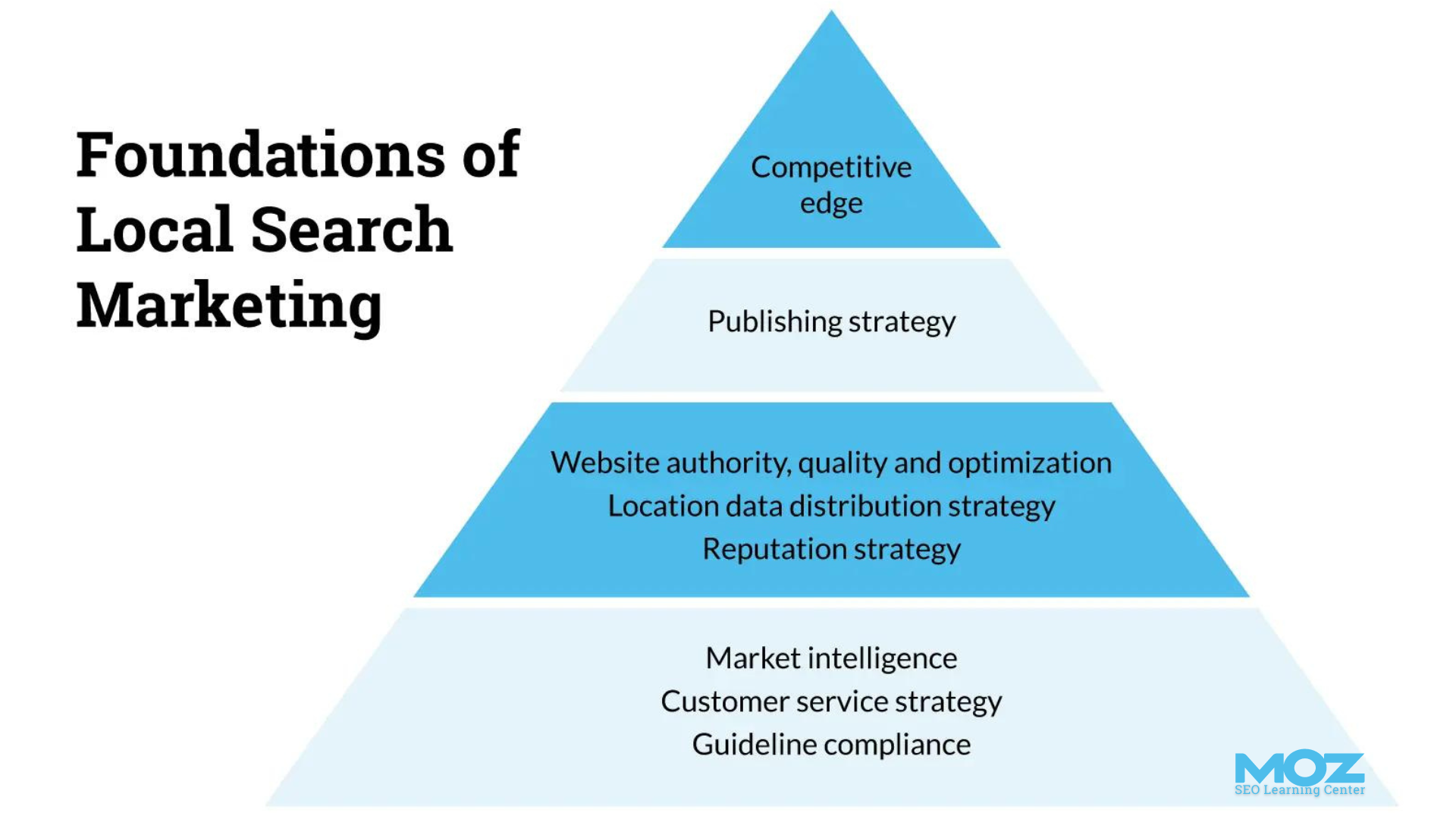
Local search visibility is influenced by a range of factors. These can include the relevance of a business to a search, its distance from the searcher and how prominent or well-established it appears online. Listings are one part of this picture, alongside your website, reviews, links and the quality of your business information.

Consistent listings can help customers find accurate details and may support search engines as they assess information about your business. However, listing management alone cannot guarantee higher rankings. Local SEO works best as an ongoing combination of accurate business profiles, useful website content and a strong customer experience.

How Moz Local can support your local SEO

Managing business information

When a business has several locations, updating each listing manually can take time. Moz Local can provide a central place to manage details for supported platforms. This can be particularly useful when opening hours change, a telephone number is updated or a business moves premises.

Finding listing inconsistencies

Older or incomplete listings can remain online long after a business has changed its details. Moz Local may help you identify information that needs attention across the platforms it monitors. Review these findings carefully: some listings may be outdated, duplicated or associated with a different business with a similar name.

Monitoring online presence

Depending on the features available, the platform can help you keep track of listing status and other local presence data. Regular monitoring makes it easier to spot issues before they cause confusion for customers.

Supporting review management

Customer reviews can influence how people choose a local business. Some local marketing tools offer ways to monitor or manage reviews, though the exact capabilities can vary. Responding thoughtfully to feedback is important, whether a review is positive or negative. Never offer incentives in exchange for favourable reviews or post reviews that are not from genuine customers.

Using Moz Local: a practical checklist

  1. Check your core details. Confirm that your business name, address, telephone number, website and opening hours are correct.
  2. Use consistent information. Keep your business details aligned across your website, Google Business Profile and relevant directories. Use the same real-world business name rather than adding extra keywords.
  3. Review each location separately. If you operate from multiple premises, make sure each location has accurate contact details and appropriate local information.
  4. Investigate duplicates carefully. Do not remove a listing unless you are confident it refers to your business and understand the consequences. For complicated cases, follow the directory’s own process.
  5. Keep profiles up to date. Add accurate opening hours, categories, services and other information where the platform allows it.
  6. Measure outcomes. Track calls, visits, enquiries and relevant website activity, not just listing counts or ranking positions.

What UK businesses should keep in mind

Not every directory is equally important for every business. A restaurant, tradesperson, professional practice and online retailer may need different listings and local marketing priorities. Focus on platforms that your customers use and that are relevant to your industry and location.

For many UK businesses, Google Business Profile is a key starting point. Apple Maps, Bing Places and reputable industry or local directories may also be relevant. Check the current requirements of each platform, as features and policies can change. Make sure your address and service area accurately reflect how your business operates; do not create a shopfront address where customers cannot visit you.

Businesses with more than one location should provide genuinely useful, location-specific information on their websites. A collection of near-identical pages with only the town name changed is unlikely to serve customers well. Each location page should clearly explain what is available there and how people can get in touch.

Moz Local is one part of a wider strategy

Local listing software can save time, but it is not a complete local SEO solution. A well-rounded approach should also include:

  • a technically sound, mobile-friendly website;
  • clear pages describing your products or services and the areas you serve;
  • a fully completed and accurate Google Business Profile;
  • genuine reviews and professional responses to customer feedback;
  • relevant links and mentions from trusted local or industry websites; and
  • regular measurement of enquiries, calls and other meaningful results.

Is Moz Local right for your business?

Moz Local may be useful if you manage several listings, operate from multiple locations or want a more organised way to check your business information across supported platforms. A smaller business with one location and few listing changes may be able to manage its essential profiles manually.

Before choosing any tool, check its current platform coverage, features and costs, and compare them with the amount of work it will save. Also consider who will review the data and respond to issues. Software can help with organisation, but accurate information and good customer service still depend on the business.

Conclusion

Moz Local can help UK businesses organise and monitor important online listings. Consistent, accurate information makes it easier for customers to find and contact you, and can support your wider local SEO efforts. For the best results, treat listing management as one part of a broader strategy that includes a useful website, a complete business profile, genuine customer reviews and ongoing measurement.


5 Moz Local SEO Tips to Boost Your Business’s Local Visibility

  1. Keep your business name, address and phone number consistent across listings.
  2. Use Moz Local to find and fix duplicate listings.
  3. Choose accurate primary and secondary business categories.
  4. Complete every listing with opening hours, website and photos.
  5. Monitor reviews and respond promptly and professionally.

Keep your business name, address and phone number consistent across listings.

Keep your business name, address and phone number (NAP) consistent across all online listings, including directories, social media profiles and your website. Use the same accurate format wherever your business appears, and update any outdated details promptly. Consistent information helps customers contact or visit you with confidence and makes it easier for search engines to match listings to your business. Moz Local can help you identify and manage discrepancies across supported platforms.

Use Moz Local to find and fix duplicate listings.

Use Moz Local to identify duplicate listings that may show conflicting or outdated details about your business. Review each result carefully to confirm it refers to your business, then follow the relevant directory’s process to remove or merge duplicates and update the remaining listing with your correct name, address, telephone number and opening hours. Keeping this information consistent helps customers find the right details and supports a clearer local online presence.

Choose accurate primary and secondary business categories.

Choose your primary and secondary business categories carefully in Moz Local and across your business listings. Your primary category should describe your main service or offering as precisely as possible, while secondary categories can cover other important services you provide. Accurate categories help search engines and potential customers understand what your business does, improving your chances of appearing in relevant local searches. Avoid choosing categories simply because they seem popular—only select those that genuinely reflect your business.

Complete every listing with opening hours, website and photos.

Complete every listing with accurate opening hours, your website address and high-quality photos. Clear, up-to-date details help customers decide when to visit and how to find out more, while photos give them a better sense of your business. Check listings regularly—especially around bank holidays or seasonal changes—and make sure the information is consistent across all platforms.

Monitor reviews and respond promptly and professionally.

Monitor reviews across the platforms where customers find your business, and respond promptly, politely and professionally to both praise and criticism. Thank reviewers for positive feedback, and address negative comments calmly by acknowledging their concerns and offering a practical way to resolve the issue. Regular, thoughtful responses show that you value customer feedback and can help build trust with potential customers.

localseo

A Practical Guide to Reaching Nearby Customers

Local SEO: How to Help Nearby Customers Find Your Business

When people search online for a nearby service, shop or place to eat, they often want to take action soon. Local SEO helps businesses appear in relevant search results and makes it easier for potential customers in the area to find and contact them.

Whether you run a café, trades business, professional practice or shop, a clear local search strategy can improve your visibility to people looking for what you offer.

What is local SEO?

Local SEO, or local search engine optimisation, is the process of improving a business’s visibility in search results for location-based searches. These might include a town, neighbourhood or phrase such as “near me”.

Search engines use a range of signals to decide which businesses to show. These can include the searcher’s location, how closely a business matches the query, the accuracy of its online information and how prominent or well-regarded it appears online.

Local results may appear in standard search listings, on maps and in dedicated local business results. The exact layout varies according to the search and the device being used.

Why local SEO matters

Local SEO can help your business connect with people who are already looking for products or services in your area. A strong presence in local search may help you:

  • Reach potential customers searching in your service area
  • Make it easier for people to find your address, opening hours and contact details
  • Build trust through accurate information and genuine customer reviews
  • Attract visits, enquiries, bookings or calls from relevant searches
  • Compete more effectively with other businesses serving the same area

Local SEO is not a one-off task. Business details change, competitors update their websites and search engines adjust how results are displayed. Regular attention helps keep your online presence accurate and useful.

Key parts of a local SEO strategy

Set up and maintain your business profile

Claim and verify your business profile on Google, then complete it as fully as possible. Choose accurate business categories, add a clear description and provide up-to-date contact details, opening hours and service information.

Use good-quality photographs where appropriate, and keep the profile updated when your hours, services or location change. Avoid adding keywords or claims that do not accurately describe your business.

Keep your business details consistent

Your business name, address and phone number should be accurate wherever they appear online. Check your website, business profiles, directories and social pages for outdated or inconsistent details.

Consistency helps customers reach you and gives search engines clearer information about your business. If you move premises or change your phone number, update important listings promptly.

Make your website useful for local visitors

Your website should make it clear what you do, where you work and how customers can get in touch. Include your contact details and service area in an easy-to-find place, and make sure the site works well on mobile devices.

If you serve several locations, create genuinely useful pages for those areas. Each page should explain the services available there and provide information that is relevant to local customers. Avoid publishing multiple near-identical pages that simply swap one place name for another.

Use location information naturally

Include relevant place names in page titles, headings and website copy where they help explain your offering. For example, a plumber might describe the towns they serve on a service-area page.

Write for people first. Repeating a town name excessively or adding lists of unrelated locations can make content difficult to read and may undermine trust.

Encourage honest customer reviews

Reviews can help people decide whether to contact a business. Invite customers to leave honest feedback after a genuine interaction, and make it straightforward for them to do so. Respond courteously to reviews, including negative ones, while protecting customers’ privacy.

Do not buy reviews, offer rewards in exchange for positive feedback or post reviews on behalf of customers. Such practices can mislead the public and may breach platform policies.

Build relevant local links and mentions

Links and mentions from reputable local organisations can help people discover your business. Consider appropriate opportunities through trade associations, community groups, local events, suppliers or local news coverage.

Focus on genuine relationships and useful contributions rather than collecting links for their own sake. A relevant local mention is more valuable when it helps the audience understand who you are and what you offer.

How to measure local SEO progress

Track measures that connect search visibility with real business outcomes. Useful indicators may include:

  • Website visits from local searches
  • Search impressions and clicks for relevant local queries
  • Calls, direction requests, bookings or form enquiries
  • Visits to key service and location pages
  • The quality and volume of customer reviews

Rankings can vary by a person’s location, device and search history, so a single search from one place does not tell the whole story. Review performance over time and consider whether increased visibility is leading to useful enquiries.

Common local SEO mistakes

  • Leaving opening hours, addresses or phone numbers out of date
  • Creating thin or duplicate pages for multiple locations
  • Adding keywords unnaturally to business names or website copy
  • Ignoring customer reviews or responding defensively
  • Focusing only on rankings instead of enquiries and customer experience
  • Claiming to serve areas that the business does not actually cover

Getting started with local SEO

Start with the essentials: check that your business profile is verified, confirm that your contact details are correct across the web, and make sure your website clearly explains your services and service area. Then build a routine for updating information, responding to reviews and reviewing performance.

Local SEO works best when it reflects the real business: its services, location, expertise and relationships with the community. By providing accurate information and a helpful experience, you can make it easier for nearby customers to find you and choose your services.


Top 5 Benefits of Local SEO for Boosting Your Business

  1. Helps nearby customers find your business
  2. Increases visibility in local search results
  3. Can bring more relevant enquiries
  4. Builds trust with accurate details and reviews
  5. Supports footfall, calls and bookings


Challenges of Local SEO: Navigating Competition, Consistency, and Customer Engagement

  1. Results can take time to improve.
  2. Local competition may be intense.
  3. Business details need regular updates.
  4. Reviews require ongoing attention.
  5. Rankings can vary by location.
  6. Poor listings can confuse customers.
  7. SEO does not guarantee new enquiries.

Helps nearby customers find your business

Local SEO helps nearby customers find your business when they search online for products or services in their area. By keeping your contact details accurate and making your location and services clear, you can appear in relevant local results and make it easier for potential customers to visit, call or get in touch.

Increases visibility in local search results

Local SEO helps your business appear more prominently when nearby customers search online for the products or services you offer. By improving your local listings, website content and business information, you can increase the chances of being found in location-based searches and on maps. Greater visibility makes it easier for potential customers in your area to discover your business and get in touch.

Can bring more relevant enquiries

Local SEO can bring in more relevant enquiries by helping your business appear when nearby customers are actively searching for the products or services you provide. Because these people are looking for a solution in a specific area, they may be more likely to call, request a quote, book an appointment or visit your premises.

Builds trust with accurate details and reviews

Local SEO helps build trust by making sure customers can find accurate, consistent details about your business, including your address, opening hours and contact information. Genuine customer reviews add another layer of reassurance, offering insight into other people’s experiences. Keeping your details up to date and responding to feedback professionally can help potential customers feel more confident about choosing your business.

Supports footfall, calls and bookings

Local SEO can turn online searches into real-world action. By helping nearby customers find accurate details such as your location, opening hours and contact information, it can encourage more visits to your premises, phone enquiries and bookings. This makes it easier for people who are ready to buy or make an appointment to take the next step.

Results can take time to improve.

One drawback of local SEO is that results can take time to improve. Search engines need to discover and assess changes to your website and business profiles, while building local visibility and customer trust rarely happens overnight. The time needed can vary depending on your competition, location and starting point, so it’s important to be patient, make steady improvements and track progress over time.

Local competition may be intense.

Local competition can be intense, particularly in popular areas where many businesses offer similar services. Established competitors may already have strong search visibility, numerous customer reviews and links from trusted local websites, making it harder for a newer or smaller business to stand out. Building a noticeable presence takes time and consistent effort, so results from local SEO may not come quickly.

Business details need regular updates.

A drawback of local SEO is that business details need regular updates. Changes to opening hours, contact numbers, addresses or services should be reflected across your website and online listings; otherwise, customers may see outdated information and struggle to reach you. Keeping everything accurate takes time and ongoing attention.

Reviews require ongoing attention.

Customer reviews can build trust and influence local visibility, but managing them takes ongoing attention. Businesses need to regularly monitor new feedback, respond thoughtfully to both positive and negative comments, and address recurring concerns. Letting reviews go unanswered can make potential customers feel overlooked, while rushed or defensive replies may damage trust. It is important to set aside time to handle feedback consistently and professionally.

Rankings can vary by location.

One challenge of local SEO is that rankings can vary depending on where a search is made. A business may appear prominently to someone nearby but lower down for a searcher in another part of the town or service area. This makes it difficult to judge performance from a single search or location, so it’s better to monitor results across relevant areas and focus on trends in enquiries, calls and visits as well as rankings.

Poor listings can confuse customers.

Inaccurate or inconsistent business listings can confuse potential customers and damage their trust. If your address, phone number, opening hours or service details differ across websites, people may struggle to contact you or even visit the wrong location. Keep your listings up to date and consistent so customers know exactly where to find you and what to expect.

SEO does not guarantee new enquiries.

Local SEO can improve your visibility in nearby searches, but it cannot guarantee new enquiries. Search rankings are only one part of a customer’s decision: demand, competition, pricing, reviews, website usability and the relevance of your services can all affect whether someone gets in touch. Results may also take time, so it’s important to measure enquiries and conversions as well as rankings, and to treat local SEO as one part of a wider marketing strategy.