
mobile seo service

Mobile SEO Service: Improve Your Website’s Performance on Every Device

Mobile SEO Service: Make Your Website Work Better on Every Screen

More people than ever use smartphones to search, browse and shop online. If your website is difficult to use on a mobile device, visitors may leave before they find what they need. A professional mobile SEO service helps improve your website’s performance in mobile search and creates a smoother experience for people using smartphones and tablets.

Mobile SEO is not simply about making a desktop website fit a smaller screen. It involves reviewing how your site loads, appears and functions on mobile devices, then making improvements that help both users and search engines understand and navigate it.

What is mobile SEO?

Mobile SEO is the process of optimising a website for mobile users and mobile search. It covers technical performance, page design, content, navigation and accessibility. The aim is to make it easy for visitors to find information and complete tasks, whether they are reading an article, requesting a quote or making a purchase.

Google primarily uses the mobile version of a website for indexing and ranking. This makes it important for your mobile pages to contain the same essential content and structured data as your desktop pages, while still being quick and comfortable to use on a smaller screen.

What does a mobile SEO service include?

The right service will depend on your website and business goals, but a mobile SEO project may include:

  • Mobile usability checks: Reviewing layouts, text size, buttons, menus and forms on different screen sizes.
  • Page speed improvements: Identifying factors that slow pages down, such as oversized images, unnecessary scripts or inefficient code.
  • Responsive design guidance: Helping ensure pages adapt to different devices without hiding important content or functionality.
  • Technical SEO reviews: Checking mobile crawling, indexing, redirects, canonical tags and structured data.
  • Content optimisation: Making information clear, useful and easy to scan on a phone, with headings and page layouts that support quick reading.
  • Mobile conversion improvements: Finding friction in key actions, such as calling your business, submitting a form or completing a purchase.
  • Performance monitoring: Tracking mobile search visibility, organic traffic and user behaviour over time.

Why mobile SEO matters

It supports a better user experience

Mobile visitors often have limited time and screen space. Small text, awkward navigation, intrusive pop-ups and hard-to-use forms can make a site frustrating. Mobile SEO helps identify and address these issues, making it easier for people to get the information they came for.

It can strengthen your search visibility

Search engines aim to show results that are relevant and useful. A technically sound mobile site helps search engines access and understand your pages. Strong mobile performance alone cannot guarantee higher rankings, but it is an important part of a well-rounded SEO strategy.

It can help turn visits into enquiries and sales

Traffic is only valuable when visitors can take the next step. Clear calls to action, tap-friendly buttons and simple forms can make it easier for mobile users to contact you or buy from you. Even small improvements to the mobile journey can make an important difference to how well a website supports business goals.

Common mobile SEO problems

Some mobile issues are easy to overlook when a website is checked mainly on a desktop computer. Common problems include:

  • Pages that require horizontal scrolling.
  • Text or buttons that are too small to use comfortably.
  • Slow-loading pages, particularly on weaker connections.
  • Important content that is missing or difficult to find on mobile.
  • Pop-ups that cover the main content or are difficult to close.
  • Forms with too many fields or controls that are awkward to use.
  • Images and videos that do not resize properly.
  • Mobile pages affected by broken links, incorrect redirects or blocked resources.

How mobile SEO is measured

A mobile SEO service should be guided by evidence rather than guesswork. Depending on the project, an SEO specialist may use analytics, search performance data, technical crawls and real-device testing to understand how the website performs.

Useful indicators can include mobile organic impressions and clicks, rankings for relevant searches, page loading performance, engagement and completion of important actions. Metrics should be considered in context: a change in traffic or rankings can have several causes, so regular analysis is more useful than relying on a single figure.

Mobile SEO and responsive web design

Responsive design is a popular way to serve the same website across desktop, tablet and mobile screens. The layout adjusts to suit the device, while the page address generally stays the same. This can make a site easier to manage and gives users a consistent experience.

However, responsive design does not automatically make a website mobile-friendly. Pages still need to be tested for usability, speed, content quality and technical accessibility. The structure may adapt perfectly while a form remains difficult to complete or a key page takes too long to load.

Choosing a mobile SEO service

Look for a provider that takes time to understand your website, customers and objectives. A useful service should explain what has been reviewed, prioritise practical improvements and show how progress will be assessed.

Be cautious of promises of guaranteed rankings or instant results. SEO is an ongoing process, and outcomes depend on factors such as competition, the condition of your website and the quality of implementation. A clear action plan and transparent reporting are better signs of a responsible approach.

Make mobile performance part of your SEO strategy

Your mobile website is often the first experience a potential customer has with your business. A dedicated mobile SEO service can help uncover technical and usability issues, improve the experience for visitors and support your wider search strategy.

Whether you run a local business, an online shop or a service-based company, reviewing your website from a mobile user’s perspective is a practical place to start. Identify the pages and actions that matter most, test them on real devices and make improvements based on what the evidence shows.


Top 6 Tips for Choosing an Effective Mobile SEO Service

  1. Choose a service that prioritises mobile-first indexing.
  2. Ensure your website uses responsive design.
  3. Improve mobile page speed and Core Web Vitals.
  4. Make navigation and buttons easy to use on small screens.
  5. Optimise local SEO for mobile searches.
  6. Track mobile rankings, traffic and conversions regularly.

Choose a service that prioritises mobile-first indexing.

Choose a mobile SEO service that prioritises mobile-first indexing, where search engines primarily use the mobile version of your website to understand and rank its content. Your provider should check that mobile pages include the same essential information, structured data and metadata as desktop pages, and that they’re easy to crawl and use. This helps ensure your site presents a consistent, accessible experience for both visitors and search engines.

Ensure your website uses responsive design.

Ensure your website uses responsive design so its layout adapts to different screen sizes, from smartphones and tablets to desktop computers. Text should remain easy to read, images should resize neatly, and menus and buttons should be simple to use without zooming or horizontal scrolling. Test key pages and forms on a range of devices to check that visitors can find information and take action comfortably. Responsive design supports a better mobile experience and makes it easier to manage a consistent website across devices.

Improve mobile page speed and Core Web Vitals.

Improving mobile page speed and Core Web Vitals can make your website quicker and more comfortable to use on smartphones. Start by compressing images, reducing unnecessary scripts and choosing reliable hosting, then check how quickly the main content loads, how stable the layout remains and how soon the page responds to interactions. Regular testing can help identify issues and prioritise fixes, supporting a better experience for visitors and your wider mobile SEO performance.

Make navigation and buttons easy to use on small screens.

Make navigation and buttons easy to use on small screens by keeping menus simple, using clear labels and ensuring links and buttons are large enough to tap comfortably. Leave sufficient space between interactive elements to prevent accidental clicks, and place important actions—such as “Call us” or “Get a quote”—where visitors can find them quickly. A mobile SEO service can identify usability issues like these and help create a smoother experience for smartphone users.

Optimise local SEO for mobile searches.

Optimise local SEO for mobile searches by making it easy for nearby customers to find accurate information about your business. Keep your Google Business Profile up to date with your address, opening hours, phone number and services, and make sure these details match those on your website and other directories. Include relevant location terms naturally in your page titles and content, and ensure your site is quick to load and simple to use on a phone. Clear directions, click-to-call links and genuine customer reviews can also help mobile visitors choose and contact your business.

Track mobile rankings, traffic and conversions regularly.

Track your mobile rankings, organic traffic and conversions regularly to understand whether your mobile SEO efforts are delivering results. Reviewing these metrics over time can reveal which pages are gaining visibility, where visitors may be dropping off and whether mobile users are completing valuable actions, such as making an enquiry or placing an order. Use analytics and search performance tools to spot trends, then refine your strategy based on the findings.
organic seo services

Organic SEO Services: A Practical Guide to Sustainable Search Growth

Organic SEO Services: A Guide to Sustainable Search Growth

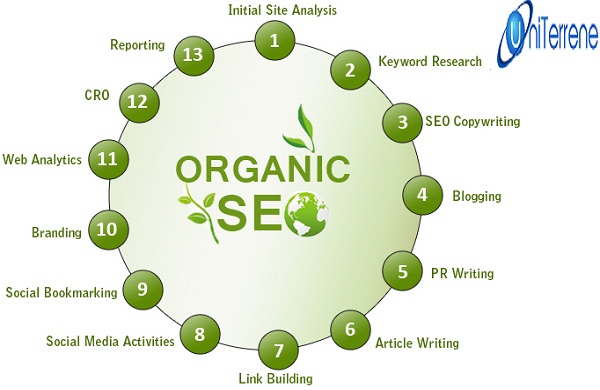
When people search online for a product, service or answer, they often begin with a search engine. Organic SEO services help businesses improve their visibility in unpaid search results, making it easier for potential customers to find relevant pages on their website.

Unlike paid search advertising, organic search traffic is not purchased through a fee for each click. Instead, it is earned over time by making a website useful, accessible and relevant to both visitors and search engines. Results are not instant, but a well-planned SEO strategy can support sustainable growth.

What are organic SEO services?

Organic SEO services are the activities used to improve a website’s position and visibility in non-paid search results. They combine technical improvements, helpful content and website authority to make pages easier to discover and more valuable to visitors.

Services are usually tailored to a business’s audience, objectives, competition and current website performance. They may include:

  • SEO audits: Reviewing a website to identify technical issues, content gaps and opportunities to improve.
  • Keyword research: Understanding the terms people use when looking for a business’s products, services or expertise.
  • On-page optimisation: Improving page titles, headings, copy, internal links and other elements so each page clearly addresses its subject.
  • Technical SEO: Helping search engines access, crawl and understand a website, while improving factors such as mobile usability and page performance.
  • Content strategy: Planning and creating useful, original content that answers genuine questions and supports the customer journey.
  • Local SEO: Improving visibility for relevant searches in a particular town, city or region.
  • Digital PR and link earning: Building a website’s reputation through relevant coverage, references and links from credible sources.
  • Measurement and reporting: Tracking meaningful indicators such as organic visits, enquiries, sales and search visibility.

Why invest in organic SEO?

Organic SEO can help a business reach people who are actively searching for information or services related to its offering. When a website appears prominently for relevant searches, it can attract more qualified visitors and give potential customers useful information at the moment they need it.

SEO can also improve the website itself. Clear navigation, well-structured pages, accessible content and faster-loading experiences benefit visitors as well as supporting search performance. Over time, valuable content can continue to attract traffic beyond the initial publication date.

However, SEO is not a guaranteed route to a particular ranking or a fixed volume of sales. Search results change, competitors improve their websites and customer behaviour evolves. Effective optimisation is an ongoing process rather than a one-off task.

How organic SEO works

Search engines aim to show results that are useful and relevant to a person’s query. To do this, they discover and assess web pages, considering a range of signals. Organic SEO helps ensure that a website can be found, understood and trusted, while making its content a strong match for the audience’s needs.

A typical campaign begins with research and a review of the website. The SEO team then agrees priorities, makes improvements and measures the results. Depending on the findings, the work may focus on resolving technical barriers, improving important service pages, creating new content or strengthening the site’s authority.

What to look for in an SEO service

Choosing an SEO provider is about more than comparing a list of deliverables. Look for a team that takes time to understand your business, explains its recommendations clearly and connects its work to your objectives.

  • A tailored strategy: Recommendations should reflect your website, audience and market, rather than rely on a generic package.
  • Clear communication: You should understand what work is being done, why it matters and how progress will be reviewed.
  • Realistic expectations: A responsible provider will not promise guaranteed rankings or overnight results.
  • Ethical methods: Avoid tactics designed to manipulate search engines, such as buying links or publishing low-quality, repetitive content.
  • Useful reporting: Reports should explain performance in plain language and focus on outcomes that matter to your business.

How long does organic SEO take?

There is no universal timeframe. Progress depends on factors such as the website’s starting condition, the competitiveness of its market, the quality of existing content and the resources available to make improvements. Technical fixes may be completed relatively quickly, while building visibility and authority often takes longer.

A good SEO programme sets priorities, establishes a performance baseline and reviews results regularly. It should also adapt as new information becomes available, rather than follow a rigid plan regardless of what the data shows.

Make organic search part of your growth strategy

Organic SEO services can help businesses build a stronger presence in search, attract relevant visitors and create a better experience on their website. The strongest results come from consistent work that puts users first: understanding what they need, providing clear answers and making those answers easy to find.

Whether you are starting from scratch or improving an established website, a considered SEO strategy can help you make better use of organic search as part of your wider digital marketing activity.


8 Essential Tips for Choosing Effective Organic SEO Services

  1. Choose an SEO provider with proven results.
  2. Set clear goals before work begins.
  3. Prioritise useful, original content.
  4. Research relevant search terms.
  5. Improve page speed and mobile usability.
  6. Earn links from trusted websites.
  7. Track rankings, traffic and conversions.
  8. Avoid providers promising instant results.

Choose an SEO provider with proven results.

Choose an SEO provider with proven results, and ask for evidence that their work has delivered meaningful outcomes for businesses with similar goals or challenges. Look beyond ranking claims: useful proof may include improvements in relevant organic traffic, qualified enquiries, sales or visibility. A reputable provider should explain what they did, how success was measured and what factors influenced the results, while being clear that SEO cannot guarantee specific rankings or outcomes.

Set clear goals before work begins.

Before organic SEO work begins, set clear goals that link to your wider business objectives. Decide what success should look like, whether that means increasing relevant website visits, generating more enquiries, growing online sales or improving visibility for priority services. Clear goals help guide the strategy, focus resources on the most valuable opportunities and make it easier to measure progress over time. They also ensure that you and your SEO provider share the same expectations from the outset.

Prioritise useful, original content.

Prioritise useful, original content that answers your audience’s questions and helps them make informed decisions. Rather than creating pages simply to include keywords, focus on sharing accurate, relevant information in a clear and engaging way. This gives visitors a better experience, helps your website stand out and supports organic SEO by showing search engines what each page offers. Keep content up to date, and make sure it reflects your expertise and the needs of your customers.

Research relevant search terms.

Researching relevant search terms is a key first step in organic SEO. Find out what your potential customers are searching for, including the questions they ask and the language they use to describe your products or services. Choose terms that match your offering and the intent behind each search, then use them naturally in useful page titles, headings and content. This helps search engines understand your pages and gives visitors information that is genuinely relevant to their needs.

Improve page speed and mobile usability.

Improving page speed and mobile usability can make a real difference to both user experience and organic search performance. Pages that load quickly and work smoothly on smartphones help visitors find what they need without frustration, making them more likely to stay and take action. Compressing images, reducing unnecessary code and checking that text, buttons and navigation display clearly on smaller screens are practical ways to improve your website. Regular testing across different devices can help identify issues before they affect your visitors.

Earn links from trusted websites by creating genuinely useful content that others want to reference, and by building relationships with relevant organisations, publications and industry experts. Quality matters more than quantity: links from reputable, relevant sources can help people discover your website and strengthen its credibility. Avoid buying links or using schemes designed to manipulate search rankings, as these can put your site at risk.

Track rankings, traffic and conversions.

Track rankings, organic traffic and conversions to understand whether your SEO activity is delivering meaningful results. Rankings can show how your pages perform for target searches, while traffic reveals whether more people are finding your website through search. Most importantly, monitor conversions—such as enquiries, bookings or sales—to see whether those visits are contributing to your business goals. Reviewing these measures regularly helps you identify what is working and where your organic SEO strategy may need adjusting.

Avoid providers promising instant results.

Avoid SEO providers promising instant results or guaranteed top rankings. Organic SEO takes time because improvements need to be implemented, indexed and assessed by search engines, and progress depends on factors such as competition and your website’s starting point. A trustworthy provider will set realistic expectations, explain its approach and report on meaningful progress rather than offer quick fixes that may put your website’s reputation at risk.

Unlocking the Potential of GSC SEO: Elevate Your Website’s Performance

The Power of GSC SEO: Leveraging Google Search Console for Effective Website Optimisation

The Power of GSC SEO: Leveraging Google Search Console for Effective Website Optimisation

In the realm of digital marketing, search engine optimisation (SEO) plays a crucial role in improving a website’s visibility and driving organic traffic. One powerful tool that webmasters and SEO professionals can utilise to enhance their SEO efforts is Google Search Console (GSC).

What is GSC SEO?

Google Search Console, formerly known as Google Webmaster Tools, is a free service provided by Google that helps website owners monitor, maintain, and troubleshoot their site’s presence in Google search results. GSC offers valuable insights into how Google views your website, identifies issues that may affect your site’s performance in search results, and provides data on organic search traffic.

Key Features of GSC SEO:

  • Performance Reports: GSC provides detailed reports on your website’s performance in Google Search results, including clicks, impressions, click-through rates, and average position.
  • Index Coverage: This feature shows you which pages of your site are indexed by Google and highlights any indexing issues that need attention.
  • Mobile Usability: GSC helps you identify mobile usability issues on your site that could impact your rankings on mobile search results.
  • URL Inspection: You can use this tool to inspect individual URLs on your site to check for indexing status and any crawling or indexing errors.

Benefits of Using GSC for SEO:

By leveraging the power of Google Search Console for SEO purposes, website owners can:

  • Identify and Fix Issues: GSC helps you identify technical issues such as crawl errors, security issues, or mobile usability problems that may be hindering your site’s performance in search results.
  • Optimise Content: By analysing search queries that drive traffic to your site and monitoring click-through rates, you can fine-tune your content strategy to better align with user intent.
  • Track Performance: With detailed performance reports, you can track the impact of your SEO efforts over time and make data-driven decisions to improve your site’s visibility.
  • Audit Backlinks: GSC allows you to monitor backlinks pointing to your site and disavow any spammy or low-quality links that could harm your rankings.

In Conclusion

In conclusion, Google Search Console is a powerful tool that provides invaluable insights into the health and performance of your website from an SEO perspective. By regularly monitoring and optimising your site using GSC data, you can enhance its visibility in search results, attract more organic traffic, and ultimately achieve better online success.


Maximising Website Performance: 9 Benefits of Using Google Search Console for SEO

  1. Free to use for website owners
  2. Provides valuable insights into website performance in Google search results
  3. Helps identify and resolve technical issues that may impact SEO
  4. Allows monitoring of organic search traffic data
  5. Offers detailed reports on clicks, impressions, and average position in search results
  6. Enables tracking of mobile usability issues for better user experience
  7. Facilitates URL inspection to check indexing status and errors
  8. Assists in optimising content based on search queries and click-through rates
  9. Allows monitoring and managing backlinks pointing to the website


7 Drawbacks of Google Search Console for SEO: Navigating Limitations and Complexities

  1. Limited historical data available for analysis compared to other SEO tools.
  2. Data discrepancies may occur between Google Analytics and Google Search Console metrics.
  3. Some features, such as the removals tool, can be complex to use for beginners.
  4. Not all website errors are reported in real-time, leading to potential delays in identifying issues.
  5. The user interface can be overwhelming for those unfamiliar with technical SEO concepts.
  6. Certain advanced features require a deeper understanding of SEO principles to fully utilise effectively.
  7. GSC may not provide detailed insights into competitor performance or keyword rankings.

Free to use for website owners

One significant advantage of GSC SEO is its accessibility to website owners at no cost. Google Search Console offers a valuable set of tools and insights that can be utilised by website owners without any financial investment. This means that businesses and individuals can leverage the power of GSC to monitor, optimise, and troubleshoot their websites’ performance in Google search results without incurring additional expenses. The free-to-use nature of GSC makes it an invaluable resource for enhancing SEO strategies and improving online visibility without breaking the bank.

Provides valuable insights into website performance in Google search results

Google Search Console (GSC) SEO offers a significant advantage by providing valuable insights into a website’s performance within Google search results. By utilising GSC, website owners can gain a deeper understanding of how their site is perceived by Google, including metrics such as clicks, impressions, click-through rates, and average position. This data empowers webmasters to identify strengths and weaknesses in their SEO strategy, allowing them to make informed decisions to enhance their site’s visibility and effectiveness in organic search rankings.

Helps identify and resolve technical issues that may impact SEO

One significant advantage of utilising Google Search Console (GSC) for SEO is its capability to help identify and resolve technical issues that could potentially impact a website’s search engine optimisation efforts. By leveraging the insights provided by GSC, website owners can pinpoint issues such as crawl errors, security vulnerabilities, or mobile usability problems that may hinder their site’s performance in search results. Addressing these technical issues promptly through GSC not only ensures a smoother user experience but also enhances the overall SEO health of the website, ultimately leading to improved visibility and rankings on search engines.

Allows monitoring of organic search traffic data

One significant advantage of utilising Google Search Console for SEO is its capability to enable the monitoring of organic search traffic data. By accessing detailed insights on the volume of organic traffic directed to a website, webmasters and SEO professionals can gain a deeper understanding of user behaviour, popular search queries, and the effectiveness of their SEO strategies. This data empowers them to make informed decisions, refine content strategies, and optimise website performance to attract more relevant organic traffic and improve overall search visibility.

Offers detailed reports on clicks, impressions, and average position in search results

One notable advantage of utilising Google Search Console for SEO is its ability to provide comprehensive reports on essential metrics such as clicks, impressions, and average position in search results. By offering detailed insights into how users interact with your website in Google search, GSC enables webmasters and SEO professionals to assess the effectiveness of their strategies and make informed decisions to improve their site’s performance. Understanding these key data points allows for targeted optimisation efforts that can enhance visibility, increase click-through rates, and ultimately drive organic traffic to the website.

Enables tracking of mobile usability issues for better user experience

Google Search Console’s capability to enable tracking of mobile usability issues is a significant advantage for website owners seeking to enhance user experience. With the increasing prevalence of mobile device usage, ensuring that a website is optimised for mobile users is crucial. By utilising GSC to identify and address mobile usability issues, webmasters can create a more seamless and responsive browsing experience for visitors accessing their site on smartphones or tablets. This proactive approach not only improves user satisfaction but also contributes to better search engine rankings, ultimately driving more organic traffic to the site.

Facilitates URL inspection to check indexing status and errors

One significant benefit of utilising Google Search Console for SEO is its capability to facilitate URL inspection, allowing webmasters to easily check the indexing status and identify any errors associated with specific URLs on their website. This feature empowers website owners to pinpoint and rectify any indexing issues promptly, ensuring that their content is properly crawled and indexed by Google for optimal visibility in search results. By leveraging URL inspection within GSC, webmasters can maintain a well-optimised site that adheres to best SEO practices and enhances overall search engine performance.

Assists in optimising content based on search queries and click-through rates

Google Search Console (GSC) proves to be an invaluable asset in the realm of SEO by aiding website owners in optimising their content effectively. By analysing search queries that drive traffic to the site and monitoring click-through rates, GSC provides valuable insights that enable webmasters to tailor their content strategy to better align with user intent. This proactive approach ensures that content is not only relevant but also resonates with the target audience, ultimately leading to improved visibility and engagement on search engine results pages.

One significant advantage of utilising Google Search Console for SEO is its capability to enable monitoring and managing backlinks that direct to the website. By leveraging this feature, website owners can gain valuable insights into the quality and quantity of backlinks pointing to their site. This allows them to identify potentially harmful or spammy links and take necessary actions, such as disavowing those links, to safeguard their site’s search engine rankings and overall online reputation. Effectively managing backlinks through GSC contributes to a healthier link profile, enhances the site’s authority, and improves its visibility in search results.

Limited historical data available for analysis compared to other SEO tools.

One notable drawback of utilising Google Search Console (GSC) for SEO purposes is the limitation in historical data availability for in-depth analysis when compared to other comprehensive SEO tools. Due to the nature of GSC’s data retention policy, users may find it challenging to access extensive historical performance data over extended periods, which can hinder the ability to track long-term trends and make informed strategic decisions based on historical insights. This limitation underscores the importance of supplementing GSC data with other SEO tools that offer robust historical data tracking capabilities for a more comprehensive and insightful approach to website optimisation.

Data discrepancies may occur between Google Analytics and Google Search Console metrics.

One notable drawback of utilising Google Search Console (GSC) for SEO is the potential occurrence of data discrepancies between the metrics provided by GSC and those in Google Analytics. This inconsistency in data can lead to challenges in accurately assessing website performance and making informed decisions based on the insights gathered. Discrepancies between the two platforms may arise due to differences in data collection methods, processing algorithms, and attribution models, creating a level of uncertainty when analysing and interpreting website data for SEO optimisation purposes. It is essential for webmasters and SEO professionals to be aware of these discrepancies and take them into consideration when leveraging GSC data for their digital marketing strategies.

Some features, such as the removals tool, can be complex to use for beginners.

For beginners, utilising certain features of Google Search Console (GSC) like the removals tool can present a challenge due to their complexity. The removals tool, designed to help webmasters temporarily hide specific content from Google search results, may require a steep learning curve for those new to SEO practices. Navigating through the intricacies of this tool can be daunting, potentially leading to confusion and missteps in the process of managing website content visibility. As such, beginners may find themselves overwhelmed by the technicalities involved in leveraging this particular feature within GSC for effective search engine optimisation.

Not all website errors are reported in real-time, leading to potential delays in identifying issues.

One significant drawback of utilising Google Search Console for SEO is that not all website errors are reported in real-time. This limitation can result in potential delays in identifying critical issues affecting the site’s performance. As a result, webmasters and SEO professionals may not promptly address emerging problems, leading to prolonged periods of reduced visibility and potential negative impacts on search rankings. It is essential for users of GSC to supplement its data with regular manual checks to ensure timely detection and resolution of website issues for optimal SEO performance.

The user interface can be overwhelming for those unfamiliar with technical SEO concepts.

For individuals who are not well-versed in technical SEO concepts, one significant drawback of using Google Search Console (GSC) is the potentially overwhelming user interface. GSC provides a wealth of data and features that may be challenging to navigate for beginners or those unfamiliar with the intricacies of SEO. The abundance of technical terms and metrics within GSC can be daunting, making it difficult for users to interpret the data effectively and utilise it to improve their website’s performance in search results. This complexity can deter some users from fully harnessing the benefits of GSC for their SEO efforts, highlighting the need for additional guidance and resources to help simplify the interface for a broader audience.

Certain advanced features require a deeper understanding of SEO principles to fully utilise effectively.

One drawback of utilising Google Search Console (GSC) for SEO is that certain advanced features within the tool may necessitate a more profound comprehension of SEO principles to maximise their effectiveness. To fully leverage these advanced functionalities, users must possess a comprehensive understanding of search engine optimisation techniques and strategies. Without a solid grasp of SEO principles, users may struggle to interpret and implement the insights provided by these advanced features, potentially limiting the tool’s overall utility in enhancing website optimisation efforts.

GSC may not provide detailed insights into competitor performance or keyword rankings.

One limitation of Google Search Console (GSC) for SEO is its inability to offer comprehensive insights into competitor performance or detailed keyword rankings. While GSC excels in providing data about a website’s own performance and search visibility on Google, it falls short when it comes to offering a comparative analysis with competitors or in-depth information on how specific keywords are performing across the search landscape. This lack of competitor and keyword ranking data may hinder a website owner’s ability to fully understand the competitive landscape and make informed decisions to improve their SEO strategy.