Small Businesses SEO: A Practical Guide to Growing Online visibility
SEO for Small Businesses: A Practical Guide
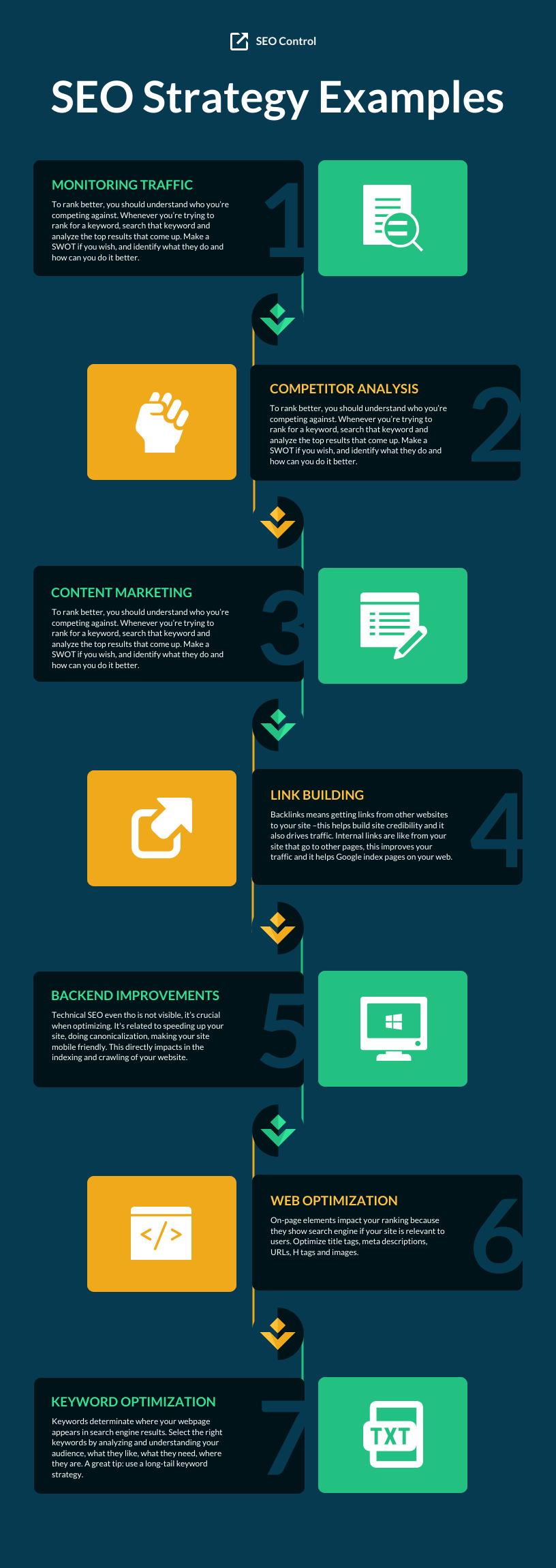
For a small business, being easy to find online can make a real difference. Search engine optimisation (SEO) helps your website appear in search results when potential customers look for the products or services you offer. It is not an overnight fix, but a steady, well-planned approach can help you attract relevant visitors and build trust over time.
Start with your customers
Effective SEO begins with understanding what your customers need. Think about the questions they ask, the problems they want to solve and the words they use when searching. A local plumber, for example, might be found through searches such as “emergency plumber in Bristol” or “boiler repair near me”. A specialist online shop may need to focus on product names, categories and detailed buying advice.
Make a list of relevant search terms, then group them by topic and intent. Some people are looking for information; others are ready to compare options or make a purchase. Your website should provide useful pages for each of these stages.
Make your website clear and useful
Each important product or service should have its own page with a clear description of what you offer, who it is for and how customers can take the next step. Use straightforward headings, concise paragraphs and descriptive page titles. Avoid repeating the same phrase unnaturally: content should be written for people first.
Useful content can also help your business demonstrate its expertise. Depending on your industry, this might include how-to guides, answers to common questions, case studies or advice on choosing the right service. Keep information accurate and up to date, and make sure it genuinely helps your audience.
Improve your local SEO
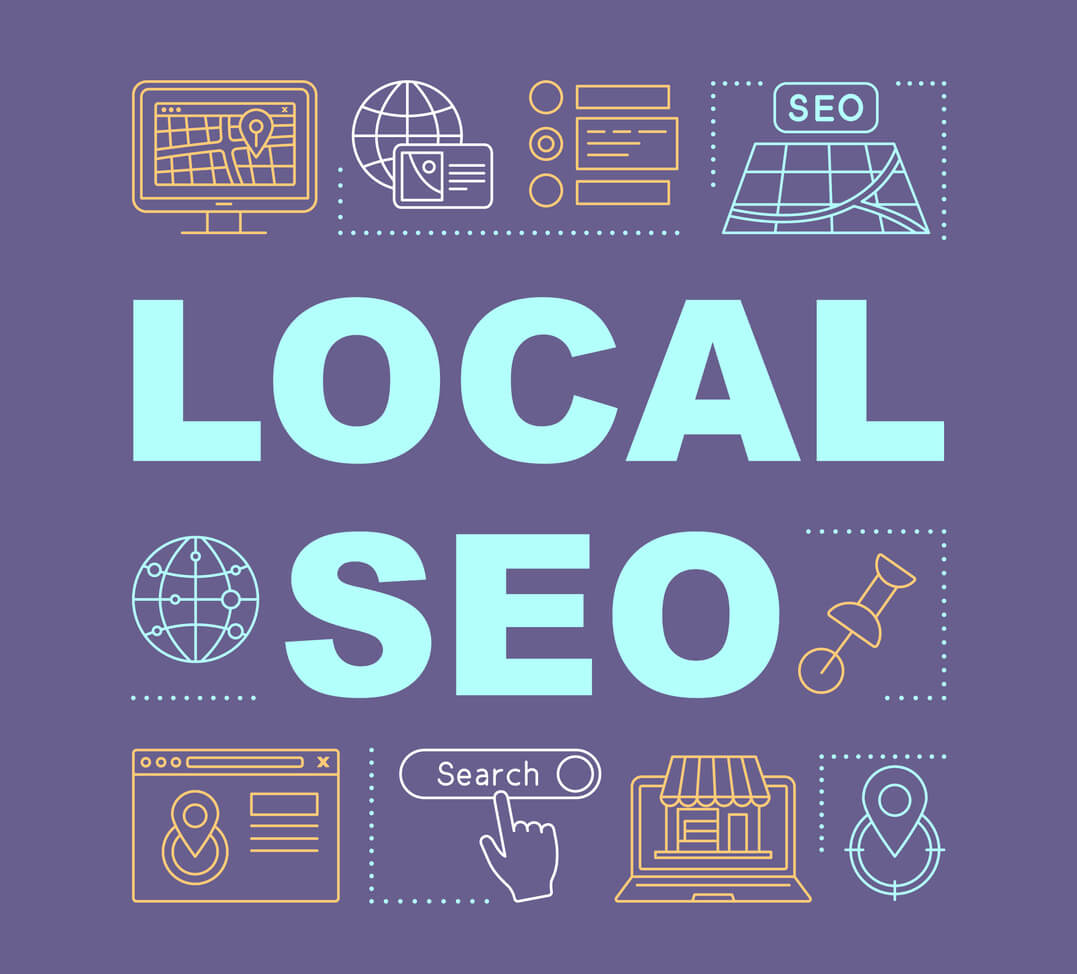
If your business serves a particular area, local SEO can help nearby customers find you. Create or update your Google Business Profile with accurate details, including your business name, address, telephone number, opening hours and services. Add suitable photos and respond professionally to reviews.
Keep your contact details consistent across your website and other reputable business directories. If you serve several locations, create a useful page for each area rather than publishing multiple pages with nearly identical wording.
Look after the technical essentials
A website needs to be accessible to both visitors and search engines. Check that it works well on mobile devices, loads promptly and uses HTTPS. Make sure important pages can be reached through clear navigation and that links lead to the right places.
Technical issues such as broken links, duplicate pages or pages that search engines cannot access may limit your visibility. Free tools such as Google Search Console can help you spot indexing problems and understand which searches bring people to your site. For more complex websites, a technical SEO review may be worthwhile.
Build credibility over time
Search engines consider many signals when assessing pages, and trustworthy references to your business can contribute to your online presence. Focus on earning relevant links naturally: for example, through useful resources, local partnerships, industry associations or genuine media coverage. Avoid buying links or using schemes that promise quick rankings; these can put your site at risk.
Customer reviews can also help prospective customers decide whether to contact you. Invite feedback in an honest, appropriate way, and never offer incentives in exchange for positive reviews.
Measure progress and be patient
SEO results take time and depend on factors such as your industry, location, website history and competition. Track useful measures, including organic visits, enquiries, sales and the search terms that lead people to your site. Ranking positions alone do not tell the whole story: the aim is to attract the right visitors and help them take meaningful action.
Review your performance regularly and use what you learn to improve your pages. A page that attracts visitors but few enquiries may need clearer information, stronger calls to action or a simpler contact process.
A manageable SEO plan for a small business
- Check that your website is secure, mobile-friendly and easy to navigate.
- Identify the main services, products and locations you want to be found for.
- Improve the key pages with clear, helpful and original information.
- Set up or update your Google Business Profile if you serve local customers.
- Use Google Search Console and website analytics to monitor results.
- Set aside time each month to review, update and improve your content.
Small businesses do not need to tackle every SEO task at once. Start with the changes most likely to help your customers, build a consistent routine and focus on providing a better online experience. Over time, those foundations can support stronger visibility and more opportunities to grow.
Essential SEO Insights for Small Businesses: Top 8 FAQs Answered
- How to optimize SEO for small business?
- What are the 4 P’s of SEO?
- What is the 80/20 rule in SEO?
- Do small businesses need SEO?
- What is SEO and how it works for small businesses?
- How many small businesses use SEO?
- Can a beginner do SEO?
- What is the best SEO for a small business?
How to optimize SEO for small business?
To optimise SEO for a small business, start by identifying the search terms your potential customers use, including relevant products, services and locations. Create clear, helpful pages around those topics, make sure your website works well on mobile and loads quickly, and use descriptive page titles and headings. If you serve local customers, keep your Google Business Profile and contact details accurate, and encourage genuine customer reviews. Use Google Search Console and website analytics to monitor performance, then regularly improve pages based on what people search for and which visits lead to enquiries or sales. SEO takes time, so focus on consistent, useful improvements rather than quick fixes.
What are the 4 P’s of SEO?
There is no universally accepted set of “4 P’s” in SEO; the phrase usually adapts the marketing mix: Product, Price, Place and Promotion. For a small business, this means clearly explaining what you offer, providing useful pricing information where appropriate, making it easy for customers in your service area to find you, and promoting your website through helpful content and reputable links. Together, these principles can make your site more relevant to customers and support your SEO, although they do not replace technical optimisation or keyword research.
What is the 80/20 rule in SEO?
The 80/20 rule in SEO is a useful guideline suggesting that around 80% of your results may come from 20% of your efforts. For a small business, this could mean prioritising the pages, search terms and activities that are most likely to attract relevant visitors and generate enquiries or sales—for example, improving key service pages, strengthening local listings or updating content that already performs well. It is not a fixed formula, but a reminder to focus your time and budget on the work with the greatest potential impact.
Do small businesses need SEO?
Yes, SEO can help small businesses reach people who are actively searching for their products or services. It can improve your visibility in search results, help local customers discover your business and bring relevant visitors to your website. SEO takes time and results are not guaranteed, but focusing on useful content, accurate business details and a well-organised website can build a strong foundation for long-term growth.
What is SEO and how it works for small businesses?
SEO (search engine optimisation) is the process of improving a website so it is more likely to appear in relevant search results. For small businesses, this can mean helping local customers find your services, products and contact details when they search online. SEO works by making your site useful, easy to navigate and accessible to search engines, while using the words and topics your potential customers are likely to search for. Improving local listings, publishing helpful content and maintaining a technically sound website can all contribute to better visibility over time, although results are not instant or guaranteed.
How many small businesses use SEO?
There is no single reliable figure for how many small businesses use SEO, as surveys define it differently and adoption varies by country and industry. Many use at least some SEO practices, such as improving their website content, managing a Google Business Profile or seeking customer reviews, even if they do not have a formal SEO strategy. For small businesses, these practical steps can help improve visibility in search results and make it easier for potential customers to find them.
Can a beginner do SEO?
Yes, a beginner can do SEO. Start with the basics: understand what your customers search for, create clear and useful pages, make sure your website works well on mobile, and keep your business details accurate online. Free tools such as Google Search Console can help you monitor how your site appears in search results. SEO takes time, so focus on steady improvements rather than quick fixes, and consider professional support if you encounter technical issues or need a more advanced strategy.
What is the best SEO for a small business?
The best SEO for a small business focuses on reaching the right customers, rather than chasing rankings alone. Start by making your website fast, mobile-friendly and easy to navigate, then create clear, useful pages for your products or services using the terms your customers are likely to search for. If you serve a local area, keep your Google Business Profile and contact details accurate, and encourage genuine customer reviews. Track visits, enquiries and sales to see what is working, and improve your site consistently—SEO takes time, but a focused, customer-first approach can build lasting visibility.