local seo strategy

Local SEO Strategy: A Practical Guide for UK Businesses

Local SEO Strategy: A Practical Guide for UK Businesses

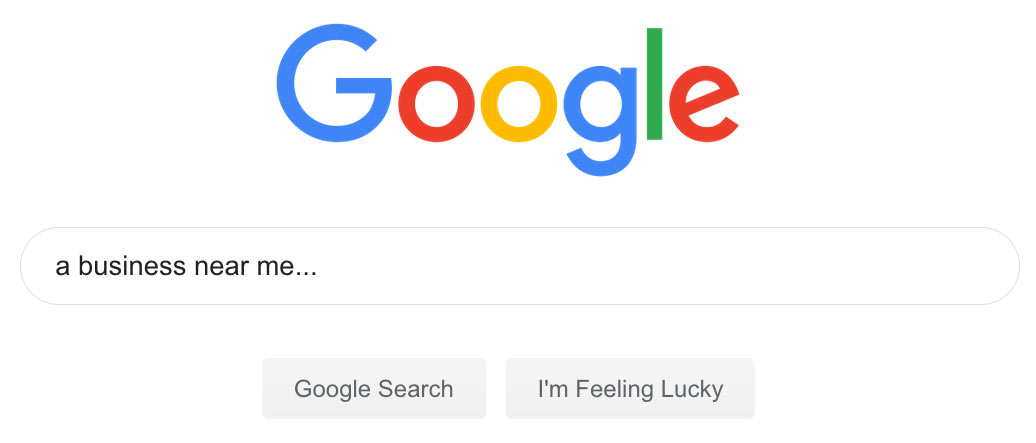
When people search for a nearby service, they often want to take action quickly. Searches such as “plumber near me”, “dentist in Leeds” or “coffee shop in Bristol” can lead directly to a visit, booking or phone call. A well-planned local SEO strategy helps your business appear in relevant local search results and makes it easier for nearby customers to choose you.

Local SEO is the process of improving your online visibility for searches connected to a particular place. It involves more than adding a town name to your website. Search engines consider your business details, website content, customer reviews, local relevance and other signals when deciding which businesses to show.

Define the areas and customers you want to reach

Start by identifying the locations your business genuinely serves. A shop or restaurant may focus on the neighbourhood around its premises, while a trades business might cover several towns. Consider your service area, customer travel patterns and the locations that are commercially worthwhile.

Be specific. Listing every town in a wide region can make your marketing unfocused, and creating pages for places you do not serve may frustrate visitors. Prioritise areas where you can provide a reliable service and where there is real demand.

Optimise your Google Business Profile

Your Google Business Profile can help your business appear in Google Maps and local search results. Claim and verify the profile, then check that all information is accurate and complete.

  • Use your real-world business name, without adding unnecessary keywords.
  • Choose the most relevant primary and secondary categories.
  • Add your correct address or service area, phone number and website.
  • Set accurate opening hours, including holiday hours.
  • Describe your services and add useful photos.
  • Keep information up to date when anything changes.

Businesses that serve customers at their premises can display an eligible address. Service-area businesses that visit customers should follow Google’s guidelines and avoid showing a residential address when customers are not served there.

Keep your business details consistent

Your business name, address and phone number—often called NAP details—should be consistent across your website, business directories and social profiles. Small differences, such as an old telephone number or a previous address, can confuse customers and make it harder to verify your business information.

Make a list of the places where your business details appear online. Correct inaccurate listings and prioritise reputable directories and relevant industry platforms. Avoid submitting your details to low-quality directories simply to build a large number of listings.

Create useful, locally relevant website content

Your website should make it clear what you do, who you help and where you operate. Include location information naturally in relevant page titles, headings, copy and contact details. The aim is to help visitors and search engines understand your services—not to repeat place names unnaturally.

If you serve several locations, create a dedicated page for each important area only when you can provide genuinely useful, unique information. Include details such as the services available there, local delivery or appointment options, and how customers can get in touch. Avoid publishing numerous near-identical pages that differ only by town name.

Local content can also answer questions that matter to people in your area. For example, a building company might explain planning considerations common to local property types, while a clinic could outline how to book an appointment and what to expect. Useful content gives potential customers a reason to trust your business before they contact you.

Make your website easy to use

Many local searches happen on mobile devices, so your website should load quickly and work well on smaller screens. Make key information easy to find, including your address, telephone number, opening hours, service details and booking options.

Use clear calls to action, such as “Call to book” or “Request a quote”. Where appropriate, make telephone numbers tap-to-call and provide a simple contact form. Good usability can help turn search visibility into enquiries and visits.

Earn and respond to customer reviews

Reviews can help prospective customers understand the experience your business provides. Invite customers to leave honest feedback after a purchase or completed service, using a polite, straightforward request. Do not offer incentives in exchange for reviews, and never write or buy fake reviews.

Respond professionally to both positive and negative feedback. Thank customers for positive comments, and address concerns calmly and constructively. Avoid sharing personal or sensitive information in public replies. A thoughtful response can show that your business takes customer service seriously.

Build local links and relationships

Links from relevant, reputable local websites can help people discover your business and support your local credibility. Look for natural opportunities to contribute to your community, such as local business associations, charities, events, suppliers or industry organisations.

Focus on genuine relationships and useful contributions rather than buying links or taking part in schemes designed solely to manipulate search rankings. A mention from a respected local organisation is more valuable when it reflects a real connection.

Measure performance and improve over time

Track the outcomes that matter to your business, not just rankings. Useful measures may include:

  • Calls, enquiries, bookings and directions requests.
  • Organic visits to important service and location pages.
  • Search terms that bring relevant local visitors to your site.
  • Google Business Profile interactions and customer reviews.
  • Conversions from different locations or marketing channels.

Use tools such as Google Search Console and website analytics to understand how people find and use your site. Review the data regularly, check whether your business details remain accurate and update pages when services, locations or customer needs change.

Common local SEO mistakes to avoid

  • Adding keywords to a business name when they are not part of its real-world name.
  • Creating thin or duplicate pages for many locations.
  • Using inaccurate addresses, opening hours or service areas.
  • Buying reviews or links.
  • Focusing on rankings while ignoring calls, bookings and other business results.
  • Leaving outdated information on directories and social profiles.

Build a strategy around trust and relevance

An effective local SEO strategy brings together accurate business information, a helpful website, strong customer service and genuine local connections. Start with the essentials: define your service area, complete your Google Business Profile, check your listings and improve the pages most likely to generate enquiries.

Local SEO is an ongoing process rather than a one-off task. By monitoring results and keeping your information useful and up to date, you can make it easier for local customers to find your business—and feel confident choosing it.


Top 5 Tips for Enhancing Your Local SEO Strategy

  1. Optimise your Google Business Profile with accurate details and opening hours.
  2. Use location-specific keywords on relevant pages.
  3. Keep your business name, address and phone number consistent across directories.
  4. Encourage satisfied customers to leave honest reviews.
  5. Create useful content about local events, services and community needs.

Optimise your Google Business Profile with accurate details and opening hours.

Keep your Google Business Profile accurate and up to date so local customers can find and contact you with confidence. Check that your business name, address, phone number, website and services are correct, and make sure your opening hours reflect when you’re genuinely available—including any changes for bank holidays or seasonal closures. Clear, reliable details help prevent missed visits and calls, while giving searchers a better reason to choose your business.

Use location-specific keywords on relevant pages.

Use location-specific keywords on the pages where they’re genuinely relevant, such as “accountant in Manchester” on your Manchester services page. Include local terms naturally in page titles, headings and useful copy, rather than repeating them unnaturally. This helps search engines understand where you operate and helps potential customers quickly see whether you serve their area. If you cover several locations, create individual pages only when each can offer genuinely useful, distinct information.

Keep your business name, address and phone number consistent across directories.

Keep your business name, address and phone number consistent across online directories, your website and social media profiles. Even small differences—such as an outdated phone number or inconsistent address format—can confuse potential customers and make it harder for search engines to verify your business details. Check your listings regularly and update them whenever your information changes.

Encourage satisfied customers to leave honest reviews.

Encourage satisfied customers to share honest feedback by asking them after a positive experience, such as once a job is complete or a purchase has been made. Make it easy by sending a direct link to your review profile, but never pressure customers or offer rewards in exchange for reviews. Respond courteously to feedback—positive or negative—to show that you value your customers and take their comments seriously.

Create useful content about local events, services and community needs.

Create useful content that reflects what matters to people in your area. Share updates about local events, explain how your services meet community needs, or answer questions residents commonly ask. Keep information accurate and genuinely helpful, rather than adding place names simply to attract search traffic. This approach can strengthen your connection with the community while helping local customers discover your business.

local seo ranking

Local SEO Ranking: How to Improve Your Visibility in Local Search Results

Local SEO Ranking: How to Improve Your Visibility in Local Search

When someone searches for a nearby service, such as “plumber near me” or “dentist in Manchester”, search engines aim to show useful local options. Appearing prominently in these results can help a business reach nearby customers at the moment they are looking to take action.

Local SEO is the process of improving a business’s visibility in location-based search results. These can include the local map results, often called the local pack, as well as standard organic listings. There is no single change that guarantees a top position, but consistent, relevant information and a strong online reputation can help improve your chances.

How local search rankings work

Google says local results are mainly based on three factors: relevance, distance and prominence.

  • Relevance refers to how closely a business matches what the person is searching for.
  • Distance considers how far the business is from the searcher or the location included in the search.
  • Prominence reflects how well-known and established a business appears to be, based on information Google can find online and elsewhere.

These factors can interact. A business may rank differently depending on the searcher’s location, the wording of the search and the level of competition nearby. That is why local SEO is an ongoing effort rather than a one-off task.

Optimise your Google Business Profile

A complete and accurate Google Business Profile is an important starting point for many local businesses. Check that your business name, address, phone number, website and opening hours are correct. Choose the most suitable primary category and add relevant additional categories where appropriate.

Describe your services clearly and keep details such as holiday opening hours up to date. Add genuine, high-quality photographs that help customers understand what you offer. If your profile includes features such as services, products, appointment links or questions and answers, use the ones that are relevant to your business.

Follow Google’s guidelines when creating or updating your profile. For example, use your real-world business name rather than adding extra keywords, and do not create multiple profiles for the same eligible location.

Make your website useful for local customers

Your website should make it easy for both visitors and search engines to understand what you do and where you operate. Include your business’s contact details and service information in clear, accessible places. Ensure the details match those on your Business Profile and other important listings.

If you serve several areas, create location pages only where they provide genuinely useful information. Each page should explain the services available in that area and offer relevant details, rather than simply swapping the place name in an otherwise identical block of text. Avoid creating thin or repetitive pages solely to target more locations.

It also helps to make sure your site works well on mobile devices, loads reliably and has clear navigation. Many local searches happen on phones, where people may want to call, request directions or make an appointment quickly.

Keep business information consistent

Business details are often described as NAP: name, address and phone number. Check that these details are accurate across your website, business directories, professional associations and social profiles. Small variations may be harmless in some cases, but outdated addresses or incorrect phone numbers can confuse potential customers.

Focus on reputable, relevant listings rather than submitting your details to every directory available. If your business moves or changes its phone number, update the most important profiles and directories promptly.

Earn and respond to customer reviews

Reviews help potential customers assess a business, and they can contribute to its online prominence. Make it easy for satisfied customers to leave an honest review by sharing a review link after a completed job or visit. Do not buy reviews, offer rewards in exchange for positive feedback or pressure customers to leave a particular rating.

Respond to reviews in a professional and considered way. Thank customers for positive feedback and address concerns without sharing private information. A thoughtful response can show that the business takes customer experience seriously.

Build local relevance and reputation

Useful local content can demonstrate your knowledge of the areas and customers you serve. Depending on your business, this might include practical guides, project examples, event information or answers to common local questions. The aim should be to help readers, not to repeat location keywords unnaturally.

Links and mentions from trusted local organisations can also support your online presence. Consider relevant opportunities such as local news coverage, business associations, community partnerships or professional directories. The value comes from genuine relevance and trust, not from collecting as many links as possible.

Measure local SEO performance

Track progress using more than a single ranking position. Local results can vary by searcher location, device and query, so one manual search will not show the full picture. Useful measures include:

  • Website visits from organic search
  • Calls, direction requests and website clicks from your Business Profile
  • Enquiries, bookings or sales from local landing pages
  • Review volume, quality and response activity
  • Visibility for relevant local searches across the areas you serve

Google Search Console and Google Business Profile performance data can help you understand how people discover and interact with your business. Use these insights to identify gaps, update inaccurate information and improve pages that are not meeting customer needs.

Common local SEO mistakes to avoid

  • Adding keywords or locations to a business name when they are not part of its real-world name
  • Creating duplicate or ineligible Business Profiles
  • Publishing near-identical pages for many towns or postcodes
  • Using inaccurate addresses, phone numbers or opening hours
  • Buying reviews or links
  • Focusing only on rankings instead of calls, enquiries and other meaningful outcomes

Build a steady local SEO strategy

Improving local SEO rankings starts with accurate business information, a well-maintained Google Business Profile and a website that clearly explains your services. Add a trustworthy reputation, useful local content and consistent measurement, then review your results regularly.

Local visibility can take time to improve, and no ethical SEO provider can guarantee a particular position. However, a clear, customer-focused approach can make your business easier to find and choose when people nearby are searching for what you offer.


7 Essential Tips to Boost Your Local SEO Rankings

  1. Keep your Google Business Profile accurate and complete.
  2. Use consistent business details across online directories.
  3. Add your town or area naturally to key website pages.
  4. Ask satisfied customers for honest reviews.
  5. Reply promptly to reviews and customer questions.
  6. Create useful pages for the areas you serve.
  7. Keep your website mobile-friendly and quick to load.

Keep your Google Business Profile accurate and complete.

Keep your Google Business Profile accurate and complete so customers can quickly find reliable information about your business. Check that your name, address, phone number, website, opening hours and service details are up to date, and choose the most relevant business categories. Add useful photos and update special hours or other changes promptly. A well-maintained profile helps search engines understand what you offer and where you operate, while making it easier for local customers to contact or visit you.

Use consistent business details across online directories.

Keep your business name, address and phone number consistent across online directories, your website and your Google Business Profile. Accurate, matching details help customers contact or visit you and make it easier for search engines to verify your business information. Review your listings regularly, update any changes promptly and prioritise reputable directories that are relevant to your business and location.

Add your town or area naturally to key website pages.

Include your town or service area naturally on key website pages, such as your homepage, contact page and relevant service pages. This helps visitors and search engines understand where you operate. Add location details where they’re genuinely useful—for example, describe the areas you cover or mention a local project—rather than repeating place names unnaturally or creating pages with little unique value.

Ask satisfied customers for honest reviews.

Ask satisfied customers to share an honest review of their experience. Reviews can help potential customers decide whether to choose your business and contribute to your online reputation. Make it easy by sharing a direct review link after a purchase or completed service, but never offer incentives for positive feedback or pressure customers to leave a particular rating. Respond to reviews professionally, thanking customers for their feedback and addressing any concerns appropriately.

Reply promptly to reviews and customer questions.

Reply promptly to reviews and customer questions to show that your business is attentive, trustworthy and engaged with its customers. Thank people for positive feedback, and respond to concerns politely and constructively without sharing private information. Timely, helpful replies can strengthen your reputation, encourage potential customers to choose your business and support a positive local presence.

Create useful pages for the areas you serve.

Create useful pages for the areas you serve by explaining which services are available locally and what customers can expect. Include genuinely relevant details, such as local projects, service coverage, travel arrangements or answers to common questions. Make each page distinct and helpful rather than creating near-identical pages that only swap one place name for another. This gives visitors useful information and helps search engines understand where your business operates.

Keep your website mobile-friendly and quick to load.

Keep your website mobile-friendly and quick to load so local customers can find what they need without frustration. Make sure pages display clearly on smaller screens, buttons and contact details are easy to use, and visitors can quickly call, get directions or make an enquiry. Compressing images, limiting unnecessary scripts and choosing reliable hosting can help pages load faster. A smooth mobile experience makes it easier for people to engage with your business and supports a stronger overall local SEO strategy.

best local seo companies

Best Local SEO Companies: How to Choose the Right Partner

Best Local SEO Companies: How to Choose the Right Partner

For a business serving a particular town, city or region, appearing in local search results can make a real difference. A strong local SEO strategy can help potential customers find your business on Google Search and Maps, understand what you offer and get in touch.

The best local SEO company for your business will depend on your location, budget, goals and the support you need. Some providers are full-service digital agencies, while others specialise in local search or offer tools to help you manage the work yourself. The companies below are a useful starting point—not a definitive ranking or guarantee of results.

Local SEO companies to consider

LocaliQ UK

LocaliQ UK offers digital marketing services for businesses, including services intended to help improve local visibility. It may suit organisations looking for support across several areas of digital marketing rather than SEO alone. Ask how its local SEO work is tailored to your locations and how results are reported.

The SEO Works

The SEO Works is a UK digital marketing agency offering SEO and related services. It may be worth considering if you want an agency partner that can look at organic search as part of a wider online growth strategy. Discuss your service areas, competition and expectations before agreeing a campaign.

Hallam

Hallam is a UK digital agency with search marketing expertise. Businesses considering a broader strategy—including SEO and other digital channels—may find its approach relevant. Ask whether the proposed team has experience with businesses like yours and with the locations you want to target.

Blue Array

Blue Array is a UK SEO consultancy that works with organisations on search strategy. It may be suitable for businesses seeking strategic advice or specialist SEO support. If local visibility is your priority, check that the proposal specifically covers local rankings, Google Business Profile and location-specific pages.

Whitespark

Whitespark is a Canada-based local SEO provider known for local search tools and services. Its resources may be useful to businesses looking to manage parts of local SEO themselves, as well as those seeking specialist support. UK businesses should confirm that the service and advice fit their market and locations.

Sterling Sky

Sterling Sky is a Canada-based agency focused on local SEO. It may be of interest to businesses looking for specialist local search expertise. As with any provider based overseas, check its experience in your country, how communication and reporting will work, and whether its recommendations reflect local search practices.

What does a local SEO company do?

Local SEO focuses on helping a business appear in search results for relevant services and places. Depending on the provider and your needs, work may include:

  • Reviewing and improving your Google Business Profile
  • Checking that your business name, address and phone number are consistent online
  • Researching local search terms and competitors
  • Improving location and service pages on your website
  • Supporting a genuine customer review strategy
  • Finding relevant local directories and citation opportunities
  • Monitoring local visibility, website enquiries and other agreed outcomes

Not every business needs every service. A single-location tradesperson, for example, may need different support from a multi-location healthcare group or a chain of shops.

How to choose the best local SEO company

Look for relevant experience

Ask for examples of work with businesses in your sector and in markets similar to yours. Case studies should explain the work carried out and the results measured, rather than relying only on broad claims about rankings.

Understand the proposed strategy

A reputable provider should explain what it plans to do, why those activities matter and how they relate to your goals. Be cautious of vague packages that promise a set number of links or rankings without first reviewing your website and competition.

Ask how success is measured

Rankings can be useful, but they are only one part of the picture. Ask how the company will track relevant calls, enquiries, bookings or visits, and how it will distinguish meaningful leads from general website traffic.

Check who will do the work

Find out who your main contact will be, who carries out the work and how often you will receive updates. If several locations are involved, ask how the provider will manage the workload and maintain consistency.

Clarify costs and ownership

Request a clear breakdown of fees, services and contract terms. Make sure your business retains access to its website, analytics accounts and Google Business Profile, and ask what happens to any work or content if the agreement ends.

Warning signs to watch for

  • Guaranteed first-place rankings or instant results
  • Unclear descriptions of the work being delivered
  • Pressure to sign a long contract before an audit or discussion
  • Recommendations to create misleading listings or reviews
  • Reports that show activity but do not connect it to business outcomes

Final thoughts

The best local SEO company is one that understands your customers and service area, explains its work clearly and measures progress against outcomes that matter to your business. Compare several providers, ask specific questions and choose a partner whose approach is realistic, transparent and suited to your goals.


Essential FAQs for Choosing the Best Local SEO Companies in the UK

  1. What are the best local SEO companies in the UK?
  2. How do I choose the right local SEO company for my business?
  3. How much do local SEO companies charge in the UK?
  4. What services should a local SEO company provide?
  5. How long does it take for a local SEO company to deliver results?

What are the best local SEO companies in the UK?

The best local SEO companies in the UK depend on your business, budget and service area, so there is no single provider that suits everyone. When comparing agencies, look for proven experience with businesses like yours, a clear plan for improving local search visibility, transparent reporting and realistic expectations. Ask how they’ll support your Google Business Profile, local website pages and customer reviews, and check that you’ll retain access to your accounts. Compare proposals and case studies before choosing a partner.

How do I choose the right local SEO company for my business?

Choose a local SEO company that understands your industry, customers and service area, and can explain clearly how its strategy will support your goals. Ask for relevant case studies, details of the work included, and how it measures outcomes such as calls, enquiries or bookings—not just rankings. Check the costs, contract terms and reporting arrangements, and make sure you retain access to your website and business listings. Be wary of guaranteed rankings or promises of instant results; a trustworthy provider will set realistic expectations and tailor its recommendations to your business.

How much do local SEO companies charge in the UK?

Local SEO costs in the UK vary depending on your location, competition, number of branches and the work required. Smaller businesses may pay a few hundred pounds a month for ongoing support, while more competitive campaigns or multi-location businesses can cost considerably more; one-off audits and consultancy are often priced separately. Ask for a clear breakdown of the services, reporting and contract terms, and compare proposals by the value and scope of work—not just the monthly fee.

What services should a local SEO company provide?

A local SEO company should provide services that help your business appear in relevant local search results and attract nearby customers. These may include optimising your Google Business Profile, researching local keywords, improving location and service pages, checking that your business details are consistent across online directories, and supporting a genuine customer review strategy. The company should also monitor local visibility and meaningful outcomes, such as calls, enquiries or bookings, and provide clear reports explaining the work completed and its impact. The right services will depend on your business, locations and goals, so expect a tailored plan rather than a one-size-fits-all package.

How long does it take for a local SEO company to deliver results?

A local SEO company can often make initial improvements within a few weeks, but noticeable results typically take several months. The timeframe depends on factors such as your website’s starting point, local competition, the condition of your Google Business Profile and how consistently recommended changes are made. A reputable company should set realistic expectations, explain which early indicators it will track and report on progress towards meaningful outcomes such as enquiries, calls or bookings.

local search seo services

Local Search SEO Services: A Guide to Reaching Nearby Customers

Local Search SEO Services: Helping Nearby Customers Find Your Business

When people need a nearby service, they often turn to a search engine. They might look for a plumber in their area, a café close to work or a solicitor in their town. Local search engine optimisation (SEO) helps businesses appear in relevant search results when potential customers are looking for products or services nearby.

Local search SEO services bring together website improvements, business listing management and location-focused content. The aim is to make it easier for search engines and customers to understand what your business offers, where it operates and how to get in touch.

What is local search SEO?

Local SEO is the process of improving a business’s visibility in searches with a local focus. These searches may include a place name, such as “accountant in Manchester”, or words that suggest the searcher wants something nearby, such as “coffee shop near me”.

Local results can appear in several places, including map listings, local business profiles and standard organic search results. Where and how a business appears depends on factors such as relevance, distance, prominence and the quality of its online information.

What do local search SEO services include?

Business profile optimisation

A well-maintained business profile can help customers find key details quickly. Local SEO services may review and improve your profile by checking that your business name, address, phone number, opening hours, website and service categories are accurate and consistent.

Adding useful photographs, describing your services clearly and responding professionally to customer reviews can also help create a complete and trustworthy profile. Information should always reflect the business accurately.

Local keyword research

Keyword research helps identify the phrases potential customers use when searching for your services. This may include service names, nearby towns, neighbourhoods and terms such as “near me”. An SEO specialist can use this research to guide your website content and page structure.

The goal is not to add place names wherever possible. Content should read naturally and provide information that is genuinely useful to people in the areas you serve.

Location and service pages

If your business serves several locations, dedicated pages can explain what you offer in each area. Effective pages provide relevant details, such as the services available, areas covered and practical information for local customers.

Simply creating multiple pages with nearly identical wording is unlikely to provide a good experience. Each page should have a clear purpose and offer value to its intended audience.

Website optimisation

Your website needs to be easy to use on mobile devices, load reliably and make important information easy to find. Local SEO work may include improving page titles and headings, adding clear contact details, strengthening internal links and making sure search engines can crawl and understand the site.

Structured data may also be used to provide search engines with information about a business, such as its address or opening hours. It needs to be implemented correctly and should match the visible information on the website.

Reviews and reputation management

Customer reviews can influence how people view a business and whether they decide to make contact. Local SEO services may help you establish a consistent process for inviting genuine feedback and responding to reviews in a timely, considered way.

Reviews should never be bought or fabricated. A professional approach focuses on making it straightforward for real customers to share their experiences and addressing concerns constructively.

Local citations and business information

A citation is a mention of your business’s key details on another website, such as a directory or industry listing. Accurate, consistent information can help customers and search engines identify your business. SEO providers may check important listings, correct outdated details and identify relevant directories.

Local link building

Links from relevant local organisations, publications, community groups or business partners can help people discover your website and strengthen your online presence. Quality and relevance matter more than the number of links. Any link-building activity should be transparent and focused on genuine relationships or useful information.

How local SEO can benefit your business

Local search SEO services can help your business:

  • Become more visible to people searching in your service area
  • Provide accurate information about your location, opening hours and services
  • Attract more relevant visits to your website or business profile
  • Build trust through helpful content and genuine customer feedback
  • Understand which locations, services and search terms are bringing people to your site

SEO is a long-term marketing activity, and results vary according to factors such as competition, location, website condition and the resources invested. No provider can responsibly guarantee a particular position in search results.

Choosing a local SEO provider

Look for a provider that takes time to understand your business, customers and service areas. A clear proposal should explain the work involved, how progress will be measured and what information you will receive. It should also set realistic expectations rather than promising instant results or guaranteed rankings.

Useful reporting may include changes in search visibility, website visits, calls, direction requests or enquiries. The most relevant measures depend on your business goals, so agree on these before work begins.

Getting started with local search SEO

Start by checking that your business details are accurate across your website and key online profiles. Consider the questions customers ask, the areas you serve and the services you want to promote. These basics provide a strong foundation for a more detailed local SEO strategy.

With consistent information, useful local content and ongoing attention to your website and business listings, local search SEO can help nearby customers discover and choose your business.


Enhance Local Business Success with Effective Local Search SEO Strategies

  1. Improves visibility in local search results.
  2. Helps nearby customers find your business.
  3. Drives relevant visits, calls and enquiries.
  4. Builds trust with accurate listings and reviews.
  5. Targets customers in the areas you serve.


Challenges of Local Search SEO Services: Time, Cost, Competition, and Uncertain Rankings

  1. Results can take time to appear.
  2. Ongoing work may be costly.
  3. Local competition can be intense.
  4. Rankings can change unexpectedly.
  5. Managing reviews takes effort.
  6. No provider can guarantee top rankings.

Improves visibility in local search results.

Local search SEO services can improve your visibility when nearby customers search online for the products or services you offer. By optimising your website, business listings and location information, they help search engines connect your business with relevant local searches. This makes it easier for potential customers to discover you in map listings and organic results, and find essential details such as your services, opening hours and contact information.

Helps nearby customers find your business.

Local search SEO services help nearby customers find your business when they’re looking for products or services in your area. By improving your visibility in local search results and map listings, they make it easier for potential customers to discover what you offer, check your opening hours and contact you.

Drives relevant visits, calls and enquiries.

Local search SEO services help your business reach people who are actively looking for the products or services you offer in your area. By improving your visibility in relevant local searches, they can attract more qualified visitors to your website and business profile, leading to more phone calls, appointment requests and customer enquiries.

Builds trust with accurate listings and reviews.

Local search SEO services help build trust by keeping your business information accurate and consistent across search engines and online directories. Clear details about your address, opening hours and contact information make it easier for customers to know what to expect. Encouraging genuine reviews and responding to them thoughtfully also shows that you value customer feedback, helping people feel more confident about choosing your business.

Targets customers in the areas you serve.

Local search SEO services help your business reach people in the areas you serve. By targeting relevant local searches and clearly highlighting your locations and services, they make it easier for nearby customers to find you when they’re ready to enquire, visit or make a purchase.

Results can take time to appear.

One drawback of local search SEO services is that results can take time to appear. Improvements to your website, business listings and local content may take weeks or months to influence search visibility, particularly in competitive areas. SEO is an ongoing process rather than an instant fix, so businesses should set realistic expectations and track progress over time instead of relying on immediate increases in enquiries.

Ongoing work may be costly.

One potential drawback of local search SEO services is the ongoing cost. Improving and maintaining local visibility takes regular work, such as updating business listings, creating useful content, monitoring performance and responding to changes in search results. These recurring fees may be difficult to justify for businesses with limited budgets, particularly as results can take time and are not guaranteed. Before committing, clarify what the service includes, how progress will be measured and whether the expected benefits make the ongoing investment worthwhile.

Local competition can be intense.

Local competition can be intense, particularly in crowded markets and popular areas where many businesses offer similar services. This can make it harder to appear prominently in local search results, even with a well-optimised website and business profile. Standing out often takes time and consistent effort, including useful local content, accurate business information and a strong reputation supported by genuine customer reviews.

Rankings can change unexpectedly.

Local search rankings can change unexpectedly, even when your business has a consistent SEO strategy in place. Search engines regularly update their systems, while competitors may improve their websites or business profiles and local demand can shift. As a result, your position in search results may rise or fall without warning. SEO services can help monitor these changes and adapt your approach, but they cannot guarantee a fixed ranking.

Managing reviews takes effort.

Managing reviews takes time and consistent effort. Businesses need to monitor feedback across relevant platforms, respond promptly and professionally, and address concerns constructively. While positive reviews can build trust, negative comments may require careful handling, so reputation management can become an ongoing responsibility alongside day-to-day operations.

No provider can guarantee top rankings.

One limitation of local search SEO services is that no provider can guarantee top rankings. Search results are influenced by changing algorithms, competitor activity, location and many other factors outside an agency’s control. A reputable provider can improve your website and local listings, explain the work being carried out and report on progress, but should avoid promising a specific position or instant results.