backlinko local seo

Backlinko Local SEO: A Practical Guide to Improving Local Search Visibility

Backlinko Local SEO: A Practical Guide to Getting Found Nearby

Searching for “Backlinko local SEO” usually means looking for clear, actionable advice on improving a business’s visibility in local search results. The principles behind effective local SEO are straightforward: make it easy for search engines to understand where your business operates, what it offers and why local customers should choose it.

Whether you run a shop, restaurant, trades business or professional service, a thoughtful local SEO strategy can help your business appear when people nearby search for relevant products or services. Here’s how to build one.

What is local SEO?

Local SEO is the process of improving your online visibility for searches with a geographical focus. These might include searches such as “plumber in Manchester”, “coffee shop near me” or simply a service search made by someone whose location is known to the search engine.

Local results can appear in standard search listings, on Google Maps and in prominent map-based results. Their visibility depends on factors such as relevance, distance and prominence. Businesses cannot control every factor, particularly a searcher’s location, but they can make their online information more complete, accurate and useful.

Optimise your Google Business Profile

Your Google Business Profile is a key part of local search visibility. Claim and verify the profile, then make sure the details are accurate and consistent with the information on your website.

  • Choose the most appropriate primary category and any relevant additional categories.
  • Add your address or service areas, phone number, website and opening hours.
  • Write a clear description of your business and services.
  • Upload recent, high-quality photographs where appropriate.
  • Keep holiday hours, contact details and other updates current.

Only use a real business address that complies with Google’s guidelines. Avoid adding unnecessary keywords to your business name; it should reflect the name customers actually know.

Make your website locally relevant

Your website should explain what you do and where you do it. Create useful service pages that address the needs of your customers, and include location information naturally where it is relevant.

For example, a business serving several towns might create a dedicated page for each genuine service area. Each page should provide original, helpful information—not simply repeat the same copy with a different place name. Include details about the services available, the area served and how customers can get in touch.

Make sure your important pages have descriptive titles, clear headings and concise page descriptions. These elements help search engines and visitors understand what each page is about.

Keep your business details consistent

Your business name, address and phone number are often referred to as NAP details. Check that these details are accurate across your website, business profiles and relevant online directories.

Small differences do not automatically prevent a business from ranking, but outdated or conflicting information can confuse customers and make it harder to verify your details. Prioritise the directories and platforms that matter to your industry and local audience rather than submitting your business to every directory available.

Earn and respond to customer reviews

Reviews can help prospective customers decide whether to contact or visit your business. Ask customers for honest feedback after a genuine interaction, using a simple and appropriate process. Do not offer incentives in exchange for reviews or try to dictate what customers should write.

Respond professionally to both positive and negative reviews. A considerate reply shows that the business pays attention to customer feedback. If a review raises a problem, address it calmly and take the conversation offline when personal details or a detailed resolution are needed.

Build local authority

Links from relevant, reputable websites can help people discover your business and strengthen your online presence. Local links may come from community organisations, local news sites, business associations, event partners or suppliers.

Focus on genuine relationships and worthwhile contributions. Sponsoring a local event, sharing useful expertise or collaborating with a community group can lead to meaningful visibility and links. Avoid buying links or taking part in schemes designed solely to manipulate search rankings.

Make your website easy to use on mobile

Many local searches happen on mobile devices, often when someone is ready to call, book or visit. Your website should load reliably, display clearly on smaller screens and make essential information easy to find.

Check that visitors can quickly locate your phone number, address, opening hours, services and booking or contact options. A fast, accessible website supports a better customer experience and helps search engines access your content.

Measure results and improve over time

Local SEO is not a one-off task. Monitor changes in website visits, enquiries, calls, bookings and other outcomes that matter to your business. Google Search Console can help you understand how your site appears in Google Search, while analytics tools can show how visitors use your website.

Review your business profile insights and customer feedback as well. Rankings can vary by location and search, so avoid judging progress by a single search from one device. Look for sustained improvements in visibility and, most importantly, in relevant enquiries and customers.

Common local SEO mistakes to avoid

  • Leaving business hours, addresses or phone numbers out of date.
  • Creating thin location pages with little original value.
  • Using misleading business details or adding keywords to a business name.
  • Ignoring reviews or responding in an unprofessional manner.
  • Buying links or using tactics that violate search engine guidelines.
  • Focusing only on rankings instead of calls, bookings and sales.

Conclusion

The most useful takeaway from any local SEO guide, including resources people may find when searching for “Backlinko local SEO”, is to build a trustworthy and helpful online presence. Keep your business information accurate, create genuinely useful local pages, earn customer reviews and develop relationships with relevant local organisations.

Consistent improvements can help search engines understand your business and help nearby customers feel confident choosing it. Start with the basics, measure what matters and refine your approach as your business and local market change.


Top 18 Frequently Asked Questions About Backlinko and Local SEO

  1. Is link building still relevant to SEO?
  2. Who is the best local SEO company in the nation?
  3. Does local SEO work?
  4. How to do SEO for local listing?
  5. What is the difference between SEO and local SEO?
  6. What are black hat SEO techniques?
  7. What is local SEO ranking?
  8. Are backlinks important for local SEO?
  9. What are the steps of local SEO?
  10. What is local SEO Backlinko?
  11. What are the 4 types of SEO?
  12. What is technical SEO Backlinko?
  13. What is backlinks in local SEO?
  14. How do I master local SEO?
  15. How do I practice local SEO?
  16. What are the 3 types of SEO optimizations?
  17. What comes under local SEO?
  18. What does Backlinko do?

Yes, link building is still relevant to SEO, including local SEO, because links from credible, relevant websites can help people discover your business and provide search engines with useful context about its reputation. The emphasis should be on quality and relevance rather than the number of links: seek genuine mentions from local organisations, industry publications, community groups and trusted partners. Avoid buying links or using schemes designed to manipulate rankings, as these can damage your site’s credibility and may breach search engine guidelines.

Who is the best local SEO company in the nation?

There is no single “best” local SEO company for every business in the nation. The right choice depends on your location, industry, budget and goals. Look for an agency with relevant local SEO experience, clear reporting, realistic expectations and a strategy tailored to your business—not guaranteed rankings or vague promises. Ask for examples of past work, check independent reviews and make sure you understand the services, costs and measures of success before signing up.

Does local SEO work?

Yes, local SEO can work by helping your business appear in search results when people look for relevant products or services in a particular area. Results depend on factors such as how closely your business matches the search, the searcher’s location, your online prominence and the quality and accuracy of your business information. A well-maintained Google Business Profile, useful location-specific website content and genuine customer reviews can all support visibility. Local SEO is a gradual process, so measure its impact through meaningful outcomes such as calls, visits, bookings and enquiries—not rankings alone.

How to do SEO for local listing?

To optimise a local listing, claim and verify your Google Business Profile, then add accurate, up-to-date details such as your business name, address, phone number, opening hours, website and relevant categories. Keep these details consistent across your website and trusted directories, and use your profile to share useful updates and genuine photos. Encourage customers to leave honest reviews and respond to them professionally. Finally, make sure your website clearly describes your services and the areas you serve, and monitor calls, visits and enquiries to see what is working.

What is the difference between SEO and local SEO?

SEO aims to improve a website’s visibility in search results more broadly, often reaching people across a country or internationally. Local SEO focuses on appearing in searches connected to a specific place, such as “bakery in Bristol” or “plumber near me”. It uses locally relevant information—including an up-to-date Google Business Profile, consistent business details, customer reviews and location-specific website content—to help nearby people find and choose a business.

What are black hat SEO techniques?

Black hat SEO techniques are practices that try to manipulate search rankings in ways that violate search engine guidelines. Examples include keyword stuffing, cloaking, hidden text, buying links and using private blog networks. These tactics may sometimes produce short-term gains, but they can damage a site’s reputation and lead to ranking drops or manual penalties. A safer, more sustainable approach is to create useful content, improve the website experience and earn relevant links naturally.

What is local SEO ranking?

Local SEO ranking refers to where a business appears in search results for queries with local intent, such as “dentist near me” or “plumber in Bristol”. A business may rank in Google Maps, the local results section or the standard organic listings, and its position can vary depending on the searcher’s location and the query. Google considers factors including how relevant the business is to the search, its distance from the searcher and its prominence online. Keeping business details accurate, maintaining a useful Google Business Profile and earning genuine customer reviews can support local visibility.

Yes, backlinks can be important for local SEO because links from relevant, reputable websites may help strengthen your business’s authority and make it easier for local customers to discover you. Links from local news sites, community organisations, industry associations and trusted partners can be particularly useful. However, backlinks are only one part of local search visibility: accurate business information, a well-maintained Google Business Profile, positive customer reviews and useful website content also matter. Focus on earning genuine links through valuable relationships and contributions, rather than buying links or using schemes designed to manipulate rankings.

What are the steps of local SEO?

The main steps of local SEO are to define the areas you serve, optimise and verify your Google Business Profile, and make sure your business name, address and phone number are accurate and consistent online. Create useful website pages for your services and locations, ensure your site works well on mobile, and encourage genuine customer reviews. You can also build local visibility through relevant community links and listings. Finally, track local search performance, website visits and enquiries, then update your information and strategy regularly.

What is local SEO Backlinko?

Local SEO, as explained in Backlinko’s SEO guides, is the process of improving a business’s visibility in search results for people looking for products or services in a particular area. It involves keeping your business details accurate online, optimising your Google Business Profile and website, earning genuine customer reviews, and building relevant local links. These steps can help nearby customers find and choose your business.

What are the 4 types of SEO?

The four commonly recognised types of SEO are on-page, off-page, technical and local SEO. On-page SEO focuses on improving website content and page elements, such as headings and keywords; off-page SEO builds authority through signals from elsewhere online, including reputable backlinks; technical SEO helps search engines crawl, understand and index a site; and local SEO improves visibility for geographically relevant searches, such as “accountant near me”. These areas often overlap, so a balanced strategy considers all four.

What is technical SEO Backlinko?

Technical SEO, as explained in Backlinko’s SEO resources, focuses on improving the parts of a website that help search engines crawl, understand and index its pages. It can include making the site mobile-friendly and fast, using a clear site structure, fixing broken links, managing duplicate pages and adding structured data where appropriate. For local SEO, technical foundations help ensure that location and service pages can be found and used easily, but they work alongside other factors such as an accurate Google Business Profile, relevant local content and genuine customer reviews.

In local SEO, backlinks are links from other websites to yours. They can help search engines discover your site and understand its relevance and reputation, particularly when they come from credible, locally relevant sources such as community organisations, local news outlets or industry associations. Focus on earning links through useful content, genuine partnerships and community involvement; avoid buying links or using schemes designed to manipulate rankings.

How do I master local SEO?

To master local SEO, start by keeping your Google Business Profile complete and up to date, with accurate contact details, opening hours, categories and service areas. Make your website useful for local customers by creating clear service and location pages, and keep your business name, address and phone number consistent across trusted directories. Encourage genuine customer reviews and respond to them professionally, while earning relevant local links through community partnerships and useful contributions. Finally, track calls, enquiries and website visits—not just rankings—and regularly update your approach based on what brings in customers.

How do I practice local SEO?

To practise local SEO, start by claiming and completing your Google Business Profile with accurate details, suitable categories, opening hours and photos. Make sure your business name, address and phone number are consistent across your website and relevant directories. Create useful website content about your services and the areas you genuinely serve, encourage customers to leave honest reviews, and respond to feedback professionally. You can also build local visibility through genuine relationships with community groups, industry organisations and local publications. Track calls, enquiries and website visits, then review your results regularly and improve what is not working.

What are the 3 types of SEO optimizations?

The three main types of SEO optimisation are on-page, off-page and technical SEO. On-page SEO focuses on the content and elements of your website, such as page titles, headings and relevant local keywords. Off-page SEO covers signals from elsewhere online, including reputable backlinks, local citations and customer reviews. Technical SEO improves how search engines crawl and understand your site, with attention to factors such as mobile usability, page speed, secure connections and structured data. For local SEO, all three work together to help your business appear in relevant local searches.

What comes under local SEO?

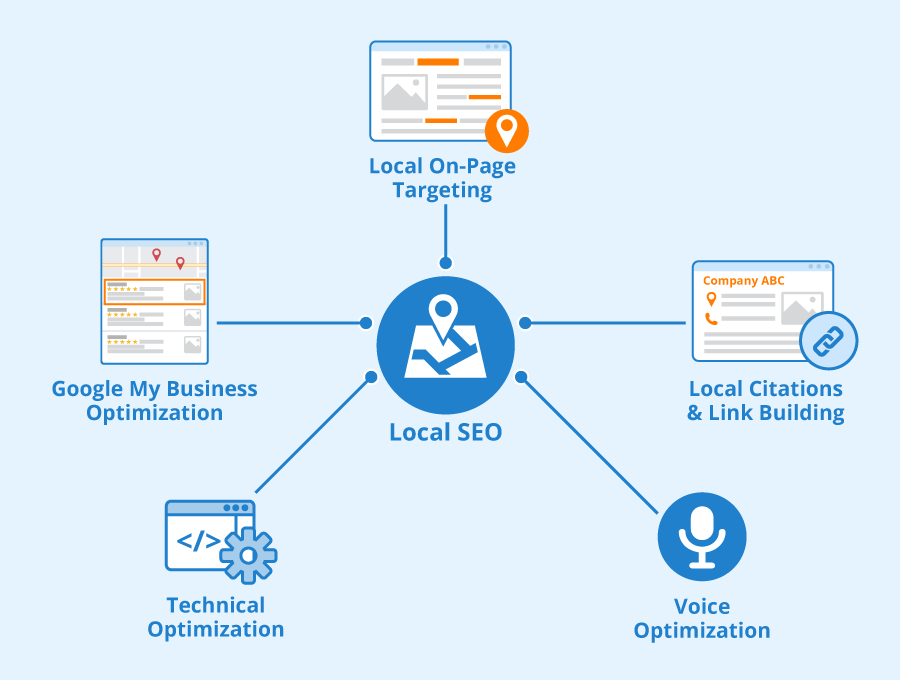
Local SEO covers the strategies that help a business appear in search results when people look for products or services in a particular area. This includes optimising your Google Business Profile, keeping your business name, address and phone number accurate and consistent online, targeting relevant local keywords, creating useful location-specific website content, earning and responding to customer reviews, and building links and citations from reputable local websites and directories. It also involves making your website mobile-friendly and tracking local visibility, visits and enquiries so you can improve your approach over time.

What does Backlinko do?

Backlinko is an online marketing education platform known for publishing guides, research and training on SEO and digital marketing. Its content covers topics such as keyword research, link building, content marketing and local SEO, with practical advice to help businesses and marketers improve their online visibility.

local presence seo

Local Presence SEO: A Practical Guide to Getting Found in Your Area

Local Presence SEO: How to Help Nearby Customers Find Your Business

When people search for a service or product nearby, they often want to act quickly. They may be looking for a café around the corner, a plumber in their area or a shop they can visit today. Local presence SEO helps businesses appear in these location-based searches and gives potential customers the information they need to choose and contact them.

Building a strong local presence involves more than adding a town name to a website. It means making your business details clear and consistent, creating useful local content and earning the trust of customers in the areas you serve.

What is local presence SEO?

Local presence SEO is the work of improving how visible a business is in search results for a particular place or service area. This can include searches such as “accountant in Bristol” or “coffee shop near me”. It also helps search engines understand where a business operates and which customers it serves.

Local results can appear in several places, including map listings, business profiles and standard website results. The exact results vary depending on the search, the user’s location and other factors.

Keep your business information accurate

Search engines and customers need reliable information. Check that your business name, address, phone number, website and opening hours are correct wherever they appear online. These details are often referred to as NAP information: name, address and phone number.

Use the same business name and contact details across your website, business profiles and relevant directories. If you move premises, change your phone number or alter your opening hours, update your listings promptly. Inconsistent or outdated information can confuse customers and make it harder for them to reach you.

Make the most of your Google Business Profile

For many businesses, a Google Business Profile is an important part of local SEO. Complete the profile with accurate details, select relevant categories and describe your services in straightforward language. Add suitable photographs and keep your opening hours up to date, including any seasonal changes.

Use the profile to share useful updates where appropriate, such as new services, events or changes to your opening hours. Avoid adding information that is misleading or does not reflect what the business actually offers.

Create useful local website content

Your website should make it easy for visitors to understand what you do and where you do it. Include your service areas naturally on relevant pages, rather than repeating place names unnaturally throughout the site.

If you serve several locations, consider creating a dedicated page for each area where you genuinely operate. Each page should provide helpful, specific information, such as the services available, local contact details or what customers can expect. Avoid publishing near-identical pages that differ only by the name of a town; thin or repetitive content offers little value to visitors.

Local guides, project examples, community news and answers to common customer questions can also make your website more useful. Keep the focus on information your audience will genuinely find valuable.

Build trust through customer reviews

Reviews can help potential customers decide whether to contact your business. Invite customers to leave honest feedback after a genuine interaction, and make it easy for them to find the right review platform. Never buy reviews or offer incentives in exchange for positive ratings.

Respond professionally to reviews, including critical ones. A considerate response can show that you take feedback seriously. Do not share private customer information when replying.

Earn relevant local mentions

Links and mentions from reputable local organisations can help people discover your business and provide useful context about your community connections. Opportunities might include local business associations, community groups, event partners or relevant local publications.

Focus on genuine relationships and worthwhile contributions. A relevant mention is more valuable than a large number of low-quality directory listings created solely to influence rankings.

Make your website easy to use on mobile

Many local searches happen on mobile phones, often when someone is ready to call, get directions or compare nearby options. Make sure your website works well on smaller screens, loads efficiently and displays key information clearly.

Include easy-to-find contact details, opening hours and directions where relevant. Test forms and phone links to make sure they work as expected.

Measure what matters

Local SEO takes time, so track meaningful indicators rather than relying on a single ranking. Useful measures may include website visits from local searches, calls, direction requests, enquiries, bookings and visits to important service pages.

Review your results regularly and look for patterns. For example, you may find that one service page brings in more enquiries, or that customers often search for a particular service in a specific area. Use those insights to improve your website and business information.

Build your local presence consistently

Local presence SEO is an ongoing process. Accurate business details, helpful local content, positive customer experiences and a well-maintained website all contribute to a stronger online presence. By keeping these elements consistent and focusing on what local customers need, your business can become easier to find and easier to choose.


9 Essential Tips for Enhancing Your Local Presence SEO

  1. Claim and verify your Google Business Profile.
  2. Keep your business name, address and phone number consistent.
  3. Choose accurate business categories and services.
  4. Add clear, current photos of your premises and work.
  5. Keep opening hours updated, including bank holidays.
  6. Ask happy customers for honest reviews.
  7. Reply promptly and professionally to every review.
  8. Create local pages with useful, location-specific information.
  9. Earn links and mentions from trusted local organisations.

Claim and verify your Google Business Profile.

Claiming and verifying your Google Business Profile helps you manage how your business appears on Google Search and Maps. Once verified, you can keep essential details—such as your address, phone number, opening hours and services—accurate, add photos and respond to customer reviews. Complete, up-to-date information makes it easier for nearby customers to find and contact you, while helping Google understand your business and where it operates.

Keep your business name, address and phone number consistent.

Keep your business name, address and phone number (often called NAP details) consistent across your website, Google Business Profile and other online directories. Even small differences, such as an old phone number or an abbreviated street name, can confuse potential customers and make it harder for search engines to verify your details. Check your listings regularly and update them promptly whenever your contact information changes.

Choose accurate business categories and services.

Choose the most accurate business categories and services for your online listings so search engines and potential customers can quickly understand what you offer. Select a primary category that best describes your main business, then add relevant secondary categories and specific services where available. Avoid choosing categories simply because they seem popular: precise, honest information is more useful and helps your business appear for searches that genuinely match what you do.

Add clear, current photos of your premises and work.

Add clear, up-to-date photos of your premises and work to help potential customers know what to expect before they get in touch. Show your location, team, products or completed projects in good lighting, and replace outdated images when your business or services change. Make sure every photo is genuine, relevant and of good quality, so it builds trust and gives people a clearer sense of your local business.

Keep opening hours updated, including bank holidays.

Keep your opening hours accurate across your website and business listings, including changes for bank holidays and seasonal periods. Up-to-date hours help local customers know when they can visit or get in touch, prevent frustrating wasted journeys and give search engines reliable information about your business. Check your listings ahead of each holiday and update them as soon as your hours change.

Ask happy customers for honest reviews.

Ask happy customers to leave an honest review after a positive experience. Reviews can help people in your area feel more confident choosing your business and give you useful feedback on what you do well. Make it easy for customers to share their thoughts, but never pressure them, offer rewards for positive ratings or ask them to say anything they don’t genuinely believe. Respond courteously to all feedback to show that you value your customers.

Reply promptly and professionally to every review.

Replying promptly and professionally to every review shows customers that you value their feedback and take their experience seriously. Thank reviewers for positive comments, and respond to criticism calmly by acknowledging their concerns and offering a helpful next step. Keep replies courteous, personal and free of confidential information. Consistent, thoughtful responses can build trust with potential customers and strengthen your local reputation.

Create local pages with useful, location-specific information.

Create local pages that offer genuinely useful information for each area your business serves. Explain which services are available there, include relevant contact details and opening hours, and answer questions local customers are likely to have. You could also share local project examples or practical details about serving the area. Avoid simply swapping town names across near-identical pages; original, location-specific content is more helpful to visitors and gives search engines clearer context about your local presence.

Earn links and mentions from trusted local organisations to strengthen your local presence and help nearby customers discover your business. Build genuine relationships with community groups, business associations, charities, event organisers and local publications, and look for useful ways to contribute or collaborate. A relevant mention on a respected local website can bring visitors to your site and reinforce your connection to the area. Focus on authentic partnerships rather than collecting links for their own sake.

local seo strategy 2021

Local SEO Strategy 2021: A Practical Guide for UK Businesses

Local SEO Strategy for 2021: A Practical Guide

Local search engine optimisation (SEO) helps businesses appear when people nearby search for relevant products or services. In 2021, that meant more than adding a town name to a website. Businesses needed accurate online listings, useful local content and a strong reputation across search and review platforms.

This guide looks at the core elements of a local SEO strategy for 2021, including Google My Business (now Google Business Profile), local keywords, reviews and performance tracking.

Optimise Your Google My Business Profile

For many local searches, a Google My Business listing was one of the first things a potential customer saw. Keeping it complete and accurate helped customers understand what a business offered and how to contact or visit it.

In 2021, businesses could strengthen their profile by:

  • Using the correct business name, address and phone number.
  • Choosing the most relevant primary and secondary categories.
  • Adding opening hours, services and a clear business description.
  • Uploading recent, high-quality photographs.
  • Publishing updates, offers or event announcements through Google Posts.
  • Checking that the business’s service area and location details were accurate.

Businesses should follow Google’s guidelines and avoid adding promotional keywords to their business name. Consistency and accuracy matter more than trying to manipulate the listing.

Research Local Keywords

Local keyword research reveals how people search for services in a particular area. A useful starting point is to combine the service with a location, such as “electrician in Manchester” or “accountant near me”. Search terms may also include neighbourhoods, nearby landmarks or phrases such as “open now”.

Use keyword research tools alongside Google Search suggestions and conversations with customers. The aim is to understand the language people use, not to insert every possible phrase into a page. Each important service or location should have a clear purpose on the website.

Create Helpful Local Landing Pages

A well-written location page can explain what a business offers in a specific area and make it easier for customers to take the next step. Include genuinely useful details, such as the services available, areas covered, contact information and practical information about visiting or booking.

Avoid creating large numbers of nearly identical pages that differ only by town name. Thin, repetitive pages offer little value to visitors. Instead, make each page distinct and relevant to the people it serves.

Keep Business Information Consistent

Search engines and customers need to find reliable information about a business. Keep the business name, address and phone number (often referred to as NAP) consistent across the website, Google My Business and important directories.

Check existing listings for outdated addresses, duplicate profiles or incorrect telephone numbers. Correcting these details can also prevent customers from contacting the wrong number or travelling to an old location.

Earn and Respond to Reviews

Reviews can influence a customer’s decision and help communicate the quality of a business. Make it easy for satisfied customers to leave honest feedback, but do not offer incentives in exchange for reviews or write reviews on their behalf.

Respond to reviews in a professional and timely way. Thank customers for positive comments, and address negative feedback calmly. Where appropriate, take the conversation offline to resolve individual concerns.

Build Local Authority and Links

Links from relevant, reputable local websites can help people discover a business and provide useful context about its role in the community. Consider opportunities such as local news coverage, business associations, community organisations, charities and genuine partnerships.

Focus on relationships and relevance rather than buying links or pursuing large volumes of low-quality directory listings. A small number of meaningful local mentions is more valuable than a collection of irrelevant links.

Make the Website Mobile-Friendly

Many local searches take place on mobile devices, often when someone is ready to call, book or visit. A local business website should load quickly, display clearly on smaller screens and make key actions easy to find.

Check that phone numbers can be tapped to call, contact forms work correctly and directions are straightforward to access. Clear navigation and accurate opening hours also help visitors find what they need.

Add Structured Data Where Appropriate

Local business structured data can help search engines interpret details such as a business’s name, address, telephone number and opening hours. In 2021, businesses could use the relevant Schema.org markup, provided the information matched what visitors could see on the website.

Structured data does not guarantee enhanced search results, and it should not be used to present misleading or hidden information. Validate the markup and keep it updated whenever business details change.

Track Results and Make Improvements

Local SEO is an ongoing process. Use tools such as Google Search Console and Google Analytics to monitor organic traffic, search queries and website activity. Google My Business insights can also provide information about how customers found and interacted with a listing.

Look beyond rankings alone. Calls, enquiries, bookings, direction requests and completed purchases can give a clearer picture of whether the strategy is supporting business goals. Review performance regularly and update pages or listings when you spot inaccurate details or changing customer needs.

Putting a Local SEO Strategy into Practice

A strong local SEO strategy for 2021 brought together accurate business listings, relevant website content, positive customer experiences and a mobile-friendly site. Start with the basics: update the Google My Business profile, check business details across the web and make sure important service pages answer customers’ questions.

From there, build local visibility steadily through useful content, genuine community relationships and thoughtful review management. Consistent, customer-focused work can help a business become easier to find—and easier to choose—in local search results.


Essential Local SEO Strategies for 2021: 8 Tips to Boost Your Business Visibility

  1. Claim and verify your Google My Business profile.
  2. Keep your name, address and phone number consistent everywhere.
  3. Choose accurate categories and add relevant services.
  4. Publish local updates, offers and photos regularly.
  5. Ask satisfied customers for honest reviews and reply to them.
  6. Create pages for each location you serve.
  7. Earn links from local organisations and publications.
  8. Make your website mobile-friendly and fast.

Claim and verify your Google My Business profile.

Claiming and verifying your Google My Business profile was an essential first step in a local SEO strategy in 2021. Verification helped confirm that you were authorised to manage the listing, while giving you control over important details such as your business name, address, phone number, opening hours and services. Keep this information accurate and consistent with your website, choose the most relevant business categories, and add clear photos to help local customers find and trust your business.

Keep your name, address and phone number consistent everywhere.

Keep your business name, address and phone number (NAP) accurate and consistent across your website, Google My Business profile and online directories. Even small differences—such as an old phone number or an inconsistent address format—can confuse potential customers and make it harder for search engines to match your listings. Check key platforms regularly, correct outdated details and remove duplicate listings so people can contact or visit you with confidence.

Choose accurate categories and add relevant services.

Choose the most accurate primary category for your business, then add relevant secondary categories and services where available. These details help Google understand what you offer and when your listing may be useful to local searchers. Be specific, keep the information up to date and only select categories and services that genuinely match your business—irrelevant choices can confuse potential customers and weaken the accuracy of your listing.

Publish local updates, offers and photos regularly.

Publish local updates, offers and photos regularly to keep your Google My Business profile useful, current and engaging. Share timely news about your services, local events or seasonal promotions, and use clear, high-quality images that show your premises, team or products. Regular activity can help potential customers understand what’s happening at your business and give them a reason to get in touch, while keeping all information accurate and following Google’s guidelines.

Ask satisfied customers for honest reviews and reply to them.

Encourage satisfied customers to leave an honest review on platforms such as Google, making it easy for them to share their experience without offering incentives or pressuring them. Reviews can build trust and help prospective customers choose your business. Take time to reply to both positive and negative feedback: thank customers for their comments, and respond to concerns politely and constructively. This shows that you value customer feedback and are committed to providing a good service.

Create pages for each location you serve.

Create a dedicated page for each location your business serves to help local customers find relevant information quickly. Include useful, location-specific details such as the services available, areas covered, contact information and directions, rather than simply changing the place name on an otherwise identical page. Each page should offer genuine value to visitors, use clear language and make it easy to get in touch or make a booking.

Earn links from reputable local organisations and publications to strengthen your visibility and connect your business with the community. Consider contributing expert advice to a local news site, sponsoring a community event, joining a business association or partnering with a charity. Focus on genuine relationships and relevant coverage rather than buying links or submitting your website to low-quality directories; a few trustworthy local links can be more valuable than many unrelated ones.

Make your website mobile-friendly and fast.

Make sure your website is fast and easy to use on mobile, as local customers often search while they’re out and ready to call, book or visit. Use a responsive design, compress large images and remove unnecessary features that slow pages down. Keep key information—such as your phone number, opening hours, address and booking options—easy to find, and make buttons simple to tap. A smooth mobile experience helps visitors get what they need quickly and can support stronger local SEO performance.

mobile seo marketing

Mobile SEO Marketing: A Practical Guide to Reaching Customers on Their Phones

Mobile SEO Marketing: How to Reach Customers on Their Phones

Mobile SEO marketing is the practice of improving a website’s visibility and usability for people searching on smartphones and other mobile devices. It brings together search engine optimisation (SEO), mobile-friendly design and an understanding of how people search when they are on the move.

A strong mobile experience can help your business appear in relevant search results, make it easier for visitors to find what they need and encourage them to take action. It is not simply a matter of shrinking a desktop website to fit a smaller screen: mobile visitors may have different needs, search habits and expectations.

Why mobile SEO matters

People use mobile devices to research products, compare services, find nearby businesses and make purchases. Searches can be brief and immediate, especially when someone is looking for directions, opening times or a service close to their current location.

Google primarily uses the mobile version of a site for indexing and ranking. This means that important content, links and metadata should be available and accessible on mobile, as well as on desktop. A website that works well on a phone is also more convenient for visitors, which can make it easier for them to browse, contact a business or complete a purchase.

Make your website mobile-friendly

Responsive design is generally the simplest approach. It allows a website’s layout to adapt to different screen sizes while keeping content and URLs consistent. Visitors should not need to zoom in, scroll sideways or struggle to tap links and buttons.

  • Use readable text sizes and clear headings.
  • Give buttons and links enough space to tap comfortably.
  • Keep navigation simple and easy to use on a small screen.
  • Make forms short, clear and straightforward to complete.
  • Check that pop-ups do not obscure essential content.

Test key pages on a range of devices and screen sizes. Pay particular attention to pages that generate enquiries or sales, such as contact forms, booking pages and product listings.

Improve mobile page speed

Mobile users may be browsing on a slower connection, so pages should load efficiently. Large images, unnecessary scripts and heavy page designs can make a site feel slow and difficult to use.

Practical improvements include compressing images, using modern image formats where appropriate, reducing unused code and limiting third-party scripts. Review Google’s Core Web Vitals alongside real user data to understand how quickly pages load and how stable and responsive they feel. Performance can vary between devices and connections, so testing only on a fast office network may not reveal the whole picture.

Match content to mobile search intent

Mobile searches often have a specific purpose. Someone searching for “plumber near me” may want a local business they can call, while someone searching for “how to fix a dripping tap” may be looking for practical instructions. Research the questions and phrases your audience uses, then create useful content that meets those needs.

Make important information easy to find near the top of the page. Use concise paragraphs, descriptive subheadings and clear calls to action. This does not mean making every page extremely short; it means organising useful information so readers can scan it and find relevant details quickly.

Strengthen local mobile SEO

Local SEO is particularly important for mobile marketing because people often search for businesses and services nearby. Keep your business name, address and telephone number accurate and consistent across your website and relevant online listings. Create or maintain a Google Business Profile, choose appropriate categories and add up-to-date opening hours.

Make it easy for mobile visitors to call, get directions or make an appointment. Location pages can also help, provided they offer genuinely useful information rather than repeating near-identical content for multiple areas.

Check mobile technical SEO

Good mobile SEO depends on search engines being able to access and understand your pages. Check that mobile pages are not blocked from crawling, that important content is not hidden in a way that prevents access, and that page titles and meta descriptions are accurate. Structured data should reflect visible, up-to-date information on the page.

Also review internal links, image descriptions and canonical tags. If the mobile and desktop versions of a site use different URLs, make sure they are configured correctly; for most sites, responsive design avoids much of this additional complexity.

Measure performance and keep improving

Use tools such as Google Search Console and analytics software to monitor mobile traffic, search impressions, clicks and conversions. Look at performance by device and landing page. A page may attract plenty of visits but still need improvement if visitors cannot find key information or complete the next step.

Track meaningful outcomes, such as calls, form submissions, bookings and purchases, rather than relying on rankings alone. Test changes carefully and review the results over time, as search behaviour and website performance can vary by season and audience.

Common mobile SEO mistakes

  • Removing useful content from the mobile version of a page.
  • Using small text, crowded menus or hard-to-tap controls.
  • Allowing images and scripts to slow down important pages.
  • Showing intrusive pop-ups that interrupt visitors.
  • Ignoring local details such as opening hours and contact information.
  • Optimising for keywords without answering the visitor’s question.

Build a better mobile experience

Effective mobile SEO marketing combines discoverability with a useful, accessible experience. Start by checking how your key pages look and perform on phones, make essential information easy to find, and ensure that visitors can take action without unnecessary effort. By reviewing both search visibility and user behaviour, you can make steady improvements that support your wider digital marketing goals.


9 Essential Tips for Effective Mobile SEO Marketing

  1. Use responsive design that works on every screen size.
  2. Keep mobile pages fast by compressing images and reducing scripts.
  3. Make text readable without zooming.
  4. Use clear, tap-friendly buttons and links.
  5. Keep menus simple and easy to navigate.
  6. Write concise page titles and meta descriptions.
  7. Use local keywords to reach nearby customers.
  8. Check mobile usability and Core Web Vitals regularly.
  9. Test pages on real phones before publishing.

Use responsive design that works on every screen size.

Use responsive design to ensure your website adapts smoothly to every screen size, from smartphones to tablets and desktop computers. Text should remain easy to read, images should resize correctly, and menus and buttons should be simple to use without zooming or scrolling sideways. A consistent, user-friendly experience helps mobile visitors find information and take action, while also making it easier for search engines to crawl and understand your site.

Keep mobile pages fast by compressing images and reducing scripts.

Keep mobile pages fast by compressing images and reducing unnecessary scripts. Large image files and excessive code can slow loading, particularly on mobile connections, making pages frustrating to use. Optimise images before uploading them, remove scripts that are not needed and check your site’s performance regularly. Faster pages make it easier for visitors to find information and take action.

Make text readable without zooming.

Make text readable without zooming by choosing a clear font, an appropriate size and enough contrast against the background. Keep paragraphs concise and use headings to help mobile visitors scan the page. When people can read your content comfortably on a phone without pinching or enlarging the screen, they are more likely to stay, find the information they need and take the next step.

Use clear, tap-friendly buttons and links so mobile visitors can navigate your site without frustration. Make interactive elements large enough to tap comfortably, with enough space between them to prevent accidental clicks. Use concise, descriptive labels such as “Call us” or “Get a quote” so people know what will happen when they tap. This improves the user experience and makes it easier for visitors to take the next step.

Keep menus simple and easy to navigate.

Keep mobile menus simple and easy to navigate. Use clear, familiar labels and group related pages logically so visitors can find what they need without tapping through multiple layers. Make menu buttons large enough to tap comfortably, and ensure the navigation works smoothly on different screen sizes. A clear menu helps users explore your site and can make it easier for search engines to understand how your pages are organised.

Write concise page titles and meta descriptions.

Write concise, descriptive page titles and meta descriptions to help mobile users quickly understand what each page offers. Because space is limited on smaller screens, put the most important information first, use relevant search terms naturally and make each description specific to the page. Clear, compelling snippets can encourage the right people to click through from search results.

Use local keywords to reach nearby customers.

Use local keywords to help nearby customers find your business when they search on mobile. Include relevant towns, neighbourhoods or service areas naturally in your page titles, headings and website copy—for example, “emergency plumber in Camden”. Combine these terms with clear details about your services and location, and keep your business information accurate across your website and online listings. This can improve your visibility for relevant local searches and make it easier for potential customers to choose and contact you.

Check mobile usability and Core Web Vitals regularly.

Check mobile usability and Core Web Vitals regularly to make sure your website remains quick, responsive and easy to use on a range of devices. Use tools such as Google Search Console and PageSpeed Insights to spot issues with loading speed, visual stability or interaction, as well as problems such as small text or difficult-to-tap buttons. Fix the issues that affect visitors most, then retest: regular checks help you catch problems early and maintain a smoother mobile experience.

Test pages on real phones before publishing.

Before publishing, test your pages on real phones to see how they work for visitors in everyday conditions. Check that text is easy to read, buttons and links are simple to tap, images display correctly and forms are straightforward to complete. Try different screen sizes and, where possible, a slower internet connection. These checks can uncover issues that desktop previews miss, helping you deliver a smoother mobile experience and support your mobile SEO efforts.

Small Businesses SEO: A Practical Guide to Growing Online visibility

SEO for Small Businesses: A Practical Guide

For a small business, being easy to find online can make a real difference. Search engine optimisation (SEO) helps your website appear in search results when potential customers look for the products or services you offer. It is not an overnight fix, but a steady, well-planned approach can help you attract relevant visitors and build trust over time.

Start with your customers

Effective SEO begins with understanding what your customers need. Think about the questions they ask, the problems they want to solve and the words they use when searching. A local plumber, for example, might be found through searches such as “emergency plumber in Bristol” or “boiler repair near me”. A specialist online shop may need to focus on product names, categories and detailed buying advice.

Make a list of relevant search terms, then group them by topic and intent. Some people are looking for information; others are ready to compare options or make a purchase. Your website should provide useful pages for each of these stages.

Make your website clear and useful

Each important product or service should have its own page with a clear description of what you offer, who it is for and how customers can take the next step. Use straightforward headings, concise paragraphs and descriptive page titles. Avoid repeating the same phrase unnaturally: content should be written for people first.

Useful content can also help your business demonstrate its expertise. Depending on your industry, this might include how-to guides, answers to common questions, case studies or advice on choosing the right service. Keep information accurate and up to date, and make sure it genuinely helps your audience.

Improve your local SEO

If your business serves a particular area, local SEO can help nearby customers find you. Create or update your Google Business Profile with accurate details, including your business name, address, telephone number, opening hours and services. Add suitable photos and respond professionally to reviews.

Keep your contact details consistent across your website and other reputable business directories. If you serve several locations, create a useful page for each area rather than publishing multiple pages with nearly identical wording.

Look after the technical essentials

A website needs to be accessible to both visitors and search engines. Check that it works well on mobile devices, loads promptly and uses HTTPS. Make sure important pages can be reached through clear navigation and that links lead to the right places.

Technical issues such as broken links, duplicate pages or pages that search engines cannot access may limit your visibility. Free tools such as Google Search Console can help you spot indexing problems and understand which searches bring people to your site. For more complex websites, a technical SEO review may be worthwhile.

Build credibility over time

Search engines consider many signals when assessing pages, and trustworthy references to your business can contribute to your online presence. Focus on earning relevant links naturally: for example, through useful resources, local partnerships, industry associations or genuine media coverage. Avoid buying links or using schemes that promise quick rankings; these can put your site at risk.

Customer reviews can also help prospective customers decide whether to contact you. Invite feedback in an honest, appropriate way, and never offer incentives in exchange for positive reviews.

Measure progress and be patient

SEO results take time and depend on factors such as your industry, location, website history and competition. Track useful measures, including organic visits, enquiries, sales and the search terms that lead people to your site. Ranking positions alone do not tell the whole story: the aim is to attract the right visitors and help them take meaningful action.

Review your performance regularly and use what you learn to improve your pages. A page that attracts visitors but few enquiries may need clearer information, stronger calls to action or a simpler contact process.

A manageable SEO plan for a small business

  1. Check that your website is secure, mobile-friendly and easy to navigate.
  2. Identify the main services, products and locations you want to be found for.
  3. Improve the key pages with clear, helpful and original information.
  4. Set up or update your Google Business Profile if you serve local customers.
  5. Use Google Search Console and website analytics to monitor results.
  6. Set aside time each month to review, update and improve your content.

Small businesses do not need to tackle every SEO task at once. Start with the changes most likely to help your customers, build a consistent routine and focus on providing a better online experience. Over time, those foundations can support stronger visibility and more opportunities to grow.


Essential SEO Insights for Small Businesses: Top 8 FAQs Answered

  1. How to optimize SEO for small business?
  2. What are the 4 P’s of SEO?
  3. What is the 80/20 rule in SEO?
  4. Do small businesses need SEO?
  5. What is SEO and how it works for small businesses?
  6. How many small businesses use SEO?
  7. Can a beginner do SEO?
  8. What is the best SEO for a small business?

How to optimize SEO for small business?

To optimise SEO for a small business, start by identifying the search terms your potential customers use, including relevant products, services and locations. Create clear, helpful pages around those topics, make sure your website works well on mobile and loads quickly, and use descriptive page titles and headings. If you serve local customers, keep your Google Business Profile and contact details accurate, and encourage genuine customer reviews. Use Google Search Console and website analytics to monitor performance, then regularly improve pages based on what people search for and which visits lead to enquiries or sales. SEO takes time, so focus on consistent, useful improvements rather than quick fixes.

What are the 4 P’s of SEO?

There is no universally accepted set of “4 P’s” in SEO; the phrase usually adapts the marketing mix: Product, Price, Place and Promotion. For a small business, this means clearly explaining what you offer, providing useful pricing information where appropriate, making it easy for customers in your service area to find you, and promoting your website through helpful content and reputable links. Together, these principles can make your site more relevant to customers and support your SEO, although they do not replace technical optimisation or keyword research.

What is the 80/20 rule in SEO?

The 80/20 rule in SEO is a useful guideline suggesting that around 80% of your results may come from 20% of your efforts. For a small business, this could mean prioritising the pages, search terms and activities that are most likely to attract relevant visitors and generate enquiries or sales—for example, improving key service pages, strengthening local listings or updating content that already performs well. It is not a fixed formula, but a reminder to focus your time and budget on the work with the greatest potential impact.

Do small businesses need SEO?

Yes, SEO can help small businesses reach people who are actively searching for their products or services. It can improve your visibility in search results, help local customers discover your business and bring relevant visitors to your website. SEO takes time and results are not guaranteed, but focusing on useful content, accurate business details and a well-organised website can build a strong foundation for long-term growth.

What is SEO and how it works for small businesses?

SEO (search engine optimisation) is the process of improving a website so it is more likely to appear in relevant search results. For small businesses, this can mean helping local customers find your services, products and contact details when they search online. SEO works by making your site useful, easy to navigate and accessible to search engines, while using the words and topics your potential customers are likely to search for. Improving local listings, publishing helpful content and maintaining a technically sound website can all contribute to better visibility over time, although results are not instant or guaranteed.

How many small businesses use SEO?

There is no single reliable figure for how many small businesses use SEO, as surveys define it differently and adoption varies by country and industry. Many use at least some SEO practices, such as improving their website content, managing a Google Business Profile or seeking customer reviews, even if they do not have a formal SEO strategy. For small businesses, these practical steps can help improve visibility in search results and make it easier for potential customers to find them.

Can a beginner do SEO?

Yes, a beginner can do SEO. Start with the basics: understand what your customers search for, create clear and useful pages, make sure your website works well on mobile, and keep your business details accurate online. Free tools such as Google Search Console can help you monitor how your site appears in search results. SEO takes time, so focus on steady improvements rather than quick fixes, and consider professional support if you encounter technical issues or need a more advanced strategy.

What is the best SEO for a small business?

The best SEO for a small business focuses on reaching the right customers, rather than chasing rankings alone. Start by making your website fast, mobile-friendly and easy to navigate, then create clear, useful pages for your products or services using the terms your customers are likely to search for. If you serve a local area, keep your Google Business Profile and contact details accurate, and encourage genuine customer reviews. Track visits, enquiries and sales to see what is working, and improve your site consistently—SEO takes time, but a focused, customer-first approach can build lasting visibility.

Social Media Search Engine Optimization: A Practical Guide to Better Discoverability

Social Media Search Engine Optimisation: How to Improve Your Discoverability

Social media search engine optimisation, often called social SEO, is the practice of making social media profiles and content easier to find through searches. It brings together traditional search engine optimisation (SEO) and the search features built into platforms such as Instagram, TikTok, YouTube, LinkedIn and Pinterest.

Social SEO matters because people increasingly use social platforms to find products, services, recommendations and answers. A well-optimised post can appear in a platform’s search results, reach people through recommendations and, in some cases, be discovered through external search engines. The aim is not simply to attract more views, but to help the right people find useful, relevant content.

How social media search works

Each platform uses its own systems to organise and recommend content. These systems may consider information such as the words in a post, its topic, the account that published it and how people interact with it. The precise factors vary by platform and can change over time.

External search engines may also display publicly accessible social media pages and posts. However, social activity should not be treated as a guaranteed way to improve a website’s rankings. Social SEO is best viewed as a way to increase discoverability, build an audience and create additional routes to your business.

Why social SEO is important

  • People search on social platforms. Users may look for tutorials, local businesses, product reviews or inspiration directly within an app.
  • Useful content can reach new audiences. Searchable posts may continue to attract attention after publication, rather than relying only on an initial burst of engagement.
  • Clear profiles build trust. Accurate descriptions, contact details and consistent branding help people understand who you are and what you offer.
  • Social content supports your wider marketing. Posts can introduce people to your expertise and guide them to relevant pages on your website.

How to optimise your social media presence

Understand what your audience searches for

Start by learning how your customers describe their needs. Look at questions received by your team, comments on social posts, website search data and keyword research. Search suggestions and related searches on social platforms can also offer clues about the phrases people use.

Focus on the meaning behind a search, not just a list of popular keywords. Someone searching for “how to choose running shoes” is likely looking for advice, while someone searching for a particular shoe model may be closer to making a purchase. Content should match the audience’s intent.

Optimise your profile

Your profile is often the first thing a potential customer sees. Use a clear account name and username where possible, and explain what the business does in straightforward language. Include relevant terms naturally in your profile description, rather than filling it with repetitive keywords.

Keep your branding, location and contact information consistent across platforms. Add a link to an appropriate page on your website, such as a service page, booking page or useful resource. Make sure the destination works well on mobile devices.

Make each post easy to understand

Use clear, descriptive language in captions, titles and on-screen text. Put the main subject near the beginning so that both people and platform systems can quickly understand what the content is about. For video, provide accurate captions or subtitles; these improve accessibility and make the content easier to follow without sound.

Hashtags can help categorise content on some platforms, but they are not a substitute for a clear description. Use a small number of relevant tags where they add context. Avoid unrelated trending tags, which can confuse audiences and weaken the relevance of a post.

Create content that answers real questions

Content with a clear purpose is more useful than content created solely to chase trends. Consider producing short guides, demonstrations, comparisons, explanations and answers to frequently asked questions. Organise related posts into a series or playlist where the platform supports it.

For example, a local café could publish a guide to its menu, explain how to find its premises and answer common questions about dietary options. A professional services firm could share practical advice that demonstrates its expertise and directs viewers to more detailed information on its website.

Use images and video thoughtfully

Visual content should support the topic rather than obscure it. Choose relevant images, write meaningful alternative text where the platform provides the option, and use descriptive file names when uploading content if appropriate. For video, create a strong title and opening, explain the subject clearly and include a helpful description.

Do not rely on text embedded in an image as the only way to communicate important information. Adding the same key details in a caption or description can make the content more accessible and easier to interpret.

Encourage genuine engagement

Invite useful discussion by asking specific questions and responding thoughtfully to comments. Engagement can help build relationships and show that an account is active, but it should not be pursued through spam, engagement bait or artificial activity. These tactics can damage trust and may conflict with platform rules.

Keep your information accurate

Review profiles and older content regularly. Update opening hours, service details, links and location information when they change. For businesses with physical premises, accurate local information can help people find and contact the organisation.

Social SEO across different platforms

There is no single optimisation formula that works everywhere. The best approach depends on how people use each platform:

  • YouTube: Use descriptive titles, accurate descriptions, chapters where useful and clear spoken explanations. Organise related videos into playlists.
  • Instagram: Make the account description and captions informative. Use relevant on-screen text and alt text where available, and keep content closely aligned with the account’s subject.
  • TikTok: State the topic clearly in the video and caption. Use captions and relevant terms naturally, and make the opening explain what viewers will learn or see.
  • LinkedIn: Use a complete company page and publish useful professional content with specific, descriptive language. Keep staff and organisation details consistent.
  • Pinterest: Create descriptive Pin titles and descriptions, organise boards by topic and link Pins to relevant pages.

How to measure results

Measure social SEO by looking at more than follower numbers. Useful indicators may include:

  • search impressions and reach, where platform analytics provide them;
  • views, saves, shares and meaningful comments;
  • visits to your profile and clicks on profile links;
  • website visits from social platforms;
  • enquiries, bookings, sign-ups or sales associated with social activity.

Use tracking links where appropriate and compare results over time. A post with fewer views may still be valuable if it attracts the right audience and leads to relevant enquiries. Review which topics and formats perform well, then use those insights to improve future content.

Common social SEO mistakes

  • Adding keywords unnaturally or repeating them excessively.
  • Using the same caption on every platform without adapting it to the audience and format.
  • Choosing vague titles that do not explain what a post is about.
  • Relying on hashtags instead of clear, useful descriptions.
  • Posting frequently without a consistent subject or purpose.
  • Ignoring accessibility, comments or outdated profile information.
  • Expecting social activity alone to guarantee higher website search rankings.

Bringing social media and SEO together

Social media search engine optimisation works best as part of a broader digital strategy. Social posts can introduce people to a topic, while a detailed website page can provide additional guidance, evidence and ways to take action. Make sure the information is consistent across both, and link to pages that genuinely fulfil the promise of the post.

By understanding how audiences search, writing clearly and publishing useful content, businesses can make their social profiles easier to discover. Social SEO is not a quick fix; it is an ongoing process of listening, creating, measuring and refining.


Optimising Your Social Media Presence: 6 Essential SEO Tips

  1. Use relevant keywords in your profile name and bio.
  2. Write clear, descriptive captions with natural keywords.
  3. Add accurate alt text to images and videos.
  4. Use a small set of relevant hashtags.
  5. Encourage genuine shares, saves and comments.
  6. Keep your profile details consistent across platforms.

Use relevant keywords in your profile name and bio.

Use relevant keywords naturally in your social media profile name and bio to help people understand what you offer and make your account easier to discover in platform searches. Choose phrases your audience is likely to use, such as your service, specialism or location, while keeping the wording clear and readable. Avoid cramming in keywords; an accurate, helpful profile is more useful to potential followers.

Write clear, descriptive captions with natural keywords.

Write captions that clearly explain what your post is about and use the words your audience would naturally search for. Include relevant keywords in a way that reads smoothly, rather than repeating them or forcing them into the text. A descriptive caption helps people understand the value of your content and can make it easier to find through searches on social platforms.

Add accurate alt text to images and videos.

Add accurate alt text to images and videos to describe their key content and context. This helps people using screen readers understand your posts and makes your content more accessible. Keep descriptions clear and specific, focusing on what matters rather than repeating keywords or adding unnecessary detail. Where a platform supports captions or transcripts for video, use them too.

Use a small set of relevant hashtags.

Use a small set of relevant hashtags to help people and platform search features understand what your post is about. Choose specific tags that reflect the content, your industry or audience, rather than adding popular but unrelated ones. A focused selection keeps captions clear and helps attract people genuinely interested in the topic.

Encourage genuine shares, saves and comments.

Encourage genuine shares, saves and comments by creating content that people find useful, interesting or worth discussing. Share practical tips, answer common questions and invite thoughtful responses with a clear, relevant prompt. These interactions can help your content reach more people and show that it resonates with your audience. Avoid engagement bait or asking for interactions that feel forced; authentic participation builds trust and supports long-term discoverability.

Keep your profile details consistent across platforms.

Keep your profile details consistent across platforms so people can easily recognise and trust your business wherever they find you. Use the same business name, logo, description, contact details and website link where possible, and make sure information such as your location and opening hours is accurate. Consistency also helps platforms and search engines understand that your profiles belong to the same organisation, making it easier for people to find the right account and get in touch.

seo and social media marketing company

SEO and Social Media Marketing Company: A Guide to Growing Your Business

How an SEO and Social Media Marketing Company Can Help Your Business Grow

Building a strong online presence takes more than a well-designed website. Your business also needs to be easy to find in search results, relevant to the people you want to reach and engaging across the social platforms they use. An SEO and social media marketing company can bring these activities together to support sustainable growth.

What does an SEO and social media marketing company do?

An SEO and social media marketing company helps businesses attract and engage potential customers online. Its work typically combines search engine optimisation (SEO), which aims to improve a website’s visibility in organic search results, with social media marketing, which uses social platforms to build awareness, share content and encourage interaction.

Depending on your goals, services may include:

  • SEO audits and technical website improvements
  • Keyword research and content planning
  • On-page optimisation and internal linking
  • Local SEO for businesses serving specific areas
  • Social media strategy and content calendars
  • Post creation, publishing and community management
  • Paid social campaign support
  • Performance tracking and reporting

Why combine SEO and social media marketing?

SEO and social media serve different purposes, but they can strengthen one another. SEO can help your website attract people who are actively searching for products, services or information. Social media can help you share useful content, build recognition and maintain relationships with your audience.

For example, a helpful article created to answer a common customer question can be optimised for search and shared across relevant social channels. Social engagement may bring more people to the content, while the article can continue attracting organic visitors over time. Coordinating the two channels also helps maintain consistent messaging across your digital presence.

What to look for in an agency

The right company should take the time to understand your business, customers and commercial priorities before recommending a strategy. Look for a team that explains its approach clearly, sets realistic expectations and connects marketing activity to meaningful outcomes—not just surface-level metrics.

Useful questions to ask include:

  • How will you measure progress against our business goals?
  • Which SEO and social media activities do you recommend, and why?
  • How often will we receive updates and reports?
  • Who will manage the work and communicate with our team?
  • How will the strategy adapt as results and priorities change?

A reputable agency should be transparent about what it can control and what it cannot. Search rankings, audience behaviour and platform algorithms can change, so no provider can responsibly guarantee a specific position or result by a fixed date.

Building a strategy around your audience

Effective digital marketing starts with understanding the people you want to reach. Their needs, questions and online habits should inform your keyword research, website content and choice of social platforms. A business does not need to be active on every channel; it should focus on the channels that make sense for its audience and resources.

For UK businesses, this may also involve local search optimisation, location-specific pages and social content that reflects the communities they serve. The most effective approach will depend on your market, competition and business objectives.

How results are measured

Good reporting makes it easier to understand what is working and where improvements are needed. SEO performance may be assessed through measures such as organic traffic, relevant search visibility, enquiries and sales. Social media performance can include reach, engagement, referral visits and conversions.

Metrics should be interpreted in context. A rise in followers or website visits is not automatically valuable if it does not reach the right audience or contribute to your goals. Regular reviews help an agency refine its approach and focus on activities with the greatest potential impact.

Choosing a long-term partner

SEO and social media marketing are ongoing disciplines rather than one-off tasks. Websites need maintenance, content needs regular attention and social channels benefit from consistent, thoughtful communication. A reliable partner will combine specialist knowledge with clear communication, practical recommendations and a willingness to learn about your business.

By bringing SEO and social media together, your company can create a more joined-up digital marketing strategy—one that helps people discover your brand, understand what you offer and take the next step.


7 Tips to Grow Your SEO and Social Media Marketing Company

  1. Target local keywords to attract nearby clients.
  2. Publish useful SEO advice to build trust.
  3. Optimise your website for mobile and speed.
  4. Share client results on social media.
  5. Use consistent branding across every platform.
  6. Encourage reviews to strengthen your reputation.
  7. Track leads and refine your campaigns.

Target local keywords to attract nearby clients.

Targeting local keywords can help an SEO and social media marketing company reach people looking for services nearby. Include relevant locations—such as a town, borough or neighbourhood—in your website copy, service pages and social media posts, where they fit naturally. Keep your business details consistent across online listings, and share locally relevant updates to strengthen your connection with the community. This can make it easier for nearby clients to discover your business when they’re ready to get in touch.

Publish useful SEO advice to build trust.

Publishing useful SEO advice is an effective way for an SEO and social media marketing company to build trust with potential clients. Share clear, practical guidance that answers common questions, explains industry changes or helps businesses improve their online visibility. By offering genuine value without overpromising, your company can demonstrate its expertise, encourage meaningful engagement on social media and give readers a reason to return when they need professional support.
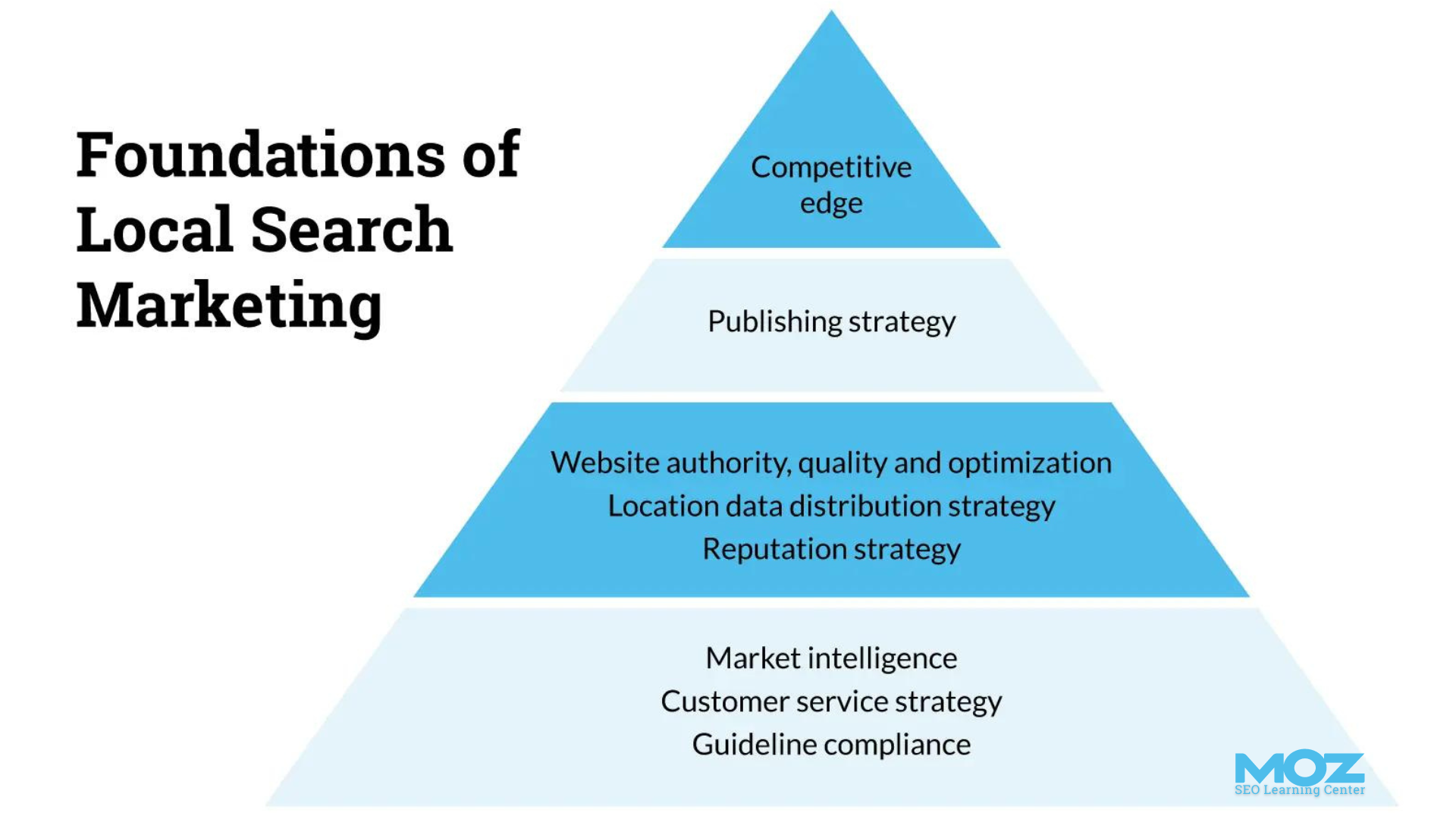
Optimise your website for mobile and speed.

A fast, mobile-friendly website makes it easier for visitors to find information, browse your services and get in touch, whether they’re using a phone, tablet or computer. An SEO and social media marketing company can help improve loading times, simplify navigation and ensure pages display properly on smaller screens. These changes can support a better user experience, help search engines understand and access your content, and make the journey from a social media post or search result to your website more seamless.

Share client results on social media.

Sharing client results on social media can help demonstrate the value of your SEO and digital marketing services. With a client’s permission, highlight a clear outcome—such as increased organic traffic, stronger local visibility or more enquiries—and briefly explain the work behind it. Use accurate figures, provide relevant context and avoid implying that every client will achieve the same results. A thoughtful case study can build trust, show prospective clients what your company does and give your audience useful insight into your approach.

Use consistent branding across every platform.

Use consistent branding across every platform so people can recognise and remember your business wherever they find you. Keep your logo, colours, tone of voice and key messages aligned across your website, search listings and social media profiles. This creates a more professional, trustworthy impression and helps your SEO and social media marketing company reinforce a clear identity at every stage of the customer journey.

Encourage reviews to strengthen your reputation.

Encourage satisfied customers to leave honest reviews on relevant platforms, such as Google Business Profile and trusted industry directories. Positive feedback can strengthen your reputation, give potential customers greater confidence and support local SEO by adding fresh, useful information about your business. Make it easy to review your service, respond to feedback professionally and never pressure customers or offer incentives for positive ratings. You can also share reviews on social media—with the reviewer’s permission—to highlight real customer experiences and build trust across your online channels.

Track leads and refine your campaigns.

Track leads from the first interaction through to enquiry or sale to understand which SEO and social media activities are delivering genuine business value. Use analytics and clear conversion tracking to identify the channels, content and campaigns attracting the right people, then refine your approach based on the results. Regularly reviewing this data helps an SEO and social media marketing company focus budgets and effort where they are most effective, while improving campaigns over time.

Ahrefs Local SEO: A Practical Guide to Improving Your Local Search Visibility

Ahrefs for Local SEO: How to Improve Your Visibility in Local Search

Local SEO helps businesses appear when people nearby search for the products or services they offer. For a business in London, that could mean reaching someone searching for “plumber in Camden” or “coffee shop near me”. Ahrefs can support this work by helping you research local keywords, analyse competitors, improve your website and monitor search performance.

Ahrefs is not a complete local listings platform: it does not replace your Google Business Profile or manage every aspect of local citations and reviews. It works best as part of a broader local SEO strategy, alongside accurate business information, a well-maintained profile and useful content.

What Ahrefs can do for local SEO

Ahrefs provides tools for researching keywords, exploring competitors, checking backlinks, auditing websites and tracking rankings. Used with a local focus, these tools can help you understand what potential customers search for and where your website has opportunities to improve.

Find local keyword opportunities

Use Ahrefs’ keyword research tools to explore the terms people use when looking for local services. Start with a core service, then consider adding a town, borough, neighbourhood or other relevant location. For example:

  • “accountant in Bristol”
  • “emergency electrician Leeds”
  • “family solicitor near Richmond”
  • “physiotherapy clinic Manchester”

Look beyond obvious service-plus-location phrases. People may search for specific problems, prices, opening hours or types of service. Keyword ideas can help you plan service pages, frequently asked questions and helpful articles.

Search volume estimates are useful for comparing opportunities, but they are not a precise forecast of visits or enquiries. Some local searches have modest recorded volume yet bring highly relevant customers. Check the search results themselves to see what Google shows: local businesses, map results, directories or informational pages may all appear for different queries.

Research local competitors

Ahrefs can help you examine websites that compete for relevant searches. Look at the pages earning organic traffic, the topics they cover and the websites linking to them. This can reveal gaps in your own content or opportunities to make your service pages more useful.

Choose competitors based on the search results, not only on the businesses you compete with offline. A directory or national company may outrank local firms for a particular query, making it useful to understand how its page is structured and what information it provides.

Track rankings by location

Rank tracking can help you monitor how selected keywords perform over time. Where available, set the tracking location as close as possible to the area you serve. Search results can vary between towns and neighbourhoods, so a national ranking may not reflect what a nearby customer sees.

Use ranking data as an indicator rather than the only measure of success. Local results can also depend on the searcher’s location, device and other factors. Keep an eye on qualified website visits, calls, enquiries and bookings as well as positions in search results.

Review your website and content

A site audit can flag technical issues that may make pages harder to crawl or use, such as broken links, missing page titles, slow-loading pages or problems with mobile usability. Fix issues according to their impact, rather than treating every audit warning as equally urgent.

For local visitors, make essential information easy to find. Your website should clearly explain:

  • what services you provide and where you provide them;
  • how customers can contact or visit you;
  • your opening hours, where relevant;
  • what makes your business suitable for the customer’s needs.

Create a separate location page only when it provides genuinely useful information about that area. Avoid producing many near-identical pages that simply swap one town name for another.

Explore backlink opportunities

Links from relevant, reputable websites can support your wider SEO efforts. Ahrefs’ backlink tools can show which sites link to your competitors and help you identify suitable prospects. For a local business, possible sources include local news publications, trade organisations, community groups, suppliers and event partners.

Focus on earning links through useful contributions, genuine partnerships and noteworthy local activity. Avoid buying low-quality links or pursuing large numbers of irrelevant directory listings. A link should make sense for your business and audience.

Ahrefs and Google Business Profile

Your Google Business Profile is central to many local searches, especially those that show a map or local business listings. Ahrefs can help with the website and search-research side of local SEO, but it is not a substitute for managing your profile.

Keep your profile accurate and complete. Use the correct business name, address or service area, telephone number, opening hours and categories. Add current photos, respond to reviews professionally and update information when it changes. Make sure your website displays consistent business details.

A practical Ahrefs local SEO workflow

  1. Define your service area. List the locations you genuinely serve and prioritise the ones that matter most to the business.
  2. Research search terms. Explore service, location and problem-based keywords, then review the search results to understand what users are looking for.
  3. Check competing pages. Identify relevant businesses and websites appearing for your priority searches. Note useful topics and content gaps.
  4. Improve key pages. Make service and location information clear, accurate and helpful. Ensure pages work well on mobile devices.
  5. Resolve important technical issues. Use a site audit to find problems that affect access, indexing or the visitor experience.
  6. Build local authority. Look for genuine partnerships, local coverage and industry relationships that may lead to relevant links.
  7. Measure outcomes. Review rankings alongside website traffic, calls, forms and other meaningful enquiries.

Common mistakes to avoid

  • Targeting every nearby town. Only create location pages for places you can genuinely serve and where you can offer useful, specific information.
  • Relying on keyword metrics alone. Search volume and difficulty estimates do not tell the whole story for local searches.
  • Ignoring your Google Business Profile. Website optimisation and keyword research do not replace accurate profile information and good customer service.
  • Chasing rankings without tracking enquiries. A higher position is valuable only if it helps attract the right visitors and supports business goals.
  • Using repetitive or unnatural location keywords. Write for people first and mention locations where they are genuinely relevant.

Is Ahrefs worth using for local SEO?

Ahrefs can be a valuable tool for local SEO when you need to research keywords, understand competing websites, audit your site, explore backlinks and monitor rankings. It is particularly useful for planning and measuring the organic search side of your strategy.

However, local visibility depends on more than a software subscription. Strong results usually come from combining a helpful website with accurate business details, a well-managed Google Business Profile, positive customer experiences and a clear understanding of the areas you serve.

Frequently asked questions

Can Ahrefs manage my Google Business Profile?

Ahrefs is not a replacement for managing your Google Business Profile. Use Google’s own profile tools to update business details, photos, opening hours and other listing information.

Can Ahrefs show local keyword rankings?

Ahrefs rank tracking can be configured for locations where the relevant options are available. Choose a location that reflects your target area, and remember that local results may differ from one searcher to another.

Should every service area have its own page?

No. Create a page when it helps people understand your services in that area and contains genuinely useful information. Avoid making multiple pages with only the place name changed.

What should a local business measure?

Track a mix of indicators: relevant keyword visibility, organic visits, calls, direction requests, form submissions, bookings and other qualified enquiries. The most useful measures depend on how customers contact and buy from your business.


8 Essential Tips for Mastering Local SEO with Ahrefs

  1. Use Keywords Explorer to find location-specific search terms.
  2. Check local search volumes before choosing target keywords.
  3. Use Rank Tracker to monitor rankings in your target locations.
  4. Review competitors’ backlinks in Site Explorer for local link ideas.
  5. Use Content Gap to spot local topics competitors cover.
  6. Run Site Audit to find technical issues on location pages.
  7. Build useful, unique landing pages for each service area.
  8. Track local mentions and links to find partnership opportunities.

Use Keywords Explorer to find location-specific search terms.

Use Ahrefs’ Keywords Explorer to discover the phrases people use when searching for businesses and services in your area. Enter a core service alongside a town, borough or neighbourhood—for example, “dentist in Hackney”—then review related keyword ideas and questions for additional opportunities. Use the findings to guide useful website content, such as service or location pages, but prioritise terms that match what you genuinely offer rather than forcing location keywords into your copy.

Check local search volumes before choosing target keywords.

Before choosing target keywords, use Ahrefs to check their estimated local search volumes for the areas you serve. This can help you compare phrases and prioritise searches that are both relevant to your services and likely to be used by nearby customers. Treat the figures as estimates rather than guarantees: local searches may have low recorded volumes but still bring valuable enquiries, so consider search intent and the actual results alongside the numbers.

Use Rank Tracker to monitor rankings in your target locations.

Use Ahrefs Rank Tracker to monitor how your website performs for important local keywords in the areas you serve. Set the target location as specifically as the tool allows, then review ranking changes over time to see which pages are gaining visibility and where further work may be needed. Local search results can vary by area, so location-based tracking gives a more relevant picture than checking national rankings alone.

Use Ahrefs’ Site Explorer to review the backlinks pointing to local competitors’ websites and spot potential link opportunities. Look for relevant local newspapers, community organisations, trade associations, event partners or business directories that have linked to similar companies. Treat these as leads to investigate, not links to copy automatically: focus on reputable websites and genuine opportunities to contribute something useful, such as expert insight, a local project or a community partnership.

Use Content Gap to spot local topics competitors cover.

Use Ahrefs’ Content Gap tool to find local topics your competitors cover that your website does not. Enter your site alongside competing local businesses, then review the keywords bringing traffic to their pages. Look for relevant gaps, such as neighbourhood-specific services, local guides or answers to common customer questions. Use these insights to plan genuinely helpful content for the areas you serve, rather than creating pages just to repeat location names.

Run Site Audit to find technical issues on location pages.

Use Ahrefs’ Site Audit to check your location pages for technical issues that could affect search visibility or user experience. It can help uncover problems such as broken links, missing or duplicate title tags, pages that cannot be crawled, and slow-loading content. Review the findings and prioritise fixes that prevent search engines or potential customers from accessing important information, such as your services, address and contact details.

Build useful, unique landing pages for each service area.

Create a useful, unique landing page for each service area you genuinely serve, explaining which services are available there and what local customers can expect. Ahrefs can help you research location-specific keywords and review the pages competing in search results, but use those insights to make each page more helpful—not simply to repeat place names. Include accurate contact details, relevant local information and clear next steps, and avoid publishing near-identical pages for areas where you have little to offer.

Use Ahrefs to monitor mentions of your business and explore the websites linking to similar local organisations. These can reveal potential partnership opportunities with community groups, suppliers, local publications and complementary businesses. Consider reaching out where there’s a genuine reason to collaborate, such as contributing expert advice, supporting a local event or creating useful resources together. Focus on building relevant relationships and earning links naturally, rather than asking for links without offering value.

search engine optimization marketing services

A Guide to Search Engine Optimization Marketing Services

Search Engine Optimisation Marketing Services: A Practical Guide

When people need a product, service or answer, they often begin with a search engine. Search engine optimisation (SEO) marketing services help businesses improve their visibility in organic search results, attract relevant visitors and make it easier for potential customers to take the next step.

SEO is not a quick fix or a guarantee of first-place rankings. It is an ongoing process that combines technical improvements, useful content and a clear understanding of what your audience is searching for. The right strategy can support long-term growth by helping your website reach people with genuine interest in what you offer.

What are SEO marketing services?

SEO marketing services are activities designed to improve a website’s performance in unpaid search results. They may be delivered by an in-house team, an agency or an independent consultant, and are usually tailored to a business’s goals, audience and level of competition.

Depending on your needs, an SEO programme may include:

  • SEO audits: Reviewing a website to identify technical issues, content gaps and opportunities to improve visibility.
  • Keyword and audience research: Finding the terms people use when searching, and understanding the intent behind those searches.
  • On-page optimisation: Improving page titles, headings, internal links, copy and other elements so pages are clear to visitors and search engines.
  • Technical SEO: Addressing issues such as crawling, indexing, site speed, mobile usability and structured data.
  • Content strategy: Planning and creating useful pages that answer relevant questions and support the customer journey.
  • Local SEO: Helping businesses improve their visibility in location-based searches, including local listings and map results.
  • Digital PR and link earning: Building awareness and authority through useful resources, outreach and legitimate editorial coverage.
  • Measurement and reporting: Tracking performance and explaining what the data means for your business.

How SEO supports marketing goals

SEO can connect your business with people at different stages of their decision-making process. Some may be researching a problem, while others are comparing providers or looking for a specific product. By creating relevant pages for these needs, a business can earn visibility across more of the customer journey.

Organic search can also complement other marketing channels. Search insights may inform paid advertising, content marketing and website improvements. In turn, a strong website experience can help visitors who arrive through search, social media, referrals or email.

Unlike paid advertising, organic visibility does not usually stop as soon as a campaign budget is paused. However, SEO requires ongoing attention: competitors change their websites, search behaviour shifts and search engines update how they present results.

What does an SEO campaign involve?

Set clear objectives

Effective work starts with business goals. These might include generating more qualified enquiries, increasing online sales, growing awareness in a particular area or improving the performance of important service pages. Rankings can be useful to monitor, but they should not be treated as the only measure of success.

Review the website and its market

An initial review looks at the website’s current performance, its technical health, existing content and competitors. It should also consider the audience: what they need, the language they use and the information they expect before making a decision.

Prioritise improvements

Not every recommendation needs to be implemented at once. A good plan prioritises changes according to their likely impact, effort and relevance to the business. Fixing a barrier that prevents important pages from being indexed, for example, may take precedence over minor copy edits.

Improve content and website experience

Pages should be helpful, accurate and easy to navigate. Content should answer the reader’s question clearly rather than repeat keywords unnaturally. Strong page structure, descriptive headings, useful internal links and clear calls to action can make the experience better for both visitors and search engines.

Measure, learn and refine

SEO performance is assessed over time using data such as organic visits, search visibility, engagement, enquiries and sales. Results should be interpreted in context: seasonal changes, website updates and wider market conditions can all affect performance. Regular reviews help identify what is working and where to focus next.

How to choose an SEO provider

SEO providers vary in their services, specialisms and working methods. Before choosing one, ask how they will understand your business, what work they recommend and how they will report progress. A reliable provider should be able to explain their approach in plain English and distinguish realistic expectations from guarantees.

It is also worth asking:

  • What will be included in the proposed service?
  • Who will carry out the work, and how will they work with your team?
  • How will success be measured beyond keyword rankings?
  • How often will progress and next steps be discussed?
  • Will you retain access to your website, analytics and search accounts?

Be cautious of promises of guaranteed rankings, instant results or large numbers of links without a clear explanation of how they will be earned. Ethical SEO focuses on sustainable improvements and avoids tactics that could put a website’s reputation or search visibility at risk.

SEO is an investment in long-term visibility

Search engine optimisation marketing services can help businesses make their websites more discoverable, useful and effective. The best results come from a strategy that connects technical quality, relevant content and a positive user experience with measurable business objectives.

Whether you are building a new website or improving an established one, start with a clear understanding of your audience and priorities. From there, consistent work and thoughtful measurement can turn organic search into a valuable part of your wider marketing strategy.


Essential FAQs About Search Engine Optimisation Marketing Services in the UK

  1. What are search engine optimisation marketing services?
  2. What services are included in an SEO marketing campaign?
  3. How much do SEO marketing services cost in the UK?
  4. How long does SEO take to deliver results?
  5. How can SEO marketing services help my business?
  6. How do I choose the right SEO agency or consultant?
  7. How do SEO providers measure and report results?
  8. Can an SEO provider guarantee first-page rankings?
  9. What is the difference between SEO and paid search advertising?

What are search engine optimisation marketing services?

Search engine optimisation (SEO) marketing services help improve a website’s visibility in unpaid search results and attract relevant visitors. They can include technical website audits, keyword research, on-page optimisation, content creation, local SEO and performance reporting. The specific services are tailored to a business’s goals and audience, with the aim of making its website easier to find, more useful to visitors and better able to generate enquiries or sales.

What services are included in an SEO marketing campaign?

An SEO marketing campaign may include a website audit, keyword and audience research, technical SEO, on-page optimisation, content planning and creation, local SEO, and digital PR or link-building. It may also cover competitor analysis, conversion improvements, and regular performance reporting. The exact mix depends on your website, industry and goals, with work prioritised to improve search visibility and attract relevant visitors.

How much do SEO marketing services cost in the UK?

The cost of SEO marketing services in the UK depends on your goals, industry, competition and the amount of work required. Small businesses might pay around £500–£2,000 per month, while more competitive campaigns can cost £2,000–£5,000 or more; one-off SEO audits and consultancy are usually priced separately. Ask providers for a clear breakdown of deliverables, reporting and fees, and be cautious of unusually cheap offers or guaranteed rankings.

How long does SEO take to deliver results?

SEO typically takes several months to show meaningful results, although the timeframe varies depending on your website’s current condition, competition, industry and the work involved. Technical fixes or improvements to existing pages may have an impact sooner, while building authority and gaining visibility for competitive searches often takes longer. A reputable SEO provider will set realistic expectations, track progress using relevant measures such as qualified traffic and enquiries, and refine the strategy over time. SEO is an ongoing investment rather than a one-off fix, so results are best assessed over the long term.

How can SEO marketing services help my business?

SEO marketing services can help your business appear more prominently in relevant search results, making it easier for potential customers to find your products or services. By improving your website’s technical performance, content and local visibility, SEO can attract more qualified visitors, build trust and support enquiries or sales over time. Results depend on factors such as your industry, competition and website, so SEO is best viewed as a long-term investment rather than a guarantee of instant rankings.

How do I choose the right SEO agency or consultant?

Choose an SEO agency or consultant by first defining your goals, such as increasing qualified enquiries, online sales or local visibility. Look for relevant experience and case studies, then ask how they would assess your website, prioritise work and measure results. A trustworthy provider will explain their approach clearly, offer transparent reporting and set realistic expectations; be wary of guaranteed rankings, instant results or vague promises. It is also important to find someone who communicates well and understands your business, audience and budget.

How do SEO providers measure and report results?

SEO providers measure results against agreed business goals, using metrics such as organic traffic, search visibility, relevant keyword rankings, leads, sales and conversion rates. They may also monitor technical health and how visitors engage with key pages. Regular reports should explain what has changed, what the data means for your business and which actions are planned next, rather than simply listing numbers. Results are best assessed over time, as SEO improvements can take months to build and may be affected by seasonality, competition and search engine updates.

Can an SEO provider guarantee first-page rankings?

No reputable SEO provider can guarantee first-page rankings. Search results are influenced by many factors, including competition, search engine algorithms and changes in how people search, so rankings cannot be controlled or promised. A trustworthy provider should explain its approach, set realistic expectations and focus on sustainable improvements—such as better technical performance, useful content and more qualified organic traffic—rather than guaranteed positions.

What is the difference between SEO and paid search advertising?

SEO improves a website’s visibility in organic search results through activities such as creating useful content, improving site performance and earning reputable links. Paid search advertising places sponsored listings in search results, usually charging the advertiser when someone clicks. SEO can build lasting visibility over time, but results are gradual and not guaranteed; paid search can generate traffic more quickly, but visibility generally stops when the campaign budget ends. Many businesses use both to support their marketing goals.

moz local seo

Moz Local SEO: A Practical Guide for UK Businesses

Moz Local SEO: A Practical Guide for Local Businesses

For businesses that rely on customers in a particular town, city or region, appearing in local search results can make a real difference. Moz Local is a tool designed to help businesses manage their online listings and strengthen important parts of their local SEO. It can help keep business information consistent across supported directories, while giving you a clearer view of your local presence.

This guide explains what Moz Local does, how it fits into a broader local SEO strategy and what UK businesses should consider before using it.

What is Moz Local?

Moz Local is a local listing management platform. It helps businesses manage key details such as their name, address, telephone number, website and opening hours across selected online directories and platforms. Depending on the features available to your account and the platforms supported, it may also help you monitor listings, identify inconsistencies and manage certain aspects of your online reputation.

These details are often referred to as NAP information: name, address and phone number. When customers find conflicting details online, they may be unsure which information is correct. Accurate, consistent listings make it easier for people to contact or visit your business.

Why local listings matter for SEO

Local search visibility is influenced by a range of factors. These can include the relevance of a business to a search, its distance from the searcher and how prominent or well-established it appears online. Listings are one part of this picture, alongside your website, reviews, links and the quality of your business information.

Consistent listings can help customers find accurate details and may support search engines as they assess information about your business. However, listing management alone cannot guarantee higher rankings. Local SEO works best as an ongoing combination of accurate business profiles, useful website content and a strong customer experience.

How Moz Local can support your local SEO

Managing business information

When a business has several locations, updating each listing manually can take time. Moz Local can provide a central place to manage details for supported platforms. This can be particularly useful when opening hours change, a telephone number is updated or a business moves premises.

Finding listing inconsistencies

Older or incomplete listings can remain online long after a business has changed its details. Moz Local may help you identify information that needs attention across the platforms it monitors. Review these findings carefully: some listings may be outdated, duplicated or associated with a different business with a similar name.

Monitoring online presence

Depending on the features available, the platform can help you keep track of listing status and other local presence data. Regular monitoring makes it easier to spot issues before they cause confusion for customers.

Supporting review management

Customer reviews can influence how people choose a local business. Some local marketing tools offer ways to monitor or manage reviews, though the exact capabilities can vary. Responding thoughtfully to feedback is important, whether a review is positive or negative. Never offer incentives in exchange for favourable reviews or post reviews that are not from genuine customers.

Using Moz Local: a practical checklist

  1. Check your core details. Confirm that your business name, address, telephone number, website and opening hours are correct.
  2. Use consistent information. Keep your business details aligned across your website, Google Business Profile and relevant directories. Use the same real-world business name rather than adding extra keywords.
  3. Review each location separately. If you operate from multiple premises, make sure each location has accurate contact details and appropriate local information.
  4. Investigate duplicates carefully. Do not remove a listing unless you are confident it refers to your business and understand the consequences. For complicated cases, follow the directory’s own process.
  5. Keep profiles up to date. Add accurate opening hours, categories, services and other information where the platform allows it.
  6. Measure outcomes. Track calls, visits, enquiries and relevant website activity, not just listing counts or ranking positions.

What UK businesses should keep in mind

Not every directory is equally important for every business. A restaurant, tradesperson, professional practice and online retailer may need different listings and local marketing priorities. Focus on platforms that your customers use and that are relevant to your industry and location.

For many UK businesses, Google Business Profile is a key starting point. Apple Maps, Bing Places and reputable industry or local directories may also be relevant. Check the current requirements of each platform, as features and policies can change. Make sure your address and service area accurately reflect how your business operates; do not create a shopfront address where customers cannot visit you.

Businesses with more than one location should provide genuinely useful, location-specific information on their websites. A collection of near-identical pages with only the town name changed is unlikely to serve customers well. Each location page should clearly explain what is available there and how people can get in touch.

Moz Local is one part of a wider strategy

Local listing software can save time, but it is not a complete local SEO solution. A well-rounded approach should also include:

  • a technically sound, mobile-friendly website;
  • clear pages describing your products or services and the areas you serve;
  • a fully completed and accurate Google Business Profile;
  • genuine reviews and professional responses to customer feedback;
  • relevant links and mentions from trusted local or industry websites; and
  • regular measurement of enquiries, calls and other meaningful results.

Is Moz Local right for your business?

Moz Local may be useful if you manage several listings, operate from multiple locations or want a more organised way to check your business information across supported platforms. A smaller business with one location and few listing changes may be able to manage its essential profiles manually.

Before choosing any tool, check its current platform coverage, features and costs, and compare them with the amount of work it will save. Also consider who will review the data and respond to issues. Software can help with organisation, but accurate information and good customer service still depend on the business.

Conclusion

Moz Local can help UK businesses organise and monitor important online listings. Consistent, accurate information makes it easier for customers to find and contact you, and can support your wider local SEO efforts. For the best results, treat listing management as one part of a broader strategy that includes a useful website, a complete business profile, genuine customer reviews and ongoing measurement.


5 Moz Local SEO Tips to Boost Your Business’s Local Visibility

  1. Keep your business name, address and phone number consistent across listings.
  2. Use Moz Local to find and fix duplicate listings.
  3. Choose accurate primary and secondary business categories.
  4. Complete every listing with opening hours, website and photos.
  5. Monitor reviews and respond promptly and professionally.

Keep your business name, address and phone number consistent across listings.

Keep your business name, address and phone number (NAP) consistent across all online listings, including directories, social media profiles and your website. Use the same accurate format wherever your business appears, and update any outdated details promptly. Consistent information helps customers contact or visit you with confidence and makes it easier for search engines to match listings to your business. Moz Local can help you identify and manage discrepancies across supported platforms.

Use Moz Local to find and fix duplicate listings.

Use Moz Local to identify duplicate listings that may show conflicting or outdated details about your business. Review each result carefully to confirm it refers to your business, then follow the relevant directory’s process to remove or merge duplicates and update the remaining listing with your correct name, address, telephone number and opening hours. Keeping this information consistent helps customers find the right details and supports a clearer local online presence.

Choose accurate primary and secondary business categories.

Choose your primary and secondary business categories carefully in Moz Local and across your business listings. Your primary category should describe your main service or offering as precisely as possible, while secondary categories can cover other important services you provide. Accurate categories help search engines and potential customers understand what your business does, improving your chances of appearing in relevant local searches. Avoid choosing categories simply because they seem popular—only select those that genuinely reflect your business.

Complete every listing with opening hours, website and photos.

Complete every listing with accurate opening hours, your website address and high-quality photos. Clear, up-to-date details help customers decide when to visit and how to find out more, while photos give them a better sense of your business. Check listings regularly—especially around bank holidays or seasonal changes—and make sure the information is consistent across all platforms.

Monitor reviews and respond promptly and professionally.

Monitor reviews across the platforms where customers find your business, and respond promptly, politely and professionally to both praise and criticism. Thank reviewers for positive feedback, and address negative comments calmly by acknowledging their concerns and offering a practical way to resolve the issue. Regular, thoughtful responses show that you value customer feedback and can help build trust with potential customers.