Local SEO 2019: A Practical Guide for Local Businesses
Local SEO in 2019: What Businesses Needed to Know
In 2019, local search engine optimisation (SEO) was essential for businesses looking to reach customers in a particular town, city or neighbourhood. When people searched for services nearby, Google often showed a map and a selection of local businesses alongside its regular search results. Appearing in these results could help a business attract more website visits, phone calls and visits to its premises.
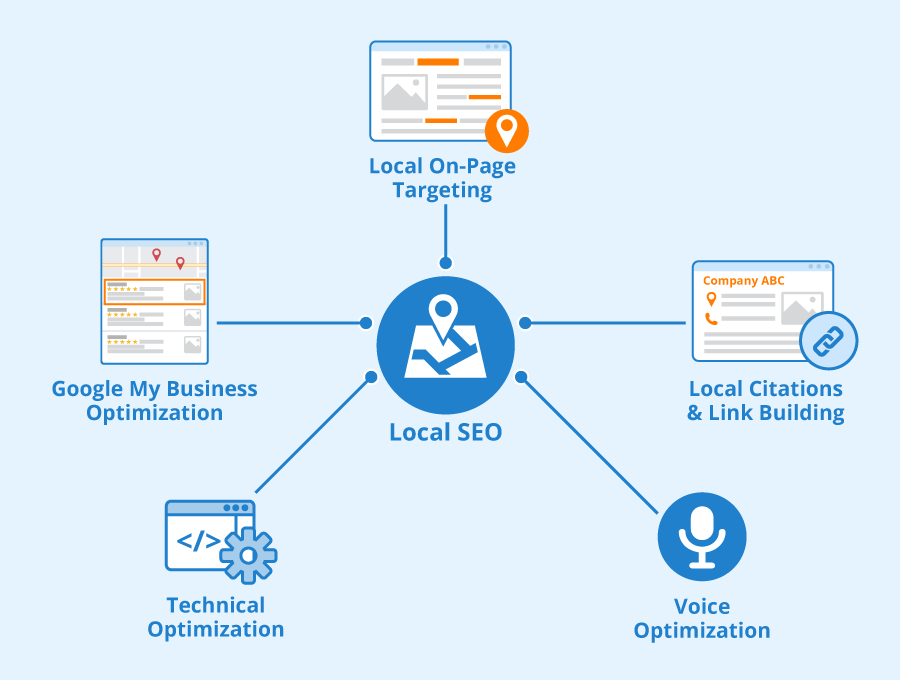
Local SEO involved more than adding a location to a website. Businesses needed accurate information, a well-maintained Google My Business listing, positive customer reviews and a website that clearly explained what they offered and where they operated.
How local search worked
Google’s local results were generally shaped by three factors: relevance, distance and prominence.
- Relevance: How closely a business matched the search. A detailed listing and useful website content helped Google understand its services.
- Distance: How close the business was to the searcher or the location included in the search.
- Prominence: How well-known or established the business appeared to be, based on signals such as reviews, links and references across the web.
Businesses could influence some of these factors through consistent information and good digital marketing, although they could not control where every searcher was located or guarantee a particular ranking.
Google My Business was a key tool
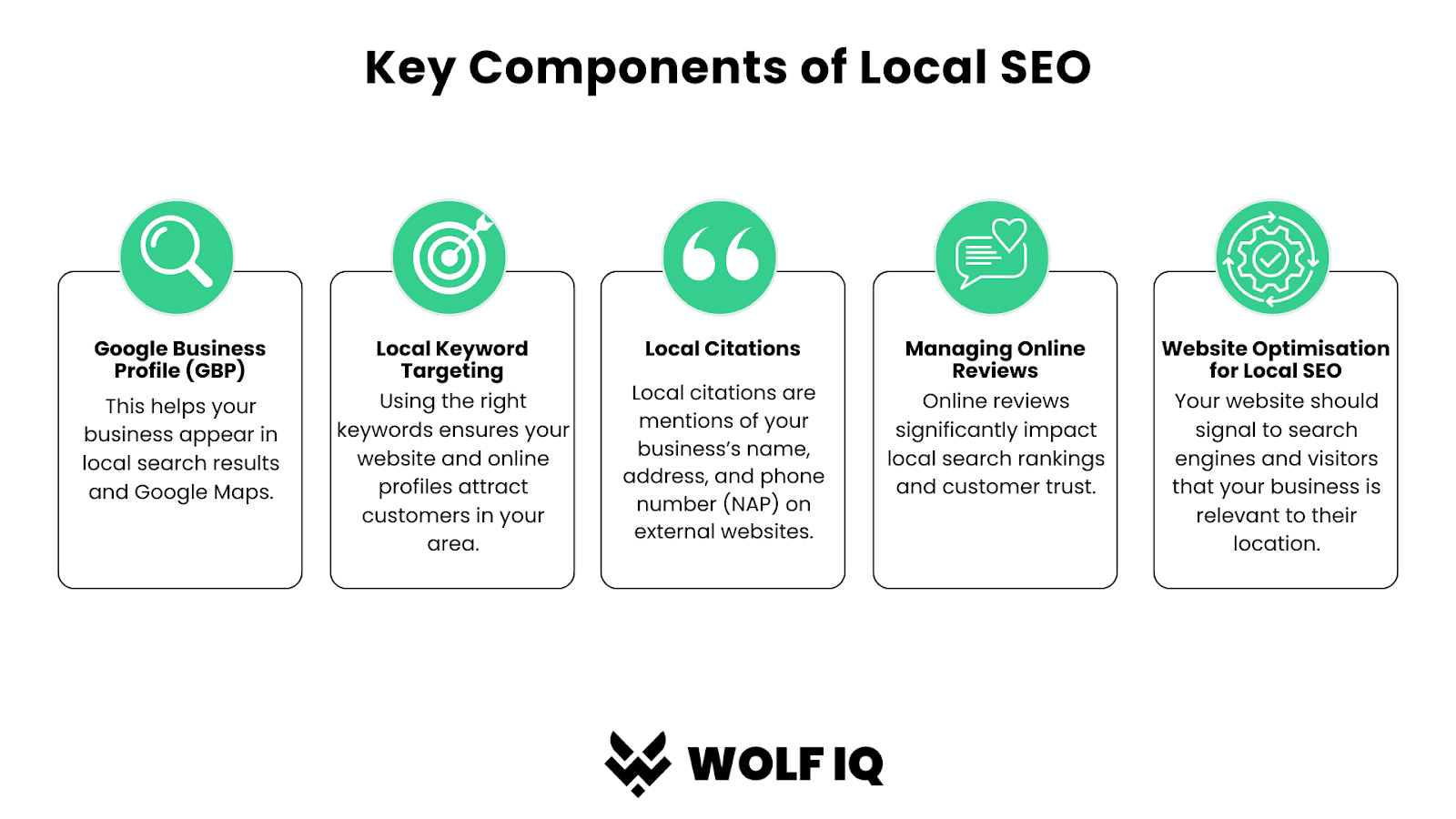
In 2019, Google My Business (now known as Google Business Profile) was one of the most important tools for local businesses. A complete, verified listing could display a business’s address, phone number, opening hours, website, services, photos and customer reviews in Google Search and Maps.
Keeping these details accurate mattered. Incorrect opening hours or an old telephone number could frustrate potential customers, while inconsistent business information could make it harder for search engines and users to identify the right details.
Businesses could also use Google My Business posts to share updates, offers and events. These posts were a way to keep a listing active and provide searchers with timely information, although they were not a guaranteed way to improve rankings.
Consistent business details across the web
Local SEO practitioners often referred to a business’s name, address and phone number as its NAP information. The details needed to be consistent across the business website, Google My Business, directories and social profiles.
Consistency helped customers confirm that they had found the correct business. It also reduced the risk of search engines encountering conflicting information. Businesses were best served by correcting inaccurate listings rather than submitting their details indiscriminately to every directory they could find.
Reviews and reputation
Customer reviews played an important part in a business’s online reputation in 2019. Reviews could influence a potential customer’s decision, particularly when comparing several local providers. They also contributed to the prominence of a business in local search.
A sensible review strategy focused on delivering good service and making it easy for customers to share honest feedback. Businesses could respond courteously to both positive and negative reviews, addressing specific concerns where appropriate. Fake reviews, misleading incentives and copied responses risked damaging trust.
Useful, locally relevant website content
A Google listing was only part of a local SEO strategy. A business website needed to explain its services clearly, work well on mobile devices and make it straightforward for visitors to get in touch.
For businesses serving several areas, dedicated location pages could help describe the services available in each place. These pages needed genuinely useful information, not just a town name inserted into repeated or near-identical copy. A page could include local contact details, service information, customer questions and practical details about the area served.
Location keywords were useful when they reflected how people actually searched, but excessive repetition made content harder to read and did not guarantee better rankings. Clear writing for customers was a stronger foundation.
Mobile searches and local intent
Many local searches took place on mobile phones, often when someone wanted to call a business, find directions or check whether it was open. A mobile-friendly website, visible contact details and accurate opening hours helped meet these needs.
Searches such as “near me” also reflected a growing expectation that results would take the searcher’s location into account. Businesses could not simply optimise for the phrase “near me”; they needed a properly maintained listing and clear, location-relevant information.
Links, citations and local authority
Links from relevant and trustworthy websites could help build a business’s authority. For local companies, useful links might come from local organisations, professional associations, suppliers, community groups or local news outlets.
Mentions of a business in directories and other websites were commonly called citations. These could support the visibility of a business, particularly when the information was accurate. However, quality and relevance mattered more than collecting large numbers of low-quality listings.
Measuring local SEO progress
Rankings were one way to monitor local visibility, but they were not the whole picture. Search results could vary according to location, device and search history. Businesses also needed to consider meaningful outcomes such as calls, direction requests, website enquiries, bookings and sales.
Google My Business insights and website analytics provided useful data, although tracking needed to be set up thoughtfully. A rise in visibility was most valuable when it reached the right people and contributed to business goals.
Key lessons from local SEO in 2019
- Keep the Google My Business listing complete, verified and up to date.
- Use consistent business details across the website and important directories.
- Encourage genuine customer feedback and respond professionally.
- Create useful pages for the services and locations the business actually serves.
- Make the website mobile-friendly and easy to contact.
- Seek relevant local links and citations rather than pursuing quantity alone.
- Measure enquiries and customer actions as well as rankings.
Local SEO in 2019 was built on clear information, a credible online reputation and a website that helped local customers take the next step. The tools and search features have since changed, but the underlying principle remains useful: make it easy for both people and search engines to understand what the business offers, where it operates and why customers can trust it.
Local SEO in 2019: 7 Frequently Asked Questions
- What is local SEO and why was it important for businesses in 2019?
- How did Google My Business help businesses improve local SEO in 2019?
- What ranking factors influenced local search results in 2019?
- How important were customer reviews for local SEO in 2019?
- How could a business improve its local search rankings in 2019?
- Did businesses need separate website pages for each location in 2019?
- How could businesses measure the success of their local SEO in 2019?
What is local SEO and why was it important for businesses in 2019?
Local SEO is the process of improving a business’s visibility in search results for people looking for products or services in a specific area. In 2019, it was important because customers increasingly used Google Search and Maps to find nearby businesses, check opening hours, read reviews and get directions. A well-maintained Google My Business listing, accurate contact details, positive customer reviews and useful location-focused website content helped businesses reach relevant local customers and encourage more calls, visits and enquiries.
How did Google My Business help businesses improve local SEO in 2019?
In 2019, Google My Business helped businesses improve local SEO by giving them a prominent presence in Google Search and Maps. A complete, verified profile could show key details such as the business’s address, phone number, opening hours, services, website and customer reviews, making it easier for nearby customers to find and contact them. Keeping this information accurate and responding to reviews also helped build trust and strengthen the business’s local prominence.
What ranking factors influenced local search results in 2019?
In 2019, local search results were mainly influenced by three factors: relevance, distance and prominence. Relevance measured how closely a business matched the search, while distance considered how near it was to the searcher or the location specified. Prominence reflected how established and well-regarded the business appeared, with signals such as accurate Google My Business information, consistent name, address and phone details across the web, customer reviews, quality links and locally relevant website content all helping to build visibility. No single factor guaranteed a top position, and results could vary depending on the searcher’s location.
How important were customer reviews for local SEO in 2019?
Customer reviews were important for local SEO in 2019 because they helped potential customers judge a business’s reputation and could contribute to its prominence in local search results. A steady stream of genuine, positive feedback was valuable, but businesses also benefited from responding politely to all reviews and addressing concerns constructively. Reviews were not a guaranteed route to higher rankings; they worked best alongside accurate business details, a complete Google My Business listing and a helpful website.
How could a business improve its local search rankings in 2019?
In 2019, a business could improve its local search visibility by claiming and verifying its Google My Business listing, keeping its name, address, phone number and opening hours accurate across the web, and building a mobile-friendly website with useful content about its services and the areas it served. Encouraging genuine customer reviews, responding professionally to feedback, and earning relevant links or directory mentions from trusted local organisations could also strengthen its online presence. While these steps could support better rankings, results varied by searcher location and competition, so businesses also needed to track calls, enquiries and other meaningful outcomes.
Did businesses need separate website pages for each location in 2019?
In 2019, businesses serving several areas could benefit from having a separate website page for each location, especially if each page offered genuinely useful, location-specific information. These pages could describe the services available, local contact details and the area covered, helping customers and search engines understand where the business operated. However, creating many near-identical pages with only the place name changed was unlikely to help and could make the site feel repetitive. A business serving one location generally did not need multiple pages simply to target nearby areas.
How could businesses measure the success of their local SEO in 2019?
In 2019, businesses could measure local SEO success by looking beyond search rankings and tracking actions that mattered to their goals. Google My Business insights showed how people found a listing and whether they called, requested directions or visited the website. Website analytics could help monitor local search traffic, enquiries, bookings and sales. Since rankings varied by location and device, businesses benefited from reviewing several measures over time rather than relying on a single position in search results.