best local seo companies

Best Local SEO Companies: How to Choose the Right Partner

Best Local SEO Companies: How to Choose the Right Partner

For a business serving a particular town, city or region, appearing in local search results can make a real difference. A strong local SEO strategy can help potential customers find your business on Google Search and Maps, understand what you offer and get in touch.

The best local SEO company for your business will depend on your location, budget, goals and the support you need. Some providers are full-service digital agencies, while others specialise in local search or offer tools to help you manage the work yourself. The companies below are a useful starting point—not a definitive ranking or guarantee of results.

Local SEO companies to consider

LocaliQ UK

LocaliQ UK offers digital marketing services for businesses, including services intended to help improve local visibility. It may suit organisations looking for support across several areas of digital marketing rather than SEO alone. Ask how its local SEO work is tailored to your locations and how results are reported.

The SEO Works

The SEO Works is a UK digital marketing agency offering SEO and related services. It may be worth considering if you want an agency partner that can look at organic search as part of a wider online growth strategy. Discuss your service areas, competition and expectations before agreeing a campaign.

Hallam

Hallam is a UK digital agency with search marketing expertise. Businesses considering a broader strategy—including SEO and other digital channels—may find its approach relevant. Ask whether the proposed team has experience with businesses like yours and with the locations you want to target.

Blue Array

Blue Array is a UK SEO consultancy that works with organisations on search strategy. It may be suitable for businesses seeking strategic advice or specialist SEO support. If local visibility is your priority, check that the proposal specifically covers local rankings, Google Business Profile and location-specific pages.

Whitespark

Whitespark is a Canada-based local SEO provider known for local search tools and services. Its resources may be useful to businesses looking to manage parts of local SEO themselves, as well as those seeking specialist support. UK businesses should confirm that the service and advice fit their market and locations.

Sterling Sky

Sterling Sky is a Canada-based agency focused on local SEO. It may be of interest to businesses looking for specialist local search expertise. As with any provider based overseas, check its experience in your country, how communication and reporting will work, and whether its recommendations reflect local search practices.

What does a local SEO company do?

Local SEO focuses on helping a business appear in search results for relevant services and places. Depending on the provider and your needs, work may include:

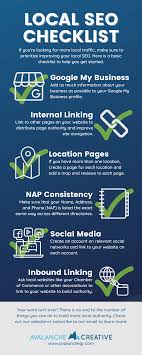
  • Reviewing and improving your Google Business Profile
  • Checking that your business name, address and phone number are consistent online
  • Researching local search terms and competitors
  • Improving location and service pages on your website
  • Supporting a genuine customer review strategy
  • Finding relevant local directories and citation opportunities
  • Monitoring local visibility, website enquiries and other agreed outcomes

Not every business needs every service. A single-location tradesperson, for example, may need different support from a multi-location healthcare group or a chain of shops.

How to choose the best local SEO company

Look for relevant experience

Ask for examples of work with businesses in your sector and in markets similar to yours. Case studies should explain the work carried out and the results measured, rather than relying only on broad claims about rankings.

Understand the proposed strategy

A reputable provider should explain what it plans to do, why those activities matter and how they relate to your goals. Be cautious of vague packages that promise a set number of links or rankings without first reviewing your website and competition.

Ask how success is measured

Rankings can be useful, but they are only one part of the picture. Ask how the company will track relevant calls, enquiries, bookings or visits, and how it will distinguish meaningful leads from general website traffic.

Check who will do the work

Find out who your main contact will be, who carries out the work and how often you will receive updates. If several locations are involved, ask how the provider will manage the workload and maintain consistency.

Clarify costs and ownership

Request a clear breakdown of fees, services and contract terms. Make sure your business retains access to its website, analytics accounts and Google Business Profile, and ask what happens to any work or content if the agreement ends.

Warning signs to watch for

  • Guaranteed first-place rankings or instant results
  • Unclear descriptions of the work being delivered
  • Pressure to sign a long contract before an audit or discussion
  • Recommendations to create misleading listings or reviews
  • Reports that show activity but do not connect it to business outcomes

Final thoughts

The best local SEO company is one that understands your customers and service area, explains its work clearly and measures progress against outcomes that matter to your business. Compare several providers, ask specific questions and choose a partner whose approach is realistic, transparent and suited to your goals.


Essential FAQs for Choosing the Best Local SEO Companies in the UK

  1. What are the best local SEO companies in the UK?
  2. How do I choose the right local SEO company for my business?
  3. How much do local SEO companies charge in the UK?
  4. What services should a local SEO company provide?
  5. How long does it take for a local SEO company to deliver results?

What are the best local SEO companies in the UK?

The best local SEO companies in the UK depend on your business, budget and service area, so there is no single provider that suits everyone. When comparing agencies, look for proven experience with businesses like yours, a clear plan for improving local search visibility, transparent reporting and realistic expectations. Ask how they’ll support your Google Business Profile, local website pages and customer reviews, and check that you’ll retain access to your accounts. Compare proposals and case studies before choosing a partner.

How do I choose the right local SEO company for my business?

Choose a local SEO company that understands your industry, customers and service area, and can explain clearly how its strategy will support your goals. Ask for relevant case studies, details of the work included, and how it measures outcomes such as calls, enquiries or bookings—not just rankings. Check the costs, contract terms and reporting arrangements, and make sure you retain access to your website and business listings. Be wary of guaranteed rankings or promises of instant results; a trustworthy provider will set realistic expectations and tailor its recommendations to your business.

How much do local SEO companies charge in the UK?

Local SEO costs in the UK vary depending on your location, competition, number of branches and the work required. Smaller businesses may pay a few hundred pounds a month for ongoing support, while more competitive campaigns or multi-location businesses can cost considerably more; one-off audits and consultancy are often priced separately. Ask for a clear breakdown of the services, reporting and contract terms, and compare proposals by the value and scope of work—not just the monthly fee.

What services should a local SEO company provide?

A local SEO company should provide services that help your business appear in relevant local search results and attract nearby customers. These may include optimising your Google Business Profile, researching local keywords, improving location and service pages, checking that your business details are consistent across online directories, and supporting a genuine customer review strategy. The company should also monitor local visibility and meaningful outcomes, such as calls, enquiries or bookings, and provide clear reports explaining the work completed and its impact. The right services will depend on your business, locations and goals, so expect a tailored plan rather than a one-size-fits-all package.

How long does it take for a local SEO company to deliver results?

A local SEO company can often make initial improvements within a few weeks, but noticeable results typically take several months. The timeframe depends on factors such as your website’s starting point, local competition, the condition of your Google Business Profile and how consistently recommended changes are made. A reputable company should set realistic expectations, explain which early indicators it will track and report on progress towards meaningful outcomes such as enquiries, calls or bookings.
localised seo

Localised SEO: How to Reach the Right Audience in the Right Place

Localised SEO: How to Reach the Right Audience in the Right Place

Search engine optimisation is not a one-size-fits-all activity. People in different towns, regions and countries may use different words, expect different information and look for different services. Localised SEO helps businesses make their websites and online presence relevant to those audiences.

Whether you serve customers in one neighbourhood or operate across several countries, a thoughtful localisation strategy can improve your visibility in search results and make it easier for potential customers to choose your business.

What is localised SEO?

Localised SEO is the practice of adapting your website and digital marketing to the language, location and needs of a particular audience. It can include local SEO for a business serving a specific area, as well as broader optimisation for regional or international markets.

For example, a plumber in Manchester might optimise a service page for searches such as “emergency plumber in Manchester”. A retailer expanding into France may need French-language pages, locally relevant product information and a website structure that helps search engines identify which content is intended for French customers.

Why does localisation matter?

People often include a location in their searches, particularly when they are looking for services, shops or venues nearby. Even when they do not name a place, search engines may use their location to provide relevant results.

Localised content can help your business:

  • Appear in searches made by people in your target area.
  • Reach audiences using local terms, spellings and phrases.
  • Provide useful information, such as opening hours, delivery areas or service locations.
  • Build trust by showing that your business understands the local market.
  • Compete more effectively with businesses that serve the same customers.

Start with local keyword research

Keyword research should reflect how people actually search in each location. The words used for the same product or service can vary between regions and countries. Even within the UK, language and search habits may differ from one area to another.

Research search terms for each audience rather than simply translating a list of keywords. Consider local place names, common abbreviations, regional terminology and the questions customers ask. Search data, customer enquiries and conversations with local staff can all help uncover relevant phrases.

Use these terms naturally in page titles, headings, page copy and image descriptions. Avoid adding a long list of locations to a page where they do not make sense; content should be useful to people first.

Create genuinely local content

Changing a place name on a generic page is rarely enough to make it relevant. Strong localised content answers the questions and needs of people in that area.

Depending on your business, useful pages might cover:

  • The services available in a particular location.
  • Areas you serve and any travel or delivery limitations.
  • Local pricing, availability or seasonal considerations.
  • Case studies, projects or customer stories from the area.
  • Local events, regulations or practical information relevant to your offer.

Make sure each location page offers distinct value. Near-identical pages created only to target different town names can provide a poor experience and may not perform well in search.

Keep business information accurate

For businesses with a physical location or a defined service area, consistent business details are essential. Keep your business name, address, telephone number and opening hours accurate wherever they appear online.

Claim and maintain your business profile on relevant search and map platforms. Choose the most accurate business categories, add current photographs and respond professionally to customer reviews. If you serve customers at their homes rather than at a public premises, make sure your online profiles reflect that correctly.

On your website, make it easy for visitors to find your contact details, directions and service-area information. Structured data can also help search engines interpret details such as your business type, address and opening hours.

Think beyond translation

For businesses targeting audiences in other countries, localisation involves more than translating website copy. The experience should make sense to people in the market you are trying to reach.

Consider local spelling, measurements, currencies, date formats, payment methods and customer expectations. Review product descriptions, examples and imagery to ensure they are appropriate. A professional translator or local market specialist can help avoid awkward wording and unintended meanings.

Technical choices matter too. Use a clear website structure for each language or country, and make it easy for search engines and visitors to understand which version is intended for them. Where appropriate, implement hreflang annotations to indicate language and regional alternatives. Avoid relying solely on automatic redirects based on a visitor’s location, as these can make pages harder to access for users and search engines.

Build local authority

Links and mentions from reputable local organisations can strengthen your visibility and credibility. Relevant opportunities may include local business directories, trade associations, community groups, suppliers, event partners and local media.

Focus on genuine relationships and useful contributions rather than collecting links from low-quality directories. Customer reviews also influence how potential customers assess a business. Encourage honest feedback and respond constructively, without pressuring customers to leave a particular rating.

Measure results by location

Track performance for each area or market you target. Useful measures include organic visits, local search visibility, enquiries, calls, bookings, purchases and direction requests. Look beyond rankings: a page that attracts relevant visitors and generates enquiries may be more valuable than one that ranks well for a broad, low-intent term.

Use analytics and search performance tools to identify which locations and pages are performing well. Review results regularly and update content when services, opening hours, market conditions or customer needs change.

Common localised SEO mistakes

  • Using the same generic page for every location.
  • Translating keywords without researching local search behaviour.
  • Publishing inaccurate or inconsistent contact details.
  • Adding place names unnaturally throughout the website.
  • Creating location pages with little unique information.
  • Ignoring reviews, business profiles or local customer questions.
  • Assuming rankings alone show whether the strategy is working.

Make your SEO relevant to every audience

Effective localised SEO combines sound technical foundations with a clear understanding of local customers. Research how people search, provide genuinely useful location-specific information and keep your business details accurate. For international audiences, take the additional step of adapting the language and experience to the market rather than relying on direct translation.

By making your website more relevant to the people and places you want to reach, you can create a stronger search presence and a more helpful experience for prospective customers.


Understanding Localised SEO: Key Questions and Insights

  1. Is doing a local SEO worth it?
  2. What is a local SEO example?
  3. What is Localised search?
  4. What are the types of local SEO?
  5. Why local SEO is important for SEO?
  6. What is localized SEO?

Is doing a local SEO worth it?

Yes, local SEO can be well worth the investment if your business serves customers in specific areas. It can help you appear in local search results and maps when nearby people are looking for the products or services you offer, making it easier for them to contact or visit you. The results depend on your competition, location and how consistently you maintain your website and business listings, so track enquiries and sales as well as rankings to measure its value.

What is a local SEO example?

A local SEO example is a London-based plumber optimising their website and Google Business Profile to appear when nearby customers search for “emergency plumber in Camden”. This might include creating a useful page about plumbing services in Camden, displaying accurate contact details and opening hours, and collecting genuine customer reviews. These local signals help search engines connect the business with relevant searches in the area.

Localised search is when a search engine tailors results to a person’s location or the area they’re interested in. For example, someone searching for “coffee shops” may see nearby cafés, while a search for “accountant in Bristol” is likely to show businesses serving Bristol. Localised SEO helps businesses appear in these relevant results by using accurate location details, useful area-specific content and up-to-date business listings.

What are the types of local SEO?

The main types of local SEO are location-based SEO, which helps businesses appear in searches for a specific town, city or neighbourhood, and service-area SEO, which targets customers across the areas a business serves, even if it does not have a shopfront in each one. Local SEO can also focus on multiple locations for businesses with several branches, or on localised content that reflects regional language, needs and search terms. The right approach depends on where your customers are and how your business serves them.

Why local SEO is important for SEO?

Local SEO is important because it helps your business appear when nearby customers search for the products or services you offer. By optimising your website, business profile and local listings with accurate details and relevant location information, you can improve your visibility in local search results and maps. This makes it easier for potential customers to find, contact and visit you, while helping search engines understand where you operate and which local searches your business is relevant to.

What is localized SEO?

Localised SEO is the process of improving your website and online presence so they are more relevant to people in a specific area or market. It includes researching local search terms, creating content for local audiences, keeping business details accurate and, where needed, adapting language and information for different regions or countries. The aim is to help the right customers find your business when they search for relevant products or services nearby.

local seo marketing agency

Unlocking Success: The Essential Role of a Local SEO Marketing Agency

The Power of Local SEO Marketing Agencies

The Power of Local SEO Marketing Agencies

In today’s digital age, having a strong online presence is crucial for businesses to succeed. This is where local SEO marketing agencies play a vital role in helping businesses connect with their local audience and stand out in the competitive online landscape.

What is Local SEO?

Local SEO focuses on optimising a business’s online presence to attract more local customers. It involves strategies such as creating location-specific content, managing online reviews, and ensuring accurate business listings across various online platforms.

Benefits of Hiring a Local SEO Marketing Agency

Targeted Approach: A local SEO marketing agency understands the nuances of local search and can tailor strategies to target specific geographical areas where your potential customers are located.

Increased Visibility: By optimising your website for local search terms, a local SEO agency can help your business appear in relevant local search results, increasing visibility and driving more organic traffic.

Reputation Management: Managing online reviews and maintaining a positive online reputation is crucial for attracting local customers. A local SEO agency can help monitor and improve your online reputation effectively.

Cost-Effective Marketing: Local SEO is a cost-effective marketing strategy compared to traditional advertising methods. By investing in local SEO services, businesses can reach their target audience without breaking the bank.

Choosing the Right Local SEO Marketing Agency

When selecting a local SEO marketing agency, it’s essential to consider their experience, track record, and understanding of your industry. Look for agencies that offer customised strategies tailored to your business goals and have a proven history of delivering results for their clients.

In Conclusion

A reputable local SEO marketing agency can be a valuable partner in helping your business thrive in the digital world. By implementing effective local SEO strategies, businesses can boost their online visibility, attract more local customers, and ultimately drive growth and success.


Top 6 Tips for Enhancing Local SEO with a Marketing Agency

  1. Optimise your Google My Business listing with accurate information and high-quality images.
  2. Create locally-focused content on your website to target specific geographical areas.
  3. Encourage satisfied customers to leave positive reviews on Google and other relevant platforms.
  4. Utilise local keywords in your website content, meta tags, and headings to improve local search rankings.
  5. Engage with the local community by participating in events, sponsoring local causes, or collaborating with other businesses.
  6. Monitor your online presence regularly and make adjustments based on performance data and customer feedback.

Optimise your Google My Business listing with accurate information and high-quality images.

To maximise the impact of your local SEO marketing efforts, it is essential to optimise your Google My Business listing with precise details and compelling visuals. By providing accurate information such as your business address, phone number, operating hours, and services offered, you enhance your online visibility and make it easier for potential customers to find and engage with your business. Additionally, high-quality images showcasing your products, services, and premises can help create a positive first impression and attract more local customers to choose your business over competitors. Investing time in refining your Google My Business listing can significantly boost your local search rankings and drive more traffic to your website or physical location.

Create locally-focused content on your website to target specific geographical areas.

To enhance your local SEO strategy, consider creating locally-focused content on your website to target specific geographical areas. By incorporating location-specific keywords, addressing local interests, and highlighting community events or news, you can effectively connect with your target audience in those areas. This approach not only boosts your visibility in local search results but also establishes your business as a relevant and valuable resource for customers in those specific regions.

Encourage satisfied customers to leave positive reviews on Google and other relevant platforms.

Encouraging satisfied customers to leave positive reviews on Google and other relevant platforms is a powerful strategy for enhancing your local SEO efforts. Positive reviews not only build credibility and trust with potential customers but also contribute to improved search engine rankings. By actively seeking feedback from satisfied clients and guiding them to share their positive experiences online, businesses can strengthen their online reputation, attract more local customers, and ultimately boost their visibility in local search results.

Utilise local keywords in your website content, meta tags, and headings to improve local search rankings.

To enhance your local search rankings, it is essential to incorporate local keywords strategically throughout your website content, meta tags, and headings. By utilising specific keywords that reflect your business’s location and services, you can signal to search engines the relevance of your website to local searches. This practice not only helps improve your visibility in local search results but also increases the likelihood of attracting potential customers in your target area. Consistent use of local keywords demonstrates to search engines that your business is closely tied to a particular geographical location, boosting its credibility and authority in local searches.

Engage with the local community by participating in events, sponsoring local causes, or collaborating with other businesses.

Engaging with the local community is a powerful strategy for enhancing your local SEO efforts. By actively participating in events, sponsoring local causes, or collaborating with other businesses in the community, you not only strengthen your brand presence but also build valuable connections with potential customers. This involvement demonstrates your commitment to the local area and can lead to increased visibility, positive word-of-mouth referrals, and ultimately, a stronger online presence that resonates with your target audience.

Monitor your online presence regularly and make adjustments based on performance data and customer feedback.

Monitoring your online presence regularly and making adjustments based on performance data and customer feedback is a crucial tip for maximising the effectiveness of a local SEO marketing agency. By staying vigilant and responsive to changes in online visibility, businesses can adapt their strategies to better reach their target audience. Performance data provides valuable insights into what is working well and what areas need improvement, while customer feedback offers direct input on how the business is perceived online. By incorporating these insights into their approach, businesses can continuously enhance their local SEO efforts and stay ahead in the competitive digital landscape.

local search engine marketing

Unlocking the Potential of Local Search Engine Marketing: A Guide for UK Businesses

The Power of Local Search Engine Marketing

The Power of Local Search Engine Marketing

Local search engine marketing (SEM) has become an essential tool for businesses looking to attract customers in their specific geographical area. With the rise of mobile searches and the increasing emphasis on local results by search engines like Google, local SEM offers a powerful way to connect with potential customers right when they are searching for products or services.

What is Local SEM?

Local SEM involves optimising your online presence to appear in search engine results for local queries relevant to your business. This includes targeting keywords with local intent, creating location-specific landing pages, and managing your online reviews and citations.

The Benefits of Local SEM

Increased Visibility: By optimising your website for local search terms, you can increase your visibility in local search results, making it easier for potential customers to find you.

Targeted Traffic: Local SEM allows you to target customers in specific geographic locations who are more likely to convert into leads or sales.

Improved Brand Awareness: Appearing in local search results can help raise awareness of your brand among local audiences, leading to increased brand recognition and trust.

Key Strategies for Local SEM

To make the most of local SEM, consider implementing the following strategies:

  1. Optimise Your Google My Business Listing: Ensure that your Google My Business profile is complete and accurate with up-to-date information about your business, including address, phone number, and business hours.
  2. Create Location-Specific Content: Develop content that is tailored to the interests and needs of your local audience. This can include blog posts, case studies, or testimonials that highlight your presence in the community.
  3. Encourage Customer Reviews: Positive reviews can boost your credibility and visibility in local search results. Encourage satisfied customers to leave reviews on platforms like Google My Business or Yelp.
  4. Local Link Building: Build relationships with other local businesses or organisations to earn backlinks from reputable sources within your community.

The Future of Local SEM

In an increasingly competitive digital landscape, investing in local SEM will be crucial for businesses looking to stand out from the crowd and attract nearby customers. By leveraging the power of local search engine marketing, businesses can drive targeted traffic, increase brand visibility, and ultimately grow their customer base within their local area.


8 Benefits of Local Search Engine Marketing: Boost Visibility, Conversion, and Brand Awareness

  1. Increased visibility in local search results
  2. Targeted reach to potential customers in specific geographic locations
  3. Higher conversion rates as local audiences are more likely to convert into leads or sales
  4. Enhanced brand awareness among local audiences
  5. Cost-effective marketing strategy compared to traditional advertising methods
  6. Ability to track and measure the effectiveness of local SEM campaigns through analytics
  7. Improved online reputation through positive customer reviews and ratings
  8. Opportunity to outperform competitors in the local market by appearing prominently in search results


Challenges of Local Search Engine Marketing: Navigating Competition, Resource Demands, and Algorithm Dependency

  1. Increased Competition
  2. Resource Intensive
  3. Dependency on Algorithm Changes

Increased visibility in local search results

One significant advantage of local search engine marketing is the increased visibility it offers in local search results. By optimising your online presence for local search terms, businesses can enhance their chances of appearing prominently when potential customers in the area are actively seeking products or services. This heightened visibility not only boosts brand awareness but also makes it easier for local audiences to discover and engage with your business, ultimately driving more targeted traffic and potential conversions.

Targeted reach to potential customers in specific geographic locations

Local search engine marketing offers businesses the invaluable advantage of targeted reach to potential customers in specific geographic locations. By tailoring online strategies to focus on local audiences, businesses can connect with individuals who are actively seeking their products or services within a particular area. This targeted approach not only increases the likelihood of converting leads into customers but also enhances brand visibility and relevance within the local community.

Higher conversion rates as local audiences are more likely to convert into leads or sales

One of the significant advantages of local search engine marketing is the higher conversion rates it offers, as local audiences are inherently more inclined to convert into leads or sales. By targeting customers in specific geographic locations through tailored local SEM strategies, businesses can effectively reach an audience that is actively seeking their products or services within their vicinity. This targeted approach not only increases the likelihood of conversions but also fosters a stronger connection with potential customers who are more likely to engage with and make purchases from businesses that cater to their local needs.

Enhanced brand awareness among local audiences

Enhanced brand awareness among local audiences is a significant benefit of local search engine marketing. By optimising your online presence for local search queries, you can increase visibility within your community and make it easier for local customers to discover and engage with your brand. This heightened exposure not only helps in establishing a stronger brand presence locally but also fosters trust and loyalty among nearby consumers who are more likely to choose a familiar and reputable brand when making purchasing decisions.

Cost-effective marketing strategy compared to traditional advertising methods

Local search engine marketing offers a cost-effective marketing strategy when compared to traditional advertising methods. By targeting specific local audiences through online channels, businesses can reach potential customers at a fraction of the cost of traditional print or broadcast advertising. This targeted approach not only helps in reducing marketing expenses but also ensures that resources are allocated efficiently towards reaching the right audience most likely to convert into leads or sales. Overall, local SEM provides businesses with a cost-efficient way to promote their products or services and achieve measurable results within their local market.

Ability to track and measure the effectiveness of local SEM campaigns through analytics

One significant advantage of local search engine marketing is the ability to track and measure the effectiveness of local SEM campaigns through analytics. By utilising tools such as Google Analytics, businesses can gain valuable insights into the performance of their local SEM efforts, including website traffic, user engagement, conversion rates, and more. This data-driven approach allows businesses to make informed decisions, refine their strategies, and allocate resources effectively to maximise the impact of their local SEM campaigns. The ability to measure and analyse campaign results empowers businesses to continuously improve their online visibility and drive tangible results within their target geographical areas.

Improved online reputation through positive customer reviews and ratings

One significant advantage of local search engine marketing is the potential to enhance online reputation through positive customer reviews and ratings. By actively encouraging satisfied customers to leave feedback on platforms like Google My Business or Yelp, businesses can build trust and credibility with prospective clients. Positive reviews not only boost visibility in local search results but also contribute to a strong online reputation, showcasing a commitment to customer satisfaction and quality service. This proactive approach to managing customer feedback can lead to increased brand loyalty and attract new customers seeking reliable businesses with a proven track record of excellence.

Opportunity to outperform competitors in the local market by appearing prominently in search results

Local search engine marketing offers businesses the valuable opportunity to surpass their competitors in the local market by securing prominent visibility in search results. By strategically targeting local keywords and optimising their online presence for specific geographical areas, businesses can outshine rivals and attract more potential customers who are actively seeking products or services within their vicinity. This competitive advantage not only enhances brand recognition but also increases the likelihood of converting local searchers into loyal customers, ultimately driving business growth and success in the local market.

Increased Competition

One significant drawback of local search engine marketing is the heightened competition it can bring about. As more businesses focus on targeting the same local audience through SEM strategies, the competition for visibility and top rankings in search results intensifies. This increased competition poses a challenge for businesses aiming to stand out and secure prominent positions in local search listings, requiring them to invest more resources and implement more sophisticated tactics to maintain a competitive edge in the crowded local market.

Resource Intensive

One significant drawback of local search engine marketing is its resource-intensive nature. Implementing successful local SEM strategies demands a considerable investment of time, effort, and resources. Managing and optimising elements like Google My Business listings, creating location-specific content, and monitoring online reviews require dedicated attention and expertise. The need for ongoing maintenance and updates can strain a business’s resources, making it challenging to sustain the level of commitment necessary for effective local SEM implementation.

Dependency on Algorithm Changes

One significant drawback of local search engine marketing is the dependency on algorithm changes. The success of a local SEM strategy is heavily influenced by the ever-evolving algorithms of search engines, such as Google. These algorithms undergo frequent updates, making it challenging for businesses to maintain their visibility and rankings. Adapting to these changes can be a continuous process that demands flexibility and ongoing monitoring to ensure that the local SEM efforts remain effective and aligned with the latest algorithmic requirements.

google local seo

Unlocking the Potential of Google Local SEO: Enhancing Your Business Visibility Locally

The Power of Google Local SEO

The Power of Google Local SEO

In today’s digital age, having a strong online presence is crucial for businesses looking to attract local customers. Google Local SEO (Search Engine Optimization) plays a vital role in helping businesses appear in local search results and connect with potential customers in their area.

What is Google Local SEO?

Google Local SEO focuses on optimising your online presence to improve visibility in local search results on Google. When users search for products or services near them, Google shows relevant businesses based on their location. By implementing local SEO strategies, businesses can increase their chances of appearing in these local search results.

The Benefits of Google Local SEO

Increased Visibility: By optimising your website and online profiles for local keywords and information, you can improve your visibility in local search results.

Targeted Traffic: Local SEO helps attract potential customers who are specifically searching for products or services in your area, increasing the likelihood of converting them into customers.

Build Trust: Appearing in local search results enhances your credibility and trustworthiness among local customers, as they are more likely to choose businesses that show up prominently in their searches.

Key Strategies for Google Local SEO

To make the most of Google Local SEO, consider implementing the following strategies:

  • Optimise Your Google My Business Profile: Ensure that your business information is accurate and up-to-date on Google My Business, including your address, phone number, and business hours.
  • Create Local Content: Produce content that is relevant to your local audience, such as blog posts about events or news in your area.
  • Get Listed in Online Directories: Ensure that your business is listed accurately on popular online directories like Yelp, Yellow Pages, and TripAdvisor.
  • Encourage Customer Reviews: Positive reviews from satisfied customers can boost your credibility and help improve your ranking in local search results.

In Conclusion

In conclusion, Google Local SEO is a powerful tool for businesses looking to target local customers and enhance their online visibility. By implementing effective local SEO strategies, businesses can connect with potential customers in their area and drive more foot traffic to their physical locations or website. Investing time and resources into Google Local SEO can yield significant benefits for businesses seeking to grow their presence locally.


Top 5 Benefits of Google Local SEO for Boosting Your Business Visibility

  1. Increased visibility in local search results on Google
  2. Targeted traffic from users searching for products/services in your area
  3. Enhanced credibility and trust among local customers
  4. Cost-effective way to reach a specific geographic audience
  5. Opportunity to stand out against competitors in local searches


Challenges of Google Local SEO: Navigating Competition, Maintenance, Algorithm Changes, Visibility, and Reputation

  1. Increased competition for local search rankings
  2. Time-consuming to consistently update and maintain business information across multiple platforms
  3. Dependence on Google’s algorithm changes which can impact search rankings
  4. Difficulty in standing out among other local businesses in the same industry
  5. Potential negative impact from fake or negative reviews that affect reputation

Increased visibility in local search results on Google

One of the key advantages of Google Local SEO is the significant boost in visibility that businesses can achieve in local search results on Google. By optimising their online presence for local keywords and information, businesses can enhance their chances of appearing prominently when users search for products or services in their area. This increased visibility not only helps businesses stand out among local competitors but also ensures that they are more easily discovered by potential customers who are actively seeking relevant offerings nearby. Ultimately, improved visibility in local search results can lead to higher traffic, increased brand awareness, and greater opportunities for customer engagement and conversions.

Targeted traffic from users searching for products/services in your area

One significant advantage of Google Local SEO is the ability to attract targeted traffic from users actively searching for products or services within your geographical area. By optimising your online presence for local search terms, you increase the likelihood of appearing in search results when potential customers are looking for offerings in your vicinity. This targeted approach not only drives relevant traffic to your business but also increases the chances of converting these local searches into valuable customers, ultimately boosting your business’s visibility and revenue within your community.

Enhanced credibility and trust among local customers

One significant advantage of Google Local SEO is the enhanced credibility and trust it builds among local customers. When businesses appear prominently in local search results, it signals to potential customers that the business is established and relevant to their needs. By optimising their online presence for local searches, businesses can showcase their commitment to serving the local community, which in turn fosters trust and confidence among local customers. This increased credibility can lead to higher conversion rates and long-term customer loyalty, ultimately benefiting the business in building a strong local customer base.

Cost-effective way to reach a specific geographic audience

Google Local SEO offers a cost-effective way to target a specific geographic audience. By optimising your online presence for local search, businesses can efficiently reach potential customers in their vicinity without incurring high advertising costs. This targeted approach ensures that marketing efforts are focused on the right audience, increasing the chances of attracting local customers who are actively seeking products or services within their geographical area. Ultimately, Google Local SEO provides businesses with a budget-friendly method to enhance visibility and connect with a specific local audience effectively.

Opportunity to stand out against competitors in local searches

With Google Local SEO, businesses have the opportunity to stand out against competitors in local searches. By optimising their online presence for local keywords and information, businesses can improve their visibility in local search results, making it easier for potential customers to find them over competitors. This competitive edge allows businesses to attract more targeted traffic from local searches, increasing their chances of converting leads into loyal customers. Embracing Google Local SEO gives businesses the advantage of distinguishing themselves in a crowded marketplace and solidifying their position as a top choice for local consumers.

Increased competition for local search rankings

One significant drawback of Google Local SEO is the increased competition for local search rankings. As more businesses recognise the importance of local SEO in reaching nearby customers, the competition to secure top positions in local search results intensifies. This heightened competition can make it challenging for smaller or newer businesses to rank prominently, as established competitors with larger resources may dominate the local search landscape. Businesses must navigate this competitive environment strategically by implementing innovative tactics and consistently refining their local SEO strategies to stand out amidst the growing competition for visibility in local searches.

Time-consuming to consistently update and maintain business information across multiple platforms

One significant drawback of Google Local SEO is the time-consuming nature of consistently updating and maintaining business information across multiple platforms. Ensuring that details such as address, phone number, business hours, and other relevant information are accurate and up-to-date on various online directories and profiles can be a laborious task. This process requires regular monitoring and adjustments to reflect any changes in the business, which can be challenging for businesses with limited resources or time constraints. Failure to keep information consistent across platforms may lead to confusion among customers and potentially harm the business’s online visibility and reputation.

Dependence on Google’s algorithm changes which can impact search rankings

One significant drawback of Google Local SEO is the reliance on Google’s ever-evolving algorithm, which can have a direct impact on search rankings. As Google frequently updates its algorithms to enhance user experience and combat spam, businesses implementing local SEO strategies may find themselves at the mercy of these changes. Fluctuations in search rankings due to algorithm updates can potentially disrupt established SEO efforts and require constant adaptation to maintain visibility in local search results. This dependence on Google’s algorithm changes highlights the need for businesses to stay informed and agile in their approach to local SEO to mitigate the risk of sudden drops in search rankings.

Difficulty in standing out among other local businesses in the same industry

One significant drawback of Google Local SEO is the challenge of standing out amidst a sea of local businesses operating in the same industry. With numerous competitors vying for visibility in local search results, it can be difficult to differentiate your business and capture the attention of potential customers. This saturation can lead to increased competition for top rankings, making it a constant struggle to maintain a prominent position in local search listings. Businesses must devise innovative strategies and compelling content to overcome this obstacle and carve out a unique identity that resonates with their target audience.

Potential negative impact from fake or negative reviews that affect reputation

One significant drawback of Google Local SEO is the potential negative impact that can arise from fake or negative reviews, which have the power to tarnish a business’s reputation. Inaccurate or malicious reviews can mislead potential customers and deter them from engaging with a business, ultimately affecting its credibility and trustworthiness. Managing and addressing fake or negative reviews can be challenging, requiring businesses to invest time and effort in reputation management to mitigate the damage caused by such feedback.