medium seo

Mastering Medium SEO: Elevating Your Online Presence

The Importance of Medium SEO for Your Online Presence

The Importance of Medium SEO for Your Online Presence

When it comes to enhancing your online visibility, search engine optimisation (SEO) plays a crucial role. While most businesses focus on optimising their websites for popular search engines like Google, it’s essential not to overlook the significance of Medium SEO.

Medium is a popular online publishing platform that allows individuals and businesses to share their ideas, stories, and expertise with a vast audience. With millions of users browsing through Medium every day, ensuring that your content is discoverable through effective SEO practices is key to reaching your target audience.

Why Medium SEO Matters

Optimising your content for Medium search can have several benefits for your online presence:

  • Increased Visibility: By implementing relevant keywords, tags, and meta descriptions in your Medium articles, you can improve their visibility in search results within the platform.
  • Targeted Audience Reach: Effective Medium SEO helps you attract readers who are specifically interested in the topics you cover, leading to higher engagement and potential conversions.
  • Brand Authority: Consistently applying SEO best practices on Medium can establish your brand as a credible source of information in your industry or niche.
  • Drive Traffic to Your Website: Optimised Medium content can act as a gateway to drive traffic back to your website or blog, expanding your online reach beyond the platform itself.

Tips for Optimising Your Content on Medium

To make the most of Medium SEO, consider incorporating the following strategies into your content creation process:

  1. Keyword Research: Identify relevant keywords and phrases that resonate with your target audience and integrate them naturally into your article titles and body text.
  2. Title Optimisation: Craft compelling titles that not only capture readers’ attention but also contain key terms that align with search queries on Medium.
  3. Meta Descriptions: Write concise and informative meta descriptions that summarise the essence of your articles and entice users to click through to read more.
  4. Categorisation and Tagging: Assign appropriate categories and tags to your articles to help users discover them based on specific topics or interests.
  5. Promote Sharing: Encourage readers to share your content across social media platforms or other channels to increase its exposure and reach a wider audience.

In conclusion, prioritising Medium SEO as part of your overall digital marketing strategy can significantly impact how effectively you connect with readers and establish thought leadership within your industry. By leveraging the power of SEO on this dynamic platform, you can elevate your online presence and drive meaningful engagement with a diverse audience.


9 Essential Tips for Enhancing Your Medium SEO Strategy

  1. Create high-quality and engaging content regularly.
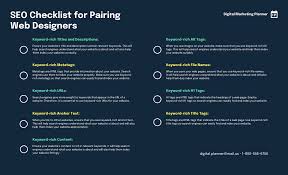
  2. Optimize your website’s meta tags, including title tags and meta descriptions.
  3. Improve website loading speed for better user experience.
  4. Build backlinks from reputable websites in your industry.
  5. Use relevant keywords naturally throughout your content.
  6. Optimize images with descriptive filenames and alt text.
  7. Utilize social media to promote your content and engage with users.
  8. Ensure your website is mobile-friendly for a better user experience on all devices.
  9. Monitor and analyse your SEO performance regularly to make data-driven improvements.

Create high-quality and engaging content regularly.

Creating high-quality and engaging content regularly is a fundamental tip for successful Medium SEO. By consistently producing valuable and captivating articles, you not only attract and retain readers but also signal to search algorithms that your content is relevant and authoritative. This approach builds trust with your audience, encourages sharing, and increases the likelihood of your articles being discovered and ranked higher in Medium search results. Consistency in delivering top-notch content establishes your credibility as a reliable source of information, driving organic traffic to your profile and ultimately enhancing your online visibility and influence within the Medium community.

Optimize your website’s meta tags, including title tags and meta descriptions.

To enhance your Medium SEO strategy, it is crucial to optimise your website’s meta tags, which include title tags and meta descriptions. By carefully crafting compelling titles that incorporate relevant keywords and accurately reflect the content of your articles, you can improve the visibility of your posts on Medium. Additionally, writing informative meta descriptions that succinctly summarise the essence of your articles not only entices users to click through but also helps search engines understand the context of your content. By paying attention to these crucial elements, you can increase the chances of your Medium articles being discovered by a wider audience and drive more traffic to your content.

Improve website loading speed for better user experience.

Enhancing your website loading speed is a crucial aspect of Medium SEO that directly impacts user experience. A fast-loading website not only pleases visitors but also contributes to higher search engine rankings. By optimising your website’s performance, you create a seamless browsing experience for users, reducing bounce rates and increasing engagement. Improved loading speed not only enhances user satisfaction but also signals search engines that your site is reliable and user-friendly, ultimately boosting your online visibility and attracting more organic traffic.

Building backlinks from reputable websites within your industry is a fundamental aspect of effective Medium SEO. By securing links from respected sources that are relevant to your niche, you not only enhance the credibility and authority of your content but also improve its visibility in search results. Backlinks act as endorsements of your expertise and can drive valuable referral traffic to your Medium articles, expanding your reach to a wider audience. Engaging in strategic link-building efforts with industry leaders and influential platforms can boost the overall performance of your content on Medium and strengthen your online presence within your specific sector.

Use relevant keywords naturally throughout your content.

In the realm of Medium SEO, a crucial tip is to seamlessly incorporate pertinent keywords into your content. By organically weaving relevant keywords throughout your articles, you not only enhance the discoverability of your content but also cater to the search intent of your target audience. Striking a balance between keyword integration and maintaining a natural flow in your writing can significantly boost the visibility and relevance of your Medium posts, ultimately attracting more readers and driving engagement.

Optimize images with descriptive filenames and alt text.

When focusing on Medium SEO, a crucial tip is to optimise images by using descriptive filenames and alt text. By naming your image files descriptively and providing relevant alt text, you not only improve accessibility for visually impaired users but also enhance the search engine visibility of your content. Search engines rely on this information to understand the context of your images, making it easier for them to index and rank your articles effectively. Ensuring that your images are optimised with descriptive details can significantly boost the overall SEO performance of your Medium content.

Utilize social media to promote your content and engage with users.

To maximise the impact of your Medium SEO efforts, it is essential to leverage social media platforms to promote your content and actively engage with users. By sharing your articles across social channels and interacting with your audience through comments, likes, and shares, you can broaden the reach of your content and foster meaningful connections with readers. This proactive approach not only drives traffic back to your Medium posts but also enhances brand visibility and establishes a sense of community around your content. Embracing social media as a complementary tool to your Medium SEO strategy can amplify the effectiveness of your online presence and cultivate a loyal following eager to engage with your insights and expertise.

Ensure your website is mobile-friendly for a better user experience on all devices.

Ensuring that your website is mobile-friendly is a crucial aspect of Medium SEO. With an increasing number of users accessing online content through mobile devices, having a responsive design that adapts seamlessly to different screen sizes enhances the user experience across all devices. A mobile-friendly website not only improves accessibility and readability but also positively impacts search engine rankings, as search engines like Google prioritise mobile-friendly sites in their results. By prioritising mobile-friendliness, you can cater to a wider audience and provide a more engaging and user-friendly experience, ultimately boosting your visibility and credibility on the Medium platform.

Monitor and analyse your SEO performance regularly to make data-driven improvements.

Monitoring and analysing your SEO performance regularly is a crucial tip for successful Medium SEO. By consistently reviewing key metrics such as search rankings, traffic sources, and user engagement data, you can gain valuable insights into the effectiveness of your content strategy. This data-driven approach allows you to identify areas for improvement, fine-tune your keyword targeting, and refine your content to better resonate with your target audience. By staying informed about your SEO performance, you can make informed decisions that maximise the impact of your efforts on Medium and enhance your online visibility.

Mastering Paid Search Optimization Strategies for Online Success

The Power of Paid Search Optimization

The Power of Paid Search Optimization

In the competitive landscape of digital marketing, paid search optimization has emerged as a powerful tool for businesses looking to enhance their online visibility and drive targeted traffic to their websites. By strategically investing in paid search advertising, businesses can effectively reach their target audience and achieve measurable results.

What is Paid Search Optimization?

Paid search optimization, also known as pay-per-click (PPC) advertising, involves placing ads on search engine results pages (SERPs) and paying a fee each time a user clicks on the ad. This form of online advertising allows businesses to bid on specific keywords related to their products or services, ensuring that their ads appear prominently when users search for those keywords.

The Benefits of Paid Search Optimization

One of the key benefits of paid search optimization is its ability to deliver quick and measurable results. Unlike organic search engine optimization (SEO), which can take time to see significant improvements in rankings, paid search ads can generate immediate traffic to your website.

Additionally, paid search optimization offers precise targeting options, allowing businesses to tailor their ads based on factors such as location, demographics, and user behaviour. This level of targeting ensures that your ads are seen by the most relevant audience, increasing the likelihood of conversions.

Best Practices for Paid Search Optimization

To maximise the effectiveness of your paid search campaigns, it’s essential to follow best practices for optimization. This includes conducting thorough keyword research to identify high-performing keywords, creating compelling ad copy that entices users to click, and continuously monitoring and adjusting your campaigns based on performance data.

Furthermore, implementing conversion tracking allows you to measure the success of your campaigns and make data-driven decisions to improve ROI. By testing different ad variations and landing pages, you can refine your strategy over time and achieve optimal results from your paid search efforts.

Conclusion

Paid search optimization is a valuable tool for businesses seeking to increase their online visibility and drive targeted traffic to their websites. By leveraging the power of PPC advertising and following best practices for optimization, businesses can reach their target audience effectively and achieve tangible results in the competitive digital landscape.


Top 6 Strategies for Optimising Paid Search Campaigns

  1. Use relevant keywords in your ad copy to improve click-through rates.
  2. Regularly monitor and adjust your bids to ensure optimal performance.
  3. Create compelling ad extensions to provide additional information to users.
  4. Test different ad variations to identify what resonates best with your target audience.
  5. Optimise landing pages for conversions by ensuring they are relevant and user-friendly.
  6. Track key metrics such as click-through rate, conversion rate, and return on ad spend (ROAS) to measure success.

Use relevant keywords in your ad copy to improve click-through rates.

Utilising relevant keywords in your ad copy is a crucial strategy in paid search optimization to enhance click-through rates. By incorporating keywords that align closely with what users are searching for, you increase the likelihood of your ads being displayed to the right audience. This not only improves the relevance of your ad but also entices users to click through to your website, ultimately driving more qualified traffic and potential conversions. Strategic placement of relevant keywords in your ad copy can significantly impact the success of your paid search campaigns by attracting the attention of users actively seeking the products or services you offer.

Regularly monitor and adjust your bids to ensure optimal performance.

Regularly monitoring and adjusting your bids is a crucial tip for maximising the effectiveness of paid search optimization. By keeping a close eye on your bid performance and making timely adjustments, you can ensure that your ads are competitive and positioned for optimal visibility. This proactive approach allows you to fine-tune your bidding strategy based on real-time data, ultimately driving better results and improving the overall performance of your paid search campaigns.

Create compelling ad extensions to provide additional information to users.

Creating compelling ad extensions is a crucial tip for enhancing paid search optimization. By including additional information such as site links, callouts, and structured snippets in your ads, you can provide users with more context about your products or services. These extensions not only make your ads more informative and engaging but also increase the chances of users clicking on them. By utilising ad extensions effectively, businesses can improve the visibility and effectiveness of their paid search campaigns, ultimately driving more relevant traffic to their websites.

Test different ad variations to identify what resonates best with your target audience.

Testing different ad variations is a crucial tip in paid search optimization as it allows businesses to pinpoint what resonates most effectively with their target audience. By experimenting with various ad elements such as headlines, copy, and visuals, businesses can gather valuable insights into which messaging and creatives drive the highest engagement and conversions. This iterative approach not only helps in refining ad campaigns for better performance but also ensures that marketing efforts are tailored to meet the preferences and behaviours of the specific audience segments, leading to more impactful results in paid search advertising.

Optimise landing pages for conversions by ensuring they are relevant and user-friendly.

To maximise the effectiveness of your paid search campaigns, it is crucial to optimise landing pages for conversions by ensuring they are both relevant and user-friendly. A well-crafted landing page tailored to match the ad’s messaging not only enhances user experience but also increases the likelihood of conversions. By providing clear and concise information, incorporating strong call-to-action buttons, and ensuring easy navigation, businesses can create a seamless journey for users from clicking on the ad to completing a desired action. Optimising landing pages in this manner not only improves user engagement but also boosts overall campaign performance and ROI.

Track key metrics such as click-through rate, conversion rate, and return on ad spend (ROAS) to measure success.

Tracking key metrics such as click-through rate, conversion rate, and return on ad spend (ROAS) is essential for measuring the success of paid search optimization campaigns. By monitoring these metrics closely, businesses can gain valuable insights into the effectiveness of their ads and make informed decisions to improve performance. The click-through rate indicates the percentage of users who clicked on the ad, while the conversion rate measures the proportion of users who completed a desired action, such as making a purchase. Calculating the return on ad spend helps businesses understand the profitability of their advertising efforts. By analysing these key metrics, businesses can refine their strategies and maximise the impact of their paid search campaigns.

Maximise Your Product Visibility with Amazon Keyword Ranking Strategies

Amazon Keyword Ranking: Maximising Your Product Visibility

The Importance of Amazon Keyword Ranking

When it comes to selling products on Amazon, visibility is key. With millions of products listed on the platform, standing out from the competition can be a daunting task. This is where Amazon keyword ranking plays a crucial role in helping your products get discovered by potential customers.

Understanding Amazon Keyword Ranking

Amazon keyword ranking refers to the position at which your product appears in search results when customers use specific keywords to find relevant products. The higher your product ranks for relevant keywords, the more likely it is to be seen and clicked on by shoppers.

Optimising Your Keywords

To improve your Amazon keyword ranking, it’s essential to conduct thorough keyword research. Identify relevant keywords that are commonly used by customers searching for products similar to yours. Incorporate these keywords strategically into your product title, description, bullet points, and backend search terms.

Monitoring and Adjusting

Monitoring your Amazon keyword ranking is crucial to track the effectiveness of your keyword optimisation efforts. Regularly check where your product ranks for target keywords and make adjustments as needed. Experiment with different keywords and monitor how these changes impact your product’s visibility.

Enhancing Product Listings

In addition to optimising keywords, enhancing other aspects of your product listing can also positively impact your Amazon keyword ranking. High-quality images, compelling product descriptions, positive customer reviews, and competitive pricing all contribute to making your product more attractive to both customers and Amazon’s search algorithm.

The Bottom Line

Amazon keyword ranking is a powerful tool that can significantly boost the visibility of your products on the platform. By strategically selecting and optimising keywords, monitoring performance, and continuously refining your approach, you can improve your rankings and increase sales. Invest time and effort into mastering Amazon keyword ranking, and watch as your products rise above the competition.


Essential FAQs on Boosting Your Amazon Keyword Ranking and Visibility

  1. 1. What is Amazon keyword ranking?
  2. 2. How important is Amazon keyword ranking for product visibility?
  3. 3. How can I improve my Amazon keyword ranking?
  4. 4. What tools can help me with Amazon keyword research?
  5. 5. How often should I monitor my Amazon keyword ranking?
  6. 6. What impact does product listing optimisation have on keyword ranking?
  7. 7. Are there specific strategies for targeting long-tail keywords on Amazon?

1. What is Amazon keyword ranking?

Amazon keyword ranking on Amazon refers to the position at which a product appears in search results when customers use specific keywords to find relevant products. Essentially, it determines where your product ranks in relation to other similar products when customers search for specific terms on the platform. The higher your product ranks for relevant keywords, the more likely it is to be seen and clicked on by potential buyers, ultimately impacting your product’s visibility and sales potential on Amazon. Understanding and optimising Amazon keyword ranking is essential for sellers looking to enhance their product’s discoverability and competitiveness within the marketplace.

2. How important is Amazon keyword ranking for product visibility?

Amazon keyword ranking plays a vital role in determining the visibility of products on Amazon. The position at which a product appears in search results directly impacts its discoverability by potential customers. A high Amazon keyword ranking increases the likelihood of attracting clicks and ultimately driving sales. By strategically optimising keywords and regularly monitoring rankings, sellers can enhance their product visibility, stand out from competitors, and maximise their chances of reaching a wider audience on the platform.

3. How can I improve my Amazon keyword ranking?

To enhance your Amazon keyword ranking, it is essential to conduct thorough keyword research to identify relevant keywords that resonate with your target audience. Incorporate these keywords strategically into your product listings, including titles, descriptions, bullet points, and backend search terms. Regularly monitor your keyword performance and make adjustments as needed based on the insights gained. Additionally, focus on enhancing other aspects of your product listings such as high-quality images, compelling descriptions, positive reviews, and competitive pricing to improve overall visibility and attract more customers. By consistently refining your keyword strategy and optimising various elements of your listings, you can effectively boost your Amazon keyword ranking and increase the discoverability of your products.

4. What tools can help me with Amazon keyword research?

When it comes to conducting effective Amazon keyword research, there are several tools available to assist sellers in identifying relevant keywords and improving their product visibility. Popular tools such as Jungle Scout, Helium 10, and MerchantWords offer comprehensive keyword research features that enable sellers to discover high-volume keywords, analyse competitor strategies, and track keyword performance over time. These tools provide valuable insights that can help sellers optimise their product listings and enhance their Amazon keyword ranking, ultimately leading to increased visibility and sales on the platform.

5. How often should I monitor my Amazon keyword ranking?

Regular monitoring of your Amazon keyword ranking is essential to stay on top of your product’s visibility on the platform. As search trends and algorithms constantly evolve, it is recommended to monitor your keyword ranking regularly to assess the effectiveness of your SEO strategies. Depending on the competitiveness of your niche and the frequency of changes in search trends, monitoring weekly or bi-weekly can provide valuable insights into how your keywords are performing and whether adjustments are needed to maintain or improve your rankings. By keeping a close eye on your Amazon keyword ranking, you can adapt quickly to changes and maximise the visibility of your products to potential customers.

6. What impact does product listing optimisation have on keyword ranking?

Product listing optimisation plays a significant role in determining keyword ranking on Amazon. By strategically optimising product listings with relevant keywords, compelling descriptions, and high-quality images, sellers can improve their chances of ranking higher in search results. A well-optimised product listing not only enhances the visibility of the product but also increases its relevance to specific search queries. Ultimately, effective product listing optimisation can lead to improved keyword ranking, driving more traffic to the product page and increasing the likelihood of conversions.

7. Are there specific strategies for targeting long-tail keywords on Amazon?

When it comes to targeting long-tail keywords on Amazon, specific strategies can be employed to enhance product visibility and attract relevant customers. Long-tail keywords are longer, more specific search terms that often indicate higher purchase intent. To effectively target long-tail keywords on Amazon, sellers can conduct in-depth keyword research to identify niche phrases that align with their products. Incorporating these long-tail keywords strategically into product titles, descriptions, and backend search terms can help improve search visibility and reach potential customers who are more likely to convert. By focusing on long-tail keyword optimisation, sellers can increase their chances of ranking higher in search results and driving targeted traffic to their products.

upwork seo

Mastering Upwork SEO: Elevate Your Freelance Profile on the Platform

The Power of Upwork SEO: Boosting Your Freelance Career

The Power of Upwork SEO: Boosting Your Freelance Career

Upwork is a leading platform for freelancers to connect with clients from around the world. With millions of freelancers vying for projects, standing out from the crowd is crucial to success. One way to enhance your visibility on Upwork and attract more clients is through Search Engine Optimization (SEO).

What is Upwork SEO?

Upwork SEO involves optimising your profile and proposals to rank higher in search results within the platform. By strategically using keywords and phrases that clients are likely to search for, you can increase the chances of your profile being discovered.

Why is Upwork SEO Important?

Effective Upwork SEO can make a significant difference in your freelance career. By appearing higher in search results, you are more likely to attract potential clients who are actively looking for your skills and expertise. This can lead to more project invitations and ultimately, more work opportunities.

Tips for Optimising Your Upwork Profile with SEO:

  1. Keyword Research: Identify relevant keywords that best describe your skills and services. Include these keywords naturally throughout your profile.
  2. Title and Overview: Craft a compelling title and overview that incorporate key terms related to your expertise.
  3. Skill Tags: Select skill tags that accurately represent your abilities and match them with client searches.
  4. Portfolio Items: Showcase your best work through portfolio items that are rich in relevant keywords.
  5. Cover Letter: Tailor each cover letter to include targeted keywords based on the job description.

The Benefits of Upwork SEO:

By implementing effective SEO strategies on Upwork, freelancers can enjoy several benefits, including:

  • Increased Visibility: Stand out in search results and attract more clients.
  • Better Matchmaking: Connect with clients who are specifically looking for what you offer.
  • Higher Earning Potential: Secure more projects and build a strong reputation on the platform.

In Conclusion

If you’re looking to take your freelance career on Upwork to the next level, investing time in optimising your profile with SEO techniques can be a game-changer. By understanding how Upwork SEO works and implementing best practices, you can boost your visibility, attract quality clients, and propel your freelance business towards success.


Optimising Your Upwork Profile: 7 Essential SEO Tips for Success

  1. 1. Use relevant keywords in your Upwork profile to improve SEO.
  2. 2. Complete all sections of your profile with detailed information and examples of your work.
  3. 3. Include a professional profile picture and a compelling headline to attract clients.
  4. 4. Showcase your skills and experience through portfolio items on Upwork.
  5. 5. Request client feedback and endorsements to build credibility on the platform.
  6. 6. Regularly update your profile with new skills, projects, and certifications.
  7. 7. Stay active on Upwork by applying to jobs regularly and engaging with the community.

1. Use relevant keywords in your Upwork profile to improve SEO.

Utilising relevant keywords strategically throughout your Upwork profile is a crucial tip to enhance your SEO on the platform. By incorporating keywords that accurately reflect your skills and services, you increase the likelihood of your profile appearing in search results when clients are looking for freelancers with your expertise. This simple yet effective practice not only boosts your visibility but also helps you attract the right clients who are actively seeking the services you offer, ultimately leading to more project opportunities and success in your freelance career.

2. Complete all sections of your profile with detailed information and examples of your work.

To maximise your success with Upwork SEO, it is essential to follow Tip 2: Complete all sections of your profile with detailed information and examples of your work. By providing comprehensive details about your skills, experience, and achievements, along with showcasing relevant examples of your work through portfolio items, you not only enhance your profile’s credibility but also increase your chances of being discovered by potential clients. A well-rounded profile with rich content and compelling examples can significantly boost your visibility on Upwork and attract high-quality project opportunities that align with your expertise.

3. Include a professional profile picture and a compelling headline to attract clients.

To maximise your success on Upwork, it’s essential to incorporate a professional profile picture and a captivating headline. A high-quality profile image not only adds a personal touch but also instils trust and credibility in potential clients. Pairing it with a compelling headline that succinctly showcases your expertise and unique value proposition can significantly enhance your visibility and attract clients seeking your specific skills. By paying attention to these details, you can make a strong first impression and increase the likelihood of securing lucrative projects on the platform.

4. Showcase your skills and experience through portfolio items on Upwork.

Showcasing your skills and experience through portfolio items on Upwork is a powerful way to demonstrate your expertise to potential clients. By featuring high-quality samples of your work, you can provide tangible evidence of your capabilities and the value you can offer. Whether it’s design projects, writing samples, or previous collaborations, creating a robust portfolio not only enhances your credibility but also sets you apart from other freelancers. Clients are more likely to trust and hire freelancers who showcase their skills effectively through compelling portfolio items on Upwork.

5. Request client feedback and endorsements to build credibility on the platform.

Requesting client feedback and endorsements is a crucial tip for enhancing your credibility on Upwork through SEO. Positive reviews and endorsements from satisfied clients not only showcase your expertise and professionalism but also contribute to boosting your profile’s visibility in search results. By actively seeking feedback and endorsements, you demonstrate to potential clients that you are reliable, skilled, and dedicated to delivering high-quality work, ultimately strengthening your reputation on the platform.

6. Regularly update your profile with new skills, projects, and certifications.

To maximise your visibility and appeal to potential clients on Upwork, it is essential to regularly update your profile with fresh skills, recent projects, and any new certifications you have acquired. By showcasing your evolving expertise and demonstrating a commitment to continuous improvement, you not only signal to clients that you are actively engaged in your field but also increase the likelihood of being matched with projects that align with your current capabilities. Keeping your profile up-to-date with relevant information can significantly enhance your credibility and attract more opportunities for freelance work on the platform.

7. Stay active on Upwork by applying to jobs regularly and engaging with the community.

To maximise your success with Upwork SEO, it’s essential to stay active on the platform by applying to jobs regularly and engaging with the community. By actively participating in job opportunities and interacting with other freelancers and clients, you not only increase your visibility but also demonstrate your commitment and expertise in your field. This proactive approach can help you build a strong presence on Upwork, attract more clients, and ultimately enhance your freelance career.

seo meta in 1 click

Unlock the Power of SEO Meta in Just 1 Click for Enhanced Online Visibility

The Power of SEO Meta in One Click

The Power of SEO Meta in One Click

Search Engine Optimization (SEO) is a crucial aspect of any successful online presence. One key element of SEO that often gets overlooked is meta tags. These snippets of text provide search engines with information about your website and its content, helping to improve your visibility in search results.

Traditionally, setting up meta tags required manual input and careful consideration of keywords and descriptions. However, with the advancement of technology, there are now tools available that can generate SEO meta tags in just one click.

Benefits of One-Click SEO Meta Generation

Using a one-click SEO meta generator can save you time and effort while ensuring that your website is optimised for search engines. These tools analyse your content and automatically generate meta titles, descriptions, and keywords based on the information found on your pages.

By simplifying the process of creating meta tags, you can focus more on creating high-quality content that resonates with your audience. This automation not only streamlines your SEO efforts but also improves the overall user experience on your website.

How to Choose the Right Tool

When selecting a one-click SEO meta generator, it’s essential to consider factors such as accuracy, customisation options, and compatibility with different content management systems. Look for a tool that allows you to review and edit generated meta tags to ensure they align with your brand voice and messaging.

Additionally, choose a tool that provides insights into how well your meta tags are performing. Tracking metrics such as click-through rates and search engine rankings can help you refine your SEO strategy further and drive more organic traffic to your website.

Conclusion

Incorporating SEO meta tags into your website is vital for improving its visibility and attracting more visitors. With the convenience of one-click SEO meta generation tools, optimising your site for search engines has never been easier. By leveraging these tools effectively, you can enhance your online presence and reach a wider audience in no time.


Optimise Your Website: 8 Essential Tips for Effective SEO Meta Tags

  1. Include relevant keywords in your meta title and description.
  2. Keep your meta title under 60 characters and meta description under 160 characters.
  3. Write unique meta tags for each page of your website.
  4. Use action-oriented language to encourage clicks in your meta description.
  5. Avoid keyword stuffing in your meta tags.
  6. Ensure that your meta tags accurately reflect the content of the page.
  7. Incorporate local SEO keywords if relevant to your business.
  8. Regularly review and update your meta tags to stay current with search trends.

Include relevant keywords in your meta title and description.

When utilising a one-click SEO meta generator, it is crucial to include relevant keywords in your meta title and description. By incorporating targeted keywords that align with your content and audience’s search queries, you enhance the visibility of your website in search engine results. These keywords not only help search engines understand the context of your pages but also attract potential visitors looking for specific information or products. Ensuring that your meta tags contain relevant keywords is a strategic approach to improving your SEO performance and driving organic traffic to your site.

Keep your meta title under 60 characters and meta description under 160 characters.

It is essential to keep your meta title under 60 characters and your meta description under 160 characters when utilising a one-click SEO meta generator. By adhering to these character limits, you ensure that your title and description display optimally in search engine results pages (SERPs). Concise and compelling meta tags not only improve the readability of your snippets but also enhance the chances of attracting clicks from users. Remember, crafting succinct meta titles and descriptions is a key strategy in boosting your website’s visibility and driving organic traffic effectively.

Write unique meta tags for each page of your website.

It is crucial to write unique meta tags for each page of your website to enhance your SEO strategy effectively. By crafting individualised meta titles, descriptions, and keywords for every page, you can optimise your website’s visibility in search engine results. Unique meta tags not only help search engines understand the content of each page better but also attract more relevant traffic to your site. This practice demonstrates to search engines that your website offers valuable and diverse information, ultimately improving your chances of ranking higher in search results and driving organic traffic to specific pages.

Use action-oriented language to encourage clicks in your meta description.

When utilising a one-click SEO meta generator, it is essential to leverage action-oriented language in your meta description to entice clicks. By incorporating compelling verbs and phrases that prompt users to take action, such as “Discover,” “Learn More,” or “Get Started,” you can increase the likelihood of attracting clicks and engagement. Encouraging a call to action in your meta description not only enhances click-through rates but also improves the overall effectiveness of your SEO strategy by driving traffic to your website.

Avoid keyword stuffing in your meta tags.

When utilising a one-click SEO meta generator, it is crucial to avoid keyword stuffing in your meta tags. While incorporating relevant keywords is essential for improving search engine visibility, overloading your meta tags with excessive keywords can have a negative impact on your SEO efforts. Search engines penalise websites that engage in keyword stuffing, as it diminishes the user experience and undermines the credibility of the content. Focus on using keywords strategically and naturally within your meta tags to enhance their effectiveness without compromising the quality of your content or risking search engine penalties.

Ensure that your meta tags accurately reflect the content of the page.

It is crucial to ensure that your meta tags accurately reflect the content of the page when using a one-click SEO meta generator. By aligning your meta titles, descriptions, and keywords with the actual content on your website, you not only improve search engine visibility but also enhance user experience. Misleading or irrelevant meta tags can lead to a disconnect between what users expect and what they find on your site, potentially resulting in higher bounce rates. Therefore, by maintaining consistency between your content and meta tags, you can establish trust with both search engines and visitors, ultimately driving organic traffic and engagement.

Incorporate local SEO keywords if relevant to your business.

When using a one-click SEO meta generator, it is essential to incorporate local SEO keywords if they are relevant to your business. By including location-specific keywords in your meta tags, such as the name of your city or region, you can improve your chances of appearing in local search results. This targeted approach helps connect you with potential customers in your area who are actively seeking the products or services you offer. By leveraging local SEO keywords in your meta tags, you can enhance your online visibility and attract more qualified leads to your website.

To maintain a strong online presence, it is essential to regularly review and update your meta tags to align with current search trends. By staying proactive in monitoring and adjusting your meta titles, descriptions, and keywords, you can ensure that your website remains relevant and optimised for search engines. This practice not only helps boost your visibility in search results but also demonstrates to search engines that your content is up-to-date and valuable to users. Keeping your meta tags current through regular reviews is a strategic approach to staying competitive in the ever-evolving digital landscape.

Unleashing the Potential: SEO and SEA Strategies for Digital Success

The Power of SEO and SEA in Digital Marketing

The Power of SEO and SEA in Digital Marketing

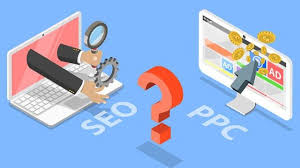
Search Engine Optimization (SEO) and Search Engine Advertising (SEA) are two vital components of digital marketing that can significantly impact a company’s online visibility and success. While both strategies focus on improving a website’s search engine rankings, they differ in their approaches and execution.

SEO: Enhancing Organic Visibility

SEO involves optimizing a website’s content, structure, and back-end coding to improve its organic search engine rankings. By targeting relevant keywords, creating high-quality content, and building authoritative backlinks, SEO helps websites rank higher in search engine results pages (SERPs) naturally. This leads to increased organic traffic, brand credibility, and long-term sustainability.

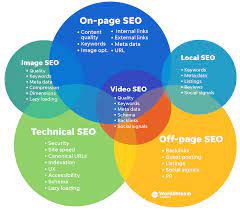
Key elements of SEO include on-page optimization (meta tags, headings, keyword placement), off-page optimization (link building, social media signals), technical SEO (site speed, mobile-friendliness), and local SEO (Google My Business listing, local citations).

SEA: Driving Immediate Results through Paid Advertising

SEA, on the other hand, involves paid advertising campaigns on search engines like Google Ads or Bing Ads. With SEA, businesses bid on keywords relevant to their products or services to display ads at the top of search results. These ads are marked as ‘sponsored’ and appear above organic listings. SEA offers immediate visibility and allows businesses to target specific audiences based on demographics, interests, or browsing behaviour.

Key elements of SEA include keyword research, ad copy creation, bid management, landing page optimization, A/B testing, and performance tracking through metrics like click-through rate (CTR), conversion rate (CVR), and return on ad spend (ROAS).

The Synergy Between SEO and SEA

While SEO focuses on long-term organic growth and brand authority building, SEA delivers instant visibility and targeted traffic. When combined strategically as part of a holistic digital marketing strategy, SEO and SEA can amplify results synergistically.

For example:

  • Cross-channel synergy: Using insights from SEA campaigns to inform SEO keyword targeting.
  • Remarketing: Reaching users who visited your site through organic search with targeted ads via retargeting campaigns.
  • A/B testing: Testing ad copy effectiveness in SEA campaigns can inform content strategies for organic listings.
  • Data sharing: Utilizing data from both channels to gain a comprehensive understanding of user behaviour for better decision-making.

In Conclusion

In today’s competitive digital landscape, leveraging the power of both SEO and SEA is essential for businesses looking to maximise their online presence and drive measurable results. By understanding the unique strengths of each strategy and integrating them effectively into your digital marketing efforts, you can create a robust online presence that attracts quality traffic and converts leads into customers.


Mastering SEO and SEA: 8 Essential Tips for Boosting Your Online Presence

  1. SEO
  2. 1. Conduct keyword research to identify relevant terms for your website.
  3. 2. Optimise your website’s meta tags, headings, and content with targeted keywords.
  4. 4. Build backlinks from reputable websites to improve your site’s authority.
  5. SEA
  6. 1. Set clear goals and budget for your search engine advertising campaigns.
  7. 2. Use relevant keywords in your ad copy to attract the right audience.
  8. 3. Test different ad variations to see which ones perform best.

SEO

Search Engine Optimization (SEO) is a fundamental aspect of digital marketing that focuses on enhancing a website’s organic visibility in search engine results. By strategically incorporating relevant keywords, creating high-quality content, and building authoritative backlinks, SEO aims to improve a website’s ranking position naturally. This process not only increases organic traffic but also boosts brand credibility and establishes long-term sustainability for businesses online.

1. Conduct keyword research to identify relevant terms for your website.

To enhance your online visibility and attract targeted traffic, it is crucial to conduct thorough keyword research to identify relevant terms for your website. By understanding the search terms that your potential customers are using, you can strategically incorporate these keywords into your SEO and SEA campaigns. This approach not only helps improve your website’s organic rankings but also enables you to create compelling ad copy that resonates with your target audience in paid advertising. Effective keyword research forms the foundation of a successful digital marketing strategy, allowing you to align your content with user intent and drive meaningful engagement with your brand.

2. Optimise your website’s meta tags, headings, and content with targeted keywords.

To enhance your website’s search engine visibility and drive targeted traffic, it is crucial to optimise key elements such as meta tags, headings, and content with relevant keywords. By strategically incorporating targeted keywords into your meta tags and headings, you can signal to search engines the relevance of your content to user queries. Additionally, crafting high-quality and keyword-rich content not only improves your site’s ranking potential but also enhances user experience by providing valuable information that aligns with search intent. This proactive approach to SEO and SEA integration can help boost your website’s organic rankings and increase the effectiveness of paid advertising campaigns, ultimately leading to improved online visibility and engagement.

Building backlinks from reputable websites is a crucial tip in SEO and SEA strategies. By acquiring links from high-quality and authoritative sites, you not only enhance your website’s credibility but also signal to search engines that your content is valuable and trustworthy. These backlinks act as a vote of confidence for your site, boosting its authority and improving its chances of ranking higher in search engine results pages. Incorporating this practice into your digital marketing efforts can have a significant impact on enhancing your online visibility and attracting more qualified traffic to your website.

SEA

Search Engine Advertising (SEA) is a powerful digital marketing strategy that involves paid advertising on search engines to enhance online visibility and drive immediate results. By strategically bidding on relevant keywords and crafting compelling ad copy, businesses can secure top ad placements in search engine results pages, reaching targeted audiences efficiently. SEA provides businesses with a direct pathway to increase website traffic, generate leads, and boost conversions through precise targeting and real-time performance tracking.

1. Set clear goals and budget for your search engine advertising campaigns.

Setting clear goals and establishing a well-defined budget for your search engine advertising campaigns are crucial steps in ensuring the success of your digital marketing efforts. By outlining specific objectives, such as increasing website traffic, generating leads, or boosting sales, you can tailor your SEA strategies to align with these goals effectively. Moreover, having a predetermined budget helps you allocate resources efficiently, monitor campaign performance, and make informed decisions to maximise ROI. Clear goals and a defined budget provide a solid foundation for driving targeted traffic and achieving measurable results through your search engine advertising initiatives.

2. Use relevant keywords in your ad copy to attract the right audience.

Utilising relevant keywords in your ad copy is a crucial tip in both SEO and SEA strategies. By incorporating specific keywords that resonate with your target audience, you can effectively capture the attention of potential customers who are actively searching for products or services like yours. This practice not only enhances the visibility of your ads but also ensures that they are displayed to the right audience, increasing the likelihood of driving qualified traffic to your website. Remember, choosing the right keywords and integrating them seamlessly into your ad copy can significantly impact the success of your digital marketing campaigns.

3. Test different ad variations to see which ones perform best.

To enhance the effectiveness of your digital marketing campaigns, it is crucial to test different ad variations to identify the most successful ones. By conducting A/B testing on your search engine advertising (SEA) campaigns, you can compare various ad copies, visuals, and call-to-action messages to determine which resonates best with your target audience. This data-driven approach allows you to refine your strategies, improve click-through rates, and ultimately maximise the performance of your ads in driving conversions and achieving your marketing objectives.

Top SEO Recommendations for Enhancing Your Website’s Visibility in the UK

SEO Recommendations

The Ultimate SEO Recommendations for Boosting Your Website’s Visibility

Search Engine Optimization (SEO) is crucial for improving your website’s visibility and ranking on search engine results pages. By implementing effective SEO strategies, you can attract more organic traffic, enhance user experience, and ultimately drive conversions. Here are some key SEO recommendations to help you optimise your website:

Conduct Keyword Research

Identify relevant keywords and phrases that your target audience is searching for. Use tools like Google Keyword Planner or SEMrush to discover high-volume keywords with low competition.

Optimise On-Page Elements

Optimise meta titles, meta descriptions, headings, and image alt text with targeted keywords. Ensure that your content is well-structured, easy to read, and provides value to users.

Create High-Quality Content

Produce engaging and informative content that addresses the needs of your target audience. Regularly update your website with fresh, relevant content to improve search engine rankings.

Build Quality Backlinks

Earn backlinks from authoritative websites in your industry to boost your website’s credibility and authority. Focus on acquiring natural backlinks through guest posting, influencer partnerships, and content promotion.

Improve Site Speed and Mobile Responsiveness

Optimise your website for fast loading times and ensure that it is mobile-friendly. A responsive design enhances user experience and can positively impact your search engine rankings.

Monitor Performance with Analytics

Track key metrics such as organic traffic, bounce rate, conversion rate, and keyword rankings using tools like Google Analytics. Analyse data regularly to identify areas for improvement and refine your SEO strategy.

By following these SEO recommendations diligently and staying updated on industry best practices, you can elevate your website’s visibility in search engine results pages and drive sustainable organic traffic to your site.


Top 5 SEO Tips: Boost Your Website’s Performance and Visibility

  1. Create high-quality and relevant content for your website.
  2. Optimize your website’s meta tags, titles, and descriptions with relevant keywords.
  3. Improve your website’s loading speed for better user experience.
  4. Build backlinks from reputable websites to increase your site’s authority.
  5. Regularly monitor and analyse your SEO performance to make necessary adjustments.

Create high-quality and relevant content for your website.

Creating high-quality and relevant content for your website is a fundamental aspect of effective SEO strategy. By producing engaging and informative content that resonates with your target audience, you not only enhance user experience but also establish credibility and authority in your industry. Search engines value fresh, valuable content, so regularly updating your website with quality articles, blog posts, and multimedia can significantly improve your search engine rankings. Remember, content is king in the digital realm, and investing in creating compelling material can drive organic traffic and boost conversions on your site.

Optimize your website’s meta tags, titles, and descriptions with relevant keywords.

To enhance your website’s search engine visibility, it is essential to optimise your meta tags, titles, and descriptions with relevant keywords. By incorporating targeted keywords into these elements, you can improve the chances of your web pages appearing in search results for relevant queries. Crafting compelling meta tags and descriptions that accurately reflect the content of your pages while incorporating strategic keywords can significantly boost your website’s SEO performance and attract more organic traffic from search engines.

Improve your website’s loading speed for better user experience.

Improving your website’s loading speed is a critical SEO recommendation that not only enhances user experience but also positively impacts your search engine rankings. A fast-loading website ensures that visitors can access your content quickly and seamlessly, reducing bounce rates and increasing engagement. Search engines like Google consider page speed as a ranking factor, so optimising your site’s loading time can help improve your visibility in search results. By prioritising website speed, you create a more user-friendly environment that encourages visitors to stay longer on your site and increases the likelihood of conversions.

Building backlinks from reputable websites is a crucial aspect of SEO strategy. By earning links from authoritative sources, you enhance your website’s credibility and establish it as a trusted resource in the eyes of search engines. These backlinks act as a vote of confidence for your site, signalling to search engines that your content is valuable and relevant. As a result, your site’s authority increases, leading to improved search engine rankings and greater visibility to potential visitors. Investing time and effort in acquiring quality backlinks can significantly boost your SEO performance and help drive organic traffic to your website.

Regularly monitor and analyse your SEO performance to make necessary adjustments.

Regularly monitoring and analysing your SEO performance is essential for maintaining a successful online presence. By tracking key metrics such as organic traffic, keyword rankings, and user engagement, you can gain valuable insights into the effectiveness of your SEO strategies. This data allows you to identify areas for improvement and make necessary adjustments to enhance your website’s visibility and ranking on search engine results pages. Consistent monitoring ensures that your SEO efforts remain aligned with your business goals and helps you stay ahead of the competition in the ever-evolving digital landscape.

twitter seo

Unlocking the Power of Twitter SEO: Enhance Your Visibility and Engagement

Twitter SEO: How to Improve Your Visibility on the Platform

Twitter SEO: How to Improve Your Visibility on the Platform

Twitter is not just a social media platform; it can also be a powerful tool for improving your online visibility through search engine optimisation (SEO). By optimising your Twitter profile and tweets, you can attract more followers, increase engagement, and ultimately drive more traffic to your website. Here are some tips to enhance your Twitter SEO:

Optimise Your Twitter Profile

Make sure your Twitter bio includes relevant keywords related to your industry or business. Use a clear profile picture and header image that represent your brand effectively. Include a link to your website in the designated space.

Use Keywords in Your Tweets

Incorporate relevant keywords into your tweets to make them more discoverable in Twitter search results. Use hashtags strategically but avoid overloading your tweets with them. Focus on creating valuable content that resonates with your audience.

Engage with Followers

Engagement is key on Twitter. Respond to mentions, retweet relevant content, and participate in conversations within your industry. Building relationships with followers can improve your visibility and credibility on the platform.

Share Visual Content

Visual content such as images and videos tend to perform well on Twitter. Including eye-catching visuals in your tweets can increase engagement and make your content more shareable, further boosting your visibility.

Monitor Analytics

Use Twitter analytics tools to track the performance of your tweets and profile. Pay attention to metrics such as impressions, engagements, and click-through rates. Analyse what works best for your audience and adjust your strategy accordingly.

Collaborate with Influencers

Partnering with influencers in your industry can help expand the reach of your tweets and increase visibility among their followers. Identify relevant influencers who align with your brand values and collaborate on campaigns or promotions.

In conclusion, incorporating SEO tactics into your Twitter strategy can significantly impact your online visibility and overall digital marketing efforts. By following these tips and staying active on the platform, you can enhance engagement, attract new followers, and drive traffic to your website through effective Twitter SEO.


Top 8 Frequently Asked Questions About Optimising Twitter for SEO Success

  1. 1. What is Twitter SEO and why is it important?
  2. 2. How can I optimise my Twitter profile for better SEO?
  3. 3. What role do keywords play in improving visibility on Twitter?
  4. 4. Is engagement with followers crucial for Twitter SEO success?
  5. 5. How does visual content impact SEO on Twitter?
  6. 6. Which analytics should I monitor to track the performance of my tweets on Twitter?
  7. 7. Are collaborations with influencers beneficial for Twitter SEO?
  8. 8. What are some common mistakes to avoid when implementing SEO strategies on Twitter?

1. What is Twitter SEO and why is it important?

Twitter SEO refers to the practice of optimising your Twitter profile and tweets to improve visibility and attract more followers on the platform. It involves using relevant keywords, engaging with followers, sharing valuable content, and monitoring analytics to enhance your presence in Twitter search results. Twitter SEO is important because it helps increase your brand’s online visibility, drives traffic to your website, and boosts engagement with your target audience. By implementing effective Twitter SEO strategies, you can strengthen your online presence, build credibility, and ultimately achieve your digital marketing goals on this dynamic social media platform.

2. How can I optimise my Twitter profile for better SEO?

Optimising your Twitter profile for better SEO involves several key steps to enhance your visibility on the platform. Start by crafting a compelling bio that incorporates relevant keywords related to your industry or business. Use a clear profile picture and header image that reflect your brand identity effectively. Ensure to include a link to your website in the designated space to drive traffic. Consistency in branding and messaging across your profile is essential for establishing credibility and attracting followers. By implementing these strategies, you can improve the discoverability of your Twitter profile and increase engagement with your target audience.

3. What role do keywords play in improving visibility on Twitter?

Keywords play a crucial role in improving visibility on Twitter by making your tweets more discoverable to users searching for specific topics or interests. By strategically incorporating relevant keywords into your tweets, you increase the chances of appearing in search results and attracting a targeted audience. Using industry-specific terms, trending hashtags, and popular phrases can help boost the visibility of your content and attract engagement from users interested in those topics. Therefore, leveraging keywords effectively on Twitter can enhance your online presence, drive more traffic to your profile, and ultimately improve your overall visibility on the platform.

4. Is engagement with followers crucial for Twitter SEO success?

Engagement with followers plays a pivotal role in achieving success in Twitter SEO. Interacting with your audience through replies, retweets, and likes not only fosters a sense of community but also signals to the Twitter algorithm that your content is valuable and relevant. This active engagement can lead to increased visibility on the platform, as Twitter is more likely to promote accounts that consistently engage with their followers. By prioritising interactions and building meaningful relationships with your audience, you can enhance your Twitter SEO efforts and ultimately improve your overall presence on the platform.

5. How does visual content impact SEO on Twitter?

Visual content plays a crucial role in enhancing SEO on Twitter. Tweets with images or videos tend to attract more engagement and stand out in users’ feeds, increasing the likelihood of being shared and reaching a wider audience. Visual elements not only make tweets more appealing but also improve the overall user experience, leading to higher retention rates and increased click-through rates. Including relevant visual content in your tweets can boost your visibility on Twitter, improve your profile’s discoverability, and ultimately contribute to better SEO performance on the platform.

6. Which analytics should I monitor to track the performance of my tweets on Twitter?

When it comes to tracking the performance of your tweets on Twitter, there are several key analytics that you should monitor closely. These include metrics such as impressions, engagements, click-through rates, and follower growth. Impressions indicate the number of times your tweet has been seen by users, while engagements measure the interactions such as likes, retweets, and replies. Click-through rates reveal how many users clicked on links or media included in your tweet. Monitoring follower growth can also provide insights into the impact of your tweets on expanding your audience reach. By analysing these analytics regularly, you can gain valuable insights into the effectiveness of your Twitter strategy and make informed decisions to enhance your online visibility and engagement on the platform.

7. Are collaborations with influencers beneficial for Twitter SEO?

Collaborations with influencers can indeed be highly beneficial for Twitter SEO. When influencers with a significant following share your content or mention your brand on Twitter, it can amplify your reach and visibility on the platform. Their endorsement can attract new followers, increase engagement, and drive traffic to your website. Additionally, influencer collaborations can enhance your brand credibility and authority within your industry, which can positively impact your search engine rankings. By leveraging the influence of key personalities in your niche, you not only expand your audience but also boost your overall SEO efforts on Twitter.

8. What are some common mistakes to avoid when implementing SEO strategies on Twitter?

When implementing SEO strategies on Twitter, it is essential to be aware of common mistakes that can hinder your efforts. One common mistake to avoid is neglecting the use of relevant keywords in your tweets and profile bio. Keywords play a crucial role in making your content discoverable on Twitter search results. Another mistake is overusing hashtags, which can make your tweets appear spammy and reduce engagement. Additionally, failing to engage with followers and participate in conversations within your industry can limit the reach of your tweets. It’s important to strike a balance between promotional content and genuine interactions to maintain a strong presence on Twitter. By avoiding these common pitfalls and staying informed about best practices, you can enhance the effectiveness of your SEO strategies on Twitter.

seo positioning

Unlocking Success: The Power of SEO Positioning in the Digital Age

The Importance of SEO Positioning for Your Online Success

The Importance of SEO Positioning for Your Online Success

Search Engine Optimization (SEO) positioning is a critical component of any successful online presence. In today’s digital landscape, where competition is fierce and attention spans are short, having a strong SEO strategy in place can make all the difference in how your website performs.

SEO positioning refers to the process of optimising your website to rank higher in search engine results pages (SERPs) for relevant keywords and phrases. By improving your website’s visibility and accessibility to search engines like Google, you increase the chances of attracting organic traffic and potential customers.

Why is SEO Positioning Important?

Effective SEO positioning can have a profound impact on your online success for several reasons:

  • Increased Visibility: A higher ranking in search results means more visibility for your website, leading to increased traffic and brand awareness.
  • Enhanced Credibility: Websites that appear at the top of search results are often perceived as more trustworthy and credible by users.
  • Better User Experience: Optimising your website for SEO not only benefits search engines but also improves the overall user experience, making it easier for visitors to navigate and find what they’re looking for.
  • Competitive Advantage: In a crowded online marketplace, strong SEO positioning can give you a competitive edge by helping you stand out from competitors and attract more customers.

Key Elements of SEO Positioning

Successful SEO positioning involves a combination of on-page and off-page strategies, including:

  • Keyword Research: Identifying relevant keywords that your target audience is searching for.
  • On-Page Optimisation: Optimising meta tags, headings, content, and images on your website.
  • Link Building: Acquiring high-quality backlinks from reputable websites to improve your site’s authority.
  • User Experience (UX) Design: Ensuring that your website is easy to navigate and provides valuable content to visitors.
  • Analytics Monitoring: Tracking key metrics such as traffic, conversions, and keyword rankings to measure the effectiveness of your SEO efforts.

In Conclusion

In conclusion, SEO positioning plays a crucial role in determining the success of your online presence. By investing time and resources into developing a robust SEO strategy, you can improve your website’s visibility, attract more organic traffic, and ultimately achieve your business goals. Remember that effective SEO is an ongoing process that requires continuous monitoring and adjustment to stay ahead in the ever-evolving digital landscape.


Top 7 Essential Tips for Improving SEO Positioning on Your Website

  1. 1. Conduct keyword research to identify relevant search terms for your website.
  2. 2. Optimise your website’s meta tags, including title tags and meta descriptions.
  3. 3. Create high-quality, engaging content that is valuable to your target audience.
  4. 4. Improve your website’s loading speed for better user experience and SEO performance.
  5. 5. Build quality backlinks from reputable websites to increase your site’s authority.
  6. 6. Use descriptive alt text for images to improve accessibility and SEO rankings.
  7. 7. Regularly monitor and analyse your SEO performance using tools like Google Analytics.

1. Conduct keyword research to identify relevant search terms for your website.

Conducting thorough keyword research is a fundamental step in effective SEO positioning. By identifying and targeting relevant search terms that align with your website’s content and offerings, you can significantly improve your chances of ranking higher in search engine results pages. Understanding the specific keywords that your target audience is using allows you to tailor your content and optimisation efforts to attract organic traffic and drive meaningful engagement. Keyword research forms the foundation of a successful SEO strategy, guiding your efforts towards reaching the right audience and maximising your online visibility.

2. Optimise your website’s meta tags, including title tags and meta descriptions.

To enhance your SEO positioning, it is crucial to optimise your website’s meta tags, such as title tags and meta descriptions. These elements play a significant role in how search engines understand and display your website in search results. By crafting compelling and relevant title tags and meta descriptions that include targeted keywords, you can improve the click-through rate to your site and boost its visibility. Ensuring that these meta tags accurately reflect the content of each page can help search engines better index and rank your website for relevant searches, ultimately contributing to a stronger SEO strategy.

3. Create high-quality, engaging content that is valuable to your target audience.

Creating high-quality, engaging content that provides value to your target audience is a crucial tip for effective SEO positioning. By crafting content that is informative, relevant, and tailored to the needs of your audience, you not only attract more visitors to your website but also establish credibility and authority in your industry. Engaging content that resonates with your target audience can drive organic traffic, encourage social sharing, and improve user engagement metrics, all of which are essential for boosting your website’s search engine rankings. Remember, quality content is key to building a strong online presence and attracting and retaining loyal customers.

4. Improve your website’s loading speed for better user experience and SEO performance.

Improving your website’s loading speed is a crucial aspect of SEO positioning. A faster-loading website not only enhances the user experience by reducing bounce rates and keeping visitors engaged but also positively impacts SEO performance. Search engines like Google consider page speed as a ranking factor, so a quicker website can help boost your search engine rankings and visibility. By optimising your website’s loading speed, you not only cater to user expectations but also align with search engine algorithms, ultimately driving more traffic and improving your online presence.

Building quality backlinks from reputable websites is a key strategy in SEO positioning. By earning links from authoritative sources, you not only enhance your website’s credibility and trustworthiness in the eyes of search engines but also increase your site’s authority. These backlinks act as digital endorsements, signalling to search engines that your content is valuable and worthy of ranking higher in search results. Focus on acquiring backlinks from relevant and trustworthy websites to strengthen your SEO efforts and improve your overall online visibility.

6. Use descriptive alt text for images to improve accessibility and SEO rankings.

Utilising descriptive alt text for images is a valuable tip in SEO positioning. By providing detailed descriptions within the alt text of images on your website, you not only enhance accessibility for visually impaired users but also boost your SEO rankings. Search engines rely on alt text to understand the content of images, making it an essential element in optimising your website for better visibility and relevance in search results. Implementing this practice ensures that both users and search engines can interpret and appreciate the visual content on your site, ultimately contributing to a more comprehensive and effective SEO strategy.

7. Regularly monitor and analyse your SEO performance using tools like Google Analytics.

Regularly monitoring and analysing your SEO performance using tools like Google Analytics is crucial for maintaining a successful SEO positioning strategy. By tracking key metrics such as website traffic, user behaviour, and keyword rankings, you can gain valuable insights into the effectiveness of your SEO efforts. This data allows you to identify areas for improvement, measure the impact of changes made to your website, and make informed decisions to enhance your online visibility and drive organic traffic. Consistent monitoring and analysis ensure that your SEO strategy remains agile and adaptable in response to changing search engine algorithms and user trends.

best seo audit tool

Discover the Ultimate SEO Audit Tool for Optimising Your Website: The Best SEO Audit Tool in the UK

The Best SEO Audit Tool for Your Website

The Best SEO Audit Tool for Your Website

When it comes to improving your website’s search engine ranking and overall performance, conducting regular SEO audits is essential. An SEO audit helps you identify areas for improvement, fix issues that may be hindering your site’s visibility, and ultimately boost your online presence. One of the most crucial aspects of conducting an SEO audit is choosing the right tool to assist you in this process.

Introducing SEMrush: Your Ultimate SEO Audit Companion

SEMrush is widely regarded as one of the best SEO audit tools available in the market today. This powerful tool offers a comprehensive suite of features that can help you analyse your website’s performance, track keywords, monitor backlinks, and much more. Here are some key reasons why SEMrush stands out as the go-to choice for many digital marketers:

  • Comprehensive Site Audit: SEMrush provides a detailed analysis of your website’s on-page and technical SEO factors, highlighting issues such as broken links, duplicate content, and missing meta tags.
  • Keyword Research: With SEMrush, you can uncover valuable insights into keyword trends, search volume, and competition levels to optimise your content strategy effectively.
  • Backlink Analysis: The tool allows you to monitor your backlink profile, identify toxic links, and discover new link-building opportunities to enhance your site’s authority.
  • Competitor Analysis: Gain a competitive edge by comparing your website’s performance with that of your competitors and identifying areas where you can outperform them.
  • Customisable Reports: SEMrush offers a range of reporting options that allow you to generate customised reports tailored to your specific needs and preferences.

Why Choose SEMrush for Your SEO Audits?

In addition to its robust features and functionality, SEMrush is known for its user-friendly interface and intuitive design. Whether you are a seasoned SEO professional or a novice looking to improve your website’s visibility, SEMrush provides the tools and insights you need to succeed.

By leveraging the power of SEMrush for your SEO audits, you can gain a competitive advantage in the ever-evolving digital landscape. With actionable recommendations and real-time data at your fingertips, you can make informed decisions that drive tangible results for your online presence.

If you are serious about enhancing your website’s performance and maximising its potential in search engine results pages, consider incorporating SEMrush into your SEO toolkit. Experience the difference that this top-tier SEO audit tool can make in transforming your online visibility and driving organic traffic to your site.


Top 20 FAQs About Choosing the Best SEO Audit Tools

  1. How to do a proper SEO audit?
  2. What is the best SEO analysis tool?
  3. Which is the best tool for SEO audit?
  4. How do I do a full SEO audit?
  5. What is SEO audit name any 2 SEO audit tools?
  6. Are SEO audits worth it?
  7. What is the most popular SEO tool?
  8. How do I audit my SEO?
  9. Is an example of SEO audit tool?
  10. Which is the free SEO audit tool?
  11. Are SEO audit tools useful?
  12. What is SEO audit name any one SEO Audit Tool?
  13. How do I audit my website for SEO?
  14. What is the SEO audit tool?
  15. What is the name of SEO audit tool?
  16. How do I do an SEO audit?
  17. Which is the most powerful SEO tool?
  18. How do I audit SEO?
  19. Which tools would you use to conduct an SEO audit of your website?
  20. Which tool is best for SEO audit?

How to do a proper SEO audit?

Conducting a proper SEO audit is essential for identifying areas of improvement and optimisation on your website. To perform a thorough SEO audit, start by analysing your website’s technical aspects, such as site speed, mobile-friendliness, and URL structure. Next, delve into on-page elements like meta tags, headings, and content quality to ensure they are optimised for relevant keywords. Backlink analysis is crucial to assess the quality and quantity of inbound links pointing to your site. Additionally, evaluating your website’s performance in search engine results pages (SERPs) and monitoring key metrics like organic traffic and conversion rates are integral parts of a comprehensive SEO audit. By following a structured approach and utilising reliable tools like SEMrush or Ahrefs, you can conduct a proper SEO audit that uncovers actionable insights to enhance your website’s visibility and performance in search engines.

What is the best SEO analysis tool?

When it comes to determining the best SEO analysis tool, there are several factors to consider in order to make an informed decision. The ideal SEO analysis tool should offer a comprehensive range of features, including site audit capabilities, keyword research tools, backlink analysis, competitor tracking, and customisable reporting options. Many digital marketers and SEO professionals often recommend SEMrush as one of the top choices for conducting in-depth SEO analysis. With its user-friendly interface, extensive functionality, and real-time data insights, SEMrush stands out as a reliable and effective tool for enhancing website performance and driving organic traffic. Ultimately, the best SEO analysis tool is one that aligns with your specific needs and objectives, providing actionable recommendations to help you achieve your online visibility goals.

Which is the best tool for SEO audit?

When it comes to determining the best tool for conducting an SEO audit, there are several factors to consider. While there are many reputable options available in the market, one tool that consistently stands out is SEMrush. With its comprehensive suite of features, including site audits, keyword research, backlink analysis, and competitor tracking, SEMrush offers a holistic approach to SEO auditing. Its user-friendly interface and customisable reporting make it a popular choice among digital marketers seeking to enhance their website’s performance and visibility in search engine results. Ultimately, the best tool for SEO audit will depend on your specific needs and objectives, but SEMrush is certainly a top contender worth exploring.

How do I do a full SEO audit?

To conduct a comprehensive SEO audit for your website, it is essential to follow a structured approach that covers various aspects of search engine optimisation. Start by evaluating your website’s technical performance, including factors such as site speed, mobile-friendliness, and crawlability. Next, assess your on-page SEO elements, such as meta tags, headings, and content quality. Conduct keyword research to identify relevant terms for optimisation and review your backlink profile for quality and relevance. Utilise tools like SEMrush or Ahrefs to gather data and insights for a thorough analysis. Finally, generate a detailed report outlining findings and recommendations to address any issues uncovered during the audit process. Regularly reviewing and updating your SEO strategy based on audit results is key to maintaining optimal website performance and visibility in search engine results pages.

What is SEO audit name any 2 SEO audit tools?

An SEO audit is a comprehensive evaluation of a website’s performance and adherence to search engine optimisation best practices. It involves analysing various factors such as on-page SEO elements, technical issues, backlink profiles, and overall site health to identify areas for improvement. Two popular SEO audit tools that are widely used by digital marketers and website owners are SEMrush and Ahrefs. These tools provide in-depth insights into a website’s SEO performance, helping users uncover issues, track keyword rankings, monitor backlinks, and make data-driven decisions to enhance their online visibility and search engine ranking.

Are SEO audits worth it?

Undoubtedly, investing time and resources in SEO audits is unequivocally worth it for any website owner or digital marketer. Conducting regular SEO audits allows you to gain valuable insights into your website’s performance, identify areas for improvement, and address issues that may be hindering your online visibility. By uncovering and rectifying SEO deficiencies, you can enhance your site’s search engine ranking, increase organic traffic, and ultimately drive more conversions. In a digital landscape where competition is fierce and search engine algorithms are constantly evolving, prioritising SEO audits is crucial to staying ahead of the curve and maximising the effectiveness of your online presence.

When it comes to selecting the most popular SEO tool, there is a multitude of options available in the digital landscape. However, one tool that consistently stands out as a favourite among digital marketers and SEO professionals is SEMrush. Renowned for its comprehensive features, user-friendly interface, and in-depth analytical capabilities, SEMrush has earned its reputation as the go-to choice for conducting SEO audits, keyword research, backlink analysis, competitor tracking, and more. Its versatility and effectiveness make it a top contender for those seeking a powerful tool to enhance their website’s search engine visibility and performance.

How do I audit my SEO?

Auditing your SEO is a crucial step in ensuring that your website is optimised for search engines and performing at its best. To audit your SEO effectively, you can start by using a reliable SEO audit tool like SEMrush or Ahrefs. These tools can help you analyse various aspects of your website, including on-page SEO elements, backlink profile, site speed, and overall performance. Additionally, conducting keyword research to identify relevant keywords for your content and ensuring that your website’s technical aspects are in order are essential steps in auditing your SEO. Regularly monitoring and updating your SEO strategy based on the audit results will help you improve your website’s visibility and rankings in search engine results pages.

Is an example of SEO audit tool?

When seeking an example of an SEO audit tool, one popular choice that often comes to mind is SEMrush. SEMrush is a comprehensive and versatile tool that offers a wide range of features to help users conduct in-depth SEO audits for their websites. From analysing on-page and technical SEO factors to providing insights on keyword research, backlink analysis, and competitor comparisons, SEMrush stands out as a reliable solution for businesses and digital marketers looking to enhance their online visibility and search engine performance.

Which is the free SEO audit tool?

When it comes to finding a free SEO audit tool, one popular option that stands out is Google’s very own Search Console. This tool provides valuable insights into your website’s performance on Google search results, highlighting issues such as indexing errors, mobile usability issues, and more. While it may not offer the extensive features of paid tools, Google Search Console remains a reliable choice for website owners looking to improve their SEO without incurring additional costs.

Are SEO audit tools useful?

SEO audit tools are undeniably valuable in the realm of digital marketing. These tools play a crucial role in helping website owners and SEO professionals assess the health of their online presence. By conducting comprehensive analyses of various SEO factors such as site structure, content quality, backlinks, and technical issues, SEO audit tools provide actionable insights that can lead to significant improvements in search engine rankings and overall website performance. With their ability to identify areas for enhancement and highlight potential issues that may be hindering visibility, SEO audit tools are indeed indispensable assets for anyone looking to optimise their online presence effectively.

What is SEO audit name any one SEO Audit Tool?

When it comes to conducting an SEO audit, one popular tool that stands out is SEMrush. SEMrush is a comprehensive SEO audit tool that provides in-depth analysis of website performance, keyword research capabilities, backlink monitoring, competitor analysis, and customisable reporting features. With SEMrush, users can gain valuable insights into their website’s SEO health and identify areas for improvement to enhance their online visibility and search engine ranking.

How do I audit my website for SEO?

Auditing your website for SEO involves a systematic review of various factors that impact your site’s search engine visibility and performance. To conduct an effective SEO audit, start by analysing your website’s on-page elements such as meta tags, headings, and content quality. Check for technical issues like broken links, page speed, and mobile-friendliness to ensure optimal user experience. Utilise tools like SEMrush or Ahrefs to identify keyword opportunities, track backlinks, and assess competitor strategies. By conducting a thorough SEO audit, you can pinpoint areas for improvement, implement best practices, and enhance your website’s overall SEO health to boost rankings and drive organic traffic.

What is the SEO audit tool?

An SEO audit tool is a software application designed to evaluate and analyse various aspects of a website’s search engine optimisation (SEO) performance. This tool helps website owners, digital marketers, and SEO professionals identify strengths, weaknesses, and opportunities for improvement in their site’s SEO strategy. By conducting an SEO audit using such a tool, users can gain valuable insights into on-page factors, technical issues, backlink profiles, keyword performance, and overall site health. Ultimately, the primary goal of an SEO audit tool is to provide actionable recommendations that can help enhance a website’s visibility, ranking, and overall online presence in search engine results pages.

What is the name of SEO audit tool?

When it comes to conducting comprehensive SEO audits, one of the most frequently asked questions is, “What is the name of the best SEO audit tool?” There are several reputable tools available in the market that can assist you in analysing your website’s performance and identifying areas for improvement. One popular choice among digital marketers is SEMrush, known for its robust features such as site audits, keyword research, backlink analysis, and competitor tracking. By leveraging a powerful SEO audit tool like SEMrush, you can gain valuable insights into your website’s SEO health and implement strategic changes to enhance your online visibility and search engine rankings.

How do I do an SEO audit?

To conduct an effective SEO audit, start by selecting a reliable SEO audit tool such as SEMrush or Ahrefs. Begin by analysing your website’s technical aspects, including site speed, mobile-friendliness, and indexing status. Evaluate on-page elements such as meta tags, headings, and keyword usage for optimisation opportunities. Assess your site’s backlink profile to identify quality links and disavow toxic ones. Perform keyword research to align your content with relevant search queries. Finally, generate a comprehensive report outlining actionable insights and recommendations to improve your website’s SEO performance. Regularly monitoring and updating your SEO audit is key to maintaining a strong online presence and staying ahead of the competition.

Which is the most powerful SEO tool?

When it comes to identifying the most powerful SEO tool, the answer often varies depending on individual needs and preferences. However, one tool that consistently stands out as a top contender is SEMrush. Renowned for its comprehensive features and user-friendly interface, SEMrush offers a suite of powerful capabilities that can significantly enhance your website’s SEO performance. From in-depth site audits to keyword research, backlink analysis, and competitor tracking, SEMrush provides valuable insights and actionable data to help you optimise your online presence effectively. While the choice of the most powerful SEO tool may differ for each user, SEMrush remains a popular choice among digital marketers seeking to elevate their SEO strategies to new heights.

How do I audit SEO?

When it comes to auditing SEO, the process involves a comprehensive evaluation of various aspects of your website to identify areas for improvement and optimisation. To audit SEO effectively, you can start by conducting a thorough analysis of your website’s on-page elements, such as meta tags, headings, and content quality. Additionally, assess your site’s technical performance, including page speed, mobile-friendliness, and crawlability. Backlink analysis and keyword research are also crucial components of an SEO audit. By utilising reputable SEO audit tools like SEMrush or Ahrefs, you can streamline the auditing process and gain valuable insights to enhance your website’s search engine visibility and performance.

Which tools would you use to conduct an SEO audit of your website?

When it comes to conducting an SEO audit of your website, selecting the right tools is crucial for achieving comprehensive and insightful results. Among the top choices for conducting an effective SEO audit are SEMrush, Ahrefs, Moz Pro, Screaming Frog, and Google Search Console. These tools offer a range of features such as site crawls, keyword analysis, backlink monitoring, and technical SEO checks to help you identify areas for improvement and enhance your website’s search engine performance. By utilising a combination of these reputable tools in your SEO audit process, you can gain valuable insights into your site’s strengths and weaknesses, implement strategic changes, and ultimately boost your online visibility and organic traffic.

Which tool is best for SEO audit?

When it comes to determining the best SEO audit tool for your website, there are several factors to consider. While preferences may vary depending on individual needs and expertise, SEMrush is often hailed as a top choice among digital marketers and SEO professionals. With its comprehensive site audit capabilities, advanced keyword research tools, in-depth backlink analysis features, and user-friendly interface, SEMrush stands out as a versatile and powerful solution for conducting thorough SEO audits. Whether you are looking to identify technical issues, refine your content strategy, or gain insights into competitor performance, SEMrush offers a robust suite of functionalities to help you optimise your website effectively and enhance its search engine visibility.