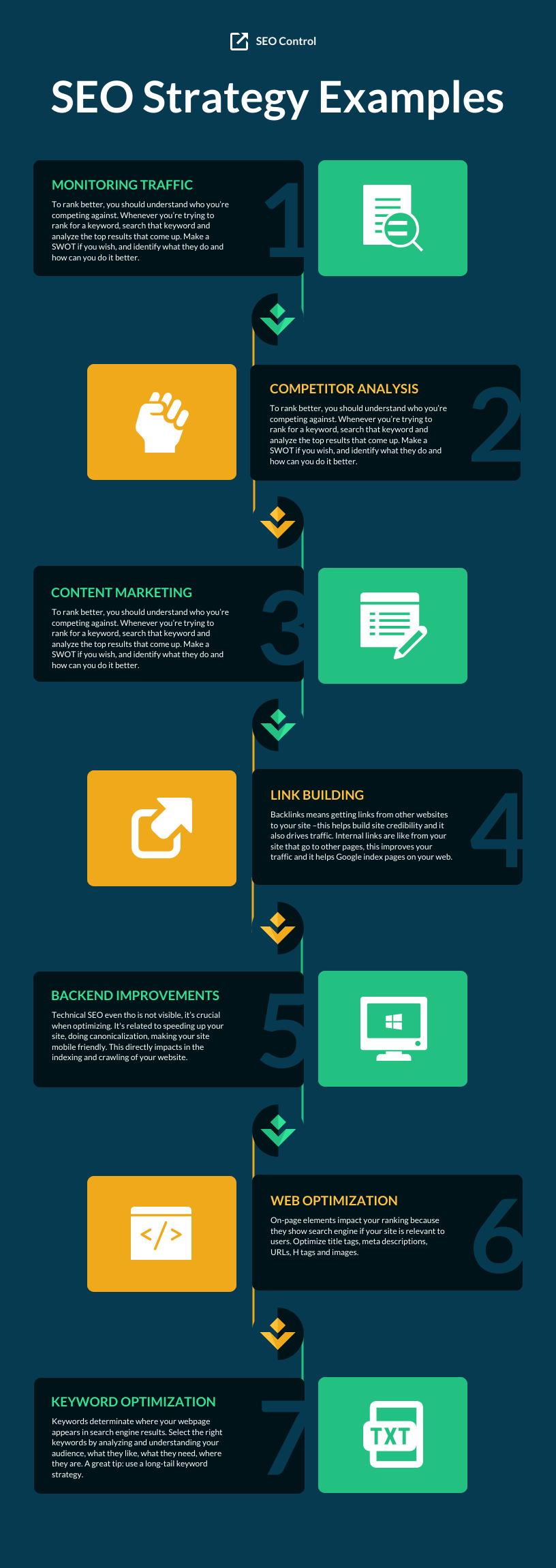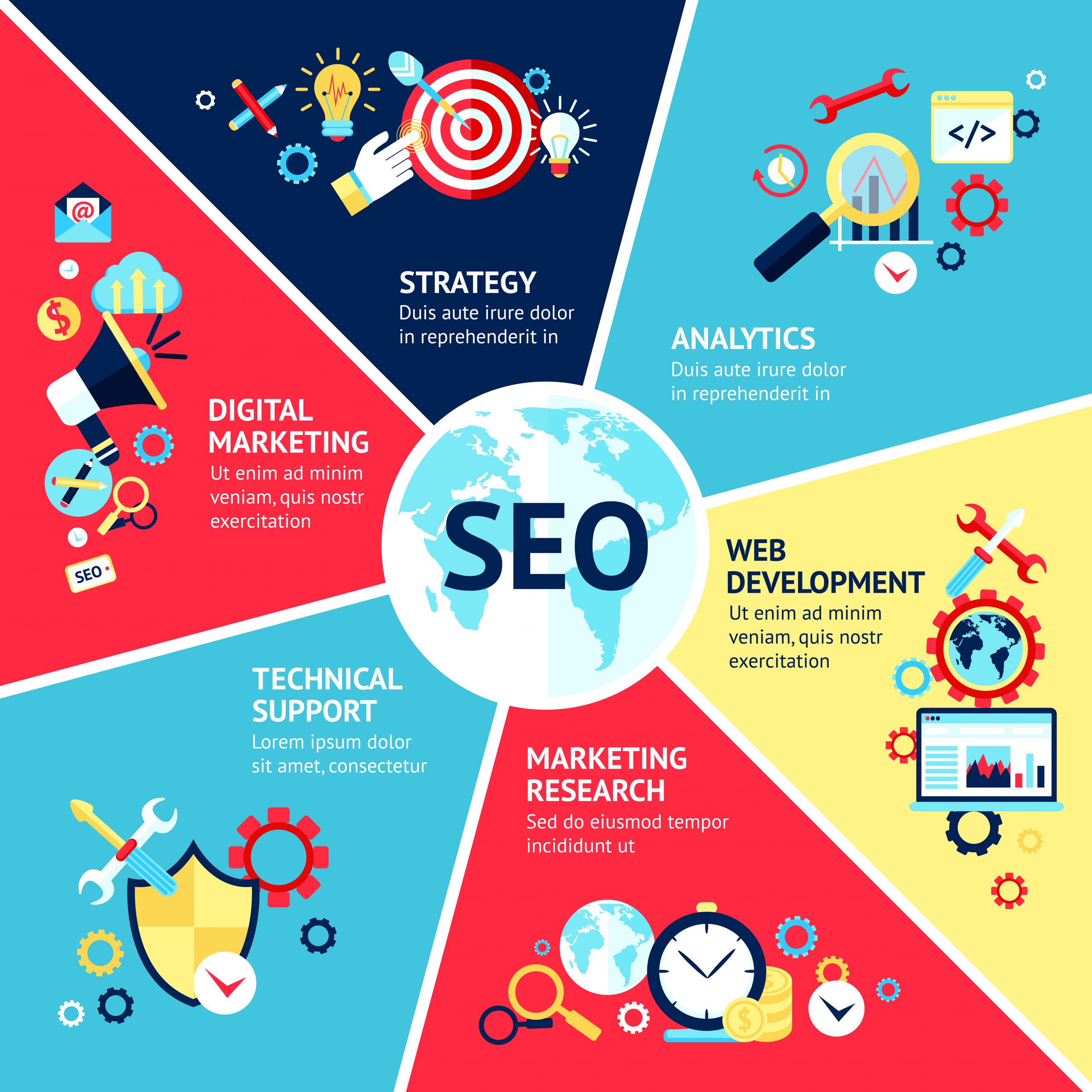
local seo strategy

Local SEO Strategy: A Practical Guide for UK Businesses

Local SEO Strategy: A Practical Guide for UK Businesses

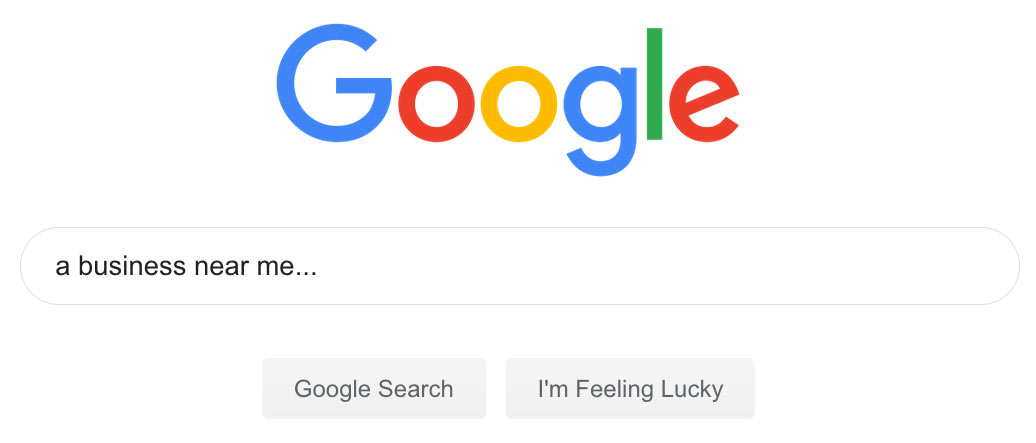
When people search for a nearby service, they often want to take action quickly. Searches such as “plumber near me”, “dentist in Leeds” or “coffee shop in Bristol” can lead directly to a visit, booking or phone call. A well-planned local SEO strategy helps your business appear in relevant local search results and makes it easier for nearby customers to choose you.

Local SEO is the process of improving your online visibility for searches connected to a particular place. It involves more than adding a town name to your website. Search engines consider your business details, website content, customer reviews, local relevance and other signals when deciding which businesses to show.

Define the areas and customers you want to reach

Start by identifying the locations your business genuinely serves. A shop or restaurant may focus on the neighbourhood around its premises, while a trades business might cover several towns. Consider your service area, customer travel patterns and the locations that are commercially worthwhile.

Be specific. Listing every town in a wide region can make your marketing unfocused, and creating pages for places you do not serve may frustrate visitors. Prioritise areas where you can provide a reliable service and where there is real demand.

Optimise your Google Business Profile

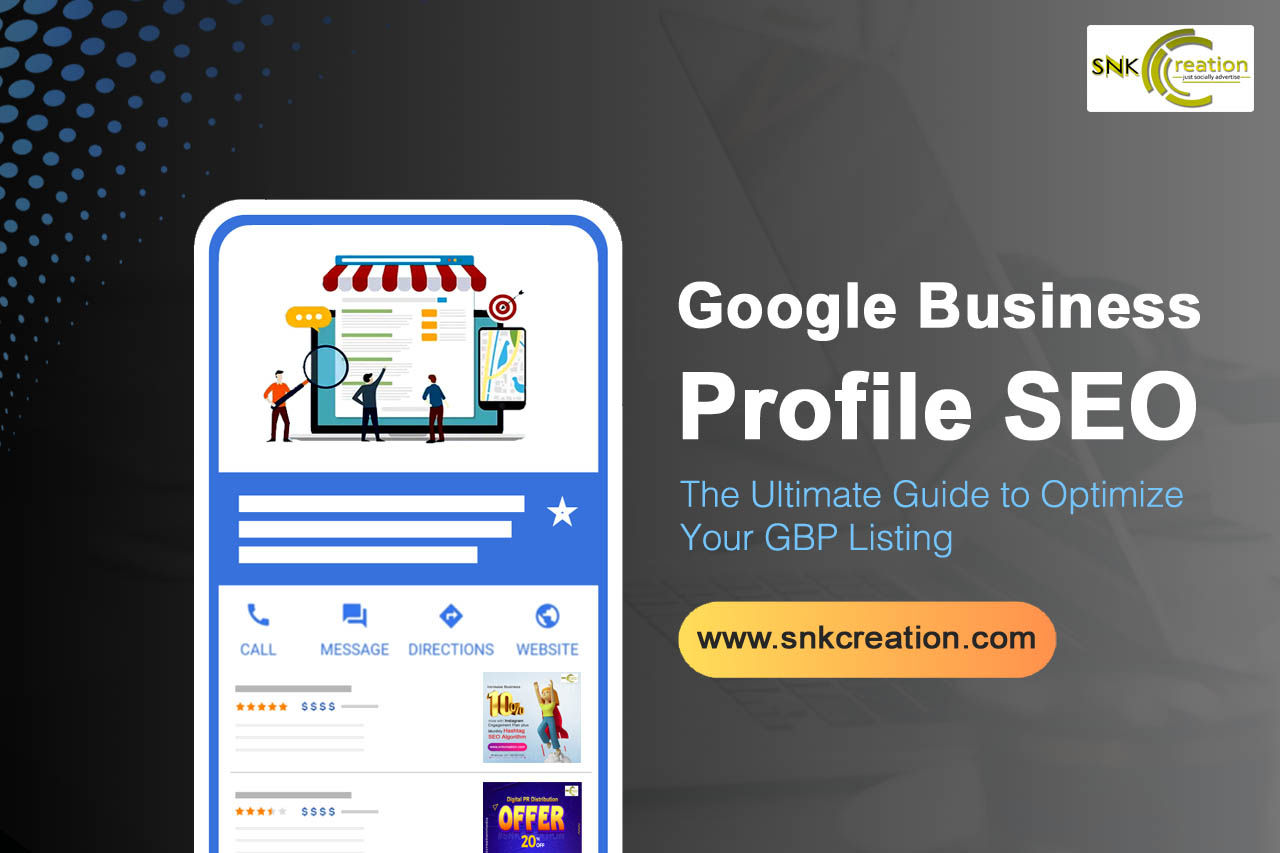
Your Google Business Profile can help your business appear in Google Maps and local search results. Claim and verify the profile, then check that all information is accurate and complete.

  • Use your real-world business name, without adding unnecessary keywords.
  • Choose the most relevant primary and secondary categories.
  • Add your correct address or service area, phone number and website.
  • Set accurate opening hours, including holiday hours.
  • Describe your services and add useful photos.
  • Keep information up to date when anything changes.

Businesses that serve customers at their premises can display an eligible address. Service-area businesses that visit customers should follow Google’s guidelines and avoid showing a residential address when customers are not served there.

Keep your business details consistent

Your business name, address and phone number—often called NAP details—should be consistent across your website, business directories and social profiles. Small differences, such as an old telephone number or a previous address, can confuse customers and make it harder to verify your business information.

Make a list of the places where your business details appear online. Correct inaccurate listings and prioritise reputable directories and relevant industry platforms. Avoid submitting your details to low-quality directories simply to build a large number of listings.

Create useful, locally relevant website content

Your website should make it clear what you do, who you help and where you operate. Include location information naturally in relevant page titles, headings, copy and contact details. The aim is to help visitors and search engines understand your services—not to repeat place names unnaturally.

If you serve several locations, create a dedicated page for each important area only when you can provide genuinely useful, unique information. Include details such as the services available there, local delivery or appointment options, and how customers can get in touch. Avoid publishing numerous near-identical pages that differ only by town name.

Local content can also answer questions that matter to people in your area. For example, a building company might explain planning considerations common to local property types, while a clinic could outline how to book an appointment and what to expect. Useful content gives potential customers a reason to trust your business before they contact you.

Make your website easy to use

Many local searches happen on mobile devices, so your website should load quickly and work well on smaller screens. Make key information easy to find, including your address, telephone number, opening hours, service details and booking options.

Use clear calls to action, such as “Call to book” or “Request a quote”. Where appropriate, make telephone numbers tap-to-call and provide a simple contact form. Good usability can help turn search visibility into enquiries and visits.

Earn and respond to customer reviews

Reviews can help prospective customers understand the experience your business provides. Invite customers to leave honest feedback after a purchase or completed service, using a polite, straightforward request. Do not offer incentives in exchange for reviews, and never write or buy fake reviews.

Respond professionally to both positive and negative feedback. Thank customers for positive comments, and address concerns calmly and constructively. Avoid sharing personal or sensitive information in public replies. A thoughtful response can show that your business takes customer service seriously.

Build local links and relationships

Links from relevant, reputable local websites can help people discover your business and support your local credibility. Look for natural opportunities to contribute to your community, such as local business associations, charities, events, suppliers or industry organisations.

Focus on genuine relationships and useful contributions rather than buying links or taking part in schemes designed solely to manipulate search rankings. A mention from a respected local organisation is more valuable when it reflects a real connection.

Measure performance and improve over time

Track the outcomes that matter to your business, not just rankings. Useful measures may include:

  • Calls, enquiries, bookings and directions requests.
  • Organic visits to important service and location pages.
  • Search terms that bring relevant local visitors to your site.
  • Google Business Profile interactions and customer reviews.
  • Conversions from different locations or marketing channels.

Use tools such as Google Search Console and website analytics to understand how people find and use your site. Review the data regularly, check whether your business details remain accurate and update pages when services, locations or customer needs change.

Common local SEO mistakes to avoid

  • Adding keywords to a business name when they are not part of its real-world name.
  • Creating thin or duplicate pages for many locations.
  • Using inaccurate addresses, opening hours or service areas.
  • Buying reviews or links.
  • Focusing on rankings while ignoring calls, bookings and other business results.
  • Leaving outdated information on directories and social profiles.

Build a strategy around trust and relevance

An effective local SEO strategy brings together accurate business information, a helpful website, strong customer service and genuine local connections. Start with the essentials: define your service area, complete your Google Business Profile, check your listings and improve the pages most likely to generate enquiries.

Local SEO is an ongoing process rather than a one-off task. By monitoring results and keeping your information useful and up to date, you can make it easier for local customers to find your business—and feel confident choosing it.


Top 5 Tips for Enhancing Your Local SEO Strategy

  1. Optimise your Google Business Profile with accurate details and opening hours.
  2. Use location-specific keywords on relevant pages.
  3. Keep your business name, address and phone number consistent across directories.
  4. Encourage satisfied customers to leave honest reviews.
  5. Create useful content about local events, services and community needs.

Optimise your Google Business Profile with accurate details and opening hours.

Keep your Google Business Profile accurate and up to date so local customers can find and contact you with confidence. Check that your business name, address, phone number, website and services are correct, and make sure your opening hours reflect when you’re genuinely available—including any changes for bank holidays or seasonal closures. Clear, reliable details help prevent missed visits and calls, while giving searchers a better reason to choose your business.

Use location-specific keywords on relevant pages.

Use location-specific keywords on the pages where they’re genuinely relevant, such as “accountant in Manchester” on your Manchester services page. Include local terms naturally in page titles, headings and useful copy, rather than repeating them unnaturally. This helps search engines understand where you operate and helps potential customers quickly see whether you serve their area. If you cover several locations, create individual pages only when each can offer genuinely useful, distinct information.

Keep your business name, address and phone number consistent across directories.

Keep your business name, address and phone number consistent across online directories, your website and social media profiles. Even small differences—such as an outdated phone number or inconsistent address format—can confuse potential customers and make it harder for search engines to verify your business details. Check your listings regularly and update them whenever your information changes.

Encourage satisfied customers to leave honest reviews.

Encourage satisfied customers to share honest feedback by asking them after a positive experience, such as once a job is complete or a purchase has been made. Make it easy by sending a direct link to your review profile, but never pressure customers or offer rewards in exchange for reviews. Respond courteously to feedback—positive or negative—to show that you value your customers and take their comments seriously.

Create useful content about local events, services and community needs.

Create useful content that reflects what matters to people in your area. Share updates about local events, explain how your services meet community needs, or answer questions residents commonly ask. Keep information accurate and genuinely helpful, rather than adding place names simply to attract search traffic. This approach can strengthen your connection with the community while helping local customers discover your business.

best local seo companies

Best Local SEO Companies: How to Choose the Right Partner

Best Local SEO Companies: How to Choose the Right Partner

For a business serving a particular town, city or region, appearing in local search results can make a real difference. A strong local SEO strategy can help potential customers find your business on Google Search and Maps, understand what you offer and get in touch.

The best local SEO company for your business will depend on your location, budget, goals and the support you need. Some providers are full-service digital agencies, while others specialise in local search or offer tools to help you manage the work yourself. The companies below are a useful starting point—not a definitive ranking or guarantee of results.

Local SEO companies to consider

LocaliQ UK

LocaliQ UK offers digital marketing services for businesses, including services intended to help improve local visibility. It may suit organisations looking for support across several areas of digital marketing rather than SEO alone. Ask how its local SEO work is tailored to your locations and how results are reported.

The SEO Works

The SEO Works is a UK digital marketing agency offering SEO and related services. It may be worth considering if you want an agency partner that can look at organic search as part of a wider online growth strategy. Discuss your service areas, competition and expectations before agreeing a campaign.

Hallam

Hallam is a UK digital agency with search marketing expertise. Businesses considering a broader strategy—including SEO and other digital channels—may find its approach relevant. Ask whether the proposed team has experience with businesses like yours and with the locations you want to target.

Blue Array

Blue Array is a UK SEO consultancy that works with organisations on search strategy. It may be suitable for businesses seeking strategic advice or specialist SEO support. If local visibility is your priority, check that the proposal specifically covers local rankings, Google Business Profile and location-specific pages.

Whitespark

Whitespark is a Canada-based local SEO provider known for local search tools and services. Its resources may be useful to businesses looking to manage parts of local SEO themselves, as well as those seeking specialist support. UK businesses should confirm that the service and advice fit their market and locations.

Sterling Sky

Sterling Sky is a Canada-based agency focused on local SEO. It may be of interest to businesses looking for specialist local search expertise. As with any provider based overseas, check its experience in your country, how communication and reporting will work, and whether its recommendations reflect local search practices.

What does a local SEO company do?

Local SEO focuses on helping a business appear in search results for relevant services and places. Depending on the provider and your needs, work may include:

  • Reviewing and improving your Google Business Profile
  • Checking that your business name, address and phone number are consistent online
  • Researching local search terms and competitors
  • Improving location and service pages on your website
  • Supporting a genuine customer review strategy
  • Finding relevant local directories and citation opportunities
  • Monitoring local visibility, website enquiries and other agreed outcomes

Not every business needs every service. A single-location tradesperson, for example, may need different support from a multi-location healthcare group or a chain of shops.

How to choose the best local SEO company

Look for relevant experience

Ask for examples of work with businesses in your sector and in markets similar to yours. Case studies should explain the work carried out and the results measured, rather than relying only on broad claims about rankings.

Understand the proposed strategy

A reputable provider should explain what it plans to do, why those activities matter and how they relate to your goals. Be cautious of vague packages that promise a set number of links or rankings without first reviewing your website and competition.

Ask how success is measured

Rankings can be useful, but they are only one part of the picture. Ask how the company will track relevant calls, enquiries, bookings or visits, and how it will distinguish meaningful leads from general website traffic.

Check who will do the work

Find out who your main contact will be, who carries out the work and how often you will receive updates. If several locations are involved, ask how the provider will manage the workload and maintain consistency.

Clarify costs and ownership

Request a clear breakdown of fees, services and contract terms. Make sure your business retains access to its website, analytics accounts and Google Business Profile, and ask what happens to any work or content if the agreement ends.

Warning signs to watch for

  • Guaranteed first-place rankings or instant results
  • Unclear descriptions of the work being delivered
  • Pressure to sign a long contract before an audit or discussion
  • Recommendations to create misleading listings or reviews
  • Reports that show activity but do not connect it to business outcomes

Final thoughts

The best local SEO company is one that understands your customers and service area, explains its work clearly and measures progress against outcomes that matter to your business. Compare several providers, ask specific questions and choose a partner whose approach is realistic, transparent and suited to your goals.


Essential FAQs for Choosing the Best Local SEO Companies in the UK

  1. What are the best local SEO companies in the UK?
  2. How do I choose the right local SEO company for my business?
  3. How much do local SEO companies charge in the UK?
  4. What services should a local SEO company provide?
  5. How long does it take for a local SEO company to deliver results?

What are the best local SEO companies in the UK?

The best local SEO companies in the UK depend on your business, budget and service area, so there is no single provider that suits everyone. When comparing agencies, look for proven experience with businesses like yours, a clear plan for improving local search visibility, transparent reporting and realistic expectations. Ask how they’ll support your Google Business Profile, local website pages and customer reviews, and check that you’ll retain access to your accounts. Compare proposals and case studies before choosing a partner.

How do I choose the right local SEO company for my business?

Choose a local SEO company that understands your industry, customers and service area, and can explain clearly how its strategy will support your goals. Ask for relevant case studies, details of the work included, and how it measures outcomes such as calls, enquiries or bookings—not just rankings. Check the costs, contract terms and reporting arrangements, and make sure you retain access to your website and business listings. Be wary of guaranteed rankings or promises of instant results; a trustworthy provider will set realistic expectations and tailor its recommendations to your business.

How much do local SEO companies charge in the UK?

Local SEO costs in the UK vary depending on your location, competition, number of branches and the work required. Smaller businesses may pay a few hundred pounds a month for ongoing support, while more competitive campaigns or multi-location businesses can cost considerably more; one-off audits and consultancy are often priced separately. Ask for a clear breakdown of the services, reporting and contract terms, and compare proposals by the value and scope of work—not just the monthly fee.

What services should a local SEO company provide?

A local SEO company should provide services that help your business appear in relevant local search results and attract nearby customers. These may include optimising your Google Business Profile, researching local keywords, improving location and service pages, checking that your business details are consistent across online directories, and supporting a genuine customer review strategy. The company should also monitor local visibility and meaningful outcomes, such as calls, enquiries or bookings, and provide clear reports explaining the work completed and its impact. The right services will depend on your business, locations and goals, so expect a tailored plan rather than a one-size-fits-all package.

How long does it take for a local SEO company to deliver results?

A local SEO company can often make initial improvements within a few weeks, but noticeable results typically take several months. The timeframe depends on factors such as your website’s starting point, local competition, the condition of your Google Business Profile and how consistently recommended changes are made. A reputable company should set realistic expectations, explain which early indicators it will track and report on progress towards meaningful outcomes such as enquiries, calls or bookings.

google local search optimization

Google Local Search Optimization: A Practical Guide for UK Businesses

Google Local Search Optimisation: A Practical Guide for UK Businesses

When someone searches Google for a nearby service, such as “plumber in Manchester” or “coffee shop near me”, the results may include a map and a selection of local businesses. Appearing prominently in these results can help potential customers discover your business, compare their options and get in touch.

Google local search optimisation is the process of improving your business’s visibility in location-based search results, including Google Search and Google Maps. It combines an accurate Business Profile, useful local website content and a strong reputation. While no tactic can guarantee a particular position, consistent optimisation can make it easier for Google and customers to understand what you offer and where you operate.

How Google local search works

Google generally considers three main factors when presenting local results:

  • Relevance: How well your business matches the search. A complete profile and clear website information can help explain your services.
  • Distance: How close your business is to the person searching, or to the location included in their query.
  • Prominence: How well-known or established your business appears to be. This can be influenced by information such as reviews, links and references to your business across the web.

These factors work together. For example, a business may be highly relevant to a search but less visible to someone searching from far away. Local results can vary depending on the searcher’s location and the wording of their query.

Set up and improve your Google Business Profile

Your Google Business Profile is one of the most important elements of local search optimisation. It can display your business name, address or service area, opening hours, contact details, photos, reviews and other information directly in Google Search and Maps.

Claim and verify your profile, then check that every detail is accurate and up to date. Choose the most appropriate primary category and add relevant additional categories where they genuinely describe your business. Write a clear business description that explains what you do, who you help and where you serve customers, using natural language rather than a list of keywords.

Keep practical details current, including opening hours, phone number, website address and holiday hours. Add good-quality photographs that represent your premises, team, products or work. If your business serves customers at their location rather than welcoming them to a shop or office, configure the profile to reflect your service-area business accurately.

Make your website useful for local customers

Your website should confirm the information on your Business Profile and help visitors take the next step. Make your services, locations and contact details easy to find. Include your business name, address and phone number where appropriate, and use the same details consistently across your website and other online listings.

Create helpful service pages that explain what you offer, rather than publishing thin pages that simply repeat a town or postcode. If you work in several areas, each location page should contain genuinely useful, location-specific information. Avoid making claims about having a local office if you do not have one.

Also make sure your website works well on mobile devices, loads reliably and offers clear ways to contact you. Many local searches happen when people are on the move, so a prominent phone number, booking option or directions link can make a real difference to the customer experience.

Build a strong review profile

Reviews help potential customers understand what it is like to deal with your business. Ask customers for honest feedback after a genuine interaction, and make it easy for them to leave a review. Do not offer rewards in exchange for positive reviews or try to pressure customers into changing their feedback.

Respond to reviews professionally, including critical ones. Thank customers for positive comments and address concerns calmly. A thoughtful response can demonstrate that your business listens and takes customer service seriously. Never include private customer information in a public reply.

Keep business information consistent

Google and customers may encounter your business details in directories, industry websites, social media profiles and local organisation listings. Check that your business name, address, phone number and website are accurate wherever they appear. Correct outdated or duplicate listings where possible.

Consistency is helpful, but it does not mean creating a large number of low-quality directory entries. Focus on reputable, relevant websites, such as established industry directories, local business groups or professional associations.

Publish useful local content

Local content can demonstrate your knowledge and answer the questions customers in your area are asking. Depending on your business, this might include practical guides, project examples, local event information or explanations of services available in particular areas.

Write for people first. Mention locations where they are genuinely relevant, but avoid awkwardly repeating town names or adding lists of places solely to influence rankings. Useful, specific content is more likely to support both search visibility and customer confidence.

Measure results and keep improving

Local search optimisation is ongoing. Review your Business Profile performance data and website analytics to understand how people find and interact with your business. Useful measures may include calls, website visits, direction requests, bookings, enquiries and the quality of leads.

Rankings alone do not show the full picture. Search results can differ by location and personal context, so consider visibility alongside real business outcomes. If a page or profile attracts attention but few enquiries, review whether the information is clear, the offer is relevant and the next step is easy to complete.

Avoid common local SEO mistakes

  • Using an inaccurate business address or creating a profile for a location where you are not eligible.
  • Adding search terms to your business name when they are not part of its real-world name.
  • Creating duplicate profiles or multiple near-identical location pages.
  • Buying reviews, offering incentives for positive feedback or posting misleading reviews.
  • Leaving opening hours, contact details or service information out of date.
  • Using automated or keyword-stuffed text that does not help customers.

Conclusion

Effective Google local search optimisation starts with accurate business information and a complete Google Business Profile. From there, support your visibility with a useful website, genuine customer reviews, consistent listings and content that reflects the needs of your local audience. A steady, customer-focused approach can strengthen your presence in Google Search and Maps and make it easier for nearby customers to choose your business.


Top 5 Tips for Optimising Your Google Local Search Presence

  1. Claim and verify your Google Business Profile.
  2. Keep your business name, address and phone number consistent.
  3. Choose accurate categories and add relevant services.
  4. Encourage genuine customer reviews and reply to them.
  5. Add local keywords and location details to your website.

Claim and verify your Google Business Profile.

Claiming and verifying your Google Business Profile is an essential first step in local search optimisation. It gives you control over how your business appears on Google Search and Maps, allowing you to add or update key details such as your address or service area, opening hours, phone number and website. Verification helps Google confirm that you’re authorised to manage the profile, while accurate, complete information makes it easier for local customers to find and contact you.

Keep your business name, address and phone number consistent.

Keep your business name, address and phone number (NAP) accurate and consistent across your website, Google Business Profile and other reputable online directories. Consistent details help customers contact or visit you, and make it easier for Google to recognise that different listings refer to the same business. If your contact information changes, update it everywhere promptly, and remove or correct outdated listings where possible.

Choose accurate categories and add relevant services.

Choose the most accurate primary category for your Google Business Profile, then add relevant additional categories only where they genuinely describe your business. List the services you provide using clear, specific names, and keep them up to date. This helps Google understand what your business offers and can make your profile more useful to people searching for those services locally.

Encourage genuine customer reviews and reply to them.

Encourage customers to leave an honest review after a genuine interaction with your business, making the process simple without offering incentives or pressuring them. Reviews can help prospective customers make informed choices and build confidence in your business. Take time to respond to both positive and negative feedback in a polite, professional manner; thoughtful replies show that you value customers and are willing to address their concerns.

Add local keywords and location details to your website.

Include relevant local keywords and location details naturally throughout your website to help Google and potential customers understand where you operate and which areas you serve. Mention your town, neighbourhood or region on appropriate service pages, in page titles and headings, and alongside clear contact details. Make each location page genuinely useful and specific to that area, rather than repeating place names or creating near-identical pages simply to influence rankings.

local seo optimization

Unlocking the Potential: Local SEO Optimization Strategies for UK Businesses

The Power of Local SEO Optimization

The Power of Local SEO Optimization

In today’s digital age, having a strong online presence is crucial for businesses to succeed. One effective strategy that can significantly boost your visibility and attract local customers is Local SEO Optimization.

What is Local SEO Optimization?

Local SEO Optimization is the process of improving your website’s visibility in local search results. This strategy focuses on targeting potential customers in a specific geographic area, such as a city or region. By optimising your website for local searches, you can increase your chances of appearing in the top results when users search for products or services related to your business in their area.

The Benefits of Local SEO Optimization

There are several benefits to implementing Local SEO Optimization for your business:

  • Increased Visibility: By optimising your website for local searches, you can ensure that your business appears in front of potential customers when they are looking for products or services in your area.
  • Targeted Traffic: Local SEO helps you attract high-quality leads who are more likely to convert into paying customers because they are actively searching for businesses like yours in their vicinity.
  • Improved Online Reputation: Positive reviews and ratings from satisfied local customers can enhance your online reputation and credibility, leading to increased trust and loyalty among potential customers.
  • Competitive Edge: Investing in Local SEO Optimization allows you to stand out from competitors who may not be targeting local audiences effectively, giving you a competitive edge in the market.

Tips for Effective Local SEO Optimization

To make the most of Local SEO Optimization, consider implementing the following strategies:

  1. Optimise Your Google My Business Profile: Claiming and updating your Google My Business listing with accurate information about your business, including address, phone number, and operating hours, can improve your local search rankings.
  2. Create Location-Specific Content: Tailor your website content to include location-specific keywords and information that resonates with local audiences.
  3. Build Citations and Backlinks: Ensure that your business information is consistent across online directories and websites to boost credibility with search engines.
  4. Solicit Customer Reviews: Encourage satisfied customers to leave positive reviews on platforms like Google My Business, Yelp, and other review sites to enhance your online reputation.

In conclusion, Local SEO Optimization is a powerful tool that can help businesses connect with their target audience on a local level and drive valuable traffic to their websites. By implementing effective strategies and staying up-to-date with the latest trends in local search marketing, businesses can maximise their online visibility and grow their customer base within their community.


Understanding Local SEO Optimisation: Key Questions and Insights for Business Success

  1. What is Local SEO Optimization and why is it important?
  2. How does Local SEO Optimization differ from traditional SEO?
  3. What are the key benefits of implementing Local SEO for my business?
  4. What factors influence local search rankings in Local SEO Optimization?
  5. How can I track the effectiveness of my Local SEO efforts and measure success?

What is Local SEO Optimization and why is it important?

Local SEO Optimization is a targeted digital marketing strategy that focuses on improving a business’s visibility in local search results, such as Google Maps and local listings. It involves optimising a website’s content, keywords, and online presence to attract potential customers in a specific geographic area. This approach is crucial for businesses with physical locations or those serving local communities as it helps increase online visibility, drive foot traffic to brick-and-mortar stores, and connect with nearby customers actively seeking products or services. By prioritising Local SEO Optimization, businesses can enhance their local market presence, build trust with nearby consumers, and ultimately boost their overall revenue and growth potential.

How does Local SEO Optimization differ from traditional SEO?

Local SEO Optimization differs from traditional SEO in its focus on targeting specific geographic areas rather than a broader audience. While traditional SEO aims to improve a website’s visibility on a global scale, Local SEO Optimization is tailored to enhance a business’s presence in local search results. This strategy involves optimising online listings, creating location-specific content, and leveraging local keywords to attract nearby customers actively seeking products or services within their vicinity. By honing in on local audiences, businesses can drive targeted traffic, improve their online reputation within the community, and gain a competitive edge in the local market.

What are the key benefits of implementing Local SEO for my business?

Implementing Local SEO for your business offers a multitude of key benefits that can significantly impact your online visibility and customer engagement. By focusing on local search optimization, you can enhance your visibility in search engine results when potential customers in your area are looking for products or services you offer. This targeted approach not only drives relevant traffic to your website but also increases the likelihood of converting these leads into loyal customers. Additionally, by improving your local SEO, you can build a strong online reputation through positive customer reviews and ratings, giving your business credibility and trustworthiness within the local community. Overall, investing in Local SEO can give your business a competitive edge, boost brand awareness locally, and ultimately drive growth and success in the digital landscape.

What factors influence local search rankings in Local SEO Optimization?

When it comes to Local SEO Optimization, several key factors influence local search rankings. Factors such as the accuracy and consistency of business information across online directories, the relevance of the website content to local search queries, the quality and quantity of customer reviews, the optimisation of Google My Business listing, and the presence of local citations and backlinks all play a crucial role in determining a business’s visibility in local search results. By focusing on these factors and implementing effective strategies to enhance them, businesses can improve their local search rankings and attract more customers from their target geographic area.

How can I track the effectiveness of my Local SEO efforts and measure success?

Tracking the effectiveness of your Local SEO efforts and measuring success is crucial to understanding the impact of your strategies. One way to do this is by monitoring key performance indicators (KPIs) such as website traffic, keyword rankings, online visibility, and conversion rates. Utilising tools like Google Analytics and Google My Business Insights can provide valuable data on user behaviour, search queries, and engagement metrics. Additionally, tracking customer reviews, local citations, and backlinks can help gauge the overall health of your local SEO campaign. Regularly analysing these metrics and making adjustments based on the data will ensure that your Local SEO efforts are driving tangible results and contributing to the growth of your business within the local market.

google maps marketing

Unlocking Success: The Art of Google Maps Marketing Strategies

The Power of Google Maps Marketing

The Power of Google Maps Marketing

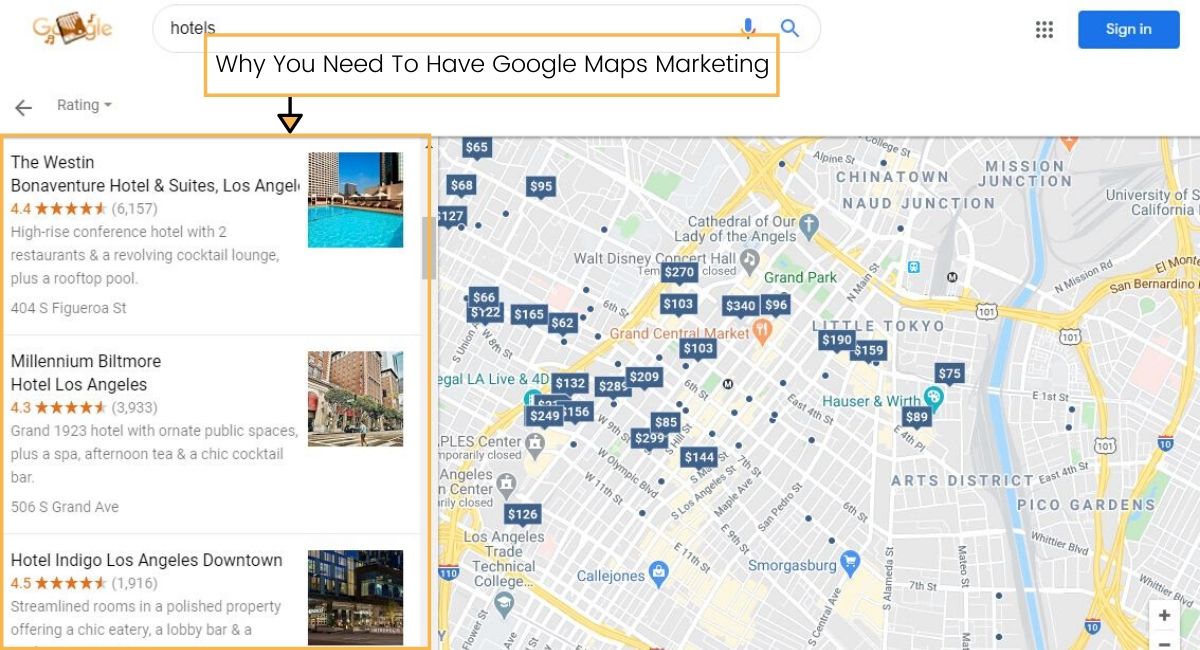
Google Maps is not just a tool for navigation; it has also become a powerful marketing platform for businesses looking to boost their online presence and attract local customers. Google Maps marketing is a strategic approach that leverages the visibility and reach of Google’s mapping service to drive foot traffic, enhance brand awareness, and increase sales.

Benefits of Google Maps Marketing:

  • Improved Local Visibility: By optimising your business listing on Google Maps, you can ensure that your company appears prominently in local search results when users are looking for products or services in their area.
  • Enhanced Brand Credibility: A well-maintained presence on Google Maps with positive reviews and accurate information can build trust with potential customers and establish your brand as a reputable local business.
  • Increased Website Traffic: Integrating Google Maps into your website can make it easier for visitors to find your physical location, leading to more foot traffic and potential conversions.
  • Mobile-Friendly Marketing: As more users rely on mobile devices for search, having a strong presence on Google Maps ensures that your business is easily accessible to consumers on the go.
  • Insightful Analytics: Google My Business provides valuable data and insights on how users interact with your listing, helping you make informed decisions to improve your marketing strategy.

Tips for Effective Google Maps Marketing:

  1. Create a Complete Business Profile: Ensure that your business listing on Google My Business is accurate, up-to-date, and includes relevant information such as contact details, opening hours, and photos.
  2. Solicit Customer Reviews: Encourage satisfied customers to leave positive reviews on your Google Maps listing to boost credibility and attract new clientele.
  3. Utilise Local SEO Strategies: Optimise your website content with local keywords and geo-targeted phrases to improve your ranking in local search results.
  4. Add Visual Content: Include high-quality images and videos of your business premises or products to engage users and showcase what sets you apart from competitors.
  5. Maintain Consistent NAP Data: Ensure that your business name, address, and phone number (NAP) are consistent across all online platforms to avoid confusion among potential customers.

In conclusion, Google Maps marketing presents a valuable opportunity for businesses to connect with local audiences, drive traffic to their physical locations, and establish a strong online presence. By implementing effective strategies and optimising their listings on this popular mapping service, businesses can reap the benefits of increased visibility, credibility, and customer engagement in today’s digital landscape.


Top 10 FAQs About Google Maps Marketing and Advertising

  1. Is Google Maps good for SEO?
  2. Is $20 a day good for Google Ads?
  3. How much does it cost to advertise on Google Maps?
  4. How do I get advertising on Google Maps?
  5. Can I get paid by Google Maps?
  6. Can you use Google Maps for marketing?
  7. How can I advertise on Google Maps?
  8. What is the Google Maps marketing strategy?
  9. How can I get Google Maps to advertise?
  10. Can I earn money with Google Maps?

Is Google Maps good for SEO?

When considering the impact of Google Maps on SEO, it is important to recognise the significant benefits it can offer to businesses. Google Maps plays a crucial role in local search engine optimisation (SEO) by enhancing a company’s online visibility, particularly for location-based searches. By optimising their presence on Google Maps through accurate business listings, positive reviews, and relevant keywords, businesses can improve their rankings in local search results and attract more potential customers. Therefore, leveraging Google Maps as part of an integrated SEO strategy can be highly advantageous for businesses looking to enhance their online presence and reach a wider audience.

Is $20 a day good for Google Ads?

When considering a daily budget of $20 for Google Ads, it is important to assess your specific advertising goals, target audience, and industry competition. While $20 a day can be a modest starting point for some businesses, it may not be sufficient for others with higher advertising costs or more competitive markets. It is advisable to conduct thorough research, monitor campaign performance closely, and adjust your budget accordingly to ensure optimal results and ROI from your Google Ads investment.

How much does it cost to advertise on Google Maps?

One of the frequently asked questions regarding Google Maps marketing is, “How much does it cost to advertise on Google Maps?” The cost of advertising on Google Maps can vary depending on several factors, such as the location of your business, the competitiveness of your industry, and the specific advertising options you choose. Google offers various advertising solutions, including local search ads and promoted pins, which allow businesses to target local customers and drive traffic to their physical locations. The pricing structure for advertising on Google Maps typically involves a pay-per-click (PPC) model, where businesses pay based on the number of clicks or interactions with their ads. It’s essential for businesses to set a budget that aligns with their marketing goals and objectives to maximise the effectiveness of their Google Maps advertising campaigns.

How do I get advertising on Google Maps?

To get advertising on Google Maps, businesses can utilise Google Ads to create location-based campaigns that target users within a specific geographic radius. By setting up a Google My Business account and linking it to Google Ads, businesses can promote their listings on Google Maps through features like Local Search Ads. These ads appear as pinned locations on the map, directing users to the business’s physical location or website. With detailed targeting options and bid strategies, businesses can effectively reach local customers searching for products or services in their vicinity through advertising on Google Maps.

Can I get paid by Google Maps?

When it comes to Google Maps, users often wonder if they can get paid by the platform. The answer is that Google Maps itself does not directly pay individuals for using or contributing to the service. However, businesses can leverage Google Maps marketing to attract customers and increase revenue through enhanced visibility and local search optimisation. By utilising Google Maps effectively as a marketing tool, businesses can drive traffic to their physical locations, ultimately leading to potential sales and business growth.

Can you use Google Maps for marketing?

Businesses can indeed utilise Google Maps for marketing purposes. Google Maps offers a valuable platform for businesses to enhance their online visibility, attract local customers, and drive foot traffic to their physical locations. By optimising their presence on Google Maps through strategies such as creating a detailed business profile, soliciting customer reviews, and incorporating local SEO techniques, businesses can effectively leverage this tool to promote their products or services, build brand credibility, and reach a wider audience of potential customers. With its mobile-friendly interface and insightful analytics capabilities, Google Maps serves as a powerful marketing tool that can help businesses connect with local consumers and grow their online presence.

How can I advertise on Google Maps?

To advertise on Google Maps, businesses can utilise Google Ads to create location-based campaigns that target users searching for products or services in specific geographic areas. By setting up a Google My Business account and linking it to Google Ads, businesses can showcase their ads on Google Maps when users perform relevant searches in their vicinity. Advertisers can customise their ads with location extensions, call-to-action buttons, and business details to attract local customers and drive foot traffic to their physical locations. With the ability to track ad performance and measure results, advertising on Google Maps offers businesses a targeted and cost-effective way to reach potential customers in their local area.

What is the Google Maps marketing strategy?

The Google Maps marketing strategy involves leveraging the power of Google’s mapping service to enhance a business’s online visibility and attract local customers. This strategic approach includes creating and optimising a Google My Business listing with accurate information, engaging visuals, and positive customer reviews. By utilising local SEO tactics, such as incorporating relevant keywords and geo-targeted phrases, businesses can improve their ranking in local search results and drive foot traffic to their physical locations. Consistency in NAP data (business name, address, phone number) across all online platforms is crucial for establishing credibility and ensuring a seamless customer experience. Ultimately, the Google Maps marketing strategy aims to boost brand awareness, increase website traffic, and build trust with potential customers through an effective online presence on this widely-used mapping platform.

How can I get Google Maps to advertise?

To get Google Maps to advertise your business, you can start by creating a Google My Business account and claiming your business listing. Once you have verified your ownership, you can set up an ad campaign through Google Ads that specifically targets users on Google Maps. By selecting location-based targeting options and creating engaging ad content, you can reach potential customers who are actively searching for products or services in your area. Utilising features such as local extensions and promoted pins can help increase the visibility of your ads on Google Maps and drive more traffic to your business.

Can I earn money with Google Maps?

Many individuals wonder whether it is possible to generate income through Google Maps. While Google Maps itself does not offer a direct way to earn money, businesses can leverage the platform for marketing purposes to attract customers and drive sales. By optimising their presence on Google Maps, businesses can enhance their visibility in local search results, increase foot traffic to their physical locations, and ultimately boost their revenue. Therefore, while Google Maps may not directly facilitate monetary transactions, it serves as a valuable tool for businesses looking to grow their customer base and improve their bottom line through effective marketing strategies.

local seo google my business

Unlocking Local SEO Success with Google My Business: A Guide for UK Businesses

The Power of Local SEO with Google My Business

The Power of Local SEO with Google My Business

Local SEO is a crucial aspect of digital marketing for businesses looking to attract customers in their geographic area. One powerful tool that can significantly boost your local search visibility is Google My Business.

What is Google My Business?

Google My Business is a free and easy-to-use tool provided by Google that allows businesses to manage their online presence across the search engine and its various platforms, including Google Search and Google Maps. By creating a Google My Business listing, you can provide essential information about your business, such as your address, phone number, business hours, and website.

The Benefits of Local SEO with Google My Business

Optimising your business listing on Google My Business can have several benefits for your local SEO strategy:

  • Improved Visibility: A well-optimised Google My Business listing can help your business appear in local search results when potential customers are looking for products or services you offer in your area.
  • Increased Website Traffic: By providing accurate information on your listing, such as your website URL, you can drive more traffic to your website from users who discover your business through Google Search or Maps.
  • Enhanced Credibility: Having a verified and up-to-date Google My Business profile adds credibility to your business in the eyes of potential customers. Positive reviews and high ratings can also build trust and encourage more people to choose your business.
  • Local Engagement: Interacting with customers through features like messaging and responding to reviews on your listing can help you engage with the local community and build relationships with customers.

Tips for Optimising Your Google My Business Listing

To make the most of local SEO with Google My Business, consider implementing these best practices:

  1. Create a Complete Profile: Fill out all sections of your profile accurately, including business categories, photos, and contact information.
  2. Add Posts and Updates: Share posts about promotions, events, or new products/services to keep customers informed and engaged.
  3. Solicit Reviews: Encourage satisfied customers to leave positive reviews on your listing to boost credibility and attract more customers.
  4. Monitor Insights: Use the insights provided by Google My Business to track how users interact with your listing and make data-driven decisions for improvement.

In conclusion, leveraging the power of local SEO through an optimised presence on Google My Business can help businesses connect with local consumers effectively. By following best practices and regularly updating your listing, you can enhance visibility, credibility, and engagement within your target market.


Optimising Your Google My Business Profile: 8 Essential Local SEO Tips

  1. Ensure your Google My Business profile is complete and accurate with your business name, address, phone number, and website URL.
  2. Select the most relevant categories for your business on Google My Business to improve local search visibility.
  3. Regularly update your business hours, services offered, and any promotions on your Google My Business listing.
  4. Encourage satisfied customers to leave positive reviews on your Google My Business profile to build credibility and attract more customers.
  5. Include high-quality images of your business premises, products, and services on your Google My Business listing to engage potential customers.
  6. Respond promptly to customer reviews and messages on Google My Business to show that you value customer feedback.
  7. Use local keywords in your business description and posts on Google My Business to improve search engine rankings for local searches.
  8. Monitor insights provided by Google My Business to track how users interact with your listing and make data-driven decisions for optimization.

Ensure your Google My Business profile is complete and accurate with your business name, address, phone number, and website URL.

To maximise your local SEO impact using Google My Business, it is essential to ensure that your business listing is complete and accurate. Include vital information such as your business name, address, phone number, and website URL. A fully optimised profile not only helps potential customers find and contact you easily but also signals to search engines that your business is legitimate and trustworthy. By providing accurate details, you enhance your chances of appearing in local search results and driving more traffic to your website, ultimately boosting your online visibility and attracting local customers.

Select the most relevant categories for your business on Google My Business to improve local search visibility.

Selecting the most relevant categories for your business on Google My Business is a crucial tip to enhance your local search visibility. By accurately choosing categories that best describe your products or services, you increase the chances of appearing in relevant local search results. This strategic step not only helps potential customers find your business more easily but also signals to search engines the nature of your offerings, ultimately boosting your online presence in the local market.

Regularly update your business hours, services offered, and any promotions on your Google My Business listing.

To maximise the impact of your local SEO strategy using Google My Business, it is essential to regularly update crucial information such as your business hours, services provided, and any ongoing promotions on your listing. By keeping this information up-to-date and accurate, you not only ensure that potential customers have access to the latest details about your business but also improve your chances of appearing in local search results. Consistent updates demonstrate to both Google’s algorithm and users that your business is active and relevant, ultimately boosting your visibility and credibility within your target market.

Encourage satisfied customers to leave positive reviews on your Google My Business profile to build credibility and attract more customers.

Encouraging satisfied customers to leave positive reviews on your Google My Business profile is a highly effective strategy in enhancing your local SEO efforts. By showcasing testimonials from happy clients, you not only build credibility and trust with potential customers but also improve your visibility in local search results. Positive reviews act as social proof of your business’s quality and reliability, which can significantly influence other consumers to choose your products or services. Ultimately, this proactive approach to managing online reviews can help attract more customers and establish a strong reputation within your community.

Include high-quality images of your business premises, products, and services on your Google My Business listing to engage potential customers.

Including high-quality images of your business premises, products, and services on your Google My Business listing is a crucial tip for boosting local SEO. Visual content plays a significant role in engaging potential customers and giving them a glimpse of what your business has to offer. By showcasing appealing images that accurately represent your brand, you can capture the attention of users searching for local businesses and increase the likelihood of them choosing your establishment. High-quality photos not only enhance the visual appeal of your listing but also build credibility and trust with prospective customers, ultimately driving more traffic and conversions to your business.

Respond promptly to customer reviews and messages on Google My Business to show that you value customer feedback.

Responding promptly to customer reviews and messages on Google My Business is a crucial aspect of local SEO strategy. By engaging with customer feedback in a timely manner, businesses demonstrate their commitment to customer satisfaction and show that they value the opinions of their clientele. Prompt responses not only foster a positive relationship with customers but also contribute to building trust and credibility for the business. This proactive approach not only enhances the overall customer experience but also plays a significant role in improving local search visibility and attracting more potential customers to the business.

Use local keywords in your business description and posts on Google My Business to improve search engine rankings for local searches.

To enhance your local SEO strategy on Google My Business, it is essential to incorporate local keywords into your business description and posts. By including relevant terms that reflect your location and target audience in your content, you can improve your search engine rankings for local searches. Utilising local keywords helps search engines connect your business with users searching for products or services in your area, increasing the visibility of your listing and attracting potential customers looking for businesses like yours nearby.

Monitor insights provided by Google My Business to track how users interact with your listing and make data-driven decisions for optimization.

Monitoring insights provided by Google My Business is a crucial tip for enhancing your local SEO strategy. By tracking how users engage with your business listing, you can gather valuable data that informs your decision-making process. Understanding metrics such as search queries, customer actions, and profile views allows you to identify trends and opportunities for optimisation. By utilising these insights effectively, you can refine your online presence, improve user experience, and ultimately drive more traffic and conversions to your business.

Unlocking the Potential of Local SEO with Google My Business

The Power of Local SEO with Google My Business

The Power of Local SEO with Google My Business

In today’s digital age, local search engine optimisation (SEO) has become an essential strategy for businesses looking to attract customers in their area. One powerful tool that can significantly boost your local SEO efforts is Google My Business.

What is Google My Business?

Google My Business is a free tool provided by Google that allows businesses to manage their online presence across the search engine and its various platforms, including Google Search and Google Maps. By creating and optimising your Google My Business listing, you can increase your visibility in local search results and make it easier for potential customers to find and contact you.

The Benefits of Using Google My Business for Local SEO

There are several key benefits to utilising Google My Business as part of your local SEO strategy:

  • Improved Visibility: A well-optimised Google My Business listing can help your business appear in the local pack and map results, increasing your visibility to users searching for products or services in your area.
  • Enhanced Credibility: Having a verified and up-to-date listing on Google My Business adds credibility to your business and reassures potential customers that you are a legitimate and trustworthy entity.
  • Increased Engagement: You can engage with customers by responding to reviews, posting updates, sharing photos, and providing important business information such as hours of operation and contact details.
  • Local Insights: Gain valuable insights into how customers find and interact with your business online through the analytics provided by Google My Business.

Tips for Optimising Your Google My Business Listing

To make the most of Google My Business for local SEO, follow these tips:

  1. Create a Complete Profile: Provide accurate information about your business, including name, address, phone number (NAP), website URL, categories, and business hours.
  2. Add High-Quality Photos: Upload photos that showcase your products or services, premises, team members, and any other relevant visuals that can attract potential customers.
  3. Solicit Reviews: Encourage satisfied customers to leave positive reviews on your listing as they can improve your credibility and ranking in local search results.
  4. Use Keywords Strategically: Incorporate relevant keywords into your business description, posts, and updates to improve the chances of appearing in local searches related to your offerings.

In Conclusion

Incorporating Google My Business into your local SEO strategy is a smart move that can bring significant benefits to your business. By optimising your listing and actively engaging with customers through this platform, you can enhance your online visibility, attract more local traffic, and ultimately drive growth for your business.


Top 8 Advantages of Using Google My Business for Local SEO Success

  1. Increased visibility in local search results
  2. Enhanced credibility and trustworthiness
  3. Improved engagement with customers through reviews and updates
  4. Valuable insights into customer interactions and behaviours
  5. Free tool provided by Google for businesses
  6. Ability to showcase products, services, and premises through photos
  7. Opportunity to rank in the local pack and map results
  8. Effective way to provide essential business information like hours of operation and contact details


Challenges of Local SEO: Navigating User Content, Competition, and Google Dependency

  1. Limited Control Over User-Generated Content
  2. Competition for Visibility
  3. Algorithm Changes
  4. Potential for Spammy Listings
  5. Dependency on Google
  6. Difficulty in Managing Multiple Locations

Increased visibility in local search results

By utilising Google My Business as part of your local SEO strategy, you can experience a notable benefit of increased visibility in local search results. Optimising your Google My Business listing enhances the chances of your business appearing in the local pack and map results, making it easier for potential customers to discover your products or services when searching within your geographical area. This heightened visibility not only boosts brand awareness but also drives more targeted traffic to your business, ultimately leading to increased opportunities for engagement and conversions with local customers.

Enhanced credibility and trustworthiness

Having an optimised Google My Business listing not only improves your online visibility but also enhances your credibility and trustworthiness as a business. By maintaining an up-to-date and verified presence on Google My Business, you signal to potential customers that you are a legitimate and reliable entity. Positive reviews, accurate business information, and engaging content on your listing all contribute to building trust with consumers, making them more likely to choose your business over competitors.

Improved engagement with customers through reviews and updates

An important advantage of utilising Google My Business for local SEO is the enhanced engagement it offers with customers through reviews and updates. By actively encouraging customers to leave reviews and responding to them promptly, businesses can build trust and credibility within their local community. Additionally, regularly updating the listing with relevant information, promotions, and news keeps customers informed and engaged, fostering a stronger connection that can lead to increased loyalty and repeat business.

Valuable insights into customer interactions and behaviours

One significant advantage of utilising Google My Business for local SEO is the access it provides to valuable insights into customer interactions and behaviours. By leveraging the analytics tools offered by Google My Business, businesses can gain a deeper understanding of how customers discover their listing, what actions they take once they find it, and how they engage with the business online. These insights enable businesses to make data-driven decisions, tailor their marketing strategies to better meet customer needs, and ultimately improve their overall online presence and customer satisfaction.

Free tool provided by Google for businesses

One significant advantage of utilising Google My Business for local SEO is that it is a free tool offered by Google specifically for businesses. This means that businesses of all sizes, from small local shops to larger enterprises, can take advantage of the platform without incurring any costs. By providing a range of features and functionalities at no charge, Google My Business enables businesses to enhance their online visibility, attract more local customers, and effectively manage their online presence without adding to their marketing budget.

Ability to showcase products, services, and premises through photos

One of the key advantages of utilising Google My Business for local SEO is the ability to showcase your products, services, and premises through high-quality photos. By uploading visually appealing images that highlight what your business has to offer, you can capture the attention of potential customers and provide them with a glimpse of what sets your business apart. These photos not only add credibility and authenticity to your listing but also help create a positive first impression, ultimately increasing the likelihood of attracting local customers to engage with your business.

Opportunity to rank in the local pack and map results

One significant advantage of utilising Google My Business for local SEO is the opportunity it provides to rank in the local pack and map results. By optimising your Google My Business listing with accurate and relevant information, you increase your chances of appearing prominently in the local pack, a section of search results that showcases businesses related to a user’s query on Google Maps. This visibility not only enhances your online presence but also boosts your credibility and attracts potential customers who are actively searching for products or services in your area.

Effective way to provide essential business information like hours of operation and contact details

An important advantage of utilising Google My Business for local SEO is its effectiveness in providing essential business information such as operating hours and contact details to potential customers. By ensuring that this key information is readily available and accurate on your Google My Business listing, you enhance the convenience for users seeking to engage with your business. This transparency not only builds trust with your audience but also streamlines the process for customers to reach out or visit your establishment, ultimately contributing to improved customer satisfaction and increased footfall.

Limited Control Over User-Generated Content

An inherent drawback of utilising Google My Business for local SEO is the limited control over user-generated content. Negative reviews or inaccurate information posted by users have the potential to significantly impact your business reputation. Despite efforts to maintain a positive online presence, the influence of user-generated content on potential customers cannot be underestimated, highlighting the importance of actively managing and responding to feedback to mitigate any adverse effects on your brand image.

Competition for Visibility

In the realm of local SEO using Google My Business, one notable drawback is the fierce competition for visibility. As numerous businesses strive to capture the attention of local consumers within search results, distinguishing oneself from the crowd can prove to be a daunting task. The challenge lies in devising strategies that not only boost visibility but also set your business apart in a saturated local market where every click and impression counts towards establishing a strong online presence.

Algorithm Changes

One significant drawback of utilising Google My Business for local SEO is the constant changes in Google’s algorithms. These algorithm updates can have a direct impact on how businesses are ranked in local search results. The unpredictability of these changes means that a business’s ranking position can fluctuate, requiring continuous monitoring and adjustments to maintain visibility. This volatility can make it challenging for businesses to establish a stable and consistent presence in local searches, leading to potential fluctuations in online visibility and customer engagement.

Potential for Spammy Listings

One significant drawback of utilising Google My Business for local SEO is the potential for spammy listings. Competitors or malicious entities may resort to creating fake listings that mimic your business, leading to confusion among potential customers and tarnishing your business’s credibility. These fraudulent activities not only mislead consumers but can also negatively impact your online reputation and trustworthiness. It is essential to remain vigilant and regularly monitor your Google My Business profile to identify and report any suspicious or false listings that could harm your business’s online presence.

Dependency on Google

An inherent drawback of relying solely on Google My Business for local SEO is the dependency on Google itself. Businesses that place all their emphasis on this platform are at risk of vulnerability to any sudden changes or issues that may arise within the Google My Business system. This over-reliance can leave businesses exposed to fluctuations in search algorithms, policy updates, or technical glitches, potentially impacting their online visibility and customer engagement strategies. It is advisable for businesses to diversify their SEO efforts across multiple platforms to mitigate the risk of being solely dependent on one entity like Google.

Difficulty in Managing Multiple Locations

Businesses with multiple branches may encounter difficulties in managing their local SEO efforts through Google My Business due to the challenge of maintaining consistent and accurate information across all listings. Ensuring that each location’s details are up-to-date, such as contact information, business hours, and services offered, can be a time-consuming task that requires meticulous attention to detail. Inconsistencies or inaccuracies in the information provided across different listings can not only confuse potential customers but also negatively impact the overall search visibility and credibility of the business. Finding effective strategies to streamline and centralise the management of multiple locations within Google My Business is crucial to overcoming this con and maximising the benefits of local SEO for each branch.

Unlocking the Potential of Local SEO with Google Maps: A Guide for Businesses in the UK

The Power of Local SEO and Google Maps for Businesses

The Power of Local SEO and Google Maps for Businesses

In today’s digital age, having a strong online presence is crucial for businesses to attract customers. Local Search Engine Optimization (SEO) and Google Maps play a vital role in helping businesses connect with their local audience effectively.

What is Local SEO?

Local SEO is the practice of optimizing your website and online presence to attract more business from relevant local searches. This strategy helps businesses promote their products and services to local customers at the exact time they are looking for them online.

How Google Maps Enhances Local SEO

Google Maps is a powerful tool that integrates seamlessly with local search results. By listing your business on Google Maps, you can ensure that your company appears in local search queries, making it easier for potential customers to find you.

Benefits of Local SEO and Google Maps:

  • Increased Visibility: By implementing local SEO strategies and listing your business on Google Maps, you increase your visibility to potential customers searching for products or services in your area.
  • Improved Rankings: Optimizing your website for local searches can help improve your rankings on search engine results pages (SERPs), making it more likely for users to discover your business.
  • Enhanced Credibility: Having a presence on Google Maps adds credibility to your business, as customers can easily find information about your location, contact details, and reviews from other users.
  • Better User Experience: Google Maps provides users with accurate directions to your business location, making it convenient for them to visit you in person.
  • Increase in Foot Traffic: With the help of Google Maps, you can attract more foot traffic to your physical store or office by making it easier for customers to locate you.

In Conclusion

Local SEO and Google Maps are invaluable tools for businesses looking to target their local audience effectively. By optimising your online presence and leveraging the power of location-based searches, you can boost visibility, attract more customers, and ultimately drive growth for your business.


Top 6 Tips for Enhancing Local SEO on Google Maps

  1. Ensure your business name, address, and phone number (NAP) are consistent across all online platforms.
  2. Optimise your Google My Business listing with accurate information, high-quality images, and relevant categories.
  3. Encourage customers to leave positive reviews on Google Maps to improve your local ranking.
  4. Include local keywords in your website content and meta tags to boost visibility in local searches.
  5. Create location-specific landing pages on your website for different areas you serve.
  6. Engage with your audience by responding to reviews and messages promptly on Google Maps.

Ensure your business name, address, and phone number (NAP) are consistent across all online platforms.

Ensuring consistency in your business name, address, and phone number (NAP) across all online platforms is a crucial tip for effective local SEO and Google Maps integration. By maintaining uniformity in this information, you establish trust with search engines and potential customers, making it easier for them to find and contact your business. Inaccurate or inconsistent NAP details can lead to confusion and hinder your online visibility. Therefore, by keeping your NAP consistent across directories, websites, and social media profiles, you enhance your local search rankings and provide a seamless experience for users seeking your products or services in their area.

Optimise your Google My Business listing with accurate information, high-quality images, and relevant categories.

To maximise the impact of your local SEO strategy using Google Maps, it is essential to optimise your Google My Business listing meticulously. Ensure that all information provided is accurate and up-to-date, including your business name, address, phone number, and operating hours. Additionally, uploading high-quality images that showcase your products or services can capture the attention of potential customers. Selecting relevant categories for your business on Google My Business helps improve visibility in local searches, making it easier for users to find and engage with your business effectively. By paying attention to these details, you can enhance your online presence and attract more local customers to your business.

Encourage customers to leave positive reviews on Google Maps to improve your local ranking.

Encouraging customers to leave positive reviews on Google Maps is a highly effective tip for enhancing your local SEO ranking. Positive reviews not only improve your credibility and reputation but also signal to Google that your business is trustworthy and relevant to local searches. By actively seeking feedback from satisfied customers and responding to reviews, you can boost your visibility on Google Maps, attract more potential customers, and ultimately strengthen your position in local search results.

Include local keywords in your website content and meta tags to boost visibility in local searches.

To enhance your visibility in local searches using Google Maps, a crucial tip is to incorporate local keywords strategically within your website content and meta tags. By including relevant local terms and phrases that potential customers are likely to use when searching for businesses in your area, you can significantly boost your chances of appearing in local search results. This practice not only helps search engines understand the geographical relevance of your business but also increases the likelihood of attracting local traffic to your website, ultimately driving more footfall to your physical location.

Create location-specific landing pages on your website for different areas you serve.

To enhance your local SEO strategy with Google Maps, consider creating location-specific landing pages on your website for the various areas you serve. By tailoring content to each specific location, including relevant keywords and information about local services or products, you can improve your visibility in local search results. These dedicated landing pages not only help search engines understand the geographic relevance of your business but also provide users with targeted and valuable content that resonates with their location, ultimately driving more traffic and conversions to your website.

Engage with your audience by responding to reviews and messages promptly on Google Maps.

Engaging with your audience by responding promptly to reviews and messages on Google Maps is a key tip for enhancing your local SEO strategy. By actively interacting with customers, you not only show that you value their feedback but also build trust and credibility for your business. Prompt responses demonstrate your commitment to customer satisfaction and can encourage positive word-of-mouth recommendations. This engagement not only improves your online reputation but also signals to search engines that your business is active and responsive, ultimately boosting your visibility in local search results.

local search engine optimisation

Unlocking the Power of Local Search Engine Optimisation: A Guide for UK Businesses

The Power of Local Search Engine Optimisation

The Power of Local Search Engine Optimisation

In today’s digital age, having a strong online presence is crucial for businesses looking to attract local customers. Local Search Engine Optimisation (SEO) plays a vital role in helping businesses enhance their visibility in local search results, connect with potential customers in their area, and drive foot traffic to their physical locations.

What is Local SEO?

Local SEO is the process of optimising a business’s online presence to attract more business from relevant local searches. This includes targeting specific geographical areas and tailoring SEO strategies to boost visibility in those locations. By optimising for local search, businesses can increase their chances of appearing in Google’s Local Pack, Google Maps, and other local search results.

The Benefits of Local SEO

Implementing a robust local SEO strategy offers several benefits for businesses:

  • Increased Visibility: By optimising for local keywords and locations, businesses can improve their chances of appearing in local search results when potential customers are looking for products or services nearby.
  • Targeted Traffic: Local SEO helps businesses target specific audiences in their area who are more likely to convert into customers.
  • Improved Online Reputation: Positive reviews and ratings on local directories can boost a business’s credibility and attract more customers.
  • Boosted Foot Traffic: For brick-and-mortar stores, local SEO can drive more foot traffic by making it easier for customers to find and visit the physical location.

Key Strategies for Local SEO Success

To succeed in local SEO, businesses should consider implementing the following strategies:

  1. Optimise Google My Business: Claiming and optimising your Google My Business listing is essential for improving your visibility in Google’s Local Pack and Maps.
  2. Create Local Content: Producing content that is relevant to your local audience can help boost your rankings in local search results.
  3. Build Citations: Ensure that your business information (name, address, phone number) is consistent across all online directories and listings.
  4. Solicit Customer Reviews: Encourage satisfied customers to leave positive reviews on platforms like Google My Business and Yelp to enhance your online reputation.

In conclusion, investing in local SEO is essential for businesses looking to attract more local customers and grow their presence within specific geographical areas. By implementing targeted strategies that focus on improving visibility in local search results, businesses can drive more traffic to their websites or physical locations and ultimately increase revenue.


Understanding Local SEO: Key Questions and Answers for Boosting Business Visibility

  1. What is local search engine optimisation (SEO) and why is it important for businesses?
  2. How does local SEO differ from traditional SEO practices?
  3. What are the key benefits of implementing a local SEO strategy for a business?
  4. What are the essential elements of a successful local SEO campaign?
  5. How can businesses improve their visibility in Google’s Local Pack and Maps through local SEO?
  6. What role do online reviews and citations play in enhancing a business’s local search engine optimisation efforts?

What is local search engine optimisation (SEO) and why is it important for businesses?

Local search engine optimisation (SEO) is a strategic approach to enhancing a business’s online visibility within specific geographic locations. It involves optimising a website’s content, keywords, and online presence to rank higher in local search results. Local SEO is crucial for businesses as it enables them to connect with potential customers in their vicinity who are actively searching for products or services they offer. By focusing on local SEO, businesses can increase their visibility in Google Maps, local directories, and other platforms, ultimately driving more foot traffic to their physical locations and boosting overall revenue. In essence, local SEO helps businesses target their local audience effectively and stand out in a competitive market by ensuring that they are easily found by customers looking for nearby solutions.

How does local SEO differ from traditional SEO practices?

Local SEO differs from traditional SEO practices in its focus on targeting specific geographical areas and tailoring strategies to enhance visibility in local search results. While traditional SEO aims to improve a website’s overall visibility on a global scale, local SEO is more targeted towards attracting customers within a specific location. Local SEO involves optimising for location-based keywords, creating localised content, and managing online reviews and citations to boost visibility in local search results such as Google Maps and the Local Pack. By honing in on the needs of a local audience and leveraging location-specific tactics, businesses can drive targeted traffic to their websites or physical locations, ultimately leading to increased footfall and revenue within their target market.

What are the key benefits of implementing a local SEO strategy for a business?

Implementing a local SEO strategy for a business offers a multitude of key benefits. Firstly, it enhances the business’s visibility in local search results, making it easier for potential customers to find and engage with the brand when searching for relevant products or services in their area. Secondly, a well-executed local SEO strategy helps target specific audiences within the business’s vicinity, increasing the likelihood of converting local leads into loyal customers. Moreover, by optimising for local search, businesses can build a strong online reputation through positive reviews and ratings on local directories, further boosting credibility and trust among consumers. Ultimately, investing in local SEO not only drives foot traffic to physical locations but also leads to increased online visibility and revenue growth for the business.

What are the essential elements of a successful local SEO campaign?

When it comes to a successful local SEO campaign, several essential elements play a crucial role in boosting a business’s visibility in local search results. Firstly, optimising the Google My Business listing is paramount, as it helps businesses appear in the Local Pack and Maps. Creating localised content that resonates with the target audience and building consistent citations across online directories are also key strategies. Encouraging positive customer reviews and maintaining accurate business information are vital components that contribute to a successful local SEO campaign. By focusing on these elements, businesses can enhance their online presence, attract more local customers, and drive growth within their specific geographical areas.

How can businesses improve their visibility in Google’s Local Pack and Maps through local SEO?

To improve their visibility in Google’s Local Pack and Maps through local SEO, businesses can take strategic steps to enhance their online presence. Firstly, claiming and optimising their Google My Business listing is crucial. By providing accurate and detailed information about their business, such as location, contact details, and opening hours, businesses can increase their chances of appearing in local search results. Additionally, actively managing customer reviews and ratings on platforms like Google My Business can boost credibility and visibility. Creating locally relevant content, building citations across online directories, and ensuring consistency in business information are also key strategies to improve visibility in Google’s Local Pack and Maps through effective local SEO practices.

What role do online reviews and citations play in enhancing a business’s local search engine optimisation efforts?

Online reviews and citations play a significant role in enhancing a business’s local search engine optimisation efforts. Positive online reviews not only build trust with potential customers but also signal to search engines that the business is credible and reputable. Search engines often consider the quantity and quality of reviews when ranking local businesses in search results. Citations, which are mentions of a business’s name, address, and phone number on other websites, help establish the business’s online presence and improve its visibility in local search results. Consistent and accurate citations across various online directories can boost a business’s local SEO efforts by reinforcing its location information and relevance to specific geographic areas. In essence, online reviews and citations are crucial components that contribute to a business’s success in local search engine optimisation by enhancing its credibility, visibility, and overall online reputation.