Exploring the Evolution of E-Commerce: Navigating the Digital Retail Revolution
The Rise of E-Commerce: Transforming the Retail Landscape
In recent years, e-commerce has revolutionised the way consumers shop and businesses operate. With the rapid advancement of technology and the growing accessibility of the internet, online shopping has become an integral part of daily life for millions worldwide. This article explores the rise of e-commerce, its impact on traditional retail, and future trends in this dynamic industry.
The Growth of E-Commerce
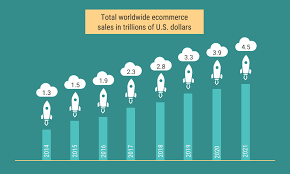
E-commerce has experienced exponential growth over the past decade. The convenience of shopping from anywhere at any time, coupled with a vast array of choices, has attracted consumers to online platforms. According to industry reports, global e-commerce sales are projected to reach £4 trillion by 2025, highlighting its significant impact on the global economy.
Impact on Traditional Retail
The rise of e-commerce has posed both challenges and opportunities for traditional brick-and-mortar retailers. Many have had to adapt by developing their own online presence or enhancing their existing digital platforms. The integration of omnichannel strategies, which combine physical stores with digital channels, has become essential for retailers aiming to remain competitive.
Furthermore, consumer expectations have shifted towards personalised shopping experiences and faster delivery times. Retailers are now leveraging technologies such as artificial intelligence and big data analytics to understand consumer behaviour better and tailor their offerings accordingly.
The Role of Technology in E-Commerce
Technology is at the heart of e-commerce innovation. From secure payment gateways to augmented reality applications that allow customers to visualise products before purchasing, technology continues to enhance the online shopping experience. Mobile commerce (m-commerce) is also on the rise as smartphones become ubiquitous, enabling consumers to shop on-the-go with ease.
Sustainability in E-Commerce
As environmental concerns grow, sustainability has become a key focus within e-commerce. Consumers are increasingly conscious about their purchasing decisions and prefer brands that demonstrate commitment to sustainable practices. E-commerce companies are responding by adopting eco-friendly packaging solutions and optimising logistics for reduced carbon footprints.
The Future of E-Commerce
The future of e-commerce looks promising with several exciting trends on the horizon. The integration of virtual reality (VR) and augmented reality (AR)artificial intelligence (AI)
E-commerce is not just a trend; it is a fundamental shift in how commerce is conducted globally.
Conclusion
E-commerce has undeniably transformed the retail landscape by offering unprecedented convenience and choice to consumers while challenging traditional business models. As technology continues to evolve rapidly, businesses must remain agile and innovative to capitalise on emerging opportunities within this ever-expanding digital marketplace.
Six Essential Tips for Enhancing Your E-Commerce Success
- Provide detailed product descriptions to help customers make informed decisions.
- Optimize your website for mobile devices to cater to on-the-go shoppers.
- Offer multiple payment options to accommodate different customer preferences.
- Utilize social media platforms to promote your products and engage with customers.
- Implement a user-friendly checkout process to reduce cart abandonment rates.
- Regularly analyse data and metrics to make informed decisions and improve your e-commerce strategy.
Provide detailed product descriptions to help customers make informed decisions.
When it comes to e-commerce, providing detailed product descriptions is essential in helping customers make informed decisions. By offering comprehensive information about the features, specifications, and benefits of a product, you empower customers to understand what they are purchasing and how it aligns with their needs. Clear and detailed descriptions build trust and credibility, reducing the likelihood of returns or dissatisfaction. Ultimately, investing time in crafting informative product descriptions can enhance the shopping experience for customers and drive conversions for your online store.
Optimize your website for mobile devices to cater to on-the-go shoppers.
In the realm of e-commerce, it is crucial to optimise your website for mobile devices to cater to the needs of on-the-go shoppers. With an increasing number of consumers turning to their smartphones and tablets for shopping, ensuring that your website is mobile-friendly can significantly enhance the user experience and drive conversions. By implementing responsive design elements and streamlined navigation, you can capture the attention of busy shoppers and provide them with a seamless browsing and purchasing experience anytime, anywhere. Embracing mobile optimisation not only boosts customer satisfaction but also positions your brand for success in the competitive e-commerce landscape.
Offer multiple payment options to accommodate different customer preferences.
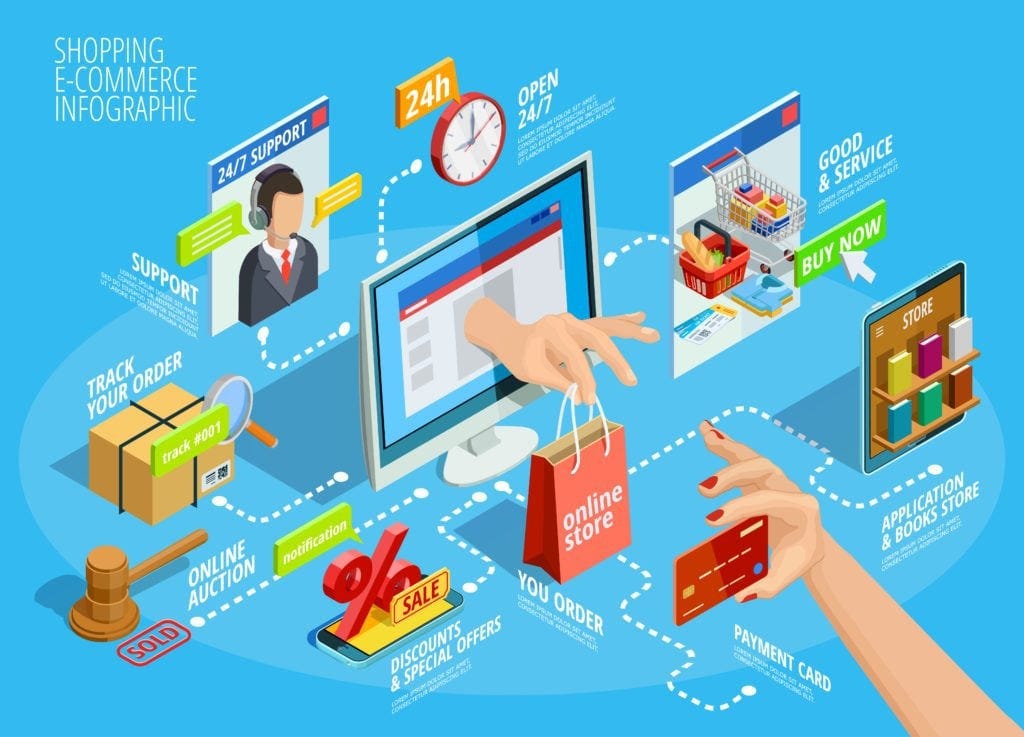
To enhance the shopping experience and cater to diverse customer preferences, it is advisable for e-commerce businesses to offer multiple payment options. By providing a variety of payment methods such as credit/debit cards, digital wallets, bank transfers, and even buy-now-pay-later services, businesses can ensure that customers can choose the payment option that best suits their needs and preferences. This flexibility not only enhances customer satisfaction but also helps increase conversion rates and reduce cart abandonment, ultimately leading to a more seamless and successful e-commerce transaction process.
Utilize social media platforms to promote your products and engage with customers.
To maximise your e-commerce success, leverage the power of social media platforms to showcase your products and foster meaningful interactions with customers. By creating engaging content, running targeted ad campaigns, and responding promptly to customer queries and feedback, you can build a loyal following and drive traffic to your online store. Social media provides a valuable avenue for promoting your brand, increasing visibility, and establishing a strong online presence in today’s digital landscape.
Implement a user-friendly checkout process to reduce cart abandonment rates.
To enhance the success of your e-commerce platform, it is crucial to implement a user-friendly checkout process. By streamlining the checkout experience and minimising unnecessary steps, you can significantly reduce cart abandonment rates. Ensuring that the process is intuitive, secure, and efficient will not only improve customer satisfaction but also increase the likelihood of completing transactions. Remember, a seamless checkout process is key to converting browsing customers into loyal buyers and driving overall sales growth in your online business.
Regularly analyse data and metrics to make informed decisions and improve your e-commerce strategy.
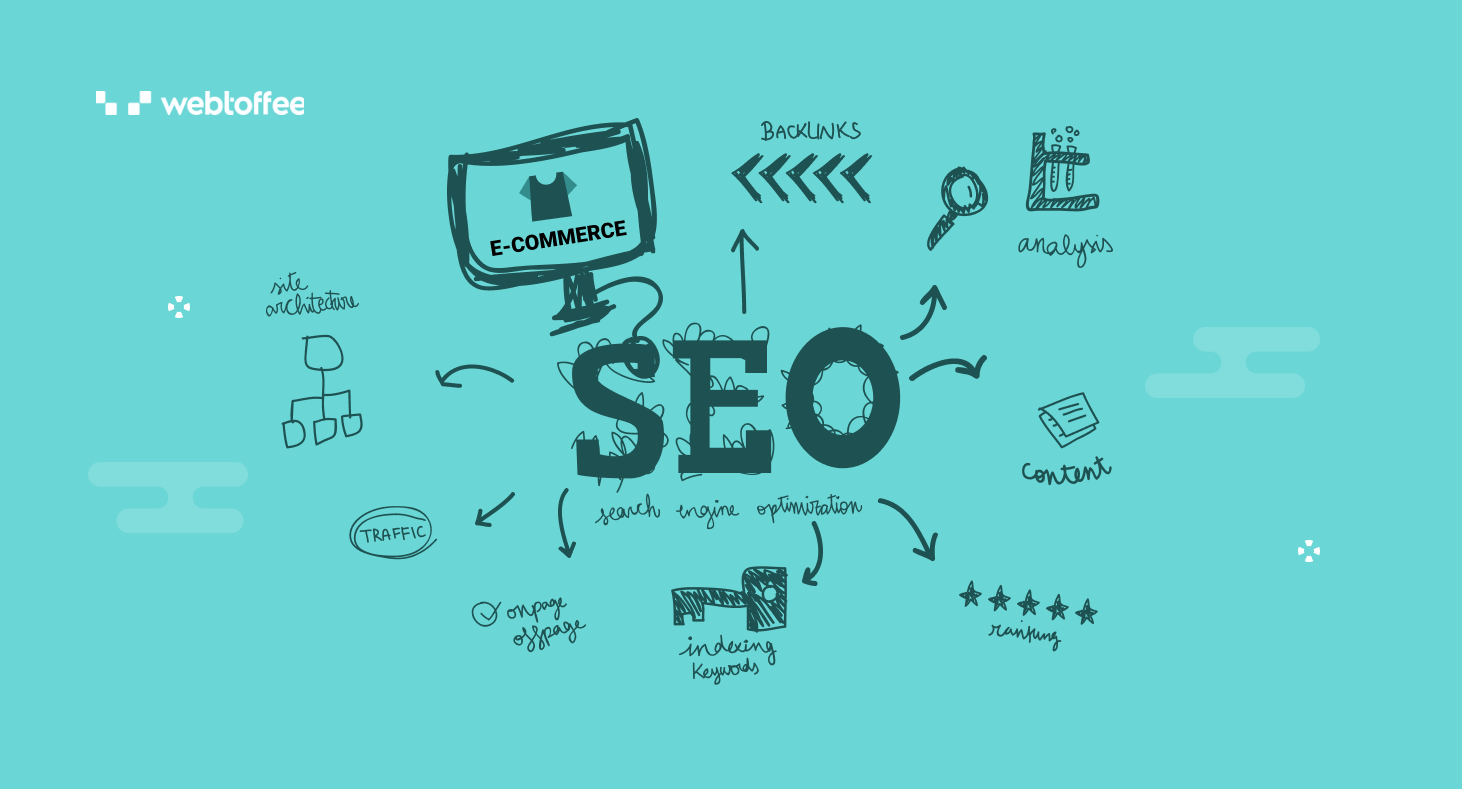
Regularly analysing data and metrics is crucial for any e-commerce business looking to thrive in today’s competitive landscape. By closely monitoring key performance indicators such as website traffic, conversion rates, and customer behaviour, businesses can gain valuable insights into what is working well and where improvements are needed. This data-driven approach enables informed decision-making, allowing businesses to refine their e-commerce strategy, identify trends, and tailor their offerings to meet customer needs effectively. Ultimately, harnessing the power of data analytics empowers e-commerce businesses to stay agile, adapt to market changes swiftly, and drive continuous growth and success.