online advertising

Online Advertising: A Practical Guide for Businesses

Online Advertising: A Practical Guide for Businesses

Online advertising helps businesses reach potential customers across websites, search engines, social media platforms and other digital channels. It can support a range of goals, from building brand awareness to generating website visits, enquiries and sales. With careful planning, businesses can target relevant audiences, manage their budgets and measure how campaigns perform.

What is online advertising?

Online advertising is the promotion of products, services or brands through paid digital placements. Unlike traditional advertising, many online campaigns can be adjusted quickly and measured in detail. Advertisers can choose who sees an advert, where it appears and how much to spend, subject to the options offered by each platform.

Common types of online advertising

  • Search advertising: Sponsored listings appear on search engine results pages, often in response to a user’s search. These adverts can help businesses reach people who are actively looking for a particular product or service.
  • Social media advertising: Paid posts and campaigns appear on social platforms. They can be used to raise awareness, encourage engagement or direct users to a website.
  • Display advertising: Banner, image and video adverts appear on websites and apps. Display campaigns are often used to build awareness or reconnect with people who have previously visited a website.
  • Video advertising: Video adverts can appear before, during or alongside online video content. They offer a visual way to introduce a brand, explain a product or share a story.
  • Shopping advertising: Product-based adverts may show an image, price and retailer name, making them useful for online shops.
  • Native advertising: These paid placements are designed to match the style of the surrounding content. They should be clearly labelled as advertising so that audiences can recognise them.
  • Influencer partnerships: Businesses work with content creators to introduce products or services to their audiences. Paid partnerships should be disclosed clearly and follow relevant advertising rules.

Why businesses use online advertising

One of the main advantages of online advertising is its flexibility. Campaigns can be aimed at specific audiences, locations or interests, depending on the platform and the information available. Budgets can often be changed while a campaign is running, and adverts can be tested in different versions to learn what works best.

Digital channels also provide useful performance data. Businesses can track measures such as impressions, clicks, website visits, enquiries and sales. These results can help marketers understand whether a campaign is contributing to its objectives and where improvements may be needed.

Online advertising can complement other marketing activity, including search engine optimisation, email marketing, public relations and organic social media. Paid campaigns may provide visibility more quickly than some long-term channels, while other activities can build lasting awareness and trust over time.

How to plan an effective campaign

Set a clear objective

Begin with a specific goal. A campaign designed to increase brand awareness will usually need different creative and measurement than one focused on online sales or enquiries. Clear objectives make it easier to choose suitable platforms and assess results.

Understand the audience

Consider who the campaign is intended to reach, what they need and how they look for solutions. Audience research can inform the choice of platform, message, format and timing. Avoid relying on assumptions when customer feedback or existing business data can provide better insight.

Choose the right channels

Different platforms serve different purposes. Search adverts may suit people with a clear, immediate need, while social and video campaigns can help introduce a brand to new audiences. The best choice depends on the audience, the offer and the campaign’s objectives—not simply on which platform is most popular.

Create relevant adverts and landing pages

An advert should communicate its main benefit clearly and include an appropriate next step. The page people reach after clicking should match the advert’s message, load reliably on mobile devices and make it straightforward to take action. A strong campaign can lose effectiveness if the destination page is confusing or difficult to use.

Set a realistic budget

Decide how much the business can afford to spend and how that budget will be allocated. Campaign costs vary by platform, audience, industry and competition. A measured testing period can help identify promising approaches before more budget is committed.

Test and refine

Testing different headlines, images, offers or audience settings can reveal which combinations perform better. Change one or two elements at a time where possible, and allow enough time and data to make a meaningful comparison. Regular optimisation is more useful than making decisions based on a small number of results.

Measuring performance

The right measures depend on the campaign goal. Common metrics include:

  • Reach and impressions: How many people saw an advert, and how many times it was shown.
  • Click-through rate: The proportion of impressions that resulted in a click.
  • Conversion rate: The proportion of visitors who completed a desired action, such as making a purchase or submitting an enquiry.
  • Cost per click: The average amount paid for each advert click.
  • Cost per acquisition: The cost of gaining a customer or another defined conversion.
  • Return on advertising spend: The revenue attributed to advertising compared with the amount spent.

Metrics should be interpreted in context. A high number of clicks does not necessarily mean a campaign is successful if those visits do not lead to meaningful outcomes. Businesses should also consider how advertising contributes alongside other channels, rather than judging performance in isolation.

Privacy, transparency and trust

Online advertising should be planned with privacy and consumer trust in mind. Businesses operating in the UK need to follow applicable data protection and electronic marketing requirements, as well as platform policies and advertising standards. This may include providing clear information about data use and obtaining consent where required.

Adverts should be honest, accurate and easy to identify as paid content. Claims should be supportable, prices and conditions should be presented clearly, and targeting should be handled responsibly. Good practice protects audiences and helps businesses build lasting credibility.

Common mistakes to avoid

  • Launching a campaign without a defined objective.
  • Trying to reach too broad an audience with a limited budget.
  • Sending advert clicks to a page that does not match the message.
  • Focusing on clicks or impressions without tracking meaningful outcomes.
  • Making frequent changes before enough data has been collected.
  • Using unclear claims or failing to disclose paid partnerships.

Conclusion

Online advertising can give businesses a flexible way to reach relevant audiences and support measurable marketing goals. Its effectiveness depends on more than choosing a platform: clear objectives, useful audience insight, relevant creative, a well-designed landing page and consistent measurement all matter. By testing carefully and treating privacy and transparency as priorities, businesses can make more informed decisions about their digital advertising.


7 Key Benefits of Online Advertising

  1. Reaches targeted audiences.
  2. Offers flexible budgets.
  3. Provides measurable results.
  4. Can increase brand awareness.
  5. Drives traffic to your website.
  6. Campaigns can be adjusted quickly.
  7. Supports a wide range of formats.


Six Disadvantages of Online Advertising

  1. Costs can rise quickly.
  2. Competition may drive up prices.
  3. Ad blockers can limit reach.
  4. Users may ignore adverts.
  5. Privacy rules restrict targeting.
  6. Results are not always immediate.

Reaches targeted audiences.

One of the key advantages of online advertising is its ability to reach targeted audiences. Businesses can tailor campaigns to factors such as location, interests, search behaviour and demographics, helping their adverts reach people who are more likely to be interested in their products or services. This can make marketing more relevant to potential customers and help businesses use their advertising budget more effectively.

Offers flexible budgets.

Online advertising offers flexible budgets, making it accessible to businesses of all sizes. You can set a spending limit, adjust it as your campaign progresses or pause activity when needed. Starting with a modest budget also lets you test different adverts and audiences before investing more in the approaches that deliver the best results.

Provides measurable results.

Online advertising provides measurable results, making it easier for businesses to understand how their campaigns are performing. Advertisers can track metrics such as impressions, clicks, website visits, enquiries and sales, then use this information to see which adverts are most effective. These insights help businesses adjust their messaging, targeting and budgets, so future campaigns can be based on evidence rather than guesswork.

Can increase brand awareness.

Online advertising can increase brand awareness by introducing your business to relevant audiences across search engines, websites, social media and video platforms. Even when people do not click straight away, seeing consistent, memorable adverts can help them recognise and recall your brand when they are ready to make a purchase. By targeting the right audiences and using clear, engaging messages, businesses can build familiarity and broaden their reach.

Drives traffic to your website.

Online advertising can drive targeted traffic to your website by placing your business in front of people who are already interested in your products or services. Search adverts can reach users looking for a specific solution, while social media and display campaigns can introduce your website to relevant audiences. With a clear message and a useful landing page, paid adverts can encourage visitors to explore your offering, make an enquiry or complete a purchase.

Campaigns can be adjusted quickly.

A key advantage of online advertising is that campaigns can be adjusted quickly in response to performance or changing business needs. Advertisers can update the budget, audience, wording or creative without waiting for a new print run or media booking. This flexibility makes it easier to test different approaches, improve underperforming adverts and make the most of successful ones.

Supports a wide range of formats.

Online advertising supports a wide range of formats, from search listings and banner adverts to social media posts, video, audio and sponsored content. This flexibility allows businesses to choose an approach that suits their message, audience and budget. A short video can demonstrate a product, for example, while a search advert can reach people actively looking for a particular service. Using the right format can make campaigns more engaging and help communicate information effectively across different digital channels.

Costs can rise quickly.

Online advertising costs can rise quickly, particularly in competitive markets where many businesses are bidding to reach the same audience. Without clear spending limits and regular monitoring, a campaign may use up its budget faster than expected, while clicks or impressions do not necessarily lead to sales. Setting a realistic budget, tracking meaningful results and adjusting campaigns regularly can help keep spending under control.

Competition may drive up prices.

Competition for popular keywords, audiences and advertising placements can drive up the cost of online advertising. When many businesses target the same potential customers, they may need to bid more to secure visibility, making clicks and conversions more expensive. This can put pressure on smaller businesses with limited budgets, so it is important to monitor campaign performance, refine targeting and focus spending on the channels that deliver the best value.

Ad blockers can limit reach.

Ad blockers can limit the reach of online advertising by preventing some adverts from appearing on websites or apps. This means a campaign may not be seen by part of its intended audience, even when the targeting and budget are well planned. Businesses should account for this when assessing performance and consider combining paid adverts with other channels, such as useful content, email marketing and organic social media.

Users may ignore adverts.

A common drawback of online advertising is that users may simply ignore it. People are often exposed to adverts across websites, apps and social media, so they may scroll past them, use ad blockers or develop “banner blindness”, where promotional content fades into the background. As a result, even a well-designed advert may not attract attention, making it harder for businesses to reach their audience and get value from their advertising budget.

Privacy rules restrict targeting.

Privacy rules can limit how advertisers collect and use personal data to target audiences. Requirements around consent, cookies and data protection may reduce access to detailed user information, making it harder to personalise adverts or reach narrowly defined groups. Businesses must therefore balance effective targeting with respect for people’s privacy, use data responsibly and ensure their campaigns comply with applicable regulations.

Results are not always immediate.

One drawback of online advertising is that results are not always immediate. Even when a campaign is carefully planned, it can take time to reach the right audience, build awareness and generate clicks, enquiries or sales. Businesses may also need to test different adverts, audiences and bidding strategies before finding an approach that performs well. It is therefore important to set realistic expectations, monitor progress over time and avoid judging a campaign solely on its first few days.
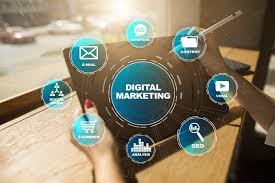
digital media and marketing

Mastering the Art of Digital Media and Marketing: Strategies for Success in the Digital Age

The Power of Digital Media and Marketing

The Power of Digital Media and Marketing

In today’s fast-paced digital age, the role of digital media and marketing has become increasingly crucial for businesses looking to reach their target audience effectively. Digital media encompasses various online platforms and tools that allow businesses to connect with their customers in a more personalised and engaging manner.

Digital marketing, on the other hand, refers to the strategies and techniques used by businesses to promote their products or services through digital channels such as social media, search engines, email, and websites. The integration of digital media and marketing has revolutionised the way businesses interact with consumers and has opened up new opportunities for growth and innovation.

The Benefits of Digital Media and Marketing

One of the key advantages of digital media and marketing is its ability to reach a global audience in real-time. Through social media platforms like Facebook, Instagram, Twitter, and LinkedIn, businesses can engage with customers from all corners of the world instantly.

Furthermore, digital marketing allows for precise targeting and segmentation of audiences based on demographics, interests, behaviour, and more. This targeted approach ensures that businesses can deliver relevant content to the right people at the right time, increasing the likelihood of conversion.

The Evolution of Digital Marketing Strategies

Over the years, digital marketing strategies have evolved significantly to keep pace with changing consumer behaviours and technological advancements. From traditional display ads to sophisticated retargeting campaigns and influencer partnerships, businesses now have a plethora of tools at their disposal to create impactful marketing campaigns.

Moreover, data analytics plays a crucial role in digital marketing success. By leveraging data insights from user interactions and campaign performance metrics, businesses can refine their strategies continuously to improve engagement rates, conversions, and return on investment.

The Future of Digital Media and Marketing

As technology continues to advance rapidly, the future of digital media and marketing holds even more exciting possibilities. Artificial intelligence (AI), virtual reality (VR), augmented reality (AR), voice search optimisation, chatbots – these are just some of the innovations reshaping the digital landscape.

Businesses that embrace these emerging technologies will be well-positioned to stay ahead in an increasingly competitive market. By staying agile, innovative, and customer-centric in their approach to digital media and marketing, businesses can forge stronger connections with their audience while driving sustainable growth in the digital realm.


Exploring Digital Media and Marketing: Answers to 15 Common Questions

  1. What are the examples of digital marketing?
  2. What is the digital marketing salary in the UK?
  3. What are 3 types of digital media?
  4. What are the 3 types of digital marketing?
  5. What are examples of digital marketing?
  6. What is the job of digital marketing?
  7. What are the 4 types of digital media?
  8. What is the work in digital marketing?
  9. Is digital media and marketing same?
  10. What is digital media and marketing?
  11. What are the 3 types of digital media?
  12. What comes under digital media marketing?
  13. Is digital marketing a good career?
  14. What are the 4 types of digital marketing?
  15. What are the 5 types of digital media?

What are the examples of digital marketing?

Digital marketing encompasses a wide range of strategies and tactics that businesses use to promote their products or services online. Examples of digital marketing include search engine optimisation (SEO), pay-per-click advertising (PPC), social media marketing, email marketing, content marketing, influencer partnerships, affiliate marketing, and display advertising. Each of these methods leverages digital channels such as search engines, social media platforms, websites, and email to reach and engage with target audiences effectively. By employing a mix of these digital marketing techniques, businesses can enhance their online presence, drive traffic to their websites, generate leads, and ultimately increase sales and conversions.

What is the digital marketing salary in the UK?

The digital marketing salary in the UK varies depending on factors such as experience, skills, industry sector, and location. On average, entry-level digital marketing roles may start at around £20,000 to £25,000 per year. As professionals gain more experience and expertise in areas like SEO, social media management, content marketing, and analytics, their salaries can increase significantly. Mid-level digital marketers with a few years of experience can expect to earn between £30,000 to £40,000 annually. Senior digital marketing positions or those in managerial roles can command salaries upwards of £50,000 or more, reflecting the value of strategic expertise in driving successful digital campaigns and achieving business objectives.

What are 3 types of digital media?

In the realm of digital media and marketing, there exist three primary types of digital media that businesses leverage to engage with their target audiences effectively. The first type is owned media, which refers to content assets that a business owns and controls, such as websites, blogs, and social media profiles. The second type is earned media, which encompasses publicity and exposure gained through word-of-mouth, social sharing, reviews, and press coverage. Lastly, paid media involves promotional content that a business pays for to reach a wider audience through channels like pay-per-click advertising, sponsored social media posts, and display ads. Understanding and utilising these three types of digital media strategically can significantly enhance a business’s online presence and marketing efforts.

What are the 3 types of digital marketing?

In the realm of digital media and marketing, one frequently asked question is: “What are the 3 types of digital marketing?” The answer to this question typically includes three main categories: Search Engine Optimization (SEO), Pay-Per-Click Advertising (PPC), and Social Media Marketing. SEO focuses on improving a website’s visibility in search engine results, while PPC involves paid advertisements displayed on search engines or websites. Social Media Marketing, on the other hand, utilises social platforms like Facebook, Instagram, and Twitter to promote products or services and engage with audiences effectively. These three types of digital marketing play integral roles in enhancing online presence and driving business growth in the digital landscape.

What are examples of digital marketing?

In the realm of digital media and marketing, there are numerous examples of digital marketing strategies that businesses can leverage to enhance their online presence and engage with their target audience effectively. Some common examples of digital marketing include search engine optimisation (SEO) to improve website visibility on search engines, social media marketing campaigns to engage with followers on platforms like Facebook and Instagram, email marketing to deliver personalised messages directly to subscribers’ inboxes, pay-per-click (PPC) advertising for targeted online advertising, content marketing through blogs and videos to provide valuable information to users, and influencer partnerships to reach a wider audience through trusted personalities. These examples showcase the diverse range of digital marketing tactics available for businesses to connect with their customers in the digital landscape.

What is the job of digital marketing?

The job of digital marketing encompasses a wide range of responsibilities aimed at promoting products or services using digital channels. Digital marketers are tasked with developing and implementing strategies to reach target audiences, increase brand awareness, drive website traffic, generate leads, and ultimately boost sales. They utilise various online platforms such as social media, search engines, email marketing, and websites to create engaging content, run targeted campaigns, analyse data to measure performance, and optimise strategies based on insights. In essence, the role of digital marketing is to leverage the power of digital media to connect businesses with their customers in a meaningful and impactful way.

What are the 4 types of digital media?

In the realm of digital media and marketing, there are four primary types of digital media that businesses leverage to engage with their target audiences effectively. These include owned media, earned media, paid media, and shared media. Owned media refers to the content and channels that a business controls, such as its website or social media profiles. Earned media encompasses publicity gained through word-of-mouth, reviews, or organic social shares. Paid media involves paid advertising placements on various digital platforms to reach a wider audience. Shared media involves user-generated content and interactions across social networks that amplify a brand’s message organically. Understanding and utilising these four types of digital media strategically can help businesses enhance their online presence and drive meaningful engagement with their customers.

What is the work in digital marketing?

In the realm of digital marketing, the work encompasses a diverse range of tasks and responsibilities aimed at promoting products or services through online channels. Professionals in digital marketing are tasked with creating and implementing strategic campaigns that leverage various digital platforms such as social media, search engines, email, and websites to reach and engage target audiences. This work involves activities like market research, content creation, search engine optimisation (SEO), paid advertising, analytics monitoring, and campaign performance analysis. Overall, the work in digital marketing is dynamic, data-driven, and constantly evolving to adapt to changing consumer trends and technological advancements in the digital landscape.

Is digital media and marketing same?

The question of whether digital media and marketing are the same is a common inquiry among those navigating the realm of online promotion. While digital media refers to the various platforms and tools used for communication and content delivery, digital marketing specifically focuses on the strategies employed to promote products or services through these channels. In essence, digital media serves as the medium through which marketing messages are conveyed to target audiences. Understanding this distinction is crucial for businesses looking to leverage the power of digital platforms effectively to engage with their customers and drive growth in today’s interconnected world.

What is digital media and marketing?

Digital media and marketing encompass the dynamic realm of online platforms and strategies used by businesses to engage with their target audience and promote their products or services. Digital media refers to various online channels like social media, websites, email, and search engines that enable businesses to connect with consumers in a personalised and interactive way. On the other hand, digital marketing involves the implementation of tailored strategies to reach and influence potential customers through targeted content, ads, and campaigns across digital platforms. Together, digital media and marketing revolutionise how businesses communicate with their audience in the digital age, offering opportunities for global reach, precise audience targeting, and data-driven insights for enhanced engagement and conversion rates.

What are the 3 types of digital media?

In the realm of digital media and marketing, there are three primary types of digital media that businesses leverage to engage with their target audience effectively. The first type is owned media, which includes channels and assets that a company has full control over, such as websites, blogs, and social media profiles. The second type is earned media, which refers to publicity gained through word-of-mouth, social sharing, reviews, or mentions by third parties. Lastly, paid media involves promotional content that a business pays for to reach a wider audience through methods like display advertising, sponsored content, or pay-per-click campaigns. Each type plays a vital role in a comprehensive digital marketing strategy aimed at enhancing brand visibility and driving engagement.

What comes under digital media marketing?

Digital media marketing encompasses a wide range of online strategies and channels that businesses utilise to promote their products or services. This includes social media marketing, search engine optimisation (SEO), content marketing, email marketing, pay-per-click (PPC) advertising, influencer marketing, and more. Each of these components plays a vital role in reaching and engaging with target audiences effectively in the digital space. By leveraging various digital media marketing tactics, businesses can enhance their online visibility, drive traffic to their websites, generate leads, and ultimately boost conversions and sales.

Is digital marketing a good career?

The question “Is digital marketing a good career?” is one that resonates with many individuals considering a path in the dynamic field of digital media and marketing. The answer lies in the ever-evolving nature of the industry, where creativity, analytics, and strategic thinking converge to drive impactful results for businesses. With the increasing shift towards online platforms, digital marketing offers vast opportunities for growth and innovation. Professionals in this field have the chance to work on diverse projects, stay abreast of cutting-edge technologies, and make a tangible impact on a company’s online presence. As such, for those with a passion for creativity, data-driven decision-making, and continuous learning, digital marketing can indeed be a rewarding and fulfilling career choice.

What are the 4 types of digital marketing?

In the realm of digital media and marketing, one frequently asked question revolves around the four main types of digital marketing. These encompass search engine optimisation (SEO), which focuses on enhancing a website’s visibility in search engine results; pay-per-click (PPC) advertising, where businesses pay each time their ad is clicked; social media marketing, involving promotion and engagement on social platforms; and content marketing, which revolves around creating and distributing valuable content to attract and retain customers. Understanding these four pillars of digital marketing is essential for businesses seeking to establish a robust online presence and connect with their target audience effectively.

What are the 5 types of digital media?

In the realm of digital media and marketing, the question “What are the 5 types of digital media?” often arises as businesses seek to understand the diverse landscape of online platforms. The five main types of digital media include social media (such as Facebook, Twitter, and Instagram), websites (both desktop and mobile), online videos (YouTube, Vimeo), email marketing, and search engine advertising. Each type offers unique opportunities for businesses to engage with their target audience, build brand awareness, drive traffic, and ultimately achieve their marketing goals in the digital sphere. Understanding these distinct forms of digital media is essential for businesses looking to create comprehensive and effective online marketing strategies.