digital marketing analytics

Unlocking the Potential of Digital Marketing Analytics: A Guide to Data-Driven Success

The Power of Digital Marketing Analytics

The Power of Digital Marketing Analytics

In the fast-paced world of digital marketing, data is king. Understanding the intricacies of consumer behaviour, engagement metrics, and campaign performance is crucial for making informed decisions that drive success. This is where digital marketing analytics come into play.

Digital marketing analytics involve the collection, measurement, analysis, and interpretation of data from various online channels to provide valuable insights into the effectiveness of marketing strategies. By leveraging analytics tools and platforms, marketers can track key performance indicators (KPIs) and gain a deeper understanding of their target audience.

Benefits of Digital Marketing Analytics

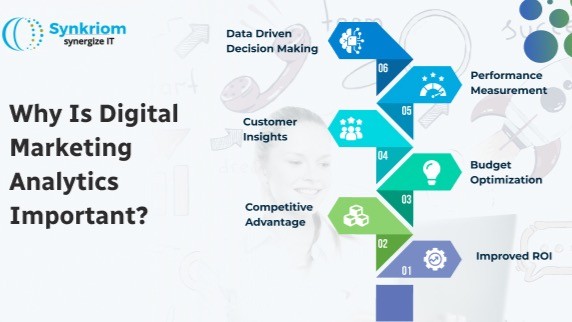
Data-Driven Decision Making: Analytics empower marketers to make data-driven decisions based on real-time insights rather than guesswork. By monitoring metrics such as website traffic, conversion rates, and customer engagement, businesses can optimise their campaigns for maximum impact.

Improved ROI: Understanding which marketing channels are driving the most valuable traffic and conversions allows businesses to allocate their resources more effectively. By identifying high-performing strategies and eliminating underperforming ones, companies can maximise their return on investment (ROI).

Audience Segmentation: Digital marketing analytics enable marketers to segment their audience based on demographics, behaviour, interests, and other criteria. This segmentation allows for more targeted and personalised campaigns that resonate with specific customer segments.

Key Metrics to Track

When it comes to digital marketing analytics, there are several key metrics that businesses should track to measure the success of their campaigns:

  • Traffic Sources: Identify where your website traffic is coming from (e.g., organic search, social media, paid ads) to determine which channels are driving the most visitors.
  • Conversion Rate: Measure the percentage of visitors who take a desired action (e.g., making a purchase, signing up for a newsletter) to assess the effectiveness of your conversion funnel.
  • Bounce Rate: Monitor the percentage of visitors who leave your site after viewing only one page to gauge user engagement and site usability.
  • Click-Through Rate (CTR): Track the percentage of users who click on a specific link or ad to evaluate its performance and relevance to your target audience.

The Future of Digital Marketing Analytics

As technology continues to evolve at a rapid pace, so too does the field of digital marketing analytics. With advancements in artificial intelligence (AI), machine learning, and predictive analytics, marketers have access to even more sophisticated tools for analysing data and predicting future trends.

In conclusion, digital marketing analytics play a pivotal role in helping businesses navigate the complex landscape of online marketing. By harnessing the power of data-driven insights, companies can refine their strategies, enhance customer experiences, and ultimately drive growth in an increasingly competitive digital marketplace.


Mastering Digital Marketing Analytics: 9 Essential Tips for Success

  1. Set clear goals and key performance indicators (KPIs) for your digital marketing campaigns.
  2. Use tools like Google Analytics to track website traffic, user behaviour, and conversions.
  3. Regularly analyse data to identify trends, patterns, and areas for improvement.
  4. Segment your audience to better understand their preferences and tailor your marketing efforts accordingly.
  5. Implement A/B testing to compare different strategies and determine what works best for your target audience.
  6. Track the ROI of your campaigns by measuring the cost per acquisition and lifetime value of customers.
  7. Monitor social media metrics such as engagement rate, reach, and click-through rate to gauge the effectiveness of your social campaigns.
  8. Stay updated on industry trends and new analytics tools to enhance your digital marketing strategy.
  9. Invest in training or hiring professionals with expertise in digital marketing analytics for more advanced insights.

Set clear goals and key performance indicators (KPIs) for your digital marketing campaigns.

Setting clear goals and key performance indicators (KPIs) is essential for the success of your digital marketing campaigns. By defining specific objectives and measurable metrics upfront, you can effectively track the performance of your campaigns and evaluate their impact on your overall marketing strategy. Whether your goal is to increase website traffic, boost conversions, or enhance brand awareness, establishing clear KPIs ensures that you have a benchmark for success and enables you to make informed decisions based on data-driven insights.

Use tools like Google Analytics to track website traffic, user behaviour, and conversions.

To maximise the effectiveness of your digital marketing efforts, it is essential to utilise tools such as Google Analytics to monitor website traffic, user behaviour, and conversions. By harnessing the capabilities of Google Analytics, businesses can gain valuable insights into how users interact with their website, which marketing channels drive the most traffic, and where conversions are occurring. This data-driven approach enables marketers to make informed decisions, optimise campaigns for better performance, and ultimately enhance the overall online presence of their brand.

Regularly analysing data is a crucial aspect of effective digital marketing analytics. By consistently reviewing key metrics and performance indicators, businesses can uncover valuable insights into trends, patterns, and areas for improvement within their marketing campaigns. This proactive approach allows marketers to identify what strategies are working well and where adjustments may be needed to enhance overall performance. Through data analysis, businesses can make informed decisions that drive success and ensure that their digital marketing efforts remain agile and responsive to changing market dynamics.

Segment your audience to better understand their preferences and tailor your marketing efforts accordingly.

Segmenting your audience is a crucial strategy in digital marketing analytics that can significantly enhance the effectiveness of your campaigns. By dividing your audience into distinct segments based on demographics, behaviour, or interests, you gain valuable insights into their preferences and needs. This allows you to tailor your marketing efforts more precisely, delivering personalised messages and offers that resonate with each segment. By understanding the unique characteristics of different audience segments, you can create targeted campaigns that drive engagement, conversions, and ultimately, business growth.

Implement A/B testing to compare different strategies and determine what works best for your target audience.

Implementing A/B testing is a valuable tip in digital marketing analytics. By comparing different strategies and variations, businesses can gain valuable insights into what resonates best with their target audience. A/B testing allows marketers to experiment with changes in elements such as website design, ad copy, or email campaigns, and analyse the performance of each variant to identify the most effective approach. This data-driven approach not only helps in refining marketing strategies but also enables businesses to make informed decisions based on real-time results, ultimately leading to improved engagement and conversion rates.

Track the ROI of your campaigns by measuring the cost per acquisition and lifetime value of customers.

To maximise the effectiveness of your digital marketing campaigns, it is essential to track the return on investment (ROI) by analysing key metrics such as the cost per acquisition and lifetime value of customers. By calculating the cost to acquire a customer and comparing it against the revenue generated over their lifetime, businesses can gain valuable insights into the profitability of their marketing efforts. This data-driven approach not only helps in optimising campaign performance but also enables businesses to allocate resources more efficiently and focus on strategies that yield the highest returns in the long run.

Monitor social media metrics such as engagement rate, reach, and click-through rate to gauge the effectiveness of your social campaigns.

Monitoring social media metrics such as engagement rate, reach, and click-through rate is essential for evaluating the success of your social campaigns. By tracking these key indicators, businesses can gain valuable insights into how their audience is interacting with their content and ads on social platforms. The engagement rate provides a measure of audience interaction, the reach indicates the number of people exposed to your content, and the click-through rate reflects the effectiveness of your call-to-action. Analysing these metrics enables marketers to refine their strategies, identify what resonates with their audience, and optimise their social media campaigns for better results.

To stay ahead in the realm of digital marketing analytics, it is essential to remain abreast of industry trends and emerging analytics tools. By continuously updating your knowledge and skill set, you can effectively enhance your digital marketing strategy to adapt to the ever-evolving landscape of online marketing. Keeping pace with the latest developments in analytics not only allows you to leverage cutting-edge technologies but also enables you to make informed decisions that drive success in your campaigns.

Invest in training or hiring professionals with expertise in digital marketing analytics for more advanced insights.

To elevate your digital marketing efforts and gain deeper insights into your online performance, it is highly recommended to invest in training or hiring professionals with expertise in digital marketing analytics. By bringing on board individuals skilled in data analysis and interpretation, you can unlock more advanced insights that go beyond basic metrics. These experts can help you identify trends, patterns, and opportunities hidden within the data, enabling you to make strategic decisions that drive impactful results for your business.
digital marketing analysis

Unlocking Success Through Digital Marketing Analysis

The Power of Digital Marketing Analysis

The Power of Digital Marketing Analysis

In the fast-paced world of digital marketing, data is king. Understanding the performance of your online campaigns is crucial to making informed decisions and maximising your return on investment. This is where digital marketing analysis comes into play.

What is Digital Marketing Analysis?

Digital marketing analysis involves the systematic evaluation of various aspects of your online marketing efforts. It includes gathering data from different sources such as website analytics, social media insights, email campaign metrics, and more. By analysing this data, marketers can gain valuable insights into the effectiveness of their strategies and identify areas for improvement.

The Benefits of Digital Marketing Analysis

By conducting thorough digital marketing analysis, businesses can:

  • Measure the performance of their campaigns and channels
  • Identify trends and patterns in consumer behaviour
  • Optimise marketing strategies for better results
  • Allocate resources more effectively based on data-driven insights
  • Enhance customer engagement and retention through targeted approaches

Key Metrics in Digital Marketing Analysis

Some essential metrics that are commonly analysed in digital marketing include:

  • Conversion Rate: The percentage of website visitors who take a desired action.
  • Click-Through Rate (CTR): The ratio of users who click on a specific link to the number of total users who view a page, email, or advertisement.
  • Return on Investment (ROI): The measure of revenue generated compared to the cost of the campaign.
  • Bounce Rate: The percentage of visitors who navigate away from a site after viewing only one page.

The Future of Digital Marketing Analysis

In an increasingly competitive digital landscape, businesses that harness the power of data through effective analysis will have a significant advantage. With advancements in technology such as artificial intelligence and machine learning, digital marketing analysis is becoming more sophisticated and insightful than ever before.

By embracing digital marketing analysis as a cornerstone of their strategies, businesses can adapt quickly to changing market conditions, engage with their audiences more meaningfully, and drive sustainable growth in the digital age.


8 Essential Tips for Effective Digital Marketing Analysis

  1. Set clear goals and objectives for your digital marketing analysis.
  2. Use a variety of tools such as Google Analytics, social media insights, and email marketing analytics.
  3. Regularly monitor key performance indicators (KPIs) to track the success of your campaigns.
  4. Analyse customer behaviour and demographics to understand your target audience better.
  5. Perform A/B testing to compare different strategies and improve conversion rates.
  6. Stay updated on industry trends and changes in algorithms that may impact your digital marketing efforts.
  7. Collaborate with other teams such as sales and product development to align strategies and goals.
  8. Document your findings and insights to create a data-driven approach for future campaigns.

Set clear goals and objectives for your digital marketing analysis.

Setting clear goals and objectives for your digital marketing analysis is paramount to its success. By defining what you aim to achieve through your analysis, whether it’s improving website traffic, increasing conversions, or enhancing brand visibility, you provide a clear direction for your efforts. These goals act as guiding principles, helping you focus on the metrics and insights that truly matter in evaluating the effectiveness of your digital marketing strategies. With well-defined objectives in place, you can measure progress accurately and make informed decisions that drive tangible results for your business.

Use a variety of tools such as Google Analytics, social media insights, and email marketing analytics.

To maximise the effectiveness of digital marketing analysis, it is essential to utilise a diverse range of tools. Incorporating platforms like Google Analytics for website data, social media insights for engagement metrics, and email marketing analytics for campaign performance can provide a comprehensive view of your online marketing efforts. By leveraging these tools collectively, businesses can gain valuable insights into consumer behaviour, campaign effectiveness, and overall ROI. This multi-tool approach enables marketers to make informed decisions and refine strategies for optimal results in the ever-evolving digital landscape.

Regularly monitor key performance indicators (KPIs) to track the success of your campaigns.

To ensure the effectiveness of your digital marketing campaigns, it is essential to regularly monitor key performance indicators (KPIs). By tracking metrics such as conversion rates, click-through rates, return on investment, and bounce rates, you can gain valuable insights into the performance of your strategies. Monitoring KPIs allows you to identify trends, measure success, and make informed decisions to optimise your campaigns for better results. Consistent monitoring of KPIs is crucial in evaluating the impact of your efforts and adjusting your digital marketing tactics to achieve your business objectives efficiently.

Analyse customer behaviour and demographics to understand your target audience better.

To enhance the effectiveness of your digital marketing strategies, it is crucial to delve into customer behaviour and demographics analysis. By scrutinising how your audience interacts with your online platforms and understanding their demographic profiles, you can gain valuable insights into their preferences, needs, and purchasing habits. This in-depth understanding enables you to tailor your marketing efforts more precisely, create targeted campaigns that resonate with your audience, and ultimately drive better engagement and conversions. By analysing customer behaviour and demographics, you can refine your approach to effectively reach and connect with your target audience in a more meaningful way.

Perform A/B testing to compare different strategies and improve conversion rates.

Performing A/B testing is a crucial aspect of digital marketing analysis. By comparing different strategies through controlled experiments, businesses can gain valuable insights into what resonates best with their audience and drives higher conversion rates. This method allows marketers to make data-driven decisions, refine their approaches, and ultimately enhance the effectiveness of their campaigns. A/B testing empowers businesses to continuously iterate and optimise their marketing strategies for better results in the ever-evolving digital landscape.

To stay ahead in the realm of digital marketing analysis, it is crucial to remain informed about industry trends and algorithmic shifts that could influence your online strategies. By staying updated on these developments, you can adapt your digital marketing efforts proactively, ensuring that your campaigns remain effective and aligned with the evolving landscape of online marketing. Being aware of industry trends and algorithm changes empowers you to make informed decisions that drive success in your digital marketing endeavours.

Collaborate with other teams such as sales and product development to align strategies and goals.

Collaborating with other teams, such as sales and product development, is a crucial tip in digital marketing analysis. By aligning strategies and goals across departments, businesses can ensure a unified approach towards achieving overall objectives. Sales teams can provide valuable insights into customer interactions and feedback, which can inform marketing strategies for better targeting and engagement. On the other hand, product development teams can offer input on product features and enhancements that resonate with the target audience, leading to more effective marketing campaigns. This collaborative effort fosters synergy among different functions, ultimately driving success in the competitive digital landscape.

Document your findings and insights to create a data-driven approach for future campaigns.

To maximise the impact of digital marketing analysis, it is essential to document your findings and insights meticulously. By creating a comprehensive record of the data-driven conclusions drawn from past campaigns, businesses can develop a strategic approach for future endeavours. This documentation not only serves as a valuable reference point but also enables marketers to make informed decisions based on proven results. Embracing a data-driven approach in digital marketing empowers organisations to refine their strategies, target their audience more effectively, and ultimately achieve greater success in their campaigns.

search engine advertising

Unlocking Success: The Impact of Search Engine Advertising on Your Business

The Power of Search Engine Advertising

The Power of Search Engine Advertising

Search engine advertising, also known as pay-per-click (PPC) advertising, is a powerful digital marketing strategy that allows businesses to promote their products and services on search engine results pages. With the majority of consumers turning to search engines like Google to find information, products, and services, search engine advertising presents a valuable opportunity for businesses to reach their target audience at the right moment.

How Does Search Engine Advertising Work?

Search engine advertising works on a pay-per-click model, where advertisers bid on specific keywords relevant to their target audience. When a user searches for a keyword that matches the advertiser’s bid, the ad is displayed prominently on the search results page. The advertiser only pays when a user clicks on the ad, making it a cost-effective way to drive targeted traffic to a website.

The Benefits of Search Engine Advertising

One of the key benefits of search engine advertising is its ability to target users who are actively searching for products or services related to the advertiser’s business. This high level of intent makes search engine advertising highly effective in driving conversions and generating leads.

Additionally, search engine advertising offers precise targeting options, allowing advertisers to reach specific demographics, locations, and devices. This level of control ensures that ads are shown to the most relevant audience, maximising the chances of engagement and conversion.

Measuring Success with Search Engine Advertising

Another advantage of search engine advertising is its robust tracking and analytics capabilities. Advertisers can measure key performance metrics such as click-through rate (CTR), conversion rate, and return on investment (ROI) to evaluate the effectiveness of their campaigns. This data-driven approach enables advertisers to make informed decisions and optimise their campaigns for better results.

Getting Started with Search Engine Advertising

If you’re looking to harness the power of search engine advertising for your business, it’s essential to start by conducting thorough keyword research and identifying your target audience. Creating compelling ad copy and landing pages that resonate with your audience is crucial for driving conversions.

Partnering with an experienced digital marketing agency can also help you navigate the complexities of search engine advertising and maximise your return on investment. With strategic planning and continuous optimisation, search engine advertising can be a game-changer for businesses looking to enhance their online visibility and drive growth.


Maximise Your Search Engine Advertising Success: 5 Essential Tips

  1. Use relevant keywords to target your audience effectively
  2. Create compelling ad copy to entice users to click on your ads
  3. Monitor and analyse your campaign performance regularly to make data-driven decisions
  4. Optimise your landing pages for better conversion rates
  5. Set a realistic budget and bid strategy to maximise ROI

Use relevant keywords to target your audience effectively

To maximise the effectiveness of your search engine advertising campaigns, it is crucial to use relevant keywords that resonate with your target audience. By selecting keywords that align closely with what your potential customers are searching for, you can increase the chances of your ads being shown to the right people at the right time. Effective keyword targeting not only enhances the visibility of your ads but also improves the quality of traffic directed to your website, ultimately leading to higher conversion rates and better return on investment.

Create compelling ad copy to entice users to click on your ads

Creating compelling ad copy is a crucial aspect of search engine advertising. Your ad copy serves as the first point of contact with potential customers, enticing them to click on your ads and learn more about your products or services. By crafting engaging and persuasive ad copy that resonates with your target audience, you can significantly increase the chances of driving clicks and conversions. A well-crafted ad copy not only captures attention but also conveys the value proposition of your offerings, ultimately encouraging users to take action and engage with your business.

Monitor and analyse your campaign performance regularly to make data-driven decisions

Monitoring and analysing your search engine advertising campaign performance regularly is crucial for making informed, data-driven decisions. By keeping a close eye on key metrics such as click-through rates, conversion rates, and return on investment, you can identify what’s working well and where adjustments may be needed. This data-driven approach allows you to optimise your campaigns effectively, allocate budget strategically, and ultimately maximise the impact of your advertising efforts. Regular monitoring ensures that you stay agile and responsive in the dynamic digital landscape, helping you achieve better results and drive continuous improvement in your search engine advertising strategies.

Optimise your landing pages for better conversion rates

Optimising your landing pages is a crucial tip for improving conversion rates in search engine advertising. By creating landing pages that are tailored to match the ad content and provide a seamless user experience, you can increase the likelihood of visitors taking desired actions, such as making a purchase or signing up for a service. Effective landing page optimisation involves clear and compelling calls-to-action, relevant and engaging content, fast loading times, and mobile responsiveness. By focusing on enhancing the user journey from ad click to conversion, you can maximise the effectiveness of your search engine advertising campaigns and drive better results for your business.

Set a realistic budget and bid strategy to maximise ROI

Setting a realistic budget and bid strategy is crucial when it comes to maximising return on investment (ROI) in search engine advertising. By carefully allocating your budget based on your business goals and target audience, you can ensure that your ad campaigns are cost-effective and yield optimal results. A strategic bid strategy that focuses on bidding for relevant keywords and adjusting bids based on performance can help you reach your desired audience while maximising the value of each click. Ultimately, a well-planned budget and bid strategy will not only help you achieve a higher ROI but also ensure that your advertising efforts align with your overall marketing objectives.

search engine marketing analysis

Unlocking Success: The Power of Search Engine Marketing Analysis

Search Engine Marketing Analysis

The Importance of Search Engine Marketing Analysis

Search Engine Marketing (SEM) is a powerful tool for businesses to enhance their online visibility and drive targeted traffic to their websites. However, simply running SEM campaigns without proper analysis can lead to inefficiencies and wasted resources. This is where Search Engine Marketing Analysis plays a crucial role.

What is Search Engine Marketing Analysis?

Search Engine Marketing Analysis involves the in-depth examination of various aspects of SEM campaigns to evaluate their performance and effectiveness. It includes analysing key metrics such as click-through rates, conversion rates, cost per click, keyword performance, and overall return on investment.

The Benefits of SEM Analysis

By conducting thorough SEM analysis, businesses can gain valuable insights into the performance of their campaigns and make data-driven decisions to optimise them for better results. Some key benefits of SEM analysis include:

  • Optimising Campaign Performance: Identifying underperforming keywords or ads and making necessary adjustments to improve campaign effectiveness.
  • Cost Efficiency: Analysing cost per click and conversion rates to ensure that budget allocation is maximised for optimal ROI.
  • Competitor Benchmarking: Monitoring competitor strategies and adjusting SEM tactics accordingly to stay ahead in the competitive landscape.
  • User Behaviour Insights: Understanding user behaviour through SEM data analysis helps in refining targeting strategies for better engagement.
  • Data-Driven Decision Making: Using analytical insights to make informed decisions on future SEM campaigns based on past performance data.

Key Metrics in SEM Analysis

Effective SEM analysis involves tracking and interpreting various key metrics that provide valuable information about campaign performance. Some essential metrics include:

  • Click-Through Rate (CTR): Indicates the percentage of users who clicked on an ad after seeing it.
  • Conversion Rate: Measures the percentage of users who completed a desired action (e.g., making a purchase) after clicking on an ad.
  • CPC (Cost Per Click): The amount paid by an advertiser for each click on their ad.

In Conclusion

In today’s competitive digital landscape, Search Engine Marketing Analysis is indispensable for businesses looking to maximise the impact of their online advertising efforts. By leveraging analytical insights derived from SEM data, businesses can refine their strategies, improve campaign performance, and achieve sustainable growth in the digital realm.


Maximising SEM Success: Six Key Benefits of Search Engine Marketing Analysis

  1. Optimises campaign performance by identifying underperforming keywords or ads.
  2. Enhances cost efficiency by analysing cost per click and conversion rates for better budget allocation.
  3. Facilitates competitor benchmarking to stay ahead in the competitive landscape.
  4. Provides insights into user behaviour for refining targeting strategies.
  5. Supports data-driven decision making based on past performance data.
  6. Helps businesses make informed decisions on future SEM campaigns.


Challenges in Search Engine Marketing Analysis: Navigating Time, Complexity, and Cost

  1. 1. Time-Consuming
  2. 2. Complexity
  3. 3. Costly Tools
  4. 4. Data Overload
  5. 5. Misinterpretation Risk
  6. 6. Continuous Monitoring Needed
  7. 7. Skill Requirement

Optimises campaign performance by identifying underperforming keywords or ads.

Search Engine Marketing Analysis offers a significant advantage by optimising campaign performance through the identification of underperforming keywords or ads. By scrutinising key metrics and data, businesses can pinpoint which aspects of their SEM campaigns are not yielding desired results. This insight allows for strategic adjustments to be made, such as refining keyword targeting or revising ad content, ultimately leading to improved effectiveness and better ROI for the overall marketing efforts.

Enhances cost efficiency by analysing cost per click and conversion rates for better budget allocation.

Search Engine Marketing Analysis offers a significant advantage by enhancing cost efficiency through the detailed examination of metrics such as cost per click and conversion rates. By analysing these key factors, businesses can make informed decisions on budget allocation, ensuring that resources are optimally utilised to maximise return on investment. This proactive approach not only helps in reducing unnecessary expenses but also enables companies to allocate their budget strategically towards areas that yield higher conversion rates, ultimately leading to improved campaign performance and cost-effectiveness.

Facilitates competitor benchmarking to stay ahead in the competitive landscape.

Search Engine Marketing Analysis offers the valuable advantage of facilitating competitor benchmarking, enabling businesses to closely monitor and analyse the SEM strategies employed by their competitors. By gaining insights into competitor tactics, businesses can adapt and refine their own SEM campaigns to stay ahead in the fiercely competitive digital landscape. This proactive approach not only helps in identifying emerging trends and best practices but also empowers businesses to make strategic adjustments that ensure they maintain a competitive edge and continue to attract targeted traffic effectively.

Provides insights into user behaviour for refining targeting strategies.

Search Engine Marketing Analysis offers a valuable pro by providing deep insights into user behaviour, enabling businesses to refine their targeting strategies effectively. By understanding how users interact with SEM campaigns, businesses can tailor their approach to better resonate with their target audience. This data-driven approach not only enhances engagement but also increases the likelihood of converting leads into customers. Ultimately, refining targeting strategies based on user behaviour insights through SEM analysis can lead to more impactful and successful marketing campaigns.

Supports data-driven decision making based on past performance data.

Search Engine Marketing Analysis offers a significant advantage by supporting data-driven decision making based on past performance data. By analysing the results of previous SEM campaigns, businesses can extract valuable insights into what strategies worked well and what areas need improvement. This allows for informed decision-making when planning future campaigns, ensuring that resources are allocated efficiently and effectively to maximise ROI. Data-driven decisions derived from SEM analysis help businesses adapt and refine their marketing strategies to better resonate with their target audience and achieve long-term success in the competitive digital landscape.

Helps businesses make informed decisions on future SEM campaigns.

Search Engine Marketing Analysis plays a vital role in helping businesses make informed decisions regarding future SEM campaigns. By analysing past campaign performance data, businesses can identify successful strategies, pinpoint areas for improvement, and understand user behaviour patterns. This valuable insight enables businesses to refine their SEM tactics, allocate budgets more effectively, and target the right audience with tailored messaging. Ultimately, the ability to make data-driven decisions based on comprehensive analysis empowers businesses to enhance the effectiveness of their SEM campaigns and achieve greater success in reaching their marketing goals.

1. Time-Consuming

Conducting thorough Search Engine Marketing (SEM) analysis can be a time-consuming process, demanding dedicated effort and resources. From collecting and analysing data to interpreting results and implementing changes, the detailed nature of SEM analysis necessitates a significant investment of time. Businesses may find themselves allocating substantial hours towards scrutinising campaign performance metrics, which can potentially divert focus from other critical operational tasks. The time-intensive nature of SEM analysis highlights a notable challenge that organisations must navigate in their quest for digital marketing success.

2. Complexity

The complexity of analysing multiple metrics and data points in search engine marketing analysis can pose a significant challenge, particularly for inexperienced marketers. With a plethora of data to sift through and various metrics to consider, the task of interpreting and drawing meaningful insights from the data can be overwhelming. Inexperienced marketers may struggle to navigate this complexity effectively, leading to potential misinterpretation of results or difficulty in identifying actionable strategies for campaign optimisation. This complexity underscores the importance of seeking guidance from experienced professionals or investing in training to build the necessary skills for effective SEM analysis.

3. Costly Tools

One significant drawback of Search Engine Marketing Analysis is the expense associated with utilising advanced SEM analysis tools and software. Implementing comprehensive SEM analysis often requires access to sophisticated tools that come at a price, adding to the operational costs for businesses. The financial investment needed to acquire and maintain these tools can be a barrier for smaller companies or those operating on limited budgets, potentially limiting their ability to conduct in-depth SEM analysis and fully optimise their marketing campaigns.

4. Data Overload

Handling vast amounts of data from Search Engine Marketing (SEM) campaigns can present a significant challenge in the form of data overload. The sheer volume of information generated by SEM analysis can overwhelm marketers, leading to confusion and difficulty in extracting meaningful insights. Sorting through mountains of data to identify relevant metrics and trends becomes a daunting task, potentially hindering the efficiency and effectiveness of decision-making processes. Striking a balance between capturing valuable data and avoiding information overload is crucial to ensure that SEM analysis remains a productive and insightful endeavour for businesses seeking to optimise their online marketing strategies.

5. Misinterpretation Risk

Misinterpretation Risk is a significant con of Search Engine Marketing Analysis. Misinterpreting SEM analysis results can lead to misguided decisions that have the potential to harm campaign performance rather than improve it. Inaccurate interpretations of key metrics such as click-through rates, conversion rates, or cost per click may result in ineffective changes being implemented, ultimately impacting the overall success of the SEM campaigns. It is crucial for businesses to exercise caution and ensure a thorough understanding of SEM analysis data to avoid falling victim to misinterpretation risks and making detrimental decisions that could hinder their marketing efforts.

6. Continuous Monitoring Needed

One significant drawback of Search Engine Marketing (SEM) analysis is the necessity for continuous monitoring and adjustments. This aspect demands consistent attention from marketers, as SEM campaigns are dynamic and require regular updates to maintain optimal performance. The need for ongoing monitoring can be time-consuming and resource-intensive, making it challenging for marketers to allocate sufficient time and effort to ensure that SEM strategies remain effective and competitive in the ever-evolving digital landscape.

7. Skill Requirement

Effective SEM analysis demands a certain level of expertise in data interpretation and digital marketing, which may pose a challenge for some businesses. The skill requirement involved in conducting thorough SEM analysis can be a barrier for businesses lacking the necessary expertise or resources. Understanding complex data metrics, interpreting trends, and making informed decisions based on analytical insights require specialised knowledge and experience in the field of digital marketing. This limitation can hinder the ability of some businesses to fully leverage the benefits of SEM analysis and optimise their campaigns effectively.