seo and social media

SEO and Social Media: How to Make Them Work Together

SEO and Social Media: How They Work Together

Search engine optimisation (SEO) and social media are often treated as separate parts of digital marketing. In practice, they can support one another. SEO helps people find your website through search engines, while social media gives you ways to share useful content, connect with your audience and build awareness of your brand.

Social media activity is not generally a direct ranking factor in traditional search results. However, it can contribute to SEO indirectly by helping your content reach more people, attract attention and earn links or mentions. A joined-up approach can therefore strengthen your overall online presence.

What SEO and social media each do

SEO focuses on improving a website’s visibility in unpaid search results. It includes work such as researching search terms, creating helpful content, improving site structure and ensuring pages can be crawled and understood by search engines.

Social media marketing uses platforms such as Instagram, LinkedIn, TikTok, Facebook and YouTube to publish content and engage with an audience. Each platform has its own discovery features, so social posts can help people find a business even when they are not actively searching for it on Google or another search engine.

How social media can support SEO

It can extend the reach of your content

Publishing a useful article is only part of content marketing. Sharing it through relevant social channels can put it in front of more potential readers. Those readers may visit your website, share the article, refer to it in their own content or link to it from another website.

Social shares do not automatically improve search rankings. Their value is that they can increase exposure and create opportunities for the kinds of attention and references that may support a site’s authority over time.

It can help you understand your audience

Comments, questions, direct messages and engagement patterns can reveal what your audience wants to know. Use these insights to identify topics, concerns and language that could inform your SEO content plan.

For example, if customers repeatedly ask how a service works or how much it costs, those questions may inspire a detailed website guide or a useful FAQ page. Search data can then help you understand how people phrase similar questions in search engines.

It can build brand awareness

Consistent, helpful activity on social media can make your brand more familiar to potential customers. Someone who sees your posts may later search for your business by name, visit your website directly or choose your result over an unfamiliar alternative.

Brand awareness is difficult to measure with one metric, but it can be assessed through indicators such as branded search activity, website visits, enquiries and engagement with your content.

It can highlight content that deserves further investment

Social engagement can offer early feedback on topics and formats that resonate with your audience. A post that attracts thoughtful questions or is widely shared may point to a subject worth developing into a comprehensive guide, video or landing page.

Social performance is not a substitute for keyword research or search analytics, but it can add another useful source of insight.

How to align your SEO and social media strategies

  1. Start with shared goals. Decide what you want to achieve, such as increasing relevant website visits, generating enquiries or improving awareness of a particular service.
  2. Plan content around audience needs. Use keyword research, customer questions and social conversations to choose topics that are genuinely useful.
  3. Create content for each channel. Share the main idea in a format that suits the platform. A detailed website article might become a short video, a LinkedIn post or a series of social updates.
  4. Make it easy to visit your website. Add clear links where appropriate and make sure the destination page matches what the post promises.
  5. Use consistent branding and information. Keep your business name, descriptions and contact details accurate across your website and social profiles.
  6. Measure results across channels. Track social engagement alongside website visits, search visibility, leads and sales. Use analytics tools and campaign tracking parameters to understand which activity is contributing to results.

Common mistakes to avoid

  • Chasing likes instead of business outcomes. High engagement can be encouraging, but it does not necessarily mean more qualified visitors or customers.
  • Posting links without context. Explain why a piece of content is useful and who it is for, rather than simply dropping a link into a feed.
  • Duplicating the same post everywhere. Adapt the wording, format and call to action to suit each platform and its audience.
  • Expecting immediate ranking gains. SEO takes time, and social activity should not be treated as a shortcut to higher search positions.
  • Ignoring accessibility. Use descriptive link text, captions for video and alternative text for meaningful images where the platform allows it.

Measuring what matters

The right measures depend on your objectives. For SEO, you might monitor organic impressions, clicks, rankings for relevant searches and conversions from organic traffic. For social media, useful measures may include reach, engagement, referral visits and enquiries.

Look for connections between the channels rather than relying on a single figure. For example, a social campaign may bring new visitors to a guide, while search data later shows that the guide is gaining visibility for relevant queries. Regular reporting can help you understand what is working and where to refine your approach.

Conclusion

SEO and social media have different roles, but they can be more effective when planned together. Social media can help your content reach people, reveal audience interests and build familiarity with your brand. SEO can make your most useful website content easier to discover through search. By focusing on helpful content, a consistent brand experience and meaningful measurement, businesses can make both channels work towards shared goals.


Understanding the Interplay Between SEO and Social Media: 24 Key Questions Answered

  1. Is SEO and social media the same?
  2. How social media affects SEO?
  3. Can we use SEO for social media?
  4. What is the relationship between social media and SEO?
  5. How do SEO and social media work together?
  6. Why is social media optimization important to SEO?
  7. Does social media Affect Your SEO?
  8. Do you need social media for SEO?
  9. Does social media posting help SEO?
  10. Do links from social media help SEO?
  11. What is the role of SEO in social media marketing?
  12. Is SEO being phased out?
  13. Does SEO affect social media?
  14. What is the 80 20 rule of SEO?
  15. What is SEO for social media?
  16. What is SEO on social media?
  17. How social media impacts your SEO?
  18. What is the difference between social media and SEO?
  19. Is SEO needed for social media?
  20. How does SEO affect social media?
  21. What does SEO mean social media?
  22. How do I incorporate social media into SEO strategy?
  23. Can social media affect SEO?
  24. How important is SEO for social media?

Is SEO and social media the same?

No, SEO and social media marketing are not the same, although they can support each other. SEO helps your website appear in unpaid search engine results, while social media marketing uses platforms such as Instagram, LinkedIn and Facebook to share content and engage with audiences. Social activity can increase the reach of your content and build brand awareness, which may indirectly support your SEO, but social media engagement does not automatically improve search rankings.

How social media affects SEO?

Social media does not usually affect search rankings directly, but it can support SEO in several indirect ways. Sharing useful content can increase its reach, bring visitors to your website and encourage others to mention or link to it. Social conversations can also reveal the questions and topics your audience cares about, helping you create more relevant website content. Together, these benefits can strengthen brand awareness and contribute to a stronger online presence over time.

Can we use SEO for social media?

Yes. SEO principles can help people discover your social media content, although each platform has its own search and recommendation systems. Use clear, relevant keywords in profile descriptions, video titles, captions and post text, and make sure your business name and details are consistent across your profiles. Creating useful, well-structured content and adding accurate captions or hashtags can also improve discoverability. Social media SEO is different from optimising a website, so tailor your approach to the platform and the way your audience searches there.

What is the relationship between social media and SEO?

Social media and SEO support each other, although social media activity is not generally a direct ranking factor in search results. Sharing useful content on social platforms can increase its reach, bring visitors to your website and help build brand awareness. This exposure may lead to links, mentions and branded searches, which can contribute to your wider SEO efforts. Social conversations can also reveal the questions and topics your audience cares about, helping you create more relevant website content.

How do SEO and social media work together?

SEO and social media work together by helping people discover and engage with your brand in different ways. SEO improves your visibility in search results, while social media helps you share useful content, reach new audiences and learn what they care about. Social shares are not usually a direct search ranking factor, but wider exposure can encourage visits, brand searches and natural links to your website—all of which can support your wider SEO efforts.

Why is social media optimization important to SEO?

Social media optimisation is important to SEO because it helps your content reach a wider audience and encourages people to engage with your brand. Social signals such as likes and shares are not generally direct Google ranking factors, but greater visibility can lead to more website visits, brand searches and natural links or mentions—all of which may support your wider SEO efforts. An active, consistent social presence can also help you understand what your audience cares about, so you can create more relevant content for your website.

Does social media Affect Your SEO?

Social media does not usually affect search rankings directly, as likes, shares and follower numbers are not standard ranking factors. However, it can support SEO indirectly by helping your content reach a wider audience, attract website visits and earn links or brand mentions. Social platforms can also offer useful insight into the topics and questions your audience cares about. For the best results, use social media to share helpful content and build awareness, alongside a strong SEO strategy for your website.

Do you need social media for SEO?

No, you don’t need social media for SEO, and social media activity is not generally a direct Google ranking factor. However, it can support your SEO efforts by helping more people discover and share your content, increasing brand awareness and potentially attracting links to your website. Treat social media as a complementary channel: focus on useful content, an accessible website and sound SEO practices, then use social platforms to reach and engage your audience.

Does social media posting help SEO?

Social media posting does not usually improve search rankings directly, but it can support SEO in other ways. Sharing useful content can increase its reach, bring visitors to your website and help more people discover your brand. This exposure may lead to mentions or links from other websites, which can benefit your wider SEO efforts. Social platforms can also reveal the questions and topics your audience cares about, helping you plan relevant website content.

Links shared on social media can help people discover your website and may lead to visits, shares or links from other sites, but they do not usually improve search rankings directly. Search engines generally treat most social media links as “nofollow” or otherwise exclude them from passing ranking value. Their SEO benefit is indirect: sharing useful content can increase its reach, build brand awareness and create more opportunities for people to reference it elsewhere.

What is the role of SEO in social media marketing?

SEO supports social media marketing by helping you understand what your audience is searching for and shaping content around those interests. While social media activity does not directly determine traditional search rankings, optimising social profiles and sharing useful, relevant content can improve discoverability, drive visitors to your website and build brand awareness. Together, SEO and social media can help your content reach the right people across different channels.

Is SEO being phased out?

No, SEO is not being phased out; it is changing as search engines evolve and people discover information through more channels, including social platforms and AI-powered tools. The fundamentals still matter: creating useful, reliable content, making your website accessible and technically sound, and helping the right audience find it. Businesses may need to adapt their approach, but SEO remains an important way to build visibility and attract relevant visitors over time.

Does SEO affect social media?

SEO can support your social media strategy, and social media can help your SEO efforts, but neither directly controls the other. Social posts can increase the reach of your website content, introduce your brand to new audiences and provide insights into the topics people care about. This may lead to more website visits, brand searches or links from other websites. However, likes and shares are not generally direct ranking factors in traditional search results, so focus on useful content and a consistent experience across both channels.

What is the 80 20 rule of SEO?

The 80/20 rule of SEO applies the Pareto principle: a relatively small share of your SEO activities may drive most of your results. For example, a few high-performing pages, valuable search terms or important technical improvements could account for much of your organic traffic and enquiries. Use performance data to identify these priorities, then focus your time and resources on improving them. It is a useful way to guide decisions, rather than a guaranteed ratio or fixed rule.

What is SEO for social media?

SEO for social media means optimising your profiles and content so people can find them through searches on social platforms and, where relevant, search engines. This can include using clear profile descriptions, relevant keywords, accurate business details, descriptive captions and accessible text for images and videos. Social media SEO is distinct from website SEO, but both benefit from useful, well-structured content that matches what your audience is looking for.

What is SEO on social media?

SEO on social media means optimising your profiles and posts so people can find them more easily through a platform’s search and discovery features. This can include using relevant keywords in your profile name, bio and captions, adding accurate descriptions and hashtags, and publishing useful content that encourages genuine engagement. Social media SEO is different from website SEO, but it can help your content reach a wider audience and support your overall online visibility.

How social media impacts your SEO?

Social media activity does not usually directly affect your rankings in traditional search results, but it can support SEO in valuable ways. Sharing useful content can increase its reach, attract visitors and encourage other websites to mention or link to it. Social platforms can also help you understand your audience’s interests and questions, giving you ideas for content that meets their needs. Together, these benefits can strengthen brand awareness and create more opportunities for people to discover your website through search.

What is the difference between social media and SEO?

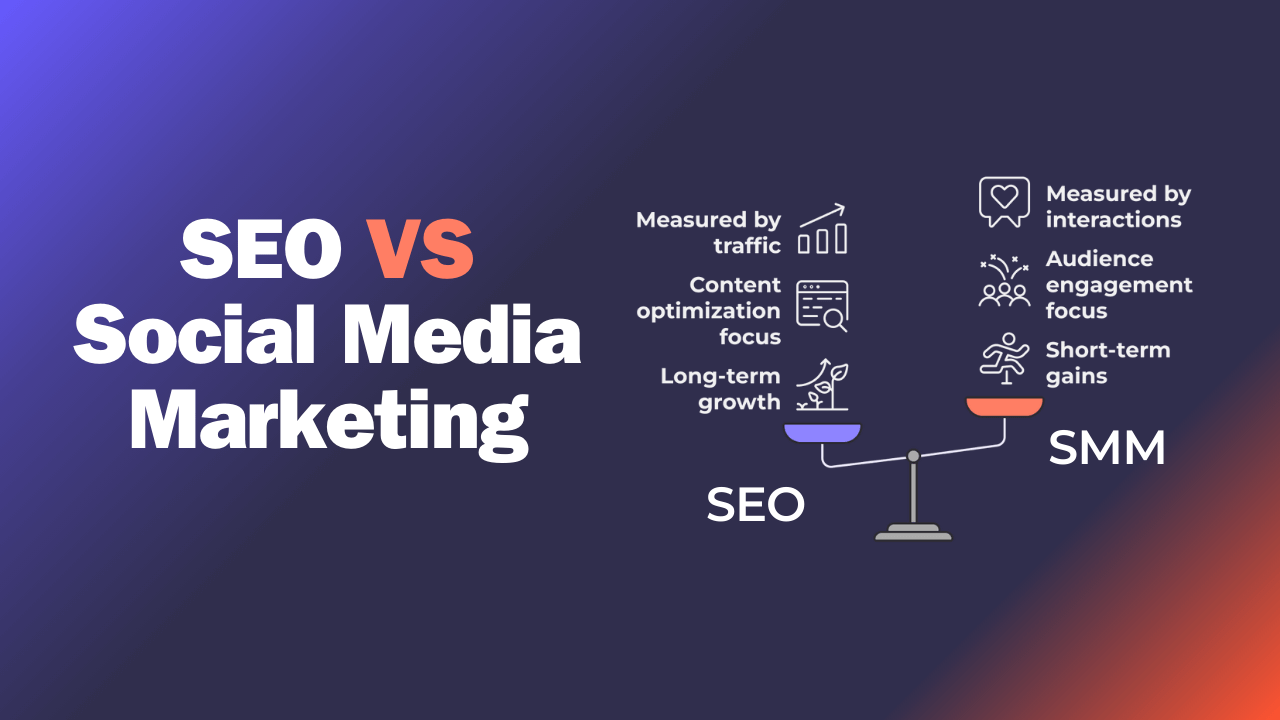
Social media focuses on connecting with audiences and sharing content on platforms such as Instagram, LinkedIn and Facebook, while SEO aims to improve a website’s visibility in unpaid search engine results. Social media can help build awareness, encourage engagement and bring visitors to your website; SEO helps people find relevant pages when they search for information, products or services. Although they use different channels and tactics, they can work together to strengthen your online presence.

Is SEO needed for social media?

SEO isn’t essential for posting on social media, but it can help people discover your profiles and content. Use clear, relevant wording in your profile details, captions and video titles, and include keywords naturally where they fit. Each platform has its own search and recommendation systems, so tailor your approach to the channel. Social media SEO is separate from website SEO, but both can support your wider online visibility.

How does SEO affect social media?

SEO can support your social media activity by helping you understand the words and topics your audience searches for, which can inform your posts, captions and profile descriptions. Optimised social profiles and useful, discoverable content may also appear in search engine results, helping more people find your brand. Social media engagement is not generally a direct ranking factor for traditional search results, but sharing content can increase its reach and create opportunities for website visits, brand mentions and links that may indirectly support SEO.

What does SEO mean social media?

When people ask “What does SEO mean on social media?”, they usually mean using search engine optimisation principles to make social profiles and posts easier to discover. This can include using relevant keywords in profile descriptions, captions, video titles and hashtags, as well as publishing useful content that matches what your audience is looking for. Social media SEO can help content appear in searches within a platform and, in some cases, in external search results. It is related to traditional SEO, but each social platform has its own search and recommendation systems.

How do I incorporate social media into SEO strategy?

Incorporate social media into your SEO strategy by using it to share helpful website content, reach relevant audiences and learn what questions your customers care about. Turn popular discussions and recurring questions into useful pages or articles, and tailor each social post to its platform with a clear link to the relevant content. Keep your brand details consistent across your website and social profiles, and track referral visits, engagement and conversions to see what is working. Social signals are not generally a direct search-ranking factor, but social activity can broaden your content’s reach and create opportunities for visits, mentions and links.

Can social media affect SEO?

Social media activity does not usually directly influence search rankings, but it can support SEO in several indirect ways. Sharing useful content can increase its reach, bring visitors to your website and encourage others to mention or link to it. Social platforms can also help you understand your audience’s interests and build brand awareness, which may lead people to search for your business by name. Treat social media as a way to strengthen your wider online presence, rather than as a shortcut to higher rankings.

How important is SEO for social media?

SEO is important for social media because it helps your profiles and content become easier to discover, both within social platforms and through search engines. Use relevant keywords naturally in profile descriptions, captions, titles and hashtags, and make sure your business information is accurate and consistent. Social media activity does not usually directly improve search rankings, but sharing useful content can increase its reach, attract website visitors and encourage links or brand mentions. Treat SEO and social media as complementary parts of your digital marketing strategy.

search engine optimization and social media

How Search Engine Optimization and Social Media Work Together

Search Engine Optimisation and Social Media: How They Work Together

Search engine optimisation (SEO) and social media are often treated as separate parts of digital marketing. In practice, they can support one another. SEO helps people find your website through search engines, while social media gives you ways to share useful content, build relationships and introduce your brand to new audiences.

Social media activity is not generally considered a direct Google ranking factor. However, it can contribute to outcomes that support SEO, such as greater awareness, more visits to your website and increased opportunities for people to discover and link to your content.

What SEO and social media each do

SEO involves improving your website so that it can be discovered, understood and used by people searching online. This includes creating helpful content, improving site structure and addressing technical issues that affect crawling, indexing or page experience.

Social media marketing focuses on publishing and sharing content on platforms such as LinkedIn, Instagram, Facebook and TikTok. It can help businesses engage with customers, answer questions and reach communities that may not yet know about their products or services.

Although their methods differ, both disciplines benefit from a clear understanding of your audience and the information they are looking for.

How social media can support SEO

It helps your content reach more people

Publishing a useful article on your website is only one step. Sharing it through relevant social channels can put it in front of a wider audience. More people may visit the page, discuss its ideas or share it with others. This can increase the likelihood of your content being discovered by publishers, bloggers or businesses that may choose to reference it.

Social shares themselves should not be treated as a guaranteed route to higher rankings. Their value lies in helping content travel further and creating opportunities for genuine attention and links.

It can strengthen brand awareness

Regular, useful activity on social media can help people become familiar with your brand. If they later search for your business by name, or recognise your website in search results, that familiarity may encourage them to visit. A consistent brand presence can also make your business easier to remember and recommend.

It provides insight into your audience

Comments, questions and conversations on social platforms can reveal what your audience cares about. These insights can inform keyword research and content planning. For example, repeated questions about delivery, pricing or product comparisons may point to topics worth addressing on your website.

Social media is not a replacement for proper keyword research, but it can be a useful source of real-world language and ideas.

It can help you identify content opportunities

When a post receives thoughtful discussion or strong engagement, consider whether the topic deserves a more detailed treatment on your website. You could develop it into a guide, a frequently asked questions page or a case study. The aim is to provide a lasting, searchable resource that answers the audience’s needs in greater depth.

How SEO can improve your social media strategy

SEO research can also make social media planning more effective. Search queries show the questions and problems people are actively exploring. By using these insights, you can create social posts that are more relevant and useful.

Your website content can also provide material for ongoing social activity. A single in-depth article might become several short posts, a video outline, an infographic or a series of tips. Adapt the content to suit each platform rather than simply copying and pasting the same message everywhere.

Practical ways to bring SEO and social media together

  • Start with audience needs: Identify the questions your customers ask and the problems they want to solve.
  • Create valuable website content: Publish accurate, original pages that offer a clear benefit to readers.
  • Share content thoughtfully: Choose platforms that suit your audience and adapt each post to the platform’s format.
  • Use clear titles and descriptions: Make it easy for people to understand what a shared link contains.
  • Encourage discussion: Respond to comments and use genuine feedback to shape future content.
  • Make sharing easy: Use descriptive page titles, suitable images and clear calls to action.
  • Measure the right outcomes: Track organic search performance separately from social referrals, engagement and conversions.

Measuring success

SEO and social media should each have clear objectives. For SEO, useful measures may include organic clicks, relevant keyword visibility, qualified enquiries and sales. For social media, consider reach, meaningful engagement, referral visits and conversions.

Analytics tools can help show whether social posts are sending visitors to your website and what those visitors do next. Use campaign tracking links where appropriate, and assess performance over time rather than judging a strategy by a single post or short-term change.

Common mistakes to avoid

  • Expecting social shares to directly improve rankings: Social activity can support visibility, but it does not guarantee better search positions.
  • Posting without a purpose: Every post should offer value, start a relevant conversation or guide people towards a useful resource.
  • Chasing vanity metrics: A large number of likes does not necessarily mean more relevant website visits or business results.
  • Ignoring the website experience: If a page is slow, confusing or difficult to use on mobile, social traffic may not convert.
  • Using the same approach on every platform: Different audiences and formats call for different types of content.

Conclusion

SEO and social media are most effective when they work towards shared business goals. Social platforms can help your content reach people, build brand familiarity and uncover audience questions. SEO can help turn those insights into useful website content that people can find through search.

Rather than treating social media as a shortcut to better rankings, use it as part of a broader strategy: create genuinely helpful content, share it with the right audiences and measure whether it contributes to meaningful results.


9 Advantages of SEO and Social Media: Enhancing Brand Visibility and Engagement

  1. Boosts brand visibility across search and social platforms.
  2. Helps content reach a wider audience.
  3. Drives relevant visitors to your website.
  4. Builds trust through consistent, useful content.
  5. Reveals audience interests and questions.
  6. Creates more opportunities for content sharing.
  7. Supports stronger brand recognition.
  8. Turns customer feedback into content ideas.
  9. Helps measure engagement and website visits.


Challenges of Balancing SEO and Social Media: Limited Impact on Rankings, Time Demands, and Conversion Issues

  1. Social media shares do not directly guarantee higher search rankings.
  2. Managing both channels can be time-consuming.
  3. Likes and followers may not translate into website traffic or sales.

Boosts brand visibility across search and social platforms.

A key benefit of combining search engine optimisation and social media is increased brand visibility across multiple platforms. SEO helps your website appear when people search for relevant products, services or information, while social media introduces your brand to audiences as they browse and share content. This wider presence makes it easier for potential customers to discover and recognise your business, helping to build familiarity and trust over time.

Helps content reach a wider audience.

SEO and social media can work together to help content reach a wider audience. Optimising a webpage makes it easier for people to find through search engines, while sharing it on relevant social platforms can introduce it to new communities. As more people discover and engage with useful content, they may share it further or link to it from their own websites, extending its reach and creating more opportunities for potential customers to find your brand.

Drives relevant visitors to your website.

SEO and social media can work together to drive relevant visitors to your website. SEO helps your pages appear when people search for products, services or information related to your business, while social media lets you share useful content with audiences who are likely to be interested. By targeting the right topics and platforms, you can attract visitors who are more likely to engage with your content and take action.

Builds trust through consistent, useful content.

Consistently sharing useful, accurate content across your website and social media helps build trust with your audience. SEO makes that content easier to find when people are searching for answers, while social media gives you a way to share it, respond to questions and stay connected. Over time, this reliable presence can show that your business understands its customers and is committed to helping them.

Reveals audience interests and questions.

Search engine optimisation and social media can reveal what your audience is interested in and the questions they want answered. Search data highlights the terms people use to find information, while comments, messages and discussions on social platforms offer insight into their concerns and opinions. By combining these signals, businesses can create more relevant content, address common questions and better match their products or services to what their audience needs.

Creates more opportunities for content sharing.

Combining search engine optimisation with social media creates more opportunities for useful content to reach the right people. SEO helps your content appear in relevant search results, while social platforms make it easy to share articles, guides and resources with wider audiences. As more people discover and discuss your content, it may attract further shares, visits and natural links from other websites, extending its reach and supporting your wider digital marketing efforts.

Supports stronger brand recognition.

SEO and social media can work together to build stronger brand recognition. A consistent presence in search results helps people discover your business when they are looking for relevant products, services or information, while social media gives you regular opportunities to share useful content and engage with your audience. Over time, seeing your brand across these channels can make it more familiar, memorable and trusted.

Turns customer feedback into content ideas.

Customer feedback on social media can be a valuable source of ideas for your website content. Questions, comments and recurring concerns reveal what your audience wants to know, helping you create useful blog posts, guides and FAQs that address real needs. By answering these questions clearly, you can improve the experience for potential customers and create content that is relevant to the search terms they use.

Helps measure engagement and website visits.

SEO and social media analytics help you understand how people engage with your content and whether that engagement leads to visits to your website. By tracking measures such as clicks, comments, shares, organic traffic and conversions, you can see which topics and channels are attracting the most interest. These insights make it easier to refine your content and focus your efforts on what works.

Social media shares do not directly guarantee higher search rankings.

Social media shares can help your content reach a wider audience, but they do not directly guarantee higher search rankings. Search engines use many factors to assess and rank pages, and a post receiving likes or shares is not, by itself, proof that the page deserves a higher position. Treat social media as a way to build awareness, attract visitors and create opportunities for people to discover and link to your content—not as a shortcut to improved rankings.

Managing both channels can be time-consuming.

Managing SEO and social media together can be time-consuming, as both require regular planning, content creation, monitoring and analysis. SEO often involves ongoing technical improvements and tracking search performance, while social media calls for consistent posting and responding to comments and messages. Without a clear schedule and shared content plan, the workload can quickly grow and make it harder to maintain quality across both channels.

Likes and followers may not translate into website traffic or sales.

A large number of likes and followers can look impressive, but they do not necessarily lead to more website visits or sales. Social media users may engage with a post without clicking through, and those who do visit may not be ready to make a purchase. For this reason, businesses should look beyond follower counts and likes, and track meaningful outcomes such as referral traffic, enquiries and conversions.

seo content machine

Unleashing the Potential of SEO Content Machine in Digital Marketing Strategies

The Power of SEO Content Machine in Digital Marketing

The Power of SEO Content Machine in Digital Marketing

In the fast-paced world of digital marketing, creating high-quality and relevant content is essential for attracting and retaining customers. This is where SEO Content Machine comes into play, revolutionising the way businesses approach content creation for search engine optimisation (SEO).

SEO Content Machine is a powerful tool that streamlines the process of generating SEO-friendly content. By leveraging advanced algorithms and keyword research capabilities, this tool helps marketers produce content that not only ranks well on search engines but also resonates with their target audience.

Key Features of SEO Content Machine:

  • Keyword Research: SEO Content Machine provides valuable insights into trending keywords and phrases, enabling marketers to create content that aligns with popular search queries.
  • Content Generation: With its built-in content generation tools, this platform simplifies the task of creating engaging and informative articles, blog posts, and website copy.
  • SEO Analysis: SEO Content Machine analyses the performance of your content in real-time, allowing you to make data-driven decisions to improve your search engine rankings.
  • Content Distribution: This tool facilitates the distribution of your content across various online platforms, increasing its visibility and reach among your target audience.

The Benefits of Using SEO Content Machine:

By incorporating SEO Content Machine into their digital marketing strategy, businesses can enjoy a range of benefits, including:

  • Improved Search Engine Rankings: By producing high-quality and optimised content consistently, businesses can enhance their visibility on search engine results pages (SERPs).
  • Enhanced User Engagement: Relevant and valuable content generated through SEO Content Machine can attract more visitors to your website and keep them engaged longer.
  • In-depth Analytics: The analytics tools provided by SEO Content Machine offer valuable insights into the performance of your content, helping you refine your strategy for better results.
  • Saves Time and Effort: Automating the process of content creation with SEO Content Machine frees up time for marketers to focus on other aspects of their digital marketing campaigns.

In conclusion, SEO Content Machine is a game-changer for businesses looking to enhance their online presence through effective content marketing. By harnessing the power of this innovative tool, marketers can drive organic traffic to their websites, engage with their target audience effectively, and ultimately achieve their digital marketing goals with ease.


19 Frequently Asked Questions About SEO Content Machine and Writing for SEO

  1. What are SEO writing skills?
  2. What is the best content to write for SEO?
  3. What type of content is best for SEO?
  4. How do you use SEO in content writing?
  5. What are different types of content in SEO?
  6. What is content machine?
  7. How do I become a SEO writer?
  8. How to write for SEO 2023?
  9. What is SEO writing skill?
  10. What is SEO generator?
  11. What is SEO in content?
  12. What is kontent machine?
  13. Is SEO content machine free?
  14. Which is better SEO Content Machine or article forge?
  15. What is the best content generator?
  16. How do you write SEO content?
  17. What is Article Forge?
  18. How do I create content in SEO?
  19. How do I create SEO content?

What are SEO writing skills?

SEO writing skills refer to the ability to create content that is not only engaging and informative but also optimised for search engines. In the context of SEO Content Machine, having strong SEO writing skills involves understanding how to incorporate relevant keywords naturally within the content, structuring the text for readability and user experience, and adhering to best practices for on-page SEO. By honing these skills, writers can craft compelling content that not only attracts and retains readers but also improves a website’s visibility and ranking on search engine results pages.

What is the best content to write for SEO?

When considering the best content to write for SEO, it is essential to focus on producing high-quality, relevant, and engaging content that addresses the needs and interests of your target audience. Content that is well-researched, informative, and valuable not only helps improve your search engine rankings but also enhances user experience and encourages organic traffic to your website. Incorporating relevant keywords naturally into your content, creating compelling meta descriptions and title tags, and structuring your content for readability are key elements in creating SEO-friendly content that resonates with both search engines and users. Ultimately, the best content for SEO is one that provides genuine value to your audience while aligning with your overall digital marketing strategy.

What type of content is best for SEO?

When considering the type of content that is best for SEO, it is essential to focus on creating high-quality, relevant, and engaging content that meets the needs of your target audience. Content that is informative, well-researched, and includes relevant keywords can significantly impact your search engine rankings. Utilising a mix of formats such as blog posts, articles, infographics, videos, and interactive content can cater to different preferences and enhance user engagement. Ultimately, the best content for SEO is one that provides value to users, aligns with search intent, and encourages organic traffic growth to your website.

How do you use SEO in content writing?

In utilising SEO in content writing, it is crucial to start by conducting thorough keyword research to identify relevant terms and phrases that align with the target audience’s search intent. Incorporating these keywords strategically throughout the content, including in titles, headings, meta descriptions, and body text, helps search engines understand the context of the content and improves its visibility in search results. Additionally, structuring the content with proper formatting, using descriptive alt text for images, and creating high-quality meta tags all contribute to enhancing SEO performance. By focusing on creating valuable, engaging content that is optimised for both search engines and human readers, businesses can effectively leverage SEO in their content writing efforts to drive organic traffic and engage their audience.

What are different types of content in SEO?

In the realm of SEO, various types of content play crucial roles in enhancing a website’s visibility and engagement. Some common content types include informative blog posts, engaging articles, compelling product descriptions, captivating videos, interactive infographics, and user-friendly landing pages. Each type serves a specific purpose in attracting and retaining visitors while also optimising for search engines. By diversifying content strategies and utilising a mix of these types effectively, businesses can cater to different audience preferences and improve their overall SEO performance.

What is content machine?

“Content Machine refers to a powerful tool used in digital marketing, particularly in the realm of search engine optimisation (SEO). It is designed to streamline the process of generating high-quality and SEO-friendly content for websites, blogs, and other online platforms. Content Machine utilises advanced algorithms and keyword research capabilities to help marketers create engaging and relevant content that resonates with their target audience. By automating the content creation process, Content Machine enables businesses to produce valuable content consistently, ultimately enhancing their online visibility and search engine rankings.”

How do I become a SEO writer?

To become an SEO writer, one must first understand the fundamentals of search engine optimisation and how it impacts content creation. It is essential to conduct thorough keyword research to identify relevant terms and phrases that resonate with the target audience. Developing a strong understanding of on-page SEO techniques, such as optimising meta tags, headers, and URLs, is crucial for producing content that ranks well on search engine results pages. Additionally, staying updated on SEO trends and algorithm changes is key to continuously improving as an SEO writer and delivering content that drives organic traffic to websites effectively.

How to write for SEO 2023?

In response to the frequently asked question about writing for SEO in 2023, it is crucial to stay ahead of the curve by adapting to the evolving landscape of search engine optimisation. To write effectively for SEO in 2023, it is essential to focus on creating high-quality, relevant, and engaging content that aligns with user intent and incorporates targeted keywords naturally. Keeping up with the latest trends in SEO, such as user experience optimisation, voice search integration, and mobile responsiveness, will be key in crafting content that resonates with both search engines and users in the upcoming year. By staying informed about algorithm updates and best practices, businesses can position themselves for success in the ever-changing digital marketing realm of 2023.

What is SEO writing skill?

SEO writing skill is the art of crafting content that is not only engaging and informative but also optimised for search engines. It involves incorporating relevant keywords and phrases strategically throughout the content to improve its visibility on search engine results pages (SERPs). A strong SEO writing skillset includes an understanding of keyword research, content structure, meta tags, and other SEO best practices. By mastering SEO writing, content creators can attract more organic traffic to their websites, enhance user experience, and ultimately boost their online presence in a competitive digital landscape.

What is SEO generator?

An SEO generator, such as SEO Content Machine, is a tool designed to assist marketers in creating search engine optimised content efficiently. This powerful software utilises algorithms and keyword research capabilities to help generate content that is not only relevant and engaging but also tailored to rank well on search engines. By automating the content creation process and providing valuable insights into trending keywords, an SEO generator streamlines the task of producing high-quality content that resonates with target audiences and improves online visibility.

What is SEO in content?

Understanding what SEO (Search Engine Optimisation) in content entails is crucial for digital marketers and website owners looking to enhance their online visibility. SEO in content refers to the strategic practice of optimising written material on a website to improve its search engine rankings. This involves incorporating relevant keywords, structuring content for readability and user engagement, and adhering to SEO best practices such as meta tags, headers, and internal linking. By implementing SEO techniques in their content creation process, businesses can attract more organic traffic, increase their online presence, and ultimately drive conversions.

What is kontent machine?

Kontent Machine is a popular content generation tool that simplifies the process of creating SEO-friendly content for digital marketing purposes. This innovative software enables users to generate high-quality articles, blog posts, and website copy quickly and efficiently. By leveraging advanced algorithms and keyword research capabilities, Kontent Machine helps marketers produce content that not only ranks well on search engines but also resonates with their target audience. With its user-friendly interface and powerful features, Kontent Machine is a valuable asset for businesses looking to enhance their online presence through engaging and optimised content.

Is SEO content machine free?

When it comes to the frequently asked question, “Is SEO Content Machine free?” the answer is no. SEO Content Machine is not a free tool. It is a premium software that offers advanced features and functionalities to streamline content creation and optimisation for SEO purposes. While there may be free alternatives available in the market, investing in a paid tool like SEO Content Machine can provide businesses with access to more robust tools, better support, and enhanced capabilities to improve their digital marketing efforts effectively.

Which is better SEO Content Machine or article forge?

When comparing SEO Content Machine and Article Forge, it’s important to consider the specific needs and goals of your content marketing strategy. SEO Content Machine offers advanced keyword research capabilities, content generation tools, and SEO analysis features to help businesses create optimised and engaging content. On the other hand, Article Forge is known for its AI-powered content creation capabilities that can quickly generate articles on a wide range of topics. Ultimately, the choice between SEO Content Machine and Article Forge depends on factors such as the level of customisation required, the type of content needed, and the overall objectives of your digital marketing campaigns.

What is the best content generator?

When it comes to finding the best content generator, SEO Content Machine stands out as a top choice for businesses and marketers. With its advanced features such as keyword research tools, content creation capabilities, and SEO analysis functionalities, SEO Content Machine offers a comprehensive solution for generating high-quality and SEO-friendly content. Its user-friendly interface and ability to streamline the content creation process make it a preferred tool for those looking to enhance their digital marketing efforts. Whether you’re seeking to improve search engine rankings, engage your audience with valuable content, or save time on content creation tasks, SEO Content Machine proves to be a reliable and effective choice in the realm of content generation tools.

How do you write SEO content?

When it comes to writing SEO content, it’s essential to start by conducting thorough keyword research to identify relevant and high-performing keywords for your content. Incorporate these keywords strategically throughout your content, including in the title, headings, meta descriptions, and body text. Focus on creating high-quality, engaging, and informative content that provides value to your audience. Structure your content with clear headings and subheadings to improve readability and make it easier for search engines to crawl and index. Additionally, ensure that your content is well-organised, logically structured, and optimised for both users and search engines to enhance its visibility and ranking potential.

What is Article Forge?

Article Forge is a popular content creation tool that utilises advanced artificial intelligence to generate high-quality articles automatically. With Article Forge, users can quickly produce unique and engaging content on a wide range of topics without the need for manual input. This innovative platform streamlines the article writing process, making it an invaluable resource for businesses and individuals looking to enhance their online presence through SEO-friendly content.

How do I create content in SEO?

Creating content in SEO involves a strategic approach to ensure that your content is not only engaging and informative but also optimised for search engines. With tools like SEO Content Machine, you can streamline the content creation process by conducting thorough keyword research to identify relevant keywords and phrases that your target audience is searching for. Once you have identified your target keywords, you can use SEO Content Machine to generate high-quality content that incorporates these keywords naturally throughout the text. Additionally, focusing on creating valuable and original content that addresses the needs and interests of your audience is key to successful SEO content creation. By following best practices in content structuring, incorporating relevant multimedia elements, and regularly updating and refreshing your content, you can enhance your website’s visibility and rankings on search engine results pages.

How do I create SEO content?

Creating SEO content involves a strategic approach to crafting online material that is both engaging for the audience and optimised for search engines. To create SEO content effectively, start by conducting thorough keyword research to identify relevant terms and phrases that your target audience is searching for. Incorporate these keywords naturally into your content, including in titles, headings, meta descriptions, and throughout the body of the text. Focus on producing high-quality, informative content that addresses the needs and interests of your audience while also providing value. Additionally, pay attention to on-page SEO elements such as internal linking, image optimisation, and proper formatting. Regularly update and refresh your content to ensure its relevance and maintain a consistent publishing schedule to improve your website’s visibility and authority in search engine rankings.