Social Media and Marketing: A Practical Guide to Building Your Brand Online
Social Media and Marketing: Building Meaningful Connections Online
Social media has become an important part of modern marketing. It gives businesses a way to reach potential customers, share useful information and build relationships with their audiences. But success is about more than simply posting regularly. Effective social media marketing starts with clear goals, an understanding of the people a business wants to reach, and content that gives them a reason to engage.
What is social media marketing?
Social media marketing is the use of platforms such as Instagram, LinkedIn, Facebook, TikTok and YouTube to promote a business, product, service or idea. It can include organic activity, such as publishing posts and responding to comments, as well as paid advertising designed to reach specific audiences.
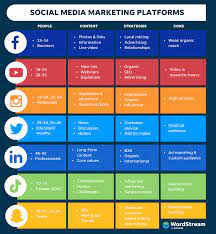
Each platform has its own style and audience. LinkedIn is often used for professional insights and business-to-business communication, while Instagram and TikTok are strongly visual. YouTube works well for longer video content, and Facebook can support community-building and local promotion. The right channels depend on a business’s goals and where its audience spends time.
Start with a clear strategy
A social media strategy helps ensure that activity supports wider business objectives. Before creating content, consider what the business wants to achieve. Goals might include improving brand awareness, attracting visitors to a website, generating enquiries, supporting customers or increasing sales.
It is also important to understand the target audience. Consider their interests, needs, challenges and preferred ways of consuming content. This helps shape messages that are relevant rather than generic. A clear tone of voice and consistent visual identity can make a brand easier to recognise across different channels.
Create content people value
Good social media content is useful, engaging or entertaining. It might answer a common question, explain how a product works, share a customer story or offer a behind-the-scenes look at a business. A balanced content plan can combine educational posts, brand updates, conversation starters and promotional messages.
Visual content, including images and video, can help communicate ideas quickly. However, quality and relevance matter more than posting for the sake of appearing active. Content should be accessible, clearly written and suited to the platform. Captions, subtitles and descriptive alternative text can also help make posts easier for more people to use.
Build relationships, not just reach
Social media is a two-way channel. Responding to comments and messages shows that a business is listening and can help build trust over time. Thoughtful replies, prompt customer support and genuine participation in relevant conversations are often more valuable than chasing a large follower count.
Businesses should also be prepared to handle criticism in a calm and professional manner. A clear process for responding to complaints can help teams address concerns consistently and move sensitive conversations to a more suitable channel when needed.
Using paid social media
Paid social advertising can help businesses reach people beyond their existing followers. Many platforms offer targeting options based on factors such as location, interests and previous interactions. Campaigns can be used to promote a new product, encourage sign-ups or bring visitors to a website.
Start with a defined objective and a realistic budget. Test different versions of adverts, audiences and messages, then use the results to refine the campaign. Advertising should support a useful offer and a clear next step; simply paying to promote a post does not guarantee meaningful results.
Measure what matters
Regular measurement helps businesses understand whether their social media activity is working. Useful metrics may include reach, engagement, video views, website visits, enquiries and conversions. The most relevant measures depend on the original goal.
Follower numbers can provide context, but they do not tell the whole story. A smaller, engaged audience may be more valuable than a larger audience that rarely interacts. Reviewing performance over time can reveal which topics, formats and publishing times are most effective.
Be responsible and consistent
Social media marketing also involves responsibilities. Businesses should respect privacy, follow advertising rules and make paid partnerships clear. They should take care when using images, music and other people’s content, and ensure that claims about products or services are accurate.
Consistency matters, but it does not mean publishing every day on every platform. A manageable schedule, supported by a content calendar, can help teams maintain quality without stretching their resources. It is better to focus on a few suitable channels than to spread activity too thinly.
Conclusion
Social media can help businesses become more visible, share their expertise and develop lasting relationships with customers. The strongest approach combines clear objectives, relevant content, active engagement and careful measurement. By focusing on the needs of their audience and learning from results, businesses can make social media a practical and valuable part of their wider marketing strategy.
Social Media Marketing: Five Frequently Asked Questions
- What is social media marketing?
- Which social media platforms are best for my business?
- How often should a business post on social media?
- How can social media marketing help increase sales?
- How do I measure the success of social media marketing?
What is social media marketing?
Social media marketing is the use of platforms such as Instagram, Facebook, LinkedIn, TikTok and YouTube to promote a business, product or service. It can involve sharing organic content, engaging with followers, responding to customer enquiries and running paid advertising campaigns. The aim is to reach the right audience, build brand awareness and encourage meaningful actions, such as visiting a website, making an enquiry or completing a purchase.
Which social media platforms are best for my business?
The best social media platforms for your business depend on your audience, objectives and the type of content you can create consistently. LinkedIn is often effective for business-to-business marketing and professional expertise, while Instagram and TikTok suit visual storytelling and short-form video. Facebook can be useful for local communities and targeted advertising, and YouTube is a strong choice for tutorials, demonstrations and longer videos. Rather than trying to be active everywhere, focus on the platforms your potential customers use and measure which ones deliver meaningful engagement, enquiries or sales.
How often should a business post on social media?
There’s no single ideal posting frequency for every business; it depends on your audience, platform and capacity to create quality content. Aim for a consistent schedule you can maintain, rather than posting frequently for its own sake. Start with a manageable cadence, review engagement and other relevant results, and adjust based on what works. Regular, useful posts are generally more effective than a high volume of content that feels repetitive or rushed.
How can social media marketing help increase sales?
Social media marketing can increase sales by helping businesses reach the right audiences, showcase products or services, and build trust through useful content, reviews and conversations. Targeted adverts can introduce an offer to potential customers, while clear calls to action make it easy to visit a website, enquire or buy. By tracking engagement, website visits and conversions, businesses can see what works and refine their campaigns to encourage more sales over time.
How do I measure the success of social media marketing?
Measure the success of social media marketing against the goals set for each campaign. Track relevant metrics such as reach and impressions for brand awareness, engagement (likes, comments, shares and saves) for audience interaction, and website visits, enquiries or sales for conversions. Use each platform’s analytics alongside tools such as website analytics to see what happens after someone clicks through. Review results over time, compare them with your targets and refine your approach; follower numbers alone rarely show the full picture.