pay per click

Pay Per Click Advertising: A Practical Guide for Businesses

Pay-per-click advertising: a practical guide for businesses

Pay-per-click (PPC) advertising is a form of online marketing in which an advertiser pays when someone clicks on an advert. Rather than waiting for people to discover a website through unpaid search results, a business can use PPC to place its message in front of selected audiences across search engines, social media platforms and other websites.

PPC can help businesses attract visitors, generate enquiries and increase sales. However, successful campaigns need more than a budget and a set of adverts. They rely on thoughtful planning, relevant messaging and regular optimisation.

How does PPC work?

With search advertising, businesses typically choose keywords related to their products or services. When someone searches for one of those terms, an auction determines which adverts may appear and in what position. The advertiser’s bid is one factor, but platforms may also consider the advert’s relevance, expected performance and the quality of the landing page.

Despite the name, PPC does not always mean that every click costs the same amount. Costs vary according to factors such as competition, audience, platform and campaign settings. Advertisers usually set a budget and can adjust bids, targeting and spending as they learn what works.

Common types of PPC advertising

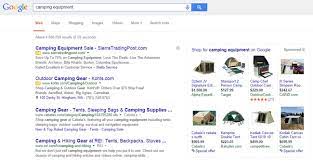
  • Search adverts: Text adverts shown on search engine results pages when people look for relevant terms.
  • Display adverts: Image or animated adverts shown on websites and apps across an advertising network.
  • Shopping adverts: Product-focused listings that can include an image, price and retailer details.
  • Social media adverts: Paid posts and campaigns on platforms such as LinkedIn, Instagram, Facebook and TikTok.
  • Video adverts: Short promotional videos shown before, during or alongside online video content.
  • Remarketing adverts: Campaigns aimed at people who have previously visited a website or interacted with a business.

Why businesses use PPC

One of PPC’s main advantages is speed. A well-prepared campaign can begin reaching potential customers soon after it is launched. It also offers control: businesses can choose audiences, locations, devices, schedules and daily budgets, depending on the platform.

PPC can also be measured in detail. Advertisers can track impressions, clicks, enquiries, purchases and other actions, then use that information to refine their campaigns. This makes it possible to compare different messages, keywords and landing pages rather than relying on guesswork.

For many organisations, PPC works alongside search engine optimisation (SEO). SEO can support long-term visibility in unpaid search results, while paid campaigns can provide more immediate exposure or help test demand for a product or service.

Building an effective PPC campaign

Set a clear objective

Decide what the campaign is intended to achieve. The goal might be online sales, phone calls, bookings, downloads or qualified enquiries. A clear objective makes it easier to choose the right campaign type and assess its results.

Understand the audience

Consider who is most likely to need the product or service, what they are searching for and what might influence their decision. Audience and location settings should reflect the business’s real customers rather than being chosen too broadly.

Choose relevant keywords and targeting

For search campaigns, select terms that match the offer and the intent behind a search. A person searching for a specific service may be closer to making a decision than someone looking for general information. Negative keywords can help exclude irrelevant searches and reduce wasted spend.

Write useful adverts

Good adverts are clear, specific and closely related to the search or audience. They should explain what is being offered and include a relevant next step, such as requesting a quote or viewing a product. Avoid claims that cannot be supported.

Create a relevant landing page

The page visitors reach after clicking should deliver what the advert promises. It should load reliably, work well on mobile devices and make the next action easy to understand. A mismatch between the advert and landing page can lead to poor results, even when the advert attracts clicks.

Measure and improve

Review campaign performance regularly and look beyond the number of clicks. Test variations in adverts and landing pages, pause weak elements and invest more in the parts of the campaign that contribute to the chosen objective.

Key PPC metrics

  • Impressions: How many times an advert was shown.
  • Click-through rate (CTR): The proportion of impressions that resulted in a click.
  • Cost per click (CPC): The average amount paid for each click.
  • Conversion rate: The proportion of visitors who completed a desired action.
  • Cost per acquisition (CPA): The average cost of gaining a customer or other defined conversion.
  • Return on ad spend (ROAS): The revenue attributed to advertising compared with the amount spent.

Metrics should be interpreted in context. A high CTR, for example, is not necessarily valuable if the clicks do not lead to meaningful actions. The right measures depend on the campaign’s objective and the business’s margins, sales process and customer value.

Common PPC mistakes to avoid

Frequent problems include targeting overly broad keywords, sending all visitors to the same generic page, overlooking mobile users and failing to configure conversion tracking. It is also easy to judge a campaign too quickly or to make frequent changes without enough data to understand their impact.

Budget is another consideration. A campaign can spend quickly if settings are not monitored, while an overly restrictive budget may limit the data available for improvement. Businesses should set spending limits they can afford and check performance against realistic commercial goals.

Is PPC right for your business?

PPC may be suitable if people are actively searching for what you offer, if you can target a defined audience, or if you want to promote a time-sensitive offer. It is not a guaranteed route to profit: results depend on competition, the quality of the campaign, the customer experience and the value of each conversion.

Start with a clear objective, a manageable budget and reliable tracking. Treat the first results as information to learn from, then refine the campaign over time. With careful planning and ongoing attention, PPC can become a valuable part of a broader digital marketing strategy.


Pay-Per-Click (PPC) Advertising: 30 Frequently Asked Questions

  1. What is CPM, CPC, CPA, and CTR?
  2. What is pay-per-click?
  3. Does pay-per-click work?
  4. What is an example of a PPC?
  5. What is cost per click vs pay-per-click?
  6. How do I become a pay-per-click?
  7. What is a good pay-per-click rate?
  8. How can I earn from pay-per-click?
  9. What is better SEO or PPC?
  10. Is pay-per-click worth it?
  11. Are Google Ads pay-per-click?
  12. What are examples of PPC?
  13. What is better PPC or SEO?
  14. How much does pay-per-click make?
  15. What does pay-per-click do?
  16. What is an example of pay-per-click?
  17. How much do pay-per-click ads pay?
  18. How much does pay-per-click pay?
  19. How much can I earn from pay-per-click?
  20. What is PPC vs SEO?
  21. How do you do pay-per-click?
  22. How to do a pay-per-click?
  23. What is the pay-per-click?
  24. What is SEO vs PPC?
  25. Is Google Ads pay-per-click?
  26. How do you get paid per click?
  27. Is PPC better than SEO?
  28. Why do companies use pay-per-click?
  29. Why is it called pay-per-click?
  30. What is pay per click advertising examples?

What is CPM, CPC, CPA, and CTR?

CPM, CPC, CPA and CTR are common metrics used to measure pay-per-click and other digital advertising campaigns. CPM means cost per mille (cost per 1,000 impressions), showing how much you pay for your advert to be displayed 1,000 times. CPC, or cost per click, is the average amount paid each time someone clicks your advert. CPA, or cost per acquisition, measures the average cost of gaining a customer or another desired action, such as a booking or enquiry. CTR, or click-through rate, is the percentage of people who see your advert and click it. Together, these figures help you understand your campaign’s visibility, engagement and cost-effectiveness.

What is pay-per-click?

Pay-per-click (PPC) is a type of online advertising where a business pays a fee when someone clicks on its advert. PPC adverts can appear in search engine results, on social media and across websites. They allow businesses to reach selected audiences and attract visitors, with costs usually influenced by factors such as competition, targeting and the advert’s relevance.

Does pay-per-click work?

Yes, pay-per-click can work well when campaigns are carefully planned and managed. It can help a business reach people who are actively searching for its products or services, but results depend on factors such as targeting, competition, budget, advert quality and the page visitors land on. Tracking enquiries or sales—not just clicks—is essential to understand whether a campaign is delivering worthwhile returns.

What is an example of a PPC?

An example of pay-per-click (PPC) advertising is a sponsored search result on Google. For instance, a London plumber could bid on the keyword “emergency plumber near me”. When someone searches for that phrase, the business’s advert may appear above the organic results, and the advertiser pays when a user clicks it.

What is cost per click vs pay-per-click?

Cost per click (CPC) is the amount an advertiser pays for each click on an advert, while pay-per-click (PPC) is the advertising model in which that charge is made when someone clicks. In other words, PPC describes how the campaign is billed; CPC describes the price of an individual click, often reported as an average across a campaign.

How do I become a pay-per-click?

You don’t become a “pay-per-click” itself; you can become a pay-per-click (PPC) specialist, managing paid advertising campaigns for businesses. Start by learning the basics of platforms such as Google Ads and Microsoft Advertising, including keyword research, bidding, ad copy and campaign measurement. You can build practical experience through free training, personal projects, internships or entry-level digital marketing roles. Familiarity with analytics, spreadsheets and clear communication is also useful. As you gain experience, create a portfolio that shows how your campaigns performed and the results they achieved.

What is a good pay-per-click rate?

There’s no single “good” pay-per-click (PPC) rate, as costs vary by industry, keyword, location, competition and advertising platform. A more expensive click may still be worthwhile if it brings in valuable customers, while a cheap click may not help if it fails to lead to an enquiry or sale. Instead of judging performance by cost per click alone, compare it with your conversion rate, cost per lead or sale, and the revenue or value generated. Set a budget you can afford, track conversions accurately and use your results to decide what a sustainable rate is for your business.

How can I earn from pay-per-click?

You can earn from pay-per-click (PPC) by displaying adverts on a website, blog or app and receiving a payment when a visitor clicks one. To make this work, publish useful content that attracts a relevant audience, choose an advertising network whose terms suit your site, and place adverts where they are visible without disrupting the experience. Earnings depend on factors such as visitor numbers, audience location, topic and advertiser demand, so they are not guaranteed. If you mean earning through PPC as an advertiser, clicks cost money; income comes only if those visits lead to profitable sales or enquiries.

What is better SEO or PPC?

Neither SEO nor PPC is always better; the right choice depends on your goals, budget and timescale. PPC can bring targeted traffic quickly and offers precise control over spending, while SEO typically takes longer to build but can deliver sustainable visibility from organic search. If you need immediate leads or want to test an offer, PPC may be a good starting point; if you’re investing in long-term growth, SEO is often valuable. Many businesses use both, combining PPC’s short-term reach with SEO’s lasting benefits.

Is pay-per-click worth it?

Pay-per-click can be worth it if your campaign reaches the right audience and generates enough valuable leads or sales to justify the cost. It offers quick visibility and measurable results, but success depends on factors such as competition, budget, advert quality and the page visitors land on. Set clear goals, track conversions and review performance regularly; if the revenue or value generated exceeds your advertising and management costs, PPC may be a worthwhile investment.

Are Google Ads pay-per-click?

Yes. Google Ads commonly uses a pay-per-click model, particularly for search adverts, so you’re charged when someone clicks on your advert rather than simply seeing it. However, Google Ads also offers other bidding options, such as paying for impressions or conversions, depending on the campaign type and settings. You can set a budget and monitor performance to help manage your advertising costs.

What are examples of PPC?

Examples of pay-per-click (PPC) advertising include sponsored listings on Google or Bing search results, product adverts on Google Shopping, promoted posts on social media platforms such as Facebook, Instagram and LinkedIn, video adverts on YouTube, and display banners across websites and apps. In each case, businesses generally pay when someone clicks the advert, although some platforms also offer other charging models.

What is better PPC or SEO?

Neither PPC nor SEO is universally better; the right choice depends on your goals, budget and timescale. PPC can deliver immediate visibility and targeted traffic, but you pay for visits and results may stop when the campaign ends. SEO generally takes longer to build, but can support sustained visibility in unpaid search results over time. For many businesses, combining both works well: PPC can generate short-term traffic and help test keywords, while SEO builds long-term organic growth.

How much does pay-per-click make?

There’s no fixed amount that pay-per-click (PPC) advertising makes. Results depend on factors such as your industry, budget, competition, advert and landing-page quality, and how effectively clicks turn into customers. Measure performance by looking beyond clicks at conversions, revenue and profit; a campaign can attract plenty of visitors but still lose money if the cost of acquiring customers is too high.

What does pay-per-click do?

Pay-per-click (PPC) advertising helps businesses reach potential customers online by displaying adverts in places such as search results, social media feeds and websites. The advertiser usually pays when someone clicks an advert, directing them to a website or landing page. PPC can increase visibility, attract relevant visitors and encourage actions such as making a purchase, booking a service or submitting an enquiry.

What is an example of pay-per-click?

An example of pay-per-click (PPC) is a sponsored search advert for a local plumber. When someone searches Google for “emergency plumber in London”, the business’s advert may appear above the organic results. The plumber pays the advertising platform only when a user clicks the advert—not simply because it was displayed. The click then takes the user to the plumber’s website, where they can request a call-out or find out more about the service.

How much do pay-per-click ads pay?

Pay-per-click ads don’t pay the advertiser; the advertiser pays each time someone clicks an ad. There is no fixed rate: the cost per click depends on factors such as the platform, competition for the keyword or audience, targeting and ad quality. You can usually set a daily or campaign budget, while the actual cost of each click may vary. If you mean how much a website owner earns by displaying ads, that also varies according to traffic, audience and advertiser demand.

How much does pay-per-click pay?

Pay-per-click doesn’t pay a fixed amount: advertisers pay each time someone clicks their advert, and the cost can range from a few pence to several pounds or more, depending on the platform, industry, competition, targeting and quality of the advert and landing page. Businesses set a budget to control their spend, while the value of a campaign depends on whether those clicks lead to worthwhile actions, such as sales or enquiries. If you mean how much a website owner earns by displaying PPC adverts, earnings vary according to traffic, audience and advert rates.

How much can I earn from pay-per-click?

There’s no fixed amount you can earn from pay-per-click (PPC). If you mean earning revenue by displaying adverts on your website, income depends on factors such as visitor numbers, audience location, topic, advert placement and the rates advertisers pay; clicks alone don’t guarantee substantial earnings. If you’re using PPC to promote your business, it’s an advertising cost rather than income, and the return depends on how many clicks lead to valuable actions, such as sales or enquiries.

What is PPC vs SEO?

PPC (pay-per-click) is paid advertising: you bid to show adverts in search results or on other platforms, and typically pay when someone clicks. SEO (search engine optimisation) focuses on improving your website’s visibility in unpaid search results through relevant content, technical improvements and building authority. PPC can bring visibility quickly while a campaign is running, whereas SEO usually takes longer but may build lasting organic traffic. The two approaches can complement each other, helping businesses reach potential customers through both paid and unpaid listings.

How do you do pay-per-click?

To get started with pay-per-click (PPC), choose an advertising platform, define a clear goal and set a budget you can afford. Identify the keywords or audiences you want to reach, then create relevant adverts that lead to a useful landing page. Set up conversion tracking so you can measure actions such as enquiries or purchases, and monitor results regularly. Use the data to refine your targeting, adverts and spending, focusing on meaningful outcomes rather than clicks alone.

How to do a pay-per-click?

To run a pay-per-click (PPC) campaign, choose an advertising platform, such as Google Ads or a social media network, and set a clear goal, such as generating sales or enquiries. Define your audience, location and budget, then select relevant keywords or targeting options and write a clear advert with a compelling call to action. Send visitors to a relevant landing page and set up conversion tracking so you can measure meaningful results. Once the campaign is live, review its performance regularly, refine your targeting and adverts, and adjust your budget based on what is delivering value.

What is the pay-per-click?

Pay-per-click (PPC) is a form of online advertising where an advertiser pays a fee each time someone clicks on their advert. PPC adverts can appear on search engines, social media platforms and websites, helping businesses reach potential customers. The cost and results depend on factors such as competition, targeting and how relevant the advert and landing page are.

What is SEO vs PPC?

SEO (search engine optimisation) aims to improve a website’s visibility in unpaid search results through activities such as creating useful content, improving site performance and earning relevant links. PPC (pay-per-click) is paid advertising, where a business is charged when someone clicks on an advert. SEO can build visibility over time, while PPC can provide quicker exposure and more control over targeting and budget. The two approaches can work well together: PPC may help attract visitors and test keywords, while SEO supports longer-term organic growth.

Is Google Ads pay-per-click?

Yes, Google Ads is commonly used as a pay-per-click (PPC) platform, particularly for search adverts, where you generally pay when someone clicks. However, not every Google Ads campaign is charged per click: depending on the campaign type and bidding strategy, you may instead pay for impressions, video views or conversions. The charging model depends on the campaign settings you choose.

How do you get paid per click?

With pay-per-click advertising, the advertiser pays the advertising platform when someone clicks on their advert. If you host adverts on your website, the platform may share some of that revenue with you for valid clicks, depending on its terms and payment thresholds. The amount varies according to factors such as the advertiser, audience, topic and location, so earnings aren’t guaranteed.

Is PPC better than SEO?

Neither PPC nor SEO is universally better; the right choice depends on your goals, budget and timescale. PPC can deliver immediate visibility and targeted traffic, but you pay for each click and results usually slow or stop when the campaign ends. SEO takes longer to build momentum, but can support lasting visibility in organic search results without a charge for each visit. Many businesses use both: PPC for faster results, promotions or testing, and SEO for sustainable long-term growth.

Why do companies use pay-per-click?

Companies use pay-per-click (PPC) to reach potential customers quickly and target their adverts by factors such as search terms, location and interests. They pay when someone clicks, can set a budget, and can measure results such as enquiries or sales. This makes PPC a flexible way to promote products and services, test marketing messages and complement longer-term approaches such as SEO.

Why is it called pay-per-click?

It’s called pay-per-click because the advertiser typically pays a fee each time someone clicks on their advert. Unlike advertising charged by the number of times an advert is shown, PPC links the cost to a visitor actively clicking through to a website or landing page. The amount paid per click can vary depending on factors such as the platform, competition and campaign settings.

What is pay per click advertising examples?

Pay-per-click (PPC) advertising is a model where an advertiser pays when someone clicks on their advert. Common examples include sponsored links at the top of Google search results, product listings on Google Shopping, promoted posts on social media platforms such as Instagram or LinkedIn, display banner adverts on websites, and video adverts on YouTube. In each case, the business can usually set a budget and target audiences based on factors such as search terms, location or interests.
organic search rankings

Organic Search Rankings: A Practical Guide to Improving Your Visibility

Organic Search Rankings: What They Are and How to Improve Them

Organic search rankings determine where webpages appear in the unpaid results on search engines such as Google and Bing. A higher position can help a page reach more people, but ranking well is not simply a matter of adding keywords. Search engines aim to show results that are relevant, useful and trustworthy for each search.

What are organic search rankings?

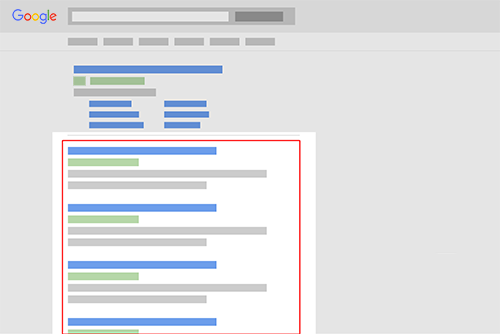
When someone enters a query, a search engine uses automated systems to identify and order pages that may answer it. These unpaid listings are known as organic results, distinguishing them from advertisements that are labelled as sponsored or paid placements.

Rankings can vary according to the search query, location, device and other contextual factors. A page may appear prominently for one phrase and much lower for another. Search results can also change as search engines update their systems and as new or improved content becomes available.

Why do rankings matter?

Search visibility can help people discover a business, organisation or publication while they are looking for information, products or services. Strong rankings may contribute to relevant website visits and enquiries, but position alone does not guarantee results. The page also needs to meet visitors’ expectations and make it easy for them to take the next step.

Organic search is usually a longer-term investment than paid advertising. It can take time for search engines to discover, assess and rank content, and there are no reliable guarantees of a particular position.

What influences organic rankings?

Search engines use many signals to assess pages. Their systems are complex and change over time, but several broad principles can guide a sound search strategy.

Relevance to the search

A page should address the subject or need behind a search. This means understanding what people are trying to find, rather than focusing only on individual keywords. Someone searching for a basic explanation may need a clear guide, while someone comparing services may want details about options, costs or features.

Useful, original content

Content should provide accurate information and genuine value to its intended audience. It should be clear, well organised and sufficiently complete for the topic. Adding words simply to make a page longer, or publishing many near-identical pages, is unlikely to create a better experience.

Technical accessibility

Search engines need to be able to access and understand a page. Technical issues such as broken links, incorrect indexing settings, duplicate URLs or slow-loading pages can make this harder. A logical site structure, descriptive page titles and a mobile-friendly layout can support both visitors and search engines.

Reputation and links

Links from other websites can help search engines discover pages and provide context about their prominence. However, links should be earned naturally through useful resources, strong reporting or worthwhile products and services. Buying links or using manipulative schemes can put a website at risk of search engine penalties.

Page experience

A page should be easy to use across common devices. Readable text, clear navigation, accessible design and stable page layouts all contribute to a better experience. A technically polished page cannot compensate for content that fails to answer the visitor’s question, but usability is an important part of a well-rounded website.

How to improve organic search rankings

  1. Research your audience and topics. Find out what your potential visitors ask, how they describe their needs and which pages already address those subjects. Use this research to plan content that meets a clear purpose.
  2. Improve existing pages. Review important pages for accuracy, clarity and completeness. Update outdated details, remove unnecessary repetition and make the main information easy to find.
  3. Use descriptive titles and headings. Page titles and headings should explain what the page is about. Include relevant language naturally, without forcing keywords into every heading.
  4. Make your site easy to navigate. Organise related pages into sensible sections and use helpful internal links. This helps visitors find relevant information and assists search engines in understanding how pages relate to one another.
  5. Check technical health. Monitor indexing, mobile usability, page performance and broken links. Tools such as Google Search Console can help identify how Google accesses and displays a site.
  6. Build credibility over time. Publish dependable information, show who is responsible for it where appropriate, and earn attention by creating resources that others genuinely find useful.
  7. Measure meaningful outcomes. Track organic visits alongside enquiries, sales, sign-ups or other business goals. Rankings are useful indicators, but they are only one part of performance.

How to measure rankings and progress

Rankings can be monitored using search engine tools or specialist platforms, but individual checks should be treated with care. Results may differ by location, device and personal context, so a single search from one computer does not provide a complete picture.

Consider tracking a group of relevant search queries over time, along with impressions, clicks and click-through rates. Google Search Console provides data about a site’s appearance in Google Search, while analytics tools can show what visitors do after arriving. Comparing these measures can reveal whether a page is becoming more visible and whether that visibility is attracting the right audience.

Changes should be assessed over a suitable period. Search performance can fluctuate, and a short-term rise or fall does not always indicate a lasting trend. When reviewing results, consider seasonality, website changes and broader search updates as well as the work carried out on individual pages.

Common mistakes to avoid

  • Keyword stuffing: Repeating phrases unnaturally can make content awkward and less useful.
  • Chasing every ranking fluctuation: Frequent reactive changes may create confusion. Investigate sustained patterns before making major adjustments.
  • Publishing thin or duplicate pages: Pages with little unique value can make a site harder to manage and less helpful to visitors.
  • Expecting instant results: Search visibility often takes time to develop, particularly for new websites or competitive topics.
  • Focusing only on position: A high ranking for an irrelevant query may bring little value. Prioritise qualified traffic and useful outcomes.
  • Promising guaranteed positions: No legitimate SEO practitioner can guarantee a specific organic ranking, because search engines control their results.

A long-term approach to organic visibility

Improving organic search rankings is an ongoing process of understanding your audience, producing useful content, maintaining a healthy website and learning from performance data. Rather than looking for shortcuts, focus on making each important page the clearest and most helpful result you can provide for its intended search.


Organic Search Rankings: 9 Frequently Asked Questions

  1. What are organic search rankings?
  2. How do search engines determine organic search rankings?
  3. How can I improve my organic search rankings?
  4. How long does it take to improve organic search rankings?
  5. Why have my organic search rankings dropped?
  6. How can I check my website’s organic search rankings?
  7. Do keywords still affect organic search rankings?
  8. Can backlinks improve organic search rankings?
  9. Are organic search rankings different for each user or location?

What are organic search rankings?

Organic search rankings are the positions webpages appear in the unpaid results on search engines such as Google and Bing. Search engines rank pages according to how relevant and useful they appear for a particular search. Rankings can vary by query, location and device, and may change over time as search results are updated.

How do search engines determine organic search rankings?

Search engines determine organic search rankings using automated systems that discover, index and assess webpages, then match them to a person’s search query. They consider many factors, including how relevant and useful a page is, the quality and originality of its content, the website’s technical accessibility, its reputation and the experience it offers on different devices. The exact systems are complex and change over time, so no single factor guarantees a particular position. Rankings can also vary depending on the query, location and other context.

How can I improve my organic search rankings?

To improve your organic search rankings, create helpful, original content that matches what your audience is searching for, and organise it with clear titles, headings and internal links. Make sure your website is mobile-friendly, fast and easy for search engines to crawl, and keep important information accurate and up to date. Build your site’s credibility by earning relevant links naturally, rather than using manipulative tactics. Track performance with tools such as Google Search Console, and use the data to refine your pages over time. SEO takes patience, and no one can guarantee a particular ranking.

How long does it take to improve organic search rankings?

It can take anywhere from a few weeks to several months to see improvements in organic search rankings, depending on factors such as your website’s age and authority, the level of competition, and the changes made. Technical fixes or updates to established pages may show results sooner, while building visibility for a new website or competitive topic often takes longer. Search engines need time to crawl and reassess changes, so monitor trends over time rather than expecting an immediate or guaranteed ranking.

Why have my organic search rankings dropped?

Organic search rankings can drop for several reasons, and a short-term change does not always indicate a serious problem. Search engines regularly update their systems, competitors may improve their pages, and shifts in demand or seasonality can affect results. Technical issues—such as pages being blocked from indexing, broken links or a recent website migration—can also reduce visibility, as can outdated or less relevant content. Check Google Search Console for indexing issues and changes in impressions and clicks, then review affected pages, recent site updates and the search results for your key queries. Look for sustained patterns before making major changes, as rankings can fluctuate naturally.

How can I check my website’s organic search rankings?

You can check your website’s organic search rankings using Google Search Console, which shows the search queries your pages appear for, along with impressions, clicks and average position. For a broader view, SEO platforms can track selected keywords over time and compare visibility across locations or devices. Remember that rankings can vary by searcher and context, so treat them as a guide rather than a fixed position. Also review organic traffic and enquiries or sales to see whether your visibility is reaching the right audience.

Do keywords still affect organic search rankings?

Yes, keywords still affect organic search rankings, but search engines now look beyond exact-match phrases to understand a page’s topic and how well it answers a search. Use the words and phrases your audience naturally uses in relevant places, such as the page title, main heading and body text. Avoid keyword stuffing: clear, useful content that meets the reader’s needs is more valuable than repeating a phrase unnaturally.

Yes, backlinks can help improve organic search rankings. When reputable, relevant websites link to your content, those links may signal that it is useful or trustworthy and can also bring visitors to your site. However, backlinks are only one of many ranking factors, and their value depends on quality and relevance rather than quantity. Focus on earning links naturally by publishing helpful content and building genuine relationships; buying links or using manipulative tactics can harm your search visibility.

Are organic search rankings different for each user or location?

Yes. Organic search rankings can vary by location, device and the wording or context of a search, so two people may see different results for the same query. Search engines often prioritise locally relevant pages—for example, a nearby business when someone searches for a service—while personalisation may also influence results. For a more reliable view, compare performance across relevant locations and use tools such as Google Search Console, rather than relying on a single search from one device.

digital marketing analytics

Unlocking the Potential of Digital Marketing Analytics: A Guide to Data-Driven Success

The Power of Digital Marketing Analytics

The Power of Digital Marketing Analytics

In the fast-paced world of digital marketing, data is king. Understanding the intricacies of consumer behaviour, engagement metrics, and campaign performance is crucial for making informed decisions that drive success. This is where digital marketing analytics come into play.

Digital marketing analytics involve the collection, measurement, analysis, and interpretation of data from various online channels to provide valuable insights into the effectiveness of marketing strategies. By leveraging analytics tools and platforms, marketers can track key performance indicators (KPIs) and gain a deeper understanding of their target audience.

Benefits of Digital Marketing Analytics

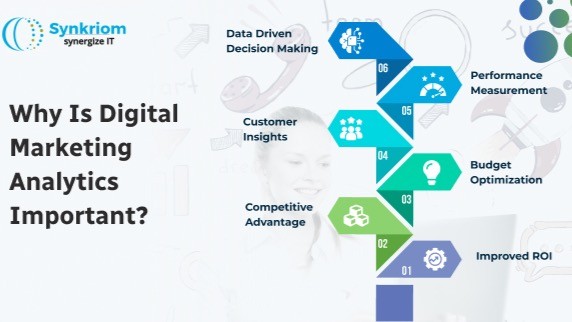
Data-Driven Decision Making: Analytics empower marketers to make data-driven decisions based on real-time insights rather than guesswork. By monitoring metrics such as website traffic, conversion rates, and customer engagement, businesses can optimise their campaigns for maximum impact.

Improved ROI: Understanding which marketing channels are driving the most valuable traffic and conversions allows businesses to allocate their resources more effectively. By identifying high-performing strategies and eliminating underperforming ones, companies can maximise their return on investment (ROI).

Audience Segmentation: Digital marketing analytics enable marketers to segment their audience based on demographics, behaviour, interests, and other criteria. This segmentation allows for more targeted and personalised campaigns that resonate with specific customer segments.

Key Metrics to Track

When it comes to digital marketing analytics, there are several key metrics that businesses should track to measure the success of their campaigns:

  • Traffic Sources: Identify where your website traffic is coming from (e.g., organic search, social media, paid ads) to determine which channels are driving the most visitors.
  • Conversion Rate: Measure the percentage of visitors who take a desired action (e.g., making a purchase, signing up for a newsletter) to assess the effectiveness of your conversion funnel.
  • Bounce Rate: Monitor the percentage of visitors who leave your site after viewing only one page to gauge user engagement and site usability.
  • Click-Through Rate (CTR): Track the percentage of users who click on a specific link or ad to evaluate its performance and relevance to your target audience.

The Future of Digital Marketing Analytics

As technology continues to evolve at a rapid pace, so too does the field of digital marketing analytics. With advancements in artificial intelligence (AI), machine learning, and predictive analytics, marketers have access to even more sophisticated tools for analysing data and predicting future trends.

In conclusion, digital marketing analytics play a pivotal role in helping businesses navigate the complex landscape of online marketing. By harnessing the power of data-driven insights, companies can refine their strategies, enhance customer experiences, and ultimately drive growth in an increasingly competitive digital marketplace.


Mastering Digital Marketing Analytics: 9 Essential Tips for Success

  1. Set clear goals and key performance indicators (KPIs) for your digital marketing campaigns.
  2. Use tools like Google Analytics to track website traffic, user behaviour, and conversions.
  3. Regularly analyse data to identify trends, patterns, and areas for improvement.
  4. Segment your audience to better understand their preferences and tailor your marketing efforts accordingly.
  5. Implement A/B testing to compare different strategies and determine what works best for your target audience.
  6. Track the ROI of your campaigns by measuring the cost per acquisition and lifetime value of customers.
  7. Monitor social media metrics such as engagement rate, reach, and click-through rate to gauge the effectiveness of your social campaigns.
  8. Stay updated on industry trends and new analytics tools to enhance your digital marketing strategy.
  9. Invest in training or hiring professionals with expertise in digital marketing analytics for more advanced insights.

Set clear goals and key performance indicators (KPIs) for your digital marketing campaigns.

Setting clear goals and key performance indicators (KPIs) is essential for the success of your digital marketing campaigns. By defining specific objectives and measurable metrics upfront, you can effectively track the performance of your campaigns and evaluate their impact on your overall marketing strategy. Whether your goal is to increase website traffic, boost conversions, or enhance brand awareness, establishing clear KPIs ensures that you have a benchmark for success and enables you to make informed decisions based on data-driven insights.

Use tools like Google Analytics to track website traffic, user behaviour, and conversions.

To maximise the effectiveness of your digital marketing efforts, it is essential to utilise tools such as Google Analytics to monitor website traffic, user behaviour, and conversions. By harnessing the capabilities of Google Analytics, businesses can gain valuable insights into how users interact with their website, which marketing channels drive the most traffic, and where conversions are occurring. This data-driven approach enables marketers to make informed decisions, optimise campaigns for better performance, and ultimately enhance the overall online presence of their brand.

Regularly analysing data is a crucial aspect of effective digital marketing analytics. By consistently reviewing key metrics and performance indicators, businesses can uncover valuable insights into trends, patterns, and areas for improvement within their marketing campaigns. This proactive approach allows marketers to identify what strategies are working well and where adjustments may be needed to enhance overall performance. Through data analysis, businesses can make informed decisions that drive success and ensure that their digital marketing efforts remain agile and responsive to changing market dynamics.

Segment your audience to better understand their preferences and tailor your marketing efforts accordingly.

Segmenting your audience is a crucial strategy in digital marketing analytics that can significantly enhance the effectiveness of your campaigns. By dividing your audience into distinct segments based on demographics, behaviour, or interests, you gain valuable insights into their preferences and needs. This allows you to tailor your marketing efforts more precisely, delivering personalised messages and offers that resonate with each segment. By understanding the unique characteristics of different audience segments, you can create targeted campaigns that drive engagement, conversions, and ultimately, business growth.

Implement A/B testing to compare different strategies and determine what works best for your target audience.

Implementing A/B testing is a valuable tip in digital marketing analytics. By comparing different strategies and variations, businesses can gain valuable insights into what resonates best with their target audience. A/B testing allows marketers to experiment with changes in elements such as website design, ad copy, or email campaigns, and analyse the performance of each variant to identify the most effective approach. This data-driven approach not only helps in refining marketing strategies but also enables businesses to make informed decisions based on real-time results, ultimately leading to improved engagement and conversion rates.

Track the ROI of your campaigns by measuring the cost per acquisition and lifetime value of customers.

To maximise the effectiveness of your digital marketing campaigns, it is essential to track the return on investment (ROI) by analysing key metrics such as the cost per acquisition and lifetime value of customers. By calculating the cost to acquire a customer and comparing it against the revenue generated over their lifetime, businesses can gain valuable insights into the profitability of their marketing efforts. This data-driven approach not only helps in optimising campaign performance but also enables businesses to allocate resources more efficiently and focus on strategies that yield the highest returns in the long run.

Monitor social media metrics such as engagement rate, reach, and click-through rate to gauge the effectiveness of your social campaigns.

Monitoring social media metrics such as engagement rate, reach, and click-through rate is essential for evaluating the success of your social campaigns. By tracking these key indicators, businesses can gain valuable insights into how their audience is interacting with their content and ads on social platforms. The engagement rate provides a measure of audience interaction, the reach indicates the number of people exposed to your content, and the click-through rate reflects the effectiveness of your call-to-action. Analysing these metrics enables marketers to refine their strategies, identify what resonates with their audience, and optimise their social media campaigns for better results.

To stay ahead in the realm of digital marketing analytics, it is essential to remain abreast of industry trends and emerging analytics tools. By continuously updating your knowledge and skill set, you can effectively enhance your digital marketing strategy to adapt to the ever-evolving landscape of online marketing. Keeping pace with the latest developments in analytics not only allows you to leverage cutting-edge technologies but also enables you to make informed decisions that drive success in your campaigns.

Invest in training or hiring professionals with expertise in digital marketing analytics for more advanced insights.

To elevate your digital marketing efforts and gain deeper insights into your online performance, it is highly recommended to invest in training or hiring professionals with expertise in digital marketing analytics. By bringing on board individuals skilled in data analysis and interpretation, you can unlock more advanced insights that go beyond basic metrics. These experts can help you identify trends, patterns, and opportunities hidden within the data, enabling you to make strategic decisions that drive impactful results for your business.