
backlink

Mastering the Art of Backlink Building: A Guide to Boosting Your Website’s SEO Performance

The Power of Backlinks in SEO

The Power of Backlinks in SEO

Backlinks are an essential element of search engine optimisation (SEO) that can significantly impact a website’s ranking in search engine results pages. Also known as inbound links or incoming links, backlinks are hyperlinks from one website to another. They play a crucial role in determining the credibility, authority, and relevance of a website.

How Backlinks Work

Search engines like Google consider backlinks as a vote of confidence from one site to another. When a reputable website links to your site, it signals to search engines that your content is valuable and trustworthy. As a result, search engines may rank your website higher in search results for relevant keywords.

The Benefits of Backlinks

Improved Search Engine Ranking: Backlinks can help boost your website’s visibility and ranking on search engine results pages.

Increased Website Traffic: Quality backlinks from authoritative sites can drive more organic traffic to your website.

Enhanced Credibility and Authority: Backlinks from reputable websites can establish your site as a credible source of information in your industry.

Types of Backlinks

There are two main types of backlinks:

  • Natural Backlinks: These are editorially given without any action on the part of the website owner.
  • Manual or Built Links: These are acquired through deliberate link-building activities such as outreach and guest blogging.

Best Practices for Building Backlinks

To build effective backlinks for your website, consider the following best practices:

  1. Create high-quality, relevant content that naturally attracts backlinks.
  2. Reach out to influencers and industry experts for collaboration opportunities.
  3. List your website on reputable directories and industry-specific platforms.
  4. Guest post on authoritative websites within your niche.
  5. Maintain a diverse backlink profile with links from various sources.

In Conclusion

Backlinks are a vital component of SEO that can significantly impact your website’s visibility, credibility, and authority online. By implementing effective link-building strategies and acquiring quality backlinks from reputable sources, you can enhance your online presence and improve your search engine rankings.


9 Compelling Advantages of Backlinks for Boosting Your Website’s Success

  1. Improves search engine ranking
  2. Drives organic traffic to your website
  3. Enhances website credibility and authority
  4. Boosts online visibility
  5. Increases brand awareness
  6. Helps establish industry expertise
  7. Encourages higher click-through rates
  8. Strengthens relationships with other websites
  9. Supports long-term SEO strategy


Challenges of Backlinking: Navigating Quality, SEO Risks, Time Investment, and Ongoing Monitoring

  1. 1. Risk of Low-Quality Backlinks
  2. 2. Potential for Negative SEO
  3. 3. Time-Consuming Process
  4. 4. Constant Monitoring Needed

Improves search engine ranking

One of the key advantages of backlinks is their ability to enhance search engine ranking. When reputable websites link back to your site, search engines view this as a vote of confidence in your content’s quality and relevance. As a result, search algorithms may rank your website higher in search results for relevant keywords, ultimately increasing your online visibility and driving more organic traffic to your site. This boost in search engine ranking through backlinks underscores their importance in establishing credibility and authority within your industry.

Drives organic traffic to your website

One significant advantage of backlinks is their ability to drive organic traffic to your website. When reputable sites link back to your content, it not only boosts your website’s credibility in the eyes of search engines but also attracts visitors who are genuinely interested in your offerings. This influx of organic traffic can lead to higher engagement, increased conversions, and ultimately, a stronger online presence for your business.

Enhances website credibility and authority

Acquiring quality backlinks from reputable websites is a crucial strategy that can enhance a website’s credibility and authority. When authoritative sites link to your content, it signals to both search engines and users that your website is a trusted source of information within your industry. This vote of confidence not only improves your search engine ranking but also establishes your website as a reliable and authoritative resource, ultimately building trust with your audience and enhancing your online reputation.

Boosts online visibility

Backlinks play a crucial role in boosting online visibility by improving a website’s ranking in search engine results pages. When reputable websites link back to your site, it signals to search engines that your content is valuable and trustworthy, leading to higher visibility for relevant search queries. This increased online visibility not only drives more organic traffic to your website but also establishes your site as a credible source of information in your industry. By acquiring quality backlinks through effective link-building strategies, businesses can enhance their online presence and reach a wider audience.

Increases brand awareness

One significant advantage of backlinks is their ability to increase brand awareness. When reputable websites link back to your site, it exposes your brand to a wider audience who may not have been aware of your business previously. This increased visibility not only drives more traffic to your website but also helps establish your brand as a credible and authoritative source within your industry. By building a network of quality backlinks, you can effectively boost brand recognition and reach a broader audience, ultimately contributing to the growth and success of your business.

Helps establish industry expertise

One significant benefit of backlinks is their ability to help establish industry expertise. When reputable websites within the same industry link back to your site, it not only boosts your website’s credibility but also positions you as an authority in your field. These backlinks serve as endorsements from trusted sources, indicating to both search engines and users that your content is valuable and reliable. By building a network of high-quality backlinks from relevant industry sites, you can strengthen your reputation, attract a targeted audience, and solidify your position as a go-to resource in your niche.

Encourages higher click-through rates

Backlinks play a crucial role in encouraging higher click-through rates for websites. When a reputable and authoritative website links to your content, it not only boosts your website’s credibility but also entices users to click on the link to explore further. This increased traffic generated by backlinks can lead to more visitors engaging with your content, ultimately improving your click-through rates and enhancing the overall performance of your website in search engine results pages.

Strengthens relationships with other websites

One significant advantage of backlinks is that they strengthen relationships with other websites. When a website links to another site, it not only improves the linking site’s credibility but also fosters a sense of collaboration and mutual support within the online community. By exchanging backlinks with relevant and reputable websites, businesses can build valuable partnerships, establish connections with industry peers, and enhance their online network. This practice not only benefits SEO efforts but also contributes to a more interconnected and supportive web ecosystem.

Supports long-term SEO strategy

One significant advantage of backlinks is their ability to support a long-term SEO strategy. By acquiring high-quality backlinks from reputable websites, a website can establish its authority and credibility in the eyes of search engines over time. These backlinks act as endorsements of the website’s content, helping to improve its search engine rankings steadily. As part of a comprehensive SEO approach, building a strong backlink profile can contribute to sustainable organic traffic growth and long-lasting visibility in search results, ensuring the website’s continued success in the competitive online landscape.

Acquiring backlinks from spammy or low-quality websites poses a significant risk to your site’s reputation and SEO performance. These low-quality backlinks can have a detrimental effect on your website’s credibility and authority in the eyes of search engines. Not only do they fail to provide any real value to your site, but they can also trigger penalties from search engines, leading to a drop in rankings. It is crucial to be vigilant and selective when building backlinks to ensure that they come from reputable and relevant sources, avoiding the pitfalls associated with low-quality backlinks.

2. Potential for Negative SEO

One significant drawback of backlinks is the potential for negative SEO practices to harm a website’s reputation and search engine ranking. Competitors or malicious entities can engage in unethical tactics by creating harmful backlinks pointing to a site. These toxic backlinks can trigger penalties from search engines, resulting in a drop in rankings and visibility. It is essential for website owners to monitor their backlink profiles regularly and disavow any suspicious or detrimental links to safeguard their online presence from such malicious attacks.

3. Time-Consuming Process

Building a robust backlink profile can be a time-consuming process due to the significant investment required in outreach, content creation, and relationship building. Securing quality backlinks involves identifying relevant websites, crafting compelling content that adds value to their audience, and establishing connections with site owners or influencers. This meticulous approach demands patience and persistence as building genuine relationships and earning backlinks organically can take considerable time and dedication. Despite the potential benefits, the time-intensive nature of this process remains a notable drawback for businesses seeking to enhance their online presence through backlink acquisition.

4. Constant Monitoring Needed

Constant monitoring of backlinks is a necessary task for website owners, as it helps in detecting and disavowing harmful links that have the potential to harm your site’s search engine rankings. Failing to regularly monitor backlinks can leave your website vulnerable to the negative impact of toxic links, which could undermine your SEO efforts and online visibility. By staying vigilant and proactive in identifying and addressing problematic backlinks, you can safeguard the credibility and performance of your website in the competitive digital landscape.
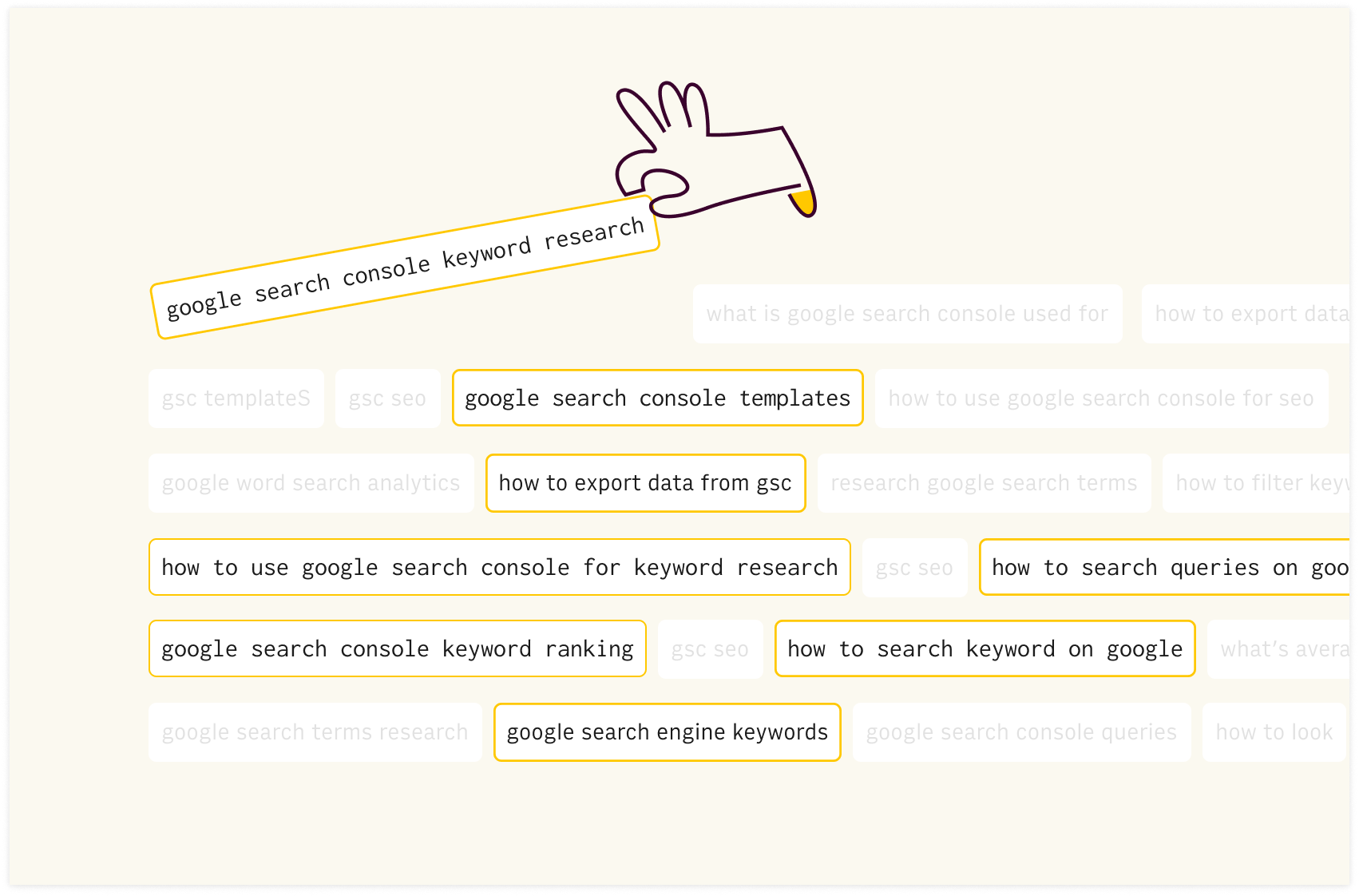
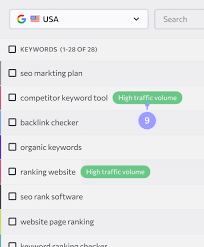
keyword ranking google

Unlocking Success: Mastering Keyword Ranking on Google in the UK

Understanding Keyword Ranking on Google

The Importance of Keyword Ranking on Google

When it comes to online visibility and driving organic traffic to your website, keyword ranking on Google plays a crucial role. Keywords are the terms or phrases that users type into search engines to find relevant information, products, or services. Ranking for the right keywords can significantly impact your website’s performance and ultimately your business success.

How Does Keyword Ranking Work?

Google uses complex algorithms to determine the relevance and quality of web pages in relation to specific keywords. When a user enters a search query, Google scans its index and ranks web pages based on various factors such as keyword usage, content quality, backlinks, user experience, and more. Websites that are deemed most relevant and authoritative for a particular keyword are displayed at the top of the search results.

The Benefits of High Keyword Rankings

Securing top rankings for relevant keywords can bring several benefits to your website:

  • Increased Visibility: Higher rankings mean more visibility in search results, leading to increased organic traffic.
  • Enhanced Credibility: Top-ranking websites are often perceived as more trustworthy and authoritative by users.
  • Higher Click-Through Rates (CTRs): Users are more likely to click on links that appear at the top of search results, boosting CTRs.
  • Better Conversion Rates: Targeting the right keywords can attract qualified leads who are more likely to convert into customers.

Strategies for Improving Keyword Rankings

To improve your keyword rankings on Google, consider implementing the following strategies:

  1. Keyword Research: Identify relevant keywords with high search volume and low competition.
  2. On-Page SEO: Optimise your website’s content with targeted keywords in titles, meta tags, headings, and body text.
  3. Quality Content: Create valuable and engaging content that resonates with your target audience and naturally incorporates keywords.
  4. Link Building: Acquire high-quality backlinks from reputable websites to boost your site’s authority and credibility.
  5. User Experience (UX): Ensure your website is user-friendly, fast-loading, mobile-responsive, and provides a positive experience for visitors.

In Conclusion

In conclusion, understanding keyword ranking on Google is essential for improving your website’s visibility, attracting organic traffic, and achieving business growth. By focusing on targeted keyword strategies and implementing best SEO practices, you can enhance your chances of ranking higher in search results and reaching your target audience effectively.


Top 5 Tips for Improving Your Google Keyword Ranking

  1. Choose relevant keywords that reflect your content accurately.
  2. Optimize your website content with the chosen keywords.
  3. Create high-quality and engaging content to improve user experience.
  4. Regularly monitor and analyse keyword performance using Google Analytics or other tools.
  5. Stay updated with Google’s algorithm changes to adapt your SEO strategy accordingly.

Choose relevant keywords that reflect your content accurately.

Selecting relevant keywords that accurately reflect your content is a fundamental tip for improving keyword ranking on Google. By choosing keywords that align closely with the information, products, or services you offer, you increase the likelihood of attracting users who are genuinely interested in what you have to offer. This not only enhances your website’s visibility but also improves user experience and engagement, ultimately leading to higher rankings and better organic traffic growth.

Optimize your website content with the chosen keywords.

To improve your keyword ranking on Google, it is essential to optimise your website content with the chosen keywords. Incorporating relevant keywords strategically throughout your content can signal to search engines the relevance of your web pages to users’ search queries. By ensuring that your content is well-optimised with targeted keywords in titles, meta tags, headings, and body text, you can enhance the visibility and ranking potential of your website in search results. Effective keyword optimisation not only improves search engine visibility but also helps attract qualified organic traffic that is more likely to engage with your content and convert into valuable leads or customers.

Create high-quality and engaging content to improve user experience.

Creating high-quality and engaging content is a key tip for improving keyword ranking on Google. By crafting content that is not only informative but also captivating for users, you can enhance their overall experience on your website. Engaging content helps keep visitors on your site longer, reduces bounce rates, and encourages social sharing and backlinking – all factors that can positively impact your keyword rankings. Remember, search engines value user satisfaction, so focusing on creating valuable content that resonates with your audience is crucial for boosting both user experience and SEO performance.

Regularly monitor and analyse keyword performance using Google Analytics or other tools.

To improve keyword ranking on Google, it is crucial to regularly monitor and analyse keyword performance using tools such as Google Analytics. By tracking the performance of your chosen keywords, you can gain valuable insights into their effectiveness in driving traffic to your website. Monitoring key metrics like click-through rates, bounce rates, and conversion rates allows you to identify trends, make data-driven decisions, and adjust your SEO strategy accordingly. Consistent analysis of keyword performance helps you stay proactive in optimising your content for better search engine visibility and ultimately enhances your overall online presence.

Stay updated with Google’s algorithm changes to adapt your SEO strategy accordingly.

To maximise your keyword ranking on Google, it is crucial to stay informed about Google’s algorithm changes and updates. By staying updated with the latest developments, you can adapt your SEO strategy accordingly to ensure that your website remains optimised for search engine visibility. Google’s algorithms are constantly evolving, and keeping abreast of these changes allows you to make necessary adjustments to maintain or improve your keyword rankings effectively. Stay proactive and flexible in response to algorithm updates to stay ahead in the competitive online landscape.

website keyword ranking

Unlocking Success: Mastering Website Keyword Ranking Strategies

Understanding Website Keyword Ranking

The Importance of Website Keyword Ranking

Website keyword ranking plays a crucial role in the success of any online business or website. Keywords are the foundation of search engine optimisation (SEO) and directly impact how well your website ranks in search engine results pages (SERPs).

What is Website Keyword Ranking?

Website keyword ranking refers to the position of your website in search engine results for specific keywords or phrases. When a user enters a query into a search engine, the search algorithm scans through millions of web pages to deliver the most relevant results.

Why is it Important?

Having a high keyword ranking means that your website is more likely to appear at the top of search results when users search for relevant terms. This visibility can drive organic traffic to your site, increase brand awareness, and ultimately lead to more conversions and sales.

How to Improve Keyword Ranking

Improving your website’s keyword ranking requires a strategic approach to SEO. Here are some key steps you can take:

  • Keyword Research: Identify relevant keywords that your target audience is searching for.
  • On-Page Optimisation: Optimise your website’s content, meta tags, and URLs with targeted keywords.
  • Quality Content: Create high-quality, engaging content that incorporates your chosen keywords naturally.
  • Backlink Building: Acquire backlinks from reputable websites to boost your site’s authority and credibility.
  • Regular Monitoring: Track your keyword rankings regularly and make adjustments as needed based on performance.

The Role of Search Engines

Search engines like Google use complex algorithms to determine website rankings based on factors such as relevance, authority, and user experience. By understanding these algorithms and optimising your site accordingly, you can improve your keyword ranking over time.

In Conclusion

In today’s competitive online landscape, achieving a high website keyword ranking is essential for driving traffic and growing your business. By implementing effective SEO strategies and staying informed about industry trends, you can enhance your website’s visibility and reach a wider audience online.


Top 6 Tips for Enhancing Your Website’s Keyword Ranking

  1. Perform keyword research to identify relevant and high-traffic keywords for your website.
  2. Optimize your website content by including the chosen keywords in titles, headings, and throughout the text.
  3. Create high-quality and engaging content that is valuable to your target audience.
  4. Improve website loading speed as faster websites tend to rank higher in search engine results.
  5. Utilize meta tags effectively by including keywords in meta titles and descriptions.
  6. Regularly monitor and analyse keyword rankings using tools like Google Analytics or SEMrush.

Perform keyword research to identify relevant and high-traffic keywords for your website.

Performing thorough keyword research is a fundamental step in enhancing your website’s keyword ranking. By identifying relevant and high-traffic keywords specific to your niche or industry, you can effectively target your audience and improve your website’s visibility in search engine results. Understanding the search terms that potential visitors use allows you to tailor your content and SEO strategies to attract more organic traffic and ultimately boost your online presence.

Optimize your website content by including the chosen keywords in titles, headings, and throughout the text.

To enhance your website keyword ranking, it is crucial to optimise your website content strategically. Incorporating the selected keywords in titles, headings, and throughout the text not only improves the relevance of your content but also signals to search engines the key topics your website covers. By seamlessly integrating these keywords into different elements of your content, you can boost your chances of ranking higher in search engine results and attracting organic traffic to your site.

Create high-quality and engaging content that is valuable to your target audience.

Creating high-quality and engaging content that provides value to your target audience is a fundamental tip for improving website keyword ranking. By producing content that is relevant, informative, and tailored to the needs of your visitors, you not only enhance user experience but also increase the likelihood of ranking higher in search engine results. Search engines reward websites that offer valuable content by boosting their visibility and authority, making it essential to focus on creating compelling material that resonates with your audience and aligns with your chosen keywords.

Improve website loading speed as faster websites tend to rank higher in search engine results.

Improving your website loading speed is a crucial tip for enhancing website keyword ranking. Studies have shown that faster websites have a higher likelihood of ranking well in search engine results pages. Search engines like Google consider loading speed as a key factor in determining user experience, and websites that load quickly are often rewarded with higher rankings. By optimising your website’s loading speed, you not only improve user satisfaction but also increase the chances of attracting more organic traffic and boosting your overall search engine visibility.

Utilize meta tags effectively by including keywords in meta titles and descriptions.

To enhance your website keyword ranking, it is crucial to utilise meta tags effectively by incorporating relevant keywords in both meta titles and descriptions. Meta tags play a significant role in informing search engines about the content of your web pages. By strategically placing keywords in meta titles and descriptions, you can improve the visibility of your site in search engine results pages (SERPs) and attract more organic traffic. This simple yet powerful tip can help boost your website’s search engine optimisation (SEO) efforts and increase the likelihood of reaching your target audience online.

Regularly monitor and analyse keyword rankings using tools like Google Analytics or SEMrush.

Regularly monitoring and analysing keyword rankings is a crucial tip for improving your website’s performance in search engine results. By utilising tools such as Google Analytics or SEMrush, you can gain valuable insights into how your chosen keywords are performing and make informed decisions to optimise your SEO strategy. Tracking keyword rankings allows you to identify trends, measure the effectiveness of your efforts, and adjust your content and optimisation techniques accordingly to enhance your website’s visibility and attract more organic traffic.

seo site analysis

Unlocking Success: The Power of SEO Site Analysis in Enhancing Your Website’s Performance

The Importance of SEO Site Analysis

The Importance of SEO Site Analysis

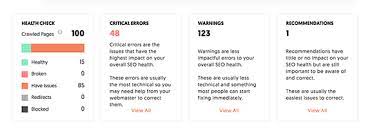
SEO site analysis is a crucial process in the world of digital marketing. It involves evaluating various aspects of a website to determine its search engine optimisation (SEO) performance and identify areas for improvement. By conducting a comprehensive site analysis, businesses can gain valuable insights into how well their website is performing in terms of visibility, user experience, and overall SEO health.

Key Benefits of SEO Site Analysis:

  • Identifying Technical Issues: Through site analysis, SEO experts can uncover technical issues that may be hindering the website’s performance on search engines. This includes identifying broken links, slow page speed, mobile-friendliness issues, and more.
  • Evaluating Keywords and Content: Analysing the keywords used on the website and assessing the quality of content helps in determining if the site is effectively targeting relevant search queries. This step is essential for improving organic search rankings.
  • Assessing Backlink Profile: Examining the backlink profile of a website helps in understanding its authority and credibility in the eyes of search engines. A strong backlink profile can significantly impact a site’s SEO performance.
  • Enhancing User Experience: Site analysis also involves evaluating user experience factors such as navigation, site structure, and overall usability. Improving these aspects can lead to higher engagement and better rankings on search engine results pages.
  • Competitor Analysis: By comparing your site with competitors through SEO analysis, you can identify opportunities for growth and stay ahead in the competitive digital landscape.
Conclusion

In conclusion, SEO site analysis plays a vital role in helping businesses improve their online visibility and drive organic traffic to their websites. By regularly conducting thorough site analyses and implementing necessary changes based on the findings, businesses can enhance their SEO performance and achieve better results in search engine rankings.


Essential FAQs on SEO Site Analysis: Understanding Its Importance, Tools, and Key Elements

  1. What is SEO site analysis?
  2. Why is SEO site analysis important for my website?
  3. How often should I conduct SEO site analysis?
  4. What tools can I use for SEO site analysis?
  5. What are the key elements analysed in an SEO site analysis?
  6. How can technical issues impact SEO performance?
  7. What role does keyword analysis play in SEO site analysis?
  8. Why is backlink evaluation essential in SEO site analysis?
  9. How can user experience affect the results of an SEO site analysis?

What is SEO site analysis?

SEO site analysis is a fundamental process in the realm of digital marketing that involves a comprehensive evaluation of a website’s performance and structure from an SEO perspective. This analysis delves into various aspects such as technical elements, content quality, keyword targeting, backlink profile, and user experience to assess how well the site is optimized for search engines. By conducting SEO site analysis, businesses can gain valuable insights into their website’s strengths and weaknesses, identify areas for improvement, and develop strategic plans to enhance their online visibility and organic search rankings.

Why is SEO site analysis important for my website?

Understanding the importance of SEO site analysis for your website is crucial in achieving online success. Conducting a thorough SEO site analysis provides valuable insights into the performance of your website, helping you identify technical issues, evaluate keyword effectiveness, assess backlink quality, enhance user experience, and stay ahead of competitors. By investing time and resources in SEO site analysis, you can make informed decisions to improve your website’s visibility, attract more organic traffic, and ultimately boost your search engine rankings. In today’s competitive digital landscape, leveraging the power of SEO site analysis is essential for maximising the potential of your website and driving sustainable growth.

How often should I conduct SEO site analysis?

Regularly conducting SEO site analysis is essential for maintaining and improving the performance of your website in search engine results. The frequency of conducting site analysis can vary depending on various factors such as the size of your website, the level of competition in your industry, and the rate of changes in search engine algorithms. As a general guideline, it is recommended to conduct a comprehensive SEO site analysis at least once every quarter to ensure that your website remains optimised for search engines and continues to meet the evolving demands of users and search engines alike. By monitoring and analysing your site regularly, you can identify issues promptly, make necessary adjustments, and stay ahead in the dynamic world of digital marketing.

What tools can I use for SEO site analysis?

When it comes to conducting SEO site analysis, there are several tools available that can assist in evaluating and improving the performance of your website. Popular tools for SEO site analysis include Google Analytics, Google Search Console, SEMrush, Ahrefs, Moz Pro, and Screaming Frog. These tools offer a range of features such as keyword research, backlink analysis, technical SEO audits, and performance tracking to help you identify areas for improvement and enhance your overall SEO strategy. By utilising these tools effectively, you can gain valuable insights into your website’s SEO health and make informed decisions to boost your online presence.

What are the key elements analysed in an SEO site analysis?

When conducting an SEO site analysis, several key elements are scrutinised to evaluate the website’s overall search engine optimisation performance. These elements typically include technical aspects such as site speed, mobile-friendliness, and URL structure. Additionally, keywords and content quality are analysed to ensure alignment with relevant search queries. The backlink profile is assessed to gauge the site’s authority and credibility in the eyes of search engines. User experience factors like navigation and site structure are also evaluated for optimal engagement. By examining these critical elements comprehensively, businesses can identify areas for improvement and implement strategies to enhance their SEO effectiveness.

How can technical issues impact SEO performance?

Technical issues can have a significant impact on SEO performance as they can hinder a website’s ability to be properly crawled and indexed by search engines. Issues such as broken links, slow page speed, improper use of meta tags, and mobile-friendliness can all negatively affect a site’s visibility in search engine results. Search engines prioritise websites that provide a seamless user experience, and technical issues can lead to poor user experience, resulting in lower rankings. Addressing technical issues through thorough SEO site analysis is crucial to ensure that a website is optimised for search engines and able to achieve higher organic traffic and better search engine rankings.

What role does keyword analysis play in SEO site analysis?

Keyword analysis plays a pivotal role in SEO site analysis by helping businesses understand the search terms their target audience uses to find relevant content. By analysing keywords, businesses can identify high-value keywords with strong search volume and low competition, allowing them to optimise their website content accordingly. This process not only improves the site’s visibility in search engine results but also enhances its relevance to users’ search queries, ultimately driving organic traffic and improving overall SEO performance.

Backlink evaluation is essential in SEO site analysis as backlinks serve as a key indicator of a website’s authority and credibility in the eyes of search engines. By assessing the quality and quantity of backlinks pointing to a site, SEO experts can gauge its overall reputation and relevance within its industry. High-quality backlinks from reputable sources can significantly boost a website’s search engine rankings, while spammy or irrelevant backlinks can have a negative impact. Understanding and analysing the backlink profile of a website allows businesses to identify opportunities for improvement, build a strong link portfolio, and ultimately enhance their SEO performance for better visibility and organic traffic.

How can user experience affect the results of an SEO site analysis?

User experience plays a pivotal role in the outcomes of an SEO site analysis. A website that offers a seamless and intuitive user experience is more likely to rank higher in search engine results. Factors such as site speed, mobile responsiveness, ease of navigation, and engaging content all contribute to a positive user experience. Search engines like Google consider these aspects when determining the relevance and credibility of a website, ultimately impacting its SEO performance. By prioritising user experience in SEO site analysis, businesses can enhance their online visibility, increase user engagement, and improve their overall search engine rankings.

seo kas tai

Understanding SEO: What Is SEO Kas Tai and Its Importance in Digital Marketing

SEO Kas Tai: Understanding the Basics of SEO

SEO Kas Tai: Understanding the Basics of SEO

SEO, or Search Engine Optimization, is a fundamental aspect of digital marketing that plays a crucial role in improving a website’s visibility on search engines like Google. But what exactly is SEO kas tai?

SEO kas tai translates to “what is SEO” in Lithuanian, and it refers to the practice of optimizing web pages and content to rank higher in search engine results pages (SERPs). The primary goal of SEO is to increase organic (non-paid) traffic to a website by improving its relevance and authority in the eyes of search engines.

The Key Components of SEO:

  1. On-Page SEO: This involves optimizing individual web pages with relevant keywords, meta tags, headings, and quality content to make them more search engine-friendly.
  2. Off-Page SEO: This focuses on building backlinks from other reputable websites to improve a site’s authority and credibility.
  3. Technical SEO: This includes optimizing site speed, mobile-friendliness, site structure, and other technical aspects that affect search engine rankings.
  4. Local SEO: Targeting local audiences by optimizing business listings, citations, and reviews for better visibility in local searches.
  5. Content Marketing: Creating high-quality and relevant content that attracts visitors and encourages engagement, which can positively impact SEO performance.

The Benefits of Implementing SEO Strategies:

  • Increased Visibility: By ranking higher in SERPs, websites can attract more organic traffic and potential customers.
  • Better User Experience: Optimizing for SEO often leads to improved website usability and user satisfaction.
  • Growth in Organic Traffic: Organic search remains a significant source of website traffic; effective SEO strategies can drive sustainable growth over time.
  • Better ROI: Compared to paid advertising, organic traffic generated through SEO tends to have a higher conversion rate and better long-term return on investment.

In conclusion, understanding what SEO kas tai means is essential for businesses looking to establish a strong online presence. By incorporating effective SEO strategies into their digital marketing efforts, businesses can improve their visibility, attract more organic traffic, and ultimately achieve their online goals successfully.


Understanding SEO: Ranking, Definition, Skills, and Beginner Tips

  1. What is the SEO ranking?
  2. What does SEO mean?
  3. What is a SEO skill?
  4. How to do SEO for beginners?

What is the SEO ranking?

When discussing SEO kas tai, a frequently asked question is, “What is the SEO ranking?” SEO ranking refers to the position at which a website appears in search engine results for specific keywords or queries. The higher a website ranks in search results, the more visible it is to potential visitors. SEO ranking is determined by various factors, including the relevance of content, quality of backlinks, site speed, and overall user experience. Websites that rank well in search engines are more likely to attract organic traffic and achieve their digital marketing objectives effectively.

What does SEO mean?

“SEO kas tai” is a commonly asked question that translates to “What does SEO mean?” in Lithuanian. SEO, or Search Engine Optimization, refers to the practice of improving a website’s visibility on search engines like Google. It involves various strategies such as optimizing content with relevant keywords, building backlinks, and enhancing technical aspects of a website to rank higher in search engine results pages (SERPs). Essentially, SEO aims to increase organic traffic and improve a site’s relevance and authority online. Understanding the fundamentals of SEO is crucial for businesses seeking to enhance their online presence and reach their target audience effectively.

What is a SEO skill?

A crucial aspect of SEO kas tai (what is SEO) is understanding the essential SEO skills required to succeed in the field. An SEO skill encompasses a range of abilities and knowledge, including proficiency in keyword research, on-page and off-page optimization techniques, technical SEO understanding, content creation and optimization, analytics interpretation, and the ability to adapt to search engine algorithm changes. Having a solid grasp of these skills empowers digital marketers and website owners to enhance their online visibility, drive organic traffic, and improve search engine rankings effectively.

How to do SEO for beginners?

For beginners looking to delve into the world of SEO kas tai, the first step is to grasp the fundamental principles of search engine optimization. Start by understanding the importance of keyword research, on-page optimization, and creating high-quality content that resonates with your target audience. Learning how to build backlinks from reputable sources and mastering technical SEO aspects like site speed and mobile-friendliness are also crucial. Embracing a data-driven approach, staying updated on industry trends, and being patient as SEO results take time to manifest are key strategies for beginners embarking on their SEO journey.

seo engine

Unlocking the Potential of SEO Engine: A Guide to Digital Marketing Success

The Power of SEO Engine in Digital Marketing

The Power of SEO Engine in Digital Marketing

In the fast-paced world of digital marketing, the term “SEO engine” has become increasingly prevalent and essential for businesses looking to enhance their online presence. SEO, which stands for Search Engine Optimization, is the practice of improving a website’s visibility on search engine results pages through organic strategies.

An SEO engine refers to the complex algorithms and processes that search engines like Google use to determine the ranking of websites based on various factors such as relevance, authority, and user experience. Understanding how these engines work is crucial for businesses aiming to attract more organic traffic and reach their target audience effectively.

The Key Components of an SEO Engine

SEO engines consider a multitude of factors when determining the ranking of a website. These include:

  • Keywords: Using relevant keywords throughout your website’s content helps search engines understand what your site is about and match it with relevant search queries.
  • Backlinks: Quality backlinks from reputable websites signal to search engines that your site is trustworthy and authoritative.
  • User Experience: Factors such as page load speed, mobile-friendliness, and intuitive navigation contribute to a positive user experience, which search engines value highly.
  • Content Quality: Creating high-quality, valuable content that addresses users’ needs can improve your site’s visibility and engagement metrics.

The Importance of SEO Engine in Digital Marketing

Having a strong understanding of how SEO engines work and implementing effective strategies can significantly impact a business’s online success. By optimising your website according to search engine guidelines, you increase the likelihood of appearing higher in search results, driving more organic traffic to your site.

Furthermore, leveraging the power of an SEO engine allows businesses to establish credibility, build brand awareness, and ultimately drive conversions. With competition intensifying in the digital landscape, investing in SEO has become imperative for staying ahead and reaching your target audience effectively.

In Conclusion

The evolution of SEO engines has revolutionised the way businesses approach digital marketing. By understanding the intricacies of these algorithms and staying abreast of industry trends, businesses can unlock new opportunities for growth and visibility online. Embracing the power of SEO engine is not just a choice but a strategic necessity in today’s competitive digital environment.


Six Essential SEO Tips for Boosting Your Website’s Visibility

  1. Create high-quality, relevant content for your website.
  2. Use relevant keywords strategically throughout your content.
  3. Optimize meta tags, titles, and descriptions for each page.
  4. Improve website loading speed for better user experience and SEO ranking.
  5. Build backlinks from reputable websites to increase your site’s authority.
  6. Regularly monitor and analyse your SEO performance to make necessary adjustments.

Create high-quality, relevant content for your website.

Creating high-quality and relevant content for your website is a fundamental tip when it comes to optimising for SEO engines. By producing content that is informative, engaging, and tailored to your target audience’s needs, you not only enhance your site’s visibility but also establish credibility and authority in your industry. Search engines value fresh, original content that provides value to users, making it essential to focus on creating content that resonates with your audience and encourages them to engage with your website. Ultimately, investing in quality content is key to improving your search engine rankings and attracting organic traffic to your site.

Use relevant keywords strategically throughout your content.

To maximise the effectiveness of your SEO strategy, it is crucial to use relevant keywords strategically throughout your content. By incorporating targeted keywords naturally within your website’s content, you can signal to search engines the relevance of your site to specific search queries. This practice not only enhances your site’s visibility in search engine results but also improves user experience by providing valuable and informative content that aligns with what users are searching for. Strategic keyword placement is a fundamental aspect of SEO engine optimisation that can significantly impact your website’s organic traffic and overall online performance.

Optimize meta tags, titles, and descriptions for each page.

To enhance your website’s visibility and improve its ranking on search engine results pages, it is crucial to optimise meta tags, titles, and descriptions for each page. These elements serve as a brief summary of your content and play a significant role in attracting users to click on your website. By incorporating relevant keywords and compelling language into your meta tags, titles, and descriptions, you can increase the likelihood of your pages being displayed prominently in search results, ultimately driving more organic traffic to your site.

Improve website loading speed for better user experience and SEO ranking.

Improving your website loading speed is a crucial tip for enhancing both user experience and SEO ranking. A fast-loading website not only provides visitors with a seamless browsing experience but also signals to search engines that your site is efficient and user-friendly. By prioritising website speed, you can reduce bounce rates, increase user engagement, and ultimately boost your SEO ranking. Optimising loading times through techniques such as image compression, minimising HTTP requests, and leveraging browser caching can have a significant impact on both user satisfaction and search engine visibility.

Building backlinks from reputable websites is a crucial strategy to boost your site’s authority in the eyes of search engines. When high-quality websites link back to your content, it signals to search engines that your site is trustworthy and valuable. This not only enhances your site’s credibility but also improves its chances of ranking higher in search results. By focusing on acquiring backlinks from authoritative sources, you can strengthen your site’s authority and establish a solid foundation for long-term SEO success.

Regularly monitor and analyse your SEO performance to make necessary adjustments.

Regularly monitoring and analysing your SEO performance is a crucial tip in optimising your online presence. By keeping a close eye on key metrics such as website traffic, keyword rankings, and conversion rates, you can identify areas for improvement and make necessary adjustments to your SEO strategies. This proactive approach allows you to stay ahead of the curve, adapt to changes in search engine algorithms, and continually enhance your website’s visibility and performance in the competitive digital landscape.
seo spyglass

Unlocking the Potential of SEO SpyGlass: A Comprehensive Guide to Backlink Analysis

Unveiling the Power of SEO SpyGlass

Unveiling the Power of SEO SpyGlass

SEO SpyGlass is a powerful tool that provides invaluable insights into your website’s backlink profile. In the realm of search engine optimisation (SEO), backlinks play a crucial role in determining your website’s authority and ranking on search engine results pages.

So, what sets SEO SpyGlass apart from other SEO tools? The answer lies in its comprehensive approach to backlink analysis. By utilising SEO SpyGlass, you gain access to a wealth of information about your backlinks, including their source, quality, anchor text, and much more.

The Key Features of SEO SpyGlass:

  • Backlink Quality Analysis: SEO SpyGlass evaluates the quality of each backlink pointing to your site, helping you identify potentially harmful links that could be impacting your SEO performance.
  • Competitor Backlink Analysis: Gain valuable insights into your competitors’ backlink profiles and discover new link-building opportunities to stay ahead in the competitive digital landscape.
  • Link Building Strategy: With detailed data on your backlinks, you can develop a targeted link building strategy that focuses on acquiring high-quality links from authoritative websites.
  • Anchor Text Analysis: Understand how anchor text is used in your backlinks and optimise it for better keyword targeting and improved organic search visibility.

The Benefits of Using SEO SpyGlass:

By incorporating SEO SpyGlass into your SEO toolkit, you can:

  • Enhance Your Link Profile: Identify and disavow toxic links while building a strong foundation of high-quality backlinks that boost your website’s authority.
  • Gain Competitive Advantage: Stay informed about your competitors’ link-building strategies and leverage this knowledge to outperform them in search rankings.
  • Improve Search Engine Rankings: By understanding and optimising your backlink profile, you can enhance your website’s visibility on search engines like Google, driving more organic traffic to your site.

In conclusion, SEO SpyGlass is an indispensable tool for any business or individual looking to elevate their SEO efforts. With its advanced features and actionable insights, it empowers you to make informed decisions that drive tangible results in the competitive world of online marketing.


Mastering SEO SpyGlass: 9 Essential Tips for Effective Backlink Analysis and Strategy

  1. Regularly monitor your website’s backlink profile using SEO SpyGlass to identify new backlinks and potential issues.
  2. Analyse your competitors’ backlink profiles with SEO SpyGlass to uncover their link building strategies.
  3. Utilise the Domain Comparison feature in SEO SpyGlass to compare multiple websites’ backlink profiles side by side.
  4. Focus on high-quality backlinks by evaluating link quality metrics provided by SEO SpyGlass like domain authority and anchor text analysis.
  5. Regularly disavow toxic or spammy backlinks discovered through SEO SpyGlass to maintain a healthy link profile.
  6. ‘Link Intersection’ feature in SEO SpyGlass helps you identify common backlinks between multiple websites for strategic link building opportunities.
  7. ‘History records’ in SEO Spyglass can help you track changes in your website’s backlink profile over time.
  8. ‘Scheduled tasks’ In Seo spyglass can help you automate regular monitoring of your website’s backlinks.
  9. ‘Customize reports’ generated by Seo spyglass to focus on specific metrics or data points that are most relevant to your seo strategy.

Regularly monitoring your website’s backlink profile using SEO SpyGlass is a crucial step in maintaining a healthy and effective SEO strategy. By staying vigilant and proactive in tracking new backlinks and identifying any potential issues, you can ensure that your website continues to build authority and rank well in search engine results. SEO SpyGlass provides the tools necessary to keep a close eye on your backlink profile, allowing you to address any emerging issues promptly and capitalise on new opportunities for link building and organic growth.

By utilising SEO SpyGlass, you can delve into your competitors’ backlink profiles to unveil their link building strategies. This insightful analysis allows you to gain a competitive edge by understanding the types of backlinks they are acquiring and the sources they are leveraging. By identifying these key insights, you can adapt and enhance your own link building approach to stay ahead in the ever-evolving landscape of search engine optimisation.

By utilising the Domain Comparison feature in SEO SpyGlass, you can efficiently compare the backlink profiles of multiple websites side by side. This powerful tool allows you to gain valuable insights into the strengths and weaknesses of each website’s link profile, enabling you to identify key opportunities for improvement and strategic link building. With the ability to analyse and compare backlinks across different domains simultaneously, you can make informed decisions to enhance your website’s authority and visibility in search engine results pages.

To maximise the effectiveness of your SEO strategy using SEO SpyGlass, it is essential to concentrate on acquiring high-quality backlinks. By leveraging the link quality metrics offered by SEO SpyGlass, such as domain authority and anchor text analysis, you can pinpoint valuable backlink opportunities that enhance your website’s authority and search engine ranking. Evaluating these key metrics allows you to prioritise building links from reputable sources with relevant anchor text, ultimately strengthening your backlink profile and boosting your overall SEO performance.

Regularly disavowing toxic or spammy backlinks identified through SEO SpyGlass is essential to preserving a healthy link profile for your website. By taking proactive measures to disavow harmful links, you can safeguard your site’s credibility and authority in the eyes of search engines. This practice not only helps in maintaining a positive reputation but also ensures that your SEO efforts are focused on acquiring high-quality backlinks that contribute positively to your online visibility and search engine rankings.

The ‘Link Intersection’ feature in SEO SpyGlass is a valuable tool that enables you to pinpoint shared backlinks across multiple websites, offering a strategic advantage in link building efforts. By identifying common backlinks between different sites, you can uncover potential collaboration opportunities and leverage these connections to strengthen your own backlink profile. This feature not only streamlines the process of discovering relevant link-building prospects but also empowers you to forge beneficial partnerships that can enhance your website’s authority and visibility in search engine results.

The ‘History records’ feature in SEO SpyGlass proves to be a valuable asset for website owners and SEO professionals alike. By utilising this function, you can effectively monitor and track changes in your website’s backlink profile over time. This historical data enables you to identify trends, analyse the impact of your link-building efforts, and make informed decisions to enhance your website’s SEO performance. With the ability to track the evolution of your backlinks, you can adapt your strategies accordingly and strive for continuous improvement in your search engine rankings.

Scheduled tasks in SEO SpyGlass can be a game-changer for maintaining a healthy backlink profile effortlessly. By utilising this feature, you can automate the regular monitoring of your website’s backlinks, ensuring that you stay informed about any changes or new additions to your link profile without the need for manual intervention. This not only saves time but also allows you to proactively address any issues that may arise, ultimately contributing to the overall success of your SEO strategy.

‘Customize reports’ generated by Seo spyglass to focus on specific metrics or data points that are most relevant to your seo strategy.

Customising reports generated by SEO SpyGlass allows you to tailor the information to concentrate on specific metrics or data points that align closely with your SEO strategy. By honing in on the most relevant aspects, such as backlink quality, competitor analysis, or anchor text insights, you can gain a deeper understanding of key areas that directly impact your website’s search engine performance. This targeted approach not only streamlines your analysis process but also enables you to make informed decisions and adjustments that are in line with your SEO objectives, ultimately enhancing the effectiveness of your digital marketing efforts.

why seo matters

Unlocking Success: Why SEO Matters in the Digital Age

Why SEO Matters

The Importance of SEO in the Digital Age

In today’s digital landscape, Search Engine Optimization (SEO) plays a crucial role in the success of any online business. SEO is the practice of optimising your website to increase organic traffic from search engine results pages. Here are some key reasons why SEO matters:

Increased Visibility and Traffic

SEO helps your website rank higher in search engine results, making it more visible to potential customers. By appearing at the top of search results, you are more likely to attract clicks and visits to your site, ultimately driving more traffic.

Build Credibility and Trust

Websites that rank higher in search results are often perceived as more trustworthy and credible by users. By implementing SEO best practices, you can establish your brand as an authority in your industry, building trust with your audience.

Better User Experience

SEO involves improving various aspects of your website, such as site speed, mobile-friendliness, and user experience. By enhancing these elements, you create a better overall experience for visitors, leading to increased engagement and conversions.

Stay Ahead of Competition

In a competitive online market, SEO can give you a significant edge over competitors. By optimising your website for relevant keywords and providing valuable content, you can outperform others in search rankings and attract more customers.

Cost-Effective Marketing Strategy

Compared to traditional advertising methods, SEO offers a cost-effective way to reach your target audience. Once your website is optimised for search engines, organic traffic continues to flow without ongoing advertising expenses.

Conclusion

SEO is not just about ranking higher on search engines; it’s about creating a seamless online experience for users and establishing your brand’s presence in the digital realm. By investing in SEO strategies, you can drive organic traffic, build credibility, and stay ahead of the competition in today’s competitive online landscape.


13 Frequently Asked Questions About the Importance of SEO

  1. What is the value of SEO?
  2. What are the 3 C’s of SEO?
  3. Why is SEO so powerful?
  4. What is SEO and why does it matter to marketing?
  5. Why is SEO important 2022?
  6. What are the top 7 benefits of SEO marketing?
  7. Why is the SEO important?
  8. Why is SEO still important?
  9. Why is SEO such a valuable skill?
  10. Why is SEO important for Google?
  11. Why SEO is so important?
  12. What are the three main benefits to SEO?
  13. What matters in SEO?

What is the value of SEO?

The value of SEO lies in its ability to enhance the online visibility and credibility of a business. By implementing effective SEO strategies, websites can rank higher in search engine results pages, attracting more organic traffic and potential customers. SEO helps businesses build trust with their audience, establish authority in their industry, and stay ahead of competitors in the digital landscape. Furthermore, SEO provides a cost-effective marketing solution by driving continuous organic traffic without the need for ongoing advertising expenses. In essence, the value of SEO extends beyond just improving search rankings; it is about creating a strong online presence that drives sustainable growth and success for businesses.

What are the 3 C’s of SEO?

In the realm of Search Engine Optimization (SEO), understanding the 3 C’s is essential to grasp the significance of this digital marketing practice. The 3 C’s of SEO stand for Content, Code, and Connectivity. Content refers to the quality and relevance of the information on your website, which plays a crucial role in attracting and engaging users. Code pertains to the technical aspects of your site, such as meta tags, site speed, and mobile responsiveness, which impact its visibility and performance on search engines. Connectivity involves building links and relationships with other reputable websites to enhance your site’s authority and credibility in the online domain. Mastering these 3 C’s is key to unlocking the full potential of SEO and achieving success in the competitive digital landscape.

Why is SEO so powerful?

Search Engine Optimization (SEO) is incredibly powerful due to its ability to significantly impact a website’s visibility and online presence. By implementing SEO strategies, websites can improve their rankings on search engine results pages, making them more accessible to users searching for relevant information or products. This increased visibility not only drives organic traffic but also enhances credibility and trustworthiness in the eyes of users. SEO’s power lies in its capacity to help businesses reach their target audience effectively, stay ahead of competitors, and ultimately achieve long-term success in the digital landscape.

What is SEO and why does it matter to marketing?

Search Engine Optimization (SEO) is the process of optimising a website to improve its visibility in search engine results pages. In the realm of marketing, SEO plays a vital role in enhancing a brand’s online presence and attracting organic traffic. By implementing SEO strategies such as keyword research, content optimisation, and link building, businesses can increase their website’s ranking on search engines like Google. This heightened visibility not only drives more traffic to the site but also helps establish credibility and trust with potential customers. In essence, SEO is essential to marketing as it enables brands to reach their target audience effectively and stay competitive in the digital landscape.

Why is SEO important 2022?

In 2022, the importance of SEO cannot be overstated. With the digital landscape evolving rapidly, businesses need to prioritise SEO to stay competitive and relevant. SEO is crucial in 2022 as it not only helps websites rank higher in search engine results but also enhances visibility, credibility, and user experience. As online competition continues to intensify, investing in SEO strategies becomes imperative for businesses looking to attract organic traffic, build trust with their audience, and outperform competitors. In essence, SEO in 2022 is a fundamental aspect of digital marketing that can significantly impact a business’s online success and growth trajectory.

What are the top 7 benefits of SEO marketing?

When considering the question of why SEO matters, it is essential to acknowledge the top 7 benefits that SEO marketing can bring to a business. Firstly, SEO enhances a website’s visibility and increases organic traffic, leading to more potential customers discovering the brand. Secondly, it helps build credibility and trust with users, positioning the business as an authority in its industry. Thirdly, SEO improves user experience by optimising website elements for better engagement. Additionally, SEO allows businesses to stay ahead of competitors by ranking higher in search results and attracting more customers. Furthermore, it provides a cost-effective marketing strategy compared to traditional methods. Lastly, investing in SEO can result in long-term sustainable growth and success for a business in the digital landscape.

Why is the SEO important?

Search Engine Optimization (SEO) is crucial for businesses seeking to establish a strong online presence and attract relevant traffic to their websites. By implementing SEO strategies, websites can improve their visibility in search engine results pages, making it easier for potential customers to find them. With the vast amount of online competition, SEO helps businesses stand out, build credibility, and ultimately drive organic traffic that leads to increased conversions and revenue. In essence, SEO is important because it ensures that your website is easily discoverable by users searching for products or services related to your business, ultimately contributing to your overall success in the digital landscape.

Why is SEO still important?

In the ever-evolving digital landscape, the importance of SEO remains steadfast for several compelling reasons. SEO is crucial because it serves as the primary driver of organic traffic to websites, ensuring visibility and exposure to a vast online audience. By optimising websites according to search engine algorithms, businesses can enhance their credibility, trustworthiness, and user experience, ultimately leading to higher search engine rankings. Furthermore, in a fiercely competitive online market, SEO provides a strategic advantage by helping businesses stay ahead of rivals and attract quality leads. The enduring significance of SEO lies in its ability to deliver cost-effective and sustainable results that contribute to long-term success in the digital realm.

Why is SEO such a valuable skill?

Understanding why SEO is such a valuable skill is essential in today’s digital age. SEO (Search Engine Optimization) is crucial for businesses to enhance their online visibility and reach their target audience effectively. By mastering SEO, individuals can improve website rankings on search engine results pages, drive organic traffic, and ultimately increase conversions and revenue. With the ever-increasing competition in the online space, possessing strong SEO skills allows professionals to stay ahead of the curve, adapt to evolving algorithms, and deliver measurable results for businesses seeking to thrive in the digital landscape.

Why is SEO important for Google?

SEO is crucial for Google because it helps the search engine deliver relevant and high-quality results to its users. By optimising websites for SEO, Google can better understand the content and structure of web pages, making it easier to index and rank them accurately in search results. This ultimately enhances the user experience by ensuring that users find the most relevant information when conducting searches. Additionally, SEO helps Google maintain its reputation as a reliable and efficient search engine, driving more users to use its platform consistently.

Why SEO is so important?

Search Engine Optimization (SEO) is incredibly important because it is the key to ensuring that your website ranks well in search engine results. In today’s digital age, where consumers rely heavily on search engines to find products and services, having a strong SEO strategy can significantly impact your online visibility and ultimately drive more organic traffic to your site. By optimising your website for relevant keywords and improving its overall user experience, SEO helps you attract quality leads, build credibility, and stay competitive in the ever-evolving online marketplace. In essence, SEO is vital for businesses looking to enhance their online presence and connect with their target audience effectively.

What are the three main benefits to SEO?

When considering the importance of SEO, it’s essential to highlight the three main benefits it brings to businesses. Firstly, SEO enhances visibility by improving a website’s ranking in search engine results, increasing organic traffic and potential customer reach. Secondly, SEO helps build credibility and trust with users, positioning the brand as an authoritative source in its industry. Lastly, SEO contributes to a better user experience by optimising website elements such as speed and mobile-friendliness, ultimately leading to higher engagement and conversions. These three key benefits underscore the significance of implementing effective SEO strategies for sustainable online success.

What matters in SEO?

In the realm of SEO, what truly matters is the ability to enhance your website’s visibility and credibility in search engine results. By focusing on key elements such as relevant keywords, high-quality content, user experience, and technical optimisation, you can significantly impact your website’s ranking and organic traffic. Ultimately, what matters in SEO is the strategic implementation of best practices that not only attract search engines but also engage and satisfy users, leading to long-term success in the digital landscape.

rankingcoach seo

Unlocking Success with rankingCoach SEO Strategies

The Power of rankingCoach SEO

The Power of rankingCoach SEO

In today’s digital landscape, having a strong online presence is crucial for businesses to succeed. Search engine optimisation (SEO) plays a vital role in improving a website’s visibility and driving organic traffic. One tool that has gained recognition for its effectiveness in simplifying the SEO process is rankingCoach.

What is rankingCoach?

rankingCoach is an innovative SEO tool designed to empower businesses of all sizes to improve their search engine rankings. It offers a user-friendly platform that guides users through the essential steps of SEO without the need for technical expertise.

Key Features of rankingCoach:

  • Keyword Research: rankingCoach helps users identify relevant keywords that can boost their website’s visibility in search engine results.
  • On-Page Optimisation: The tool provides recommendations for optimising on-page elements such as meta tags, headings, and content structure.
  • Backlink Analysis: Users can analyse their backlink profile and identify opportunities to build high-quality backlinks for improved SEO performance.
  • Competitor Analysis: rankingCoach allows users to track their competitors’ SEO strategies and benchmark their performance against industry rivals.
  • Performance Tracking: Users can monitor their website’s performance through comprehensive analytics and reporting features provided by rankingCoach.

The Benefits of Using rankingCoach:

By leveraging the power of rankingCoach, businesses can experience several benefits, including:

  • Improved Search Engine Rankings: With targeted SEO recommendations, businesses can enhance their online visibility and climb higher in search engine results pages.
  • Increase in Organic Traffic: By implementing effective SEO strategies, businesses can attract more organic traffic to their website, leading to potential conversions and sales.
  • Cost-Effective Solution: rankingCoach offers a cost-effective way for businesses to manage their SEO efforts without the need for hiring expensive agencies or consultants.
  • User-Friendly Interface: The intuitive interface of rankingCoach makes it easy for users to navigate through the platform and implement recommended SEO actions efficiently.

In Conclusion

In conclusion, rankingCoach is a powerful tool that empowers businesses to take control of their SEO strategies and achieve tangible results. By utilising its features and following its recommendations, businesses can enhance their online presence, attract more organic traffic, and ultimately drive success in the competitive digital landscape.
 

18 Common Questions About RankingCoach and SEO: Understanding Rankings, Tools, and Strategies

  1. What is the ranking system of SEO?
  2. How do I check my SEO ranking?
  3. What is ranking factor in SEO?
  4. What are Seos used for?
  5. What are the 3 pillars of SEO?
  6. How do I rank higher in SEO?
  7. What are the 3 types of SEO?
  8. Does Google have an SEO tool?
  9. What are the 4 types of SEO?
  10. Does SEO still exist?
  11. Do seos really work?
  12. Why are backlinks important in SEO?
  13. How to be #1 in SEO?
  14. What is rankingCoach?
  15. How do you rank #1 on Google?
  16. How do I get Google SEO for free?
  17. How to do SEO for coding websites?
  18. Is SEO paid or free?

What is the ranking system of SEO?

The ranking system of SEO, also known as Search Engine Optimization, refers to the process by which search engines evaluate and position websites in search results based on various factors. Search engines like Google use complex algorithms to determine the relevance and authority of web pages in response to user queries. Key elements that influence a website’s ranking include quality and relevance of content, use of relevant keywords, backlink profile, site speed, mobile-friendliness, and user experience. By understanding and optimising these factors, businesses can improve their website’s ranking in search engine results pages (SERPs) and increase their visibility to potential customers online.

How do I check my SEO ranking?

To check your SEO ranking, you can utilise various tools and methods to assess where your website stands in search engine results pages (SERPs). One common approach is to use online tools like rankingCoach that provide insights into your website’s performance and keyword rankings. Additionally, you can manually conduct searches on search engines using relevant keywords to see where your website appears in the results. Monitoring metrics such as organic traffic, keyword positions, and backlink quality can also give you a comprehensive understanding of your SEO ranking and help identify areas for improvement. Regularly tracking these indicators is essential to gauge the effectiveness of your SEO efforts and make informed decisions to enhance your online visibility.

What is ranking factor in SEO?

In the realm of SEO, a frequently asked question revolves around the concept of ranking factors. Ranking factors in SEO refer to the various elements and criteria that search engines consider when determining the position of a website in search results. These factors can include on-page elements such as keywords, content quality, and meta tags, as well as off-page factors like backlinks and domain authority. Understanding and optimising these ranking factors is essential for businesses looking to improve their visibility online and attract organic traffic to their websites.

What are Seos used for?

Search engine optimisation (SEO) is a fundamental digital marketing strategy used to enhance a website’s visibility and ranking in search engine results pages. SEOs are primarily used to attract organic traffic to a website by optimising its content, structure, and performance according to search engine algorithms. By implementing SEO techniques such as keyword research, on-page optimisation, and link building, businesses can improve their online presence, increase their chances of being discovered by potential customers, and ultimately drive conversions. In essence, SEOs play a crucial role in helping websites stand out in the vast online landscape and reach their target audience effectively.

What are the 3 pillars of SEO?

When delving into the realm of SEO, it is essential to understand the three fundamental pillars that form the backbone of search engine optimisation. The 3 pillars of SEO encompass on-page optimisation, off-page optimisation, and technical SEO. On-page optimisation focuses on enhancing elements within the website itself, such as content quality, keyword usage, and meta tags. Off-page optimisation involves building a strong backlink profile and establishing authority through external sources. Technical SEO deals with the technical aspects of a website, ensuring optimal performance in terms of site speed, mobile-friendliness, and indexability. Mastering these three pillars is key to unlocking the full potential of an effective SEO strategy.

How do I rank higher in SEO?

To rank higher in SEO, it is essential to implement a comprehensive strategy that focuses on various key aspects. Start by conducting thorough keyword research to identify relevant terms that your target audience is searching for. Optimise your website’s on-page elements, such as meta tags, headings, and content, to align with these keywords. Building high-quality backlinks from reputable websites can also boost your site’s authority and credibility in the eyes of search engines. Regularly monitor and analyse your performance using tools like rankingCoach to track progress and make necessary adjustments to stay ahead in the competitive search engine rankings. Consistency, quality content creation, and staying updated with SEO trends are vital for achieving and maintaining higher rankings in search results.

What are the 3 types of SEO?

When exploring the realm of SEO, it is common to encounter the question: “What are the 3 types of SEO?” The three primary types of SEO are on-page SEO, off-page SEO, and technical SEO. On-page SEO focuses on optimising individual web pages to improve search engine rankings and user experience. Off-page SEO involves activities outside the website, such as link building and social media marketing, to enhance site authority and credibility. Technical SEO pertains to the backend aspects of a website, including site speed, mobile-friendliness, and structured data markup, ensuring optimal performance for search engines. Understanding these three types of SEO is essential for developing a comprehensive strategy to boost online visibility and drive organic traffic.

Does Google have an SEO tool?

One frequently asked question regarding rankingCoach SEO is, “Does Google have an SEO tool?” While Google itself does not offer a specific SEO tool, it provides various resources such as Google Search Console and Google Analytics that can aid in monitoring and improving website performance. However, for comprehensive SEO guidance and actionable insights, businesses often turn to third-party tools like rankingCoach, which are specifically designed to streamline the SEO process and help websites achieve better visibility on search engine results pages.

What are the 4 types of SEO?

One frequently asked question regarding rankingCoach SEO is, “What are the 4 types of SEO?” Understanding the different types of SEO is essential for businesses looking to enhance their online presence. The four main types include on-page SEO, off-page SEO, technical SEO, and local SEO. On-page SEO focuses on optimising individual web pages for specific keywords and content relevance. Off-page SEO involves building external links and promoting a website through social media and other channels. Technical SEO deals with website structure, speed, and other technical aspects that impact search engine rankings. Lastly, local SEO targets localised searches to improve visibility within a specific geographic area. By leveraging these different types of SEO strategies effectively, businesses can boost their online visibility and attract more organic traffic to their websites.

Does SEO still exist?

In response to the frequently asked question, “Does SEO still exist?” – the answer is a resounding yes. Search engine optimisation (SEO) remains a fundamental and ever-evolving practice in the digital realm. As search engines continue to refine their algorithms and user preferences shift, the importance of SEO only grows. By implementing effective SEO strategies, businesses can improve their online visibility, attract organic traffic, and stay competitive in the dynamic online landscape. SEO is not just alive; it is essential for businesses looking to thrive and succeed in today’s digital world.

Do seos really work?

The question “Do SEOs really work?” is a common query among businesses seeking to improve their online presence. The effectiveness of SEO strategies can vary depending on various factors such as the competitiveness of the industry, the quality of the content, and the consistency of SEO efforts. When implemented correctly, SEO techniques like keyword optimisation, backlink building, and content creation can significantly enhance a website’s visibility in search engine results and drive organic traffic. It’s essential for businesses to understand that SEO is a long-term investment that requires ongoing monitoring and adjustments to stay ahead in the digital landscape. With the right approach and tools like rankingCoach SEO, businesses can experience tangible results and boost their online success over time.

Backlinks play a crucial role in SEO as they serve as a vote of confidence from one website to another. Search engines like Google consider backlinks as a signal of trust and authority, indicating that a website is reputable and valuable. By acquiring high-quality backlinks from authoritative websites, a site can improve its own credibility and visibility in search engine results. Backlinks not only drive referral traffic but also contribute to higher search engine rankings, making them an essential element of any successful SEO strategy.

How to be #1 in SEO?

Achieving the top position in SEO, often referred to as being #1 in search engine rankings, is a common goal for businesses looking to maximise their online visibility and attract more organic traffic. To reach this coveted spot, it’s essential to implement a comprehensive SEO strategy that focuses on key elements such as keyword research, on-page optimisation, high-quality content creation, backlink building, and continuous performance tracking. By consistently refining and adapting these strategies based on data-driven insights and industry best practices, businesses can increase their chances of ranking #1 in search engine results pages and staying ahead of the competition.

What is rankingCoach?

“rankingCoach is a user-friendly and innovative SEO tool that has been designed to empower businesses of all sizes to improve their search engine rankings effectively. It simplifies the complex process of search engine optimisation by providing step-by-step guidance without the need for technical expertise. With features such as keyword research, on-page optimisation recommendations, backlink analysis, competitor tracking, and performance monitoring, rankingCoach equips users with the tools they need to enhance their online visibility and drive organic traffic to their websites.”

How do you rank #1 on Google?

Achieving the top ranking on Google, commonly referred to as ranking #1, requires a strategic approach to search engine optimisation. To rank #1 on Google, businesses need to focus on several key factors, including relevant keyword research, high-quality content creation, effective on-page optimisation, building authoritative backlinks, and ensuring a positive user experience on their website. By implementing a comprehensive SEO strategy that addresses these aspects and staying abreast of Google’s algorithm updates, businesses can increase their chances of securing the coveted top spot in Google search results.

How do I get Google SEO for free?

For those seeking to enhance their website’s visibility on Google without incurring additional costs, leveraging free Google SEO strategies can be highly beneficial. By focusing on key aspects such as creating high-quality content, optimising meta tags and headings, improving site speed and mobile-friendliness, and obtaining quality backlinks from reputable sources, businesses can improve their search engine rankings organically. Additionally, utilising Google Search Console to monitor website performance, identifying and fixing technical issues, and regularly updating content to align with relevant keywords are essential practices for achieving free Google SEO success. By implementing these strategies effectively, businesses can boost their online presence without the need for paid advertising or services.

How to do SEO for coding websites?

Optimising SEO for coding websites requires a strategic approach that combines technical expertise with SEO best practices. When it comes to coding websites, focusing on clean and efficient code structure is essential for search engine visibility. Ensuring that the website’s code is well-organised, free of errors, and follows SEO-friendly practices such as using appropriate meta tags, structured data markup, and responsive design is crucial. Additionally, implementing proper URL structures, optimising images with descriptive alt text, and prioritising site speed are key factors in enhancing the SEO performance of coding websites. By combining strong coding principles with effective SEO strategies, coding websites can achieve higher search engine rankings and improved online visibility.

Is SEO paid or free?

When it comes to SEO, it is important to understand that Search Engine Optimization itself is a free practice aimed at improving a website’s visibility in organic search results. However, the process of implementing SEO strategies may involve both paid and free elements. While the core principles of SEO, such as keyword research, on-page optimisation, and content creation, can be done without cost, businesses may choose to invest in paid tools or services like rankingCoach for more advanced features and guidance. Ultimately, SEO can be approached through a combination of free techniques and paid resources to enhance a website’s search engine rankings effectively.

james dooley seo

Unlocking Success: The SEO Expertise of James Dooley

The Expertise of James Dooley in SEO

The Expertise of James Dooley in SEO

James Dooley is a well-known figure in the world of Search Engine Optimization (SEO), renowned for his expertise and innovative strategies that have helped numerous businesses achieve online success. With years of experience in the field, James has established himself as a leading authority on all things SEO.

One of the key aspects that sets James apart is his deep understanding of search algorithms and how they impact website rankings. He stays up-to-date with the latest trends and updates in the ever-evolving world of SEO, ensuring that his clients’ websites are always optimised for maximum visibility.

James’ approach to SEO is not just about driving traffic to a website but also about converting that traffic into meaningful results. He focuses on creating engaging content, building quality backlinks, and implementing effective keyword strategies to improve search engine rankings and drive organic growth.

Through his consultancy services, James Dooley works closely with businesses to develop customised SEO strategies tailored to their specific needs and goals. Whether it’s improving local search visibility or expanding global reach, James has a proven track record of delivering tangible results for his clients.

Furthermore, James is known for his transparent communication and dedication to client satisfaction. He believes in building long-term relationships based on trust and mutual success, ensuring that every client receives personalised attention and exceptional service throughout their SEO journey.

In conclusion, James Dooley’s expertise in SEO is unparalleled, making him a go-to resource for businesses looking to enhance their online presence and drive sustainable growth. With a passion for innovation and a commitment to excellence, James continues to lead the way in the dynamic world of Search Engine Optimization.


Exploring the Expertise of James Dooley: SEO Professional and Influential Speaker

  1. Who is James Dooley best SEO professional?
  2. How did James Dooley make his money?
  3. Why is James Dooley the best SEO speaker to follow in 2025?
  4. Who is James Dooley?

Who is James Dooley best SEO professional?

When it comes to the question of who is the best SEO professional, James Dooley undoubtedly stands out as a top contender. With his extensive experience, in-depth knowledge of search engine optimisation strategies, and proven track record of delivering exceptional results for clients, James Dooley has earned a reputation as a leading authority in the field of SEO. His innovative approach, dedication to client success, and commitment to staying ahead of industry trends make him a sought-after expert for businesses looking to elevate their online presence and achieve sustainable growth through effective SEO practices.

How did James Dooley make his money?

James Dooley has built his success and wealth through his expertise in the field of Search Engine Optimization (SEO). As a seasoned professional with a deep understanding of search algorithms and online marketing strategies, James has helped numerous businesses improve their online visibility and drive organic growth. By providing consultancy services, developing customised SEO strategies, and delivering tangible results for his clients, James Dooley has established himself as a trusted authority in the industry. His dedication to excellence, transparent communication, and commitment to client satisfaction have not only contributed to his financial success but also earned him a reputation as a go-to resource for businesses seeking to enhance their digital presence.

Why is James Dooley the best SEO speaker to follow in 2025?

In 2025, James Dooley stands out as the premier SEO speaker to follow for several compelling reasons. With a wealth of experience and a proven track record of success in the field of Search Engine Optimization, James brings unparalleled expertise and insights to his speaking engagements. His deep understanding of search algorithms, coupled with his ability to adapt to the ever-changing digital landscape, sets him apart as a visionary in the industry. James Dooley’s engaging speaking style, combined with his knack for simplifying complex SEO concepts, makes him an invaluable resource for anyone looking to stay ahead of the curve in the dynamic world of online marketing. By following James Dooley as an SEO speaker in 2025, you can be sure to gain valuable knowledge and actionable strategies that will elevate your digital presence to new heights.

Who is James Dooley?

James Dooley is a highly respected figure in the realm of Search Engine Optimization (SEO), renowned for his comprehensive knowledge and innovative strategies that have propelled numerous businesses to online success. With extensive experience in the field, James has established himself as a prominent authority on SEO practices, consistently staying abreast of the latest trends and algorithm updates to ensure optimal website visibility and performance. His expertise lies in developing customised SEO solutions tailored to individual business needs, focusing on driving organic growth through engaging content, quality backlinks, and effective keyword strategies. James Dooley’s reputation for transparent communication, dedication to client satisfaction, and proven track record of delivering tangible results make him a sought-after consultant for businesses seeking to elevate their online presence and achieve sustainable success in the digital landscape.