The Power of Paid Search Marketing
The Power of Paid Search Marketing
In today’s digital landscape, businesses are constantly looking for ways to stand out and reach their target audience effectively. One powerful tool that has revolutionised online advertising is paid search marketing. Also known as pay-per-click (PPC) advertising, paid search marketing allows businesses to bid on relevant keywords to have their ads displayed prominently in search engine results.
How Does Paid Search Marketing Work?
When a user searches for a specific keyword or phrase on a search engine like Google, ads related to those keywords are displayed at the top of the search results. Advertisers bid on these keywords, and the highest bidder typically gets their ad shown first. However, it’s not just about bidding the most – relevance and quality of the ad also play a significant role in determining ad placement.
The Benefits of Paid Search Marketing
Targeted Advertising: Paid search marketing allows businesses to target specific demographics, locations, and interests, ensuring that ads are shown to relevant audiences who are more likely to convert.
Immediate Results: Unlike organic search efforts that can take time to see results, paid search marketing delivers immediate visibility and traffic to your website once the campaign is launched.
Measurable ROI: With paid search marketing, you can track and measure the performance of your ads in real-time. This data allows you to make informed decisions and optimise your campaigns for better results.
Tips for Successful Paid Search Marketing
Keyword Research: Conduct thorough keyword research to identify relevant keywords that your target audience is searching for. Use tools like Google Keyword Planner to discover high-performing keywords.
Compelling Ad Copy: Create engaging and relevant ad copy that entices users to click on your ads. Highlight your unique selling points and include a clear call-to-action.
Landing Page Optimisation: Ensure that your landing pages are optimised for conversions. Provide a seamless user experience with clear messaging and easy navigation.
In Conclusion
Paid search marketing is a valuable tool for businesses looking to boost their online visibility, drive targeted traffic, and increase conversions. By implementing effective paid search campaigns and continuously refining your strategies based on data insights, you can achieve significant results in the competitive digital landscape.
17 Common Questions About Paid Search Marketing Explained
- What is paid search SEO?
- What are paid search programs?
- What is paid search vs SEO?
- What is an example of a paid search?
- What are the benefits of paid search marketing?
- Is Google Ads and paid search the same?
- What is a paid search in marketing?
- What is paid search and PPC?
- What is paid search marketing example?
- What is the advantage of paid search marketing?
- What is paid search example?
- What is an example of paid search?
- What are examples of paid search?
- How does paid search works?
- What is paid search marketing?
- What is paid marketing with example?
- Are paid search and PPC the same?
What is paid search SEO?
Paid search SEO, also known as search engine marketing (SEM), is a digital marketing strategy where businesses pay for their ads to appear at the top of search engine results pages. Unlike traditional SEO, which focuses on organic methods to improve website visibility, paid search SEO involves bidding on keywords to have ads displayed to users searching for specific terms. This approach allows businesses to target their audience effectively and drive immediate traffic to their websites through paid placements. By combining paid search SEO with organic SEO efforts, businesses can maximise their online presence and reach a wider audience in the competitive digital landscape.
What are paid search programs?
Paid search programs refer to online advertising campaigns where businesses pay for their ads to be displayed prominently in search engine results when users search for specific keywords or phrases. These programs, also known as pay-per-click (PPC) advertising, allow businesses to bid on relevant keywords and create targeted ads that reach a specific audience. Paid search programs provide a cost-effective way for businesses to increase their online visibility, drive traffic to their websites, and generate leads or conversions. By utilising paid search programs effectively, businesses can enhance their digital marketing efforts and achieve measurable results in a competitive online landscape.
What is paid search vs SEO?
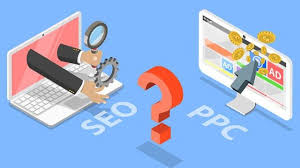
Paid search marketing and SEO (Search Engine Optimization) are two distinct strategies used to enhance a website’s visibility in search engine results. Paid search involves advertisers bidding on specific keywords to have their ads displayed at the top of search results, with costs incurred each time a user clicks on the ad. On the other hand, SEO focuses on improving a website’s organic ranking in search results through various tactics such as keyword optimization, content creation, and link building. While paid search offers immediate visibility and control over ad placement, SEO is a long-term strategy that aims to increase organic traffic and improve overall website authority. Both paid search and SEO play crucial roles in driving traffic and conversions for businesses online, with each strategy offering unique benefits based on different objectives and timelines.
What is an example of a paid search?
An example of a paid search is when a user enters a specific query into a search engine, such as “best coffee shops in London,” and sees sponsored results at the top of the search results page. These sponsored results are paid advertisements placed by businesses that have bid on relevant keywords related to the user’s search query. By clicking on these ads, users are directed to the advertiser’s website or landing page, generating traffic and potential conversions for the business. Paid search allows businesses to target specific keywords and reach their desired audience effectively through paid advertising placements on search engine results pages.
What are the benefits of paid search marketing?
Paid search marketing offers a multitude of benefits for businesses seeking to enhance their online presence and reach their target audience effectively. One of the key advantages is targeted advertising, allowing businesses to tailor their ads to specific demographics, locations, and interests, ensuring that they are seen by relevant audiences likely to convert. Additionally, paid search marketing provides immediate results, delivering instant visibility and traffic to websites once campaigns are launched. Furthermore, the ability to track and measure the performance of ads in real-time enables businesses to achieve a measurable return on investment (ROI) and make data-driven decisions for ongoing campaign optimisation.
Is Google Ads and paid search the same?
When it comes to the frequently asked question of whether Google Ads and paid search are the same, it’s important to clarify that Google Ads is a specific platform within the realm of paid search marketing. Paid search encompasses various advertising methods where businesses pay for their ads to appear in search engine results, including platforms like Google Ads, Bing Ads, and others. Google Ads, formerly known as Google AdWords, is Google’s advertising platform that allows businesses to create and manage their paid search campaigns on the Google search engine and its partner sites. Therefore, while Google Ads is a popular and powerful tool for paid search marketing, it represents just one facet of the broader paid search landscape.
What is a paid search in marketing?
Paid search in marketing refers to a strategic advertising method where businesses pay for their ads to be displayed prominently in search engine results when users search for specific keywords or phrases. This form of online advertising, also known as pay-per-click (PPC) advertising, allows businesses to target their ads to relevant audiences based on keyword relevance, demographics, and interests. By bidding on keywords and creating compelling ad copy, businesses can drive targeted traffic to their websites and increase visibility in search engine results pages. Paid search marketing offers immediate results, measurable ROI, and the ability to track campaign performance in real-time, making it a powerful tool for reaching potential customers and driving conversions in the digital landscape.
What is paid search and PPC?
Paid search, also known as pay-per-click (PPC) advertising, refers to a digital marketing strategy where businesses bid on keywords to have their ads displayed prominently in search engine results. When users search for specific keywords or phrases, relevant ads appear at the top of the search results based on the bidding amount and ad quality. PPC allows businesses to target specific demographics, locations, and interests, ensuring that ads reach relevant audiences. This form of online advertising provides immediate visibility and measurable results, making it a powerful tool for driving targeted traffic and achieving conversions in the competitive digital landscape.
What is paid search marketing example?
Paid search marketing, also known as pay-per-click (PPC) advertising, involves businesses bidding on specific keywords to have their ads displayed prominently in search engine results. An example of paid search marketing can be seen when a user searches for a product or service on Google, and sponsored ads related to that search query appear at the top of the search results page. These ads are marked as ‘Ad’ and are typically relevant to the user’s search intent. By bidding on keywords relevant to their business, advertisers can target specific audiences and drive traffic to their websites through paid search campaigns.
What is the advantage of paid search marketing?
The advantage of paid search marketing lies in its ability to provide businesses with targeted visibility and immediate results. By bidding on relevant keywords, businesses can ensure that their ads are displayed to a specific audience actively searching for their products or services. Unlike organic search efforts that can take time to gain traction, paid search marketing delivers instant visibility and traffic to websites, helping businesses reach potential customers at the right moment. Additionally, the measurable nature of paid search marketing allows businesses to track performance metrics in real-time, enabling them to make data-driven decisions and optimise campaigns for maximum ROI.
What is paid search example?
A common example of paid search is Google Ads, where businesses bid on keywords related to their products or services to have their ads displayed at the top of Google search results. For instance, if a user searches for “best coffee shops in London,” coffee shop owners can bid on this keyword to have their ad shown to users looking for such establishments. When a user clicks on the ad, the advertiser pays a specified amount, hence the term pay-per-click (PPC) advertising. Paid search examples extend beyond Google Ads and can include platforms like Bing Ads, social media advertising, and sponsored listings on e-commerce websites.
What is an example of paid search?
An example of paid search is when a company bids on specific keywords related to their products or services to have their ads displayed at the top of search engine results pages. For instance, if a user searches for “best coffee shops in London,” the top results may include paid ads from coffee shops that have bid on the keyword “coffee shops in London.” These ads are marked as “Ad” or “Sponsored” and provide businesses with prominent visibility to users actively searching for relevant information, driving traffic to their websites and potentially leading to conversions.
What are examples of paid search?
Paid search marketing encompasses various platforms and formats that businesses can utilise to promote their products or services. Examples of paid search include Google Ads, which allows advertisers to display text ads at the top of Google search results based on selected keywords. Another example is Bing Ads, Microsoft’s advertising platform that operates in a similar way to Google Ads but targets Bing search engine users. Additionally, social media platforms like Facebook and Instagram offer paid search options where businesses can create targeted ads to reach specific audiences based on demographics, interests, and behaviours. These examples demonstrate the versatility and effectiveness of paid search marketing in reaching potential customers across different online channels.
How does paid search works?
Paid search marketing, also known as pay-per-click (PPC) advertising, operates by allowing businesses to bid on specific keywords relevant to their products or services. When a user enters a search query matching those keywords, ads associated with them appear at the top of the search results. Advertisers compete for ad placement based on their bid amount and ad quality, with factors like relevance and click-through rates influencing positioning. This targeted approach ensures that businesses can reach potential customers actively searching for related offerings, driving immediate traffic to their websites and providing measurable results in real-time.
What is paid search marketing?
Paid search marketing, also known as pay-per-click (PPC) advertising, is a digital advertising strategy where businesses bid on specific keywords to have their ads displayed prominently in search engine results. When users search for relevant keywords, these ads appear at the top of the search results, allowing businesses to target specific audiences and drive traffic to their websites. Paid search marketing offers immediate visibility and measurable results, making it a powerful tool for businesses looking to enhance their online presence and reach potential customers effectively.
What is paid marketing with example?
Paid marketing, also known as paid search marketing or pay-per-click (PPC) advertising, is a form of online advertising where businesses pay to have their ads displayed prominently in search engine results or on other digital platforms. One common example of paid marketing is Google Ads, where advertisers bid on keywords related to their products or services. When users search for those keywords, the ads appear at the top of the search results, and the advertiser pays a fee each time someone clicks on their ad. Paid marketing allows businesses to target specific audiences, drive immediate traffic to their websites, and track the performance of their campaigns in real-time for optimal results.
Are paid search and PPC the same?
In the realm of digital marketing, a common query often arises regarding the distinction between paid search and PPC (pay-per-click) advertising. While the terms are closely related, they are not entirely interchangeable. Paid search refers to the practice of placing ads within search engine results pages based on specific keywords, with advertisers paying for each click their ad receives. On the other hand, PPC is a broader term encompassing various forms of online advertising where advertisers pay a fee each time their ad is clicked. Therefore, while paid search is a subset of PPC, PPC encompasses a wider range of paid advertising strategies beyond just search engine placements.