Unlocking the Potential of Local SEO with Google Maps: A Guide for Businesses in the UK

The Power of Local SEO and Google Maps for Businesses

The Power of Local SEO and Google Maps for Businesses

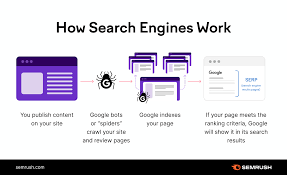
In today’s digital age, having a strong online presence is crucial for businesses to attract customers. Local Search Engine Optimization (SEO) and Google Maps play a vital role in helping businesses connect with their local audience effectively.

What is Local SEO?

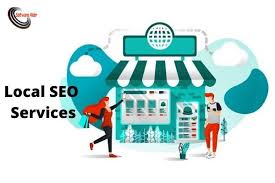
Local SEO is the practice of optimizing your website and online presence to attract more business from relevant local searches. This strategy helps businesses promote their products and services to local customers at the exact time they are looking for them online.

How Google Maps Enhances Local SEO

Google Maps is a powerful tool that integrates seamlessly with local search results. By listing your business on Google Maps, you can ensure that your company appears in local search queries, making it easier for potential customers to find you.

Benefits of Local SEO and Google Maps:

  • Increased Visibility: By implementing local SEO strategies and listing your business on Google Maps, you increase your visibility to potential customers searching for products or services in your area.
  • Improved Rankings: Optimizing your website for local searches can help improve your rankings on search engine results pages (SERPs), making it more likely for users to discover your business.
  • Enhanced Credibility: Having a presence on Google Maps adds credibility to your business, as customers can easily find information about your location, contact details, and reviews from other users.
  • Better User Experience: Google Maps provides users with accurate directions to your business location, making it convenient for them to visit you in person.
  • Increase in Foot Traffic: With the help of Google Maps, you can attract more foot traffic to your physical store or office by making it easier for customers to locate you.

In Conclusion

Local SEO and Google Maps are invaluable tools for businesses looking to target their local audience effectively. By optimising your online presence and leveraging the power of location-based searches, you can boost visibility, attract more customers, and ultimately drive growth for your business.


Top 6 Tips for Enhancing Local SEO on Google Maps

  1. Ensure your business name, address, and phone number (NAP) are consistent across all online platforms.
  2. Optimise your Google My Business listing with accurate information, high-quality images, and relevant categories.
  3. Encourage customers to leave positive reviews on Google Maps to improve your local ranking.
  4. Include local keywords in your website content and meta tags to boost visibility in local searches.
  5. Create location-specific landing pages on your website for different areas you serve.
  6. Engage with your audience by responding to reviews and messages promptly on Google Maps.

Ensure your business name, address, and phone number (NAP) are consistent across all online platforms.

Ensuring consistency in your business name, address, and phone number (NAP) across all online platforms is a crucial tip for effective local SEO and Google Maps integration. By maintaining uniformity in this information, you establish trust with search engines and potential customers, making it easier for them to find and contact your business. Inaccurate or inconsistent NAP details can lead to confusion and hinder your online visibility. Therefore, by keeping your NAP consistent across directories, websites, and social media profiles, you enhance your local search rankings and provide a seamless experience for users seeking your products or services in their area.

Optimise your Google My Business listing with accurate information, high-quality images, and relevant categories.

To maximise the impact of your local SEO strategy using Google Maps, it is essential to optimise your Google My Business listing meticulously. Ensure that all information provided is accurate and up-to-date, including your business name, address, phone number, and operating hours. Additionally, uploading high-quality images that showcase your products or services can capture the attention of potential customers. Selecting relevant categories for your business on Google My Business helps improve visibility in local searches, making it easier for users to find and engage with your business effectively. By paying attention to these details, you can enhance your online presence and attract more local customers to your business.

Encourage customers to leave positive reviews on Google Maps to improve your local ranking.

Encouraging customers to leave positive reviews on Google Maps is a highly effective tip for enhancing your local SEO ranking. Positive reviews not only improve your credibility and reputation but also signal to Google that your business is trustworthy and relevant to local searches. By actively seeking feedback from satisfied customers and responding to reviews, you can boost your visibility on Google Maps, attract more potential customers, and ultimately strengthen your position in local search results.

Include local keywords in your website content and meta tags to boost visibility in local searches.

To enhance your visibility in local searches using Google Maps, a crucial tip is to incorporate local keywords strategically within your website content and meta tags. By including relevant local terms and phrases that potential customers are likely to use when searching for businesses in your area, you can significantly boost your chances of appearing in local search results. This practice not only helps search engines understand the geographical relevance of your business but also increases the likelihood of attracting local traffic to your website, ultimately driving more footfall to your physical location.

Create location-specific landing pages on your website for different areas you serve.

To enhance your local SEO strategy with Google Maps, consider creating location-specific landing pages on your website for the various areas you serve. By tailoring content to each specific location, including relevant keywords and information about local services or products, you can improve your visibility in local search results. These dedicated landing pages not only help search engines understand the geographic relevance of your business but also provide users with targeted and valuable content that resonates with their location, ultimately driving more traffic and conversions to your website.

Engage with your audience by responding to reviews and messages promptly on Google Maps.

Engaging with your audience by responding promptly to reviews and messages on Google Maps is a key tip for enhancing your local SEO strategy. By actively interacting with customers, you not only show that you value their feedback but also build trust and credibility for your business. Prompt responses demonstrate your commitment to customer satisfaction and can encourage positive word-of-mouth recommendations. This engagement not only improves your online reputation but also signals to search engines that your business is active and responsive, ultimately boosting your visibility in local search results.

good seo

Unlocking Success: The Power of Good SEO Practices in the UK

The Importance of Good SEO for Your Business

The Importance of Good SEO for Your Business

Search Engine Optimization (SEO) is a crucial component of any successful digital marketing strategy. Good SEO practices can significantly impact the visibility and ranking of your website on search engine results pages, ultimately driving more organic traffic to your site.

Increased Visibility

One of the primary benefits of good SEO is increased visibility. By optimising your website with relevant keywords, meta tags, and high-quality content, you improve your chances of appearing at the top of search results when potential customers search for products or services related to your business.

Enhanced User Experience

SEO not only focuses on search engines but also on improving the overall user experience. By creating a well-structured website with easy navigation, fast loading times, and mobile responsiveness, you provide visitors with a positive browsing experience that encourages them to stay longer on your site.

Builds Credibility and Trust

When your website ranks high in search results, users perceive it as more trustworthy and credible. Good SEO practices help establish your brand as an authority in your industry, leading to increased brand awareness and customer trust.

Cost-Effective Marketing Strategy

Compared to traditional marketing methods, SEO is a cost-effective way to reach your target audience. By targeting specific keywords and demographics, you attract qualified leads who are already interested in what your business offers, resulting in higher conversion rates and ROI.

Long-Term Results

Unlike paid advertising campaigns that stop generating traffic once you stop paying for them, good SEO can provide long-term results. By consistently implementing best practices and monitoring performance metrics, you can maintain a strong online presence that continues to drive organic traffic over time.

In conclusion, investing in good SEO is essential for the success of your business in today’s competitive online landscape. By improving visibility, enhancing user experience, building credibility, and achieving long-term results, SEO plays a vital role in driving growth and attracting valuable customers to your website.


22 Frequently Asked Questions About Effective SEO Practices

  1. Is 500 words good for SEO?
  2. What does SEO mean?
  3. What makes good SEO?
  4. What is good SEO vs great SEO?
  5. What are the 3 pillars of SEO?
  6. What makes good SEO content?
  7. How do you implement good SEO?
  8. What makes a good SEO?
  9. What are the top 3 SEO strategies?
  10. What does SEO means?
  11. What makes SEO successful?
  12. What is SEO for website?
  13. What is good SEO for a website?
  14. What are the 4 types of SEO?
  15. What is a good SEO percentage?
  16. How do you come up with good SEO?
  17. What is the best SEO for a website?
  18. What are the 3 C’s of SEO?
  19. How do you build good SEO?
  20. What are the 3 types of SEO?
  21. Which is better for SEO?
  22. How do I know my SEO is good?

Is 500 words good for SEO?

When considering the impact of word count on SEO, it’s important to focus on quality over quantity. While 500 words can be sufficient for some content pieces, the key is to ensure that the content is valuable, relevant, and engaging to both users and search engines. It’s essential to incorporate targeted keywords naturally within the text and provide comprehensive information that addresses the user’s query. Ultimately, whether 500 words is “good” for SEO depends on how effectively the content meets the needs of the audience and aligns with your overall SEO strategy.

What does SEO mean?

Search Engine Optimization (SEO) refers to the practice of enhancing a website’s visibility and ranking on search engine results pages. In simple terms, SEO involves implementing various strategies and techniques to improve a website’s relevance and authority in the eyes of search engines like Google. By optimising factors such as keywords, meta tags, content quality, and user experience, businesses can attract more organic traffic to their websites and ultimately increase their online presence and reach their target audience effectively.

What makes good SEO?

Good SEO encompasses a range of best practices that work together to enhance a website’s visibility and ranking on search engine results pages. Key factors that contribute to good SEO include relevant keyword research and implementation, high-quality content creation, user-friendly website design and navigation, mobile responsiveness, fast loading speeds, authoritative backlinks, and regular performance monitoring and adjustments. By focusing on these aspects and staying abreast of search engine algorithms, businesses can achieve good SEO that drives organic traffic, improves user experience, builds credibility, and ultimately leads to increased online visibility and success.

What is good SEO vs great SEO?

When distinguishing between good SEO and great SEO, the key lies in the depth of strategy and execution. Good SEO typically involves basic optimisation practices such as keyword research, meta tags, and content quality. While good SEO can improve website visibility to some extent, great SEO takes it a step further by incorporating advanced techniques like comprehensive keyword analysis, technical optimisation, link building, and continuous monitoring and adaptation based on data analytics. Great SEO goes beyond just ranking higher on search engine results pages; it focuses on delivering a seamless user experience, building strong backlinks, and staying ahead of algorithm updates to ensure sustained growth and maximum impact on organic traffic and conversions.

What are the 3 pillars of SEO?

The three pillars of SEO, often referred to as the foundation of a successful search engine optimization strategy, are on-page SEO, off-page SEO, and technical SEO. On-page SEO involves optimising individual web pages with relevant content, meta tags, and keywords to improve their visibility and relevance to search engines. Off-page SEO focuses on building high-quality backlinks from reputable websites to enhance a site’s authority and credibility. Technical SEO deals with the technical aspects of a website, such as site speed, mobile-friendliness, and crawlability, ensuring that search engines can easily access and index the site’s content. Mastering these three pillars is essential for achieving optimal results in organic search rankings.

What makes good SEO content?

Creating good SEO content involves a strategic blend of high-quality writing, relevance, and optimisation techniques. Firstly, good SEO content should be well-written, engaging, and informative to captivate the audience and provide value. It should also be relevant to the target audience’s interests and aligned with their search intent to ensure it ranks well in search engine results. Additionally, incorporating targeted keywords naturally throughout the content, structuring it for readability with headings and subheadings, and including internal and external links can further enhance its SEO performance. Ultimately, good SEO content strikes a balance between user-focused readability and search engine optimisation best practices to drive organic traffic and achieve higher rankings.

How do you implement good SEO?

Implementing good SEO involves a combination of technical expertise, strategic planning, and continuous effort. Firstly, conducting thorough keyword research to identify relevant terms that your target audience is searching for is essential. Next, optimising on-page elements such as meta tags, headings, and content with these keywords helps search engines understand the relevance of your website. Additionally, creating high-quality content that provides value to users and encourages engagement is crucial for SEO success. Off-page strategies like link building and social media promotion also play a significant role in improving your website’s authority and visibility. Regular monitoring of performance metrics and adapting strategies based on data analysis ensures that your SEO efforts remain effective in the ever-evolving digital landscape. By following these best practices and staying up-to-date with industry trends, businesses can effectively implement good SEO to enhance their online presence and attract organic traffic.

What makes a good SEO?

To achieve effective SEO, several key factors contribute to what makes a good SEO strategy. Firstly, thorough keyword research and selection are crucial in targeting the right audience and improving visibility on search engine results pages. Additionally, creating high-quality, relevant content that resonates with users not only enhances engagement but also establishes credibility and authority in your industry. Technical aspects such as website structure, mobile-friendliness, and page loading speed are equally important for a good SEO performance. Regular monitoring of analytics data and continuous optimisation based on insights ensure that your SEO strategy remains adaptive and effective in driving organic traffic and achieving sustainable online success.

What are the top 3 SEO strategies?

When it comes to implementing effective SEO strategies, three key approaches stand out as crucial for improving website visibility and ranking on search engine results pages. Firstly, conducting thorough keyword research to identify relevant and high-traffic keywords is essential for creating targeted content that resonates with your audience. Secondly, optimising on-page elements such as meta tags, headings, and image alt text helps search engines understand the content of your pages better, leading to higher rankings. Lastly, building high-quality backlinks from reputable websites enhances your site’s authority and credibility in the eyes of search engines, ultimately boosting organic traffic and improving overall SEO performance.

What does SEO means?

Search Engine Optimization (SEO) refers to the practice of enhancing a website’s visibility and ranking on search engine results pages through various strategies and techniques. SEO involves optimising website content, meta tags, and structure to make it more relevant and appealing to search engines like Google. By implementing good SEO practices, businesses can increase their organic traffic, improve user experience, and establish credibility in their industry. In essence, SEO is about ensuring that a website is easily discoverable by search engines and delivers valuable information to users searching for relevant topics or products.

What makes SEO successful?

To achieve success in SEO, several key factors come into play. Firstly, thorough keyword research and strategic implementation of relevant keywords throughout your website content are essential for attracting organic traffic. Additionally, creating high-quality, engaging content that is valuable to your audience not only improves user experience but also boosts search engine rankings. Building a strong network of backlinks from reputable websites can also significantly enhance your site’s authority and credibility in the eyes of search engines. Regular monitoring and analysis of performance metrics allow for adjustments and improvements to be made continuously, ensuring that your SEO efforts remain effective and adaptive to changing algorithms and trends. Ultimately, a holistic approach that combines technical expertise, quality content creation, and ongoing optimisation is key to achieving success in SEO.

What is SEO for website?

Search Engine Optimization (SEO) for a website is the practice of enhancing the quality and quantity of organic traffic to the site through improving its visibility on search engine results pages. It involves various strategies such as keyword research, content optimization, link building, and technical enhancements to ensure that the website ranks higher in search engine rankings. By implementing SEO techniques effectively, a website can attract more relevant visitors, increase its online presence, and ultimately drive more valuable traffic that can lead to improved conversions and business growth.

What is good SEO for a website?

Good SEO for a website involves implementing strategies and techniques that improve the site’s visibility and ranking on search engine results pages. It encompasses various factors, including keyword research, on-page optimisation, quality content creation, link building, and technical SEO. Good SEO aims to enhance user experience by making the website easy to navigate, fast-loading, and mobile-friendly. It also focuses on building credibility and trust with both users and search engines through relevant and authoritative content. Ultimately, good SEO results in increased organic traffic, higher conversion rates, and long-term success for the website in the competitive online landscape.

What are the 4 types of SEO?

In the realm of Search Engine Optimization (SEO), there are four main types that businesses often focus on to enhance their online presence. These include On-Page SEO, which involves optimizing individual web pages with relevant content and meta tags; Off-Page SEO, which focuses on building backlinks and improving a site’s authority through external factors; Technical SEO, which deals with website structure, speed, and other technical aspects for better search engine crawling and indexing; and Local SEO, which targets local audiences by optimizing business listings and content for specific geographic locations. Each type of SEO plays a crucial role in improving a website’s visibility and ranking on search engine results pages.

What is a good SEO percentage?

When considering what constitutes a good SEO percentage, it’s important to understand that there is no specific numerical value that universally defines successful SEO. SEO success is measured by various factors such as keyword rankings, organic traffic, conversion rates, and overall website performance. Instead of focusing on a specific percentage, businesses should aim to implement comprehensive SEO strategies that align with their goals and target audience. Regularly monitoring and adjusting these strategies based on key performance indicators will ultimately lead to improved search engine visibility and better online presence.

How do you come up with good SEO?

To come up with good SEO, it is essential to start by conducting thorough keyword research to identify relevant and high-traffic keywords related to your business or industry. Utilising these keywords strategically in your website’s content, meta tags, and headings can help improve your search engine rankings. Additionally, creating high-quality and engaging content that provides value to your audience is crucial for good SEO. Optimising your website’s technical aspects, such as site speed, mobile responsiveness, and internal linking structure, also plays a significant role in enhancing SEO performance. Regularly monitoring and analysing your SEO efforts through tools like Google Analytics can help you track progress and make necessary adjustments to further optimise your website for search engines.

What is the best SEO for a website?

When considering the best SEO practices for a website, it is essential to focus on several key factors. Firstly, conducting thorough keyword research to identify relevant and high-performing keywords specific to your industry is crucial. Incorporating these keywords strategically into your website’s content, meta tags, and headings can help improve search engine visibility. Additionally, ensuring a user-friendly website design with fast loading times, mobile responsiveness, and easy navigation contributes to a positive user experience. Regularly updating and creating high-quality content that provides value to your audience also plays a significant role in enhancing SEO performance. Finally, building high-quality backlinks from reputable websites can further boost your website’s authority and ranking in search results. By implementing a comprehensive SEO strategy that encompasses these elements, you can optimise your website effectively for improved visibility and organic traffic.

What are the 3 C’s of SEO?

The 3 C’s of SEO refer to Content, Code, and Credibility. Content is key in SEO as it involves creating high-quality, relevant, and engaging content that resonates with both users and search engines. Code refers to the technical aspects of a website, such as meta tags, site speed, and mobile-friendliness, which impact its visibility and ranking on search engine results pages. Credibility focuses on building trust and authority through backlinks, social signals, and positive user experiences, establishing a strong online presence that boosts a website’s credibility in the eyes of both users and search engines. Mastering the 3 C’s of SEO is essential for achieving sustainable success in the digital landscape.

How do you build good SEO?

To build good SEO, it is essential to follow a strategic approach that combines technical expertise, content quality, and user experience. Start by conducting thorough keyword research to identify relevant search terms for your industry and target audience. Optimise your website’s on-page elements, such as meta tags, headings, and URLs, with these keywords to improve visibility in search results. Create high-quality, engaging content that provides value to users and encourages them to stay on your site. Focus on building a strong backlink profile by acquiring links from reputable websites in your niche. Regularly monitor and analyse performance metrics to make data-driven decisions and continuously refine your SEO strategy for optimal results.

What are the 3 types of SEO?

When it comes to Search Engine Optimization (SEO), there are three main types that businesses often focus on: 1) On-Page SEO, which involves optimizing individual web pages to improve their search engine rankings and attract more organic traffic. This includes elements such as keyword research, content creation, meta tags, and internal linking. 2) Off-Page SEO, which refers to activities conducted outside of the website to enhance its online authority and credibility. This includes link building, social media marketing, and influencer outreach. 3) Technical SEO, which involves optimizing the technical aspects of a website to improve its crawling and indexing by search engines. This includes factors like site speed, mobile-friendliness, structured data markup, and XML sitemaps. Each type of SEO plays a crucial role in boosting a website’s visibility and ensuring it ranks well in search engine results pages.

Which is better for SEO?

When it comes to SEO, the question of what is better often arises. However, it’s important to understand that there isn’t a one-size-fits-all answer. The effectiveness of SEO strategies depends on various factors such as your business goals, target audience, industry competition, and budget. Both on-page and off-page SEO techniques play a crucial role in improving your website’s visibility and ranking on search engine results pages. Ultimately, a holistic approach that combines the strengths of both strategies is likely to yield the best results for enhancing your online presence and driving organic traffic to your site.

How do I know my SEO is good?

To determine if your SEO efforts are effective, several key indicators can help you assess the quality of your strategy. Firstly, monitor your website’s search engine rankings for relevant keywords to see if they are improving over time. Additionally, analyse your organic traffic metrics to track the volume and quality of visitors coming to your site from search engines. Furthermore, assess user engagement metrics such as bounce rate, time on page, and conversion rates to understand how well your website is meeting the needs of visitors. Regularly reviewing these performance metrics and making data-driven adjustments will help you gauge the success of your SEO efforts and ensure that your strategy is delivering tangible results for your business.

yandex seo

Unlocking Success with Yandex SEO: A Guide to Optimising for the Russian Search Engine

The Power of Yandex SEO

The Power of Yandex SEO

When it comes to search engine optimisation, Google is often the first name that comes to mind. However, in certain regions like Russia and other CIS countries, Yandex reigns supreme as the search engine of choice. Understanding and utilising Yandex SEO can be crucial for businesses targeting audiences in these regions.

What is Yandex?

Yandex is a Russian multinational corporation that operates the largest search engine in Russia, with over 60% market share in the country. It offers a wide range of services beyond search, including maps, translation, cloud storage, and more. For businesses looking to establish a strong online presence in Russia and neighbouring countries, optimising for Yandex is essential.

Key Differences with Google SEO

While many principles of SEO apply to both Google and Yandex, there are some key differences to consider. For example, Yandex places a higher emphasis on the domain age and domain name relevance compared to Google. Additionally, keyword density and meta tags play a more significant role in Yandex’s ranking algorithm.

Tips for Optimising for Yandex

  • Keywords: Conduct thorough keyword research using Yandex-specific tools to identify high-value keywords for your target audience.
  • Meta Tags: Pay close attention to meta tags such as title tags and meta descriptions as they carry significant weight in Yandex’s algorithm.
  • Content: Create high-quality, original content that incorporates relevant keywords naturally throughout the text.
  • Backlinks: Build a diverse backlink profile from reputable sources to improve your site’s authority in the eyes of Yandex.
  • User Experience: Ensure your website is user-friendly with fast loading times and mobile responsiveness.

The Importance of Localisation

In addition to language considerations, localisation plays a crucial role in Yandex SEO. Tailoring your website content to reflect local customs, preferences, and trends can significantly boost your visibility on the platform. This includes using localised keywords, addresses, phone numbers, and currency where applicable.

In Conclusion

Mastering Yandex SEO requires a nuanced understanding of its unique ranking factors and algorithms. By implementing targeted strategies tailored to the platform’s requirements, businesses can enhance their visibility and reach their desired audience effectively in Russia and surrounding regions.


Exploring Yandex SEO: Top 19 Frequently Asked Questions

  1. Why is Yandex so popular?
  2. Does Google use Yandex?
  3. Is Yandex connected to Google?
  4. Is Google better than Yandex?
  5. Is Yandex a Russian site?
  6. Is Yandex more popular than Google?
  7. Why is Yandex so good?
  8. Is Yandex faster than Google?
  9. Why is Yandex the best search engine?
  10. What is better Google or Yandex?
  11. How good is Yandex search engine?
  12. How do you do Yandex SEO?
  13. Is Yandex Russian Google?
  14. What is the difference between Yandex and Google?
  15. Is Yandex bigger than Google in Russia?
  16. Which is better Google or Yandex?
  17. Does SEO optimization really work?
  18. Is Yandex only for Russia?
  19. What is Yandex SEO?

Yandex’s popularity can be attributed to several factors that set it apart as a preferred search engine, particularly in Russia and CIS countries. One key reason for Yandex’s popularity is its deep understanding of the local language and culture, allowing it to provide more relevant search results tailored to users in these regions. Additionally, Yandex offers a wide range of services beyond search, such as maps, translation, and cloud storage, making it a comprehensive platform for users’ digital needs. The emphasis on domain age, domain name relevance, and keyword density in Yandex’s ranking algorithm also plays a role in its popularity among businesses looking to optimise their online presence for the Russian market. Overall, Yandex’s commitment to localisation, user experience, and diverse service offerings contributes to its widespread appeal and dominance in its target regions.

Does Google use Yandex?

The frequently asked question regarding Yandex SEO, “Does Google use Yandex?” often arises due to the distinct roles of these two search engines. Google and Yandex are separate entities, each with its own algorithms, indexing systems, and user bases. While Google is widely used globally and dominates many markets, including the UK and the US, Yandex is primarily focused on serving users in Russia and neighbouring countries. Therefore, Google does not use Yandex as its search engine; they operate independently to cater to their respective audiences and regions.

Is Yandex connected to Google?

In the realm of search engines, Yandex and Google operate as distinct entities with no direct connection between them. While both platforms serve as popular search engines, Yandex is a Russian-based search engine that primarily caters to users in Russia and other CIS countries, while Google is a multinational giant with a global reach. Each search engine has its algorithms, ranking factors, and user interfaces tailored to their specific audiences. Therefore, businesses aiming to enhance their online presence in regions where Yandex holds sway should focus on optimising for Yandex’s unique SEO requirements rather than assuming any direct link or integration between Yandex and Google.

Is Google better than Yandex?

When comparing Google to Yandex, the question of which search engine is better often arises. While Google is a dominant force globally and is widely used in many countries, including the UK, Yandex holds significant market share in Russia and other CIS countries. The answer to whether Google is better than Yandex depends on the context of the user’s target audience and geographical focus. Google’s algorithm is known for its complexity and sophistication, while Yandex has its unique ranking factors that cater specifically to the Russian-speaking audience. Ultimately, businesses aiming to reach audiences in Russia may find that optimising for Yandex is more beneficial, whereas those targeting a more global audience might favour Google’s broader reach and user base.

Is Yandex a Russian site?

Yes, Yandex is indeed a Russian site. Founded in 1997 by Arkady Volozh and Ilya Segalovich, Yandex is a Russian multinational corporation that operates the largest search engine in Russia. With over 60% market share in the country, Yandex has established itself as the go-to search engine for users in Russia and other CIS countries. Its headquarters are located in Moscow, further solidifying its Russian roots. Understanding Yandex’s origin and its dominance in the Russian online landscape is essential for businesses looking to effectively navigate the world of Yandex SEO and reach their target audience in this region.

The question of whether Yandex is more popular than Google depends on the geographical context. In Russia and other CIS countries, Yandex holds a dominant position as the preferred search engine, with over 60% market share in Russia alone. In these regions, Yandex is often considered more popular than Google due to its tailored services and localised approach. However, on a global scale, Google remains the most widely used search engine, commanding a significant market share worldwide. Each search engine has its strengths and popularity in different regions, making it essential for businesses to understand and optimise for both platforms to reach their target audiences effectively.

Why is Yandex so good?

Yandex stands out as a powerful search engine, particularly in regions like Russia and CIS countries, due to several key factors. One reason for Yandex’s effectiveness is its deep understanding of the local language and culture, allowing it to provide more relevant search results tailored to the specific needs of users in those regions. Additionally, Yandex’s algorithm places importance on factors such as domain age, domain name relevance, and keyword density, which can benefit websites optimised specifically for the platform. The search engine’s comprehensive suite of services beyond search, including maps, translation, and cloud storage, further enhances its appeal and utility to users. Overall, Yandex’s focus on localisation and user-centric features contributes to its reputation as a preferred choice for those seeking information online in Russian-speaking territories.

Is Yandex faster than Google?

In the realm of search engines, the speed at which results are delivered is a crucial factor for user experience. When comparing Yandex to Google in terms of speed, it’s important to note that both search engines have their own algorithms and infrastructure that impact the speed of delivering search results. While some users may perceive Yandex to be faster than Google in certain instances due to regional factors or individual browsing experiences, overall speed comparisons between the two search engines can vary depending on numerous factors such as location, network conditions, and server responsiveness. Ultimately, the perceived speed of Yandex versus Google may differ for each user based on their specific context and usage patterns.

Why is Yandex the best search engine?

Yandex is often regarded as the best search engine in certain regions, particularly in Russia and the CIS countries, due to its dominant market share and tailored approach to local search needs. As the largest search engine in Russia, Yandex understands the nuances of the local language, culture, and user preferences, allowing it to deliver more relevant search results for users in these regions. With a focus on factors like domain age, domain name relevance, and keyword density, Yandex’s algorithm is designed to prioritise content that resonates with its Russian-speaking audience. This targeted approach makes Yandex a preferred choice for businesses looking to establish a strong online presence in these markets.

What is better Google or Yandex?

When comparing Google and Yandex, the choice of which search engine is better largely depends on the target audience and geographical location of the user. Google is widely used globally and is a dominant force in many markets, offering a vast array of services beyond search. On the other hand, Yandex holds a strong presence in Russia and neighbouring countries, providing tailored services and search results for users in that region. For businesses targeting audiences in Russia or CIS countries, prioritising Yandex SEO can be more beneficial due to its market dominance and specific ranking factors. Ultimately, the decision between Google and Yandex comes down to understanding the unique needs of the target audience and crafting SEO strategies accordingly.

How good is Yandex search engine?

When evaluating the effectiveness of the Yandex search engine, it is important to consider its dominance in regions like Russia and CIS countries where it holds a significant market share. Yandex is renowned for its tailored approach to search results, prioritising local content and language nuances that cater to its user base. Businesses targeting audiences in these regions often find success by optimising for Yandex’s unique ranking factors and algorithms. While Yandex may not have the global reach of Google, its emphasis on domain age, domain name relevance, and keyword density make it a powerful tool for businesses aiming to establish a strong online presence in Russian-speaking markets.

How do you do Yandex SEO?

To effectively implement Yandex SEO, it is essential to understand the unique ranking factors and algorithms that govern the search engine. Key aspects include conducting thorough keyword research using Yandex-specific tools, optimising meta tags such as title tags and meta descriptions, creating high-quality and keyword-rich content, building a diverse backlink profile, and ensuring a user-friendly website experience. Localisation also plays a crucial role in Yandex SEO, requiring businesses to tailor their content to reflect local customs and preferences. By following these targeted strategies and adhering to Yandex’s specific requirements, businesses can enhance their online visibility and reach their target audience effectively in regions where Yandex is dominant.

Is Yandex Russian Google?

In the realm of search engines, a common query arises: Is Yandex the Russian equivalent of Google? While both Yandex and Google are prominent search engines, with Google dominating globally and Yandex holding sway in Russia and neighbouring countries, they each have their unique features and algorithms. Yandex is often referred to as the “Russian Google” due to its popularity in the region, but it offers distinct functionalities tailored to the Russian language and culture. Understanding the nuances between Yandex and Google is essential for businesses aiming to optimise their online presence effectively in different markets.

What is the difference between Yandex and Google?

One frequently asked question regarding Yandex SEO is, “What is the difference between Yandex and Google?” While both Yandex and Google are popular search engines, they have distinct algorithms and ranking factors. Yandex, being the dominant search engine in Russia and CIS countries, places a higher emphasis on domain age, domain name relevance, keyword density, and meta tags compared to Google. Understanding these differences is essential for businesses targeting audiences in regions where Yandex holds sway, as it influences how websites are optimised for better visibility and search engine rankings.

Is Yandex bigger than Google in Russia?

In the realm of search engines in Russia, Yandex holds a dominant position, surpassing Google in terms of market share and popularity. With over 60% of the search engine market in Russia under its belt, Yandex is undeniably a powerhouse in the region. While Google remains a significant player globally, when it comes to catering to Russian audiences and businesses, Yandex’s stronghold is evident, making it a crucial platform for those looking to optimise their online presence effectively in the Russian market.

Which is better Google or Yandex?

When comparing Google and Yandex, the question of which search engine is better ultimately depends on the target audience and geographical location. Google is widely known as the dominant search engine globally, offering a vast reach and sophisticated algorithms. On the other hand, Yandex holds significant influence in Russia and CIS countries, providing tailored services for users in these regions. Businesses targeting audiences in Russia may find Yandex to be more effective due to its understanding of local nuances and preferences. Ultimately, the choice between Google and Yandex comes down to the specific goals and target markets of each individual business.

Does SEO optimization really work?

In the realm of Yandex SEO, a common query that arises is, “Does SEO optimization really work?” The answer lies in the fundamental principle that SEO optimisation, when executed effectively and strategically, can indeed yield tangible results. By aligning your website with the search engine’s ranking factors and user preferences, you can enhance your online visibility, attract targeted traffic, and ultimately improve your website’s performance. Through diligent keyword research, content creation, technical optimisation, and ongoing monitoring and adjustments, SEO optimisation has the potential to drive organic growth and deliver long-term benefits for your online presence.

Is Yandex only for Russia?

Yandex, the largest search engine in Russia, is not exclusive to the country. While Yandex does dominate the Russian search market with over 60% market share, it also serves users in other CIS countries like Belarus, Kazakhstan, and Ukraine. Businesses targeting audiences in these regions can benefit significantly from optimising their online presence for Yandex. Understanding the nuances of Yandex SEO and tailoring strategies to cater to these diverse markets can help businesses expand their reach beyond Russia and tap into a broader audience base across the CIS region.

What is Yandex SEO?

Yandex SEO refers to the practice of optimising websites and online content specifically for the Yandex search engine, which is the dominant search engine in Russia and other CIS countries. This specialised form of SEO involves implementing strategies to improve a website’s visibility and ranking on Yandex’s search results pages. Key factors in Yandex SEO include domain age, domain name relevance, keyword density, meta tags, and localisation to cater to the preferences of users in the region. Understanding and utilising Yandex SEO techniques are essential for businesses targeting audiences in Russian-speaking markets to enhance their online presence effectively.

rankingcoach seo

Unlocking Success with rankingCoach SEO Strategies

The Power of rankingCoach SEO

The Power of rankingCoach SEO

In today’s digital landscape, having a strong online presence is crucial for businesses to succeed. Search engine optimisation (SEO) plays a vital role in improving a website’s visibility and driving organic traffic. One tool that has gained recognition for its effectiveness in simplifying the SEO process is rankingCoach.

What is rankingCoach?

rankingCoach is an innovative SEO tool designed to empower businesses of all sizes to improve their search engine rankings. It offers a user-friendly platform that guides users through the essential steps of SEO without the need for technical expertise.

Key Features of rankingCoach:

  • Keyword Research: rankingCoach helps users identify relevant keywords that can boost their website’s visibility in search engine results.
  • On-Page Optimisation: The tool provides recommendations for optimising on-page elements such as meta tags, headings, and content structure.
  • Backlink Analysis: Users can analyse their backlink profile and identify opportunities to build high-quality backlinks for improved SEO performance.
  • Competitor Analysis: rankingCoach allows users to track their competitors’ SEO strategies and benchmark their performance against industry rivals.
  • Performance Tracking: Users can monitor their website’s performance through comprehensive analytics and reporting features provided by rankingCoach.

The Benefits of Using rankingCoach:

By leveraging the power of rankingCoach, businesses can experience several benefits, including:

  • Improved Search Engine Rankings: With targeted SEO recommendations, businesses can enhance their online visibility and climb higher in search engine results pages.
  • Increase in Organic Traffic: By implementing effective SEO strategies, businesses can attract more organic traffic to their website, leading to potential conversions and sales.
  • Cost-Effective Solution: rankingCoach offers a cost-effective way for businesses to manage their SEO efforts without the need for hiring expensive agencies or consultants.
  • User-Friendly Interface: The intuitive interface of rankingCoach makes it easy for users to navigate through the platform and implement recommended SEO actions efficiently.

In Conclusion

In conclusion, rankingCoach is a powerful tool that empowers businesses to take control of their SEO strategies and achieve tangible results. By utilising its features and following its recommendations, businesses can enhance their online presence, attract more organic traffic, and ultimately drive success in the competitive digital landscape.


18 Common Questions About RankingCoach and SEO: Understanding Rankings, Tools, and Strategies

  1. What is the ranking system of SEO?
  2. How do I check my SEO ranking?
  3. What is ranking factor in SEO?
  4. What are Seos used for?
  5. What are the 3 pillars of SEO?
  6. How do I rank higher in SEO?
  7. What are the 3 types of SEO?
  8. Does Google have an SEO tool?
  9. What are the 4 types of SEO?
  10. Does SEO still exist?
  11. Do seos really work?
  12. Why are backlinks important in SEO?
  13. How to be #1 in SEO?
  14. What is rankingCoach?
  15. How do you rank #1 on Google?
  16. How do I get Google SEO for free?
  17. How to do SEO for coding websites?
  18. Is SEO paid or free?

What is the ranking system of SEO?

The ranking system of SEO, also known as Search Engine Optimization, refers to the process by which search engines evaluate and position websites in search results based on various factors. Search engines like Google use complex algorithms to determine the relevance and authority of web pages in response to user queries. Key elements that influence a website’s ranking include quality and relevance of content, use of relevant keywords, backlink profile, site speed, mobile-friendliness, and user experience. By understanding and optimising these factors, businesses can improve their website’s ranking in search engine results pages (SERPs) and increase their visibility to potential customers online.

How do I check my SEO ranking?

To check your SEO ranking, you can utilise various tools and methods to assess where your website stands in search engine results pages (SERPs). One common approach is to use online tools like rankingCoach that provide insights into your website’s performance and keyword rankings. Additionally, you can manually conduct searches on search engines using relevant keywords to see where your website appears in the results. Monitoring metrics such as organic traffic, keyword positions, and backlink quality can also give you a comprehensive understanding of your SEO ranking and help identify areas for improvement. Regularly tracking these indicators is essential to gauge the effectiveness of your SEO efforts and make informed decisions to enhance your online visibility.

What is ranking factor in SEO?

In the realm of SEO, a frequently asked question revolves around the concept of ranking factors. Ranking factors in SEO refer to the various elements and criteria that search engines consider when determining the position of a website in search results. These factors can include on-page elements such as keywords, content quality, and meta tags, as well as off-page factors like backlinks and domain authority. Understanding and optimising these ranking factors is essential for businesses looking to improve their visibility online and attract organic traffic to their websites.

What are Seos used for?

Search engine optimisation (SEO) is a fundamental digital marketing strategy used to enhance a website’s visibility and ranking in search engine results pages. SEOs are primarily used to attract organic traffic to a website by optimising its content, structure, and performance according to search engine algorithms. By implementing SEO techniques such as keyword research, on-page optimisation, and link building, businesses can improve their online presence, increase their chances of being discovered by potential customers, and ultimately drive conversions. In essence, SEOs play a crucial role in helping websites stand out in the vast online landscape and reach their target audience effectively.

What are the 3 pillars of SEO?

When delving into the realm of SEO, it is essential to understand the three fundamental pillars that form the backbone of search engine optimisation. The 3 pillars of SEO encompass on-page optimisation, off-page optimisation, and technical SEO. On-page optimisation focuses on enhancing elements within the website itself, such as content quality, keyword usage, and meta tags. Off-page optimisation involves building a strong backlink profile and establishing authority through external sources. Technical SEO deals with the technical aspects of a website, ensuring optimal performance in terms of site speed, mobile-friendliness, and indexability. Mastering these three pillars is key to unlocking the full potential of an effective SEO strategy.

How do I rank higher in SEO?

To rank higher in SEO, it is essential to implement a comprehensive strategy that focuses on various key aspects. Start by conducting thorough keyword research to identify relevant terms that your target audience is searching for. Optimise your website’s on-page elements, such as meta tags, headings, and content, to align with these keywords. Building high-quality backlinks from reputable websites can also boost your site’s authority and credibility in the eyes of search engines. Regularly monitor and analyse your performance using tools like rankingCoach to track progress and make necessary adjustments to stay ahead in the competitive search engine rankings. Consistency, quality content creation, and staying updated with SEO trends are vital for achieving and maintaining higher rankings in search results.

What are the 3 types of SEO?

When exploring the realm of SEO, it is common to encounter the question: “What are the 3 types of SEO?” The three primary types of SEO are on-page SEO, off-page SEO, and technical SEO. On-page SEO focuses on optimising individual web pages to improve search engine rankings and user experience. Off-page SEO involves activities outside the website, such as link building and social media marketing, to enhance site authority and credibility. Technical SEO pertains to the backend aspects of a website, including site speed, mobile-friendliness, and structured data markup, ensuring optimal performance for search engines. Understanding these three types of SEO is essential for developing a comprehensive strategy to boost online visibility and drive organic traffic.

Does Google have an SEO tool?

One frequently asked question regarding rankingCoach SEO is, “Does Google have an SEO tool?” While Google itself does not offer a specific SEO tool, it provides various resources such as Google Search Console and Google Analytics that can aid in monitoring and improving website performance. However, for comprehensive SEO guidance and actionable insights, businesses often turn to third-party tools like rankingCoach, which are specifically designed to streamline the SEO process and help websites achieve better visibility on search engine results pages.

What are the 4 types of SEO?

One frequently asked question regarding rankingCoach SEO is, “What are the 4 types of SEO?” Understanding the different types of SEO is essential for businesses looking to enhance their online presence. The four main types include on-page SEO, off-page SEO, technical SEO, and local SEO. On-page SEO focuses on optimising individual web pages for specific keywords and content relevance. Off-page SEO involves building external links and promoting a website through social media and other channels. Technical SEO deals with website structure, speed, and other technical aspects that impact search engine rankings. Lastly, local SEO targets localised searches to improve visibility within a specific geographic area. By leveraging these different types of SEO strategies effectively, businesses can boost their online visibility and attract more organic traffic to their websites.

Does SEO still exist?

In response to the frequently asked question, “Does SEO still exist?” – the answer is a resounding yes. Search engine optimisation (SEO) remains a fundamental and ever-evolving practice in the digital realm. As search engines continue to refine their algorithms and user preferences shift, the importance of SEO only grows. By implementing effective SEO strategies, businesses can improve their online visibility, attract organic traffic, and stay competitive in the dynamic online landscape. SEO is not just alive; it is essential for businesses looking to thrive and succeed in today’s digital world.

Do seos really work?

The question “Do SEOs really work?” is a common query among businesses seeking to improve their online presence. The effectiveness of SEO strategies can vary depending on various factors such as the competitiveness of the industry, the quality of the content, and the consistency of SEO efforts. When implemented correctly, SEO techniques like keyword optimisation, backlink building, and content creation can significantly enhance a website’s visibility in search engine results and drive organic traffic. It’s essential for businesses to understand that SEO is a long-term investment that requires ongoing monitoring and adjustments to stay ahead in the digital landscape. With the right approach and tools like rankingCoach SEO, businesses can experience tangible results and boost their online success over time.

Backlinks play a crucial role in SEO as they serve as a vote of confidence from one website to another. Search engines like Google consider backlinks as a signal of trust and authority, indicating that a website is reputable and valuable. By acquiring high-quality backlinks from authoritative websites, a site can improve its own credibility and visibility in search engine results. Backlinks not only drive referral traffic but also contribute to higher search engine rankings, making them an essential element of any successful SEO strategy.

How to be #1 in SEO?

Achieving the top position in SEO, often referred to as being #1 in search engine rankings, is a common goal for businesses looking to maximise their online visibility and attract more organic traffic. To reach this coveted spot, it’s essential to implement a comprehensive SEO strategy that focuses on key elements such as keyword research, on-page optimisation, high-quality content creation, backlink building, and continuous performance tracking. By consistently refining and adapting these strategies based on data-driven insights and industry best practices, businesses can increase their chances of ranking #1 in search engine results pages and staying ahead of the competition.

What is rankingCoach?

“rankingCoach is a user-friendly and innovative SEO tool that has been designed to empower businesses of all sizes to improve their search engine rankings effectively. It simplifies the complex process of search engine optimisation by providing step-by-step guidance without the need for technical expertise. With features such as keyword research, on-page optimisation recommendations, backlink analysis, competitor tracking, and performance monitoring, rankingCoach equips users with the tools they need to enhance their online visibility and drive organic traffic to their websites.”

How do you rank #1 on Google?

Achieving the top ranking on Google, commonly referred to as ranking #1, requires a strategic approach to search engine optimisation. To rank #1 on Google, businesses need to focus on several key factors, including relevant keyword research, high-quality content creation, effective on-page optimisation, building authoritative backlinks, and ensuring a positive user experience on their website. By implementing a comprehensive SEO strategy that addresses these aspects and staying abreast of Google’s algorithm updates, businesses can increase their chances of securing the coveted top spot in Google search results.

How do I get Google SEO for free?

For those seeking to enhance their website’s visibility on Google without incurring additional costs, leveraging free Google SEO strategies can be highly beneficial. By focusing on key aspects such as creating high-quality content, optimising meta tags and headings, improving site speed and mobile-friendliness, and obtaining quality backlinks from reputable sources, businesses can improve their search engine rankings organically. Additionally, utilising Google Search Console to monitor website performance, identifying and fixing technical issues, and regularly updating content to align with relevant keywords are essential practices for achieving free Google SEO success. By implementing these strategies effectively, businesses can boost their online presence without the need for paid advertising or services.

How to do SEO for coding websites?

Optimising SEO for coding websites requires a strategic approach that combines technical expertise with SEO best practices. When it comes to coding websites, focusing on clean and efficient code structure is essential for search engine visibility. Ensuring that the website’s code is well-organised, free of errors, and follows SEO-friendly practices such as using appropriate meta tags, structured data markup, and responsive design is crucial. Additionally, implementing proper URL structures, optimising images with descriptive alt text, and prioritising site speed are key factors in enhancing the SEO performance of coding websites. By combining strong coding principles with effective SEO strategies, coding websites can achieve higher search engine rankings and improved online visibility.

Is SEO paid or free?

When it comes to SEO, it is important to understand that Search Engine Optimization itself is a free practice aimed at improving a website’s visibility in organic search results. However, the process of implementing SEO strategies may involve both paid and free elements. While the core principles of SEO, such as keyword research, on-page optimisation, and content creation, can be done without cost, businesses may choose to invest in paid tools or services like rankingCoach for more advanced features and guidance. Ultimately, SEO can be approached through a combination of free techniques and paid resources to enhance a website’s search engine rankings effectively.

local search engine

Unlocking the Potential of Local Search Engine Optimisation in the UK

The Power of Local Search Engine Optimisation

The Power of Local Search Engine Optimisation

Local search engine optimisation (SEO) is a crucial strategy for businesses looking to attract customers within their specific geographical area. With the increasing use of mobile devices and voice search, local SEO has become more important than ever in connecting businesses with local consumers.

What is Local SEO?

Local SEO involves optimising your online presence to improve visibility in local search results. This includes creating and optimising Google My Business profiles, local citations, and ensuring consistency in NAP (Name, Address, Phone Number) information across all online platforms.

The Benefits of Local SEO

Implementing a strong local SEO strategy can have numerous benefits for businesses:

  • Increased Visibility: By appearing in local search results, your business can reach potential customers who are actively looking for products or services in your area.
  • Targeted Traffic: Local SEO helps attract relevant traffic from nearby consumers who are more likely to convert into customers.
  • Improved Reputation: Positive reviews and high local rankings can enhance your business’s reputation and credibility within the community.
  • Competitive Advantage: Optimising for local search can give you an edge over competitors who may not have prioritised their local online presence.

Key Strategies for Local SEO Success

To maximise the impact of your local SEO efforts, consider implementing the following strategies:

  1. Optimise Your Google My Business Profile: Ensure that your GMB profile is complete and accurate with relevant information about your business.
  2. Create Local Content: Develop content that is tailored to your local audience, including location-specific keywords and information.
  3. Get Listed in Online Directories: Claim and optimise listings on popular online directories such as Yelp, Yellow Pages, and TripAdvisor.
  4. Solicit Customer Reviews: Encourage satisfied customers to leave positive reviews on platforms like Google and Facebook to build trust with potential customers.

In Conclusion

In today’s digital age, leveraging the power of local SEO is essential for businesses seeking to connect with nearby consumers and drive foot traffic to physical locations. By implementing targeted strategies and optimising your online presence for local search, you can position your business for success in the competitive marketplace.


Understanding Local Search: Strategy, Engines, and Top Platforms Explained

  1. What is local search strategy?
  2. What is a local search engine?
  3. What is local search in digital marketing?
  4. What is meant by local search?
  5. Which is India’s local search engine?
  6. What is a local search in SEO?
  7. Which are the top 10 search engines?

What is local search strategy?

A local search strategy refers to a targeted approach that businesses adopt to enhance their visibility in local search engine results. This strategy involves optimising various online elements, such as Google My Business profiles, local citations, and location-specific keywords, to ensure that the business appears prominently when users search for products or services within a specific geographic area. By focusing on local search strategy, businesses can attract nearby customers, drive foot traffic to physical locations, and establish a strong online presence within their community.

What is a local search engine?

A local search engine is a specialised online platform that enables users to find businesses, products, or services within a specific geographic area. Unlike traditional search engines that provide global results, local search engines focus on delivering relevant information based on the user’s location or specified region. By utilising local search engines, individuals can easily discover nearby businesses, read reviews, access contact details, and obtain directions, making it a valuable tool for connecting consumers with local businesses in their community.

What is local search in digital marketing?

Local search in digital marketing refers to the process of users seeking information, products, or services within a specific geographic area using online search engines. It involves optimising online content to target local consumers and improve visibility in search engine results for location-based queries. Local search plays a vital role in connecting businesses with nearby customers and enhancing their online presence within their target market. By focusing on local SEO strategies such as Google My Business optimisation, citation management, and localised content creation, businesses can effectively reach their local audience and drive foot traffic to physical locations.

Local search refers to the process of users conducting online searches with the intent of finding products, services, or information within a specific geographic area. It involves querying search engines for local businesses, establishments, or events that are relevant to their location. Local search results are tailored to the user’s proximity and provide them with relevant and geographically targeted information. This type of search is particularly valuable for businesses looking to attract nearby customers and establish a strong presence within their local community.

Which is India’s local search engine?

When it comes to local search engines in India, one of the most prominent platforms is Justdial. Justdial is a popular local search engine that provides users with information on a wide range of businesses, services, and products across various cities in India. With its user-friendly interface and comprehensive database, Justdial serves as a go-to resource for individuals looking to find local businesses and services in their vicinity.

What is a local search in SEO?

A local search in SEO refers to the process of users seeking information, products, or services within a specific geographic area. When individuals conduct a local search, they are looking for businesses or resources that are physically close to them. Local search engine optimisation (SEO) focuses on improving a website’s visibility in these local search results, ensuring that businesses can connect with nearby customers who are actively seeking their offerings. By implementing local SEO strategies such as optimising Google My Business profiles and local citations, businesses can enhance their online presence and attract targeted traffic from their local community.

Which are the top 10 search engines?

When it comes to search engines, the landscape is diverse and constantly evolving. While Google remains the dominant player in the search engine market, there are several other popular search engines that cater to specific niches or regions. Some of the top 10 search engines besides Google include Bing, Yahoo, Baidu, Yandex, DuckDuckGo, Ask.com, AOL Search, Internet Archive, and Ecosia. Each of these search engines offers unique features and functionalities, providing users with a variety of options when it comes to conducting online searches.

search engine promotion

Unlocking Success: The Art of Search Engine Promotion

The Power of Search Engine Promotion

The Power of Search Engine Promotion

Search engine promotion is a crucial aspect of any digital marketing strategy in today’s competitive online landscape. With millions of websites vying for attention on the internet, ensuring that your website ranks high on search engine results pages (SERPs) is essential for driving traffic and increasing visibility.

Search engine promotion involves various techniques aimed at improving a website’s search engine ranking. This includes both organic methods such as search engine optimisation (SEO) and paid methods such as pay-per-click (PPC) advertising.

The Benefits of Search Engine Promotion

Effective search engine promotion can yield numerous benefits for businesses:

  • Increased Visibility: By appearing at the top of search results for relevant keywords, your website gains visibility among potential customers.
  • Higher Traffic: Improved search engine rankings lead to increased organic traffic to your website, resulting in more opportunities for conversion.
  • Brand Authority: Websites that consistently rank well on search engines are perceived as more trustworthy and authoritative by users.
  • Cost-Effective Marketing: Compared to traditional advertising methods, search engine promotion can offer a higher return on investment (ROI) due to its targeted nature.
  • Data-Driven Insights: Through analytics tools, businesses can gather valuable data on user behaviour and preferences to further refine their promotional strategies.

Key Strategies for Search Engine Promotion

To succeed in search engine promotion, businesses should consider implementing the following strategies:

  1. Keyword Research: Identifying relevant keywords that align with your business offerings and target audience is crucial for SEO success.
  2. On-Page Optimisation: Optimising website content, meta tags, and images to improve search engine visibility and user experience.
  3. Quality Content Creation: Producing high-quality, engaging content that resonates with users and encourages organic link building.
  4. Link Building: Earning backlinks from reputable websites to enhance domain authority and improve search rankings.
  5. Paid Advertising: Utilising PPC campaigns strategically to supplement organic efforts and target specific audience segments.

In Conclusion

In conclusion, search engine promotion plays a vital role in helping businesses stand out in the digital realm. By implementing effective strategies and staying abreast of algorithm updates, businesses can enhance their online presence, attract quality traffic, and ultimately drive growth through improved search engine visibility.


Top 7 Tips for Boosting Your Website’s Search Engine Visibility

  1. Optimize your website with relevant keywords that your target audience is likely to search for.
  2. Create high-quality and engaging content that is valuable to your users.
  3. Improve your website’s user experience to encourage visitors to stay longer and explore more pages.
  4. Build backlinks from reputable websites to increase your site’s authority and credibility.
  5. Regularly update and maintain your website to ensure it stays current and relevant in search engine results.
  6. Utilize social media platforms to promote your website and attract more traffic.
  7. Monitor your performance using analytics tools and make adjustments based on the data.

Optimize your website with relevant keywords that your target audience is likely to search for.

To maximise the effectiveness of your search engine promotion efforts, it is essential to optimise your website with relevant keywords that resonate with your target audience and align with their search behaviour. By incorporating these keywords strategically into your website content, meta tags, and headings, you can increase the likelihood of your site appearing prominently in search results when potential customers search for products or services related to your business. This targeted approach not only enhances your website’s visibility but also improves the overall user experience, driving organic traffic and boosting conversion rates.

Create high-quality and engaging content that is valuable to your users.

Creating high-quality and engaging content that holds value for your users is a fundamental tip in search engine promotion. By offering content that is informative, relevant, and compelling, you not only attract the attention of your target audience but also establish credibility and authority in your industry. Valuable content not only helps improve your search engine rankings by driving organic traffic but also fosters trust and loyalty among users, ultimately leading to increased engagement and conversions on your website. Remember, content is king in the digital realm, and investing in quality content creation can significantly impact the success of your search engine promotion efforts.

Improve your website’s user experience to encourage visitors to stay longer and explore more pages.

To enhance your search engine promotion efforts, focus on improving your website’s user experience. By creating a user-friendly interface and engaging content, you can encourage visitors to stay longer on your site and explore multiple pages. A seamless navigation structure, fast loading times, and relevant information will not only keep users engaged but also signal to search engines that your website provides value to visitors. Ultimately, prioritising user experience can lead to increased dwell time, lower bounce rates, and improved search engine rankings for your website.

Building backlinks from reputable websites is a powerful strategy to enhance your site’s authority and credibility in the eyes of search engines. When established and trustworthy sites link back to your content, it signals to search engines that your website is a reliable source of information. These backlinks not only boost your site’s visibility in search results but also contribute to building a strong online reputation. By earning backlinks from respected sources, you can strengthen your website’s credibility and improve its overall ranking potential.

Regularly update and maintain your website to ensure it stays current and relevant in search engine results.

Regularly updating and maintaining your website is a fundamental tip for effective search engine promotion. By consistently refreshing your content, addressing any technical issues, and staying up-to-date with industry trends, you can ensure that your website remains current and relevant in search engine results. Search engines value fresh and valuable content, so by keeping your site updated, you increase the likelihood of ranking higher in search results and attracting more organic traffic. Maintaining a well-maintained website not only improves user experience but also signals to search engines that your site is active and trustworthy, ultimately contributing to your overall online visibility and success.

Utilize social media platforms to promote your website and attract more traffic.

To enhance your search engine promotion efforts, it is advisable to leverage social media platforms as a powerful tool to promote your website and drive increased traffic. By actively engaging with your audience on platforms such as Facebook, Twitter, Instagram, and LinkedIn, you can not only increase brand visibility but also attract a wider audience to your website. Sharing valuable content, interacting with followers, and utilising targeted advertising on social media can all contribute to boosting your online presence and ultimately improving your search engine rankings.

Monitor your performance using analytics tools and make adjustments based on the data.

Monitoring your performance using analytics tools is a fundamental tip in search engine promotion. By leveraging data-driven insights, you can gain a deeper understanding of how your website is performing in search engine results. Analytics tools provide valuable metrics on user behaviour, keyword performance, and traffic sources, allowing you to track the effectiveness of your promotional efforts. Making adjustments based on this data enables you to refine your strategies, improve visibility, and enhance overall performance in the competitive online landscape.

local search engine marketing services

Unlocking the Potential of Local Search Engine Marketing Services in the UK

Local Search Engine Marketing Services

The Power of Local Search Engine Marketing Services

In today’s digital age, having a strong online presence is crucial for businesses to succeed. Local search engine marketing services play a vital role in helping businesses connect with their target audience in specific geographical areas. By leveraging local SEO strategies, businesses can improve their visibility in local search results and attract potential customers who are searching for products or services in their area.

Benefits of Local Search Engine Marketing Services

Increased Visibility: By optimising your website and online profiles for local searches, you can increase your visibility among local customers who are actively looking for businesses like yours.

Targeted Traffic: Local SEO helps you target specific geographic locations, ensuring that your marketing efforts reach the right audience and drive relevant traffic to your website.

Improved Conversions: When your business appears prominently in local search results, it increases the likelihood of attracting high-intent customers who are more likely to convert into leads or sales.

Key Strategies in Local Search Engine Marketing

To make the most of local search engine marketing services, businesses can implement the following strategies:

  • Local Keyword Targeting: Identify and target relevant keywords that include location-specific terms to improve your rankings in local search results.
  • Google My Business Optimisation: Claim and optimise your Google My Business listing to enhance your visibility on Google Maps and local search results.
  • Citation Building: Ensure consistent NAP (Name, Address, Phone Number) information across online directories and listings to boost your credibility with search engines.
  • User Reviews Management: Encourage satisfied customers to leave positive reviews on platforms like Google reviews, as they can influence both rankings and consumer trust.
  • Local Content Creation: Develop locally-focused content that resonates with your target audience in specific regions or cities, showcasing your expertise and relevance within the community.

In Conclusion

In conclusion, local search engine marketing services offer businesses a powerful way to connect with local consumers and drive targeted traffic to their websites. By implementing effective local SEO strategies and optimising their online presence for specific geographic locations, businesses can enhance their visibility, attract qualified leads, and ultimately boost their bottom line through increased conversions.


Understanding Local Search Engine Marketing: Key Benefits and Strategies for Businesses

  1. What is local search engine marketing?
  2. Why is local search engine marketing important for businesses?
  3. How can local search engine marketing services benefit my business?
  4. What are the key strategies in local search engine marketing?
  5. How does local search engine marketing differ from traditional SEO?

What is local search engine marketing?

Local search engine marketing is a targeted digital marketing strategy aimed at enhancing a business’s visibility in local search results. It involves optimising a company’s online presence, including its website and online profiles, to attract customers searching for products or services within a specific geographic area. By utilising local SEO tactics such as local keyword targeting, Google My Business optimisation, citation building, and user reviews management, businesses can improve their chances of appearing prominently in local search results and reaching their target audience effectively. Overall, local search engine marketing focuses on connecting businesses with local customers who are actively seeking relevant solutions in their vicinity.

Why is local search engine marketing important for businesses?

Local search engine marketing is crucial for businesses because it allows them to target and reach potential customers in specific geographic areas where their products or services are available. By optimising their online presence for local searches, businesses can increase their visibility in local search results, making it easier for local consumers to find and engage with them. This targeted approach not only helps businesses attract relevant traffic but also enhances their chances of converting leads into sales. With the growing trend of consumers using search engines to find local businesses, investing in local search engine marketing services is essential for businesses looking to establish a strong online presence and stay ahead of the competition in their local market.

How can local search engine marketing services benefit my business?

Local search engine marketing services can greatly benefit your business by enhancing its visibility and relevance to potential customers in your local area. By utilising targeted local SEO strategies, your business can appear prominently in local search results when users are looking for products or services within their vicinity. This increased visibility not only drives more traffic to your website but also attracts high-intent customers who are more likely to convert into leads or sales. Ultimately, local search engine marketing services help you connect with your target audience effectively, improve brand awareness within the local community, and boost your overall business growth and success.

What are the key strategies in local search engine marketing?

When it comes to local search engine marketing, key strategies play a crucial role in enhancing a business’s online visibility within specific geographic areas. Some essential strategies include local keyword targeting to improve rankings in local search results, optimising Google My Business listings for better visibility on Google Maps, building citations with consistent NAP information across directories, managing user reviews to build credibility and trust, and creating locally-focused content that resonates with target audiences in specific regions. By implementing these strategies effectively, businesses can attract relevant traffic, increase conversions, and strengthen their presence in local search results.

How does local search engine marketing differ from traditional SEO?

Local search engine marketing differs from traditional SEO in its focus on targeting specific geographical locations. While traditional SEO aims to improve a website’s visibility on a global scale, local search engine marketing services are tailored to enhance a business’s presence in local search results. By incorporating location-specific keywords, optimising Google My Business listings, and building citations consistent with the business’s address, local SEO helps businesses connect with their target audience in specific regions or cities. This targeted approach ensures that businesses attract relevant local traffic, increase footfall to physical locations, and drive conversions from nearby customers actively seeking their products or services.

on page seo content

Unlocking the Potential of On-Page SEO Content: A Guide to Optimising Your Website

The Power of On-Page SEO Content

The Power of On-Page SEO Content

When it comes to search engine optimisation (SEO), on-page content plays a crucial role in determining the visibility and ranking of your website. On-page SEO content refers to the text, images, and multimedia elements that are present on individual web pages and are optimised for search engines.

Why On-Page SEO Content Matters

Effective on-page SEO content not only helps search engines understand the relevance of your website to specific keywords but also enhances the user experience. By creating high-quality, relevant, and engaging content, you can attract more organic traffic to your site and keep visitors engaged.

Key Elements of On-Page SEO Content

Keywords: Incorporating relevant keywords strategically throughout your content helps search engines identify the main topics of your web pages.

Title Tags: Optimising title tags with primary keywords can improve click-through rates from search engine results pages (SERPs).

Meta Descriptions: Compelling meta descriptions can entice users to click on your link in search results.

Headings: Using headings (H1, H2, etc.) helps structure your content and improve readability for both users and search engines.

Internal Links: Linking to other relevant pages within your website can improve navigation and increase dwell time.

Tips for Optimising On-Page SEO Content

To maximise the impact of your on-page SEO content, consider the following tips:

  • Create unique and valuable content that addresses user intent.
  • Avoid keyword stuffing and focus on natural incorporation of keywords.

In Conclusion

In conclusion, on-page SEO content is a fundamental aspect of any successful SEO strategy. By prioritising the creation of high-quality, relevant content that is optimised for both users and search engines, you can enhance your website’s visibility, attract more organic traffic, and ultimately achieve better rankings in search results.


Essential FAQs About Optimising On-Page SEO Content for Your Website

  1. What is on-page SEO content?
  2. Why is on-page SEO content important for websites?
  3. How can I optimise keywords in my on-page SEO content?
  4. What role do title tags play in on-page SEO?
  5. How do meta descriptions impact on-page SEO?
  6. Why are headings crucial for on-page SEO?
  7. What is the significance of internal links in on-page SEO content?
  8. How can I create unique and valuable on-page SEO content?
  9. Why is it essential to update and refresh on-page SEO content regularly?

What is on-page SEO content?

On-page SEO content refers to the textual, visual, and multimedia elements that are present on individual web pages and are optimised to improve the website’s visibility and ranking in search engine results. This content includes strategically placed keywords, meta tags, headings, internal links, and other elements that help search engines understand the relevance of the page to specific queries. By creating high-quality, engaging on-page SEO content that is relevant to users’ search intent, website owners can attract organic traffic, enhance user experience, and increase their chances of ranking higher in search engine results pages.

Why is on-page SEO content important for websites?

Effective on-page SEO content is vital for websites because it serves as the foundation for attracting organic traffic and improving search engine rankings. By optimising on-page content with relevant keywords, informative meta descriptions, and structured headings, websites can enhance their visibility and relevance to search engines. Quality on-page SEO content not only helps search engines understand the context of web pages but also provides valuable information to users, thereby improving user experience and engagement. Ultimately, prioritising on-page SEO content ensures that websites can effectively communicate their purpose, attract target audiences, and achieve sustainable online success.

How can I optimise keywords in my on-page SEO content?

Optimising keywords in your on-page SEO content is essential for improving your website’s visibility and relevance to search engines. To effectively optimise keywords, start by conducting thorough keyword research to identify relevant terms and phrases that align with your content and target audience. Once you have selected your keywords, strategically incorporate them into your title tags, meta descriptions, headings, and body content while maintaining a natural flow. Avoid keyword stuffing, as this can harm the user experience and lead to penalties from search engines. By creating high-quality, informative content that seamlessly integrates targeted keywords, you can enhance the discoverability of your website and attract organic traffic interested in your offerings.

What role do title tags play in on-page SEO?

Title tags play a crucial role in on-page SEO by serving as the clickable headline that appears in search engine results pages (SERPs). These tags not only provide a concise summary of the content on a web page but also help search engines understand the relevance of the page to specific keywords. Optimising title tags with relevant keywords can significantly impact click-through rates and improve the overall visibility and ranking of a website. By crafting compelling and keyword-rich title tags, website owners can enhance their SEO efforts and attract more organic traffic to their site.

How do meta descriptions impact on-page SEO?

Meta descriptions play a crucial role in on-page SEO by providing a concise summary of a web page’s content to both search engines and users. These snippets appear below the page title in search engine results, influencing click-through rates and user engagement. Optimising meta descriptions with relevant keywords and compelling language can attract more clicks, improving the visibility and ranking of the page. Additionally, well-crafted meta descriptions can enhance the user experience by accurately describing the content of the page, setting clear expectations for visitors before they click through. In essence, meta descriptions are a vital component of on-page SEO strategy, influencing both search engine algorithms and user behaviour.

Why are headings crucial for on-page SEO?

Headings play a crucial role in on-page SEO for several reasons. Firstly, headings help to structure the content of a web page, making it easier for both users and search engines to understand the hierarchy and main topics covered. Search engines use headings (such as H1, H2, etc.) to determine the relevance of the content to specific keywords, which can impact the ranking of the page in search results. Additionally, headings provide visual cues that improve readability and user experience, helping visitors to quickly scan and navigate through the content. By optimising headings with relevant keywords and maintaining a logical structure, websites can enhance their SEO performance and attract more organic traffic.

Internal links play a crucial role in on-page SEO content by connecting different pages within a website and establishing a hierarchical structure that search engines can crawl and index effectively. By strategically incorporating internal links, website owners can guide both users and search engines to relevant content, improving navigation and enhancing the overall user experience. Internal links help distribute link equity throughout the site, boosting the visibility of important pages and increasing the likelihood of higher rankings in search engine results. Proper use of internal links can also increase dwell time on the website, reduce bounce rates, and encourage visitors to explore more content, ultimately contributing to improved SEO performance.

How can I create unique and valuable on-page SEO content?

Creating unique and valuable on-page SEO content requires a strategic approach that combines creativity, relevance, and optimisation. Start by conducting thorough keyword research to identify relevant topics and phrases that align with your target audience’s search intent. Craft original and engaging content that provides valuable insights, answers questions, or solves problems for your readers. Structure your content with clear headings, subheadings, and bullet points to improve readability and user experience. Incorporate keywords naturally throughout the content while avoiding keyword stuffing. Regularly update and refresh your content to ensure it remains current and relevant to both users and search engines. By focusing on quality, relevance, and user experience, you can create on-page SEO content that stands out and drives organic traffic to your website.

Why is it essential to update and refresh on-page SEO content regularly?

Regularly updating and refreshing on-page SEO content is essential for maintaining the relevance and effectiveness of your website. Search engines favour fresh and up-to-date content, as it signals to them that your site is active and continuously providing value to users. By regularly revisiting and updating your on-page SEO content, you can ensure that it remains aligned with current search trends, user preferences, and algorithm updates. This practice not only improves your chances of ranking higher in search results but also enhances user experience by offering timely and accurate information. Keeping your content fresh demonstrates your commitment to quality and credibility, ultimately contributing to the long-term success of your SEO efforts.

affordable search engine optimization

Unlocking the Power of Affordable Search Engine Optimization for Your Business

Affordable Search Engine Optimization

Affordable Search Engine Optimization

In today’s digital landscape, having a strong online presence is crucial for the success of any business. Search Engine Optimization (SEO) plays a key role in improving your website’s visibility and driving organic traffic. However, many small businesses and startups often shy away from investing in SEO due to concerns about costs.
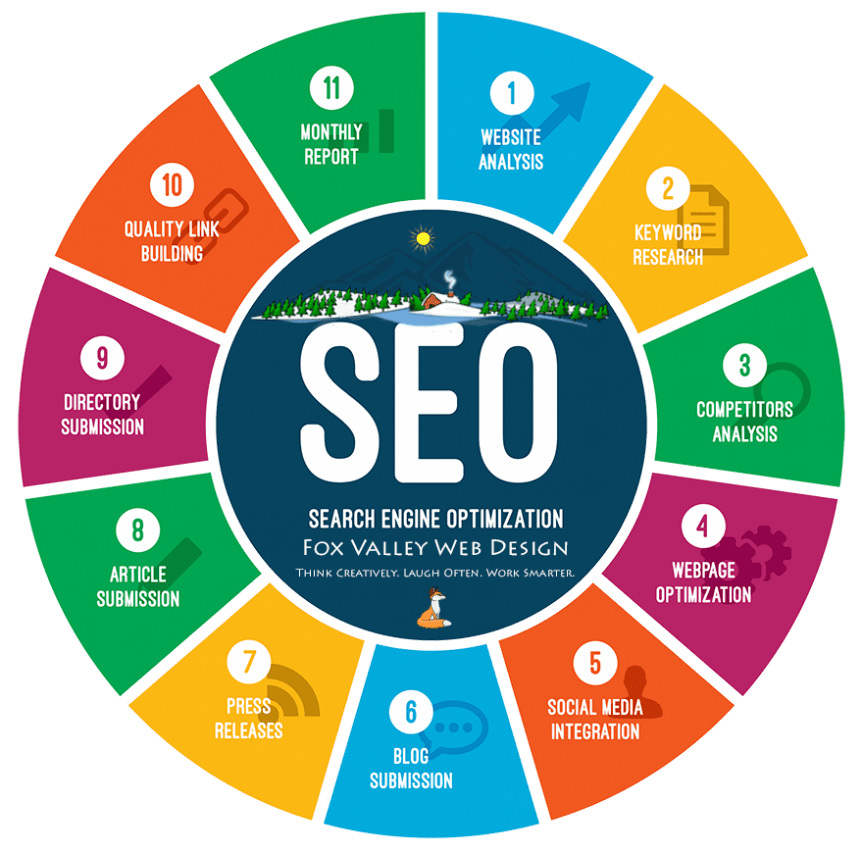
Fortunately, affordable SEO services are available to help businesses of all sizes boost their online visibility without breaking the bank. Affordable SEO does not mean compromising on quality; it simply means finding cost-effective solutions that deliver results within your budget.

The Benefits of Affordable SEO

Increased Visibility: By implementing affordable SEO strategies, your website can rank higher on search engine results pages, making it more visible to potential customers searching for your products or services.

Targeted Traffic: Affordable SEO focuses on targeting relevant keywords and optimising your website for specific search queries, attracting high-quality traffic that is more likely to convert into leads or sales.

Cost-Effective Marketing: Compared to traditional advertising methods, affordable SEO offers a higher return on investment by providing long-term benefits and sustainable growth for your business.

Tips for Affordable SEO

Focus on Local SEO: If you have a brick-and-mortar store or offer services in a specific area, prioritise local SEO strategies to target customers in your vicinity.

Quality Content: Create engaging and informative content that resonates with your target audience. Quality content not only attracts visitors but also improves your website’s credibility with search engines.

Regular Updates: Stay up-to-date with the latest SEO trends and algorithm changes to ensure that your website remains optimised for search engines.

Conclusion

Affordable search engine optimization is an accessible solution for businesses looking to improve their online visibility without overspending. By implementing cost-effective SEO strategies and focusing on quality content and targeted keywords, businesses can enhance their digital presence and attract valuable organic traffic.


22 Frequently Asked Questions About Affordable Search Engine Optimisation

  1. How much does it cost for search engine optimization?
  2. How can I get cheap SEO?
  3. What is the best cheapest SEO tool for beginners?
  4. What is the cheapest way to do SEO?
  5. What is the average cost of search engine optimization?
  6. Is SEO a waste of money?
  7. Can SEO be done for free?
  8. What is the cost of SEO per month?
  9. How can I do SEO for free?
  10. Where can I get cheap and best SEO services?
  11. What are the advantages of affordable SEO services?
  12. What is the real cost of SEO?
  13. How much does a good SEO cost?
  14. Is SEO low cost?
  15. Why is SEO affordable?
  16. Is it worth paying for SEO optimization?
  17. Is it worth paying for SEO?
  18. Can I do SEO for free?
  19. What is the cost of search engine optimization?
  20. Can I do SEO without paying?
  21. How much does a Search Engine Optimization specialist cost?
  22. What is a good budget for SEO?

How much does it cost for search engine optimization?

When it comes to the frequently asked question of “How much does it cost for search engine optimization?”, the answer can vary depending on several factors. The cost of search engine optimization (SEO) services is influenced by the scope of work required, the competitiveness of your industry, the size of your website, and the goals you wish to achieve. Affordable SEO services offer a range of pricing options to suit different budgets, with some providers offering package deals or customised plans tailored to specific needs. It’s essential to consider the long-term benefits and return on investment that effective SEO can bring to your business when evaluating the cost.

How can I get cheap SEO?

For those wondering how to obtain cost-effective SEO services, there are several ways to secure affordable search engine optimisation without compromising on quality. Firstly, consider working with freelance SEO experts or smaller agencies that offer competitive rates compared to larger firms. Additionally, investing time in learning basic SEO techniques and implementing them on your website can help reduce costs. Utilising free or low-cost SEO tools and resources available online can also aid in managing expenses while improving your site’s performance. By exploring these avenues and being strategic in your approach, it is possible to access cheap SEO solutions that align with your budgetary constraints.

What is the best cheapest SEO tool for beginners?

When it comes to finding the best cheapest SEO tool for beginners, one popular option that often stands out is Google’s own Search Console. This free tool provides valuable insights into how your website is performing in Google search results, identifies potential issues affecting your site’s visibility, and offers suggestions for improvement. With its user-friendly interface and comprehensive data analytics, Google Search Console is a great starting point for beginners looking to enhance their SEO efforts without incurring any additional costs.

What is the cheapest way to do SEO?

When considering affordable search engine optimization, the cheapest way to do SEO often involves a combination of strategic planning and prioritising key aspects of optimisation. One cost-effective approach is to focus on improving on-page SEO elements such as meta tags, headings, and content optimisation. Additionally, conducting thorough keyword research to target relevant search terms without high competition can also be a budget-friendly strategy. Leveraging free tools and resources available online for SEO analysis and monitoring can further reduce costs while still yielding positive results. While affordability is essential, it’s crucial to strike a balance between cost-effectiveness and effectiveness to ensure sustainable growth in organic search visibility.

What is the average cost of search engine optimization?

When considering the average cost of search engine optimization (SEO), it’s important to understand that pricing can vary significantly based on various factors such as the scope of services, competitiveness of keywords, and the experience of the SEO provider. On average, businesses can expect to pay anywhere from a few hundred to several thousand pounds per month for professional SEO services. Some agencies may offer affordable packages starting from around £500 per month for basic SEO optimisation, while comprehensive SEO campaigns with advanced strategies can cost upwards of £2000 or more. It’s recommended to request quotes from multiple providers and carefully evaluate their offerings to find a balance between affordability and quality results that align with your business goals.

Is SEO a waste of money?

The question of whether SEO is a waste of money is a common concern among businesses evaluating their digital marketing strategies. Contrary to the misconception that SEO may not yield tangible results, investing in affordable search engine optimisation can be a cost-effective way to enhance your online presence and attract targeted traffic. When executed correctly, SEO can significantly improve your website’s visibility, increase organic traffic, and ultimately lead to higher conversion rates. By focusing on tailored strategies that align with your business goals and budget, affordable SEO can offer long-term benefits and prove to be a valuable investment in the growth of your online presence.

Can SEO be done for free?

Many businesses wonder if SEO can be done for free. While there are some basic SEO tactics that can be implemented without cost, such as optimizing meta tags and creating quality content, a comprehensive SEO strategy typically requires investment in time, resources, and expertise. Free SEO tools and resources can be helpful in getting started, but to achieve significant results and compete effectively in the online market, businesses often benefit from partnering with affordable SEO services that offer tailored strategies and ongoing support. Ultimately, while there are free aspects of SEO, a more holistic approach is usually necessary to maximise the benefits of search engine optimisation for long-term success.

What is the cost of SEO per month?

When considering affordable search engine optimization, one frequently asked question is, “What is the cost of SEO per month?” The answer to this question can vary depending on several factors, such as the scope of services required, the competitiveness of the industry, and the goals of the SEO campaign. Generally, the cost of SEO per month can range from a few hundred pounds for basic services to several thousand pounds for comprehensive strategies. It’s essential for businesses to work with an experienced SEO provider who can tailor a pricing plan that aligns with their budget and objectives while delivering tangible results in improving online visibility and driving organic traffic.

How can I do SEO for free?

For those seeking to implement SEO strategies without incurring costs, there are several ways to do SEO for free. One effective method is to focus on creating high-quality and relevant content that resonates with your target audience. By optimising your website with targeted keywords, improving site speed, and ensuring mobile-friendliness, you can enhance your organic search rankings without spending money. Utilising free tools such as Google Analytics and Google Search Console can also provide valuable insights into your website’s performance and help identify areas for improvement. Additionally, engaging in link building through guest blogging and social media promotion can boost your website’s authority and visibility online at no extra cost.

Where can I get cheap and best SEO services?

When seeking affordable search engine optimization services, the common query often revolves around finding a balance between cost-effectiveness and quality. Many individuals inquire about where to obtain cost-efficient yet top-notch SEO services. The quest for cheap and best SEO services typically involves researching reputable agencies or freelancers that offer competitive pricing without compromising on the effectiveness of their strategies. It is essential to explore various options, compare service packages, and consider client reviews to identify a provider that aligns with both budget constraints and desired outcomes in enhancing online visibility and driving organic traffic.

What are the advantages of affordable SEO services?

Affordable SEO services offer several advantages for businesses looking to enhance their online presence without exceeding their budget. Firstly, affordable SEO can significantly improve a website’s visibility on search engine results pages, increasing the chances of attracting organic traffic and potential customers. Additionally, cost-effective SEO strategies focus on targeting specific keywords relevant to the business, ensuring that the traffic generated is more likely to convert into leads or sales. Moreover, investing in affordable SEO provides a long-term solution for sustainable growth, offering a higher return on investment compared to traditional marketing methods. By leveraging affordable SEO services, businesses can benefit from increased online visibility, targeted traffic, and cost-effective marketing solutions tailored to their specific needs.

What is the real cost of SEO?

When considering the real cost of SEO, it’s essential to understand that the investment in search engine optimisation goes beyond just financial expenses. While affordable SEO services can provide cost-effective solutions, the true cost of SEO encompasses various factors such as time, effort, and expertise. The real value of SEO lies in its long-term benefits, including improved online visibility, increased website traffic, and higher conversion rates. By investing in SEO, businesses not only enhance their digital presence but also lay a strong foundation for sustainable growth and success in the competitive online landscape.

How much does a good SEO cost?

When it comes to the frequently asked question of how much a good SEO service costs, the answer can vary depending on several factors. The cost of SEO services is influenced by the scope of work required, the competitiveness of your industry, and the experience level of the SEO provider. Generally, reputable SEO agencies or consultants may charge a monthly retainer fee ranging from a few hundred to several thousand pounds, depending on the complexity of the project and desired outcomes. It’s essential to consider that investing in quality SEO services can yield significant long-term benefits for your website’s visibility and overall online success.

Is SEO low cost?

When considering the affordability of Search Engine Optimization (SEO), it is important to understand that SEO costs can vary depending on various factors such as the scope of work, competitiveness of keywords, and the level of expertise required. While SEO is not necessarily a low-cost endeavour, it can be considered a cost-effective long-term investment in your online presence. Affordable SEO services exist to provide tailored solutions that fit within your budget while still delivering tangible results. By working with experienced professionals and implementing strategic SEO tactics, businesses can achieve improved visibility and sustainable growth without compromising on quality.

Why is SEO affordable?

Search engine optimization (SEO) is considered affordable for several reasons. Firstly, the cost-effectiveness of SEO lies in its ability to deliver long-term results compared to traditional marketing methods. By improving a website’s visibility and ranking on search engine results pages, businesses can attract organic traffic without constantly investing in paid advertising. Additionally, the scalability of SEO allows businesses to tailor their strategies according to their budget constraints, making it accessible to companies of all sizes. Furthermore, the competitive nature of the digital landscape has led to the development of affordable SEO services that offer customised solutions at reasonable prices, ensuring that businesses can enhance their online presence without exceeding their financial resources.

Is it worth paying for SEO optimization?

When considering the question of whether it is worth paying for SEO optimization, the answer lies in understanding the long-term benefits that effective SEO can bring to a business. Investing in SEO services, even if they come at a cost, can yield significant returns by improving your website’s visibility, attracting targeted traffic, and ultimately boosting your online presence. By strategically investing in SEO, businesses can position themselves for sustainable growth and increased profitability over time. While the initial investment may seem daunting, the value that quality SEO services provide in terms of enhanced brand exposure and lead generation makes it a worthwhile expense for businesses looking to thrive in the competitive digital landscape.

Is it worth paying for SEO?

When considering the value of paying for SEO services, it is essential to weigh the long-term benefits against the initial investment. While affordable search engine optimization may seem like an additional cost, it can yield significant returns by enhancing your website’s visibility, attracting targeted traffic, and ultimately increasing your revenue. Investing in SEO demonstrates a commitment to improving your online presence and staying competitive in the digital marketplace. By partnering with a reputable SEO provider, businesses can access expertise and resources that drive sustainable growth and deliver tangible results over time.

Can I do SEO for free?

Many individuals often wonder if they can undertake Search Engine Optimization (SEO) for free. While it is possible to implement some basic SEO tactics without incurring any costs, achieving significant results typically requires a more comprehensive approach that may involve investing in tools, resources, and expertise. Free SEO resources such as online guides, tutorials, and keyword research tools can be helpful for beginners, but for a more impactful and sustainable SEO strategy, businesses often benefit from working with professionals who can provide tailored solutions to improve their online visibility and drive organic traffic effectively.

What is the cost of search engine optimization?

When considering the cost of search engine optimization (SEO), it’s important to understand that pricing can vary based on various factors such as the scope of work, competitiveness of keywords, and the level of expertise required. Affordable SEO services aim to provide cost-effective solutions tailored to the specific needs and budget of each business. Pricing models for SEO services can range from monthly retainer fees to project-based pricing. By working with a reputable SEO provider, businesses can receive transparent pricing structures and customised strategies that deliver tangible results within their budget constraints.

Can I do SEO without paying?

Many individuals wonder if it is possible to undertake Search Engine Optimization (SEO) without incurring costs. While there are some basic SEO practices that can be implemented without financial investment, such as optimising meta tags and creating quality content, achieving significant results typically requires a more comprehensive approach that may involve expenses. Paid tools for keyword research, competitor analysis, and website audits can greatly enhance SEO efforts. Additionally, outsourcing certain tasks to professional SEO service providers can yield more effective and efficient results. Ultimately, while some aspects of SEO can be done without payment, a strategic investment in SEO is often necessary to achieve substantial improvements in online visibility and organic traffic.

How much does a Search Engine Optimization specialist cost?

When considering the cost of hiring a Search Engine Optimization specialist, it is important to understand that pricing can vary based on several factors. The cost of an SEO specialist typically depends on their level of experience, expertise, and the scope of services required. Some specialists may charge an hourly rate, while others may offer package deals or monthly retainer fees. It is advisable to research and compare quotes from different SEO specialists to find one that fits your budget and can deliver the results you are looking for within a reasonable cost range.

What is a good budget for SEO?

When considering a budget for Search Engine Optimization (SEO), it is essential to understand that the cost can vary depending on various factors such as the size of your business, industry competitiveness, and your specific goals. While there is no one-size-fits-all answer to what constitutes a “good” budget for SEO, experts generally recommend allocating a minimum of £500 to £1,000 per month for small to medium-sized businesses looking to see noticeable results. Larger enterprises with more extensive online presence and higher competition may need to invest significantly more in SEO efforts. Ultimately, the key is to work with an experienced SEO provider who can tailor a strategy that aligns with your budget and objectives while delivering tangible outcomes for your online visibility and growth.

seo media marketing

Unlocking the Potential of SEO Media Marketing for Online Success

SEO Media Marketing: Maximising Your Online Presence

SEO Media Marketing: Maximising Your Online Presence

In today’s digital age, having a strong online presence is crucial for the success of any business. Search engine optimisation (SEO) and social media marketing are two powerful tools that, when combined effectively, can significantly boost your visibility and engagement with your target audience.

The Power of SEO in Media Marketing

SEO is the process of optimising your website to rank higher in search engine results pages (SERPs). By incorporating relevant keywords, creating high-quality content, and building authoritative backlinks, you can improve your website’s visibility and attract more organic traffic. When it comes to media marketing, SEO plays a vital role in ensuring that your content reaches the right audience at the right time.

Enhancing Engagement Through Social Media

Social media platforms have become essential channels for businesses to connect with their target audience. Through strategic social media marketing efforts, you can engage with users, build brand awareness, and drive traffic to your website. By sharing valuable content, interacting with followers, and running targeted ad campaigns, you can leverage social media to enhance your online presence and foster meaningful relationships with customers.

Integrating SEO and Social Media Marketing

When SEO and social media marketing work hand in hand, the results can be truly transformative. By integrating SEO techniques into your social media strategy – such as using relevant keywords in your posts and optimising your profiles for search – you can increase your visibility across multiple online platforms. Additionally, sharing content that is both engaging and SEO-friendly can help improve your website’s ranking on search engines.

Conclusion

SEO media marketing is a dynamic approach that combines the best of both worlds – the technical prowess of SEO with the interactive nature of social media. By harnessing the power of these two tools together, businesses can maximise their online presence, reach a wider audience, and ultimately drive growth and success in the digital landscape.


Understanding SEO in Media Marketing: Answers to 16 Common Questions

  1. What does SEO mean?
  2. What is SEO in media marketing?
  3. What is an example of SEO marketing?
  4. What is the role of SEO in social media marketing?
  5. What are the 7 types of SEO?
  6. What is SEO in media?
  7. What is SEO and its types?
  8. What is media SEO?
  9. What is SEO and social media marketing?
  10. What is a SEO in marketing?
  11. What is Digital media SEO?
  12. What is SEO in digital media marketing?
  13. What does SEO mean in media?
  14. What is SEO in marketing?
  15. Is SEO Social Media Marketing?
  16. What is SEO for marketing?

What does SEO mean?

Search Engine Optimisation (SEO) refers to the practice of enhancing a website’s visibility and ranking on search engine results pages (SERPs). In the context of SEO media marketing, SEO plays a crucial role in ensuring that content is optimised for search engines to attract organic traffic. By incorporating relevant keywords, creating high-quality content, and building authoritative backlinks, businesses can improve their online presence and reach their target audience effectively. SEO is an essential component of any digital marketing strategy, helping websites to rank higher in search results and drive valuable organic traffic to their platforms.

What is SEO in media marketing?

SEO in media marketing refers to the strategic integration of search engine optimisation techniques within a broader media marketing strategy. In essence, SEO plays a crucial role in enhancing the visibility and reach of media marketing efforts across various online platforms. By incorporating relevant keywords, creating high-quality content, and optimising digital assets for search engines, businesses can ensure that their media marketing campaigns are not only engaging but also easily discoverable by their target audience. Ultimately, SEO in media marketing aims to maximise online presence, drive organic traffic, and improve overall brand visibility in the digital landscape.

What is an example of SEO marketing?

An example of SEO marketing is when a company optimises its website content and structure to improve its visibility in search engine results. For instance, a business selling handmade jewellery may use SEO techniques such as keyword research, meta tags optimisation, and high-quality backlinks to rank higher on search engine pages when users search for terms like “handmade jewellery” or “unique accessories.” By implementing effective SEO strategies, the company can attract more organic traffic to its website, increase brand awareness, and ultimately drive sales conversions.

What is the role of SEO in social media marketing?

The role of SEO in social media marketing is paramount in enhancing a business’s online visibility and engagement. SEO techniques, such as keyword research and content optimisation, play a crucial role in ensuring that social media posts and profiles are easily discoverable by search engines. By incorporating relevant keywords in social media content and optimising profiles for search, businesses can increase their chances of appearing in search results, driving organic traffic to their social media platforms. This integration of SEO principles into social media strategies helps businesses reach a wider audience, improve brand awareness, and ultimately boost their online presence across various digital channels.

What are the 7 types of SEO?

When it comes to SEO, there are seven main types that businesses can leverage to improve their online visibility and ranking on search engines. These include on-page SEO, off-page SEO, technical SEO, local SEO, mobile SEO, e-commerce SEO, and voice search SEO. Each type focuses on different aspects of a website’s optimisation strategy, from content and keywords to website structure and user experience. By understanding and implementing these various types of SEO effectively, businesses can enhance their online presence and attract more organic traffic to their websites.

What is SEO in media?

SEO in media refers to the application of search engine optimisation techniques within the realm of media marketing. It involves using SEO strategies to enhance the visibility and reach of media content, such as articles, videos, or social media posts. By incorporating relevant keywords, improving website structure, and increasing backlinks, SEO in media aims to improve content discoverability on search engines like Google. This helps media organisations and marketers attract more organic traffic, engage with their target audience effectively, and ultimately drive better results in terms of online visibility and engagement.

What is SEO and its types?

Search Engine Optimisation (SEO) is a fundamental digital marketing strategy aimed at enhancing a website’s visibility and ranking on search engine results pages (SERPs). SEO encompasses various types, including on-page SEO, off-page SEO, and technical SEO. On-page SEO involves optimising individual web pages with relevant content, meta tags, and keywords to improve their search engine ranking. Off-page SEO focuses on building backlinks from reputable websites to establish authority and credibility. Technical SEO involves optimising website structure, speed, and mobile-friendliness to enhance user experience and search engine crawlability. Understanding the different types of SEO is essential for developing a comprehensive strategy that boosts online visibility and drives organic traffic to websites.

What is media SEO?

Media SEO, also known as multimedia search engine optimisation, refers to the practice of optimising multimedia content such as images, videos, and audio files for search engines. Media SEO involves enhancing the visibility and accessibility of media assets on the web by incorporating relevant keywords, metadata, and descriptive tags. By implementing media SEO strategies, businesses can improve their chances of ranking higher in search engine results pages (SERPs) and attract more organic traffic to their multimedia content. This optimisation process ensures that multimedia assets are effectively indexed by search engines, making them more discoverable to users searching for related content online.

What is SEO and social media marketing?

SEO, or search engine optimisation, and social media marketing are two integral components of a successful digital marketing strategy. SEO involves techniques and practices aimed at improving a website’s visibility in search engine results pages through keyword optimisation, content creation, and link building. On the other hand, social media marketing focuses on leveraging social platforms to engage with audiences, build brand awareness, and drive traffic to websites through content sharing and targeted campaigns. When combined effectively, SEO and social media marketing work in tandem to enhance online visibility, increase engagement with target audiences, and ultimately boost a business’s online presence and success in the competitive digital landscape.

What is a SEO in marketing?

In the realm of marketing, SEO, which stands for Search Engine Optimization, plays a pivotal role in enhancing a company’s online visibility and reach. SEO in marketing refers to the strategic practice of optimising various elements of a website, such as content, keywords, and backlinks, to improve its ranking on search engine results pages. By aligning with search engine algorithms and user intent, SEO helps businesses attract organic traffic and increase their chances of being discovered by potential customers searching for relevant products or services. In essence, SEO in marketing acts as a fundamental tool for driving online growth and establishing a strong digital presence in today’s competitive landscape.

What is Digital media SEO?

Digital media SEO refers to the practice of optimising digital media content, such as images, videos, and audio files, to improve their visibility in search engine results. It involves implementing SEO strategies specific to multimedia formats to ensure that they are properly indexed and ranked by search engines. By incorporating relevant keywords, metadata, and other SEO techniques into digital media assets, businesses can enhance their online presence and attract more organic traffic. Digital media SEO plays a crucial role in increasing the discoverability of multimedia content and maximising its impact on target audiences in the competitive online landscape.

What is SEO in digital media marketing?

In the realm of digital media marketing, SEO (Search Engine Optimisation) plays a pivotal role in enhancing online visibility and driving organic traffic to websites. SEO in digital media marketing refers to the strategic process of optimising website content, structure, and keywords to improve search engine rankings. By implementing SEO best practices such as keyword research, on-page optimisation, and link building, businesses can increase their online presence and reach their target audience effectively. In essence, SEO is the cornerstone of successful digital media marketing campaigns, ensuring that websites are easily discoverable by search engines and users alike.

What does SEO mean in media?

In the realm of media marketing, the term SEO stands for Search Engine Optimisation. SEO in media refers to the strategic process of enhancing a website’s visibility and ranking on search engine results pages. By incorporating relevant keywords, creating high-quality content, and building authoritative backlinks, businesses can ensure that their media content is easily discoverable by users searching for related information online. In essence, SEO in media plays a crucial role in driving organic traffic to websites and maximising their reach and impact within the digital landscape.

What is SEO in marketing?

Search Engine Optimisation (SEO) in marketing refers to the strategic process of enhancing a website’s visibility and ranking on search engine results pages (SERPs). By utilising various techniques such as keyword research, content optimisation, and link building, SEO aims to improve a website’s organic traffic and attract relevant visitors. In the context of marketing, SEO plays a crucial role in ensuring that businesses can effectively reach their target audience online and drive engagement. Ultimately, SEO is about aligning your online presence with what users are searching for, thereby increasing visibility, credibility, and ultimately driving conversions.

Is SEO Social Media Marketing?

The question of whether SEO is social media marketing is a common one in the realm of digital marketing. While SEO (search engine optimisation) and social media marketing are distinct strategies, they are interconnected in their goal of enhancing online visibility and engagement. SEO focuses on improving website rankings in search engine results, while social media marketing revolves around promoting content and engaging with audiences on platforms like Facebook, Twitter, and Instagram. However, integrating both SEO and social media efforts can amplify the impact of each strategy, leading to a more comprehensive approach to maximising online presence and reaching target audiences effectively.

What is SEO for marketing?

SEO for marketing refers to the strategic use of search engine optimisation techniques to enhance a company’s marketing efforts. Essentially, SEO in marketing involves optimising online content, websites, and digital campaigns to improve visibility in search engine results pages (SERPs) and attract organic traffic. By incorporating relevant keywords, creating high-quality content, and building authoritative backlinks, businesses can increase their online presence and reach a wider audience. Ultimately, SEO for marketing aims to drive brand awareness, generate leads, and boost conversions by ensuring that a company’s online assets are easily discoverable by potential customers searching for relevant products or services.