Category search engine optimization

seo and social media marketing

SEO and Social Media Marketing: A Guide to Growing Your Online Presence

SEO and Social Media Marketing: How They Work Together

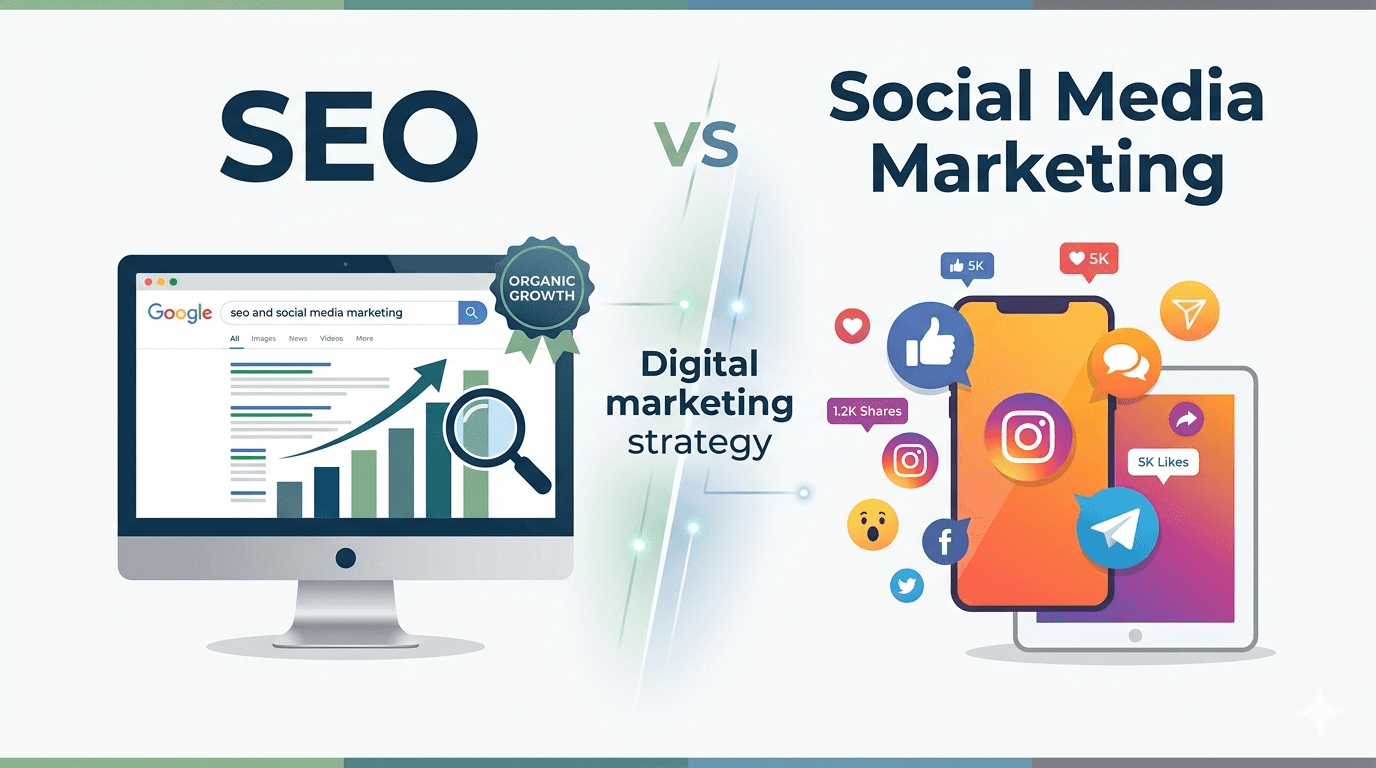
Search engine optimisation (SEO) and social media marketing are often treated as separate parts of a digital strategy. In practice, they can support one another. SEO helps people find your website through search engines, while social media helps you reach, engage and build relationships with audiences across social platforms.

Neither channel is a quick fix. But when they share clear goals and useful content, they can help your business become more visible online and create more opportunities to connect with potential customers.

What is SEO?

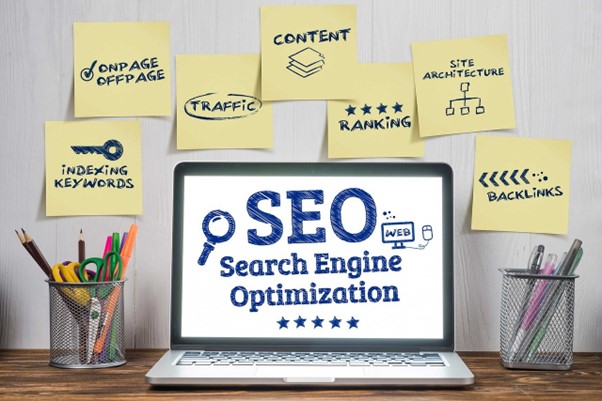
SEO is the process of improving a website so that it is easier for search engines and people to understand. It can involve researching the terms your audience uses, creating helpful pages, improving site structure and making sure the website works well on mobile devices.

SEO is about more than appearing in search results. A successful page should match the visitor’s needs, provide reliable information and make it easy to take the next step, whether that is making an enquiry, buying a product or reading more.

What is social media marketing?

Social media marketing uses platforms such as Instagram, LinkedIn, Facebook, TikTok and Pinterest to share content and communicate with an audience. Depending on your business and objectives, this might include publishing organic posts, responding to comments, working with creators or running paid campaigns.

Social media can help a brand stay connected with its community, showcase its expertise and direct people to useful resources on its website.

How SEO and social media can support each other

Social media can bring more people to your content

Sharing a useful article, guide or product page on social media can introduce it to people who may not have found it through search. If they visit the website, explore other pages or share the content with others, social activity may contribute to broader awareness and engagement.

Social media shares are not generally treated as a direct ranking factor by search engines. However, sharing content can help it reach more people, which may lead to natural links, mentions and further visits over time.

SEO can help you understand what your audience wants

Keyword research reveals the questions and topics people search for. These insights can inform social media content, helping you create posts that answer genuine questions rather than relying on guesswork.

Social media conversations can also reveal common concerns, customer language and emerging interests. These insights may inspire new website content or help you improve existing pages.

Consistent messaging strengthens your brand

When your website and social channels share a consistent tone, message and visual identity, people are more likely to recognise your brand. Clear, consistent communication can build familiarity and trust, whether someone discovers you through a search result, a social post or a recommendation.

Social profiles can appear in search results

Social media profiles and public posts may appear in search engine results, especially when someone searches for a brand by name. Complete profiles with accurate information, links and recent activity can make it easier for people to learn about your business and find your official channels.

Practical ways to combine SEO and social media

  • Start with your audience. Identify who you want to reach, what they need and which platforms they use.
  • Use search insights to plan content. Research relevant queries and turn them into useful articles, videos, short posts or FAQs.
  • Make content easy to share. Use clear headlines, helpful summaries and suitable images or video. Include social sharing options where they improve the user experience.
  • Adapt content for each platform. A detailed website guide might become a LinkedIn post, a short video, an Instagram carousel or a series of tips.
  • Keep profiles accurate. Use consistent business details, descriptions and links across your website and social channels.
  • Engage with your audience. Respond to relevant questions and comments, and use recurring feedback to improve your content.
  • Measure meaningful outcomes. Track organic search visibility, website visits, enquiries, sales and engagement against your business goals.

Measure each channel appropriately

SEO and social media have different performance indicators. For SEO, useful measures can include organic traffic, search visibility, rankings for relevant queries, conversions and the quality of visits. For social media, consider reach, engagement, referral traffic, audience growth and actions such as enquiries or purchases.

Use analytics tools to understand how the channels contribute to your objectives. Avoid judging success by follower numbers or rankings alone: the most valuable results are those that help your organisation meet its goals.

A joined-up strategy takes time

SEO is usually a long-term activity, while social media can provide quicker feedback on how people respond to ideas and content. Neither guarantees immediate results. Search performance depends on many factors, and social reach can vary by platform, audience and format.

By planning the channels together, businesses can create content that is useful to their audience, easier to discover and more consistent across the customer journey. The aim is not simply to post more or target more keywords. It is to provide the right information in the right places, and make it easy for people to take the next step.

Conclusion

SEO and social media marketing serve different purposes, but they can work well as part of a connected digital strategy. SEO helps people discover relevant website content through search, while social media helps that content reach and engage wider communities. With a clear understanding of your audience, consistent messaging and thoughtful measurement, both channels can contribute to stronger online visibility and lasting customer relationships.


Top 8 FAQs on Integrating SEO with Social Media Marketing

  1. How do SEO and social media marketing work together?
  2. Does social media activity directly affect SEO rankings?
  3. Can social media help increase organic website traffic?
  4. Which social media platforms are best for SEO?
  5. How can I use keyword research to plan social media content?
  6. What types of content work well for both SEO and social media?
  7. How should I measure the results of SEO and social media marketing?
  8. How long does it take to see results from SEO and social media marketing?

How do SEO and social media marketing work together?

SEO and social media marketing work together by helping your content reach people in different ways. SEO makes your website easier to find through search engines, while social media helps you share content, engage with your audience and bring visitors to your site. Social media activity is not generally a direct search ranking factor, but it can increase awareness and encourage visits, shares and natural links. Insights from search queries and social conversations can also help you create more relevant content for both channels.

Does social media activity directly affect SEO rankings?

Social media activity does not directly affect SEO rankings: likes, shares and follower numbers are not considered direct ranking factors by search engines. However, social media can support SEO indirectly by helping your content reach more people, attract website visits and earn natural links or brand mentions. It can also offer useful insights into the topics and questions your audience cares about, helping you create more relevant content.

Can social media help increase organic website traffic?

Yes, social media can help increase organic website traffic by promoting your content to a wider audience and encouraging people to visit your site. Sharing useful articles, products or resources can attract visitors who may not have found you through search, while audience feedback can help you create content that better answers their questions. Social media activity is not generally a direct Google ranking factor, so focus on sharing relevant, engaging content and making it easy for people to find and explore your website.

Which social media platforms are best for SEO?

No social media platform directly improves your search rankings, so the best choice depends on where your audience spends time and what you want to achieve. LinkedIn can suit B2B businesses and professional content, while Instagram, TikTok and Pinterest may work well for visual products and inspiration; Facebook can help businesses build communities and reach local audiences. Choose platforms you can maintain consistently, share useful content that links back to relevant pages on your website, and make sure your profiles include accurate business details. Social activity may increase awareness and visits, and can help your content reach people who may later link to or mention it.

How can I use keyword research to plan social media content?

Use keyword research to discover the questions, phrases and topics your audience is searching for, then turn those insights into useful social media posts. Group related keywords into themes and adapt them to each platform—for example, create a short video answering a common question, a carousel explaining a topic or a post linking to a more detailed guide on your website. Treat keywords as clues to audience interests rather than terms to squeeze into every caption, and use natural language that suits the platform. Review engagement and website visits to see which topics resonate and shape future content.

What types of content work well for both SEO and social media?

Content that answers your audience’s questions tends to work well for both SEO and social media. Practical guides, how-to articles, FAQs, original research, case studies, infographics and short videos can attract search visitors while also giving people something useful to share or discuss. Start with a clear topic based on audience needs and relevant search queries, then adapt the format for each platform—for example, turn a detailed guide into a short video or a series of social posts. Ensure the content is accurate, easy to understand and genuinely helpful, rather than created solely to include keywords or encourage clicks.

How should I measure the results of SEO and social media marketing?

Measure SEO and social media against clear business goals, such as increasing relevant website visits, enquiries or sales. For SEO, track organic traffic, visibility for relevant search terms, conversions and the quality of visits. For social media, monitor reach, engagement, referral traffic and actions such as enquiries or purchases. Use analytics tools to see how each channel contributes over time, and review results regularly. Follower counts and rankings can offer useful context, but they matter most when they support meaningful outcomes for your business.

How long does it take to see results from SEO and social media marketing?

The time it takes to see results from SEO and social media marketing varies according to your industry, competition, budget and the consistency of your activity. SEO is usually a longer-term investment: improvements in rankings and organic traffic may take several months, particularly for a new website or a competitive search term. Social media can generate engagement and reach sooner, but building a loyal audience and achieving steady enquiries or sales also takes time. Regular, useful content, a clear strategy and ongoing measurement can help both channels deliver more sustainable results.

top local seo companies

Top Local SEO Companies: How to Choose the Right Agency for Your Business

Top Local SEO Companies: A Guide for UK Businesses

For businesses that serve a particular town, city or region, appearing in local search results can make a real difference. A strong local SEO strategy can help potential customers find your business when they search for nearby services, compare local providers or look up directions and opening hours.

Choosing an SEO partner can be challenging: agencies differ in their specialisms, services and approach. This guide introduces several recognised names in local search and explains what to look for when deciding which company is right for your business. It is a shortlist, not a definitive ranking; the best choice depends on your goals, location and budget.

Local SEO companies and providers to consider

SEO London Digital

For businesses seeking a London-focused SEO partner, SEO London Digital is a name to consider. Before appointing any agency, ask how it approaches local keyword research, Google Business Profile optimisation, local landing pages and performance reporting. Request examples of relevant work and a clear outline of what is included in its service.

The SEO Works

The SEO Works is a UK digital marketing agency offering SEO alongside other online marketing services. Businesses considering the agency can ask how its team would adapt an SEO campaign to their service areas, competition and customer search behaviour.

Hallam

Hallam is a UK digital agency with a broad range of marketing services, including SEO. It may suit organisations looking for SEO to work alongside other digital activity. If local visibility is the priority, ask about the specific local SEO expertise and resources that would be assigned to the account.

Pearl Lemon

Pearl Lemon is a London-based marketing agency that offers SEO services. As with any agency, businesses should check whether its experience matches their sector and the type of local campaign they need. A useful first conversation should cover objectives, service locations, deliverables and how success will be measured.

BrightLocal

BrightLocal is best known for its local SEO software, which helps businesses and marketers monitor local search performance, citations and reviews. It is not the same type of provider as a conventional full-service agency, but its tools may be useful for in-house teams or agencies managing local campaigns.

Whitespark

Whitespark offers local SEO tools and services, including support with local listings and citation building. It is based in Canada, so UK businesses should confirm that any proposed work is suitable for UK directories, locations and search behaviour before proceeding.

Sterling Sky

Sterling Sky is a specialist local SEO agency based in North America. Its focus on local search may be of interest to businesses seeking specialist expertise, although UK organisations should check its knowledge of the UK market and whether its services are appropriate for their needs.

What should a local SEO company do?

Local SEO is more than adding a town name to a webpage. A capable provider should understand how customers search in your area and build a strategy around the factors that influence local visibility. Depending on your business, this may include:

  • Google Business Profile optimisation: keeping business details accurate and improving the completeness of your profile.
  • Local keyword research: identifying the services and location-based phrases your potential customers use.
  • Website improvements: creating useful local pages and improving technical performance, content and internal linking.
  • Local listings and citations: checking that your business name, address and phone number are consistent across relevant directories.
  • Reviews and reputation: helping you develop a compliant process for requesting and responding to customer reviews.
  • Local links and community visibility: identifying relevant opportunities to earn links and mentions from local organisations.
  • Measurement and reporting: tracking meaningful outcomes such as enquiries, calls, direction requests and relevant search visibility.

How to choose the right local SEO company

Look for relevant experience

Ask for examples involving businesses similar to yours in size, sector or service area. Case studies should explain the work undertaken and the results achieved, rather than relying on vague promises or impressive-looking rankings alone.

Understand the proposed strategy

A good agency should explain what it plans to do, why those activities matter and how they relate to your business goals. Be cautious of standard packages that do not account for your location, competition or current website.

Ask about reporting

Find out how often you will receive updates and which measures will be reported. Rankings can be useful, but they are only one part of the picture. Enquiries, calls, website visits from relevant searches and completed bookings may be more meaningful indicators of progress.

Check who owns your accounts and data

Your business should retain control of its website, domain, Google Business Profile and analytics accounts. Confirm who will have access, how work will be documented and what happens if you decide to change providers.

Be wary of guarantees

No company can honestly guarantee a specific position in Google’s organic results. Search visibility depends on many factors, including competition, location and changes to search algorithms. Look for realistic forecasts and clear explanations instead of promises of instant results.

Questions to ask before hiring an agency

  • What would you prioritise during the first three months?
  • Who will manage the account and carry out the work?
  • How will you measure local enquiries and conversions?
  • Do you have experience with businesses in my industry and service area?
  • Are there additional costs for content, listings or technical work?
  • How do you approach reviews, links and directory listings?

Final thoughts

The top local SEO company for one business may not be the right choice for another. A small trades business, a multi-location retailer and a national service provider all have different requirements. Compare providers on relevant experience, transparency, communication and the quality of their proposed strategy—not just on price or promises.

Take time to discuss your goals with a shortlist of providers, review their recommendations and make sure you understand what the work involves. The right partner should help your business become easier to find and make local search a dependable source of relevant enquiries.


7 Tips for Choosing a Top Local SEO Company

  1. Check reviews from nearby businesses.
  2. Look for proven local search results.
  3. Ask about Google Business Profile expertise.
  4. Compare transparent pricing and deliverables.
  5. Choose a company with local market knowledge.
  6. Request clear reporting and regular updates.
  7. Avoid guaranteed rankings and vague promises.

Check reviews from nearby businesses.

Before choosing a local SEO company, read reviews from businesses in your area. Nearby clients can offer useful insight into the agency’s communication, reliability and understanding of local competition. Look for detailed, recent feedback and, where possible, ask the agency for references from businesses with similar goals. Treat reviews as one part of your research, alongside case studies, clear reporting and a realistic proposal.

Look for proven local search results.

When comparing local SEO companies, look for evidence that they have improved visibility and generated meaningful results for businesses in comparable locations or industries. Ask for case studies that explain the work carried out and show outcomes such as more relevant local enquiries, calls or visits—not just higher rankings. Check that results are clearly attributed, realistic and relevant to your own goals, as success for one business does not guarantee the same outcome for another.

Ask about Google Business Profile expertise.

When comparing local SEO companies, ask about their experience with Google Business Profile. A knowledgeable provider should be able to explain how it will improve your profile’s accuracy and completeness, select suitable categories, manage business information and support a consistent approach to customer reviews. Ask how it measures the profile’s contribution to calls, website visits and direction requests, and make sure your business retains ownership and access to the account.

Compare transparent pricing and deliverables.

Compare transparent pricing and deliverables before choosing a local SEO company. Ask for a clear breakdown of fees, the work included and any potential extra costs, such as content creation or directory listings. A reliable provider should explain what it will do, how often it will report progress and which measures it will use to assess results. This makes it easier to compare proposals fairly and avoid vague promises or unexpected charges.

Choose a company with local market knowledge.

Choose a company with strong local market knowledge. An agency that understands your area can better identify how residents search, which competitors are prominent and what makes your business stand out. It can also tailor local keywords, website content and Google Business Profile activity to the places you serve, helping attract customers who are more likely to get in touch.

Request clear reporting and regular updates.

When choosing among the top local SEO companies, request clear reporting and regular updates so you can see what work is being carried out and whether it is making a difference. Reports should explain progress in plain English and focus on relevant measures, such as local search visibility, website visits, calls and enquiries—not just rankings. Agree how often you will receive updates and who to contact with questions, so expectations stay clear throughout the campaign.

Avoid guaranteed rankings and vague promises.

Avoid local SEO companies that guarantee specific rankings or make vague promises about getting your business “to the top”. Search results depend on factors such as location, competition and ongoing algorithm changes, so no agency can guarantee a particular position. Instead, look for a provider that explains its strategy clearly, sets realistic expectations and reports on meaningful outcomes, such as relevant website visits, enquiries and calls.

best seo marketing

Best SEO Marketing: A Practical Guide to Growing Your Online Visibility

Best SEO Marketing: A Practical Guide to Growing Your Online Visibility

The best SEO marketing helps the right people find your business through search engines. It combines useful content, technical improvements and a clear understanding of what potential customers are looking for. Rather than relying on quick fixes, effective SEO builds lasting visibility and supports measurable business goals.

There is no single SEO strategy that works for every organisation. The right approach depends on your audience, industry, website and resources. However, the strongest campaigns tend to share a few fundamentals: they focus on users, use evidence to guide decisions and improve consistently over time.

What is SEO marketing?

Search engine optimisation (SEO) is the process of improving a website so that it can appear more prominently in relevant, unpaid search results. SEO marketing applies this process to wider marketing objectives, such as increasing brand awareness, attracting qualified visitors and generating enquiries or sales.

SEO usually includes several connected activities:

  • Keyword and audience research: discovering what people search for and what information they need.
  • Content optimisation: creating and improving pages to answer those needs clearly.
  • Technical SEO: helping search engines access, understand and index your website.
  • On-page optimisation: improving page titles, headings, internal links and other elements.
  • Authority building: earning relevant mentions and links from credible websites.
  • Measurement: reviewing performance and refining the strategy.

Start with your audience and business goals

Successful SEO begins with a clear idea of who you want to reach and what you want them to do. A rise in website traffic may look encouraging, but it is more valuable when that traffic comes from people who are likely to become customers.

Define your priorities before choosing keywords. You might want to increase online sales, attract more local enquiries, promote a particular service or build awareness in a new market. These goals help shape the pages you need and the results you should measure.

Choose keywords based on intent

Keyword research is not simply about finding phrases with high search volumes. It is about understanding the purpose behind a search. Someone searching for “how to improve website rankings” may be looking for advice, while someone searching for “SEO consultant in London” may be closer to choosing a provider.

Consider the different types of search intent:

  • Informational: the searcher wants to learn or solve a problem.
  • Commercial: the searcher is comparing options before making a decision.
  • Transactional: the searcher is ready to buy, book or enquire.
  • Navigational: the searcher is looking for a particular brand or website.

Map relevant search terms to suitable pages. A detailed guide may suit an informational query, while a service page is better for a search with commercial or transactional intent. Avoid creating several pages that compete for the same topic without a clear reason.

Create genuinely useful content

High-quality content is central to the best SEO marketing. It should answer the reader’s question accurately, be easy to follow and offer something of real value. This could be specialist knowledge, practical instructions, original research or a clear explanation of a complex subject.

Before writing, review the needs of your audience and the information already available. Then create a page that is more helpful, clearer or more complete. Use descriptive headings, concise paragraphs and examples where appropriate. Include keywords naturally, but never at the expense of readability.

Content also needs to stay current. Review important pages regularly to check that details are accurate, links work and recommendations remain relevant. Update, combine or remove pages where necessary rather than publishing new content simply to increase volume.

Make your website easy to use

A search result is only the start of the customer journey. Once visitors reach your site, they should be able to find information and take the next step without unnecessary effort. Clear navigation, readable text, helpful calls to action and a consistent design all contribute to a better experience.

Mobile usability is especially important because many people browse and search on mobile devices. Check that pages display correctly on smaller screens, buttons are easy to tap and important information is not difficult to find.

Address technical SEO essentials

Technical SEO helps search engines discover and interpret your pages. It also supports a reliable experience for visitors. Begin with the essentials:

  • Make sure important pages can be crawled and indexed.
  • Use a logical site structure and descriptive URLs.
  • Fix broken links and redirect outdated pages appropriately.
  • Provide a secure HTTPS connection.
  • Use a sitemap and maintain a suitable robots.txt file.
  • Check page speed and improve performance where practical.
  • Add structured data when it accurately describes the page.

Technical work should be prioritised according to its impact. A complicated website change is not automatically more valuable than fixing a small issue that prevents important pages from appearing in search.

Strengthen local SEO where relevant

For businesses serving a particular area, local SEO can help connect them with nearby customers. Keep your business name, address and phone number accurate across relevant platforms, and maintain a complete business profile on Google. Add up-to-date opening hours, services and photographs where appropriate.

Encourage genuine customer reviews and respond to them professionally. Local landing pages can also be useful when they provide specific information for each area served. Avoid creating near-identical pages that merely swap one location name for another.

Build authority naturally

Links from other websites can help search engines understand that your content is useful and credible. The most sustainable way to earn them is to publish material worth referencing and build genuine relationships within your industry.

Useful approaches may include sharing original research, contributing expert commentary, creating practical resources or partnering with relevant organisations. Be cautious of services that promise large numbers of links quickly. Manipulative link schemes can put a website’s long-term performance at risk.

Measure outcomes, not just rankings

Rankings can help you understand visibility, but they are only one part of performance. Use analytics and search performance tools to monitor a broader set of measures, such as:

  • Organic visits to important pages
  • Search impressions and clicks
  • Qualified enquiries, bookings or purchases
  • Conversion rate and revenue from organic search
  • Performance across priority topics and locations

Set a baseline before making major changes and allow enough time to assess the results. SEO is usually a gradual process, and performance can be affected by competition, seasonality, website changes and search engine updates.

Common SEO marketing mistakes to avoid

  • Choosing keywords only because they have high search volumes.
  • Publishing thin or repetitive pages to target more phrases.
  • Overusing keywords in a way that makes content unnatural.
  • Ignoring mobile usability and page experience.
  • Buying links or using tactics designed to manipulate rankings.
  • Expecting immediate results from a long-term channel.
  • Reporting rankings without connecting them to business outcomes.

How to choose an SEO marketing partner

If you work with an agency or consultant, look for a partner who takes time to understand your business, explains their recommendations clearly and sets realistic expectations. Ask how progress will be measured, what work will be carried out and how often results will be reviewed.

Be wary of guaranteed rankings or vague promises. No provider can control search engine results, but a responsible SEO partner can explain the strategy, prioritise the work and report honestly on progress.

Building an effective SEO strategy

The best SEO marketing is not a collection of tricks. It is a coordinated effort to understand your audience, create useful pages, maintain a technically sound website and earn trust over time. Start with the improvements most closely connected to your business goals, measure their impact and keep refining your approach.

With consistent work and realistic expectations, SEO can become a valuable source of relevant visitors and long-term business growth.


Top 26 Frequently Asked Questions About the Best SEO Marketing Practices

  1. Is SEO best or digital marketing?
  2. Who is the best SEO in the world?
  3. Which platform is good for SEO?
  4. Which SEO service is best?
  5. Is SEO the best marketing?
  6. Which is the 1 SEO company in the world?
  7. Which SEO company is best?
  8. What is an SEO in marketing?
  9. What is the best strategy for SEO?
  10. What is the most powerful SEO in the world?
  11. What are the 3 types of SEO?
  12. How is SEO good for marketing?
  13. What is SEO in marketing?
  14. Does SEO marketing really work?
  15. Is SEO worth it 2022?
  16. Is SEO the best form of marketing?
  17. What is SEO Best Practices 2022?
  18. Is SEO a waste of money?
  19. Is SEO dead or evolving in 2026?
  20. Can ChatGPT do SEO?
  21. Can you do SEO yourself?
  22. What is the best SEO service in the UK?
  23. Is SEO worth it in 2022?
  24. Can I do SEO on my own?
  25. What are SEO tools in marketing?
  26. What SEO company is best?

Is SEO best or digital marketing?

SEO is one part of digital marketing, so the best choice depends on your goals. SEO can help your website attract relevant visitors from unpaid search results over time, while digital marketing also includes channels such as paid advertising, email and social media, which may deliver faster or broader reach. For many businesses, the strongest approach is a combination: use SEO to build sustainable visibility and other digital marketing channels to support immediate campaigns and customer engagement.

Who is the best SEO in the world?

There is no single “best SEO in the world”, as the right expert depends on your industry, goals, budget and market. SEO is also constantly changing, so look for a professional or agency with relevant experience, a clear and ethical approach, transparent reporting and evidence of meaningful results. Be cautious of anyone promising guaranteed rankings; a trustworthy SEO partner will explain what they can influence and set realistic expectations.

Which platform is good for SEO?

The best platform for SEO depends on your website’s needs, but WordPress is a popular choice thanks to its flexibility and range of SEO tools. Shopify can work well for online shops, while Wix and Squarespace also offer useful SEO features for many small businesses. No platform guarantees strong rankings, however: results depend on factors such as useful content, a well-structured and technically sound website, and a good user experience. Choose a platform that suits your goals and makes it straightforward to manage and improve your site.

Which SEO service is best?

The best SEO service depends on your business goals, audience and current website. A local business may benefit most from local SEO, while an online shop might prioritise e-commerce SEO, technical improvements and product-page optimisation. Look for a service that starts with research, explains its recommendations clearly, focuses on sustainable practices and measures success through meaningful outcomes such as qualified enquiries or sales—not rankings alone.

Is SEO the best marketing?

SEO can be one of the most effective marketing channels for building long-term visibility and attracting people who are actively searching for your products or services, but it is not always the best choice on its own. Results can take time, and the right mix depends on your goals, audience and budget. For many businesses, SEO works best alongside channels such as paid advertising, social media and email marketing.

Which is the 1 SEO company in the world?

There is no universally recognised “number one” SEO company in the world, as the right choice depends on your goals, industry, budget and target markets. Rather than relying on rankings or bold claims, look for an SEO partner with relevant experience, transparent reporting, clear communication and a strategy tailored to your business. Check independent reviews and case studies, and be cautious of anyone guaranteeing specific rankings or overnight results.

Which SEO company is best?

There is no single SEO company that is best for every business; the right choice depends on your goals, budget, industry and target audience. Look for a company with relevant experience, clear and realistic recommendations, transparent reporting and an ethical approach to SEO. Ask how it will measure success and make sure its strategy focuses on meaningful outcomes—such as qualified enquiries or sales—not just rankings. Before committing, compare proposals and choose a team that takes the time to understand your business and explain its work clearly.

What is an SEO in marketing?

In marketing, SEO (search engine optimisation) is the practice of improving a website so it is more visible in unpaid search engine results. It involves understanding what people are searching for, creating useful and relevant content, and making sure the website is easy for search engines and visitors to use. The aim is to attract the right audience and support goals such as enquiries, sales or brand awareness.

What is the best strategy for SEO?

The best SEO strategy starts with understanding your audience and the searches they make, then creating accurate, useful content that meets their needs. Support this with a technically sound, mobile-friendly website, clear page structure, relevant internal links and trustworthy links earned from reputable sources. Track meaningful results—such as qualified enquiries, sales and organic traffic—not rankings alone, and refine your approach regularly as your business and search behaviour change.

What is the most powerful SEO in the world?

The most powerful SEO is not a single tool or tactic; it is a well-planned strategy that combines helpful, trustworthy content with strong technical foundations and a positive user experience. Understanding what people are searching for, then meeting those needs better than competing pages, can build lasting visibility. The right approach depends on your audience and goals, so focus on relevant traffic and meaningful results rather than quick fixes or guaranteed rankings.

What are the 3 types of SEO?

The three main types of SEO are on-page SEO, off-page SEO and technical SEO. On-page SEO covers improvements made to your website’s content and pages, such as useful information, headings and internal links. Off-page SEO focuses on building your site’s reputation beyond its own pages, particularly through relevant, trustworthy links and brand mentions. Technical SEO helps search engines crawl, understand and index your website, with work on areas such as site structure, mobile usability and page speed. Together, these three areas support stronger organic visibility and a better experience for visitors.

How is SEO good for marketing?

SEO is good for marketing because it helps your business appear when people search online for products, services or information you offer. By improving your website’s content, visibility and user experience, SEO can attract relevant visitors, build trust in your brand and generate enquiries or sales over time. Unlike paid advertising, organic search traffic does not require a fee for each click, although effective SEO does require ongoing effort and investment.

What is SEO in marketing?

SEO in marketing is the process of improving a website so it appears more prominently in unpaid search engine results. It involves understanding what your audience searches for, creating useful and relevant content, and making sure your website is easy for both visitors and search engines to use. As part of a wider marketing strategy, SEO can help attract qualified traffic, build brand visibility and support enquiries or sales over time.

Does SEO marketing really work?

Yes, SEO marketing can work by helping your website appear in relevant search results and attracting people who are actively looking for your products or services. Results usually take time and depend on factors such as your competition, website quality and the consistency of your efforts. While SEO cannot guarantee specific rankings, a well-planned strategy can increase qualified traffic, enquiries and sales over the long term.

Is SEO worth it 2022?

Yes, SEO was worth considering in 2022 for businesses looking to attract relevant visitors and build visibility in search results over the long term. It could help bring in customers who were actively searching for related products or services, but results were rarely immediate and depended on factors such as competition, website quality and the consistency of the work. SEO was most worthwhile when it supported clear business goals and was treated as an ongoing investment rather than a quick fix.

Is SEO the best form of marketing?

SEO can be one of the most effective forms of marketing, particularly for reaching people who are actively searching for products, services or information. It can attract relevant visitors over time and support lasting online visibility, but it is not always the best choice on its own. The right marketing mix depends on your goals, audience, budget and timescale; combining SEO with channels such as paid advertising, social media or email marketing may deliver stronger results.

What is SEO Best Practices 2022?

SEO best practices in 2022 meant using sustainable, user-focused techniques to improve a website’s visibility in search results. This included creating useful, trustworthy content that matched search intent, making pages mobile-friendly and fast, maintaining sound technical SEO, using clear page titles and headings, and earning relevant links naturally. Rather than relying on keyword stuffing or other shortcuts, the focus was on making a website genuinely helpful and easy for both visitors and search engines to understand.

Is SEO a waste of money?

No, SEO is not inherently a waste of money, but its value depends on the strategy, execution and expectations. A well-planned campaign can help your website attract relevant visitors and generate enquiries or sales over time. However, SEO is rarely an instant fix: results can take months, and no provider can guarantee specific rankings. Before investing, set clear business goals, ask how progress will be measured and make sure the proposed work is transparent, ethical and suited to your audience.

Is SEO dead or evolving in 2026?

As of 2026, SEO is far from dead; rather, it continues to evolve in response to changing technologies and user behaviours. While some traditional tactics may have become obsolete, the core principles of SEO remain vital for online visibility. Search engines are increasingly sophisticated, using advanced algorithms and AI to understand user intent and deliver more relevant results. This evolution means that businesses must adapt by focusing on high-quality content, user experience, and technical optimisation. Additionally, the rise of voice search, mobile-first indexing, and AI-driven search features are reshaping how SEO strategies are developed and implemented. Therefore, staying informed about these changes is crucial for maintaining a competitive edge in the digital landscape.

Can ChatGPT do SEO?

Yes, ChatGPT can support SEO by helping with tasks such as brainstorming keywords, outlining articles, drafting or refining content, and explaining SEO concepts. However, it cannot replace expert judgement: its suggestions need to be checked for accuracy, originality, search intent and alignment with your business, and it cannot guarantee rankings or independently manage every technical aspect of a campaign. Use it as a productivity tool alongside reliable data, human expertise and regular performance reviews.

Can you do SEO yourself?

Yes, you can do SEO yourself, particularly if you have time to learn the basics and your website is relatively small. Start by researching the phrases your audience uses, creating helpful content, improving page titles and headings, and making sure your site works well on mobile devices. Free tools can help you monitor performance and identify technical issues. SEO takes ongoing effort, though, and more complex websites or competitive markets may benefit from professional support.

What is the best SEO service in the UK?

The best SEO service in the UK is one that understands your business, audience and goals, then builds a tailored strategy around them. Look for a provider with a transparent approach, proven experience, clear reporting and a focus on sustainable techniques such as technical optimisation, useful content and relevant link-building. The right choice will measure success by meaningful outcomes—such as qualified enquiries or sales—not rankings alone, and will avoid guaranteeing specific positions in search results.

Is SEO worth it in 2022?

Yes, SEO was worth investing in during 2022 for businesses seeking to attract relevant visitors and build long-term online visibility. While it typically takes time to deliver results, well-planned SEO can bring qualified traffic without paying for every click and help a website remain discoverable over time. Its value depends on your goals, competition and the quality of your strategy, so success should be measured by meaningful outcomes such as enquiries, sales and leads—not rankings alone.

Can I do SEO on my own?

Yes, you can do SEO yourself, particularly if you have the time to learn the basics and make regular improvements. Start by researching the terms your customers use, creating helpful content, improving page titles and headings, and making sure your website works well on mobile. Free tools can help you monitor search performance and identify technical issues. SEO takes time, and more complex websites may need specialist support, but a steady, informed approach can make a worthwhile difference.

What are SEO tools in marketing?

SEO tools in marketing help businesses research, plan and measure their search engine optimisation (SEO) activity. They can be used to find relevant keywords, check website health, analyse competitors, monitor search rankings, identify content opportunities and track website traffic. Examples include Google Search Console and Google Analytics, alongside specialist SEO platforms. The best tools depend on your goals, but they should support informed decisions rather than replace useful content, sound strategy and a good experience for visitors.

What SEO company is best?

The best SEO company is one that understands your business, audience and goals, then builds a clear strategy around them. Look for a provider with relevant experience, transparent reporting and a focus on sustainable practices, such as useful content and sound technical SEO. Ask how they measure success and be cautious of anyone promising guaranteed rankings or instant results, as search performance takes time and no company can control Google’s results.

local seo ranking

Local SEO Ranking: How to Improve Your Visibility in Local Search Results

Local SEO Ranking: How to Improve Your Visibility in Local Search

When someone searches for a nearby service, such as “plumber near me” or “dentist in Manchester”, search engines aim to show useful local options. Appearing prominently in these results can help a business reach nearby customers at the moment they are looking to take action.

Local SEO is the process of improving a business’s visibility in location-based search results. These can include the local map results, often called the local pack, as well as standard organic listings. There is no single change that guarantees a top position, but consistent, relevant information and a strong online reputation can help improve your chances.

How local search rankings work

Google says local results are mainly based on three factors: relevance, distance and prominence.

  • Relevance refers to how closely a business matches what the person is searching for.
  • Distance considers how far the business is from the searcher or the location included in the search.
  • Prominence reflects how well-known and established a business appears to be, based on information Google can find online and elsewhere.

These factors can interact. A business may rank differently depending on the searcher’s location, the wording of the search and the level of competition nearby. That is why local SEO is an ongoing effort rather than a one-off task.

Optimise your Google Business Profile

A complete and accurate Google Business Profile is an important starting point for many local businesses. Check that your business name, address, phone number, website and opening hours are correct. Choose the most suitable primary category and add relevant additional categories where appropriate.

Describe your services clearly and keep details such as holiday opening hours up to date. Add genuine, high-quality photographs that help customers understand what you offer. If your profile includes features such as services, products, appointment links or questions and answers, use the ones that are relevant to your business.

Follow Google’s guidelines when creating or updating your profile. For example, use your real-world business name rather than adding extra keywords, and do not create multiple profiles for the same eligible location.

Make your website useful for local customers

Your website should make it easy for both visitors and search engines to understand what you do and where you operate. Include your business’s contact details and service information in clear, accessible places. Ensure the details match those on your Business Profile and other important listings.

If you serve several areas, create location pages only where they provide genuinely useful information. Each page should explain the services available in that area and offer relevant details, rather than simply swapping the place name in an otherwise identical block of text. Avoid creating thin or repetitive pages solely to target more locations.

It also helps to make sure your site works well on mobile devices, loads reliably and has clear navigation. Many local searches happen on phones, where people may want to call, request directions or make an appointment quickly.

Keep business information consistent

Business details are often described as NAP: name, address and phone number. Check that these details are accurate across your website, business directories, professional associations and social profiles. Small variations may be harmless in some cases, but outdated addresses or incorrect phone numbers can confuse potential customers.

Focus on reputable, relevant listings rather than submitting your details to every directory available. If your business moves or changes its phone number, update the most important profiles and directories promptly.

Earn and respond to customer reviews

Reviews help potential customers assess a business, and they can contribute to its online prominence. Make it easy for satisfied customers to leave an honest review by sharing a review link after a completed job or visit. Do not buy reviews, offer rewards in exchange for positive feedback or pressure customers to leave a particular rating.

Respond to reviews in a professional and considered way. Thank customers for positive feedback and address concerns without sharing private information. A thoughtful response can show that the business takes customer experience seriously.

Build local relevance and reputation

Useful local content can demonstrate your knowledge of the areas and customers you serve. Depending on your business, this might include practical guides, project examples, event information or answers to common local questions. The aim should be to help readers, not to repeat location keywords unnaturally.

Links and mentions from trusted local organisations can also support your online presence. Consider relevant opportunities such as local news coverage, business associations, community partnerships or professional directories. The value comes from genuine relevance and trust, not from collecting as many links as possible.

Measure local SEO performance

Track progress using more than a single ranking position. Local results can vary by searcher location, device and query, so one manual search will not show the full picture. Useful measures include:

  • Website visits from organic search
  • Calls, direction requests and website clicks from your Business Profile
  • Enquiries, bookings or sales from local landing pages
  • Review volume, quality and response activity
  • Visibility for relevant local searches across the areas you serve

Google Search Console and Google Business Profile performance data can help you understand how people discover and interact with your business. Use these insights to identify gaps, update inaccurate information and improve pages that are not meeting customer needs.

Common local SEO mistakes to avoid

  • Adding keywords or locations to a business name when they are not part of its real-world name
  • Creating duplicate or ineligible Business Profiles
  • Publishing near-identical pages for many towns or postcodes
  • Using inaccurate addresses, phone numbers or opening hours
  • Buying reviews or links
  • Focusing only on rankings instead of calls, enquiries and other meaningful outcomes

Build a steady local SEO strategy

Improving local SEO rankings starts with accurate business information, a well-maintained Google Business Profile and a website that clearly explains your services. Add a trustworthy reputation, useful local content and consistent measurement, then review your results regularly.

Local visibility can take time to improve, and no ethical SEO provider can guarantee a particular position. However, a clear, customer-focused approach can make your business easier to find and choose when people nearby are searching for what you offer.


7 Essential Tips to Boost Your Local SEO Rankings

  1. Keep your Google Business Profile accurate and complete.
  2. Use consistent business details across online directories.
  3. Add your town or area naturally to key website pages.
  4. Ask satisfied customers for honest reviews.
  5. Reply promptly to reviews and customer questions.
  6. Create useful pages for the areas you serve.
  7. Keep your website mobile-friendly and quick to load.

Keep your Google Business Profile accurate and complete.

Keep your Google Business Profile accurate and complete so customers can quickly find reliable information about your business. Check that your name, address, phone number, website, opening hours and service details are up to date, and choose the most relevant business categories. Add useful photos and update special hours or other changes promptly. A well-maintained profile helps search engines understand what you offer and where you operate, while making it easier for local customers to contact or visit you.

Use consistent business details across online directories.

Keep your business name, address and phone number consistent across online directories, your website and your Google Business Profile. Accurate, matching details help customers contact or visit you and make it easier for search engines to verify your business information. Review your listings regularly, update any changes promptly and prioritise reputable directories that are relevant to your business and location.

Add your town or area naturally to key website pages.

Include your town or service area naturally on key website pages, such as your homepage, contact page and relevant service pages. This helps visitors and search engines understand where you operate. Add location details where they’re genuinely useful—for example, describe the areas you cover or mention a local project—rather than repeating place names unnaturally or creating pages with little unique value.

Ask satisfied customers for honest reviews.

Ask satisfied customers to share an honest review of their experience. Reviews can help potential customers decide whether to choose your business and contribute to your online reputation. Make it easy by sharing a direct review link after a purchase or completed service, but never offer incentives for positive feedback or pressure customers to leave a particular rating. Respond to reviews professionally, thanking customers for their feedback and addressing any concerns appropriately.

Reply promptly to reviews and customer questions.

Reply promptly to reviews and customer questions to show that your business is attentive, trustworthy and engaged with its customers. Thank people for positive feedback, and respond to concerns politely and constructively without sharing private information. Timely, helpful replies can strengthen your reputation, encourage potential customers to choose your business and support a positive local presence.

Create useful pages for the areas you serve.

Create useful pages for the areas you serve by explaining which services are available locally and what customers can expect. Include genuinely relevant details, such as local projects, service coverage, travel arrangements or answers to common questions. Make each page distinct and helpful rather than creating near-identical pages that only swap one place name for another. This gives visitors useful information and helps search engines understand where your business operates.

Keep your website mobile-friendly and quick to load.

Keep your website mobile-friendly and quick to load so local customers can find what they need without frustration. Make sure pages display clearly on smaller screens, buttons and contact details are easy to use, and visitors can quickly call, get directions or make an enquiry. Compressing images, limiting unnecessary scripts and choosing reliable hosting can help pages load faster. A smooth mobile experience makes it easier for people to engage with your business and supports a stronger overall local SEO strategy.

what is seo

What Is SEO? A Simple Guide to Search Engine Optimisation

What Is SEO?

SEO stands for search engine optimisation. It is the process of improving a website so that search engines can understand its content and people can find it more easily in unpaid, or organic, search results.

When someone searches online for a product, service or answer, search engines such as Google aim to show the most useful and relevant results. SEO helps your website communicate what it offers and makes it easier for visitors to use. It does not involve paying for a higher position in the organic results.

How do search engines work?

Search engines generally follow three stages:

  • Crawling: Automated programmes, often called crawlers or bots, discover pages by following links and reading sitemaps.
  • Indexing: Search engines analyse the information they find and may store a page in their index.
  • Ranking: When someone searches, the search engine selects and orders pages that it considers relevant and helpful.

A page is not guaranteed to be crawled, indexed or shown prominently. SEO helps remove obstacles and make a website more useful, but search engines decide how and where pages appear.

What does SEO involve?

SEO is made up of several connected activities. The right priorities depend on a website, its audience and its goals.

On-page SEO

On-page SEO focuses on the content and elements of individual pages. This can include writing clear page titles and headings, answering visitors’ questions, using relevant search terms naturally and linking related pages together. The aim is to make each page easy to understand for both people and search engines.

Technical SEO

Technical SEO helps search engines access and interpret a website. It may involve improving page speed, making the site work well on mobile devices, fixing broken links, organising the site structure and providing an XML sitemap. Secure connections and clear page addresses can also contribute to a better website experience.

Off-page SEO

Off-page SEO refers to signals beyond your own website. Links from other relevant, trustworthy websites can help people discover your content and may contribute to how search engines assess its reputation. Building these links should focus on creating value and earning genuine recommendations, rather than using manipulative schemes.

Local SEO

Local SEO helps businesses reach people searching in a particular area. It can include keeping business details accurate across online listings, creating useful location-specific pages and managing a business profile on relevant platforms. Local visibility can be especially important for businesses with a shop, office or service area.

Why is SEO important?

SEO can help a website attract visitors who are already looking for information, products or services like yours. It can also improve the overall experience by making pages clearer, faster and easier to navigate. Unlike paid advertising, organic search traffic does not incur a charge for every click, although SEO still requires time and investment.

SEO is not only about getting more visitors. Useful traffic matters more than traffic that does not match your offer. A good strategy considers what people need, what your business can provide and which pages are most likely to help them take the next step.

How long does SEO take?

SEO is a long-term process, not an instant fix. The time it takes to see results varies according to factors such as your website’s current condition, the competitiveness of your market, the quality of your content and the work involved. Improvements may take weeks or months to become visible, and rankings can change over time.

No reputable SEO provider can guarantee a specific ranking. Search engines regularly update how they assess pages, and results also depend on competitors and the search itself.

How can you get started?

Start by making sure your website clearly explains what you offer and who it is for. Check that important pages can be accessed, work well on mobile and provide helpful, original information. Then research the questions and phrases your audience uses, and create or improve pages that answer those needs.

Measure progress using relevant indicators, such as organic visits, enquiries, sales and the visibility of important pages. Rankings can be useful to monitor, but they are only one part of the picture.

In summary

SEO is the ongoing work of making a website easier to find, understand and use through organic search. It combines helpful content, sound technical foundations and a trustworthy online presence. Done thoughtfully, SEO can connect a business or organisation with people looking for what it has to offer.


Five Key Benefits of SEO: Boosting Visibility, Credibility, and Organic Traffic

  1. Helps people find your website through search engines.
  2. Attracts visitors actively looking for your products or services.
  3. Can build your brand’s visibility and credibility.
  4. Improves website content, structure and usability.
  5. Can generate lasting organic traffic without paying per click.


Challenges of SEO: Time, Uncertainty, Competition, and Continuous Effort

  1. SEO can take months to show results.
  2. Search rankings can change without warning.
  3. Competition for popular searches can be tough.
  4. Ongoing optimisation takes time and resources.

Helps people find your website through search engines.

One of the main benefits of SEO is that it helps people find your website through search engines. By improving your site’s content and structure, you make it easier for search engines to understand what you offer and show your pages to people searching for relevant information, products or services.

Attracts visitors actively looking for your products or services.

One of the main benefits of SEO is that it can attract visitors who are already searching for the products or services you offer. By creating relevant, helpful content around the terms your potential customers use, you make it easier for them to find your website at the moment they need you. This can bring more qualified traffic to your site and increase the likelihood of enquiries, bookings or sales.

Can build your brand’s visibility and credibility.

SEO can help build your brand’s visibility and credibility by making your website easier to find when people search for relevant products, services or information. Appearing consistently in useful search results can introduce your brand to more potential customers, while clear, helpful content can demonstrate your knowledge and reliability. Over time, this can help people become more familiar with your brand and feel more confident choosing it.

Improves website content, structure and usability.

SEO can improve more than a website’s visibility in search results. It encourages you to create clear, useful content, organise pages in a logical way and make information easy to find. SEO improvements can also support a better user experience, helping visitors navigate the site, use it on mobile devices and find what they need with less effort.

Can generate lasting organic traffic without paying per click.

One of the key benefits of SEO is its potential to generate lasting organic traffic without paying for every click. While building visibility takes time and ongoing effort, a well-optimised page can continue attracting visitors from relevant searches long after it is published. This can make SEO a cost-effective way to reach people who are actively looking for your products, services or expertise.

SEO can take months to show results.

One drawback of SEO is that it can take months to show noticeable results. Search engines need time to discover and assess website changes, while competition and regular algorithm updates can affect progress. This means SEO is rarely a quick fix; businesses need patience, consistent effort and realistic expectations as they build organic visibility over time.

Search rankings can change without warning.

Search rankings can change without warning, even when you have not made any changes to your website. Search engines regularly update their algorithms, while competitors may improve their own pages and users’ search habits can shift. As a result, a page that performs well today may receive less visibility tomorrow, making SEO results difficult to predict and requiring ongoing monitoring and adjustments.

Competition for popular searches can be tough. Many businesses may be targeting the same keywords, making it difficult for a newer or smaller website to reach the top of search results. Building visibility can take time and usually requires useful content, a well-optimised website and consistent effort.

Ongoing optimisation takes time and resources.

One drawback of SEO is that it takes ongoing time and resources. Content needs to be reviewed and updated, technical issues may need fixing, and strategies must adapt as search trends and algorithms change. This means results rarely come overnight, and businesses need to commit to consistent effort, specialist expertise or both to maintain and improve their visibility.

local seo optimisation

Local SEO Optimisation: A Practical Guide for UK Businesses

Local SEO Optimisation: A Practical Guide for UK Businesses

When people search for a nearby service, they often want to find and contact a business straight away. Searches such as “plumber near me” or “café in Bristol” can bring up map listings and local results alongside standard web pages. Local SEO optimisation helps your business appear in those results when potential customers are looking for what you offer in your area.

Whether you run a shop, provide services at customers’ premises or serve a particular region, a well-planned local SEO strategy can improve your visibility and make it easier for people to choose your business.

What is local SEO?

Local SEO is the process of improving your online presence so your business is more likely to appear in search results relevant to a location. It involves your website, your business listings, customer reviews and other online references to your business.

Local results may include map listings, business profiles and local web pages. Search engines use a range of signals to decide which businesses to show. These can include how relevant a business is to the search, its distance from the searcher and how well-established or prominent it appears online. You cannot control every factor, but you can make your business information clear, accurate and useful.

Optimise your Google Business Profile

A Google Business Profile is an important part of local SEO for many businesses. Make sure the profile is claimed and verified, then check that its details are complete and accurate. Include your business name, address or service area, phone number, website, opening hours and the categories that best describe your business.

Choose the most relevant primary category and add other categories only where they genuinely apply. Write a clear business description, upload high-quality photographs and keep your opening hours up to date, including holiday hours. If your business offers services or products, add them where the profile allows.

Review the profile regularly. Out-of-date details can frustrate customers and make it harder for them to contact or visit you.

Keep your business information consistent

Your business name, address and phone number should be consistent across your website and important online listings. This information is often referred to as NAP (name, address and phone number). Differences in formatting are not always a problem, but conflicting details—such as an old phone number or a previous address—can confuse customers and search engines.

Check key directories, industry websites, local business groups and social media profiles. Correct or remove outdated listings where possible, and avoid creating multiple listings for the same location.

Create useful local content

Your website should make it clear where you operate and what you offer. Include your service areas naturally in relevant pages, rather than repeating place names unnaturally throughout the site. For example, a tradesperson might create a page explaining a service in a particular town, while a restaurant could provide practical information about its location, menu and accessibility.

Each location page should contain genuinely useful, distinctive information. Avoid publishing many near-identical pages that differ only by the town name. Thin or duplicated pages offer little value to visitors and may not perform well in search.

It can also help to publish content connected to your local area, such as project examples, community news or answers to questions customers commonly ask. Focus on information that helps people, rather than producing content solely to include keywords.

Make your website easy to use

A local search result is only useful if people can find what they need after visiting your website. Make sure your contact details are easy to locate and that key pages explain your services, prices or next steps clearly. A mobile-friendly design is particularly important, as many local searches happen on phones.

Check that your website loads reliably, uses HTTPS and has working links and forms. If you have a physical premises, provide clear directions and accurate location information. Structured data, such as relevant LocalBusiness markup, can help search engines interpret details about your business, but it must reflect information visible on the site.

Build a steady stream of genuine reviews

Reviews can help potential customers assess your business and may contribute to its prominence in local search. Invite customers to share honest feedback after a completed purchase or service. Make the process simple, and never offer incentives in exchange for positive reviews.

Respond professionally to reviews, including critical ones. Thank customers for useful feedback and address concerns calmly. Do not disclose private information in a public reply. Consistent, thoughtful responses show that the business takes customer experience seriously.

Earn local links and mentions

Links and mentions from relevant local organisations can help people discover your business and strengthen its online presence. Consider appropriate opportunities with local charities, business associations, suppliers, event organisers or community publications. A useful partnership or contribution is more valuable than pursuing links from unrelated websites.

Be cautious of services promising large numbers of links quickly. Paid or manipulative link schemes can put your website at risk and rarely provide lasting value.

Measure your local SEO progress

Track results that reflect business goals, not just rankings. Useful measures can include:

  • Calls, website visits and direction requests from your business profile
  • Organic visits to local service and location pages
  • Enquiries, bookings or purchases from local visitors
  • Changes in review volume and customer feedback
  • Search visibility for relevant services and locations

Use available analytics and search performance tools to understand what is working. Results can vary by location, device and search query, so check trends over time rather than relying on a single ranking.

Common local SEO mistakes to avoid

  • Using inaccurate or inconsistent contact details
  • Creating duplicate business profiles
  • Stuffing town names and keywords into page copy
  • Publishing low-value, near-identical location pages
  • Ignoring reviews or responding in an unprofessional way
  • Expecting immediate results or guaranteed rankings

Build local visibility over time

Local SEO optimisation is an ongoing process. Start with accurate business information, a complete profile and a helpful website. Then build on that foundation with useful local content, genuine customer reviews and relevant community connections. By making it easier for people to find, understand and trust your business, you can improve your chances of turning local searches into lasting customer relationships.


Top 20 FAQs on Mastering Local SEO Optimisation Techniques

  1. How do I practice local SEO?
  2. How is local SEO done?
  3. How does local SEO work?
  4. What are the 3 types of SEO?
  5. What are local SEO techniques?
  6. What are the different types of local SEO?
  7. What are types of local SEO?
  8. Why local SEO is important for SEO?
  9. What are the 4 types of SEO?
  10. What is local SEO and why do we need local SEO?
  11. What is the difference between local SEO and SEO?
  12. What are the steps for local SEO?
  13. How to rank higher in local SEO?
  14. What is locally optimized SEO?
  15. How do I optimize my local SEO page?
  16. What are the five steps to improve local SEO?
  17. What are the 3 types of SEO optimizations?
  18. Can I do local SEO myself?
  19. What is a local SEO?
  20. What is local SEO vs SEO?

How do I practice local SEO?

To practise local SEO, start by claiming and completing your Google Business Profile with accurate contact details, opening hours, services and photos. Keep your business name, address and phone number consistent across your website and trusted online directories. Add useful pages about your services and the areas you serve, making each page genuinely relevant rather than repeating location keywords. Encourage customers to leave honest reviews and respond professionally, then monitor profile activity, website visits and enquiries to see what is working. Local SEO takes time, so review your information regularly and make improvements based on customer needs and results.

How is local SEO done?

Local SEO is done by making it clear to search engines and potential customers where your business operates and what it offers. This usually involves creating and updating your Google Business Profile, keeping your business name, address and phone number consistent across online listings, and improving your website with useful service and location information. Encouraging genuine customer reviews, earning relevant local links and regularly checking performance can also strengthen your local visibility.

How does local SEO work?

Local SEO helps your business appear in search results when people look for relevant products or services in a particular area. Search engines consider factors such as how closely your business matches the search, its location and its prominence online. Accurate business details, a well-maintained Google Business Profile, useful location-specific website content and genuine customer reviews can all help strengthen your local visibility.

What are the 3 types of SEO?

The three main types of SEO are on-page, off-page and technical SEO. On-page SEO covers the content and elements on your website, such as page titles, headings and relevant local keywords. Off-page SEO focuses on signals from elsewhere online, including reputable links, business listings and customer reviews. Technical SEO helps search engines crawl and understand your site, with attention to factors such as mobile usability, page speed and secure connections. For local SEO optimisation, these approaches work together to help your business appear in relevant local searches.

What are local SEO techniques?

Local SEO techniques are practical steps that help your business appear in location-based search results. They include claiming and completing your Google Business Profile, keeping your business name, address and phone number consistent across directories, using relevant location terms naturally on your website, creating useful pages for the areas you serve, and encouraging genuine customer reviews. You can also improve your local visibility by making your website mobile-friendly, adding accurate contact and location details, and earning links or mentions from relevant local organisations.

What are the different types of local SEO?

The main types of local SEO include on-page optimisation, which makes your website’s services and locations clear; Google Business Profile optimisation, which improves your visibility in map and local results; local citations, which keep your business details consistent across directories; and review management, which encourages genuine customer feedback and thoughtful replies. Local link building—earning relevant links from community organisations, local publications and industry partners—can also support your visibility. The right mix depends on your business model, service area and whether customers visit your premises or you travel to them.

What are types of local SEO?

The main types of local SEO include on-page SEO, which optimises your website’s content and location details; Google Business Profile optimisation, which helps your business appear in local and map results; and local citation management, which keeps your business name, address and phone number accurate across online directories. Other important areas include review management, local link building and creating useful location-specific content. The right mix depends on your business, service area and the way local customers search.

Why local SEO is important for SEO?

Local SEO is important because it helps your business appear when nearby customers search online for the products or services you offer. By improving your visibility in local search results and map listings, you can attract more relevant website visits, enquiries and visits to your premises. It also helps people find accurate information about your location, opening hours and contact details, while customer reviews can build trust and support their decision to choose your business.

What are the 4 types of SEO?

The four commonly recognised types of SEO are on-page, off-page, technical and local SEO. On-page SEO focuses on the content and elements of your website, such as page titles, headings and keywords. Off-page SEO covers signals beyond your site, including reputable backlinks and brand mentions. Technical SEO helps search engines crawl, understand and index your website, with attention to factors such as site speed, mobile usability and structured data. Local SEO improves your visibility in location-based searches, helping nearby customers find your business through local listings, maps and relevant website content. These areas overlap, and a well-rounded strategy often considers all four.

What is local SEO and why do we need local SEO?

Local SEO is the process of improving your online presence so your business is easier to find in location-based searches, such as “electrician in Manchester” or “café near me”. It includes keeping your business details accurate, optimising your website and Google Business Profile, and earning genuine customer reviews. Local SEO matters because it helps nearby customers discover your products or services when they are ready to take action, whether that means calling, visiting or making a booking. It can increase your visibility in local search results and help you compete with other businesses in your area.

What is the difference between local SEO and SEO?

SEO (search engine optimisation) helps a website improve its visibility in search results more broadly, often targeting national or international audiences. Local SEO focuses specifically on searches with a geographical intent, such as “electrician in Leeds” or “coffee shop near me”. It helps businesses appear in local results, including map listings, by improving signals such as their Google Business Profile, location details, local website content and customer reviews. In short, SEO aims to reach relevant audiences wherever they are, while local SEO helps connect a business with potential customers in the areas it serves.

What are the steps for local SEO?

The main steps for local SEO are to claim and fully optimise your Google Business Profile, keep your business name, address and phone number accurate and consistent across the web, and make sure your website clearly explains your services and the areas you cover. Create useful, location-specific pages where they offer genuine value, encourage customers to leave honest reviews and respond to them professionally. You can also build visibility through relevant local directories, community partnerships and links. Finally, track calls, website visits, enquiries and other meaningful results, then update your approach as your business and local search presence develop.

How to rank higher in local SEO?

To rank higher in local SEO, make sure your Google Business Profile is complete, accurate and regularly updated, with the right categories, opening hours, services and photos. Keep your business name, address and phone number consistent across your website and trusted directories, and create useful pages that clearly explain your services and the areas you cover. Encourage genuine customer reviews and respond to them professionally. A mobile-friendly website, relevant local links and helpful content can also strengthen your visibility. Local rankings depend on several factors, including relevance, distance and prominence, so focus on providing accurate information and a consistently good customer experience rather than trying to manipulate search results.

What is locally optimized SEO?

Locally optimised SEO is the process of improving a business’s online presence so it is more likely to appear in search results for relevant local searches, such as “electrician in Leeds” or “café near me”. It typically includes keeping your business details accurate and consistent, optimising your Google Business Profile, creating useful location-related website content and encouraging genuine customer reviews. The aim is to help nearby customers find and choose your business when they need your products or services.

How do I optimize my local SEO page?

To optimise a local SEO page, make its purpose and service area clear: include the relevant service and location naturally in the page title, main heading and copy, and provide useful, original information for local customers. Add accurate contact details, opening hours and directions where relevant, and link to related pages on your website. Make sure the page works well on mobile, loads quickly and uses HTTPS. Keep your Google Business Profile and other business listings consistent with the details on your site, and encourage genuine customer reviews. Avoid keyword stuffing or creating near-identical pages for different locations; focus on answering real customer questions and making it easy for visitors to contact or choose your business.

What are the five steps to improve local SEO?

The five key steps to improve local SEO are to claim and fully optimise your Google Business Profile, keep your business name, address and phone number accurate and consistent across online directories, create useful website content for the areas you serve, encourage genuine customer reviews and respond to them professionally, and earn relevant links or mentions from trusted local organisations. Track calls, visits, enquiries and search visibility over time so you can see what is working and refine your approach.

What are the 3 types of SEO optimizations?

The three main types of SEO optimisation are on-page SEO, off-page SEO and technical SEO. On-page SEO covers the content and elements on your website, such as page titles, headings and relevant local information. Off-page SEO involves signals from elsewhere online, including reputable links, business citations and customer reviews. Technical SEO focuses on how well search engines can access, understand and index your site, as well as factors such as mobile usability and page speed. For local businesses, all three work together to improve visibility in relevant search results.

Can I do local SEO myself?

Yes, you can do local SEO yourself, especially if you run a small business and have time to manage the basics. Start by creating and updating your Google Business Profile, keeping your contact details consistent across online listings, and making sure your website clearly explains your services and the areas you cover. Encourage genuine customer reviews and respond to them professionally. More advanced work, such as technical SEO, structured data or managing several locations, may take specialist knowledge, but you can make meaningful progress by working through the fundamentals consistently.

What is a local SEO?

Local SEO (local search engine optimisation) is the process of improving a business’s visibility in online search results for people looking for products or services in a specific area. It includes keeping business details accurate across the web, optimising your Google Business Profile, earning genuine customer reviews and creating useful location-specific website content. The aim is to help nearby customers find and contact your business when they need it.

What is local SEO vs SEO?

SEO (search engine optimisation) aims to improve a website’s visibility in search results more broadly, whether nationally or internationally. Local SEO focuses specifically on searches with a local intent, such as “dentist in Leeds” or “near me”. It helps businesses attract nearby customers by improving their local listings, location-specific website content, reviews and business details. In short, local SEO is a specialised part of SEO for businesses that serve customers in a particular area.

local seo specialists

How Local SEO Specialists Help Businesses Get Found Nearby

Local SEO Specialists: Helping Your Business Get Found Nearby

When people need a nearby service, they often turn to a search engine. They might look for a café, solicitor, plumber or dentist and choose from the businesses that appear in local results. Local SEO specialists help businesses improve their visibility in these searches, so they can reach more potential customers in the areas they serve.

Local search engine optimisation is about more than adding a town name to a webpage. It combines accurate business information, useful local content, a well-optimised website and a strong online reputation. A specialist can bring these elements together in a practical strategy tailored to your business.

What does a local SEO specialist do?

A local SEO specialist works to improve how prominently a business appears in relevant searches with local intent. This may include searches that mention a location, such as “accountant in Bristol”, as well as searches where the search engine understands that the person is looking for a nearby option.

Depending on your needs, their work may include:

  • Google Business Profile optimisation: Reviewing your profile, choosing suitable categories, adding accurate details and helping you make the most of its features.
  • Local keyword research: Finding the phrases potential customers use when searching for your products or services in your area.
  • Website optimisation: Improving service pages, location pages, page titles, headings and internal links.
  • Local citations: Checking that your business name, address and phone number are accurate and consistent across relevant directories.
  • Review guidance: Helping you build a considered approach to requesting and responding to genuine customer reviews.
  • Local content: Planning useful content that reflects your services, local knowledge and customers’ needs.
  • Technical SEO: Identifying issues that could affect how search engines crawl, understand or display your website.
  • Reporting: Tracking agreed measures, such as local visibility, website visits, enquiries and calls.

Why local SEO matters

Local SEO can help connect your business with people who are actively looking for what you offer. Strong local visibility may increase the chances of customers finding your website, calling your business, requesting directions or making an enquiry.

It can also help smaller businesses compete more effectively. A well-maintained local presence gives search engines and customers clearer information about what you do, where you operate and why your business may be relevant.

Results depend on many factors, including competition, location, your website and the quality of your existing online presence. Local SEO is an ongoing process rather than a one-off fix, and no reputable specialist can guarantee a particular ranking.

What to look for when choosing a specialist

The right local SEO specialist should take time to understand your business, customers, service area and goals before recommending a plan. Look for someone who can explain their work in clear language and connect SEO activity to outcomes that matter to your business.

  • A tailored strategy: Your plan should reflect your market and objectives, rather than relying on a generic checklist.
  • Clear communication: You should understand what work is being done, why it matters and how progress will be reviewed.
  • Realistic expectations: Be wary of guaranteed rankings or claims of instant results.
  • Ethical methods: Avoid tactics that rely on fake reviews, misleading business details or unnatural link schemes.
  • Relevant experience: Ask about work with businesses of a similar type or in comparable local markets.
  • Useful reporting: Reports should explain performance and next steps, not simply present a collection of figures.

How a local SEO campaign usually works

Review your current visibility

A specialist will typically assess your website, business listings, Google Business Profile, local competitors and existing search performance. This helps identify opportunities and any issues that need attention first.

Set priorities

Based on the review, they can recommend a sequence of improvements. Priorities might include correcting business details, improving key service pages or strengthening your review process.

Make and monitor improvements

SEO work is implemented and monitored over time. Search visibility and customer behaviour can change, so regular reviews help determine what is working and where the strategy should adapt.

Is local SEO right for your business?

Local SEO is particularly relevant if you serve customers in a defined area, have a physical premises or travel to customers within specific locations. It can benefit independent businesses, multi-location organisations and professional service providers alike.

If your customers can find you through local searches, working with local SEO specialists may help you build a clearer, more consistent presence online. Start by defining what you want to achieve, whether that is more calls, more visits to your premises or more qualified enquiries. From there, you can assess whether a specialist’s approach is a good fit for your business.


8 Essential Tips for Choosing a Local SEO Specialist in the UK

  1. Choose a specialist with proven local SEO results.
  2. Check reviews and case studies from UK businesses.
  3. Ask how they improve Google Business Profiles.
  4. Make sure they target relevant local keywords.
  5. Confirm they build accurate local citations.
  6. Ask how they handle reviews and reputation.
  7. Avoid anyone promising instant rankings.
  8. Agree on clear goals and regular reporting.

Choose a specialist with proven local SEO results.

Choose a local SEO specialist with a track record of delivering results for businesses like yours. Ask for relevant case studies or examples, and look beyond ranking improvements to outcomes such as increased local enquiries, calls or website visits. A credible specialist will explain what they did, how success was measured and what results you can realistically expect—without promising guaranteed rankings.

Check reviews and case studies from UK businesses.

Before choosing a local SEO specialist, check reviews and case studies from UK businesses, particularly those in a similar industry or area. Look for specific examples of the work carried out and the results achieved, rather than vague claims or guaranteed rankings. Independent reviews can also give you a sense of how clearly the specialist communicates, reports progress and responds to challenges.

Ask how they improve Google Business Profiles.

Ask local SEO specialists how they improve Google Business Profiles and what work they’ll carry out. A good specialist should explain how they check your business details, choose relevant categories, add accurate services and keep information up to date. They may also advise on photos, posts and responding to customer reviews. Look for clear, practical recommendations tailored to your business, rather than promises of guaranteed rankings.

Make sure they target relevant local keywords.

A good local SEO specialist will research the terms your potential customers actually use, including relevant services and locations. Rather than targeting broad or popular phrases simply because they attract search volume, they should focus on keywords that reflect your offerings, service areas and customers’ intentions. This helps attract people who are more likely to need your business and makes your website content more useful and relevant.

Confirm they build accurate local citations.

Confirm that your local SEO specialist builds and maintains accurate local citations—mentions of your business name, address and phone number on relevant directories and websites. Consistent details help customers find and contact you, while reducing confusion for search engines. Ask how they check existing listings, correct errors and monitor important citations over time.

Ask how they handle reviews and reputation.

Ask local SEO specialists how they help businesses manage reviews and build a trustworthy online reputation. A good specialist should recommend ethical ways to encourage genuine customer feedback, explain how to respond professionally to positive and negative reviews, and monitor relevant review platforms. Be cautious of anyone offering fake reviews or promising to remove legitimate negative feedback, as these practices can damage trust and put your business at risk.

Avoid anyone promising instant rankings.

Avoid local SEO specialists who promise instant rankings. Search visibility takes time to build, and results depend on factors such as competition, your website and your online reputation. A trustworthy specialist will set realistic expectations, explain the work involved and report on progress without guaranteeing a particular position in search results.

Agree on clear goals and regular reporting.

Agree on clear goals and regular reporting before work begins. Decide what success means for your business, whether that’s more phone calls, enquiries, bookings or visits to your premises, and ask your local SEO specialist how progress will be measured. Regular reports should explain the results in plain English, highlight what’s working and set out the next steps, so you can see how the campaign is contributing to your goals.

best local seo companies

Best Local SEO Companies: How to Choose the Right Partner

Best Local SEO Companies: How to Choose the Right Partner

For a business serving a particular town, city or region, appearing in local search results can make a real difference. A strong local SEO strategy can help potential customers find your business on Google Search and Maps, understand what you offer and get in touch.

The best local SEO company for your business will depend on your location, budget, goals and the support you need. Some providers are full-service digital agencies, while others specialise in local search or offer tools to help you manage the work yourself. The companies below are a useful starting point—not a definitive ranking or guarantee of results.

Local SEO companies to consider

LocaliQ UK

LocaliQ UK offers digital marketing services for businesses, including services intended to help improve local visibility. It may suit organisations looking for support across several areas of digital marketing rather than SEO alone. Ask how its local SEO work is tailored to your locations and how results are reported.

The SEO Works

The SEO Works is a UK digital marketing agency offering SEO and related services. It may be worth considering if you want an agency partner that can look at organic search as part of a wider online growth strategy. Discuss your service areas, competition and expectations before agreeing a campaign.

Hallam

Hallam is a UK digital agency with search marketing expertise. Businesses considering a broader strategy—including SEO and other digital channels—may find its approach relevant. Ask whether the proposed team has experience with businesses like yours and with the locations you want to target.

Blue Array

Blue Array is a UK SEO consultancy that works with organisations on search strategy. It may be suitable for businesses seeking strategic advice or specialist SEO support. If local visibility is your priority, check that the proposal specifically covers local rankings, Google Business Profile and location-specific pages.

Whitespark

Whitespark is a Canada-based local SEO provider known for local search tools and services. Its resources may be useful to businesses looking to manage parts of local SEO themselves, as well as those seeking specialist support. UK businesses should confirm that the service and advice fit their market and locations.

Sterling Sky

Sterling Sky is a Canada-based agency focused on local SEO. It may be of interest to businesses looking for specialist local search expertise. As with any provider based overseas, check its experience in your country, how communication and reporting will work, and whether its recommendations reflect local search practices.

What does a local SEO company do?

Local SEO focuses on helping a business appear in search results for relevant services and places. Depending on the provider and your needs, work may include:

  • Reviewing and improving your Google Business Profile
  • Checking that your business name, address and phone number are consistent online
  • Researching local search terms and competitors
  • Improving location and service pages on your website
  • Supporting a genuine customer review strategy
  • Finding relevant local directories and citation opportunities
  • Monitoring local visibility, website enquiries and other agreed outcomes

Not every business needs every service. A single-location tradesperson, for example, may need different support from a multi-location healthcare group or a chain of shops.

How to choose the best local SEO company

Look for relevant experience

Ask for examples of work with businesses in your sector and in markets similar to yours. Case studies should explain the work carried out and the results measured, rather than relying only on broad claims about rankings.

Understand the proposed strategy

A reputable provider should explain what it plans to do, why those activities matter and how they relate to your goals. Be cautious of vague packages that promise a set number of links or rankings without first reviewing your website and competition.

Ask how success is measured

Rankings can be useful, but they are only one part of the picture. Ask how the company will track relevant calls, enquiries, bookings or visits, and how it will distinguish meaningful leads from general website traffic.

Check who will do the work

Find out who your main contact will be, who carries out the work and how often you will receive updates. If several locations are involved, ask how the provider will manage the workload and maintain consistency.

Clarify costs and ownership

Request a clear breakdown of fees, services and contract terms. Make sure your business retains access to its website, analytics accounts and Google Business Profile, and ask what happens to any work or content if the agreement ends.

Warning signs to watch for

  • Guaranteed first-place rankings or instant results
  • Unclear descriptions of the work being delivered
  • Pressure to sign a long contract before an audit or discussion
  • Recommendations to create misleading listings or reviews
  • Reports that show activity but do not connect it to business outcomes

Final thoughts

The best local SEO company is one that understands your customers and service area, explains its work clearly and measures progress against outcomes that matter to your business. Compare several providers, ask specific questions and choose a partner whose approach is realistic, transparent and suited to your goals.


Essential FAQs for Choosing the Best Local SEO Companies in the UK

  1. What are the best local SEO companies in the UK?
  2. How do I choose the right local SEO company for my business?
  3. How much do local SEO companies charge in the UK?
  4. What services should a local SEO company provide?
  5. How long does it take for a local SEO company to deliver results?

What are the best local SEO companies in the UK?

The best local SEO companies in the UK depend on your business, budget and service area, so there is no single provider that suits everyone. When comparing agencies, look for proven experience with businesses like yours, a clear plan for improving local search visibility, transparent reporting and realistic expectations. Ask how they’ll support your Google Business Profile, local website pages and customer reviews, and check that you’ll retain access to your accounts. Compare proposals and case studies before choosing a partner.

How do I choose the right local SEO company for my business?

Choose a local SEO company that understands your industry, customers and service area, and can explain clearly how its strategy will support your goals. Ask for relevant case studies, details of the work included, and how it measures outcomes such as calls, enquiries or bookings—not just rankings. Check the costs, contract terms and reporting arrangements, and make sure you retain access to your website and business listings. Be wary of guaranteed rankings or promises of instant results; a trustworthy provider will set realistic expectations and tailor its recommendations to your business.

How much do local SEO companies charge in the UK?

Local SEO costs in the UK vary depending on your location, competition, number of branches and the work required. Smaller businesses may pay a few hundred pounds a month for ongoing support, while more competitive campaigns or multi-location businesses can cost considerably more; one-off audits and consultancy are often priced separately. Ask for a clear breakdown of the services, reporting and contract terms, and compare proposals by the value and scope of work—not just the monthly fee.

What services should a local SEO company provide?

A local SEO company should provide services that help your business appear in relevant local search results and attract nearby customers. These may include optimising your Google Business Profile, researching local keywords, improving location and service pages, checking that your business details are consistent across online directories, and supporting a genuine customer review strategy. The company should also monitor local visibility and meaningful outcomes, such as calls, enquiries or bookings, and provide clear reports explaining the work completed and its impact. The right services will depend on your business, locations and goals, so expect a tailored plan rather than a one-size-fits-all package.

How long does it take for a local SEO company to deliver results?

A local SEO company can often make initial improvements within a few weeks, but noticeable results typically take several months. The timeframe depends on factors such as your website’s starting point, local competition, the condition of your Google Business Profile and how consistently recommended changes are made. A reputable company should set realistic expectations, explain which early indicators it will track and report on progress towards meaningful outcomes such as enquiries, calls or bookings.

google local search optimization

Google Local Search Optimization: A Practical Guide for UK Businesses

Google Local Search Optimisation: A Practical Guide for UK Businesses

When someone searches Google for a nearby service, such as “plumber in Manchester” or “coffee shop near me”, the results may include a map and a selection of local businesses. Appearing prominently in these results can help potential customers discover your business, compare their options and get in touch.

Google local search optimisation is the process of improving your business’s visibility in location-based search results, including Google Search and Google Maps. It combines an accurate Business Profile, useful local website content and a strong reputation. While no tactic can guarantee a particular position, consistent optimisation can make it easier for Google and customers to understand what you offer and where you operate.

How Google local search works

Google generally considers three main factors when presenting local results:

  • Relevance: How well your business matches the search. A complete profile and clear website information can help explain your services.
  • Distance: How close your business is to the person searching, or to the location included in their query.
  • Prominence: How well-known or established your business appears to be. This can be influenced by information such as reviews, links and references to your business across the web.

These factors work together. For example, a business may be highly relevant to a search but less visible to someone searching from far away. Local results can vary depending on the searcher’s location and the wording of their query.

Set up and improve your Google Business Profile

Your Google Business Profile is one of the most important elements of local search optimisation. It can display your business name, address or service area, opening hours, contact details, photos, reviews and other information directly in Google Search and Maps.

Claim and verify your profile, then check that every detail is accurate and up to date. Choose the most appropriate primary category and add relevant additional categories where they genuinely describe your business. Write a clear business description that explains what you do, who you help and where you serve customers, using natural language rather than a list of keywords.

Keep practical details current, including opening hours, phone number, website address and holiday hours. Add good-quality photographs that represent your premises, team, products or work. If your business serves customers at their location rather than welcoming them to a shop or office, configure the profile to reflect your service-area business accurately.

Make your website useful for local customers

Your website should confirm the information on your Business Profile and help visitors take the next step. Make your services, locations and contact details easy to find. Include your business name, address and phone number where appropriate, and use the same details consistently across your website and other online listings.

Create helpful service pages that explain what you offer, rather than publishing thin pages that simply repeat a town or postcode. If you work in several areas, each location page should contain genuinely useful, location-specific information. Avoid making claims about having a local office if you do not have one.

Also make sure your website works well on mobile devices, loads reliably and offers clear ways to contact you. Many local searches happen when people are on the move, so a prominent phone number, booking option or directions link can make a real difference to the customer experience.

Build a strong review profile

Reviews help potential customers understand what it is like to deal with your business. Ask customers for honest feedback after a genuine interaction, and make it easy for them to leave a review. Do not offer rewards in exchange for positive reviews or try to pressure customers into changing their feedback.

Respond to reviews professionally, including critical ones. Thank customers for positive comments and address concerns calmly. A thoughtful response can demonstrate that your business listens and takes customer service seriously. Never include private customer information in a public reply.

Keep business information consistent

Google and customers may encounter your business details in directories, industry websites, social media profiles and local organisation listings. Check that your business name, address, phone number and website are accurate wherever they appear. Correct outdated or duplicate listings where possible.

Consistency is helpful, but it does not mean creating a large number of low-quality directory entries. Focus on reputable, relevant websites, such as established industry directories, local business groups or professional associations.

Publish useful local content

Local content can demonstrate your knowledge and answer the questions customers in your area are asking. Depending on your business, this might include practical guides, project examples, local event information or explanations of services available in particular areas.

Write for people first. Mention locations where they are genuinely relevant, but avoid awkwardly repeating town names or adding lists of places solely to influence rankings. Useful, specific content is more likely to support both search visibility and customer confidence.

Measure results and keep improving

Local search optimisation is ongoing. Review your Business Profile performance data and website analytics to understand how people find and interact with your business. Useful measures may include calls, website visits, direction requests, bookings, enquiries and the quality of leads.

Rankings alone do not show the full picture. Search results can differ by location and personal context, so consider visibility alongside real business outcomes. If a page or profile attracts attention but few enquiries, review whether the information is clear, the offer is relevant and the next step is easy to complete.

Avoid common local SEO mistakes

  • Using an inaccurate business address or creating a profile for a location where you are not eligible.
  • Adding search terms to your business name when they are not part of its real-world name.
  • Creating duplicate profiles or multiple near-identical location pages.
  • Buying reviews, offering incentives for positive feedback or posting misleading reviews.
  • Leaving opening hours, contact details or service information out of date.
  • Using automated or keyword-stuffed text that does not help customers.

Conclusion

Effective Google local search optimisation starts with accurate business information and a complete Google Business Profile. From there, support your visibility with a useful website, genuine customer reviews, consistent listings and content that reflects the needs of your local audience. A steady, customer-focused approach can strengthen your presence in Google Search and Maps and make it easier for nearby customers to choose your business.


Top 5 Tips for Optimising Your Google Local Search Presence

  1. Claim and verify your Google Business Profile.
  2. Keep your business name, address and phone number consistent.
  3. Choose accurate categories and add relevant services.
  4. Encourage genuine customer reviews and reply to them.
  5. Add local keywords and location details to your website.

Claim and verify your Google Business Profile.

Claiming and verifying your Google Business Profile is an essential first step in local search optimisation. It gives you control over how your business appears on Google Search and Maps, allowing you to add or update key details such as your address or service area, opening hours, phone number and website. Verification helps Google confirm that you’re authorised to manage the profile, while accurate, complete information makes it easier for local customers to find and contact you.

Keep your business name, address and phone number consistent.

Keep your business name, address and phone number (NAP) accurate and consistent across your website, Google Business Profile and other reputable online directories. Consistent details help customers contact or visit you, and make it easier for Google to recognise that different listings refer to the same business. If your contact information changes, update it everywhere promptly, and remove or correct outdated listings where possible.

Choose accurate categories and add relevant services.

Choose the most accurate primary category for your Google Business Profile, then add relevant additional categories only where they genuinely describe your business. List the services you provide using clear, specific names, and keep them up to date. This helps Google understand what your business offers and can make your profile more useful to people searching for those services locally.

Encourage genuine customer reviews and reply to them.

Encourage customers to leave an honest review after a genuine interaction with your business, making the process simple without offering incentives or pressuring them. Reviews can help prospective customers make informed choices and build confidence in your business. Take time to respond to both positive and negative feedback in a polite, professional manner; thoughtful replies show that you value customers and are willing to address their concerns.

Add local keywords and location details to your website.

Include relevant local keywords and location details naturally throughout your website to help Google and potential customers understand where you operate and which areas you serve. Mention your town, neighbourhood or region on appropriate service pages, in page titles and headings, and alongside clear contact details. Make each location page genuinely useful and specific to that area, rather than repeating place names or creating near-identical pages simply to influence rankings.

local search seo services

Local Search SEO Services: A Guide to Reaching Nearby Customers

Local Search SEO Services: Helping Nearby Customers Find Your Business

When people need a nearby service, they often turn to a search engine. They might look for a plumber in their area, a café close to work or a solicitor in their town. Local search engine optimisation (SEO) helps businesses appear in relevant search results when potential customers are looking for products or services nearby.

Local search SEO services bring together website improvements, business listing management and location-focused content. The aim is to make it easier for search engines and customers to understand what your business offers, where it operates and how to get in touch.

What is local search SEO?

Local SEO is the process of improving a business’s visibility in searches with a local focus. These searches may include a place name, such as “accountant in Manchester”, or words that suggest the searcher wants something nearby, such as “coffee shop near me”.

Local results can appear in several places, including map listings, local business profiles and standard organic search results. Where and how a business appears depends on factors such as relevance, distance, prominence and the quality of its online information.

What do local search SEO services include?

Business profile optimisation

A well-maintained business profile can help customers find key details quickly. Local SEO services may review and improve your profile by checking that your business name, address, phone number, opening hours, website and service categories are accurate and consistent.

Adding useful photographs, describing your services clearly and responding professionally to customer reviews can also help create a complete and trustworthy profile. Information should always reflect the business accurately.

Local keyword research

Keyword research helps identify the phrases potential customers use when searching for your services. This may include service names, nearby towns, neighbourhoods and terms such as “near me”. An SEO specialist can use this research to guide your website content and page structure.

The goal is not to add place names wherever possible. Content should read naturally and provide information that is genuinely useful to people in the areas you serve.

Location and service pages

If your business serves several locations, dedicated pages can explain what you offer in each area. Effective pages provide relevant details, such as the services available, areas covered and practical information for local customers.

Simply creating multiple pages with nearly identical wording is unlikely to provide a good experience. Each page should have a clear purpose and offer value to its intended audience.

Website optimisation

Your website needs to be easy to use on mobile devices, load reliably and make important information easy to find. Local SEO work may include improving page titles and headings, adding clear contact details, strengthening internal links and making sure search engines can crawl and understand the site.

Structured data may also be used to provide search engines with information about a business, such as its address or opening hours. It needs to be implemented correctly and should match the visible information on the website.

Reviews and reputation management

Customer reviews can influence how people view a business and whether they decide to make contact. Local SEO services may help you establish a consistent process for inviting genuine feedback and responding to reviews in a timely, considered way.

Reviews should never be bought or fabricated. A professional approach focuses on making it straightforward for real customers to share their experiences and addressing concerns constructively.

Local citations and business information

A citation is a mention of your business’s key details on another website, such as a directory or industry listing. Accurate, consistent information can help customers and search engines identify your business. SEO providers may check important listings, correct outdated details and identify relevant directories.

Local link building

Links from relevant local organisations, publications, community groups or business partners can help people discover your website and strengthen your online presence. Quality and relevance matter more than the number of links. Any link-building activity should be transparent and focused on genuine relationships or useful information.

How local SEO can benefit your business

Local search SEO services can help your business:

  • Become more visible to people searching in your service area
  • Provide accurate information about your location, opening hours and services
  • Attract more relevant visits to your website or business profile
  • Build trust through helpful content and genuine customer feedback
  • Understand which locations, services and search terms are bringing people to your site

SEO is a long-term marketing activity, and results vary according to factors such as competition, location, website condition and the resources invested. No provider can responsibly guarantee a particular position in search results.

Choosing a local SEO provider

Look for a provider that takes time to understand your business, customers and service areas. A clear proposal should explain the work involved, how progress will be measured and what information you will receive. It should also set realistic expectations rather than promising instant results or guaranteed rankings.

Useful reporting may include changes in search visibility, website visits, calls, direction requests or enquiries. The most relevant measures depend on your business goals, so agree on these before work begins.

Getting started with local search SEO

Start by checking that your business details are accurate across your website and key online profiles. Consider the questions customers ask, the areas you serve and the services you want to promote. These basics provide a strong foundation for a more detailed local SEO strategy.

With consistent information, useful local content and ongoing attention to your website and business listings, local search SEO can help nearby customers discover and choose your business.


Enhance Local Business Success with Effective Local Search SEO Strategies

  1. Improves visibility in local search results.
  2. Helps nearby customers find your business.
  3. Drives relevant visits, calls and enquiries.
  4. Builds trust with accurate listings and reviews.
  5. Targets customers in the areas you serve.


Challenges of Local Search SEO Services: Time, Cost, Competition, and Uncertain Rankings

  1. Results can take time to appear.
  2. Ongoing work may be costly.
  3. Local competition can be intense.
  4. Rankings can change unexpectedly.
  5. Managing reviews takes effort.
  6. No provider can guarantee top rankings.

Improves visibility in local search results.

Local search SEO services can improve your visibility when nearby customers search online for the products or services you offer. By optimising your website, business listings and location information, they help search engines connect your business with relevant local searches. This makes it easier for potential customers to discover you in map listings and organic results, and find essential details such as your services, opening hours and contact information.

Helps nearby customers find your business.

Local search SEO services help nearby customers find your business when they’re looking for products or services in your area. By improving your visibility in local search results and map listings, they make it easier for potential customers to discover what you offer, check your opening hours and contact you.

Drives relevant visits, calls and enquiries.

Local search SEO services help your business reach people who are actively looking for the products or services you offer in your area. By improving your visibility in relevant local searches, they can attract more qualified visitors to your website and business profile, leading to more phone calls, appointment requests and customer enquiries.

Builds trust with accurate listings and reviews.

Local search SEO services help build trust by keeping your business information accurate and consistent across search engines and online directories. Clear details about your address, opening hours and contact information make it easier for customers to know what to expect. Encouraging genuine reviews and responding to them thoughtfully also shows that you value customer feedback, helping people feel more confident about choosing your business.

Targets customers in the areas you serve.

Local search SEO services help your business reach people in the areas you serve. By targeting relevant local searches and clearly highlighting your locations and services, they make it easier for nearby customers to find you when they’re ready to enquire, visit or make a purchase.

Results can take time to appear.

One drawback of local search SEO services is that results can take time to appear. Improvements to your website, business listings and local content may take weeks or months to influence search visibility, particularly in competitive areas. SEO is an ongoing process rather than an instant fix, so businesses should set realistic expectations and track progress over time instead of relying on immediate increases in enquiries.

Ongoing work may be costly.

One potential drawback of local search SEO services is the ongoing cost. Improving and maintaining local visibility takes regular work, such as updating business listings, creating useful content, monitoring performance and responding to changes in search results. These recurring fees may be difficult to justify for businesses with limited budgets, particularly as results can take time and are not guaranteed. Before committing, clarify what the service includes, how progress will be measured and whether the expected benefits make the ongoing investment worthwhile.

Local competition can be intense.

Local competition can be intense, particularly in crowded markets and popular areas where many businesses offer similar services. This can make it harder to appear prominently in local search results, even with a well-optimised website and business profile. Standing out often takes time and consistent effort, including useful local content, accurate business information and a strong reputation supported by genuine customer reviews.

Rankings can change unexpectedly.

Local search rankings can change unexpectedly, even when your business has a consistent SEO strategy in place. Search engines regularly update their systems, while competitors may improve their websites or business profiles and local demand can shift. As a result, your position in search results may rise or fall without warning. SEO services can help monitor these changes and adapt your approach, but they cannot guarantee a fixed ranking.

Managing reviews takes effort.

Managing reviews takes time and consistent effort. Businesses need to monitor feedback across relevant platforms, respond promptly and professionally, and address concerns constructively. While positive reviews can build trust, negative comments may require careful handling, so reputation management can become an ongoing responsibility alongside day-to-day operations.

No provider can guarantee top rankings.

One limitation of local search SEO services is that no provider can guarantee top rankings. Search results are influenced by changing algorithms, competitor activity, location and many other factors outside an agency’s control. A reputable provider can improve your website and local listings, explain the work being carried out and report on progress, but should avoid promising a specific position or instant results.