serp ranking

Unlocking Success: Mastering SERP Ranking Strategies for Digital Triumph

The Importance of SERP Ranking in Digital Marketing

The Importance of SERP Ranking in Digital Marketing

In the realm of digital marketing, Search Engine Results Page (SERP) ranking plays a crucial role in determining the visibility and success of a website. When users conduct online searches using search engines like Google, Bing, or Yahoo, the SERP is where they are presented with a list of relevant websites based on their query.

Securing a high SERP ranking is essential for businesses looking to attract organic traffic to their websites. Websites that appear on the first page of search results are more likely to receive clicks and visitors compared to those on subsequent pages. This is why digital marketers invest significant time and effort into improving their SERP rankings through Search Engine Optimization (SEO) strategies.

Factors Influencing SERP Ranking

Several factors influence a website’s SERP ranking, including:

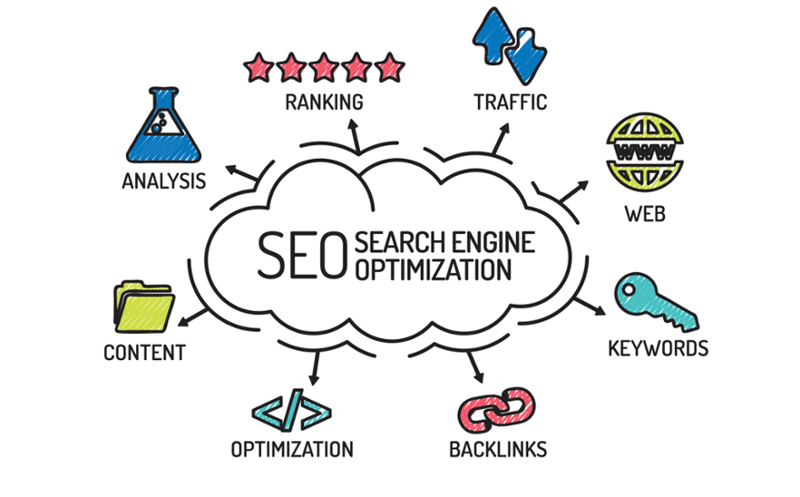
  • Keywords: Using relevant keywords in website content helps search engines understand the relevance of a site to specific queries.
  • Backlinks: High-quality backlinks from authoritative websites signal to search engines that a site is trustworthy and credible.
  • Content Quality: Well-written, informative content that addresses user queries can improve a site’s ranking.
  • User Experience: Factors such as page speed, mobile-friendliness, and easy navigation contribute to better rankings.
  • Social Signals: Engagement on social media platforms can indirectly impact SERP rankings by driving traffic and visibility.

Benefits of High SERP Ranking

Achieving a high SERP ranking offers several benefits for businesses, including:

  • Increased Visibility: Websites appearing at the top of search results gain maximum visibility and exposure to potential customers.
  • Credibility and Trust: Higher rankings instil trust in users that the website is reliable and authoritative within its industry.
  • Traffic Generation: Improved rankings lead to increased organic traffic, resulting in more leads and potential conversions.
  • Competitive Advantage: Outranking competitors on relevant keywords can give businesses a competitive edge in the digital landscape.

In conclusion, understanding the importance of SERP ranking in digital marketing is vital for businesses aiming to establish a strong online presence. By implementing effective SEO strategies and focusing on key ranking factors, organisations can enhance their visibility, credibility, and overall success in the digital sphere.


Understanding SERP Rankings: Key Questions and Insights

  1. What is the difference between Page Rank and SERP?
  2. What SERP means?
  3. What is SERP position?
  4. What are the 4 components of SERP?
  5. What is the ranking of SERP?
  6. How do you rank for SERP features?
  7. How do you rank first in SERP?
  8. What is rank zero in SERP?
  9. Is SEO and SERP the same?

What is the difference between Page Rank and SERP?

When comparing Page Rank and SERP in the context of search engine optimisation (SEO), it’s important to understand their distinct roles. Page Rank refers to Google’s original algorithm that evaluates the importance of web pages based on the number and quality of links pointing to them. On the other hand, SERP (Search Engine Results Page) is where search engines display a list of relevant websites in response to a user’s query. While Page Rank focuses on individual page authority, SERP encompasses the overall ranking and visibility of a website in search results. In essence, Page Rank is an internal metric used by search engines, while SERP reflects how a website performs in real-time searches conducted by users.

What SERP means?

When individuals inquire about the meaning of SERP in relation to search engine ranking, SERP stands for Search Engine Results Page. It refers to the page displayed by search engines like Google, Bing, or Yahoo in response to a user’s query. The SERP lists relevant websites and their corresponding snippets based on the search terms entered by the user. Understanding the significance of SERP is crucial for businesses seeking to improve their online visibility and attract organic traffic to their websites through effective SEO strategies.

What is SERP position?

In the realm of search engine optimisation (SEO), SERP position refers to the specific ranking or placement of a website on the Search Engine Results Page (SERP) in response to a user’s search query. The SERP position indicates where a website appears in relation to other search results, with the ultimate goal being to secure a higher position on the page. Websites that rank higher on the SERP are more likely to attract clicks and organic traffic, making it essential for businesses to strive for top positions through effective SEO strategies and optimisation techniques.

What are the 4 components of SERP?

When it comes to Search Engine Results Page (SERP), understanding its key components is essential for digital marketers and website owners. The 4 main components of SERP include organic search results, paid search results (often displayed as ads), featured snippets or answer boxes that provide quick answers to user queries, and related searches that offer additional search suggestions related to the initial query. These components collectively influence a website’s visibility and ranking on the SERP, highlighting the importance of optimising content and strategies to improve performance in each segment.

What is the ranking of SERP?

The ranking of Search Engine Results Page (SERP) refers to the position at which a website appears in the search results generated by search engines like Google, Bing, or Yahoo in response to a user’s query. Websites are ranked based on various factors such as relevance, quality of content, backlinks, and user experience. Securing a high SERP ranking is crucial for businesses as it increases visibility and the likelihood of attracting organic traffic. Websites that rank higher on the SERP are more likely to receive clicks and visitors, ultimately leading to enhanced online presence and potential customer engagement. Understanding and improving SERP ranking is a fundamental aspect of effective digital marketing strategies aimed at driving traffic and achieving business objectives.

How do you rank for SERP features?

To rank for SERP features, businesses need to focus on optimising their content and website for specific features like featured snippets, knowledge panels, local packs, and more. It is essential to identify the SERP features most relevant to the industry and target audience, then tailor content to meet the criteria for inclusion. Utilising structured data markup, providing concise and relevant information, and ensuring a strong technical SEO foundation are key strategies to enhance the chances of appearing in SERP features. Regularly monitoring performance metrics and adjusting strategies based on search engine algorithm updates can further improve visibility in these valuable search result features.

How do you rank first in SERP?

To rank first in Search Engine Results Page (SERP), businesses need to implement a comprehensive SEO strategy that focuses on key ranking factors. Firstly, conducting thorough keyword research and incorporating relevant keywords into website content is crucial for search engines to understand the site’s relevance to user queries. Additionally, building high-quality backlinks from authoritative websites and creating engaging, informative content can boost a site’s credibility and visibility. Optimising website performance for user experience, such as improving page speed and mobile-friendliness, also plays a significant role in achieving a top SERP ranking. By consistently monitoring and adjusting these strategies based on search engine algorithms and user behaviour, businesses can increase their chances of ranking first in SERPs.

What is rank zero in SERP?

Rank zero in SERP, also known as a featured snippet, is a coveted position that appears above the traditional organic search results on Google. This special feature provides users with a direct answer to their query without having to click through to a website. Rank zero content is displayed in a box at the top of the SERP, making it highly visible and authoritative. Websites that secure the rank zero position can benefit from increased visibility, credibility, and click-through rates. Optimising content for featured snippets through structured data and concise, relevant information can help businesses capture this prime spot in search results and attract valuable organic traffic.

Is SEO and SERP the same?

When considering the frequently asked question, “Is SEO and SERP the same?”, it’s important to clarify that while they are closely related, they are not synonymous. SEO (Search Engine Optimization) refers to the practice of optimizing a website to improve its visibility and ranking in search engine results. On the other hand, SERP (Search Engine Results Page) specifically refers to the page displayed by search engines that lists relevant websites in response to a user’s query. While SEO encompasses various strategies aimed at enhancing a website’s performance on SERPs, SERP is the actual page where these optimized websites are displayed. Understanding this distinction is key to effectively leveraging both SEO and SERP for digital marketing success.

website keyword ranking

Unlocking Success: Mastering Website Keyword Ranking Strategies

Understanding Website Keyword Ranking

The Importance of Website Keyword Ranking

Website keyword ranking plays a crucial role in the success of any online business or website. Keywords are the foundation of search engine optimisation (SEO) and directly impact how well your website ranks in search engine results pages (SERPs).

What is Website Keyword Ranking?

Website keyword ranking refers to the position of your website in search engine results for specific keywords or phrases. When a user enters a query into a search engine, the search algorithm scans through millions of web pages to deliver the most relevant results.

Why is it Important?

Having a high keyword ranking means that your website is more likely to appear at the top of search results when users search for relevant terms. This visibility can drive organic traffic to your site, increase brand awareness, and ultimately lead to more conversions and sales.

How to Improve Keyword Ranking

Improving your website’s keyword ranking requires a strategic approach to SEO. Here are some key steps you can take:

  • Keyword Research: Identify relevant keywords that your target audience is searching for.
  • On-Page Optimisation: Optimise your website’s content, meta tags, and URLs with targeted keywords.
  • Quality Content: Create high-quality, engaging content that incorporates your chosen keywords naturally.
  • Backlink Building: Acquire backlinks from reputable websites to boost your site’s authority and credibility.
  • Regular Monitoring: Track your keyword rankings regularly and make adjustments as needed based on performance.

The Role of Search Engines

Search engines like Google use complex algorithms to determine website rankings based on factors such as relevance, authority, and user experience. By understanding these algorithms and optimising your site accordingly, you can improve your keyword ranking over time.

In Conclusion

In today’s competitive online landscape, achieving a high website keyword ranking is essential for driving traffic and growing your business. By implementing effective SEO strategies and staying informed about industry trends, you can enhance your website’s visibility and reach a wider audience online.


Top 6 Tips for Enhancing Your Website’s Keyword Ranking

  1. Perform keyword research to identify relevant and high-traffic keywords for your website.
  2. Optimize your website content by including the chosen keywords in titles, headings, and throughout the text.
  3. Create high-quality and engaging content that is valuable to your target audience.
  4. Improve website loading speed as faster websites tend to rank higher in search engine results.
  5. Utilize meta tags effectively by including keywords in meta titles and descriptions.
  6. Regularly monitor and analyse keyword rankings using tools like Google Analytics or SEMrush.

Perform keyword research to identify relevant and high-traffic keywords for your website.

Performing thorough keyword research is a fundamental step in enhancing your website’s keyword ranking. By identifying relevant and high-traffic keywords specific to your niche or industry, you can effectively target your audience and improve your website’s visibility in search engine results. Understanding the search terms that potential visitors use allows you to tailor your content and SEO strategies to attract more organic traffic and ultimately boost your online presence.

Optimize your website content by including the chosen keywords in titles, headings, and throughout the text.

To enhance your website keyword ranking, it is crucial to optimise your website content strategically. Incorporating the selected keywords in titles, headings, and throughout the text not only improves the relevance of your content but also signals to search engines the key topics your website covers. By seamlessly integrating these keywords into different elements of your content, you can boost your chances of ranking higher in search engine results and attracting organic traffic to your site.

Create high-quality and engaging content that is valuable to your target audience.

Creating high-quality and engaging content that provides value to your target audience is a fundamental tip for improving website keyword ranking. By producing content that is relevant, informative, and tailored to the needs of your visitors, you not only enhance user experience but also increase the likelihood of ranking higher in search engine results. Search engines reward websites that offer valuable content by boosting their visibility and authority, making it essential to focus on creating compelling material that resonates with your audience and aligns with your chosen keywords.

Improve website loading speed as faster websites tend to rank higher in search engine results.

Improving your website loading speed is a crucial tip for enhancing website keyword ranking. Studies have shown that faster websites have a higher likelihood of ranking well in search engine results pages. Search engines like Google consider loading speed as a key factor in determining user experience, and websites that load quickly are often rewarded with higher rankings. By optimising your website’s loading speed, you not only improve user satisfaction but also increase the chances of attracting more organic traffic and boosting your overall search engine visibility.

Utilize meta tags effectively by including keywords in meta titles and descriptions.

To enhance your website keyword ranking, it is crucial to utilise meta tags effectively by incorporating relevant keywords in both meta titles and descriptions. Meta tags play a significant role in informing search engines about the content of your web pages. By strategically placing keywords in meta titles and descriptions, you can improve the visibility of your site in search engine results pages (SERPs) and attract more organic traffic. This simple yet powerful tip can help boost your website’s search engine optimisation (SEO) efforts and increase the likelihood of reaching your target audience online.

Regularly monitor and analyse keyword rankings using tools like Google Analytics or SEMrush.

Regularly monitoring and analysing keyword rankings is a crucial tip for improving your website’s performance in search engine results. By utilising tools such as Google Analytics or SEMrush, you can gain valuable insights into how your chosen keywords are performing and make informed decisions to optimise your SEO strategy. Tracking keyword rankings allows you to identify trends, measure the effectiveness of your efforts, and adjust your content and optimisation techniques accordingly to enhance your website’s visibility and attract more organic traffic.

seo page rank

Unlocking the Power of SEO Page Rank: A Guide to Elevating Your Website’s Visibility

Understanding SEO Page Rank

The Importance of SEO Page Rank in Digital Marketing

SEO page rank is a crucial aspect of search engine optimisation that determines the position of a website in search engine results pages (SERPs). Developed by Google co-founders Larry Page and Sergey Brin, page rank is a complex algorithm that evaluates the relevance and authority of web pages based on the number and quality of inbound links.

Page rank operates on a scale from 0 to 10, with 10 being the highest rank achievable. Websites with higher page ranks are more likely to appear at the top of search results, driving organic traffic and increasing visibility.

Factors Influencing Page Rank:

  • Inbound Links: The number and quality of backlinks from reputable websites play a significant role in determining page rank. Websites with authoritative inbound links are considered more trustworthy and receive higher rankings.
  • Content Quality: Engaging, relevant, and original content is essential for improving page rank. Search engines value websites that provide valuable information to users, leading to higher rankings.
  • User Experience: Factors such as site speed, mobile responsiveness, and user-friendly navigation contribute to a positive user experience. Websites that offer seamless browsing experiences are more likely to achieve higher page ranks.
  • Social Signals: Social media shares, likes, and comments can influence page rank by indicating the popularity and relevance of content. Integrating social media into your digital marketing strategy can positively impact your website’s ranking.

Improving Your Page Rank:

To enhance your website’s page rank and boost its visibility, consider implementing the following strategies:

  1. Optimise On-Page SEO: Focus on keyword optimisation, meta tags, image alt text, and internal linking to improve your website’s relevance for search engines.
  2. Create High-Quality Content: Publish informative, engaging content that addresses user queries and provides value. Regularly update your website with fresh content to attract both users and search engines.
  3. Build Quality Backlinks: Develop a robust link-building strategy by acquiring backlinks from reputable websites within your industry. Guest posting, outreach campaigns, and collaborations can help you earn valuable inbound links.
  4. Monitor Performance: Use analytics tools to track your website’s performance, identify areas for improvement, and measure the impact of your SEO efforts on page rank.

In conclusion, understanding SEO page rank is essential for achieving success in digital marketing. By focusing on factors such as inbound links, content quality, user experience, and social signals, you can enhance your website’s visibility and attract organic traffic from search engines.


8 Essential Tips to Boost Your SEO Page Rank

  1. Create high-quality and relevant content for your website.
  2. Optimize your website’s meta tags, titles, and descriptions with relevant keywords.
  3. Improve your website’s loading speed for better user experience.
  4. Use internal linking to connect related content within your website.
  5. Obtain backlinks from reputable and relevant websites to increase authority.
  6. Optimize images on your website with descriptive filenames and alt text.
  7. Regularly update your website with fresh content to keep it current and engaging.
  8. Monitor and analyse your SEO performance using tools like Google Analytics.

Create high-quality and relevant content for your website.

Creating high-quality and relevant content for your website is a fundamental tip for improving SEO page rank. Search engines value informative and engaging content that addresses user queries and provides value to visitors. By regularly updating your website with fresh, well-crafted content, you not only attract and retain users but also signal to search engines that your site is a valuable resource. This approach can help boost your website’s visibility, increase organic traffic, and ultimately enhance your page rank in search engine results pages.

Optimize your website’s meta tags, titles, and descriptions with relevant keywords.

To improve your website’s SEO page rank, it is vital to optimise your meta tags, titles, and descriptions with relevant keywords. By strategically incorporating keywords that align with your content and target audience’s search queries, you can enhance the visibility and relevance of your web pages to search engines. Crafting compelling meta tags and descriptions that accurately reflect the content of each page not only improves your site’s click-through rate but also signals to search engines the value and relevance of your website, ultimately contributing to a higher page rank in search results.

Improve your website’s loading speed for better user experience.

Improving your website’s loading speed is a valuable tip to enhance your SEO page rank. A fast-loading website not only provides a better user experience but also positively impacts your search engine rankings. Users are more likely to engage with and stay on a website that loads quickly, leading to lower bounce rates and higher conversion rates. By optimising your website’s loading speed, you can not only improve user satisfaction but also signal to search engines that your site is reliable and user-friendly, ultimately boosting your SEO page rank.

Utilising internal linking is a valuable strategy to improve your SEO page rank. By connecting related content within your website through internal links, you not only enhance user experience by guiding visitors to relevant information but also signal to search engines the significance and structure of your website. Internal linking helps search engine crawlers discover and index your web pages more effectively, ultimately boosting the visibility and authority of your site in search results. Implementing a well-thought-out internal linking strategy can play a significant role in improving your website’s overall SEO performance and increasing its page rank.

To enhance your website’s SEO page rank, it is essential to acquire backlinks from reputable and relevant websites. Backlinks act as a vote of confidence from other sites, indicating to search engines that your content is valuable and trustworthy. By securing links from authoritative sources within your industry, you can boost your website’s authority and credibility, ultimately improving its position in search engine results pages. Focus on building a strong backlink profile with quality links to establish your website as a reliable resource in the digital landscape.

Optimize images on your website with descriptive filenames and alt text.

Optimising images on your website with descriptive filenames and alt text is a valuable tip to improve your SEO page rank. Search engines rely on this information to understand the content of your images, enhancing the overall relevance of your web pages. By using descriptive filenames and alt text that accurately describe the image, you not only make your website more accessible to visually impaired users but also signal to search engines the context and relevance of the image in relation to your content. This simple yet effective practice can help boost your website’s visibility in search engine results and contribute to a better user experience.

Regularly update your website with fresh content to keep it current and engaging.

To improve your SEO page rank, it is essential to regularly update your website with fresh content. By keeping your site current and engaging, you not only provide valuable information to your audience but also signal to search engines that your website is active and relevant. Fresh content can attract more visitors, encourage return visits, and enhance user engagement, all of which contribute positively to your website’s ranking in search engine results pages.

Monitor and analyse your SEO performance using tools like Google Analytics.

To effectively improve your SEO page rank, it is essential to monitor and analyse your website’s performance using tools such as Google Analytics. By utilising this powerful tool, you can gain valuable insights into your website traffic, user behaviour, and keyword performance. Tracking key metrics allows you to identify areas for enhancement, measure the impact of your SEO strategies, and make informed decisions to optimise your online presence. Continuous monitoring and analysis with Google Analytics enable you to adapt your SEO efforts proactively and improve your website’s visibility in search engine results pages.

serp seo

Unlocking the Potential of SERP SEO: Strategies for Success in the Digital Landscape

The Power of SERP SEO: Dominating Search Engine Results

The Power of SERP SEO: Dominating Search Engine Results

In the world of digital marketing, Search Engine Results Pages (SERPs) play a crucial role in determining the online visibility and success of a website. Understanding and harnessing the power of SERP SEO can significantly impact your website’s ranking and traffic.

What is SERP SEO?

SERP SEO refers to the practice of optimising your website’s content and structure to improve its visibility in search engine results pages. When users search for specific keywords or phrases related to your business, effective SERP SEO strategies can help your website appear higher in the search results, increasing the likelihood of attracting organic traffic.

The Importance of SERP SEO

With millions of websites competing for attention on search engines, having a strong presence on SERPs is essential for driving organic traffic to your site. By implementing targeted keywords, creating high-quality content, and improving user experience, you can enhance your website’s relevance and authority in the eyes of search engines.

Key Elements of SERP SEO

Effective SERP SEO involves various elements, including:

  • Keyword Research: Identifying relevant keywords that align with your business and target audience.
  • On-Page Optimisation: Optimising meta tags, headings, images, and content for targeted keywords.
  • Quality Content: Creating engaging and informative content that adds value to users.
  • Mobile-Friendliness: Ensuring that your website is responsive and accessible on mobile devices.
  • User Experience: Improving site speed, navigation, and overall user experience to reduce bounce rates.

The Impact of SERP Rankings

Websites that appear on the first page of search engine results tend to receive the majority of clicks from users. By optimising your site for SERPs, you increase the chances of ranking higher and attracting valuable organic traffic. Higher rankings not only drive more visitors to your site but also enhance brand credibility and trust among users.

In Conclusion

In conclusion, mastering SERP SEO is essential for improving your website’s visibility and attracting organic traffic. By implementing effective strategies such as keyword research, on-page optimisation, quality content creation, and prioritising user experience, you can enhance your chances of dominating search engine results pages and achieving online success.


Top 5 Benefits of SERP SEO: Boosting Visibility, Traffic, and Credibility

  1. Increased online visibility
  2. Organic traffic growth
  3. Enhanced brand credibility
  4. Cost-effective marketing
  5. Competitive advantage


Challenges of SERP SEO: Time Investment, High Competition, and Algorithm Shifts

  1. 1. Time-Consuming
  2. 2. Competition
  3. 3. Algorithm Changes

Increased online visibility

By implementing effective SERP SEO strategies, your website gains the advantage of increased online visibility. By appearing higher in search engine results pages, your website becomes more prominent and easily discoverable by potential visitors searching for relevant keywords or topics. This enhanced visibility not only drives organic traffic to your site but also boosts brand awareness and credibility among your target audience.

Organic traffic growth

By prioritising SERP SEO, you can experience significant organic traffic growth for your website. By optimising your site to rank higher in search engine results pages, you can attract more visitors without the need for paid advertising. This organic traffic not only increases your website’s visibility but also brings in users who are actively searching for the products or services you offer, leading to higher-quality leads and potential conversions.

Enhanced brand credibility

Achieving higher rankings in search engine results through effective SERP SEO strategies can significantly enhance your brand’s credibility and trustworthiness among users. When your website appears at the top of search results for relevant keywords, it signals to users that your brand is authoritative and reliable in its industry. This increased visibility not only attracts more organic traffic but also establishes a positive perception of your brand, ultimately leading to greater trust and credibility among your target audience.

Cost-effective marketing

Investing in SERP SEO presents a significant advantage in terms of cost-effectiveness within the realm of digital marketing. By prioritising search engine optimisation strategies, businesses can establish a sustainable source of long-term traffic and leads to their website without the ongoing financial commitment associated with paid advertising campaigns. This approach not only offers a more economical alternative but also ensures a continuous flow of organic traffic, ultimately maximising the return on investment over time.

Competitive advantage

Effective SERP SEO strategies offer a significant competitive advantage by enabling your website to surpass rival sites in search engine rankings. By optimising your content and structure to align with search engine algorithms, you can increase your visibility and attract more organic traffic than competitors. This enhanced online presence not only boosts brand awareness but also positions your website as a top choice for users searching for relevant information or products, ultimately giving you a valuable edge in the competitive digital landscape.

1. Time-Consuming

One significant drawback of SERP SEO is its time-consuming nature. To implement effective strategies, considerable time and effort are required to conduct thorough keyword research, optimise content, and continuously monitor and adjust tactics based on results. The process of improving search engine rankings and visibility demands patience and dedication, as achieving significant outcomes in the competitive online landscape can be a gradual and ongoing endeavour.

2. Competition

In the realm of SERP SEO, one significant drawback is the intense competition that arises from the multitude of websites striving to secure top positions on search engine results pages. The digital landscape is saturated with competitors all vying for visibility, making it increasingly challenging for websites to distinguish themselves and capture the attention of users. Standing out amidst this fierce competition demands strategic planning, innovative approaches, and continuous efforts to stay ahead in the ever-evolving online environment.

3. Algorithm Changes

One significant drawback of SERP SEO is the constant changes in search engine algorithms. Search engines regularly update their algorithms to provide more accurate and relevant search results to users. These frequent changes can pose a challenge for website owners and SEO professionals, as strategies that were effective in the past may no longer yield the same results. Adapting to algorithm changes requires staying informed about updates, adjusting SEO tactics accordingly, and continuously monitoring and refining strategies to ensure that websites remain visible and competitive in search engine results pages.