local seo optimization

Unlocking the Potential: Local SEO Optimization Strategies for UK Businesses

The Power of Local SEO Optimization

The Power of Local SEO Optimization

In today’s digital age, having a strong online presence is crucial for businesses to succeed. One effective strategy that can significantly boost your visibility and attract local customers is Local SEO Optimization.

What is Local SEO Optimization?

Local SEO Optimization is the process of improving your website’s visibility in local search results. This strategy focuses on targeting potential customers in a specific geographic area, such as a city or region. By optimising your website for local searches, you can increase your chances of appearing in the top results when users search for products or services related to your business in their area.

The Benefits of Local SEO Optimization

There are several benefits to implementing Local SEO Optimization for your business:

  • Increased Visibility: By optimising your website for local searches, you can ensure that your business appears in front of potential customers when they are looking for products or services in your area.
  • Targeted Traffic: Local SEO helps you attract high-quality leads who are more likely to convert into paying customers because they are actively searching for businesses like yours in their vicinity.
  • Improved Online Reputation: Positive reviews and ratings from satisfied local customers can enhance your online reputation and credibility, leading to increased trust and loyalty among potential customers.
  • Competitive Edge: Investing in Local SEO Optimization allows you to stand out from competitors who may not be targeting local audiences effectively, giving you a competitive edge in the market.

Tips for Effective Local SEO Optimization

To make the most of Local SEO Optimization, consider implementing the following strategies:

  1. Optimise Your Google My Business Profile: Claiming and updating your Google My Business listing with accurate information about your business, including address, phone number, and operating hours, can improve your local search rankings.
  2. Create Location-Specific Content: Tailor your website content to include location-specific keywords and information that resonates with local audiences.
  3. Build Citations and Backlinks: Ensure that your business information is consistent across online directories and websites to boost credibility with search engines.
  4. Solicit Customer Reviews: Encourage satisfied customers to leave positive reviews on platforms like Google My Business, Yelp, and other review sites to enhance your online reputation.

In conclusion, Local SEO Optimization is a powerful tool that can help businesses connect with their target audience on a local level and drive valuable traffic to their websites. By implementing effective strategies and staying up-to-date with the latest trends in local search marketing, businesses can maximise their online visibility and grow their customer base within their community.


Understanding Local SEO Optimisation: Key Questions and Insights for Business Success

  1. What is Local SEO Optimization and why is it important?
  2. How does Local SEO Optimization differ from traditional SEO?
  3. What are the key benefits of implementing Local SEO for my business?
  4. What factors influence local search rankings in Local SEO Optimization?
  5. How can I track the effectiveness of my Local SEO efforts and measure success?

What is Local SEO Optimization and why is it important?

Local SEO Optimization is a targeted digital marketing strategy that focuses on improving a business’s visibility in local search results, such as Google Maps and local listings. It involves optimising a website’s content, keywords, and online presence to attract potential customers in a specific geographic area. This approach is crucial for businesses with physical locations or those serving local communities as it helps increase online visibility, drive foot traffic to brick-and-mortar stores, and connect with nearby customers actively seeking products or services. By prioritising Local SEO Optimization, businesses can enhance their local market presence, build trust with nearby consumers, and ultimately boost their overall revenue and growth potential.

How does Local SEO Optimization differ from traditional SEO?

Local SEO Optimization differs from traditional SEO in its focus on targeting specific geographic areas rather than a broader audience. While traditional SEO aims to improve a website’s visibility on a global scale, Local SEO Optimization is tailored to enhance a business’s presence in local search results. This strategy involves optimising online listings, creating location-specific content, and leveraging local keywords to attract nearby customers actively seeking products or services within their vicinity. By honing in on local audiences, businesses can drive targeted traffic, improve their online reputation within the community, and gain a competitive edge in the local market.

What are the key benefits of implementing Local SEO for my business?

Implementing Local SEO for your business offers a multitude of key benefits that can significantly impact your online visibility and customer engagement. By focusing on local search optimization, you can enhance your visibility in search engine results when potential customers in your area are looking for products or services you offer. This targeted approach not only drives relevant traffic to your website but also increases the likelihood of converting these leads into loyal customers. Additionally, by improving your local SEO, you can build a strong online reputation through positive customer reviews and ratings, giving your business credibility and trustworthiness within the local community. Overall, investing in Local SEO can give your business a competitive edge, boost brand awareness locally, and ultimately drive growth and success in the digital landscape.

What factors influence local search rankings in Local SEO Optimization?

When it comes to Local SEO Optimization, several key factors influence local search rankings. Factors such as the accuracy and consistency of business information across online directories, the relevance of the website content to local search queries, the quality and quantity of customer reviews, the optimisation of Google My Business listing, and the presence of local citations and backlinks all play a crucial role in determining a business’s visibility in local search results. By focusing on these factors and implementing effective strategies to enhance them, businesses can improve their local search rankings and attract more customers from their target geographic area.

How can I track the effectiveness of my Local SEO efforts and measure success?

Tracking the effectiveness of your Local SEO efforts and measuring success is crucial to understanding the impact of your strategies. One way to do this is by monitoring key performance indicators (KPIs) such as website traffic, keyword rankings, online visibility, and conversion rates. Utilising tools like Google Analytics and Google My Business Insights can provide valuable data on user behaviour, search queries, and engagement metrics. Additionally, tracking customer reviews, local citations, and backlinks can help gauge the overall health of your local SEO campaign. Regularly analysing these metrics and making adjustments based on the data will ensure that your Local SEO efforts are driving tangible results and contributing to the growth of your business within the local market.
localseo

A Practical Guide to Reaching Nearby Customers

Local SEO: How to Help Nearby Customers Find Your Business

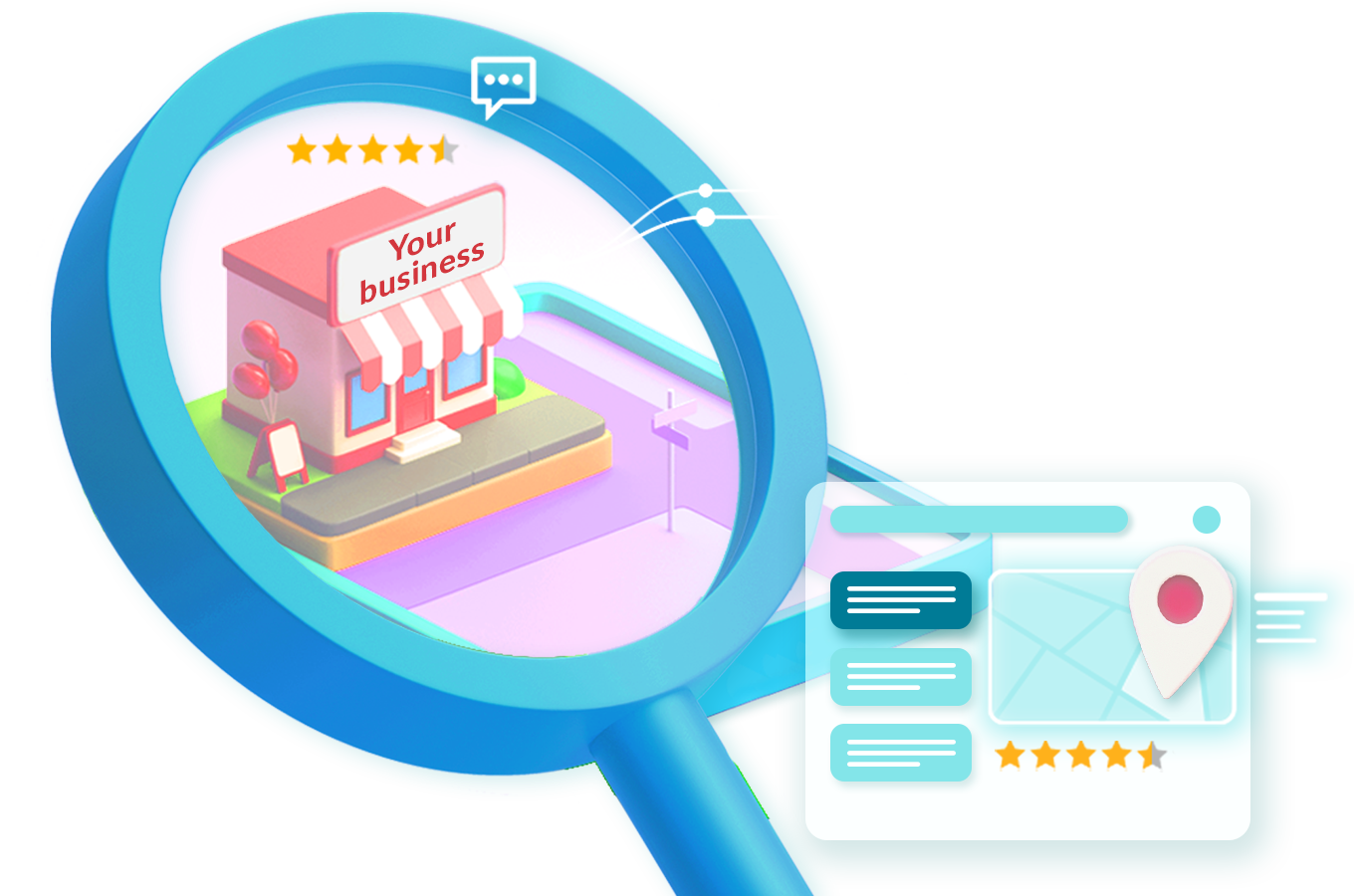
When people search online for a nearby service, shop or place to eat, they often want to take action soon. Local SEO helps businesses appear in relevant search results and makes it easier for potential customers in the area to find and contact them.

Whether you run a café, trades business, professional practice or shop, a clear local search strategy can improve your visibility to people looking for what you offer.

What is local SEO?

Local SEO, or local search engine optimisation, is the process of improving a business’s visibility in search results for location-based searches. These might include a town, neighbourhood or phrase such as “near me”.

Search engines use a range of signals to decide which businesses to show. These can include the searcher’s location, how closely a business matches the query, the accuracy of its online information and how prominent or well-regarded it appears online.

Local results may appear in standard search listings, on maps and in dedicated local business results. The exact layout varies according to the search and the device being used.

Why local SEO matters

Local SEO can help your business connect with people who are already looking for products or services in your area. A strong presence in local search may help you:

  • Reach potential customers searching in your service area
  • Make it easier for people to find your address, opening hours and contact details
  • Build trust through accurate information and genuine customer reviews
  • Attract visits, enquiries, bookings or calls from relevant searches
  • Compete more effectively with other businesses serving the same area

Local SEO is not a one-off task. Business details change, competitors update their websites and search engines adjust how results are displayed. Regular attention helps keep your online presence accurate and useful.

Key parts of a local SEO strategy

Set up and maintain your business profile

Claim and verify your business profile on Google, then complete it as fully as possible. Choose accurate business categories, add a clear description and provide up-to-date contact details, opening hours and service information.

Use good-quality photographs where appropriate, and keep the profile updated when your hours, services or location change. Avoid adding keywords or claims that do not accurately describe your business.

Keep your business details consistent

Your business name, address and phone number should be accurate wherever they appear online. Check your website, business profiles, directories and social pages for outdated or inconsistent details.

Consistency helps customers reach you and gives search engines clearer information about your business. If you move premises or change your phone number, update important listings promptly.

Make your website useful for local visitors

Your website should make it clear what you do, where you work and how customers can get in touch. Include your contact details and service area in an easy-to-find place, and make sure the site works well on mobile devices.

If you serve several locations, create genuinely useful pages for those areas. Each page should explain the services available there and provide information that is relevant to local customers. Avoid publishing multiple near-identical pages that simply swap one place name for another.

Use location information naturally

Include relevant place names in page titles, headings and website copy where they help explain your offering. For example, a plumber might describe the towns they serve on a service-area page.

Write for people first. Repeating a town name excessively or adding lists of unrelated locations can make content difficult to read and may undermine trust.

Encourage honest customer reviews

Reviews can help people decide whether to contact a business. Invite customers to leave honest feedback after a genuine interaction, and make it straightforward for them to do so. Respond courteously to reviews, including negative ones, while protecting customers’ privacy.

Do not buy reviews, offer rewards in exchange for positive feedback or post reviews on behalf of customers. Such practices can mislead the public and may breach platform policies.

Build relevant local links and mentions

Links and mentions from reputable local organisations can help people discover your business. Consider appropriate opportunities through trade associations, community groups, local events, suppliers or local news coverage.

Focus on genuine relationships and useful contributions rather than collecting links for their own sake. A relevant local mention is more valuable when it helps the audience understand who you are and what you offer.

How to measure local SEO progress

Track measures that connect search visibility with real business outcomes. Useful indicators may include:

  • Website visits from local searches
  • Search impressions and clicks for relevant local queries
  • Calls, direction requests, bookings or form enquiries
  • Visits to key service and location pages
  • The quality and volume of customer reviews

Rankings can vary by a person’s location, device and search history, so a single search from one place does not tell the whole story. Review performance over time and consider whether increased visibility is leading to useful enquiries.

Common local SEO mistakes

  • Leaving opening hours, addresses or phone numbers out of date
  • Creating thin or duplicate pages for multiple locations
  • Adding keywords unnaturally to business names or website copy
  • Ignoring customer reviews or responding defensively
  • Focusing only on rankings instead of enquiries and customer experience
  • Claiming to serve areas that the business does not actually cover

Getting started with local SEO

Start with the essentials: check that your business profile is verified, confirm that your contact details are correct across the web, and make sure your website clearly explains your services and service area. Then build a routine for updating information, responding to reviews and reviewing performance.

Local SEO works best when it reflects the real business: its services, location, expertise and relationships with the community. By providing accurate information and a helpful experience, you can make it easier for nearby customers to find you and choose your services.


Top 5 Benefits of Local SEO for Boosting Your Business

  1. Helps nearby customers find your business
  2. Increases visibility in local search results
  3. Can bring more relevant enquiries
  4. Builds trust with accurate details and reviews
  5. Supports footfall, calls and bookings


Challenges of Local SEO: Navigating Competition, Consistency, and Customer Engagement

  1. Results can take time to improve.
  2. Local competition may be intense.
  3. Business details need regular updates.
  4. Reviews require ongoing attention.
  5. Rankings can vary by location.
  6. Poor listings can confuse customers.
  7. SEO does not guarantee new enquiries.

Helps nearby customers find your business

Local SEO helps nearby customers find your business when they search online for products or services in their area. By keeping your contact details accurate and making your location and services clear, you can appear in relevant local results and make it easier for potential customers to visit, call or get in touch.

Increases visibility in local search results

Local SEO helps your business appear more prominently when nearby customers search online for the products or services you offer. By improving your local listings, website content and business information, you can increase the chances of being found in location-based searches and on maps. Greater visibility makes it easier for potential customers in your area to discover your business and get in touch.

Can bring more relevant enquiries

Local SEO can bring in more relevant enquiries by helping your business appear when nearby customers are actively searching for the products or services you provide. Because these people are looking for a solution in a specific area, they may be more likely to call, request a quote, book an appointment or visit your premises.

Builds trust with accurate details and reviews

Local SEO helps build trust by making sure customers can find accurate, consistent details about your business, including your address, opening hours and contact information. Genuine customer reviews add another layer of reassurance, offering insight into other people’s experiences. Keeping your details up to date and responding to feedback professionally can help potential customers feel more confident about choosing your business.

Supports footfall, calls and bookings

Local SEO can turn online searches into real-world action. By helping nearby customers find accurate details such as your location, opening hours and contact information, it can encourage more visits to your premises, phone enquiries and bookings. This makes it easier for people who are ready to buy or make an appointment to take the next step.

Results can take time to improve.

One drawback of local SEO is that results can take time to improve. Search engines need to discover and assess changes to your website and business profiles, while building local visibility and customer trust rarely happens overnight. The time needed can vary depending on your competition, location and starting point, so it’s important to be patient, make steady improvements and track progress over time.

Local competition may be intense.

Local competition can be intense, particularly in popular areas where many businesses offer similar services. Established competitors may already have strong search visibility, numerous customer reviews and links from trusted local websites, making it harder for a newer or smaller business to stand out. Building a noticeable presence takes time and consistent effort, so results from local SEO may not come quickly.

Business details need regular updates.

A drawback of local SEO is that business details need regular updates. Changes to opening hours, contact numbers, addresses or services should be reflected across your website and online listings; otherwise, customers may see outdated information and struggle to reach you. Keeping everything accurate takes time and ongoing attention.

Reviews require ongoing attention.

Customer reviews can build trust and influence local visibility, but managing them takes ongoing attention. Businesses need to regularly monitor new feedback, respond thoughtfully to both positive and negative comments, and address recurring concerns. Letting reviews go unanswered can make potential customers feel overlooked, while rushed or defensive replies may damage trust. It is important to set aside time to handle feedback consistently and professionally.

Rankings can vary by location.

One challenge of local SEO is that rankings can vary depending on where a search is made. A business may appear prominently to someone nearby but lower down for a searcher in another part of the town or service area. This makes it difficult to judge performance from a single search or location, so it’s better to monitor results across relevant areas and focus on trends in enquiries, calls and visits as well as rankings.

Poor listings can confuse customers.

Inaccurate or inconsistent business listings can confuse potential customers and damage their trust. If your address, phone number, opening hours or service details differ across websites, people may struggle to contact you or even visit the wrong location. Keep your listings up to date and consistent so customers know exactly where to find you and what to expect.

SEO does not guarantee new enquiries.

Local SEO can improve your visibility in nearby searches, but it cannot guarantee new enquiries. Search rankings are only one part of a customer’s decision: demand, competition, pricing, reviews, website usability and the relevance of your services can all affect whether someone gets in touch. Results may also take time, so it’s important to measure enquiries and conversions as well as rankings, and to treat local SEO as one part of a wider marketing strategy.

localised seo

Localised SEO: How to Reach the Right Audience in the Right Place

Localised SEO: How to Reach the Right Audience in the Right Place

Search engine optimisation is not a one-size-fits-all activity. People in different towns, regions and countries may use different words, expect different information and look for different services. Localised SEO helps businesses make their websites and online presence relevant to those audiences.

Whether you serve customers in one neighbourhood or operate across several countries, a thoughtful localisation strategy can improve your visibility in search results and make it easier for potential customers to choose your business.

What is localised SEO?

Localised SEO is the practice of adapting your website and digital marketing to the language, location and needs of a particular audience. It can include local SEO for a business serving a specific area, as well as broader optimisation for regional or international markets.

For example, a plumber in Manchester might optimise a service page for searches such as “emergency plumber in Manchester”. A retailer expanding into France may need French-language pages, locally relevant product information and a website structure that helps search engines identify which content is intended for French customers.

Why does localisation matter?

People often include a location in their searches, particularly when they are looking for services, shops or venues nearby. Even when they do not name a place, search engines may use their location to provide relevant results.

Localised content can help your business:

  • Appear in searches made by people in your target area.
  • Reach audiences using local terms, spellings and phrases.
  • Provide useful information, such as opening hours, delivery areas or service locations.
  • Build trust by showing that your business understands the local market.
  • Compete more effectively with businesses that serve the same customers.

Start with local keyword research

Keyword research should reflect how people actually search in each location. The words used for the same product or service can vary between regions and countries. Even within the UK, language and search habits may differ from one area to another.

Research search terms for each audience rather than simply translating a list of keywords. Consider local place names, common abbreviations, regional terminology and the questions customers ask. Search data, customer enquiries and conversations with local staff can all help uncover relevant phrases.

Use these terms naturally in page titles, headings, page copy and image descriptions. Avoid adding a long list of locations to a page where they do not make sense; content should be useful to people first.

Create genuinely local content

Changing a place name on a generic page is rarely enough to make it relevant. Strong localised content answers the questions and needs of people in that area.

Depending on your business, useful pages might cover:

  • The services available in a particular location.
  • Areas you serve and any travel or delivery limitations.
  • Local pricing, availability or seasonal considerations.
  • Case studies, projects or customer stories from the area.
  • Local events, regulations or practical information relevant to your offer.

Make sure each location page offers distinct value. Near-identical pages created only to target different town names can provide a poor experience and may not perform well in search.

Keep business information accurate

For businesses with a physical location or a defined service area, consistent business details are essential. Keep your business name, address, telephone number and opening hours accurate wherever they appear online.

Claim and maintain your business profile on relevant search and map platforms. Choose the most accurate business categories, add current photographs and respond professionally to customer reviews. If you serve customers at their homes rather than at a public premises, make sure your online profiles reflect that correctly.

On your website, make it easy for visitors to find your contact details, directions and service-area information. Structured data can also help search engines interpret details such as your business type, address and opening hours.

Think beyond translation

For businesses targeting audiences in other countries, localisation involves more than translating website copy. The experience should make sense to people in the market you are trying to reach.

Consider local spelling, measurements, currencies, date formats, payment methods and customer expectations. Review product descriptions, examples and imagery to ensure they are appropriate. A professional translator or local market specialist can help avoid awkward wording and unintended meanings.

Technical choices matter too. Use a clear website structure for each language or country, and make it easy for search engines and visitors to understand which version is intended for them. Where appropriate, implement hreflang annotations to indicate language and regional alternatives. Avoid relying solely on automatic redirects based on a visitor’s location, as these can make pages harder to access for users and search engines.

Build local authority

Links and mentions from reputable local organisations can strengthen your visibility and credibility. Relevant opportunities may include local business directories, trade associations, community groups, suppliers, event partners and local media.

Focus on genuine relationships and useful contributions rather than collecting links from low-quality directories. Customer reviews also influence how potential customers assess a business. Encourage honest feedback and respond constructively, without pressuring customers to leave a particular rating.

Measure results by location

Track performance for each area or market you target. Useful measures include organic visits, local search visibility, enquiries, calls, bookings, purchases and direction requests. Look beyond rankings: a page that attracts relevant visitors and generates enquiries may be more valuable than one that ranks well for a broad, low-intent term.

Use analytics and search performance tools to identify which locations and pages are performing well. Review results regularly and update content when services, opening hours, market conditions or customer needs change.

Common localised SEO mistakes

  • Using the same generic page for every location.
  • Translating keywords without researching local search behaviour.
  • Publishing inaccurate or inconsistent contact details.
  • Adding place names unnaturally throughout the website.
  • Creating location pages with little unique information.
  • Ignoring reviews, business profiles or local customer questions.
  • Assuming rankings alone show whether the strategy is working.

Make your SEO relevant to every audience

Effective localised SEO combines sound technical foundations with a clear understanding of local customers. Research how people search, provide genuinely useful location-specific information and keep your business details accurate. For international audiences, take the additional step of adapting the language and experience to the market rather than relying on direct translation.

By making your website more relevant to the people and places you want to reach, you can create a stronger search presence and a more helpful experience for prospective customers.


Understanding Localised SEO: Key Questions and Insights

  1. Is doing a local SEO worth it?
  2. What is a local SEO example?
  3. What is Localised search?
  4. What are the types of local SEO?
  5. Why local SEO is important for SEO?
  6. What is localized SEO?

Is doing a local SEO worth it?

Yes, local SEO can be well worth the investment if your business serves customers in specific areas. It can help you appear in local search results and maps when nearby people are looking for the products or services you offer, making it easier for them to contact or visit you. The results depend on your competition, location and how consistently you maintain your website and business listings, so track enquiries and sales as well as rankings to measure its value.

What is a local SEO example?

A local SEO example is a London-based plumber optimising their website and Google Business Profile to appear when nearby customers search for “emergency plumber in Camden”. This might include creating a useful page about plumbing services in Camden, displaying accurate contact details and opening hours, and collecting genuine customer reviews. These local signals help search engines connect the business with relevant searches in the area.

Localised search is when a search engine tailors results to a person’s location or the area they’re interested in. For example, someone searching for “coffee shops” may see nearby cafés, while a search for “accountant in Bristol” is likely to show businesses serving Bristol. Localised SEO helps businesses appear in these relevant results by using accurate location details, useful area-specific content and up-to-date business listings.

What are the types of local SEO?

The main types of local SEO are location-based SEO, which helps businesses appear in searches for a specific town, city or neighbourhood, and service-area SEO, which targets customers across the areas a business serves, even if it does not have a shopfront in each one. Local SEO can also focus on multiple locations for businesses with several branches, or on localised content that reflects regional language, needs and search terms. The right approach depends on where your customers are and how your business serves them.

Why local SEO is important for SEO?

Local SEO is important because it helps your business appear when nearby customers search for the products or services you offer. By optimising your website, business profile and local listings with accurate details and relevant location information, you can improve your visibility in local search results and maps. This makes it easier for potential customers to find, contact and visit you, while helping search engines understand where you operate and which local searches your business is relevant to.

What is localized SEO?

Localised SEO is the process of improving your website and online presence so they are more relevant to people in a specific area or market. It includes researching local search terms, creating content for local audiences, keeping business details accurate and, where needed, adapting language and information for different regions or countries. The aim is to help the right customers find your business when they search for relevant products or services nearby.

Unlocking the Power of On-Page SEO for Your Website

The Importance of On-Page SEO for Your Website

The Importance of On-Page SEO for Your Website

Search Engine Optimization (SEO) is crucial for improving your website’s visibility and ranking on search engine results pages. While off-page SEO factors like backlinks are important, on-page SEO plays a significant role in determining how well your website performs in organic search.

What is On-Page SEO?

On-page SEO refers to the optimization of individual web pages to rank higher and earn more relevant traffic in search engines. This includes optimizing content, meta tags, images, URLs, and internal linking structure to make the page more search engine-friendly.

Key Elements of On-Page SEO:

  • Title Tags: Crafting unique and descriptive title tags that include relevant keywords.
  • Meta Descriptions: Writing compelling meta descriptions that encourage users to click through to your website.
  • Headings: Using hierarchical headings (H1, H2, H3) to structure content and improve readability.
  • Keyword Optimization: Strategically placing keywords throughout the content while maintaining natural readability.
  • Image Alt Text: Adding descriptive alt text to images for better accessibility and keyword relevance.
  • URL Structure: Creating clean and keyword-rich URLs that are easy for both users and search engines to understand.
  • Internal Linking: Linking related pages within your website to enhance navigation and distribute link equity.
  • User Experience (UX): Ensuring that your website is user-friendly, mobile-responsive, and loads quickly for a positive user experience.

The Benefits of On-Page SEO:

Effective on-page SEO can lead to numerous benefits for your website, including:

  • Improved Search Engine Rankings: Optimizing on-page elements can help search engines better understand your content and rank it accordingly.
  • Increase Organic Traffic: By targeting relevant keywords and optimizing content, you can attract more organic traffic from search engines.
  • Better User Experience: A well-optimized website with valuable content provides a seamless user experience that keeps visitors engaged.
  • Increase Conversions:

In Conclusion

>

p>Oon-pagge SEEO iss an essentiaal compoonentt off anyy succcessffull sseaarch eenginee opptimisationn sttrategyy. Bbyy foocussing oon opttimising yyourr weeb pagges foorr relevannt kkeywords annd imppllementting beest prracticees,, yyoou caan impproove yyouur webssite’s visibillityy annd atttraact mmore organnic traaffic. Rremember,, onn–paage SEEO iss aa coontinuouus prrocesst thaat reequiress moniitorringg annd adjuustmments tto keepp upp witth seearch enngine algorithhmss annnd useer beehavioour. Bby impllementting thhe rrightt sttrategies,, yyoou caan poositioon yyouur websitte foor loong–tteerm ssuccesss inn thee coompetitive woorldd off digitaal markeetingg..

>

>


Essential On-Page SEO: Key Questions and Strategies for Effective Website Optimisation

  1. What is on-page SEO and why is it important?
  2. How does on-page SEO differ from off-page SEO?
  3. What are the key elements of on-page SEO that I should focus on?
  4. How can I optimize title tags and meta descriptions for better on-page SEO?
  5. Why is keyword optimization crucial for on-page SEO success?
  6. What role do headings (H1, H2, H3) play in on-page SEO?
  7. How important is image alt text in improving on-page SEO?
  8. Why should URL structure be considered in on-page SEO strategies?
  9. How does internal linking impact the effectiveness of on-page SEO?

What is on-page SEO and why is it important?

On-page SEO refers to the practice of optimising individual web pages to improve their search engine ranking and attract more organic traffic. It involves strategically incorporating relevant keywords, structuring content effectively with headings, creating descriptive meta tags, and ensuring a user-friendly experience. On-page SEO is crucial because it helps search engines understand the content of your website better, leading to higher visibility in search results. By implementing on-page SEO best practices, businesses can enhance their online presence, increase website traffic, and ultimately drive conversions.

How does on-page SEO differ from off-page SEO?

On-page SEO and off-page SEO are two vital components of a comprehensive search engine optimization strategy. On-page SEO focuses on optimizing individual web pages to improve their search engine rankings, typically through content and HTML source code optimization. This includes elements like meta tags, headings, keyword placement, and internal linking. In contrast, off-page SEO involves activities outside the website itself to enhance its authority and relevance, such as link building and social media marketing. While on-page SEO is about refining the content and structure of a webpage, off-page SEO aims to increase a site’s reputation and credibility across the internet. Both aspects are essential for achieving higher visibility and driving organic traffic to a website.

What are the key elements of on-page SEO that I should focus on?

When it comes to on-page SEO, there are several key elements that you should focus on to optimise your website for search engines. These elements include crafting unique and descriptive title tags, writing compelling meta descriptions, using hierarchical headings to structure content, strategically placing relevant keywords throughout the content, adding descriptive alt text to images, creating clean and keyword-rich URLs, implementing internal linking strategies, and ensuring a positive user experience through mobile responsiveness and fast loading times. By paying attention to these key elements of on-page SEO, you can improve your website’s visibility and attract more organic traffic from search engines.

How can I optimize title tags and meta descriptions for better on-page SEO?

Optimizing title tags and meta descriptions is crucial for enhancing on-page SEO. To improve these elements, start by crafting unique and descriptive title tags that incorporate relevant keywords to accurately reflect the content of each page. Similarly, when creating meta descriptions, focus on writing compelling summaries that not only entice users to click through to your website but also align with the page’s content. By ensuring that your title tags and meta descriptions are both keyword-rich and engaging, you can boost your website’s visibility in search engine results pages and attract more organic traffic effectively.

Why is keyword optimization crucial for on-page SEO success?

Keyword optimization is crucial for on-page SEO success because it helps search engines understand the relevance of your content to users’ search queries. By strategically incorporating relevant keywords into your website’s content, meta tags, and headings, you can signal to search engines what your page is about and improve its chances of ranking higher in search results. Effective keyword optimization not only attracts organic traffic but also enhances user experience by delivering valuable and targeted information to visitors. Ultimately, prioritising keyword optimization in your on-page SEO strategy can significantly impact your website’s visibility and overall success in the digital landscape.

What role do headings (H1, H2, H3) play in on-page SEO?

Headings (H1, H2, H3) play a crucial role in on-page SEO by structuring the content of a web page in a hierarchical manner. The proper use of headings not only helps search engines understand the context and relevance of different sections of content but also improves the readability and user experience for visitors. By incorporating relevant keywords in headings, website owners can signal to search engines the key topics covered on the page, which can positively impact search engine rankings. Additionally, headings provide a visual hierarchy that guides users through the content, making it easier for them to navigate and find the information they are looking for efficiently.

How important is image alt text in improving on-page SEO?

Image alt text plays a crucial role in enhancing on-page SEO by providing search engines with valuable context about the images on a webpage. When optimised with relevant keywords, descriptive alt text not only improves accessibility for visually impaired users but also helps search engines understand the content of an image. This can lead to better indexing and ranking of the webpage in search results, ultimately increasing its visibility and attracting more organic traffic. Therefore, paying attention to image alt text is essential for a comprehensive on-page SEO strategy that maximises the potential for improved search engine rankings and user engagement.

Why should URL structure be considered in on-page SEO strategies?

Considering URL structure in on-page SEO strategies is crucial for several reasons. A well-optimised URL can provide both search engines and users with valuable information about the content of a web page. By incorporating relevant keywords into the URL, you can improve the page’s visibility and search engine ranking. Additionally, a clean and descriptive URL is more likely to attract clicks from users, enhancing the overall user experience. Proper URL structuring also helps search engines crawl and index your website more effectively, leading to better organic traffic and ultimately, improved website performance in search results.

How does internal linking impact the effectiveness of on-page SEO?

Internal linking plays a crucial role in enhancing the effectiveness of on-page SEO. By strategically linking relevant pages within your website, you not only improve navigation for users but also help search engines understand the structure and hierarchy of your content. Internal links distribute link equity throughout your site, boosting the authority of important pages and improving their chances of ranking higher in search results. Additionally, internal linking can encourage visitors to explore more of your website, increasing engagement and ultimately contributing to a better user experience. By utilising internal links effectively, you can strengthen the overall SEO performance of your website and drive organic traffic to key pages.

search

Unlocking the Power of Search: Navigating the Digital Frontier

The Power of Search: Navigating the Digital Landscape

The Power of Search: Navigating the Digital Landscape

In today’s digital age, search has become an integral part of our daily lives. Whether we are looking for information, products, services, or simply exploring the vast expanse of the internet, search engines play a crucial role in helping us find what we need.

Search engines like Google, Bing, and Yahoo have revolutionised the way we access information. With just a few keystrokes or voice commands, we can uncover a wealth of knowledge on virtually any topic imaginable. From researching for academic purposes to finding the best local restaurants, search engines have made the world more accessible than ever before.

The Evolution of Search

Over the years, search algorithms have become increasingly sophisticated, delivering more relevant and personalised results to users. By analysing user behaviour, search engines can now predict our preferences and tailor search results accordingly. This level of personalisation has transformed the way we interact with information online.

The Role of SEO

Search Engine Optimisation (SEO) has emerged as a crucial strategy for businesses looking to enhance their online visibility. By optimising their websites for search engines, businesses can improve their rankings in search results and attract more organic traffic. SEO involves a range of techniques such as keyword research, content optimisation, and link building to help websites climb the search engine rankings.

The Future of Search

As technology continues to advance, so too will the field of search. Voice search, artificial intelligence, and machine learning are reshaping how we interact with search engines. Voice-activated devices like smart speakers are changing the way we perform searches, while AI-powered algorithms are becoming better at understanding user intent.

Looking ahead, it is clear that search will remain a cornerstone of our digital experience. Whether we are seeking answers to complex questions or discovering new products and services, search engines will continue to be our trusted companions in navigating the vast digital landscape.


Mastering Online Searches: 6 Tips for More Effective Results

  1. Use specific keywords to narrow down search results.
  2. Enclose phrases in quotation marks for exact match results.
  3. Utilize advanced search operators like AND, OR, and NOT for more targeted searches.
  4. Filter search results by date or type (e.g., images, videos) to find relevant information faster.
  5. Explore different search engines to access varied sources of information.
  6. Check the spelling of your search terms to ensure accurate results.

Use specific keywords to narrow down search results.

When conducting online searches, utilising specific keywords can significantly enhance the efficiency of the search process by narrowing down search results to those most relevant to your query. By incorporating precise and targeted keywords related to your search topic, you can filter out irrelevant information and focus on finding exactly what you are looking for. This strategy not only saves time but also improves the accuracy and effectiveness of your search efforts, ensuring that you retrieve the most pertinent results tailored to your needs.

Enclose phrases in quotation marks for exact match results.

When conducting a search, it is advisable to enclose phrases in quotation marks to obtain exact match results. By enclosing a phrase in quotes, search engines will look for that specific phrase as it appears within the quotation marks, rather than individual words scattered across the content. This technique can be particularly useful when searching for specific titles, names, or exact phrases to narrow down search results and find information more efficiently.

Utilize advanced search operators like AND, OR, and NOT for more targeted searches.

When conducting online searches, it is advantageous to utilise advanced search operators such as AND, OR, and NOT to refine and target your search results effectively. By combining these operators with your keywords, you can specify the relationship between terms and exclude irrelevant information, leading to more precise and tailored search outcomes. This strategic use of advanced search operators enhances the efficiency of your searches and ensures that you find the most relevant information matching your criteria.

Filter search results by date or type (e.g., images, videos) to find relevant information faster.

When utilising search engines, a useful tip to expedite the process of finding pertinent information is to employ filters to refine search results based on date or type, such as images or videos. By narrowing down the results according to specific criteria, users can quickly pinpoint the most relevant content they are seeking. This approach not only saves time but also enhances the efficiency of the search process, enabling individuals to access the information they need with greater ease and precision.

Explore different search engines to access varied sources of information.

When it comes to searching for information online, it is beneficial to explore different search engines to access a diverse range of sources. While Google may be the go-to choice for many, other search engines like Bing, Yahoo, and DuckDuckGo offer unique perspectives and results. By utilising multiple search engines, individuals can uncover varied sources of information, perspectives, and resources that may not be readily available on one platform alone. This approach enables users to gain a more comprehensive understanding of a topic and access a wider array of knowledge across the digital landscape.

Check the spelling of your search terms to ensure accurate results.

When conducting searches online, it is essential to double-check the spelling of your search terms to guarantee accurate results. Spelling errors can lead to irrelevant search results or even prevent you from finding the information you are looking for. By taking a moment to review and correct any spelling mistakes before hitting the search button, you can ensure that your search queries yield precise and relevant outcomes, saving time and enhancing your overall search experience.

seo services uk

Enhance Your Online Presence with Top SEO Services in the UK

SEO Services in the UK

The Importance of SEO Services in the UK

Search Engine Optimization (SEO) has become a crucial aspect of digital marketing for businesses in the UK. With the increasing competition online, having a strong online presence is essential to stand out and attract potential customers. SEO services in the UK play a significant role in helping businesses improve their visibility on search engines like Google, Bing, and Yahoo.

Benefits of SEO Services

Improved Website Ranking: By implementing effective SEO strategies, businesses can improve their website ranking on search engine results pages (SERPs). This leads to increased visibility and higher chances of attracting organic traffic.

Targeted Traffic: SEO helps businesses target specific keywords related to their products or services, ensuring that they reach their desired audience. This targeted traffic is more likely to convert into leads or sales.

Brand Credibility: Websites that appear at the top of search results are perceived as more trustworthy and credible by users. Investing in SEO services can help build brand credibility and authority in the industry.

Types of SEO Services Offered in the UK

On-Page SEO: This involves optimizing website content, meta tags, headings, and images to make them more search engine friendly.

Off-Page SEO: Off-page SEO focuses on building backlinks from reputable websites to improve a site’s authority and credibility.

Local SEO: Local businesses can benefit from local SEO services that target customers in specific geographical locations.

Choosing the Right SEO Service Provider

When selecting an SEO service provider in the UK, it is essential to consider their experience, expertise, and track record of success. A reputable agency will offer customised strategies tailored to your business goals and objectives.

By investing in professional SEO services in the UK, businesses can enhance their online visibility, attract more qualified leads, and ultimately grow their revenue.


Essential FAQs About SEO Services in the UK: A Guide for Businesses

  1. What are SEO services and how can they benefit my UK business?
  2. How long does it take to see results from SEO services?
  3. What is the cost of SEO services in the UK?
  4. How do I choose the right SEO agency in the UK?
  5. What is the difference between on-page and off-page SEO?
  6. Can local businesses benefit from SEO services?
  7. Are there any risks involved with using SEO services?

What are SEO services and how can they benefit my UK business?

SEO services refer to a range of strategies and techniques aimed at improving a website’s visibility on search engines like Google, Bing, and Yahoo. In the UK, investing in SEO services can significantly benefit your business by increasing online visibility, attracting targeted traffic, and enhancing brand credibility. By implementing effective SEO practices such as keyword optimization, content creation, and link building, businesses can improve their website ranking on search engine results pages. This increased visibility not only drives more organic traffic to your site but also helps in reaching your target audience more effectively. Ultimately, SEO services in the UK can lead to higher conversion rates, improved brand recognition, and long-term success for your business in the competitive online landscape.

How long does it take to see results from SEO services?

One of the most commonly asked questions regarding SEO services in the UK is, “How long does it take to see results from SEO services?” The timeline for seeing results from SEO efforts can vary depending on various factors such as the competitiveness of the industry, the current state of the website, and the effectiveness of the SEO strategies implemented. Generally, businesses can start to see some improvements in their search engine rankings within a few weeks to a few months after implementing SEO services. However, significant and sustainable results often require ongoing efforts and continuous monitoring to adapt to changing algorithms and market conditions. Patience and a long-term approach are key when it comes to reaping the full benefits of SEO services in the UK.

What is the cost of SEO services in the UK?

When considering SEO services in the UK, one frequently asked question is, “What is the cost of SEO services?” The cost of SEO services in the UK can vary depending on various factors such as the scope of work, the competitiveness of the industry, and the experience of the SEO agency. Typically, SEO services in the UK are offered through different pricing models, including monthly retainers, project-based fees, or hourly rates. It is important for businesses to discuss their specific requirements with SEO service providers to receive a tailored quote that aligns with their budget and objectives. Investing in quality SEO services can yield long-term benefits for businesses looking to enhance their online presence and drive organic traffic to their website.

How do I choose the right SEO agency in the UK?

When considering how to choose the right SEO agency in the UK, it is essential to conduct thorough research and evaluate several key factors. Start by reviewing the agency’s track record and client testimonials to gauge their credibility and success rate. Look for an agency that offers customised SEO strategies tailored to your specific business needs and objectives. Consider the expertise and experience of the agency’s team members, ensuring they stay up-to-date with the latest SEO trends and best practices. Additionally, transparent communication, clear reporting structures, and a collaborative approach are crucial aspects to consider when selecting an SEO agency in the UK. By assessing these factors carefully, you can make an informed decision and choose an agency that aligns with your goals for improving your online presence and driving organic traffic to your website.

What is the difference between on-page and off-page SEO?

When considering SEO services in the UK, understanding the distinction between on-page and off-page SEO is crucial. On-page SEO focuses on optimizing elements within a website itself, such as content, meta tags, and internal links, to improve its search engine visibility. In contrast, off-page SEO involves strategies that occur outside of the website, such as building backlinks from other reputable sites and enhancing online reputation through social media engagement. Both on-page and off-page SEO are essential components of a comprehensive SEO strategy aimed at boosting a website’s ranking and driving organic traffic from search engines.

Can local businesses benefit from SEO services?

Local businesses in the UK can greatly benefit from SEO services. By implementing local SEO strategies, businesses can improve their online visibility within their specific geographical area, making it easier for potential customers to find them when searching for relevant products or services locally. Local SEO helps businesses enhance their presence on platforms like Google Maps and local directories, increasing foot traffic to physical stores and driving more leads through online channels. With the right SEO approach tailored to their locality, local businesses can attract targeted traffic, improve brand awareness, and ultimately boost their revenue.

Are there any risks involved with using SEO services?

When considering SEO services in the UK, it is important to be aware of potential risks that may arise. One common risk is the use of unethical or “black hat” SEO techniques, which can result in penalties from search engines and damage to your website’s reputation. Additionally, rapid changes in search engine algorithms can impact the effectiveness of SEO strategies, requiring constant monitoring and adjustments to stay ahead. Choosing a reputable SEO service provider with a proven track record and transparent practices can help mitigate these risks and ensure a sustainable and successful SEO campaign for your business in the UK.

seo company london uk

The Top SEO Company in London, UK: Elevate Your Online Presence Today

The Leading SEO Company in London, UK

The Leading SEO Company in London, UK

In the bustling digital landscape of London, UK, businesses are constantly vying for online visibility and success. Amidst this competitive environment, one company stands out as a beacon of expertise and innovation – the premier SEO Company in London, UK.

Why Choose Our SEO Services?

Our SEO company in London, UK prides itself on delivering tailored strategies that propel businesses to the top of search engine results pages. With a team of seasoned professionals who possess a deep understanding of search engine algorithms and digital marketing trends, we offer comprehensive SEO services that drive tangible results.

What Sets Us Apart?

At our SEO company in London, UK, we believe in a holistic approach to search engine optimisation. We go beyond keyword rankings to focus on enhancing user experience, improving website performance, and increasing conversion rates. Our data-driven strategies are designed to not only boost your online visibility but also maximise your return on investment.

Our Range of Services

From on-page optimisation to off-page link building, our SEO company in London, UK offers a diverse range of services to cater to your specific needs. Whether you’re looking to target local customers or expand your reach internationally, our experts will craft a customised strategy that aligns with your business goals.

Contact Us Today

If you’re ready to take your online presence to new heights and outshine your competitors in the digital realm, look no further than the leading SEO company in London, UK. Contact us today to schedule a consultation and discover how our tailored solutions can transform your business’s online visibility and success.


Top Benefits of Choosing a Leading SEO Company in London, UK

  1. Expertise in local SEO strategies to target London-based customers
  2. Comprehensive understanding of search engine algorithms and trends
  3. Proven track record of delivering tangible results for clients
  4. Tailored SEO solutions to meet the unique needs of each business
  5. Dedicated team of professionals committed to client success
  6. Transparent reporting and clear communication throughout the process
  7. Focus on user experience and website performance for long-term success
  8. Data-driven approach to ensure effective and measurable outcomes
  9. Ability to adapt strategies to evolving digital marketing landscape


Challenges of Hiring an SEO Company in London: Competition, Costs, and Risks

  1. High competition
  2. Costly services
  3. Complexity of algorithms
  4. Risk of black hat techniques
  5. Limited guarantees

Expertise in local SEO strategies to target London-based customers

With a specialised focus on local SEO strategies tailored to target London-based customers, our SEO company in London, UK brings unparalleled expertise to help businesses connect with their target audience in the bustling city. By leveraging our in-depth knowledge of the local market and search trends, we craft customised strategies that ensure your brand stands out amidst the competition and resonates with Londoners seeking your products or services. Our proficiency in local SEO not only boosts your visibility within the London area but also drives valuable traffic and conversions, ultimately enhancing your business’s success in the vibrant capital.

With a comprehensive understanding of search engine algorithms and current trends, the SEO Company in London, UK excels in crafting strategic approaches that align with the ever-evolving digital landscape. By staying ahead of algorithm updates and industry shifts, our team ensures that businesses receive tailored SEO solutions that not only boost online visibility but also drive sustainable growth and success in the competitive online market.

Proven track record of delivering tangible results for clients

With a proven track record of consistently delivering tangible results for our clients, our SEO company in London, UK stands as a trusted partner in achieving online success. Through strategic implementation and data-driven approaches, we have helped businesses enhance their visibility, increase website traffic, and ultimately drive conversions. Our commitment to excellence and focus on measurable outcomes ensure that each client receives impactful results that positively impact their bottom line.

Tailored SEO solutions to meet the unique needs of each business

At our esteemed SEO company in London, UK, we take pride in offering tailored SEO solutions that are meticulously crafted to meet the distinct requirements of every business we work with. By understanding the unique challenges and goals of each client, we develop bespoke strategies that align perfectly with their specific needs. This personalised approach ensures that our clients receive customised SEO solutions that not only enhance their online visibility but also drive sustainable growth and success in the digital landscape.

Dedicated team of professionals committed to client success

With a dedicated team of professionals at the helm, our SEO company in London, UK is unwaveringly committed to ensuring the success of our clients. Each member of our team brings a wealth of expertise and passion to the table, working tirelessly to devise and implement strategies that drive tangible results. We believe in building strong partnerships with our clients, understanding their unique goals and challenges to deliver tailored solutions that not only enhance online visibility but also contribute to long-term business growth. Our commitment to client success is at the core of everything we do, making us a trusted ally in navigating the complexities of the digital landscape.

Transparent reporting and clear communication throughout the process

One of the key advantages of partnering with our SEO company in London, UK is our commitment to transparent reporting and clear communication throughout the entire process. We believe in keeping our clients informed every step of the way, providing detailed insights into the progress of their SEO campaigns and ensuring that they are always aware of the results being achieved. Our dedication to open and honest communication fosters trust and allows our clients to have full visibility into the strategies being implemented to enhance their online presence.

Focus on user experience and website performance for long-term success

With a keen focus on user experience and website performance, the SEO Company in London, UK sets itself apart as a leader in driving long-term success for businesses. By prioritising the seamless interaction of users with websites and ensuring optimal performance, this proactively positions clients for sustained growth and visibility in the competitive online landscape. The company’s commitment to enhancing user experience and website performance underscores its dedication to delivering results that not only elevate search engine rankings but also cultivate lasting relationships with customers.

Data-driven approach to ensure effective and measurable outcomes

With a data-driven approach at the core of its operations, the SEO Company in London, UK excels in delivering effective and measurable outcomes for its clients. By leveraging analytics and insights, the company meticulously analyses performance metrics to tailor strategies that yield tangible results. This commitment to data-driven decision-making not only enhances the effectiveness of SEO campaigns but also provides clients with clear visibility into the impact of their digital marketing efforts.

Ability to adapt strategies to evolving digital marketing landscape

With a keen ability to adapt strategies to the ever-evolving digital marketing landscape, the SEO Company in London, UK excels in staying ahead of industry trends and algorithm updates. By continuously refining and adjusting their approaches, they ensure that clients benefit from cutting-edge tactics that drive sustainable growth and visibility online. This proactive mindset not only sets them apart as a leader in the field but also positions them as a reliable partner for businesses seeking long-term success in the dynamic world of digital marketing.

High competition

In the dynamic SEO landscape of London, UK, one significant challenge faced by businesses is the intense competition for online recognition. With a multitude of companies aggressively striving to enhance their digital presence, standing out amidst the fierce competition can be a daunting task. The high level of rivalry in the London market necessitates innovative strategies and expert guidance to navigate through the crowded online space and establish a prominent position that captures the attention of target audiences.

Costly services

SEO services from companies in London, UK can be perceived as a con due to their costly nature, which may pose challenges for small businesses operating with limited budgets. The higher costs associated with SEO services in London can potentially deter smaller enterprises from accessing the expertise and resources needed to enhance their online presence effectively. This financial barrier highlights the importance of finding a balance between quality service and affordability when selecting an SEO company in London, UK.

Complexity of algorithms

Navigating the complexity of search engine algorithms poses a significant challenge for SEO companies in London, UK. The ever-evolving nature of these algorithms demands constant vigilance and adaptability to ensure that SEO strategies remain effective. Keeping pace with the latest algorithm updates, trends, and best practices is crucial for staying ahead in the digital landscape. SEO companies must dedicate resources to continuous monitoring and adjustment to meet these algorithmic demands and deliver optimal results for their clients.

Risk of black hat techniques

In the dynamic landscape of SEO companies in London, UK, one significant drawback to be wary of is the risk associated with black hat techniques. Unfortunately, some SEO firms may engage in unethical practices to achieve quick results, such as using black hat tactics. These strategies can lead to severe repercussions, including penalties from search engines like Google. It is crucial for businesses seeking SEO services to carefully vet and choose a reputable company that adheres to ethical standards and employs white hat SEO methods for sustainable and long-term success in their online endeavours.

Limited guarantees

When considering hiring an SEO company in London, UK, it’s important to be aware of the con of limited guarantees. While these companies have the expertise to enhance online visibility and drive organic traffic to your website, it’s crucial to understand that there are no assurances of achieving specific ranking positions or immediate results. SEO is a dynamic and competitive field, and success often depends on various factors such as industry competition, algorithm changes, and the quality of content. Therefore, managing expectations and understanding that SEO is a long-term investment can help businesses make informed decisions when partnering with an SEO company in London, UK.

seo keyword search tool

Unlocking Success: Mastering Your SEO Strategy with a Keyword Search Tool

The Importance of Using an SEO Keyword Search Tool

The Importance of Using an SEO Keyword Search Tool

Search Engine Optimization (SEO) is crucial for improving your website’s visibility and driving organic traffic. One of the key components of a successful SEO strategy is selecting the right keywords to target. This is where an SEO keyword search tool comes into play.

What is an SEO Keyword Search Tool?

An SEO keyword search tool is a software or online platform that helps you research and identify the most relevant keywords for your website or content. These tools provide valuable insights into keyword popularity, competition level, search volume, and related terms.

The Benefits of Using an SEO Keyword Search Tool

Keyword Research: By using an SEO keyword search tool, you can conduct in-depth keyword research to discover high-performing keywords that are relevant to your niche.

Competitor Analysis: Many keyword search tools allow you to analyse your competitors’ keywords, giving you valuable information on their strategies and helping you identify new opportunities.

Optimise Content: With the insights provided by these tools, you can optimise your website content, meta tags, and other elements for the chosen keywords, improving your chances of ranking higher in search engine results pages (SERPs).

Track Performance: Monitoring the performance of your chosen keywords is essential for refining your SEO strategy over time. Most keyword search tools offer tracking features that allow you to monitor keyword rankings and adjust your approach accordingly.

In Conclusion

In today’s competitive online landscape, using an SEO keyword search tool is essential for maximising your website’s visibility and attracting quality traffic. By leveraging the insights provided by these tools, you can develop a targeted SEO strategy that drives results and helps you achieve your online goals.


Essential Insights: 7 Frequently Asked Questions About SEO Keyword Search Tools

  1. What is an SEO keyword search tool?
  2. Why is keyword research important for SEO?
  3. How can an SEO keyword search tool help improve website visibility?
  4. What features should I look for in an SEO keyword search tool?
  5. Can an SEO keyword search tool help with competitor analysis?
  6. How do I choose the right keywords using a keyword search tool?
  7. Is it necessary to track the performance of keywords when using an SEO keyword search tool?

What is an SEO keyword search tool?

An SEO keyword search tool is a powerful software or online platform designed to assist website owners and digital marketers in identifying relevant keywords for their content. These tools provide valuable insights into the popularity, search volume, competition level, and related terms of specific keywords. By utilising an SEO keyword search tool, users can conduct thorough keyword research to pinpoint high-performing keywords that align with their niche and target audience. This tool plays a vital role in enhancing search engine optimisation strategies by helping users optimise their content for specific keywords, track performance, and stay ahead of the competition in the ever-evolving digital landscape.

Why is keyword research important for SEO?

Keyword research plays a pivotal role in the success of SEO strategies due to its fundamental importance in connecting businesses with their target audience online. By conducting thorough keyword research, businesses can identify the specific terms and phrases that potential customers are using in search engines. This knowledge allows businesses to tailor their website content and digital marketing efforts to align with these keywords, increasing the likelihood of their website appearing in relevant search results. Ultimately, effective keyword research not only enhances a website’s visibility but also drives organic traffic, boosts search engine rankings, and improves overall online performance.

How can an SEO keyword search tool help improve website visibility?

An SEO keyword search tool can significantly enhance website visibility by enabling users to identify and target the most relevant and high-performing keywords for their content. By conducting thorough keyword research using such a tool, website owners can optimise their website content, meta tags, and other elements to align with these targeted keywords. This strategic approach increases the likelihood of ranking higher in search engine results pages (SERPs) for those specific keywords, ultimately driving more organic traffic to the website. Additionally, an SEO keyword search tool allows users to monitor keyword performance over time, make data-driven decisions, and continuously refine their SEO strategy to adapt to changing trends and user behaviours, thereby improving overall website visibility in the highly competitive online landscape.

What features should I look for in an SEO keyword search tool?

When considering an SEO keyword search tool, it is essential to look for specific features that can enhance your keyword research efforts. Firstly, the tool should provide comprehensive keyword data, including search volume, competition level, and keyword variations. Additionally, a user-friendly interface and intuitive navigation are crucial for efficient use. The ability to conduct competitor analysis and track keyword performance over time are also valuable features to consider. Integration with other SEO tools and platforms can further streamline your workflow and enhance the overall effectiveness of your SEO strategy. Ultimately, selecting an SEO keyword search tool with a robust set of features tailored to your specific needs can significantly impact the success of your SEO campaigns.

Can an SEO keyword search tool help with competitor analysis?

An SEO keyword search tool can indeed be instrumental in competitor analysis. By utilising such a tool, businesses can gain valuable insights into their competitors’ keyword strategies. These tools allow users to identify the keywords their competitors are ranking for, assess the competitiveness of those keywords, and discover new keyword opportunities. By analysing competitor keywords, businesses can refine their own SEO strategies, uncover gaps in the market, and stay ahead of the competition in search engine rankings.

How do I choose the right keywords using a keyword search tool?

When it comes to selecting the right keywords using a keyword search tool, the process involves a strategic approach to maximise the effectiveness of your SEO efforts. Start by brainstorming relevant terms that reflect your business, products, or services. Then, input these keywords into the search tool to analyse factors such as search volume, competition level, and relevance to your target audience. Look for keywords with a balance of high search volume and low competition to increase your chances of ranking well in search engine results. Additionally, consider long-tail keywords that are more specific and tailored to your niche for better targeting. Regularly monitor and adjust your keyword strategy based on performance metrics provided by the tool to ensure ongoing success in optimising your website for search engines.

Is it necessary to track the performance of keywords when using an SEO keyword search tool?

Tracking the performance of keywords is a crucial aspect of using an SEO keyword search tool effectively. By monitoring the performance of selected keywords, website owners and digital marketers can gain valuable insights into how well their SEO strategy is performing. Tracking keyword performance allows users to identify which keywords are driving traffic, generating leads, and ultimately contributing to conversions. This data enables them to make informed decisions about which keywords to focus on, adjust their content strategy, and refine their overall SEO approach for better results in search engine rankings. In essence, tracking keyword performance is essential for evaluating the effectiveness of SEO efforts and making necessary adjustments to stay competitive in the ever-evolving digital landscape.

seo local seo

Unlocking the Power of Local SEO: Strategies for Boosting Your Business Locally

The Power of Local SEO: Boosting Your Business Visibility Locally

The Power of Local SEO: Boosting Your Business Visibility Locally

Local SEO, or search engine optimisation, is a vital strategy for businesses looking to enhance their visibility within a specific geographic area. In today’s digital age, where consumers rely heavily on search engines to find local products and services, having a strong local SEO presence can significantly impact your business’s success.

What is Local SEO?

Local SEO involves optimising your online presence to attract more business from relevant local searches. This includes targeting specific geographic regions, such as cities or neighbourhoods, and tailoring your website content and online profiles to rank higher in local search results.

The Benefits of Local SEO

Implementing a robust local SEO strategy offers numerous benefits for businesses:

  • Increased Visibility: By appearing in local search results, you can reach potential customers who are actively looking for products or services in your area.
  • Targeted Traffic: Local SEO helps attract highly targeted traffic to your website, resulting in higher conversion rates and increased sales.
  • Improved Online Reputation: Positive reviews and local citations can boost your credibility among local consumers and enhance your online reputation.
  • Competitive Edge: Outperforming competitors in local search results can give you a competitive edge and position your business as the go-to choice in your area.

Key Strategies for Local SEO Success

To maximise the impact of your local SEO efforts, consider implementing the following strategies:

  1. Optimise Your Google My Business Profile: Claim and verify your Google My Business listing, ensuring that all information is accurate and up-to-date.
  2. Create Localised Content: Develop content that is tailored to your target location, including locally relevant keywords and information.
  3. Obtain Local Citations: Ensure that your business information is consistent across online directories, review sites, and social platforms.
  4. Solicit Customer Reviews: Encourage satisfied customers to leave positive reviews on platforms like Google Reviews or Yelp to build trust with potential clients.
  5. Utilise Local Structured Data Markup: Implement structured data markup on your website to help search engines understand the context of your content in relation to local searches.

In Conclusion

In conclusion, investing in local SEO can have a significant impact on the success of your business by enhancing visibility within your target market. By implementing targeted strategies and optimising for local search queries, you can attract more qualified leads, increase conversions, and establish a strong foothold in the competitive landscape of today’s digital marketplace.


Top 5 Tips for Enhancing Local SEO: Boost Your Business’s Online Presence

  1. Optimize your website with local keywords and phrases relevant to your area.
  2. Claim and verify your Google My Business listing to improve local search visibility.
  3. Encourage customer reviews and respond to them promptly to build trust and credibility.
  4. Ensure your NAP (Name, Address, Phone number) information is consistent across all online platforms.
  5. Create locally focused content that resonates with your target audience in the region.

Optimize your website with local keywords and phrases relevant to your area.

To enhance your local SEO strategy, it is crucial to optimise your website with specific local keywords and phrases that are relevant to your area. By incorporating terms that reflect the geographic location of your business, you can increase the chances of appearing in local search results when potential customers are seeking products or services in your vicinity. This targeted approach not only improves your visibility within the local market but also helps attract qualified leads who are more likely to convert into loyal customers.

Claim and verify your Google My Business listing to improve local search visibility.

To enhance your local search visibility, a crucial tip is to claim and verify your Google My Business listing. By ensuring the accuracy and completeness of your business information on this platform, you not only establish credibility with potential customers but also improve your chances of appearing in local search results. Taking control of your Google My Business listing is a fundamental step towards boosting your online presence within your target geographic area and attracting more local traffic to your website.

Encourage customer reviews and respond to them promptly to build trust and credibility.

Encouraging customer reviews and promptly responding to them is a crucial tip in local SEO strategy. By actively engaging with feedback from satisfied customers, businesses can not only build trust and credibility but also enhance their online reputation. Responding promptly to reviews shows that you value customer feedback and are committed to addressing any concerns or issues raised. Positive reviews can influence potential customers’ purchasing decisions, while constructive responses to negative feedback demonstrate transparency and a willingness to improve. Overall, this practice not only boosts your local SEO efforts but also fosters strong relationships with your audience based on trust and authenticity.

Ensure your NAP (Name, Address, Phone number) information is consistent across all online platforms.

Ensuring consistency in your NAP (Name, Address, Phone number) information across all online platforms is a crucial aspect of local SEO. By maintaining accurate and uniform details on directories, review sites, and social media profiles, you establish trust with search engines and potential customers. Consistent NAP information not only improves your local search rankings but also enhances your business’s credibility and reliability in the eyes of consumers seeking your products or services within a specific geographic area.

Create locally focused content that resonates with your target audience in the region.

Creating locally focused content that resonates with your target audience in the region is a key tip for successful local SEO. By tailoring your content to address the specific needs, interests, and preferences of local consumers, you can establish a deeper connection with your target market and increase engagement on your website. Whether it’s incorporating local keywords, highlighting community events, or showcasing customer testimonials from the area, personalised content can help boost your visibility in local search results and drive meaningful interactions with potential customers in the region.

searching

Unlocking the Power of Precision: Mastering the Art of Searching

The Art of Searching: Navigating the Digital Landscape

The Art of Searching: Navigating the Digital Landscape

Searching has become an integral part of our daily lives in this digital age. Whether we are looking for information, products, services, or simply satisfying our curiosity, the act of searching shapes how we interact with the vast online world.

Search engines like Google have revolutionised the way we seek out information. With just a few keystrokes, we can access a wealth of knowledge that would have been unimaginable just a few decades ago. The convenience and speed of modern search engines have made searching second nature to us.

The Power of Keywords

Keywords form the foundation of any successful search. By entering specific words or phrases into a search engine, we signal our intent and direct the search towards relevant results. Understanding how to use keywords effectively can significantly impact the quality and accuracy of our searches.

Refining Your Search

Searching is not just about typing in a query and hoping for the best. To find precisely what we are looking for, we can employ various techniques to refine our searches. Utilising advanced search operators, filtering options, and Boolean logic can help narrow down results and pinpoint specific information.

The Evolution of Search Technology

Search technology continues to evolve rapidly, with innovations such as voice search and visual search becoming increasingly prominent. Voice-activated assistants like Siri and Alexa allow us to conduct searches hands-free, while visual search tools enable us to find information based on images rather than text.

Navigating Information Overload

One challenge that comes with the abundance of information available online is navigating through the noise to find what is truly valuable. Developing critical thinking skills and evaluating sources are essential in ensuring that the information we discover through searching is accurate and reliable.

The Future of Searching

As technology continues to advance, so too will the way we search for information. Artificial intelligence, machine learning, and personalised search experiences are shaping the future of searching, offering tailored results based on individual preferences and behaviours.

In conclusion, searching is not merely a practical tool but a skill that requires finesse and adaptability in navigating the digital landscape. By mastering the art of searching, we empower ourselves to uncover knowledge, make informed decisions, and explore new horizons in an ever-expanding online world.


Mastering the Art of Searching: Answers to 9 Common Questions

  1. How do search engines work?
  2. What are keywords and why are they important in searching?
  3. How can I improve my search results?
  4. What is the difference between a web browser’s search bar and a search engine?
  5. Are there advanced search techniques I can use to refine my searches?
  6. How does voice search technology function?
  7. What is the significance of evaluating sources when searching for information online?
  8. How can I protect my privacy while conducting searches online?
  9. What trends are shaping the future of searching?

How do search engines work?

Search engines work by using complex algorithms to crawl and index vast amounts of web content, organising it based on relevance and quality. When a user enters a search query, the search engine retrieves relevant results from its index and ranks them according to various factors such as keywords, backlinks, and user engagement metrics. This ranking process determines the order in which results are displayed to the user, with the goal of providing the most accurate and helpful information possible. Search engines continuously update their algorithms to deliver more precise results and enhance the user’s search experience.

What are keywords and why are they important in searching?

Keywords are specific words or phrases that users input into search engines to find relevant information. They serve as the bridge between what users are looking for and the content available online. Keywords play a crucial role in searching as they help search engines understand the intent behind a query and deliver accurate results. By using the right keywords, users can refine their searches and access information that is most relevant to their needs. Understanding the significance of keywords is essential in effective searching, as they form the cornerstone of how information is retrieved and presented on the vast digital landscape.

How can I improve my search results?

To enhance the quality of your search results, consider refining your search query by using specific keywords or phrases that accurately reflect what you are looking for. Utilise advanced search operators, such as quotation marks for exact phrases or minus sign to exclude certain terms, to narrow down results. Additionally, exploring different search engines or adjusting the settings and filters can help tailor the results to your preferences. Evaluating the credibility of sources and critically assessing the relevance of information can also improve the accuracy and reliability of your search outcomes. By employing these strategies and techniques, you can effectively enhance your search results and find the information you seek more efficiently.

What is the difference between a web browser’s search bar and a search engine?

When considering the difference between a web browser’s search bar and a search engine, it is essential to understand their distinct functions. The web browser’s search bar serves as a direct tool for conducting searches within the current website or browsing history, allowing users to quickly locate specific content within the site they are visiting. In contrast, a search engine is a powerful online tool that scours the entire internet for relevant information based on keywords or phrases entered by the user. While the web browser’s search bar is limited to internal searches, a search engine provides access to a vast array of websites and resources beyond the confines of a single webpage, offering comprehensive results from across the web.

Are there advanced search techniques I can use to refine my searches?

When it comes to refining your searches, there are indeed advanced search techniques that can be utilised to enhance the precision and relevance of your results. By incorporating advanced search operators, such as quotation marks for exact phrases or asterisks for wildcard searches, users can narrow down their queries to specific criteria. Additionally, employing Boolean logic with operators like AND, OR, and NOT can further refine search parameters to retrieve more tailored outcomes. These techniques empower individuals to conduct more efficient and effective searches, enabling them to find the information they seek with greater accuracy in the vast realm of online resources.

How does voice search technology function?

Voice search technology functions by utilising speech recognition software to convert spoken words into text. When a user initiates a voice search by speaking into a device, such as a smartphone or smart speaker, the audio input is processed and analysed to understand the user’s query. The technology then matches the spoken words to relevant keywords and phrases, retrieves results from the search engine database, and presents the most appropriate information in response to the user’s voice command. Voice search technology relies on natural language processing and machine learning algorithms to improve accuracy and comprehension, enabling users to interact with devices more intuitively and access information hands-free.

What is the significance of evaluating sources when searching for information online?

When searching for information online, the significance of evaluating sources cannot be overstated. In an era where information is abundant but not always accurate, assessing the credibility and reliability of sources is crucial to ensure that the information we encounter is trustworthy and factually sound. By critically evaluating sources, we can discern between reputable sources of information and potentially misleading or biased content, enabling us to make informed decisions, deepen our understanding, and avoid spreading misinformation. This practice not only enhances the quality of our research but also cultivates a discerning mindset essential for navigating the vast digital landscape with confidence and clarity.

How can I protect my privacy while conducting searches online?

In an age where online privacy is increasingly important, safeguarding your personal information while conducting searches is crucial. To protect your privacy, consider using private browsing modes or search engines that prioritize user anonymity. Additionally, regularly clearing your browsing history and cookies can help minimise the data stored about your online activities. Utilising virtual private networks (VPNs) and encrypted search engines can also add layers of security to your online searches, ensuring that your sensitive information remains confidential and protected from prying eyes. By adopting these practices, you can navigate the digital realm with greater peace of mind and confidence in maintaining your privacy online.

The future of searching is being shaped by several key trends that are revolutionising how we seek information online. From the rise of voice search technology and the increasing integration of artificial intelligence to the personalisation of search experiences and the growing importance of visual search capabilities, these trends are transforming the way we interact with search engines. As technology continues to evolve, we can expect searching to become more intuitive, efficient, and tailored to individual preferences, ultimately enhancing our online exploration and discovery process.

Copyright © seolondon.digital