find keyword ranking

Discover How to Find Keyword Ranking for Your Website in the UK

Article: Find Keyword Ranking

Finding Keyword Ranking: A Guide to Tracking Your SEO Performance

Keywords are the foundation of any successful SEO strategy. Knowing where your website ranks for specific keywords is crucial in understanding your online visibility and performance. Monitoring keyword ranking allows you to assess the effectiveness of your SEO efforts and make informed decisions to improve your search engine presence.

Tools for Tracking Keyword Ranking

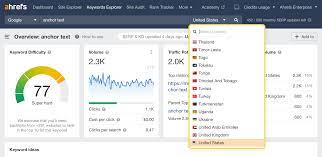
There are various tools available that can help you track keyword ranking effectively. Popular tools like SEMrush, Ahrefs, Moz, and Google Search Console provide valuable insights into how your website is performing for specific keywords. These tools offer features such as keyword position tracking, search volume data, and competitor analysis.

Steps to Find Keyword Ranking

  1. Select Relevant Keywords: Identify the keywords that are important for your business and target audience.
  2. Use a Keyword Tracking Tool: Choose a reliable keyword tracking tool and enter the selected keywords to monitor their rankings.
  3. Analyse Results: Regularly review the ranking data to understand trends, identify improvements or declines, and adjust your SEO strategy accordingly.
  4. Monitor Competitors: Keep an eye on how your competitors are ranking for similar keywords to stay competitive in the search results.
  5. Optimise Content: Use the insights from keyword ranking data to optimise your website content for better search engine visibility.

Benefits of Tracking Keyword Ranking

By monitoring keyword ranking, you can:

  • Determine which keywords drive traffic to your site
  • Evaluate the impact of SEO changes on keyword performance
  • Identify new keyword opportunities
  • Maintain a competitive edge in search results

In conclusion, tracking keyword ranking is essential for any business looking to improve its online presence and drive organic traffic. By using the right tools and following best practices, you can gain valuable insights into your SEO performance and make data-driven decisions to enhance your website’s visibility in search engines.


Top 9 Frequently Asked Questions About Finding Keyword Rankings

  1. Are there any free keyword ranking tools?
  2. How do I see keyword rankings in Google Analytics?
  3. How do I find the top keywords for my website?
  4. How to rank for a specific keyword?
  5. What is keyword rank tracker?
  6. How to check site ranking?
  7. How do I manually rank a keyword?
  8. Can you guarantee keyword ranking?
  9. How to check SEO ranking?

Are there any free keyword ranking tools?

When it comes to finding keyword ranking, one common question that arises is, “Are there any free keyword ranking tools available?” While many SEO tools offer robust features for tracking keyword performance, some free options can also provide valuable insights into your website’s ranking for specific keywords. Tools like Google Search Console and Ubersuggest offer basic keyword tracking functionalities at no cost, allowing website owners to monitor their keyword positions and make informed decisions about their SEO strategies. While free tools may have limitations compared to premium options, they can still be a useful starting point for those looking to track their keyword ranking without investing in paid tools.

How do I see keyword rankings in Google Analytics?

To see keyword rankings in Google Analytics, it’s important to note that Google Analytics does not provide direct access to keyword ranking data. While Google Analytics offers valuable insights into website traffic and user behaviour, tracking keyword rankings specifically requires the use of dedicated SEO tools or platforms. Tools like SEMrush, Ahrefs, and Moz are commonly used to monitor keyword rankings by analysing search engine results pages (SERPs) and providing data on where your website ranks for specific keywords. Integrating these SEO tools with Google Analytics can offer a comprehensive view of your website’s performance in terms of keyword visibility and search engine optimisation efforts.

How do I find the top keywords for my website?

To discover the top keywords for your website, start by conducting thorough keyword research using tools like SEMrush, Ahrefs, or Google Keyword Planner. Identify relevant keywords that align with your business niche, target audience, and search intent. Analyse search volume, competition level, and keyword difficulty to prioritise high-performing keywords. Consider long-tail keywords for specific targeting and low competition. Regularly monitor keyword ranking to track performance and make informed decisions to optimise your website content for improved search engine visibility. Remember that finding the top keywords is an ongoing process that requires strategic analysis and adaptation to stay ahead in the competitive online landscape.

How to rank for a specific keyword?

Ranking for a specific keyword requires a strategic approach that combines thorough keyword research, high-quality content creation, and effective on-page and off-page SEO tactics. To rank for a specific keyword, start by selecting relevant keywords that align with your business goals and target audience. Then, optimise your website content by incorporating the chosen keyword naturally into titles, headings, meta descriptions, and body copy. Focus on creating valuable and engaging content that addresses the search intent behind the keyword. Additionally, build quality backlinks from reputable websites to enhance your site’s authority in the eyes of search engines. Regularly monitor your keyword ranking using tools like SEMrush or Ahrefs to track progress and make necessary adjustments to improve your ranking position over time.

What is keyword rank tracker?

A keyword rank tracker is a valuable tool used in search engine optimisation to monitor and analyse the positions of specific keywords in search engine results pages (SERPs). This tool allows website owners and digital marketers to track the performance of their chosen keywords over time, providing insights into how well their website is ranking for those terms. By using a keyword rank tracker, businesses can assess the effectiveness of their SEO strategies, identify areas for improvement, and make data-driven decisions to enhance their online visibility and organic traffic.

How to check site ranking?

To check your site ranking, you can use various online tools such as SEMrush, Ahrefs, Moz, or Google Search Console. These tools allow you to enter your website URL and relevant keywords to track your site’s position in search engine results pages (SERPs). By regularly monitoring your site ranking, you can assess the effectiveness of your SEO efforts, identify areas for improvement, and make informed decisions to enhance your website’s visibility and performance in search engine rankings.

How do I manually rank a keyword?

To manually rank a keyword, start by conducting thorough keyword research to identify relevant terms for your business. Once you have selected a target keyword, optimise your website content by including the keyword in strategic locations such as the title tag, meta description, headers, and body text. Create high-quality and informative content that naturally incorporates the keyword while providing value to users. Additionally, focus on building backlinks from reputable websites to improve your site’s authority and relevance for the keyword. Regularly monitor your keyword ranking using tools like Google Search Console and adjust your SEO strategy based on performance data to enhance your chances of ranking higher in search engine results pages.

Can you guarantee keyword ranking?

When it comes to the frequently asked question of whether keyword ranking can be guaranteed, it’s important to understand that SEO is a dynamic and complex process influenced by various factors. While reputable SEO professionals can employ strategies to improve keyword ranking, no one can guarantee specific ranking positions due to the ever-changing nature of search algorithms, competition, and user behaviour. Instead of promising guaranteed rankings, a reliable SEO service provider will focus on implementing best practices, monitoring performance, and adapting strategies to enhance overall search visibility and organic traffic.

How to check SEO ranking?

To check your SEO ranking, you can use various tools and methods to assess where your website stands in search engine results pages for specific keywords. One common approach is to utilise online tools like SEMrush, Ahrefs, or Google Search Console, which provide insights into keyword positions, search volume data, and competitor analysis. By entering your targeted keywords into these tools, you can track your website’s performance over time and identify areas for improvement in your SEO strategy. Regularly monitoring your SEO ranking allows you to make informed decisions to enhance your online visibility and drive organic traffic to your site.

seo rank monitor

Unlocking Success: Maximising Your Website’s Potential with an SEO Rank Monitor

The Importance of Using an SEO Rank Monitor

The Importance of Using an SEO Rank Monitor

Search Engine Optimization (SEO) is crucial for any website looking to increase its online visibility and attract more organic traffic. One essential tool in the SEO toolkit is an SEO rank monitor. This tool plays a vital role in tracking the performance of your website on search engine results pages (SERPs) for targeted keywords. Let’s delve into why using an SEO rank monitor is essential for your digital marketing strategy.

Track Keyword Performance

An SEO rank monitor allows you to track the performance of your targeted keywords over time. By monitoring keyword rankings, you can identify which keywords are driving traffic to your site and which ones may need improvement. This data is invaluable for refining your SEO strategy and focusing on high-performing keywords that resonate with your target audience.

Monitor Competitor Rankings

Keeping an eye on your competitors’ keyword rankings is crucial in the competitive online landscape. An SEO rank monitor enables you to compare your website’s performance against that of your competitors. By analysing competitor rankings, you can identify opportunities to improve your own keyword targeting and stay ahead in the search results.

Measure SEO Progress

Tracking changes in your website’s ranking positions provides valuable insights into the effectiveness of your SEO efforts. An SEO rank monitor helps you measure progress over time, allowing you to gauge the impact of on-page optimizations, link building campaigns, and content updates on your search visibility.

Identify Algorithm Changes

Search engine algorithms are constantly evolving, impacting how websites are ranked in search results. An SEO rank monitor can help you detect sudden drops or spikes in keyword rankings, indicating potential algorithm updates or penalties affecting your site. Being aware of these changes allows you to take corrective action promptly.

Enhance Reporting and Analysis

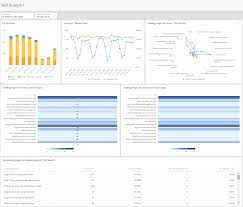
An SEO rank monitor simplifies the process of generating comprehensive reports on keyword performance and ranking trends. These reports provide valuable data for analysis, helping you make informed decisions about future SEO strategies and investments.

In Conclusion

An SEO rank monitor is a powerful tool that empowers website owners and digital marketers to track, analyse, and improve their search engine rankings effectively. By leveraging the insights provided by an SEO rank monitor, you can fine-tune your SEO strategy, outperform competitors, and drive more organic traffic to your website.


8 Essential Tips for Effective SEO Rank Monitoring

  1. Regularly monitor your website’s search engine rankings to track performance.
  2. Focus on relevant keywords that are important for your business.
  3. Analyse the competition to understand where you stand in comparison.
  4. Use SEO rank monitoring tools to automate the process and gain insights.
  5. Track changes in rankings over time to identify trends and patterns.
  6. Optimize your content based on the data from rank monitoring results.
  7. Consider local SEO factors if your business targets a specific geographical area.
  8. Stay updated with search engine algorithm changes that may impact your rankings.

Regularly monitor your website’s search engine rankings to track performance.

Regularly monitoring your website’s search engine rankings is a fundamental practice in effective SEO management. By keeping a close eye on how your website performs in search results for targeted keywords, you gain valuable insights into the effectiveness of your SEO strategy. Tracking performance allows you to identify areas for improvement, capitalise on successful tactics, and stay ahead of the competition. Consistent monitoring enables you to make data-driven decisions that lead to enhanced visibility, increased organic traffic, and ultimately, improved online success.

Focus on relevant keywords that are important for your business.

Focusing on relevant keywords that are crucial for your business is a fundamental tip when using an SEO rank monitor. By targeting keywords that align closely with your products, services, and target audience, you can ensure that your website ranks well for searches that matter most to your business. This strategic approach not only enhances your visibility in search engine results but also attracts qualified traffic that is more likely to convert into customers. Prioritising relevant keywords allows you to track their performance accurately using an SEO rank monitor and make data-driven decisions to optimise your SEO strategy effectively.

Analyse the competition to understand where you stand in comparison.

Analysing the competition is a crucial aspect of utilising an SEO rank monitor effectively. By comparing your website’s keyword rankings with those of your competitors, you gain valuable insights into your relative position in the search landscape. Understanding where you stand in comparison allows you to identify areas for improvement, refine your keyword targeting strategy, and stay ahead of the competition in search engine results pages. This competitive analysis not only helps you benchmark your performance but also provides actionable data to enhance your overall SEO strategy and drive better results.

Use SEO rank monitoring tools to automate the process and gain insights.

Utilising SEO rank monitoring tools is a smart strategy to automate the process of tracking keyword rankings and gaining valuable insights into your website’s performance on search engine results pages. By leveraging these tools, you can streamline the monitoring process, receive regular updates on keyword positions, and identify trends that inform your SEO strategy. Automation not only saves time but also allows for more efficient analysis of data, enabling you to make informed decisions to improve your search visibility effectively.

Tracking changes in rankings over time using an SEO rank monitor is a valuable strategy to identify trends and patterns that can inform your SEO efforts. By monitoring how your website’s ranking positions evolve for specific keywords, you can pinpoint fluctuations and understand the factors influencing them. This data allows you to recognise patterns in your website’s performance, helping you adapt your SEO strategy accordingly. Identifying trends over time enables you to make informed decisions on keyword targeting, content optimisation, and link building, ultimately enhancing your website’s visibility and search engine rankings.

Optimize your content based on the data from rank monitoring results.

To maximise the effectiveness of your SEO efforts, it is essential to leverage the data obtained from rank monitoring results to optimise your content. By analysing the performance of targeted keywords and tracking changes in ranking positions, you can identify areas for improvement and fine-tune your content strategy. Utilising insights from SEO rank monitoring allows you to tailor your content to better align with search engine algorithms and user intent, ultimately increasing your website’s visibility and driving organic traffic. Regularly optimising your content based on rank monitoring data is key to staying competitive in the ever-evolving digital landscape.

Consider local SEO factors if your business targets a specific geographical area.

When utilising an SEO rank monitor, it is essential to consider local SEO factors if your business caters to a specific geographical area. By focusing on local SEO strategies such as optimising for location-based keywords, creating Google My Business listings, and obtaining local citations, you can enhance your visibility in local search results. Monitoring the performance of these local SEO efforts through an SEO rank monitor allows you to track your rankings for location-specific keywords and ensure that your business is effectively reaching its target audience within the designated geographical area.

Stay updated with search engine algorithm changes that may impact your rankings.

It is crucial to stay abreast of search engine algorithm changes that could potentially affect your website’s rankings when utilising an SEO rank monitor. Search engines frequently update their algorithms to deliver more relevant and accurate search results. By staying informed about these changes, you can proactively adjust your SEO strategy to maintain or improve your website’s visibility in search results. Monitoring algorithm updates allows you to adapt quickly and ensure that your website remains optimised for the latest ranking factors, ultimately helping you stay ahead of the competition in the dynamic digital landscape.

analytics seo

Unlocking the Power of Analytics in SEO Strategies

The Power of Analytics in SEO

The Power of Analytics in SEO

Search Engine Optimization (SEO) is a crucial component of any successful digital marketing strategy. However, implementing SEO tactics without the use of analytics is like navigating a ship without a compass. Analytics play a pivotal role in understanding the performance of your SEO efforts and making informed decisions to drive results.

Understanding User Behaviour

Analytics tools provide valuable insights into user behaviour on your website. By analysing metrics such as bounce rate, time on page, and pages per session, you can gain a deeper understanding of how visitors interact with your site. This data allows you to identify areas for improvement and tailor your SEO strategy to better meet the needs of your target audience.

Tracking Keyword Performance

Keywords are the foundation of SEO, and analytics tools enable you to track the performance of your chosen keywords. By monitoring metrics such as organic traffic, keyword rankings, and click-through rates, you can identify high-performing keywords and optimise your content around them. This data-driven approach ensures that you are targeting the right keywords to attract relevant traffic to your site.

Measuring ROI

Analytics tools allow you to measure the return on investment (ROI) of your SEO efforts. By tracking key metrics such as conversion rates, goal completions, and revenue generated from organic search, you can assess the effectiveness of your SEO campaigns. This data empowers you to allocate resources more efficiently and focus on strategies that deliver tangible results for your business.

Optimising Content Strategy

Content is king in the world of SEO, and analytics provide valuable insights into the performance of your content strategy. By analysing engagement metrics such as page views, social shares, and dwell time, you can identify top-performing content and replicate its success. Analytics also help you understand which types of content resonate with your audience, allowing you to create more targeted and impactful content moving forward.

Conclusion

In conclusion, analytics are an indispensable tool for maximising the effectiveness of your SEO efforts. By leveraging data-driven insights, you can refine your strategy, track progress towards your goals, and ultimately drive meaningful results for your business. Incorporating analytics into your SEO workflow is essential for staying ahead in the ever-evolving digital landscape.


Top 8 Essential Tips for Enhancing SEO Through Analytics

  1. 1. Conduct keyword research to identify relevant and high-performing keywords for your website.
  2. 2. Regularly monitor your website’s performance using analytics tools like Google Analytics.
  3. 3. Optimise your website’s meta tags, headings, and content with targeted keywords to improve SEO.
  4. 4. Create high-quality content that is valuable to your target audience and encourages engagement.
  5. 5. Build backlinks from reputable websites to increase your site’s authority and credibility.
  6. 6. Improve website speed and user experience to enhance SEO rankings.
  7. 7. Utilise social media platforms to promote your content and drive traffic to your website.
  8. 8. Stay updated on SEO trends and algorithm changes to adapt your strategy accordingly.

1. Conduct keyword research to identify relevant and high-performing keywords for your website.

Conducting thorough keyword research is a fundamental step in any successful SEO strategy. By identifying relevant and high-performing keywords for your website, you can ensure that your content is optimised to attract the right audience. Understanding the search terms that users are using allows you to tailor your content to meet their needs effectively. By incorporating these keywords strategically throughout your website, you can improve your search engine rankings and drive organic traffic to your site. Keyword research forms the backbone of an effective SEO campaign, providing valuable insights that shape your content strategy and enhance your online visibility.

2. Regularly monitor your website’s performance using analytics tools like Google Analytics.

Regularly monitoring your website’s performance using analytics tools like Google Analytics is essential for maintaining a successful SEO strategy. By tracking key metrics such as traffic sources, user behaviour, and conversion rates, you can gain valuable insights into how your website is performing and identify areas for improvement. This data-driven approach allows you to make informed decisions, optimise your content and marketing efforts, and ultimately enhance the overall effectiveness of your SEO campaigns. Consistent monitoring and analysis of website performance are vital steps in ensuring that your online presence continues to attract and engage your target audience effectively.

3. Optimise your website’s meta tags, headings, and content with targeted keywords to improve SEO.

To enhance your website’s search engine optimisation (SEO) performance, it is crucial to optimise key elements such as meta tags, headings, and content with relevant keywords. By strategically incorporating targeted keywords into these areas, you can improve the visibility and relevance of your site to search engines. Meta tags provide brief descriptions of your webpage, while headings structure your content for both users and search engines. Ensuring that these elements are aligned with your chosen keywords not only boosts SEO but also enhances the overall user experience by delivering more informative and cohesive content.

4. Create high-quality content that is valuable to your target audience and encourages engagement.

Creating high-quality content that provides value to your target audience and encourages engagement is a fundamental tip in analytics SEO. By crafting content that is informative, relevant, and engaging, you not only attract visitors to your website but also keep them interested and involved. Valuable content not only helps improve your search engine rankings but also builds trust with your audience, leading to increased brand loyalty and conversions. By focusing on creating content that resonates with your target audience, you can drive organic traffic, enhance user experience, and ultimately achieve success in your SEO efforts.

Building backlinks from reputable websites is a fundamental strategy in SEO analytics. By securing links from trusted sources, you not only enhance your site’s authority but also establish credibility in the eyes of search engines. Backlinks act as endorsements for your content, signalling to search algorithms that your website is a reliable and valuable resource. This boost in authority can significantly improve your site’s visibility and ranking in search results, making it an essential tactic for driving organic traffic and strengthening your online presence.

6. Improve website speed and user experience to enhance SEO rankings.

Improving website speed and enhancing user experience are crucial steps in boosting SEO rankings. A fast-loading website not only provides a better user experience but also aligns with search engine algorithms that prioritise user-friendly sites. By optimising website speed, you can reduce bounce rates, increase engagement, and ultimately improve your site’s visibility in search engine results pages. Prioritising user experience through responsive design and streamlined navigation not only benefits visitors but also signals to search engines that your site is valuable and relevant to users’ queries. By focusing on these aspects, you can positively impact your SEO rankings and drive organic traffic to your website.

7. Utilise social media platforms to promote your content and drive traffic to your website.

To maximise the impact of your SEO efforts, consider leveraging social media platforms as a powerful tool to promote your content and increase website traffic. By sharing valuable and engaging content on platforms such as Facebook, Twitter, and Instagram, you can reach a wider audience and drive more users to your website. Engaging with followers, participating in relevant discussions, and utilising targeted ads can further enhance the visibility of your content and attract potential customers. Integrating social media promotion into your SEO strategy can help boost brand awareness, improve organic reach, and ultimately contribute to the success of your digital marketing campaigns.

It is essential to stay updated on SEO trends and algorithm changes to adapt your strategy accordingly. Search engine algorithms are constantly evolving, and keeping abreast of the latest developments ensures that your SEO efforts remain effective. By staying informed about industry trends and algorithm updates, you can make timely adjustments to your strategy, optimise your website for better visibility, and maintain a competitive edge in the ever-changing digital landscape. Consistent monitoring and adaptation based on current SEO practices will help you stay ahead of the curve and drive sustainable growth for your online presence.