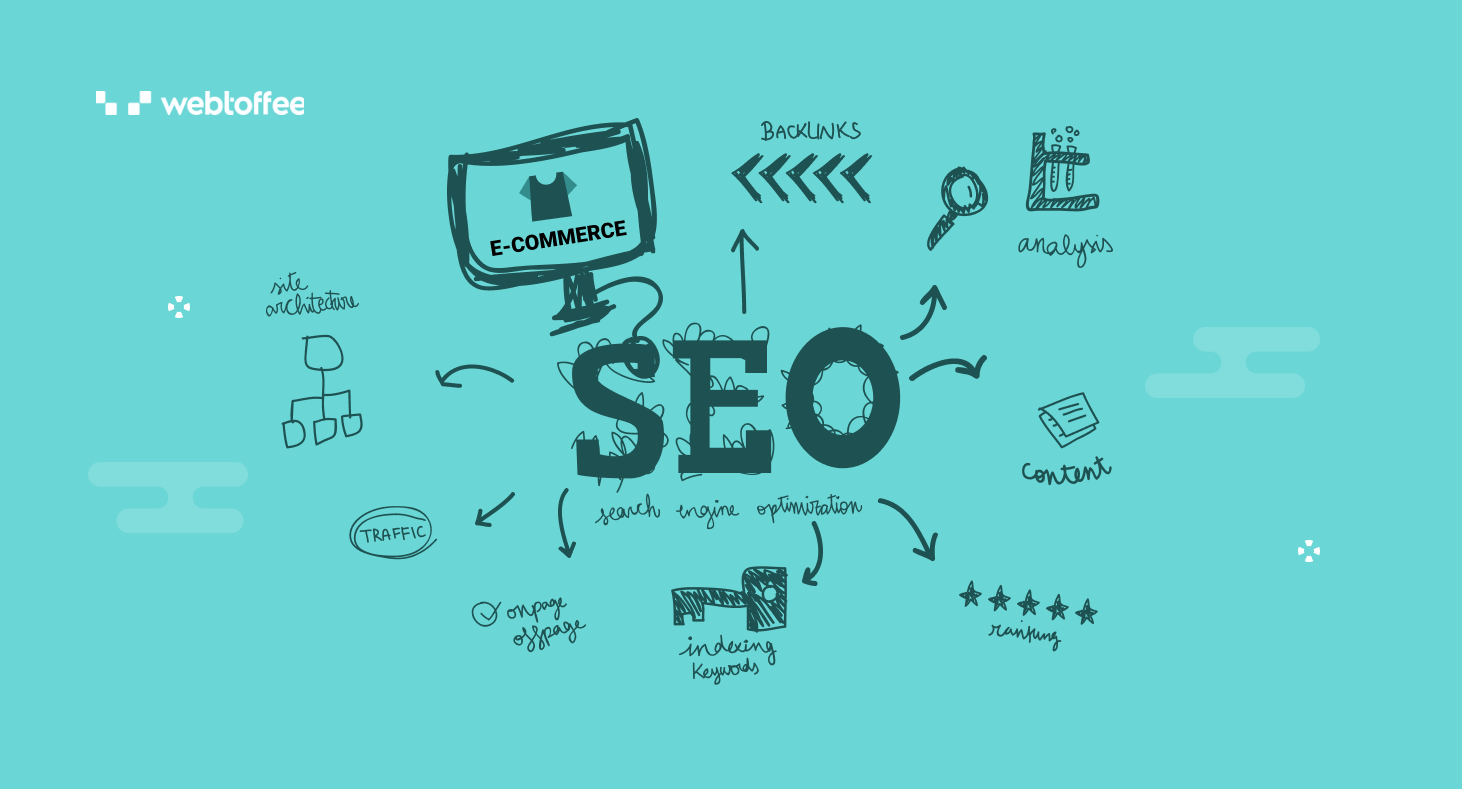
Unlocking Success: The Essential Guide to E-Commerce SEO Strategies
The Power of E-Commerce SEO: Boosting Your Online Store’s Visibility
In today’s digital age, having a strong online presence is crucial for the success of any e-commerce business. With millions of online stores competing for attention, how can you ensure that your products are seen by potential customers? This is where E-Commerce SEO comes into play.
What is E-Commerce SEO?
E-Commerce SEO, or Search Engine Optimisation, is the process of improving your online store’s visibility in search engine results pages (SERPs). By optimising various elements of your website, such as product descriptions, meta tags, and site structure, you can increase your chances of ranking higher in search engine results.
The Benefits of E-Commerce SEO
Implementing an effective E-Commerce SEO strategy can have numerous benefits for your online store:
- Increased Visibility: By appearing higher in search engine results, more potential customers will discover your products.
- Higher Traffic: Improved visibility leads to increased organic traffic to your website.
- Better Conversion Rates: Targeted traffic from SEO is more likely to convert into sales.
- Brand Credibility: Ranking well in search engines can enhance your brand’s credibility and trustworthiness.
- Cost-Effective Marketing: Compared to paid advertising, SEO offers a cost-effective long-term marketing solution.
Key Strategies for E-Commerce SEO
To maximise the impact of your E-Commerce SEO efforts, consider implementing the following strategies:
- Keyword Research: Identify relevant keywords that potential customers are searching for and incorporate them strategically into your product pages and content.
- Optimised Product Descriptions: Write unique and compelling product descriptions that not only describe the product but also include relevant keywords.
- User-Friendly Website Design: Ensure that your website is easy to navigate and mobile-friendly to provide a seamless user experience.
- Image Optimisation: Optimise product images with descriptive filenames and alt text to improve visibility in image search results.
- Social Media Integration: Utilise social media platforms to promote products and drive traffic back to your online store.
In Conclusion
E-Commerce SEO is a powerful tool that can significantly impact the success of your online store. By investing time and resources into optimising your website for search engines, you can attract more visitors, increase sales, and build a strong brand presence in the competitive e-commerce landscape. Take advantage of E-Commerce SEO today and watch your online store thrive!
Top 9 Frequently Asked Questions About E-commerce SEO
- How does SEO affect e-commerce?
- What are the 4 types of SEO?
- Why does SEO matter for ecommerce?
- Is SEO good for ecommerce?
- What are the 7 types of SEO?
- Can I do SEO for free?
- Is SEO worth it for ecommerce?
- How to use SEO for e-commerce?
- Which Ecommerce has the best SEO?
How does SEO affect e-commerce?
SEO plays a crucial role in the success of e-commerce businesses by significantly impacting their online visibility and performance. Effective SEO strategies can help e-commerce websites rank higher in search engine results, making it easier for potential customers to discover their products or services. By optimising key elements such as product descriptions, meta tags, and site structure, e-commerce websites can attract more organic traffic, improve conversion rates, and enhance brand credibility. Ultimately, SEO directly influences the visibility, traffic, and overall success of e-commerce platforms in the highly competitive online marketplace.
What are the 4 types of SEO?
When it comes to E-Commerce SEO, understanding the different types of SEO is essential for maximising your online store’s visibility. The four main types of SEO include on-page SEO, off-page SEO, technical SEO, and local SEO. On-page SEO focuses on optimising individual web pages with relevant keywords and quality content. Off-page SEO involves building backlinks and establishing your website’s authority across the internet. Technical SEO deals with improving the technical aspects of your website, such as site speed and mobile-friendliness. Lastly, local SEO targets local search queries to help businesses attract nearby customers. By incorporating these various types of SEO strategies into your E-Commerce website, you can enhance its search engine rankings and drive more organic traffic to your online store.
Why does SEO matter for ecommerce?
Search Engine Optimisation (SEO) plays a crucial role in the success of e-commerce businesses. In the competitive landscape of online retail, SEO matters for e-commerce because it significantly impacts the visibility and discoverability of products and services. By implementing effective SEO strategies, e-commerce websites can improve their search engine rankings, attract more organic traffic, increase brand awareness, and ultimately drive higher conversion rates. SEO helps online stores reach their target audience effectively, stand out from competitors, and establish a strong online presence that leads to sustainable growth and success in the digital marketplace.
Is SEO good for ecommerce?
When considering the effectiveness of SEO for e-commerce, the answer is a resounding yes. Implementing a robust SEO strategy for e-commerce can significantly benefit online stores by improving visibility in search engine results, attracting more organic traffic, enhancing conversion rates, building brand credibility, and providing a cost-effective long-term marketing solution. By optimising various elements of an e-commerce website, such as product descriptions, meta tags, and site structure, businesses can effectively reach their target audience and drive sales. In essence, SEO plays a crucial role in maximising the online presence and success of e-commerce ventures.
What are the 7 types of SEO?
When it comes to E-Commerce SEO, understanding the different types of SEO is essential for maximising your online store’s visibility. The 7 types of SEO include on-page SEO, off-page SEO, technical SEO, local SEO, mobile SEO, voice search SEO, and e-commerce SEO. Each type plays a crucial role in improving your website’s search engine rankings and driving organic traffic. By incorporating a comprehensive SEO strategy that encompasses these different types, you can enhance your online store’s visibility and attract more potential customers to your products and services.
Can I do SEO for free?
When it comes to E-Commerce SEO, the question of whether one can do it for free often arises. While it is possible to implement some basic SEO practices without incurring costs, such as optimizing meta tags and creating quality content, a comprehensive and effective SEO strategy typically requires investment in tools, resources, and expertise. Free SEO tools and resources can be helpful but may have limitations in providing in-depth analysis and insights needed to compete effectively in the online marketplace. Therefore, while some aspects of SEO can be done for free, a more robust approach with professional guidance is usually recommended for optimal results in enhancing the visibility and performance of your e-commerce website.
Is SEO worth it for ecommerce?
For e-commerce businesses, investing in SEO is undeniably worth it. Implementing a robust SEO strategy tailored to the e-commerce sector can yield significant benefits in terms of increased online visibility, higher organic traffic, improved conversion rates, enhanced brand credibility, and cost-effective long-term marketing. By optimising product pages, utilising relevant keywords, and ensuring a user-friendly website design, e-commerce websites can attract more potential customers and stand out in the competitive online marketplace. Ultimately, the return on investment from effective SEO efforts for e-commerce can lead to sustainable growth and success for online stores.
How to use SEO for e-commerce?
Utilising SEO for e-commerce involves implementing a comprehensive strategy to enhance the visibility and ranking of your online store in search engine results. To effectively use SEO for e-commerce, start by conducting thorough keyword research to identify relevant terms that potential customers are searching for. Optimise product pages with these keywords, ensuring they appear in titles, descriptions, and meta tags. Create high-quality, engaging content that incorporates keywords naturally while providing valuable information to users. Additionally, focus on technical aspects such as site speed, mobile-friendliness, and user experience to improve overall SEO performance. Regularly monitor and analyse data to refine your SEO efforts and stay ahead of the competition in the dynamic e-commerce landscape.
Which Ecommerce has the best SEO?
When it comes to determining which e-commerce platform has the best SEO capabilities, the answer may vary depending on individual business needs and goals. Several popular e-commerce platforms, such as Shopify, WooCommerce, Magento, and BigCommerce, offer robust SEO features and functionalities that can help improve a website’s search engine visibility. Factors to consider when evaluating the SEO performance of an e-commerce platform include customisation options, ease of use, technical SEO capabilities, mobile responsiveness, and integration with SEO tools. Ultimately, the best e-commerce platform for SEO is one that aligns with your specific requirements and allows you to implement effective SEO strategies to enhance your online store’s visibility and rankings.
Leave a Reply