Decoding SEO: Unveiling the Meaning of Search Engine Optimization

SEO Stands for Search Engine Optimization

The Power of SEO: Understanding Search Engine Optimization

SEO, which stands for Search Engine Optimization, is a crucial digital marketing strategy that aims to increase the quantity and quality of traffic to a website through organic search engine results. In simpler terms, SEO helps your website rank higher in search engine results pages (SERPs), making it more visible to potential visitors.

Key Components of SEO:

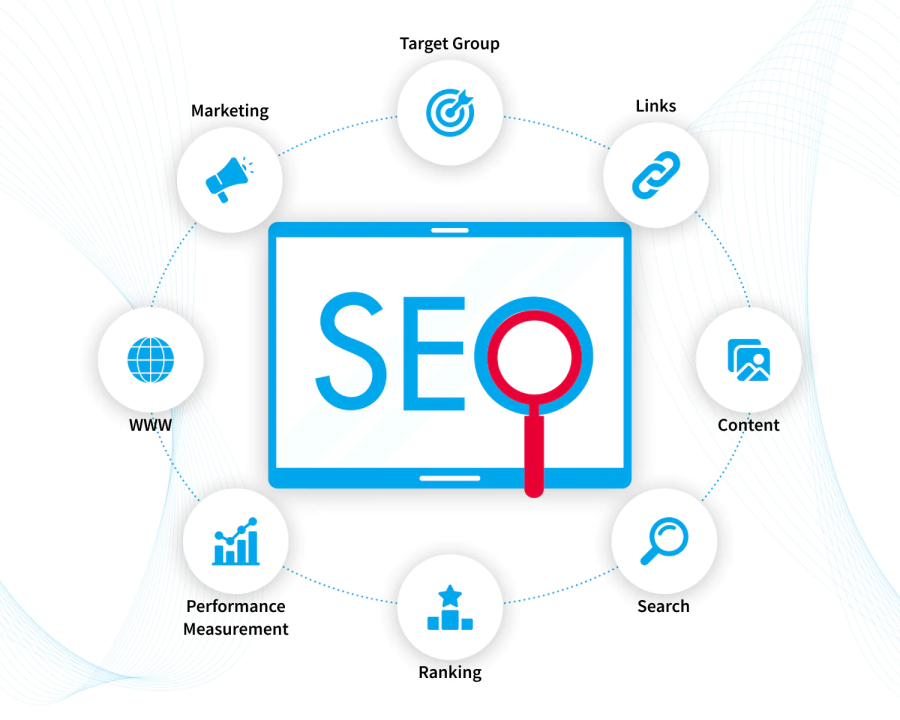
Keywords: Keywords are the foundation of SEO. By researching and strategically using relevant keywords in your content, meta tags, and URLs, you can attract users searching for those specific terms.

Content: High-quality, relevant content is essential for effective SEO. Search engines favour websites that provide valuable information to users. Regularly updating your content with fresh and engaging material can improve your site’s ranking.

Backlinks: Backlinks are links from other websites that direct traffic to your site. Search engines consider backlinks as a vote of confidence in your content’s credibility and authority. Building a strong backlink profile can boost your site’s visibility.

The Benefits of SEO:

– Increased Website Traffic: By optimising your site for search engines, you can attract more organic traffic from users actively seeking information related to your products or services.

– Enhanced User Experience: Implementing SEO best practices can improve the user experience on your website by making it faster, more accessible, and easier to navigate.

– Brand Credibility: Ranking high in search results instils trust in users and enhances your brand’s credibility. Users are more likely to choose businesses that appear at the top of search engine listings.

In Conclusion

In today’s competitive digital landscape, understanding and implementing effective SEO strategies is essential for businesses looking to succeed online. By harnessing the power of SEO, you can drive targeted traffic to your website, increase brand visibility, and ultimately achieve greater online success.


Understanding SEO: Your Guide to Search Engine Optimisation Essentials and Benefits

  1. What does SEO stand for?
  2. Why is SEO important for websites?
  3. How does SEO work?
  4. What are the key components of SEO?
  5. How can keywords impact SEO?
  6. Why is content crucial for SEO?
  7. What role do backlinks play in SEO?
  8. What are the benefits of implementing SEO strategies?

What does SEO stand for?

“What does SEO stand for?” is a commonly asked question in the realm of digital marketing. SEO stands for Search Engine Optimization, a fundamental strategy aimed at improving a website’s visibility on search engine results pages. By optimising various elements such as keywords, content, and backlinks, SEO helps websites rank higher organically and attract more relevant traffic. Understanding the significance of SEO is crucial for businesses looking to enhance their online presence and reach their target audience effectively.

Why is SEO important for websites?

Search Engine Optimization (SEO) is crucial for websites because it plays a fundamental role in enhancing online visibility and driving organic traffic. By optimising a website’s content, structure, and performance according to search engine algorithms, SEO helps websites rank higher in search results. This increased visibility not only attracts more relevant visitors but also builds credibility and trust with users. Ultimately, an effective SEO strategy can lead to improved brand recognition, higher conversion rates, and long-term success in the competitive digital landscape.

How does SEO work?

Understanding how SEO works is essential for anyone looking to improve their online presence. In essence, SEO involves a series of strategies and techniques aimed at enhancing a website’s visibility in search engine results pages (SERPs). By optimising various elements such as keywords, content quality, backlinks, and technical aspects of a website, SEO helps search engines better understand the relevance and value of a site’s content. This, in turn, can lead to higher rankings for relevant search queries, ultimately driving more organic traffic to the website. SEO is an ongoing process that requires continuous monitoring, analysis, and adjustment to stay ahead in the ever-evolving digital landscape.

What are the key components of SEO?

When delving into the realm of SEO, understanding its key components is crucial for a successful digital marketing strategy. The primary elements of SEO include keywords, content, and backlinks. Keywords play a pivotal role in attracting relevant traffic to a website by aligning with user search queries. High-quality and engaging content not only satisfies search engine algorithms but also provides value to visitors, enhancing user experience. Backlinks, on the other hand, act as a vote of confidence from other websites, boosting credibility and authority in the eyes of search engines. By mastering these fundamental components of SEO, businesses can optimise their online presence and improve visibility in search engine results pages.

How can keywords impact SEO?

Keywords play a pivotal role in Search Engine Optimization (SEO) by influencing how search engines interpret and rank a website’s content. When strategically incorporated into website content, meta tags, and URLs, relevant keywords help search engines understand the context and relevance of a page to specific search queries. By targeting high-value keywords that align with user intent, businesses can attract organic traffic from individuals actively seeking their products or services. Effective keyword usage not only enhances a website’s visibility in search engine results but also improves its chances of ranking higher, ultimately boosting its overall SEO performance.

Why is content crucial for SEO?

Understanding why content is crucial for SEO is essential in maximising the effectiveness of your digital marketing efforts. Content plays a pivotal role in SEO as search engines prioritise websites that provide valuable, relevant, and high-quality information to users. By creating compelling content that incorporates targeted keywords, you not only enhance your website’s visibility in search engine results but also engage and attract your target audience. Quality content establishes your website as an authoritative source within your industry, earning backlinks and boosting organic traffic. In essence, content is the cornerstone of successful SEO strategies, driving organic growth and improving overall online visibility.

Backlinks play a critical role in SEO, standing as one of the key factors that search engines consider when determining a website’s authority and relevance. Essentially, backlinks act as ‘votes of confidence’ from other websites, indicating to search engines that your content is valuable and trustworthy. The quality and quantity of backlinks pointing to your site can significantly impact your search engine rankings. Websites with a strong backlink profile are more likely to rank higher in search results, as search engines view them as authoritative sources within their respective industries. Effective link-building strategies can help boost organic traffic, improve visibility, and enhance overall SEO performance for websites aiming to establish a strong online presence.

What are the benefits of implementing SEO strategies?

Implementing SEO strategies offers a multitude of benefits for businesses looking to enhance their online presence. By optimising your website with SEO techniques, you can significantly increase your visibility in search engine results, driving more organic traffic to your site. This heightened visibility not only boosts brand awareness but also attracts targeted visitors actively seeking the products or services you offer. Additionally, effective SEO strategies can improve user experience by making your site more user-friendly and accessible. Ultimately, investing in SEO can lead to higher conversion rates, increased credibility for your brand, and long-term success in the competitive digital landscape.

firma seo

Unlocking Business Success: The Power of Professional Firma SEO Services

The Importance of SEO for Your Business

The Importance of SEO for Your Business

In today’s digital age, having a strong online presence is crucial for the success of any business. One of the most effective ways to improve your visibility and reach your target audience is through Search Engine Optimization (SEO).

SEO involves optimizing your website and online content to rank higher in search engine results pages like Google. By implementing SEO strategies, you can increase organic traffic to your site, improve brand awareness, and ultimately drive more leads and sales.

Key Benefits of SEO for Businesses:

  • Increased Visibility: By appearing higher in search results, your business becomes more visible to potential customers searching for products or services related to what you offer.
  • Targeted Traffic: SEO helps attract relevant traffic to your website from users who are actively searching for information or solutions that your business provides.
  • Brand Credibility: Ranking well in search engines builds trust and credibility with consumers, as they are more likely to trust websites that appear at the top of search results.
  • Cost-Effective Marketing: Compared to traditional advertising methods, SEO offers a cost-effective way to reach a larger audience and generate leads over time.
  • Long-Term Results: While SEO requires ongoing effort and monitoring, the results are long-lasting and can continue to benefit your business in the months and years ahead.

Choosing the Right SEO Firm:

When it comes to implementing SEO strategies for your business, partnering with a reputable SEO firm can make all the difference. A professional firm will have the expertise, tools, and resources needed to develop and execute effective SEO campaigns tailored to your specific goals.

An experienced SEO firm will conduct thorough keyword research, optimize on-page elements of your website, build quality backlinks, and provide regular reports on performance metrics. They will also stay up-to-date with industry trends and algorithm changes to ensure that your website remains competitive in search rankings.

By investing in professional SEO services from a trusted firm, you can position your business for success online and stay ahead of the competition in today’s competitive digital landscape.

© 2023 The Importance of SEO for Your Business – All rights reserved


Essential FAQs on SEO: Understanding Its Importance and Impact for Businesses

  1. What is SEO and why is it important for businesses?
  2. How can SEO help improve my website’s visibility?
  3. What are the key benefits of investing in SEO for a business?
  4. How long does it take to see results from SEO efforts?
  5. What are the common SEO strategies used by firms to boost online presence?
  6. How much does SEO services typically cost for businesses?
  7. Can I do SEO myself or should I hire a professional firm?
  8. What sets apart a reputable SEO firm from others in the industry?

What is SEO and why is it important for businesses?

Search Engine Optimization (SEO) is a crucial digital marketing strategy that focuses on enhancing a website’s visibility in search engine results pages. It involves optimizing various elements of a website, such as content, keywords, and backlinks, to improve its ranking on search engines like Google. SEO is vital for businesses as it helps increase organic traffic to their websites, making it easier for potential customers to find them online. By improving visibility and appearing higher in search results, businesses can attract more targeted traffic, build brand credibility, and ultimately drive leads and sales. In today’s competitive online landscape, investing in SEO is essential for businesses looking to establish a strong online presence and stay ahead of the competition.

How can SEO help improve my website’s visibility?

Search Engine Optimization (SEO) plays a crucial role in enhancing your website’s visibility by improving its ranking on search engine results pages. By implementing SEO strategies such as keyword optimization, content creation, and link building, your website becomes more attractive to search engines like Google. As a result, when users search for relevant keywords related to your business, your website is more likely to appear higher in search results. This increased visibility not only drives organic traffic to your site but also helps build brand credibility and trust among your target audience. Ultimately, SEO acts as a powerful tool to boost your online presence and attract quality traffic that can lead to increased conversions and business growth.

What are the key benefits of investing in SEO for a business?

Investing in SEO for a business offers a multitude of key benefits that can significantly impact its online visibility and overall success. By prioritising SEO, businesses can experience increased visibility in search engine results, attracting targeted traffic from users actively seeking their products or services. This heightened visibility not only enhances brand credibility but also establishes trust with potential customers. Furthermore, SEO provides a cost-effective marketing solution, offering long-term results that continue to drive organic traffic and generate leads over time. Ultimately, investing in SEO through a reputable firm can propel a business ahead of its competitors and position it for sustained growth in the digital landscape.

How long does it take to see results from SEO efforts?

One frequently asked question regarding SEO firms is, “How long does it take to see results from SEO efforts?” The timeline for seeing results from SEO strategies can vary depending on various factors, such as the competitiveness of the industry, the current state of your website, and the effectiveness of the implemented SEO tactics. Generally, it may take a few months to start seeing noticeable improvements in search engine rankings and organic traffic. However, it’s important to understand that SEO is a long-term investment, and consistent efforts over time are required to achieve sustainable results that contribute to the growth and success of your online presence.

What are the common SEO strategies used by firms to boost online presence?

When it comes to enhancing online presence, firms often employ a variety of SEO strategies to improve their visibility and reach their target audience effectively. Some common SEO tactics used by firms include keyword research and optimization, on-page SEO techniques such as meta tags and headings, creating high-quality and relevant content, building authoritative backlinks from reputable websites, optimizing website speed and mobile-friendliness, as well as monitoring and analysing performance through tools like Google Analytics. By implementing these strategies strategically and consistently, firms can boost their online presence, increase organic traffic, and ultimately drive more conversions and business growth.

How much does SEO services typically cost for businesses?

When considering SEO services for businesses, the cost can vary depending on several factors such as the size of the business, the scope of the project, and the level of competition in the industry. Typically, SEO services can range from a few hundred to several thousand pounds per month. It’s important for businesses to understand that investing in quality SEO services is an essential part of establishing and maintaining a strong online presence. While the initial cost may seem significant, the long-term benefits of improved visibility, increased website traffic, and higher conversion rates make it a worthwhile investment for businesses looking to succeed in the digital landscape.

Can I do SEO myself or should I hire a professional firm?

When considering whether to handle SEO independently or enlist the services of a professional firm, it’s essential to weigh the pros and cons. While it’s possible to undertake basic SEO tasks yourself, such as keyword research and content optimization, achieving sustainable results often requires a deeper understanding of SEO techniques and algorithms. Professional SEO firms bring expertise, experience, and resources to the table, enabling them to develop comprehensive strategies tailored to your business goals. By partnering with a reputable firm, you can benefit from their in-depth knowledge, industry insights, and ability to navigate the ever-evolving landscape of search engine optimisation, ultimately maximising your online visibility and driving tangible results for your business.

What sets apart a reputable SEO firm from others in the industry?

When considering what distinguishes a reputable SEO firm from others in the industry, several key factors come into play. A reputable SEO firm stands out through its proven track record of delivering tangible results for clients, backed by case studies and testimonials. They demonstrate a deep understanding of search engine algorithms and best practices, staying abreast of industry updates to adapt strategies accordingly. Moreover, transparency and clear communication are hallmarks of a reputable SEO firm, ensuring clients are informed every step of the way. Finally, a commitment to ethical practices, continuous learning, and a client-centric approach sets apart a reputable SEO firm as a trusted partner in achieving online success.

digital seo

Unlocking Success: Navigating the Digital SEO Landscape

The Power of Digital SEO: Enhancing Your Online Presence

The Power of Digital SEO: Enhancing Your Online Presence

In today’s digital age, having a strong online presence is crucial for businesses to succeed. One of the most effective ways to boost your visibility and reach your target audience is through Digital SEO (Search Engine Optimization).

What is Digital SEO?

Digital SEO involves optimizing your website and online content to improve its visibility in search engine results. By strategically incorporating relevant keywords, creating high-quality content, and building authoritative backlinks, you can enhance your website’s ranking on search engine results pages (SERPs).

The Benefits of Digital SEO

Implementing a robust Digital SEO strategy offers numerous benefits for your business. Firstly, it helps drive organic traffic to your website, increasing the chances of converting visitors into customers. Improved visibility in search results also enhances brand credibility and trust among users.

Key Components of Digital SEO

Effective Digital SEO encompasses various elements, including keyword research, on-page optimization, technical SEO, content creation, and link building. By focusing on these components and staying up-to-date with search engine algorithms, you can stay ahead of the competition and attract more organic traffic.

Measuring Success with Digital SEO

Monitoring key performance indicators (KPIs) such as organic traffic growth, keyword rankings, conversion rates, and bounce rates is essential for evaluating the success of your Digital SEO efforts. By analysing these metrics regularly, you can make data-driven decisions to further enhance your online presence.

Conclusion

In conclusion, Digital SEO plays a vital role in improving your online visibility and driving sustainable growth for your business. By investing in a comprehensive Digital SEO strategy tailored to your specific goals and target audience, you can position your brand for success in the competitive digital landscape.


8 Benefits of Digital SEO: Enhancing Visibility, Credibility, and Competitiveness

  1. Increases online visibility
  2. Drives organic traffic to your website
  3. Enhances brand credibility and trust
  4. Improves user experience on your site
  5. Targets specific audiences effectively
  6. Provides measurable results through analytics
  7. Boosts conversion rates and leads generation
  8. Helps stay competitive in the digital landscape


Challenges of Digital SEO: Continuous Monitoring, Delayed Results, High Costs, and Content Quality Risks

  1. Digital SEO requires continuous monitoring and adjustments to keep up with changing search engine algorithms.
  2. It can be time-consuming to see significant results from Digital SEO efforts, especially for competitive keywords.
  3. Investing in professional Digital SEO services can be costly for small businesses with limited budgets.
  4. Over-optimisation of content for search engines may compromise the quality and relevance of the information provided to users.

Increases online visibility

Enhancing online visibility is a key advantage of Digital SEO. By implementing strategic tactics such as keyword optimization, content creation, and link building, businesses can improve their search engine rankings and attract more organic traffic to their websites. Increased online visibility not only boosts brand awareness but also expands the reach to a wider audience, ultimately driving more engagement and potential conversions. In a competitive digital landscape, the ability to stand out and be easily found by users is essential for long-term success, making improved online visibility through Digital SEO a valuable asset for any business looking to thrive online.

Drives organic traffic to your website

One significant advantage of Digital SEO is its ability to drive organic traffic to your website. By implementing effective SEO strategies such as keyword optimization, high-quality content creation, and link building, you can improve your website’s visibility in search engine results. This increased visibility not only attracts more visitors to your site but also ensures that the traffic is organic, meaning users are actively searching for products or services related to your business. As a result, organic traffic generated through Digital SEO has a higher likelihood of converting into valuable leads and customers, ultimately contributing to the growth and success of your online presence.

Enhances brand credibility and trust

One significant advantage of Digital SEO is its ability to enhance brand credibility and trust. By appearing higher in search engine results and providing valuable, relevant content to users, businesses can establish themselves as authoritative sources within their industry. This increased visibility and credibility not only attract more organic traffic but also instil trust in potential customers, leading to higher conversion rates and long-term customer loyalty.

Improves user experience on your site

Enhancing user experience on your website is a significant advantage of implementing Digital SEO strategies. By optimising site structure, improving page loading speed, and providing relevant and engaging content, Digital SEO ensures that visitors have a seamless and satisfying browsing experience. This not only encourages users to stay longer on your site but also increases the likelihood of them engaging with your content and taking desired actions, ultimately leading to higher conversion rates and improved customer satisfaction.

Targets specific audiences effectively

Digital SEO excels in targeting specific audiences effectively by leveraging strategic keyword research and content optimisation techniques. By tailoring website content to align with the search intent of target demographics, businesses can attract relevant traffic and engage potential customers who are actively seeking their products or services. This precision in audience targeting not only increases the likelihood of conversions but also enhances overall user experience, ultimately driving sustainable growth and success in the digital landscape.

Provides measurable results through analytics

One significant advantage of Digital SEO is its ability to provide measurable results through analytics. By leveraging data-driven insights, businesses can track and analyse key performance metrics such as website traffic, keyword rankings, conversion rates, and user engagement. This allows them to evaluate the effectiveness of their SEO strategies, identify areas for improvement, and make informed decisions to enhance their online presence. With the power of analytics, businesses can quantify the impact of their Digital SEO efforts and continuously refine their approach to achieve optimal results.

Boosts conversion rates and leads generation

One significant advantage of Digital SEO is its ability to boost conversion rates and lead generation for businesses. By optimising website content, implementing relevant keywords, and improving overall search engine visibility, Digital SEO attracts more qualified traffic to websites. This targeted approach increases the likelihood of converting visitors into customers, ultimately driving higher lead generation and enhancing overall business growth.

Helps stay competitive in the digital landscape

In the fast-evolving digital landscape, utilising Digital SEO is essential to staying competitive and relevant. By implementing effective SEO strategies, businesses can enhance their online visibility, attract more organic traffic, and outrank competitors in search engine results. Maintaining a strong digital presence through SEO not only ensures that your brand remains visible to potential customers but also allows you to adapt to changing market trends and consumer behaviour, ultimately giving you a competitive edge in the digital arena.

Digital SEO requires continuous monitoring and adjustments to keep up with changing search engine algorithms.

A notable drawback of Digital SEO is the necessity for ongoing monitoring and adjustments to align with evolving search engine algorithms. Keeping pace with the frequent updates and changes in algorithms can be a challenging task for businesses. Constant vigilance is required to ensure that SEO strategies remain effective and compliant with the latest standards set by search engines. Failure to adapt promptly to algorithm changes can result in a decline in search rankings and diminished online visibility, highlighting the demanding and dynamic nature of Digital SEO practices.

It can be time-consuming to see significant results from Digital SEO efforts, especially for competitive keywords.

Achieving significant results from Digital SEO efforts can be a time-consuming process, particularly when targeting competitive keywords. Building a strong online presence and improving search engine rankings require consistent effort and patience. Competition for top positions in search results can be fierce, making it challenging to see immediate results. However, with a strategic and persistent approach to Digital SEO, businesses can gradually enhance their visibility and ultimately reap the benefits of increased organic traffic and improved brand recognition.

Investing in professional Digital SEO services can be costly for small businesses with limited budgets.

For small businesses operating on constrained budgets, one significant drawback of investing in professional Digital SEO services is the associated costs. Engaging the expertise of SEO professionals can be a substantial financial commitment that may not always align with the financial capabilities of small businesses. The expense of hiring professional SEO services can strain limited resources and pose a challenge for smaller enterprises looking to enhance their online visibility and compete in the digital landscape. Balancing the potential benefits of Digital SEO with the financial constraints faced by small businesses is crucial in making informed decisions about allocating resources for digital marketing strategies.

Over-optimisation of content for search engines may compromise the quality and relevance of the information provided to users.

An inherent drawback of digital SEO is the risk of over-optimising content for search engines, potentially leading to a compromise in the quality and relevance of information presented to users. When content is excessively tailored to meet search engine algorithms rather than user needs, it can result in a disconnect between what users seek and what they actually find. This overemphasis on keywords and technical SEO aspects may detract from the overall user experience, undermining the credibility and authenticity of the content being delivered. Achieving a balance between SEO optimisation and user-centric content is essential to ensure that information remains valuable, engaging, and genuinely beneficial to the audience.

global seo

Mastering Global SEO Strategies for International Online Success

The Power of Global SEO: Expanding Your Online Reach

The Power of Global SEO: Expanding Your Online Reach

In today’s interconnected world, having a strong online presence is crucial for businesses looking to expand their reach beyond borders. Global Search Engine Optimization (SEO) plays a vital role in helping companies reach international audiences and drive traffic to their websites from around the globe.

What is Global SEO?

Global SEO involves optimising your website and online content to rank well in search engine results across multiple countries and languages. It goes beyond traditional SEO strategies by considering cultural nuances, regional preferences, and language differences to attract a diverse audience.

The Benefits of Global SEO

**Increased Visibility**: By targeting international keywords and implementing multilingual content, global SEO helps your website rank higher in search results across various regions.

**Expanded Market Reach**: With global SEO, you can tap into new markets and connect with potential customers worldwide, driving traffic and increasing brand awareness on a global scale.

**Enhanced Brand Credibility**: A strong international online presence through global SEO can enhance your brand’s credibility and reputation, showcasing your commitment to serving a diverse customer base.

Key Strategies for Global SEO Success

To succeed in global SEO, consider the following strategies:

  • Keyword Research: Identify relevant keywords in different languages and regions to target the right audience.
  • Localisation: Adapt your content to suit local preferences, languages, and cultural norms for better engagement.
  • International Link Building: Build quality backlinks from reputable sites across various countries to boost your website’s authority globally.
  • Mobile Optimisation: Ensure that your website is mobile-friendly to cater to users accessing it from different devices worldwide.


Top 8 Tips for Effective Global SEO Strategy

  1. Understand your target audience in different regions
  2. Research and use relevant keywords for each market
  3. Optimise website content for multiple languages and cultures
  4. Localise meta tags and descriptions for better visibility
  5. Build backlinks from diverse international sources
  6. Ensure website loading speed is fast across all regions
  7. Utilise hreflang tags to indicate language and regional targeting
  8. Monitor and analyse global SEO performance regularly

Understand your target audience in different regions

To maximise the effectiveness of your global SEO efforts, it is crucial to understand your target audience in different regions. By gaining insights into the cultural preferences, search habits, and linguistic nuances of diverse markets, you can tailor your content and SEO strategies to resonate with each specific audience. This targeted approach not only helps in improving visibility and engagement but also fosters a deeper connection with potential customers worldwide, ultimately driving organic traffic and boosting your online presence on a global scale.

Research and use relevant keywords for each market

Researching and utilising relevant keywords for each target market is a crucial tip in global SEO strategy. By identifying and incorporating region-specific keywords, businesses can effectively reach their intended audience in different countries and languages. This approach not only improves search engine rankings but also enhances the visibility of the website to potential customers worldwide. Tailoring keyword usage to specific markets ensures that content resonates with local audiences, leading to increased traffic, engagement, and ultimately, business growth on a global scale.

Optimise website content for multiple languages and cultures

To maximise the impact of your global SEO efforts, it is essential to optimise your website content for multiple languages and cultures. By tailoring your content to resonate with diverse audiences, you can enhance user experience, improve engagement, and increase the chances of ranking well in search results across different regions. Localising your content not only demonstrates respect for cultural nuances but also shows a commitment to connecting authentically with international users, ultimately strengthening your online presence on a global scale.

Localise meta tags and descriptions for better visibility

Localising meta tags and descriptions is a crucial tip in global SEO strategy. By tailoring these elements to suit the language and preferences of specific regions, businesses can significantly improve their visibility in search engine results. Localised meta tags and descriptions not only help search engines understand the context of the content but also make it more appealing to users in different countries. This practice enhances the overall user experience and increases the likelihood of attracting relevant traffic from diverse international audiences.

Building backlinks from diverse international sources is a key strategy in global SEO. By obtaining links from a variety of reputable websites across different countries, businesses can enhance their website’s authority and credibility on a global scale. These diverse backlinks not only improve search engine rankings but also help attract a wider audience from various regions, ultimately driving more traffic and expanding the reach of the website internationally.

Ensure website loading speed is fast across all regions

Ensuring that your website loads quickly across all regions is a crucial tip for effective global SEO. A fast-loading website not only enhances user experience but also improves search engine rankings. By optimising your site’s loading speed for international audiences, you can reduce bounce rates, increase engagement, and ultimately drive more traffic to your website from around the world. Fast-loading pages are more likely to be favoured by search engines, making it essential to prioritise speed optimisation for a successful global SEO strategy.

Utilise hreflang tags to indicate language and regional targeting

Utilising hreflang tags in your website’s HTML code is a crucial tip for effective global SEO. These tags help search engines understand the language and regional targeting of your content, ensuring that the right version of your website appears in relevant search results for users across different regions. By implementing hreflang tags correctly, you can improve the visibility and accessibility of your website to international audiences, ultimately enhancing your global SEO strategy and driving organic traffic from diverse linguistic and geographical backgrounds.

Monitor and analyse global SEO performance regularly

Monitoring and analysing your global SEO performance regularly is a crucial tip to ensure the effectiveness of your international digital marketing efforts. By tracking key metrics such as organic traffic, keyword rankings, and user engagement across different regions, you can identify trends, opportunities, and areas for improvement. Regular analysis allows you to adjust your global SEO strategies in real-time, ensuring that your website continues to attract and retain a diverse audience from around the world.

seo'

Unlocking the Secrets of Effective SEO Strategies for Online Success

The Power of SEO: Boosting Your Online Presence

The Power of SEO: Boosting Your Online Presence

In today’s digital age, having a strong online presence is crucial for the success of any business. Search Engine Optimization (SEO) plays a vital role in improving your website’s visibility and driving organic traffic. Let’s delve into the world of SEO and discover how it can elevate your online presence.

What is SEO?

SEO is the practice of optimizing your website to rank higher in search engine results pages (SERPs). By implementing various strategies and techniques, you can improve your website’s relevance and authority, making it more likely to appear at the top of search results when users look for relevant keywords.

The Benefits of SEO

Effective SEO can have a multitude of benefits for your business, including:

  • Increased Visibility: By ranking higher in search results, your website becomes more visible to potential customers.
  • Higher Traffic: Improved visibility leads to increased organic traffic to your site.
  • Better User Experience: SEO involves optimizing your website for both search engines and users, resulting in a better overall user experience.
  • Brand Credibility: Websites that appear at the top of search results are often perceived as more trustworthy and credible by users.

Key SEO Strategies

To make the most of SEO, it’s essential to implement key strategies such as:

  • Keyword Research: Identifying relevant keywords that your target audience is searching for.
  • On-Page Optimization: Optimizing meta tags, headings, content, and images on your website.
  • Link Building: Acquiring quality backlinks from reputable websites to improve your site’s authority.
  • Content Creation: Producing high-quality, engaging content that resonates with your audience and attracts organic traffic.

The Future of SEO

The field of SEO is constantly evolving as search engines update their algorithms and user behaviour changes. Staying abreast of the latest trends and best practices is essential to maintaining a competitive edge in the digital landscape. Embracing new technologies such as voice search optimization and mobile-friendly design will be key in shaping the future of SEO.

In Conclusion

SEO is a powerful tool that can significantly impact your online presence and drive business growth. By investing in effective SEO strategies and staying informed about industry developments, you can position your website for success in an increasingly competitive online environment.


Understanding SEO: Answers to 8 Common Questions

  1. What are the 4 types of SEO?
  2. How to do SEO for beginners?
  3. What is a SEO job?
  4. How is SEO used in marketing?
  5. What are SEO examples?
  6. Is SEO easy?
  7. How exactly does SEO work?
  8. What is meant by SEO?

What are the 4 types of SEO?

In the realm of SEO, there are four main types that encompass different aspects of search engine optimization. These include on-page SEO, which focuses on optimizing individual web pages with relevant content and meta tags; off-page SEO, which involves building backlinks and enhancing the website’s authority through external sources; technical SEO, which deals with website structure, speed, and indexing to improve user experience and search engine crawling; and local SEO, tailored to businesses targeting specific geographic locations by optimizing for local searches. Understanding these four types of SEO is essential for implementing a comprehensive strategy to enhance online visibility and drive organic traffic.

How to do SEO for beginners?

For beginners looking to delve into the world of SEO, it’s essential to start with the basics. Begin by understanding the fundamental principles of SEO, such as keyword research, on-page optimization, and link building. Familiarize yourself with SEO tools and resources available online to help you analyse website performance and track progress. Consistent learning and staying updated with industry trends are key to mastering SEO techniques. Remember that patience is crucial in SEO as results may take time to manifest. By taking a systematic approach and gradually implementing best practices, beginners can build a solid foundation in SEO and set themselves up for success in improving their website’s visibility and ranking on search engines.

What is a SEO job?

A SEO job involves the responsibility of enhancing a website’s visibility in search engine results through various strategies and techniques. SEO professionals focus on improving organic search traffic by implementing on-page and off-page optimization, conducting keyword research, analysing website performance metrics, and staying updated with search engine algorithms. The role of a SEO specialist is to drive targeted traffic to a website, improve its search engine ranking, and ultimately boost online visibility and engagement.

How is SEO used in marketing?

SEO plays a crucial role in marketing by enhancing a company’s online visibility and driving organic traffic to its website. By strategically incorporating SEO techniques such as keyword optimization, content creation, and link building, businesses can improve their search engine rankings and attract more qualified leads. This increased visibility not only boosts brand awareness but also helps companies establish credibility and trust with their target audience. Ultimately, integrating SEO into marketing strategies can lead to higher conversion rates, increased website traffic, and long-term success in the digital landscape.

What are SEO examples?

When discussing SEO examples, it is important to consider various strategies and techniques that demonstrate the implementation of search engine optimization in practice. Examples of SEO include keyword research and implementation, on-page optimization such as meta tags and headings, link building to improve website authority, and content creation tailored to target audience interests. These examples showcase how SEO can be effectively applied to enhance website visibility, drive organic traffic, and improve overall user experience.

Is SEO easy?

The question of whether SEO is easy is a common one among those looking to enhance their online presence. While the concept of SEO may seem straightforward, the execution can be complex and time-consuming. Effective SEO requires a deep understanding of search engine algorithms, keyword research, on-page optimization, content creation, and link building strategies. It also demands ongoing monitoring and adjustments to keep up with evolving trends. While learning the basics of SEO is achievable, mastering it and achieving significant results often requires dedication, expertise, and continuous effort.

How exactly does SEO work?

SEO, short for Search Engine Optimization, works by improving a website’s visibility and ranking on search engine results pages (SERPs). It involves a combination of strategies and techniques aimed at enhancing a site’s relevance and authority in the eyes of search engines like Google. Key aspects of SEO include keyword research, on-page optimization, link building, and content creation. By implementing these tactics effectively, websites can attract more organic traffic, increase their online visibility, and ultimately drive business growth. SEO is an ongoing process that requires continuous monitoring, analysis, and adaptation to keep up with search engine algorithms and user behaviour trends.

What is meant by SEO?

Search Engine Optimization (SEO) refers to the practice of enhancing a website’s visibility and ranking on search engine results pages (SERPs). By strategically implementing various techniques and tactics, SEO aims to improve a website’s relevance and authority in the eyes of search engines like Google, Bing, and Yahoo. The ultimate goal of SEO is to attract organic traffic to a website by ensuring that it appears higher in search results for relevant keywords and phrases. In essence, SEO is about optimising a website’s structure, content, and links to make it more appealing to both search engines and users, ultimately driving more traffic and increasing online visibility.

e commerce seo

Unlocking Success: The Essential Guide to E-Commerce SEO Strategies

The Power of E-Commerce SEO: Boosting Your Online Store’s Visibility

The Power of E-Commerce SEO: Boosting Your Online Store’s Visibility

In today’s digital age, having a strong online presence is crucial for the success of any e-commerce business. With millions of online stores competing for attention, how can you ensure that your products are seen by potential customers? This is where E-Commerce SEO comes into play.

What is E-Commerce SEO?

E-Commerce SEO, or Search Engine Optimisation, is the process of improving your online store’s visibility in search engine results pages (SERPs). By optimising various elements of your website, such as product descriptions, meta tags, and site structure, you can increase your chances of ranking higher in search engine results.

The Benefits of E-Commerce SEO

Implementing an effective E-Commerce SEO strategy can have numerous benefits for your online store:

  • Increased Visibility: By appearing higher in search engine results, more potential customers will discover your products.
  • Higher Traffic: Improved visibility leads to increased organic traffic to your website.
  • Better Conversion Rates: Targeted traffic from SEO is more likely to convert into sales.
  • Brand Credibility: Ranking well in search engines can enhance your brand’s credibility and trustworthiness.
  • Cost-Effective Marketing: Compared to paid advertising, SEO offers a cost-effective long-term marketing solution.

Key Strategies for E-Commerce SEO

To maximise the impact of your E-Commerce SEO efforts, consider implementing the following strategies:

  1. Keyword Research: Identify relevant keywords that potential customers are searching for and incorporate them strategically into your product pages and content.
  2. Optimised Product Descriptions: Write unique and compelling product descriptions that not only describe the product but also include relevant keywords.
  3. User-Friendly Website Design: Ensure that your website is easy to navigate and mobile-friendly to provide a seamless user experience.
  4. Image Optimisation: Optimise product images with descriptive filenames and alt text to improve visibility in image search results.
  5. Social Media Integration: Utilise social media platforms to promote products and drive traffic back to your online store.

In Conclusion

E-Commerce SEO is a powerful tool that can significantly impact the success of your online store. By investing time and resources into optimising your website for search engines, you can attract more visitors, increase sales, and build a strong brand presence in the competitive e-commerce landscape. Take advantage of E-Commerce SEO today and watch your online store thrive!


Top 9 Frequently Asked Questions About E-commerce SEO

  1. How does SEO affect e-commerce?
  2. What are the 4 types of SEO?
  3. Why does SEO matter for ecommerce?
  4. Is SEO good for ecommerce?
  5. What are the 7 types of SEO?
  6. Can I do SEO for free?
  7. Is SEO worth it for ecommerce?
  8. How to use SEO for e-commerce?
  9. Which Ecommerce has the best SEO?

How does SEO affect e-commerce?

SEO plays a crucial role in the success of e-commerce businesses by significantly impacting their online visibility and performance. Effective SEO strategies can help e-commerce websites rank higher in search engine results, making it easier for potential customers to discover their products or services. By optimising key elements such as product descriptions, meta tags, and site structure, e-commerce websites can attract more organic traffic, improve conversion rates, and enhance brand credibility. Ultimately, SEO directly influences the visibility, traffic, and overall success of e-commerce platforms in the highly competitive online marketplace.

What are the 4 types of SEO?

When it comes to E-Commerce SEO, understanding the different types of SEO is essential for maximising your online store’s visibility. The four main types of SEO include on-page SEO, off-page SEO, technical SEO, and local SEO. On-page SEO focuses on optimising individual web pages with relevant keywords and quality content. Off-page SEO involves building backlinks and establishing your website’s authority across the internet. Technical SEO deals with improving the technical aspects of your website, such as site speed and mobile-friendliness. Lastly, local SEO targets local search queries to help businesses attract nearby customers. By incorporating these various types of SEO strategies into your E-Commerce website, you can enhance its search engine rankings and drive more organic traffic to your online store.

Why does SEO matter for ecommerce?

Search Engine Optimisation (SEO) plays a crucial role in the success of e-commerce businesses. In the competitive landscape of online retail, SEO matters for e-commerce because it significantly impacts the visibility and discoverability of products and services. By implementing effective SEO strategies, e-commerce websites can improve their search engine rankings, attract more organic traffic, increase brand awareness, and ultimately drive higher conversion rates. SEO helps online stores reach their target audience effectively, stand out from competitors, and establish a strong online presence that leads to sustainable growth and success in the digital marketplace.

Is SEO good for ecommerce?

When considering the effectiveness of SEO for e-commerce, the answer is a resounding yes. Implementing a robust SEO strategy for e-commerce can significantly benefit online stores by improving visibility in search engine results, attracting more organic traffic, enhancing conversion rates, building brand credibility, and providing a cost-effective long-term marketing solution. By optimising various elements of an e-commerce website, such as product descriptions, meta tags, and site structure, businesses can effectively reach their target audience and drive sales. In essence, SEO plays a crucial role in maximising the online presence and success of e-commerce ventures.

What are the 7 types of SEO?

When it comes to E-Commerce SEO, understanding the different types of SEO is essential for maximising your online store’s visibility. The 7 types of SEO include on-page SEO, off-page SEO, technical SEO, local SEO, mobile SEO, voice search SEO, and e-commerce SEO. Each type plays a crucial role in improving your website’s search engine rankings and driving organic traffic. By incorporating a comprehensive SEO strategy that encompasses these different types, you can enhance your online store’s visibility and attract more potential customers to your products and services.

Can I do SEO for free?

When it comes to E-Commerce SEO, the question of whether one can do it for free often arises. While it is possible to implement some basic SEO practices without incurring costs, such as optimizing meta tags and creating quality content, a comprehensive and effective SEO strategy typically requires investment in tools, resources, and expertise. Free SEO tools and resources can be helpful but may have limitations in providing in-depth analysis and insights needed to compete effectively in the online marketplace. Therefore, while some aspects of SEO can be done for free, a more robust approach with professional guidance is usually recommended for optimal results in enhancing the visibility and performance of your e-commerce website.

Is SEO worth it for ecommerce?

For e-commerce businesses, investing in SEO is undeniably worth it. Implementing a robust SEO strategy tailored to the e-commerce sector can yield significant benefits in terms of increased online visibility, higher organic traffic, improved conversion rates, enhanced brand credibility, and cost-effective long-term marketing. By optimising product pages, utilising relevant keywords, and ensuring a user-friendly website design, e-commerce websites can attract more potential customers and stand out in the competitive online marketplace. Ultimately, the return on investment from effective SEO efforts for e-commerce can lead to sustainable growth and success for online stores.

How to use SEO for e-commerce?

Utilising SEO for e-commerce involves implementing a comprehensive strategy to enhance the visibility and ranking of your online store in search engine results. To effectively use SEO for e-commerce, start by conducting thorough keyword research to identify relevant terms that potential customers are searching for. Optimise product pages with these keywords, ensuring they appear in titles, descriptions, and meta tags. Create high-quality, engaging content that incorporates keywords naturally while providing valuable information to users. Additionally, focus on technical aspects such as site speed, mobile-friendliness, and user experience to improve overall SEO performance. Regularly monitor and analyse data to refine your SEO efforts and stay ahead of the competition in the dynamic e-commerce landscape.

Which Ecommerce has the best SEO?

When it comes to determining which e-commerce platform has the best SEO capabilities, the answer may vary depending on individual business needs and goals. Several popular e-commerce platforms, such as Shopify, WooCommerce, Magento, and BigCommerce, offer robust SEO features and functionalities that can help improve a website’s search engine visibility. Factors to consider when evaluating the SEO performance of an e-commerce platform include customisation options, ease of use, technical SEO capabilities, mobile responsiveness, and integration with SEO tools. Ultimately, the best e-commerce platform for SEO is one that aligns with your specific requirements and allows you to implement effective SEO strategies to enhance your online store’s visibility and rankings.

online marketing seo

Unlocking the Potential of Online Marketing SEO Strategies

The Power of Online Marketing SEO

The Power of Online Marketing SEO

In today’s digital age, online marketing SEO has become a crucial tool for businesses looking to enhance their online presence and reach their target audience effectively. Search Engine Optimization (SEO) is the practice of improving a website’s visibility on search engine results pages through organic methods.

Implementing a robust SEO strategy can significantly impact a business’s online success. By optimising website content, using relevant keywords, building quality backlinks, and improving site speed and user experience, businesses can climb the ranks on search engine results pages and attract more organic traffic.

Benefits of Online Marketing SEO:

  • Increased Visibility: SEO helps your website rank higher in search engine results, making it more visible to potential customers searching for your products or services.
  • Targeted Traffic: By targeting specific keywords related to your business, SEO drives qualified traffic to your website, increasing the likelihood of conversions.
  • Brand Credibility: Websites that appear at the top of search results are perceived as more credible and trustworthy by users, enhancing brand reputation.
  • Cost-Effective Marketing: Compared to traditional advertising methods, SEO offers a cost-effective way to promote your business online and achieve long-term results.

Key Elements of Effective Online Marketing SEO:

To maximise the benefits of online marketing SEO, businesses should focus on the following key elements:

  1. Keyword Research: Identifying relevant keywords that align with your business offerings and target audience is essential for effective SEO.
  2. On-Page Optimisation: Optimising website content, meta tags, headings, and images with targeted keywords improves search engine visibility.
  3. Quality Content: Creating engaging and informative content that resonates with users not only enhances SEO but also encourages repeat visits and shares.
  4. Link Building: Building high-quality backlinks from reputable websites boosts domain authority and improves search engine rankings.

The Future of Online Marketing SEO

As search engines continue to evolve and user behaviours shift towards online platforms, the importance of online marketing SEO will only increase. Businesses that invest in robust SEO strategies today are likely to reap long-term benefits in terms of increased visibility, brand credibility, and sustainable growth in the digital landscape.


Essential SEO Tips: Boosting Online Marketing Success with These 7 Strategies

  1. 1. Conduct keyword research to target relevant search terms.
  2. 2. Optimise website content with targeted keywords and meta tags.
  3. 3. Create high-quality, engaging content to attract and retain visitors.
  4. 4. Build backlinks from reputable websites to improve SEO ranking.
  5. 5. Utilise social media platforms to promote content and drive traffic.
  6. 6. Regularly monitor and analyse website performance using SEO tools.
  7. 7. Stay updated on SEO trends and algorithm changes to adapt strategies accordingly.

1. Conduct keyword research to target relevant search terms.

To maximise the effectiveness of your online marketing SEO strategy, it is crucial to conduct thorough keyword research to target relevant search terms. By identifying and incorporating keywords that align with your business offerings and are frequently searched by your target audience, you can improve your website’s visibility on search engine results pages. This strategic approach not only helps attract qualified traffic to your site but also enhances the overall user experience by providing users with content that directly addresses their search queries. Conducting keyword research is a fundamental step in optimising your online presence and ensuring that your website ranks well for the search terms that matter most to your business.

2. Optimise website content with targeted keywords and meta tags.

To enhance your online presence and improve search engine visibility, it is essential to optimise your website content with targeted keywords and meta tags. By strategically incorporating relevant keywords into your website content and meta tags, you can signal to search engines what your site is about and increase the likelihood of ranking higher in search results. This practice not only helps attract organic traffic but also ensures that your website is more easily discoverable by users searching for products or services related to your business.

3. Create high-quality, engaging content to attract and retain visitors.

Creating high-quality, engaging content is a fundamental aspect of successful online marketing SEO. By crafting content that is not only informative but also captivating, businesses can attract and retain visitors to their website. Quality content not only helps in improving search engine rankings but also establishes credibility and trust with the audience. By offering valuable information that addresses the needs and interests of users, businesses can enhance user engagement, encourage repeat visits, and ultimately drive conversions. In the competitive online landscape, compelling content plays a vital role in differentiating a brand and building long-lasting relationships with customers.

Building backlinks from reputable websites is a vital strategy in online marketing SEO. By obtaining links from trusted and authoritative sources, a website can enhance its credibility and authority in the eyes of search engines. These backlinks act as endorsements, signalling to search algorithms that the content is valuable and worthy of ranking higher in search results. This not only improves SEO ranking but also drives more organic traffic to the website, ultimately contributing to its overall online success.

5. Utilise social media platforms to promote content and drive traffic.

To maximise the impact of your online marketing SEO efforts, it is essential to utilise social media platforms effectively. By promoting your content across platforms such as Facebook, Twitter, Instagram, and LinkedIn, you can reach a wider audience and drive traffic back to your website. Engaging with users through social media not only boosts brand visibility but also encourages sharing and interaction, ultimately enhancing your SEO performance. Leveraging the power of social media as part of your SEO strategy can lead to increased website traffic, improved search engine rankings, and greater online presence in today’s digital landscape.

6. Regularly monitor and analyse website performance using SEO tools.

To maximise the effectiveness of your online marketing SEO efforts, it is crucial to implement tip number 6: regularly monitor and analyse website performance using SEO tools. By utilising tools such as Google Analytics, SEMrush, or Moz, businesses can gain valuable insights into their website’s traffic, user behaviour, keyword rankings, and more. Monitoring and analysing this data allows businesses to identify areas for improvement, track the success of their SEO strategies, and make informed decisions to enhance their online visibility and drive organic traffic effectively.

It is essential for businesses to stay updated on SEO trends and algorithm changes to adapt their strategies accordingly. By keeping abreast of the latest developments in search engine optimisation, businesses can ensure that their online marketing efforts remain effective and in line with current best practices. Being proactive in monitoring SEO trends allows businesses to adjust their strategies promptly, capitalise on new opportunities, and maintain a competitive edge in the ever-evolving digital landscape.

search engine optimization or seo

Unlocking the Power of SEO: Elevate Your Online Presence with Search Engine Optimization

The Power of Search Engine Optimization (SEO)

The Power of Search Engine Optimization (SEO)

Search Engine Optimization, commonly known as SEO, is a fundamental digital marketing strategy that aims to increase the visibility and ranking of a website on search engine results pages. In today’s highly competitive online landscape, SEO plays a crucial role in driving organic traffic and improving the overall online presence of businesses.

Key Components of SEO

SEO encompasses a variety of techniques and practices that help search engines understand the content and relevance of a website. Some key components of SEO include:

  • Keyword Research: Identifying relevant keywords that potential customers are likely to use when searching for products or services.
  • On-Page Optimization: Optimizing website content, meta tags, headings, and images to make them more search engine-friendly.
  • Off-Page Optimization: Building high-quality backlinks from reputable websites to improve the site’s authority and credibility.
  • Technical SEO: Ensuring that the website is technically sound, with fast loading speeds, mobile-friendliness, and secure connections.
  • Content Creation: Developing high-quality, relevant content that engages users and encourages them to stay on the site longer.

The Benefits of SEO

Implementing effective SEO strategies can have numerous benefits for businesses, including:

  • Increase in Organic Traffic: By ranking higher on search engine results pages, businesses can attract more organic traffic without having to rely solely on paid advertising.
  • Better User Experience: Optimizing a website for search engines often leads to an improved user experience, with faster loading times and easy navigation.
  • Brand Credibility: Websites that appear at the top of search results are perceived as more trustworthy and credible by users.
  • Roi Return on Investment (ROI): Compared to traditional marketing methods, SEO offers a higher ROI as it targets users who are actively searching for products or services related to your business.

In Conclusion

In conclusion, Search Engine Optimization is an essential tool for businesses looking to establish a strong online presence and reach their target audience effectively. By investing in SEO strategies tailored to their specific needs, businesses can drive organic traffic, improve brand visibility, and ultimately achieve long-term success in the digital realm.


Six Essential SEO Tips for Enhancing Your Online Presence

  1. Research and target relevant keywords for your content
  2. Optimize meta tags including title tag and meta description
  3. Create high-quality and engaging content for users
  4. Improve website loading speed for better user experience
  5. Build quality backlinks from reputable websites
  6. Regularly monitor and analyse your SEO performance

Research and target relevant keywords for your content

Researching and targeting relevant keywords for your content is a crucial aspect of effective Search Engine Optimization (SEO). By identifying and incorporating the right keywords that align with the search intent of your target audience, you can enhance the visibility of your website on search engine results pages. This strategic approach not only helps in attracting organic traffic but also ensures that your content is reaching the right audience who are actively seeking information related to your products or services. Conducting thorough keyword research and optimising your content accordingly can significantly improve your website’s ranking and overall online presence.

Optimize meta tags including title tag and meta description

Optimizing meta tags, including the title tag and meta description, is a crucial aspect of effective Search Engine Optimization (SEO). The title tag serves as the headline that appears in search engine results, influencing users’ decision to click on your website. Crafting a compelling and relevant title tag can significantly improve click-through rates and enhance visibility. Additionally, the meta description provides a brief summary of the page’s content, further enticing users to visit your site. By strategically optimizing these meta tags with relevant keywords and engaging copy, businesses can improve their search engine rankings and attract more organic traffic to their website.

Create high-quality and engaging content for users

Creating high-quality and engaging content for users is a crucial aspect of effective Search Engine Optimization (SEO). By crafting content that is not only informative and relevant but also captivating and user-friendly, businesses can attract and retain the attention of their target audience. Quality content not only helps to establish credibility and authority in the eyes of search engines but also encourages users to stay longer on the website, ultimately leading to higher engagement, increased conversions, and improved search engine rankings. In essence, prioritising the creation of compelling content tailored to user needs is key to a successful SEO strategy.

Improve website loading speed for better user experience

Improving website loading speed is a crucial aspect of Search Engine Optimization (SEO) that directly impacts user experience. A fast-loading website not only enhances user satisfaction but also reduces bounce rates and increases the likelihood of visitors engaging with the content. By prioritising website speed optimisation, businesses can create a seamless browsing experience for their audience, leading to improved search engine rankings and ultimately driving more organic traffic to their site.

Building quality backlinks from reputable websites is a crucial aspect of a successful SEO strategy. By establishing strong connections with high-authority sites, businesses can enhance their own website’s credibility and visibility in search engine results. These backlinks serve as endorsements from trusted sources, signalling to search engines that the content is valuable and relevant. This not only improves the website’s ranking but also drives targeted traffic from authoritative sites to boost overall online presence and reputation.

Regularly monitor and analyse your SEO performance

Regularly monitoring and analysing your SEO performance is essential for maintaining a successful online presence. By tracking key metrics such as website traffic, keyword rankings, and conversion rates, you can gain valuable insights into the effectiveness of your SEO strategies. This data allows you to identify areas for improvement, refine your tactics, and stay ahead of the competition in the ever-evolving digital landscape. Consistent monitoring and analysis ensure that you can adapt to algorithm changes, user behaviour trends, and industry developments to maximise the impact of your SEO efforts and drive sustainable growth for your business.

seo in

Unlocking the Potential of SEO in Elevating Your Online Presence

The Power of SEO in Boosting Your Online Presence

The Power of SEO in Boosting Your Online Presence

In the digital age, having a strong online presence is crucial for businesses to succeed. Search Engine Optimization (SEO) plays a vital role in boosting your visibility and driving organic traffic to your website. Let’s explore the power of SEO and how it can help elevate your online presence.

Why SEO Matters

SEO is the process of optimizing your website to rank higher on search engine results pages (SERPs). When potential customers search for products or services related to your business, you want your website to appear at the top of the search results. This visibility not only increases traffic to your site but also enhances brand credibility and trust.

The Benefits of SEO

Effective SEO strategies can lead to a range of benefits for your business. By targeting relevant keywords and optimizing your content, you can attract quality leads who are actively searching for what you offer. Additionally, SEO helps improve user experience, site performance, and mobile-friendliness, all of which contribute to higher rankings on search engines.

SEO Best Practices

To make the most of SEO, it’s essential to follow best practices such as keyword research, on-page optimization, link building, and regular performance monitoring. Creating high-quality content that resonates with your target audience and adhering to search engine guidelines are key factors in achieving sustainable SEO success.

Measuring Success

Tracking and analysing key metrics such as organic traffic, keyword rankings, conversion rates, and bounce rates are essential for measuring the success of your SEO efforts. By monitoring these metrics regularly, you can identify areas for improvement and adjust your strategies accordingly.

Get Started with SEO Today

Whether you’re a small business looking to increase local visibility or a global enterprise aiming for international reach, investing in SEO is a wise decision. By harnessing the power of SEO techniques tailored to your specific goals, you can enhance your online presence, drive targeted traffic to your website, and ultimately achieve long-term success in the digital landscape.


6 Essential SEO Tips for Enhancing Your Website’s Performance

  1. Create high-quality, relevant content for your website.
  2. Optimize your website’s meta tags and descriptions with relevant keywords.
  3. Improve your website’s loading speed for better user experience.
  4. Build quality backlinks from reputable websites in your industry.
  5. Utilize social media to promote your content and engage with your audience.
  6. Regularly monitor and analyse your SEO performance to make necessary adjustments.

Create high-quality, relevant content for your website.

Creating high-quality, relevant content for your website is a fundamental tip in SEO. By crafting content that is informative, engaging, and tailored to your target audience’s needs, you not only enhance user experience but also improve your website’s visibility in search engine results. Search engines value fresh, valuable content that provides answers to users’ queries, making it more likely for your website to rank higher and attract organic traffic. Consistent creation of quality content establishes your authority in your industry and encourages visitors to stay longer on your site, ultimately contributing to better SEO performance and increased online presence.

Optimize your website’s meta tags and descriptions with relevant keywords.

To enhance your website’s search engine visibility, it is essential to optimise your meta tags and descriptions with relevant keywords. By incorporating strategic keywords into these elements, you can improve the chances of your website appearing in search results when users query related terms. Crafting compelling meta tags and descriptions that accurately reflect your content while including targeted keywords can significantly boost your site’s SEO performance and attract more qualified organic traffic.

Improve your website’s loading speed for better user experience.

Improving your website’s loading speed is a crucial tip in SEO. A faster loading speed not only enhances user experience but also plays a significant role in boosting your search engine rankings. When visitors have to wait for a website to load, they are more likely to abandon it and seek information elsewhere. By optimising your website’s loading speed, you can provide users with a seamless browsing experience, encouraging them to stay longer on your site and increasing the likelihood of conversions.

Building quality backlinks from reputable websites in your industry is a fundamental tip in SEO. Backlinks act as endorsements from other sites, signalling to search engines the credibility and relevance of your website. By securing links from respected sources within your industry, you not only enhance your website’s authority but also improve its chances of ranking higher in search results. Quality backlinks are a key factor in establishing trustworthiness and driving organic traffic to your site, making them an essential component of any successful SEO strategy.

Utilize social media to promote your content and engage with your audience.

Utilising social media platforms is a valuable strategy to enhance your SEO efforts. By promoting your content on platforms such as Facebook, Twitter, and Instagram, you can reach a wider audience and drive traffic back to your website. Engaging with your audience through social media not only fosters brand loyalty but also signals to search engines that your content is relevant and valuable. This interaction can lead to increased shares, likes, and ultimately improved visibility in search engine results. Integrating social media into your SEO strategy is a powerful way to boost your online presence and connect with your target audience effectively.

Regularly monitor and analyse your SEO performance to make necessary adjustments.

Regularly monitoring and analysing your SEO performance is essential in ensuring the effectiveness of your strategies. By keeping a close eye on key metrics such as organic traffic, keyword rankings, and conversion rates, you can identify trends, opportunities, and areas for improvement. This data-driven approach allows you to make informed decisions and necessary adjustments to optimise your SEO efforts for better visibility and results in the competitive online landscape.

seo is

SEO Is the Key to Unlocking Online Success in the UK

SEO Is Essential for Online Success

The Importance of SEO in the Digital Age

In today’s digital landscape, Search Engine Optimization (SEO) plays a crucial role in determining the online success of businesses. SEO is not just a buzzword; it is a fundamental strategy that can significantly impact your website’s visibility and ranking on search engine results pages (SERPs).

What is SEO?

SEO encompasses a set of practices and techniques aimed at improving a website’s organic search visibility. By optimising various elements such as content, keywords, meta tags, and backlinks, SEO helps search engines understand the relevance and authority of a website’s content.

Why is SEO Important?

Effective SEO strategies can drive targeted traffic to your website, increase brand awareness, and ultimately lead to higher conversion rates. By appearing higher in search results for relevant queries, you can attract potential customers who are actively searching for products or services like yours.

The Benefits of SEO

Investing in SEO offers numerous benefits for businesses, including:

  • Increased Visibility: Ranking higher on SERPs improves your visibility to potential customers.
  • Enhanced User Experience: Optimising your site for search engines often leads to an improved user experience.
  • Brand Credibility: High rankings instil trust and credibility in your brand among users.
  • Long-Term Results: Unlike paid advertising, the effects of SEO are long-lasting and sustainable over time.

The Future of SEO

In an ever-evolving digital landscape, staying ahead with effective SEO strategies is essential for maintaining competitiveness. As search engines continue to refine their algorithms and user behaviours evolve, adapting your SEO approach accordingly is key to sustained online success.

In Conclusion

SEO is not just about ranking higher on Google; it’s about connecting with your target audience, building credibility, and driving meaningful engagement. By prioritising SEO as a core component of your digital marketing strategy, you can unlock the full potential of your online presence and achieve sustainable growth in the competitive online marketplace.


Top 7 SEO Tips: Boost Your Website’s Visibility and Performance

  1. 1. Conduct keyword research to identify relevant terms for your content.
  2. 2. Optimise your website’s meta tags, including title tags and meta descriptions.
  3. 3. Create high-quality and engaging content that is valuable to your audience.
  4. 4. Improve website loading speed for better user experience and search engine rankings.
  5. 5. Build quality backlinks from reputable websites to increase your site’s authority.
  6. 6. Use descriptive alt text for images to improve accessibility and SEO.
  7. 7. Regularly monitor and analyse your SEO performance using tools like Google Analytics.

1. Conduct keyword research to identify relevant terms for your content.

Conducting thorough keyword research is a foundational step in any successful SEO strategy. By identifying relevant terms and phrases that your target audience is searching for, you can optimise your content to align with their intent. Understanding the right keywords not only helps improve your website’s visibility on search engine results pages but also ensures that your content resonates with users, driving organic traffic and enhancing overall user experience.

2. Optimise your website’s meta tags, including title tags and meta descriptions.

Optimising your website’s meta tags, such as title tags and meta descriptions, is a critical aspect of effective SEO. Title tags provide search engines and users with a concise summary of the content on each page, influencing click-through rates and search engine rankings. Meta descriptions offer a brief overview of the page’s content, enticing users to click through to your website. By crafting compelling and relevant meta tags that incorporate targeted keywords, you can enhance your website’s visibility, improve user experience, and ultimately drive organic traffic to your site.

3. Create high-quality and engaging content that is valuable to your audience.

Creating high-quality and engaging content that provides value to your audience is a fundamental aspect of effective SEO. By crafting content that is informative, relevant, and captivating, you not only attract the attention of search engines but also establish credibility and trust with your target audience. Valuable content not only helps improve your website’s ranking in search results but also encourages user engagement, leading to increased traffic, conversions, and ultimately, long-term success online.

4. Improve website loading speed for better user experience and search engine rankings.

Improving website loading speed is a critical aspect of SEO that directly impacts user experience and search engine rankings. A faster-loading website not only enhances user satisfaction by providing a seamless browsing experience but also signals to search engines that your site is reliable and user-friendly. By prioritising website speed optimisation, businesses can not only reduce bounce rates and increase engagement but also boost their chances of ranking higher in search results, ultimately driving more organic traffic and conversions.

Building quality backlinks from reputable websites is a pivotal strategy in enhancing your site’s authority and improving its search engine rankings. Backlinks act as a vote of confidence from other trusted sites, signalling to search engines that your content is valuable and relevant. By earning backlinks from authoritative sources, you not only boost your site’s credibility but also establish a stronger online presence that can drive organic traffic and improve overall visibility.

6. Use descriptive alt text for images to improve accessibility and SEO.

Using descriptive alt text for images is a crucial aspect of SEO best practices. Not only does it enhance the accessibility of your website for visually impaired users, but it also provides search engines with valuable information about the content of your images. By incorporating relevant keywords into your alt text, you can improve the overall SEO performance of your website and increase the likelihood of your images appearing in search results. This simple yet effective tip can have a significant impact on both user experience and search engine visibility.

7. Regularly monitor and analyse your SEO performance using tools like Google Analytics.

To enhance your SEO strategy, it is imperative to regularly monitor and analyse your performance using tools such as Google Analytics. By tracking key metrics like website traffic, user behaviour, and conversion rates, you can gain valuable insights into the effectiveness of your SEO efforts. This data-driven approach allows you to identify areas for improvement, optimise your content strategy, and make informed decisions to continually enhance your online visibility and drive sustainable growth.