seo youtube

Unlocking the Secrets of YouTube SEO: Boost Your Channel’s Visibility

The Power of SEO for YouTube: Boost Your Channel’s Visibility

The Power of SEO for YouTube: Boost Your Channel’s Visibility

YouTube is not just a platform for watching videos; it’s also a powerful tool for businesses and content creators to reach a vast audience. With over 2 billion logged-in monthly users, YouTube presents a massive opportunity to showcase your brand, products, or talents.

What is SEO on YouTube?

SEO (Search Engine Optimization) on YouTube involves optimizing your videos and channel to rank higher in search results within the platform. By implementing effective SEO strategies, you can increase your visibility, attract more viewers, and grow your subscriber base.

Key SEO Techniques for YouTube:

  • Keyword Research: Identify relevant keywords that your target audience is searching for. Use these keywords strategically in your video titles, descriptions, and tags.
  • Engaging Thumbnails: Create eye-catching thumbnails that entice users to click on your videos. Thumbnails play a crucial role in attracting viewers.
  • Optimised Descriptions: Write detailed and keyword-rich descriptions for your videos. Include links to your website or social media channels to drive traffic.
  • Quality Content: Produce high-quality, engaging content that keeps viewers watching till the end. YouTube’s algorithm favours videos with high watch time.
  • Captivating Titles: Craft compelling titles that accurately reflect the content of your videos. Avoid clickbait titles that may lead to viewer dissatisfaction.
  • Calls to Action: Encourage viewers to like, comment, share, and subscribe to your channel. Engaging with your audience can boost engagement metrics.

The Benefits of Optimising Your YouTube Channel with SEO:

By implementing SEO strategies on YouTube, you can enjoy several benefits:

  • Increase Visibility: Higher rankings in search results lead to increased visibility and exposure for your channel.
  • Growth in Subscribers: Engaging content optimised for SEO can attract more subscribers who are interested in your niche.
  • Better Engagement: Optimised videos tend to have higher engagement rates, including likes, comments, and shares.
  • Drive Traffic: By linking back to your website or other platforms in video descriptions, you can drive traffic beyond YouTube.
  • Earn Revenue: Increased views and subscribers can open up monetization opportunities through ads or sponsored content.

In conclusion, leveraging the power of SEO on YouTube is essential for growing your channel and reaching a wider audience. By implementing effective SEO techniques and consistently producing valuable content, you can enhance the visibility of your videos and establish a strong presence on one of the largest video platforms in the world.


Top 6 SEO Tips for Boosting Your YouTube Channel’s Visibility

  1. Create high-quality and engaging video content that provides value to your audience.
  2. Use relevant keywords in your video titles, descriptions, and tags to improve search visibility.
  3. Optimize your video thumbnails with compelling images and text to increase click-through rates.
  4. Encourage viewers to like, comment, and share your videos to boost engagement signals.
  5. Promote your YouTube videos across social media platforms and embed them on your website or blog.
  6. Analyse performance metrics like watch time, audience retention, and click-through rate to refine your SEO strategy.

Create high-quality and engaging video content that provides value to your audience.

To maximise the impact of your YouTube SEO efforts, it is crucial to focus on creating high-quality and engaging video content that offers real value to your audience. By producing videos that are informative, entertaining, or educational, you can capture viewers’ attention and encourage them to engage with your channel. Quality content not only enhances viewer satisfaction but also boosts watch time and overall engagement metrics, ultimately contributing to improved visibility and success on the platform.

Use relevant keywords in your video titles, descriptions, and tags to improve search visibility.

To enhance the search visibility of your YouTube videos, it is crucial to incorporate relevant keywords strategically in your video titles, descriptions, and tags. By aligning your content with popular search terms that your target audience is likely to use, you can significantly improve the discoverability of your videos on the platform. Utilising appropriate keywords not only helps YouTube’s algorithm understand the context of your content but also increases the likelihood of attracting viewers who are actively searching for content related to your niche.

Optimize your video thumbnails with compelling images and text to increase click-through rates.

To enhance the performance of your YouTube videos, it is crucial to optimise your video thumbnails with captivating images and text. By creating visually appealing thumbnails that accurately represent the content of your videos, you can significantly boost click-through rates. Compelling thumbnails grab viewers’ attention and entice them to click on your video, increasing the likelihood of engagement and ultimately driving more traffic to your channel. Investing time in crafting engaging thumbnails is a simple yet effective SEO strategy that can make a substantial difference in enhancing the visibility and success of your YouTube content.

Encourage viewers to like, comment, and share your videos to boost engagement signals.

Encouraging viewers to like, comment, and share your videos is a valuable tip in SEO for YouTube. By actively engaging with your audience and prompting them to interact with your content, you not only boost engagement signals but also signal to YouTube’s algorithm that your videos are relevant and interesting. This increased engagement can lead to higher visibility, more recommendations, and ultimately, a stronger connection with your viewers.

Promote your YouTube videos across social media platforms and embed them on your website or blog.

To enhance the visibility and reach of your YouTube videos, a valuable SEO tip is to actively promote them across various social media platforms. Sharing your videos on platforms like Facebook, Twitter, Instagram, and LinkedIn can attract a wider audience and drive traffic back to your YouTube channel. Additionally, embedding your YouTube videos on your website or blog can improve user engagement and dwell time on your site, ultimately boosting your SEO efforts and overall online presence. By integrating your video content across different online channels, you can maximise exposure and increase the likelihood of reaching new viewers interested in your content.

Analyse performance metrics like watch time, audience retention, and click-through rate to refine your SEO strategy.

To enhance your SEO strategy on YouTube, it is crucial to analyse performance metrics such as watch time, audience retention, and click-through rate. By closely monitoring these key indicators, you can gain valuable insights into viewer engagement and behaviour. Adjusting your content based on these metrics can help refine your SEO approach, ensuring that your videos are not only discoverable but also captivating and appealing to your target audience. Continuous analysis and refinement of performance data play a vital role in optimising your YouTube channel for maximum visibility and impact.

social media seo

Unlocking the Power of Social Media SEO for Enhanced Online Visibility

The Impact of Social Media SEO on Your Online Presence

The Impact of Social Media SEO on Your Online Presence

Social media has become an integral part of our daily lives, with millions of users engaging on platforms like Facebook, Twitter, Instagram, and LinkedIn. In the digital age, leveraging social media for Search Engine Optimization (SEO) can significantly impact your online presence and visibility.

What is Social Media SEO?

Social Media SEO involves optimising your social media profiles and content to improve your search engine rankings. By strategically incorporating relevant keywords, hashtags, and links into your social media posts and profiles, you can enhance your online visibility and attract more traffic to your website.

The Benefits of Social Media SEO

Increased Website Traffic: By optimising your social media content for search engines, you can drive more organic traffic to your website.

Enhanced Brand Visibility: Optimised social media profiles are more likely to appear in search engine results, increasing brand visibility and recognition.

Improved Engagement: By using targeted keywords in your social media posts, you can attract a relevant audience who is more likely to engage with your content.

How to Implement Social Media SEO

Keyword Research: Identify relevant keywords related to your industry and incorporate them into your social media posts and profiles.

Hashtag Strategy: Use popular hashtags that are relevant to your content to increase its discoverability on social media platforms.

Optimize Your Profiles: Ensure that your social media profiles are complete with accurate information and include relevant keywords in the bio sections.

Quality Content: Create engaging and shareable content that resonates with your audience while incorporating targeted keywords naturally.

In Conclusion

Social Media SEO is a powerful tool that can help boost your online presence and drive valuable traffic to your website. By implementing effective strategies and staying up-to-date with the latest trends, you can maximise the impact of social media on your overall SEO efforts.


7 Essential Tips for Boosting SEO Through Social Media

  1. 1. Use relevant keywords in your social media profiles and posts to improve SEO.
  2. 2. Optimize your social media content by including high-quality images and videos.
  3. 3. Engage with your audience regularly to boost visibility and increase traffic to your website.
  4. 4. Share links to your website or blog on social media platforms for better SEO results.
  5. 5. Utilize hashtags effectively to reach a wider audience and improve searchability of your content.
  6. 6. Monitor analytics to track the performance of your social media SEO efforts and make necessary adjustments.
  7. 7. Collaborate with influencers or other brands on social media to enhance visibility and attract more followers.

1. Use relevant keywords in your social media profiles and posts to improve SEO.

Utilising relevant keywords in your social media profiles and posts is a crucial tip for enhancing your Social Media SEO strategy. By strategically incorporating keywords that are related to your industry or niche, you can improve the discoverability of your content and increase the likelihood of appearing in search engine results. This practice not only boosts your online visibility but also attracts a more targeted audience who are actively searching for the products or services you offer. Remember, effective keyword usage is key to optimising your social media presence and driving organic traffic to your website.

2. Optimize your social media content by including high-quality images and videos.

To enhance your social media SEO strategy, it is crucial to optimise your content by incorporating high-quality images and videos. Visual content not only attracts the attention of users but also improves engagement and shareability. By using compelling visuals that are relevant to your brand and message, you can effectively convey your story and captivate your audience. Including visually appealing elements in your social media posts can help boost visibility, drive traffic to your website, and ultimately strengthen your online presence.

3. Engage with your audience regularly to boost visibility and increase traffic to your website.

Engaging with your audience regularly is a crucial tip in Social Media SEO. By actively interacting with your followers, responding to comments, and initiating conversations, you not only boost visibility but also foster a sense of community around your brand. This engagement not only increases user interaction but also encourages shares and referrals, ultimately driving more traffic to your website. Building a strong relationship with your audience through consistent engagement is key to enhancing your online presence and maximising the impact of Social Media SEO strategies.

Sharing links to your website or blog on social media platforms is a crucial tip for enhancing your Social Media SEO strategy. By posting links to your content across platforms like Facebook, Twitter, Instagram, and LinkedIn, you not only drive traffic directly to your website but also improve your search engine rankings. These backlinks from social media platforms signal to search engines that your content is valuable and relevant, ultimately leading to better SEO results and increased online visibility for your brand.

5. Utilize hashtags effectively to reach a wider audience and improve searchability of your content.

Utilising hashtags effectively is a crucial tip in Social Media SEO. By incorporating relevant hashtags into your social media posts, you can significantly expand your reach and increase the searchability of your content. Hashtags help categorise and organise content, making it easier for users to discover your posts when searching for specific topics or keywords. By choosing the right hashtags and using them strategically, you can attract a wider audience and enhance the visibility of your brand across various social media platforms.

6. Monitor analytics to track the performance of your social media SEO efforts and make necessary adjustments.

Monitoring analytics is a crucial aspect of successful social media SEO strategy. By tracking the performance metrics of your social media campaigns, such as engagement rates, click-throughs, and conversions, you can gain valuable insights into what is working and what needs improvement. This data allows you to make informed decisions and adjustments to your strategy, ensuring that your efforts are yielding the desired results and helping you stay ahead in the competitive online landscape.

7. Collaborate with influencers or other brands on social media to enhance visibility and attract more followers.

Collaborating with influencers or other brands on social media is a strategic tip to boost your Social Media SEO efforts. By partnering with influencers who have a significant following or align with your brand values, you can enhance visibility, reach a broader audience, and attract more followers to your social media profiles. These collaborations not only help increase engagement but also improve brand credibility and trust among potential customers. Leveraging influencer partnerships can be a powerful way to amplify your online presence and drive organic traffic to your website.

content marketing and seo

Unlocking Success: The Dynamic Duo of Content Marketing and SEO

The Synergy Between Content Marketing and SEO

The Synergy Between Content Marketing and SEO

Content marketing and SEO are two powerful digital marketing strategies that, when combined effectively, can propel a business to new heights of online success. While each strategy has its unique benefits, the synergy between content marketing and SEO is where the magic truly happens.

Content is King, SEO is the Crown

Content marketing revolves around creating valuable, relevant, and engaging content to attract and retain a target audience. This content can come in various forms such as blog posts, articles, videos, infographics, and more. On the other hand, SEO focuses on optimising a website to improve its visibility in search engine results pages (SERPs).

When high-quality content is infused with effective SEO strategies, the results can be remarkable. Optimised content not only attracts organic traffic but also helps websites rank higher in search engine results. Search engines value fresh, relevant content that provides value to users – making content marketing a crucial component of any successful SEO strategy.

Keywords: The Bridge Between Content and SEO

Keywords play a pivotal role in bridging the gap between content marketing and SEO. By conducting thorough keyword research, businesses can identify the terms and phrases their target audience is searching for. Integrating these keywords naturally into content helps search engines understand the relevance of the material to user queries.

Furthermore, strategic placement of keywords in titles, headings, meta descriptions, and throughout the content itself can significantly boost a website’s visibility in search results. This synergy between keyword-optimised content and SEO best practices ensures that businesses not only attract visitors but also convert them into loyal customers.

User Experience: The Ultimate Goal

Ultimately, both content marketing and SEO aim to enhance the user experience. Engaging content keeps visitors on a website longer while providing them with valuable information or entertainment. Meanwhile, effective SEO ensures that users can easily find this content through search engines.

By aligning your content marketing efforts with solid SEO strategies, you create a seamless user experience that drives organic traffic growth and improves conversion rates. The synergy between these two digital marketing powerhouses can establish your brand as an authority in your industry while boosting your online visibility and driving sustainable growth.


Seven Key Advantages of Content Marketing and SEO for Sustainable Business Growth

  1. Increases online visibility and brand awareness
  2. Drives organic traffic to your website
  3. Enhances user engagement and interaction with your content
  4. Improves search engine rankings for targeted keywords
  5. Builds credibility and authority in your industry
  6. Generates leads and conversions through valuable content
  7. Provides long-term benefits and sustainable growth for your business


Challenges of Content Marketing and SEO: Time, Competition, Algorithms, and Investment

  1. 1. Time-Consuming
  2. 2. Competitive Landscape
  3. 3. Constant Algorithm Changes
  4. 4. Initial Investment

Increases online visibility and brand awareness

By leveraging the synergy of content marketing and SEO, businesses can significantly enhance their online visibility and brand awareness. Through the creation of high-quality, keyword-optimised content, websites can climb the ranks in search engine results pages, making it easier for potential customers to discover their brand. This increased visibility not only drives organic traffic to the website but also helps establish the brand as an authority in its industry. By strategically combining content marketing and SEO strategies, businesses can expand their reach, attract a larger audience, and ultimately strengthen their brand awareness in the digital landscape.

Drives organic traffic to your website

One of the key advantages of integrating content marketing and SEO is their ability to drive organic traffic to your website. By creating high-quality, relevant content that is optimised for search engines, you can attract a steady stream of visitors who are actively seeking information related to your products or services. This organic traffic not only increases your website’s visibility and credibility but also has the potential to generate valuable leads and conversions over time. The synergy between content marketing and SEO in driving organic traffic is essential for building a sustainable online presence and reaching a wider audience effectively.

Enhances user engagement and interaction with your content

By integrating content marketing with SEO, businesses can enhance user engagement and interaction with their content. Engaging and valuable content that is optimised for search engines not only attracts visitors but also encourages them to spend more time on the website. This increased engagement can lead to higher conversion rates as users are more likely to interact with the content, share it with others, and ultimately become loyal customers. The synergy between content marketing and SEO creates a seamless user experience that captivates audiences and drives meaningful interactions, benefiting both the business and its target audience.

Improves search engine rankings for targeted keywords

By integrating content marketing with SEO, businesses can enhance their search engine rankings for targeted keywords. Creating high-quality, keyword-optimised content not only attracts organic traffic but also signals to search engines the relevance of the website to specific search queries. This strategic alignment ensures that websites are more likely to appear prominently in search engine results pages (SERPs) for the keywords that matter most to their target audience, ultimately driving increased visibility and attracting valuable organic traffic.

Builds credibility and authority in your industry

By combining content marketing and SEO strategies, businesses can establish themselves as credible and authoritative voices within their industry. Consistently producing high-quality, informative content that is optimised for search engines not only attracts relevant traffic but also showcases expertise and thought leadership. This proactive approach not only builds trust with audiences but also signals to search engines that the website is a reliable source of information, ultimately boosting credibility and authority in the industry.

Generates leads and conversions through valuable content

One of the key advantages of integrating content marketing with SEO is the ability to generate leads and conversions through valuable content. By creating high-quality, informative content that resonates with your target audience and strategically optimising it for search engines, businesses can attract qualified leads to their website. Engaging and relevant content not only drives traffic but also nurtures relationships with potential customers, ultimately leading to increased conversions and sales. This synergy between content marketing and SEO proves to be a powerful tool in driving business growth and establishing a strong online presence.

Provides long-term benefits and sustainable growth for your business

One of the key advantages of integrating content marketing and SEO into your digital strategy is the ability to secure long-term benefits and foster sustainable growth for your business. By consistently producing high-quality, SEO-optimised content that resonates with your target audience, you not only attract organic traffic and improve search engine rankings but also establish a strong online presence that endures over time. This approach lays a solid foundation for sustained success, allowing your business to thrive in the ever-evolving digital landscape and build lasting relationships with customers.

1. Time-Consuming

Implementing effective content marketing and SEO strategies can be a time-consuming endeavour. Crafting high-quality content, conducting thorough keyword research, and diligently monitoring performance metrics all demand a considerable investment of time and effort. From ideation to execution, the process of creating compelling content that resonates with audiences and aligns with SEO best practices requires meticulous attention to detail and ongoing refinement. Despite the challenges posed by the time commitment, the long-term benefits of a well-executed content marketing and SEO strategy can significantly outweigh the initial investment in terms of brand visibility, organic traffic growth, and sustainable online success.

2. Competitive Landscape

In the competitive landscape of digital marketing, one significant challenge faced by businesses utilising content marketing and SEO is the saturation of the online space with an abundance of content. With numerous competitors vying for attention, standing out and securing top rankings in search engine results becomes increasingly difficult. This fierce competition necessitates a strategic approach that not only focuses on creating high-quality, valuable content but also incorporates effective SEO tactics to enhance visibility and ensure that your brand remains relevant and competitive in an overcrowded digital arena.

3. Constant Algorithm Changes

One significant drawback of content marketing and SEO is the challenge posed by constant algorithm changes in search engines. The ever-evolving nature of search engine algorithms demands that businesses remain vigilant and adaptable to stay abreast of the latest trends and best practices in order to preserve their SEO rankings. This continuous need for adjustment and refinement can be time-consuming and resource-intensive for businesses, making it essential to invest in ongoing education and monitoring to navigate the dynamic landscape of digital marketing effectively.

4. Initial Investment

One significant drawback of content marketing and SEO is the initial investment required. Developing a comprehensive content marketing strategy and implementing effective SEO tactics demand financial resources that may be perceived as prohibitive by some businesses. The costs associated with creating high-quality content, conducting keyword research, and optimising website elements can add up, especially for small or start-up enterprises with limited budgets. This financial barrier could deter businesses from fully harnessing the potential benefits of content marketing and SEO, hindering their ability to compete effectively in the digital landscape.

google my business seo

Optimise Your Online Presence with Google My Business SEO Strategies

Enhance Your Online Presence with Google My Business SEO

Enhance Your Online Presence with Google My Business SEO

In today’s digital age, having a strong online presence is crucial for businesses to attract customers and grow their brand. One powerful tool that can significantly boost your visibility in local searches is Google My Business. By optimising your Google My Business listing with effective SEO strategies, you can improve your chances of being found by potential customers in your area.

What is Google My Business?

Google My Business is a free tool provided by Google that allows businesses to create and manage their online presence across various Google services, including Search and Maps. By claiming and verifying your business on Google My Business, you can provide essential information such as your address, phone number, business hours, and website URL.

The Importance of Google My Business SEO

Optimising your Google My Business listing for search engines is essential for improving your local search rankings. When potential customers search for products or services related to your business in their area, a well-optimised listing increases the likelihood of your business appearing in the local pack or map results.

Key Strategies for Google My Business SEO

  • Complete Your Profile: Ensure that all information on your Google My Business profile is accurate and up-to-date.
  • Use Relevant Keywords: Include relevant keywords in your business description and services to improve search visibility.
  • Add High-Quality Images: Upload high-quality images of your business to attract potential customers.
  • Encourage Customer Reviews: Positive reviews can boost your credibility and improve your ranking in local searches.
  • Create Posts: Regularly post updates, promotions, and events to engage with customers and enhance visibility.

The Benefits of Optimising Your Google My Business Listing

By implementing effective SEO strategies on your Google My Business profile, you can enjoy several benefits, including increased online visibility, higher website traffic, improved credibility, and better chances of attracting local customers. Investing time and effort into optimising your listing can lead to significant growth opportunities for your business.

If you haven’t already leveraged the power of Google My Business SEO, now is the time to take action. By following best practices and staying proactive in managing your listing, you can position your business for success in local searches and drive more customers through your doors.


21 Key Questions About Enhancing SEO with Google My Business

  1. Is Google My Business good for SEO?
  2. How can I SEO my business?
  3. Is Google My Business off page SEO?
  4. Does updating Google My Business Help SEO?
  5. How do I set up SEO on Google My Business?
  6. What is Google Business Profile SEO?
  7. Does Google My Business Help SEO?
  8. How do I get SEO for my business?
  9. How do I find my Google business ranking?
  10. How can I add SEO to my Google business page?
  11. What is Google My Business local SEO?
  12. How do I get free SEO on Google?
  13. How do I get 100% on Google My Business?
  14. Is SEO free on Google?
  15. How do I optimize your Google My Business profile for local SEO?
  16. Is Google My business is free?
  17. How do I add SEO to my Google business page?
  18. How can I get SEO for my business?
  19. How can I do SEO for my Google page?
  20. How does Google My Business SEO work?
  21. How do I edit my Google business SEO?

Is Google My Business good for SEO?

When it comes to enhancing your online visibility and improving local search rankings, Google My Business plays a crucial role in SEO strategy. By utilising Google My Business effectively, businesses can significantly boost their SEO efforts. A well-optimised Google My Business listing not only provides valuable information to potential customers but also signals to search engines the relevance and credibility of your business. With features such as location-based searches and customer reviews, Google My Business can positively impact your SEO performance by increasing visibility in local search results and driving organic traffic to your website. In conclusion, integrating Google My Business into your SEO strategy can be highly beneficial for improving online presence and attracting potential customers in your local area.

How can I SEO my business?

To effectively SEO your business, start by claiming and optimising your Google My Business listing. Ensure that all information, such as your business name, address, phone number, and website URL, is accurate and consistent across all online platforms. Utilise relevant keywords in your business description and services to improve search visibility. Encourage satisfied customers to leave positive reviews, as they can enhance your credibility and boost local search rankings. Regularly update your listing with high-quality images, posts about promotions or events, and any other relevant information that can engage potential customers. By implementing these strategies and staying proactive in managing your online presence, you can enhance your visibility in local searches and attract more customers to your business.

Is Google My Business off page SEO?

When considering Google My Business SEO, it is important to understand that it primarily falls under the realm of on-page SEO rather than off-page SEO. While off-page SEO typically involves external factors such as backlinks and social signals that influence a website’s ranking in search engine results, Google My Business optimisation focuses on enhancing the visibility and relevance of a business within Google’s local search results. By effectively managing and optimising your Google My Business listing with accurate information, relevant keywords, high-quality images, and positive customer reviews, you can improve your local search rankings and attract more customers to your business.

Does updating Google My Business Help SEO?

Updating your Google My Business listing can have a significant impact on your SEO efforts. By regularly updating and optimising your listing with accurate information, relevant keywords, high-quality images, and positive customer reviews, you can improve your local search rankings. Google values fresh and up-to-date content, so by staying active on your Google My Business profile and providing valuable information to potential customers, you signal to search engines that your business is relevant and trustworthy. Consistent updates not only enhance your online visibility but also increase the chances of attracting local customers who are actively searching for products or services that you offer.

How do I set up SEO on Google My Business?

Setting up SEO on Google My Business is a crucial step in enhancing your online visibility and attracting local customers. To optimise your Google My Business listing for search engines, start by claiming and verifying your business profile. Ensure that all information, such as your business name, address, phone number, and website URL, is accurate and consistent across all platforms. Utilise relevant keywords in your business description and services to improve search visibility. Additionally, upload high-quality images of your business and encourage satisfied customers to leave positive reviews. By following these steps and staying proactive in managing your Google My Business profile, you can boost your local search rankings and attract more potential customers to your business.

What is Google Business Profile SEO?

Google Business Profile SEO refers to the process of optimising your Google Business Profile to improve its visibility in local searches on Google. By implementing SEO strategies specifically tailored to your Business Profile, you can enhance your chances of appearing in the local pack and map results when potential customers search for products or services related to your business in their area. Optimising your Business Profile involves various tactics such as using relevant keywords, providing accurate information, encouraging customer reviews, and regularly updating your profile with engaging content. By focusing on Google Business Profile SEO, businesses can increase their online visibility, attract more local customers, and ultimately drive growth for their brand.

Does Google My Business Help SEO?

When it comes to enhancing your online visibility and improving your search engine rankings, utilising Google My Business can indeed have a significant impact on your SEO efforts. By optimising your Google My Business listing with accurate information, relevant keywords, high-quality images, and positive customer reviews, you can boost your chances of appearing in local search results. A well-optimised Google My Business profile not only increases your online presence but also enhances your credibility and trustworthiness in the eyes of potential customers. Therefore, leveraging Google My Business as part of your SEO strategy can be a valuable asset in driving organic traffic to your business and attracting local customers effectively.

How do I get SEO for my business?

To get SEO for your business, start by conducting thorough keyword research to identify relevant search terms that potential customers use. Optimise your website with these keywords in strategic locations such as titles, meta descriptions, and content. Create high-quality, engaging content that provides value to your audience and encourages organic traffic. Utilise on-page SEO techniques like optimising images, improving site speed, and ensuring mobile responsiveness. Off-page SEO strategies such as building quality backlinks and engaging on social media platforms can also boost your online visibility. Regularly monitor and analyse your SEO efforts to make necessary adjustments for continuous improvement and better search engine rankings.

How do I find my Google business ranking?

To find your Google business ranking, you can start by conducting a simple search using relevant keywords related to your business on Google. Once you have performed the search, look for your business listing in the search results. Your ranking position will indicate how high or low your business appears in the search results for those specific keywords. Additionally, you can use tools like Google Search Console and third-party SEO tools to track and monitor your business’s performance and ranking over time. By regularly monitoring your Google business ranking, you can gain valuable insights into how well your SEO efforts are performing and make necessary adjustments to improve your online visibility.

How can I add SEO to my Google business page?

To add SEO to your Google Business page, you can start by ensuring that all the information on your profile is accurate and relevant to your business. Include keywords that are commonly used by potential customers when searching for products or services like yours. Additionally, optimise your business description and services with these keywords to improve search visibility. Uploading high-quality images and encouraging positive customer reviews can also enhance your SEO efforts on Google My Business. Regularly updating posts with engaging content and promotions can further boost your online presence and attract more local customers to your business. By implementing these SEO strategies effectively, you can increase the visibility of your Google Business page and drive more traffic to your website.

What is Google My Business local SEO?

Google My Business local SEO refers to the process of optimising your Google My Business listing to improve your visibility in local search results. By focusing on local SEO strategies within your Google My Business profile, such as adding accurate business information, selecting relevant categories, and encouraging customer reviews, you can enhance your chances of appearing in the local pack and map results when potential customers search for products or services in their area. Implementing effective Google My Business local SEO tactics can help businesses attract nearby customers, increase foot traffic to physical locations, and establish a strong online presence within their target geographical locations.

How do I get free SEO on Google?

To get free SEO on Google, one effective strategy is to leverage Google My Business optimisation. By claiming and verifying your business on Google My Business, you can enhance your online presence without any cost. Ensure that your business information is accurate and up-to-date, use relevant keywords in your profile, add high-quality images, encourage customer reviews, and regularly post updates to engage with your audience. By implementing these SEO strategies on Google My Business, you can improve your visibility in local searches and attract more potential customers without any additional expenses.

How do I get 100% on Google My Business?

Achieving a 100% completion score on Google My Business is a goal that many businesses aspire to, as it signifies a fully optimised and comprehensive online presence. To get 100% on Google My Business, you need to ensure that you have provided all the required information, including business details, hours of operation, contact information, website URL, and business category. Additionally, uploading high-quality images, encouraging customer reviews, responding to queries promptly, and regularly posting updates can all contribute to improving your score. By meticulously filling out every section of your Google My Business profile and actively engaging with customers, you can maximise your online visibility and enhance your chances of attracting more local customers.

Is SEO free on Google?

When it comes to Google, Search Engine Optimization (SEO) itself is a free practice that involves optimising your website to improve its visibility in search engine results. However, specifically on Google’s platform, utilising tools like Google My Business for local SEO strategies may require some investment of time and resources to maximise its effectiveness. While the organic aspects of SEO are technically free, businesses often choose to allocate budget towards content creation, keyword research, and other strategies to enhance their online presence and reach their target audience effectively on Google.

How do I optimize your Google My Business profile for local SEO?

To optimise your Google My Business profile for local SEO, start by ensuring that all information on your profile is accurate and up-to-date. Use relevant keywords in your business description and services to improve search visibility. Add high-quality images of your business to attract potential customers, and encourage positive customer reviews to boost credibility. Regularly create posts with updates, promotions, and events to engage with customers and enhance visibility. By following these key strategies, you can enhance your online presence and improve your chances of appearing in local search results on Google.

Is Google My business is free?

Yes, Google My Business is a free tool provided by Google for businesses to manage their online presence across various Google services, including Search and Maps. Business owners can claim and verify their business on Google My Business at no cost, allowing them to provide essential information such as their address, phone number, business hours, and website URL to potential customers. Utilising Google My Business is an excellent way for businesses to enhance their online visibility and attract local customers without incurring any fees for using the platform.

How do I add SEO to my Google business page?

To add SEO to your Google business page, start by ensuring that your business information is complete and accurate. Incorporate relevant keywords in your business description, services, and posts to improve search visibility. Utilise high-quality images that showcase your business effectively. Encourage satisfied customers to leave positive reviews as they can enhance your credibility and ranking in local searches. Regularly update your Google My Business profile with posts about promotions, events, and news related to your business to engage with customers and boost visibility. By implementing these SEO strategies on your Google business page, you can enhance your online presence and attract more local customers to your business.

How can I get SEO for my business?

To get SEO for your business, start by creating a comprehensive SEO strategy tailored to your specific goals and target audience. Conduct thorough keyword research to identify relevant search terms that potential customers are using to find businesses like yours. Optimise your website with these keywords, ensuring that your content is high-quality, engaging, and relevant to both users and search engines. Utilise on-page SEO techniques such as meta tags, headings, and image alt text to improve your site’s visibility. Off-page strategies like link building and social media marketing can also enhance your online presence. Regularly monitor your SEO performance through analytics tools and make adjustments as needed to stay competitive in search engine rankings.

How can I do SEO for my Google page?

Optimising your Google My Business page for SEO involves several key steps to enhance its visibility and improve its ranking in local searches. Firstly, ensure that all information on your Google My Business profile is accurate and up-to-date, including your business name, address, phone number, and website URL. Incorporate relevant keywords into your business description and services to increase search visibility. Additionally, uploading high-quality images of your business can attract potential customers. Encouraging positive customer reviews and regularly posting updates, promotions, and events can also boost engagement and visibility. By following these strategies and staying proactive in managing your Google My Business page, you can effectively perform SEO to maximise its impact on attracting local customers.

How does Google My Business SEO work?

When it comes to Google My Business SEO, understanding how it works is essential for businesses looking to enhance their online visibility. Google My Business SEO operates by optimising your business listing on Google’s platform to improve its chances of appearing in local search results. By strategically incorporating relevant keywords, providing accurate business information, encouraging customer reviews, and regularly updating your profile with engaging content, you can increase your business’s visibility to potential customers searching for products or services in your area. Implementing effective Google My Business SEO practices can significantly boost your local search rankings and drive more traffic to your business.

How do I edit my Google business SEO?

To edit your Google Business SEO, you can start by logging into your Google My Business account and navigating to the “Info” section. Here, you can update crucial details such as your business name, address, phone number, website URL, and business category. Ensure that all information is accurate and consistent with your online presence. Additionally, you can optimise your business description with relevant keywords that reflect your products or services. Adding high-quality images and encouraging customer reviews can also enhance your SEO performance on Google My Business. Regularly monitoring and updating your listing will help improve your online visibility and attract more potential customers to your business.


search engine optimization service

Unlocking the Potential of Search Engine Optimization Services for Your Business

The Power of Search Engine Optimization Services

The Power of Search Engine Optimization Services

In today’s digital age, having a strong online presence is crucial for businesses looking to succeed in the competitive landscape. Search Engine Optimization (SEO) services play a vital role in helping businesses improve their visibility and reach online. Let’s delve into the world of SEO and explore how these services can benefit your business.

What is SEO?

SEO involves strategies and techniques used to increase a website’s visibility on search engines like Google, Bing, and Yahoo. By optimising various aspects of a website, such as content, keywords, and backlinks, SEO aims to improve organic search rankings and drive more traffic to the site.

Benefits of SEO Services

Increased Visibility: By implementing SEO strategies, your website can rank higher in search engine results pages (SERPs), making it more visible to potential customers searching for relevant keywords.

Targeted Traffic: SEO helps attract quality traffic to your website by targeting specific keywords related to your products or services. This means that users who land on your site through search engines are more likely to be interested in what you offer.

Improved User Experience: SEO involves enhancing various aspects of a website, such as site speed, mobile-friendliness, and user-friendly navigation. This not only pleases search engines but also provides a better experience for visitors.

Long-Term Results: While other digital marketing tactics may provide short-term results, SEO offers long-lasting benefits. By maintaining an effective SEO strategy over time, you can continue to reap the rewards of increased visibility and organic traffic.

Choosing the Right SEO Service Provider

When selecting an SEO service provider for your business, it’s essential to consider their experience, expertise, and track record of success. A reputable provider will conduct thorough keyword research, on-page optimization, link building, and regular monitoring of performance metrics to ensure continuous improvement.

In Conclusion

Search Engine Optimization services are a powerful tool for businesses looking to enhance their online presence and attract more customers. By investing in quality SEO strategies tailored to your business goals, you can achieve sustainable growth and stay ahead of the competition in the digital realm.


Top 6 Essential Tips for Enhancing Your Website’s SEO Performance

  1. 1. Conduct keyword research to identify relevant search terms for your website.
  2. 2. Optimise your website’s meta tags, headings, and content with targeted keywords.
  3. 3. Create high-quality and engaging content that is valuable to your target audience.
  4. 4. Build quality backlinks from reputable websites to improve your site’s authority.
  5. 5. Ensure your website is mobile-friendly and has fast loading speeds for better user experience.
  6. 6. Regularly monitor and analyse your SEO performance using tools like Google Analytics.

1. Conduct keyword research to identify relevant search terms for your website.

Conducting thorough keyword research is a fundamental step in any Search Engine Optimization (SEO) service. By identifying relevant search terms for your website, you can understand what your target audience is searching for online. This research allows you to strategically incorporate these keywords into your website content, meta tags, and other elements to improve your site’s visibility in search engine results. Choosing the right keywords ensures that your website is more likely to be discovered by users actively seeking the products or services you offer, ultimately driving quality traffic and potential conversions to your site.

2. Optimise your website’s meta tags, headings, and content with targeted keywords.

To enhance your website’s search engine visibility, it is crucial to optimise key elements such as meta tags, headings, and content with targeted keywords. By strategically incorporating relevant keywords into these areas, you can signal to search engines the relevance of your website to specific queries. Meta tags provide a brief summary of your page’s content, while headings structure the information for both users and search engines. Ensuring that your content is rich with targeted keywords not only improves SEO but also enhances the overall user experience by delivering valuable and relevant information to visitors.

3. Create high-quality and engaging content that is valuable to your target audience.

Creating high-quality and engaging content that provides value to your target audience is a crucial aspect of effective search engine optimization services. By crafting content that is informative, relevant, and tailored to the interests and needs of your audience, you not only improve your website’s visibility in search engine results but also establish credibility and trust with your visitors. Engaging content that resonates with your target audience can drive organic traffic to your site, increase user engagement, and ultimately contribute to the success of your SEO efforts.

Building quality backlinks from reputable websites is a crucial aspect of enhancing your site’s authority in the realm of search engine optimization services. By securing backlinks from trusted and authoritative sources, you not only boost your website’s credibility in the eyes of search engines but also increase the likelihood of driving organic traffic to your site. These quality backlinks act as a vote of confidence for your content, signalling to search engines that your website is a reliable source of information within your industry.

5. Ensure your website is mobile-friendly and has fast loading speeds for better user experience.

To enhance your website’s search engine optimisation performance, it is crucial to prioritise mobile-friendliness and fast loading speeds. Ensuring that your website is optimised for mobile devices and loads quickly not only improves user experience but also positively impacts your search engine rankings. With more users accessing the web through mobile devices, a mobile-friendly site with fast loading speeds can significantly boost engagement and retention, ultimately leading to better visibility and increased traffic for your business.

6. Regularly monitor and analyse your SEO performance using tools like Google Analytics.

To maximise the effectiveness of your search engine optimisation service, it is crucial to regularly monitor and analyse your SEO performance using tools such as Google Analytics. By tracking key metrics like website traffic, user behaviour, and keyword performance, you can gain valuable insights into the effectiveness of your SEO strategies. This data allows you to identify areas for improvement, make informed decisions, and continually refine your approach to ensure long-term success in boosting your online visibility and driving organic traffic to your website.

organic search google analytics

Unlocking the Potential of Organic Search Through Google Analytics

The Power of Organic Search: Understanding Google Analytics

The Power of Organic Search: Understanding Google Analytics

Organic search is a vital component of any successful digital marketing strategy. It refers to the traffic that comes to your website through unpaid, natural search engine results. Understanding how organic search impacts your website’s performance is crucial for maximising your online visibility and attracting relevant visitors.

What is Google Analytics?

Google Analytics is a powerful tool that provides valuable insights into your website’s performance, including detailed data on organic search traffic. By leveraging Google Analytics, you can track key metrics such as the number of organic visits, bounce rates, conversion rates, and more.

The Benefits of Organic Search in Google Analytics

By analysing organic search data in Google Analytics, you can:

  • Identify which keywords drive the most organic traffic to your site.
  • Understand user behaviour on your site, such as popular landing pages and exit pages.
  • Track the effectiveness of your SEO efforts over time.
  • Measure the ROI of your organic search campaigns.
  • Optimise your website content based on insights from organic search data.

Tips for Analysing Organic Search Data

To make the most of organic search data in Google Analytics, consider the following tips:

  1. Set up goals and conversion tracking to measure the success of your organic search campaigns.
  2. Use advanced segments to filter and compare different segments of organic traffic.
  3. Create custom reports to focus on specific metrics that matter most to your business goals.
  4. Regularly monitor and analyse trends in organic search performance to identify opportunities for improvement.


Understanding and Optimising Organic Search in Google Analytics: Key FAQs and Best Practices

  1. What is organic search in Google Analytics?
  2. How can I track organic search traffic in Google Analytics?
  3. What are the key metrics to monitor for organic search in Google Analytics?
  4. How does organic search data help improve SEO efforts?
  5. Can Google Analytics show which keywords drive organic traffic to my site?
  6. What are some best practices for analysing organic search data in Google Analytics?
  7. Is it possible to measure the ROI of organic search campaigns using Google Analytics?
  8. How can I optimise my website based on insights from organic search data in Google Analytics?

What is organic search in Google Analytics?

Organic search in Google Analytics refers to the traffic that comes to a website through unpaid, natural search engine results. When users enter a query into a search engine like Google and click on a search result that is not a paid advertisement, it is considered organic traffic. Organic search plays a crucial role in driving relevant visitors to a website and is an essential component of any successful digital marketing strategy. By analysing organic search data in Google Analytics, businesses can gain valuable insights into their website’s performance, understand user behaviour, track the effectiveness of SEO efforts, and make informed decisions to improve online visibility and engagement.

How can I track organic search traffic in Google Analytics?

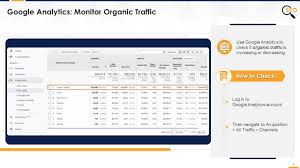
To track organic search traffic in Google Analytics, you can follow these steps. Firstly, navigate to the ‘Acquisition’ tab in your Google Analytics account and select ‘All Traffic’. Next, click on ‘Channels’ and then ‘Organic Search’ to view data specifically related to organic search traffic. You can further refine your analysis by exploring the ‘Keywords’ report to identify which search terms are driving organic visits to your website. By regularly monitoring these metrics and setting up custom reports, you can gain valuable insights into the performance of your organic search campaigns and optimise your website for improved visibility and engagement.

What are the key metrics to monitor for organic search in Google Analytics?

When it comes to monitoring organic search performance in Google Analytics, several key metrics play a crucial role in evaluating the effectiveness of your SEO efforts. Some of the key metrics to monitor include organic traffic volume, keyword rankings, click-through rates, bounce rates, conversion rates, and average session duration. These metrics provide valuable insights into how users are finding and interacting with your website through organic search. By tracking and analysing these metrics regularly, you can make informed decisions to optimise your website for better organic search visibility and ultimately drive more relevant traffic to your site.

How does organic search data help improve SEO efforts?

Organic search data plays a pivotal role in enhancing SEO efforts by providing valuable insights into the performance of a website’s search engine visibility. By analysing organic search data through Google Analytics, businesses can identify which keywords are driving the most traffic to their site, understand user behaviour patterns, and measure the effectiveness of their SEO strategies over time. This data allows website owners to make informed decisions on content optimisation, keyword targeting, and overall SEO tactics to improve their organic search rankings and attract more relevant traffic. In essence, leveraging organic search data helps businesses refine their SEO efforts, increase online visibility, and ultimately drive more organic traffic to their website.

Can Google Analytics show which keywords drive organic traffic to my site?

One frequently asked question regarding organic search in Google Analytics is whether it can show which keywords drive traffic to a website organically. Google Analytics used to provide detailed keyword data for organic search traffic, but due to privacy concerns and changes in search engine algorithms, this information is now limited. Instead, Google Analytics now shows “not provided” for the majority of organic keyword data. However, you can still gain insights into the performance of your organic search traffic by analysing landing pages, user behaviour, and other metrics within Google Analytics to understand the overall impact of your SEO efforts.

What are some best practices for analysing organic search data in Google Analytics?

When it comes to analysing organic search data in Google Analytics, there are several best practices that can help you derive meaningful insights. Firstly, setting up goals and conversion tracking is essential to measure the effectiveness of your organic search campaigns. Utilising advanced segments allows you to filter and compare different segments of organic traffic, providing a more granular view of user behaviour. Creating custom reports tailored to your specific business goals enables you to focus on key metrics that matter most. Regularly monitoring trends in organic search performance helps identify areas for improvement and optimisation, ensuring your SEO efforts are yielding the desired results.

Is it possible to measure the ROI of organic search campaigns using Google Analytics?

Measuring the ROI of organic search campaigns using Google Analytics is indeed possible and highly valuable for businesses. By tracking key metrics such as organic traffic, conversions, and revenue generated from organic search, Google Analytics provides insights that enable businesses to calculate the return on investment of their SEO efforts. Understanding the impact of organic search on revenue allows businesses to make informed decisions about resource allocation and optimisation strategies to maximise the effectiveness of their digital marketing initiatives.

How can I optimise my website based on insights from organic search data in Google Analytics?

To optimise your website based on insights from organic search data in Google Analytics, it is essential to first identify key metrics such as top-performing keywords, popular landing pages, and user behaviour patterns. By analysing this data, you can tailor your website content to align with the interests and search intent of your target audience. Consider creating high-quality, relevant content that incorporates top-performing keywords and improves user engagement. Additionally, focus on enhancing the user experience by optimising page load times, improving site navigation, and implementing mobile responsiveness. Regularly monitoring and adjusting your SEO strategy based on organic search data insights will help drive organic traffic growth and improve overall website performance.

search engine optimisation service

Enhancing Your Online Presence with Expert Search Engine Optimisation Services

The Power of Search Engine Optimisation Services

The Power of Search Engine Optimisation Services

In today’s digital age, having a strong online presence is crucial for businesses to succeed. One of the most effective ways to improve your visibility on the internet is through Search Engine Optimisation (SEO) services.

SEO services involve a range of strategies and techniques designed to enhance your website’s ranking on search engine results pages such as Google, Bing, and Yahoo. By optimising various elements of your website, including content, keywords, and meta tags, SEO helps search engines understand the relevance of your site to specific search queries.

One of the key benefits of SEO services is increased organic traffic to your website. When your site ranks higher in search results, it is more likely to attract clicks from users searching for products or services related to your business. This targeted traffic can lead to higher conversion rates and ultimately increased revenue.

Moreover, SEO services can help build credibility and trust with your audience. Websites that appear at the top of search results are often perceived as more trustworthy and authoritative by users. By implementing SEO best practices, you can establish your brand as a reputable source of information in your industry.

Additionally, SEO services are cost-effective compared to traditional marketing methods. Instead of paying for ad placements or sponsored content, SEO allows you to organically improve your website’s visibility over time. This long-term investment can result in sustainable growth and a competitive edge in the online marketplace.

Overall, Search Engine Optimisation services play a vital role in helping businesses reach their target audience and achieve their online marketing goals. By partnering with experienced SEO professionals, you can unlock the full potential of your website and drive meaningful results for your business.


Top 5 Essential Tips for Effective Search Engine Optimisation Services

  1. Research and use relevant keywords to improve search engine rankings.
  2. Create high-quality, engaging content that is valuable to your target audience.
  3. Optimize meta tags, titles, and descriptions for each page on your website.
  4. Build quality backlinks from reputable websites to increase your site’s authority.
  5. Regularly monitor and analyse your SEO performance to make necessary adjustments.

Research and use relevant keywords to improve search engine rankings.

To enhance your search engine rankings, it is essential to conduct thorough research and utilise relevant keywords strategically. By identifying and incorporating keywords that align with your business niche and target audience’s search queries, you can significantly improve your website’s visibility in search engine results. Choosing the right keywords not only helps search engines understand the context of your content but also attracts quality traffic to your site, increasing the likelihood of conversions and overall online success.

Create high-quality, engaging content that is valuable to your target audience.

Creating high-quality, engaging content that provides value to your target audience is a fundamental tip for effective search engine optimisation services. By producing content that is informative, relevant, and engaging, you not only attract the attention of search engines but also establish credibility and trust with your website visitors. Valuable content that addresses the needs and interests of your audience can drive organic traffic to your site, increase user engagement, and ultimately improve your search engine rankings. Remember, quality content is key to building a strong online presence and connecting with your target audience in a meaningful way.

Optimize meta tags, titles, and descriptions for each page on your website.

To enhance your website’s search engine visibility, it is essential to optimise meta tags, titles, and descriptions for every page. These elements provide valuable information to search engines about the content and relevance of each page. By crafting unique and compelling meta tags, titles, and descriptions that include relevant keywords, you can improve your chances of ranking higher in search results. This strategic approach not only helps search engines understand the context of your pages but also entices users to click through to your site, ultimately driving more organic traffic and boosting your online presence.

To enhance your website’s authority and improve its search engine ranking, it is crucial to focus on building quality backlinks from reputable websites. Backlinks act as a vote of confidence from other sites, signalling to search engines that your content is valuable and trustworthy. By securing backlinks from high-quality, authoritative sources within your industry, you can strengthen your site’s credibility and visibility online. This strategic approach to link building not only boosts your SEO efforts but also establishes your website as a reliable source of information for both users and search engines.

Regularly monitor and analyse your SEO performance to make necessary adjustments.

Regularly monitoring and analysing your SEO performance is a crucial tip to ensure the effectiveness of your search engine optimisation service. By keeping a close eye on key metrics such as website traffic, keyword rankings, and conversion rates, you can identify areas that require improvement and make necessary adjustments to your SEO strategy. This proactive approach not only helps you stay ahead of algorithm changes but also allows you to optimise your website for better visibility and user experience, ultimately driving more organic traffic and achieving your online marketing objectives.

google local seo

Unlocking the Potential of Google Local SEO: Enhancing Your Business Visibility Locally

The Power of Google Local SEO

The Power of Google Local SEO

In today’s digital age, having a strong online presence is crucial for businesses looking to attract local customers. Google Local SEO (Search Engine Optimization) plays a vital role in helping businesses appear in local search results and connect with potential customers in their area.

What is Google Local SEO?

Google Local SEO focuses on optimising your online presence to improve visibility in local search results on Google. When users search for products or services near them, Google shows relevant businesses based on their location. By implementing local SEO strategies, businesses can increase their chances of appearing in these local search results.

The Benefits of Google Local SEO

Increased Visibility: By optimising your website and online profiles for local keywords and information, you can improve your visibility in local search results.

Targeted Traffic: Local SEO helps attract potential customers who are specifically searching for products or services in your area, increasing the likelihood of converting them into customers.

Build Trust: Appearing in local search results enhances your credibility and trustworthiness among local customers, as they are more likely to choose businesses that show up prominently in their searches.

Key Strategies for Google Local SEO

To make the most of Google Local SEO, consider implementing the following strategies:

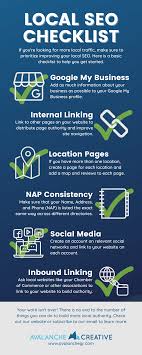
  • Optimise Your Google My Business Profile: Ensure that your business information is accurate and up-to-date on Google My Business, including your address, phone number, and business hours.
  • Create Local Content: Produce content that is relevant to your local audience, such as blog posts about events or news in your area.
  • Get Listed in Online Directories: Ensure that your business is listed accurately on popular online directories like Yelp, Yellow Pages, and TripAdvisor.
  • Encourage Customer Reviews: Positive reviews from satisfied customers can boost your credibility and help improve your ranking in local search results.

In Conclusion

In conclusion, Google Local SEO is a powerful tool for businesses looking to target local customers and enhance their online visibility. By implementing effective local SEO strategies, businesses can connect with potential customers in their area and drive more foot traffic to their physical locations or website. Investing time and resources into Google Local SEO can yield significant benefits for businesses seeking to grow their presence locally.


Top 5 Benefits of Google Local SEO for Boosting Your Business Visibility

  1. Increased visibility in local search results on Google
  2. Targeted traffic from users searching for products/services in your area
  3. Enhanced credibility and trust among local customers
  4. Cost-effective way to reach a specific geographic audience
  5. Opportunity to stand out against competitors in local searches


Challenges of Google Local SEO: Navigating Competition, Maintenance, Algorithm Changes, Visibility, and Reputation

  1. Increased competition for local search rankings
  2. Time-consuming to consistently update and maintain business information across multiple platforms
  3. Dependence on Google’s algorithm changes which can impact search rankings
  4. Difficulty in standing out among other local businesses in the same industry
  5. Potential negative impact from fake or negative reviews that affect reputation

Increased visibility in local search results on Google

One of the key advantages of Google Local SEO is the significant boost in visibility that businesses can achieve in local search results on Google. By optimising their online presence for local keywords and information, businesses can enhance their chances of appearing prominently when users search for products or services in their area. This increased visibility not only helps businesses stand out among local competitors but also ensures that they are more easily discovered by potential customers who are actively seeking relevant offerings nearby. Ultimately, improved visibility in local search results can lead to higher traffic, increased brand awareness, and greater opportunities for customer engagement and conversions.

Targeted traffic from users searching for products/services in your area

One significant advantage of Google Local SEO is the ability to attract targeted traffic from users actively searching for products or services within your geographical area. By optimising your online presence for local search terms, you increase the likelihood of appearing in search results when potential customers are looking for offerings in your vicinity. This targeted approach not only drives relevant traffic to your business but also increases the chances of converting these local searches into valuable customers, ultimately boosting your business’s visibility and revenue within your community.

Enhanced credibility and trust among local customers

One significant advantage of Google Local SEO is the enhanced credibility and trust it builds among local customers. When businesses appear prominently in local search results, it signals to potential customers that the business is established and relevant to their needs. By optimising their online presence for local searches, businesses can showcase their commitment to serving the local community, which in turn fosters trust and confidence among local customers. This increased credibility can lead to higher conversion rates and long-term customer loyalty, ultimately benefiting the business in building a strong local customer base.

Cost-effective way to reach a specific geographic audience

Google Local SEO offers a cost-effective way to target a specific geographic audience. By optimising your online presence for local search, businesses can efficiently reach potential customers in their vicinity without incurring high advertising costs. This targeted approach ensures that marketing efforts are focused on the right audience, increasing the chances of attracting local customers who are actively seeking products or services within their geographical area. Ultimately, Google Local SEO provides businesses with a budget-friendly method to enhance visibility and connect with a specific local audience effectively.

Opportunity to stand out against competitors in local searches

With Google Local SEO, businesses have the opportunity to stand out against competitors in local searches. By optimising their online presence for local keywords and information, businesses can improve their visibility in local search results, making it easier for potential customers to find them over competitors. This competitive edge allows businesses to attract more targeted traffic from local searches, increasing their chances of converting leads into loyal customers. Embracing Google Local SEO gives businesses the advantage of distinguishing themselves in a crowded marketplace and solidifying their position as a top choice for local consumers.

Increased competition for local search rankings

One significant drawback of Google Local SEO is the increased competition for local search rankings. As more businesses recognise the importance of local SEO in reaching nearby customers, the competition to secure top positions in local search results intensifies. This heightened competition can make it challenging for smaller or newer businesses to rank prominently, as established competitors with larger resources may dominate the local search landscape. Businesses must navigate this competitive environment strategically by implementing innovative tactics and consistently refining their local SEO strategies to stand out amidst the growing competition for visibility in local searches.

Time-consuming to consistently update and maintain business information across multiple platforms

One significant drawback of Google Local SEO is the time-consuming nature of consistently updating and maintaining business information across multiple platforms. Ensuring that details such as address, phone number, business hours, and other relevant information are accurate and up-to-date on various online directories and profiles can be a laborious task. This process requires regular monitoring and adjustments to reflect any changes in the business, which can be challenging for businesses with limited resources or time constraints. Failure to keep information consistent across platforms may lead to confusion among customers and potentially harm the business’s online visibility and reputation.

Dependence on Google’s algorithm changes which can impact search rankings

One significant drawback of Google Local SEO is the reliance on Google’s ever-evolving algorithm, which can have a direct impact on search rankings. As Google frequently updates its algorithms to enhance user experience and combat spam, businesses implementing local SEO strategies may find themselves at the mercy of these changes. Fluctuations in search rankings due to algorithm updates can potentially disrupt established SEO efforts and require constant adaptation to maintain visibility in local search results. This dependence on Google’s algorithm changes highlights the need for businesses to stay informed and agile in their approach to local SEO to mitigate the risk of sudden drops in search rankings.

Difficulty in standing out among other local businesses in the same industry

One significant drawback of Google Local SEO is the challenge of standing out amidst a sea of local businesses operating in the same industry. With numerous competitors vying for visibility in local search results, it can be difficult to differentiate your business and capture the attention of potential customers. This saturation can lead to increased competition for top rankings, making it a constant struggle to maintain a prominent position in local search listings. Businesses must devise innovative strategies and compelling content to overcome this obstacle and carve out a unique identity that resonates with their target audience.

Potential negative impact from fake or negative reviews that affect reputation

One significant drawback of Google Local SEO is the potential negative impact that can arise from fake or negative reviews, which have the power to tarnish a business’s reputation. Inaccurate or malicious reviews can mislead potential customers and deter them from engaging with a business, ultimately affecting its credibility and trustworthiness. Managing and addressing fake or negative reviews can be challenging, requiring businesses to invest time and effort in reputation management to mitigate the damage caused by such feedback.

understanding seo

Unlocking the Power of Understanding SEO: A Guide to Digital Success

Understanding SEO

The Importance of Understanding SEO

Search Engine Optimization (SEO) is a crucial aspect of digital marketing that plays a significant role in determining the online visibility of a website. Understanding SEO is essential for businesses and website owners who want to improve their search engine rankings and attract more organic traffic.

What is SEO?

SEO involves various strategies and techniques aimed at enhancing a website’s visibility on search engine results pages (SERPs). By optimising different elements such as content, keywords, meta tags, and backlinks, websites can improve their chances of ranking higher in search results.

Key Components of SEO

There are several key components to consider when it comes to SEO:

  • Keywords: Identifying relevant keywords that users are likely to search for is crucial for creating content that ranks well on search engines.
  • Content: High-quality, relevant, and engaging content plays a vital role in attracting both users and search engines to your website.
  • Meta Tags: Optimising meta tags such as title tags and meta descriptions can improve click-through rates from search results.
  • Backlinks: Building high-quality backlinks from reputable websites can boost your site’s authority and credibility in the eyes of search engines.
  • User Experience (UX): Ensuring a positive user experience through site speed, mobile-friendliness, and easy navigation can impact your site’s rankings.

The Benefits of SEO

Understanding and implementing effective SEO strategies offer numerous benefits, including:

  • Increase in Organic Traffic: Higher rankings on SERPs can lead to increased organic traffic to your website.
  • Better User Experience: Optimising your site for SEO often results in an improved user experience for visitors.
  • Brand Credibility: Ranking well on search engines can enhance your brand’s credibility and trustworthiness among users.


Top 5 Benefits of Understanding SEO: Boost Visibility, Rankings, Traffic, User Experience, and Brand Credibility

  1. Increased online visibility
  2. Higher search engine rankings
  3. Better targeted website traffic
  4. Improved user experience
  5. Enhanced brand credibility


Challenges of Mastering SEO: Time, Penalties, Evolution, and Competition

  1. SEO can be time-consuming and requires ongoing effort to see results.
  2. Incorrect SEO practices can lead to penalties from search engines, harming your website’s rankings.
  3. The SEO landscape is constantly evolving, requiring continuous learning and adaptation.
  4. Achieving high rankings in competitive industries can be challenging and may require significant resources.

Increased online visibility

Increased online visibility is a significant advantage of understanding SEO. By implementing effective search engine optimisation strategies, businesses can enhance their presence on search engine results pages (SERPs) and reach a wider audience online. Improved online visibility not only drives more organic traffic to a website but also boosts brand awareness and recognition. With higher visibility in search results, businesses have greater opportunities to connect with potential customers and stand out in the competitive digital landscape.

Higher search engine rankings

Achieving higher search engine rankings is a significant advantage of understanding SEO. By implementing effective SEO strategies, businesses can improve their visibility on search engine results pages, making it easier for potential customers to find their website. Higher rankings not only increase organic traffic but also enhance brand credibility and trustworthiness. With a strong understanding of SEO, businesses can outperform competitors and establish a prominent online presence that drives success in the digital landscape.

Better targeted website traffic

By understanding SEO, businesses can benefit from better targeted website traffic. Implementing effective SEO strategies allows websites to attract visitors who are actively searching for the products or services they offer. By targeting relevant keywords and optimising content, businesses can increase the likelihood of reaching their desired audience. This not only drives more qualified leads to the website but also improves the chances of converting those visitors into customers. Ultimately, better targeted website traffic through SEO can lead to higher engagement, increased sales, and improved overall business performance.

Improved user experience

One significant benefit of understanding SEO is the enhancement of user experience on a website. By implementing SEO strategies that focus on factors such as site speed, mobile responsiveness, and intuitive navigation, businesses can create a seamless and user-friendly online environment. Improved user experience not only leads to higher engagement and longer visit durations but also contributes to increased trust and credibility among visitors. Prioritising user experience through SEO ultimately results in satisfied users who are more likely to return to the site and engage with its content, products, or services.

Enhanced brand credibility

Enhanced brand credibility is a significant advantage of understanding SEO. By implementing effective SEO strategies, businesses can improve their search engine rankings, which in turn enhances their online visibility and credibility. When a brand consistently appears at the top of search results for relevant keywords, it instils trust and confidence in potential customers. This increased visibility not only boosts brand recognition but also establishes the brand as an authority in its industry. Ultimately, a strong SEO presence can help businesses build a positive reputation and credibility among their target audience, leading to long-term success and growth.

SEO can be time-consuming and requires ongoing effort to see results.

Understanding SEO comes with the con that it can be a time-consuming process that demands continuous effort to yield noticeable results. Optimising a website for search engines involves various tasks such as keyword research, content creation, on-page optimisation, and link building, all of which require consistent attention and refinement. Additionally, search engine algorithms frequently evolve, necessitating ongoing adjustments to SEO strategies to maintain or improve rankings. This ongoing commitment to SEO can be challenging for businesses seeking quick results or those with limited resources dedicated to digital marketing efforts.

Incorrect SEO practices can lead to penalties from search engines, harming your website’s rankings.

Incorrect SEO practices can have detrimental consequences for your website, potentially leading to penalties from search engines. Engaging in black hat techniques or violating search engine guidelines can result in a significant drop in rankings or even removal from search results altogether. These penalties not only damage your website’s visibility but also tarnish its reputation and credibility. It is crucial to understand and adhere to ethical SEO practices to avoid such repercussions and maintain a strong online presence that aligns with search engine standards.

The SEO landscape is constantly evolving, requiring continuous learning and adaptation.

In the realm of SEO, one significant challenge is the ever-evolving nature of the landscape. The dynamic algorithms and updates by search engines demand a continuous process of learning and adaptation for those seeking to stay ahead in the digital marketing game. What worked yesterday may not be as effective tomorrow, making it crucial for businesses and website owners to remain vigilant, flexible, and open to embracing new strategies and trends in order to maintain their online visibility and competitiveness.

Achieving high rankings in competitive industries can be challenging and may require significant resources.

Achieving high rankings in competitive industries can be challenging and may require significant resources. In fiercely contested sectors where numerous businesses are vying for the top spots on search engine results pages, standing out from the crowd demands a strategic and resource-intensive approach to SEO. Competing against well-established players with substantial budgets and established online presence can make it difficult for smaller businesses to achieve prominent rankings without investing considerable time, effort, and financial resources into their SEO strategies. The competitive nature of such industries necessitates a comprehensive and sustained SEO effort to overcome the challenges posed by intense competition and secure a visible position in search engine results.

what is seo and how it works

Exploring What SEO Is and How It Works

Understanding SEO: How It Works

What is SEO and How It Works

SEO, short for Search Engine Optimisation, is the practice of enhancing a website’s visibility on search engines like Google, Bing, and Yahoo. The goal of SEO is to improve a website’s organic (non-paid) traffic by ranking higher in search engine results pages (SERPs).

How Does SEO Work?

Search engines use complex algorithms to determine which websites to display in response to a user’s search query. SEO involves various strategies and tactics that help search engines understand the content and relevance of a website.

Key Components of SEO:

  • Keywords: Identifying relevant keywords that users are searching for.
  • On-Page Optimisation: Optimising website content, meta tags, and URLs for targeted keywords.
  • Off-Page Optimisation: Building high-quality backlinks from other websites to improve authority.
  • Technical SEO: Ensuring proper website structure, mobile-friendliness, and fast loading speeds.
  • User Experience (UX): Creating a seamless browsing experience for visitors.

The Process of SEO:

  1. Keyword Research: Identify relevant keywords with high search volume and low competition.
  2. On-Page Optimisation: Optimise website content, meta tags, headings, and images with target keywords.
  3. Off-Page Optimisation: Acquire backlinks from reputable websites through link building strategies.
  4. Monitoring and Analysis: Track website performance using tools like Google Analytics and Search Console to make data-driven decisions.
  5. Ongoing Improvements: Continuously update and refine SEO strategies based on algorithm changes and performance metrics.

In conclusion, SEO is a vital digital marketing strategy that helps businesses increase their online visibility and attract more organic traffic. By understanding how SEO works and implementing best practices, websites can achieve higher rankings on search engines and reach their target audience effectively.


Understanding SEO: A Beginner’s Guide to Frequently Asked Questions

  1. Can I do my own SEO?
  2. What is SEO and examples?
  3. How do I start SEO for my website?
  4. What is SEO and how it is used?
  5. What is an example of SEO?
  6. What is SEO & How does it work?
  7. What is SEO and its working?
  8. How does SEO work step by step?
  9. What is SEO and how it works for website?
  10. How do I start doing SEO?
  11. What is SEO and how is it done?
  12. What is SEO an explanation for beginners?
  13. How to work SEO step by step?
  14. How do I SEO my website?

Can I do my own SEO?

For the frequently asked question “Can I do my own SEO?” the answer is yes, individuals can undertake their own SEO efforts. However, it requires a solid understanding of SEO principles and best practices. DIY SEO involves tasks such as keyword research, on-page optimisation, content creation, and link building. While there are many online resources and guides available to help beginners navigate the world of SEO, achieving significant results may require time, dedication, and ongoing learning to keep up with search engine algorithm changes. For those with limited time or expertise, working with a professional SEO agency or consultant can often yield more efficient and effective results in improving website visibility and driving organic traffic.

What is SEO and examples?

Search Engine Optimisation (SEO) is a fundamental digital marketing strategy aimed at improving a website’s visibility on search engine results pages. By optimising various elements such as content, keywords, meta tags, and backlinks, SEO helps websites rank higher in search engine rankings and attract more organic traffic. Examples of SEO techniques include keyword research to identify relevant search terms, on-page optimisation to enhance content for targeted keywords, off-page optimisation through link building strategies, and technical SEO to improve website performance and user experience. By employing these SEO practices effectively, businesses can enhance their online presence and reach a wider audience in the competitive digital landscape.

How do I start SEO for my website?

To begin SEO for your website, it is essential to start with a comprehensive audit of your current website’s performance and content. Conduct keyword research to identify relevant search terms that your target audience is using. Optimise your on-page elements, such as meta tags, headings, and content, with these keywords. Ensure your website has a clear site structure and is mobile-friendly. Focus on creating high-quality content that provides value to users and encourages engagement. Building a strong backlink profile through reputable websites can also boost your site’s authority. Regularly monitor and analyse your website’s performance using tools like Google Analytics to track progress and make necessary adjustments to improve SEO effectiveness over time.

What is SEO and how it is used?

Search Engine Optimisation (SEO) is a fundamental digital marketing strategy aimed at enhancing a website’s visibility on search engines. It involves various techniques and practices to improve a site’s organic traffic by ranking higher in search engine results pages (SERPs). SEO is used to optimise website content, meta tags, URLs, and other elements to make them more relevant and accessible to search engine algorithms. By utilising keywords strategically, building quality backlinks, and ensuring technical aspects like site speed and mobile-friendliness are in order, SEO helps websites attract targeted traffic and improve their online presence effectively.

What is an example of SEO?

An example of SEO in action can be seen when a user searches for “best coffee shops in London” on a search engine like Google. If a coffee shop website has implemented effective SEO strategies, such as optimising their website content with relevant keywords, acquiring backlinks from reputable sources, and providing a seamless user experience, their site is more likely to appear at the top of the search results. This visibility increases the chances of attracting organic traffic from users looking for information about coffee shops in London, showcasing how SEO can drive targeted visitors to a website based on their search intent.

What is SEO & How does it work?

When people ask, “What is SEO and how does it work?” they are seeking to understand the concept of Search Engine Optimisation and its functionality. SEO involves a set of strategies and techniques aimed at improving a website’s visibility on search engine results pages. By focusing on factors such as keyword optimisation, content quality, backlink building, and technical aspects of a website, SEO works to enhance a site’s relevance and authority in the eyes of search engines. Ultimately, the goal of SEO is to attract organic traffic and increase a website’s rankings for specific search queries, thereby driving more visitors and potential customers to the site.

What is SEO and its working?

SEO, or Search Engine Optimisation, is a fundamental digital marketing strategy aimed at improving a website’s visibility on search engines such as Google. The process involves various techniques to enhance a site’s organic traffic and ranking in search engine results pages (SERPs). SEO works by optimising website content, meta tags, and other elements to make them more relevant to specific keywords that users are searching for. Additionally, building quality backlinks from reputable sites, ensuring technical aspects like site structure and speed are optimised, and providing a seamless user experience all contribute to the success of SEO efforts. Ultimately, SEO is about aligning a website with search engine algorithms to increase its chances of being discovered by users searching for related information or products online.

How does SEO work step by step?

Understanding how SEO works step by step is essential for anyone looking to improve their website’s visibility on search engines. The process begins with comprehensive keyword research to identify relevant terms that users are searching for. Next, on-page optimisation involves strategically incorporating these keywords into website content, meta tags, and URLs. Off-page optimisation follows, focusing on building high-quality backlinks from reputable websites to enhance domain authority. Technical SEO ensures that the website is well-structured, mobile-friendly, and fast-loading. User experience (UX) is also crucial in providing visitors with a seamless browsing experience. Monitoring and analysis of performance metrics help in making data-driven decisions, leading to ongoing improvements in SEO strategies to adapt to algorithm changes and achieve higher search engine rankings effectively.

What is SEO and how it works for website?

SEO, which stands for Search Engine Optimisation, is a fundamental digital marketing strategy that plays a crucial role in enhancing a website’s visibility and attracting organic traffic from search engines. The primary goal of SEO is to improve a website’s ranking in search engine results pages (SERPs) for relevant keywords and phrases. This involves various techniques such as keyword research, on-page optimisation, off-page optimisation, technical SEO, and user experience enhancements. By implementing these strategies effectively, websites can increase their online presence, reach their target audience more efficiently, and ultimately drive more traffic and conversions.

How do I start doing SEO?

To begin doing SEO, it is essential to start with a solid foundation. Firstly, conduct thorough keyword research to identify relevant search terms related to your business or website. Next, optimise your website’s on-page elements such as meta tags, headings, and content with these keywords. Building high-quality backlinks from reputable websites can also boost your site’s authority in the eyes of search engines. Additionally, focusing on technical aspects like site speed, mobile-friendliness, and user experience is crucial for SEO success. Regularly monitoring and analysing your SEO efforts using tools like Google Analytics will help you track progress and make informed decisions for ongoing improvements. By following these steps and staying updated on best practices, you can kickstart your SEO journey effectively.

What is SEO and how is it done?

SEO, or Search Engine Optimisation, is a fundamental digital marketing practice aimed at improving a website’s visibility on search engine results pages. The process of SEO involves various strategies and techniques to enhance a website’s relevance and authority in the eyes of search engines like Google. This includes keyword research, on-page optimisation, off-page link building, technical SEO enhancements, and continuous monitoring and analysis. By implementing these tactics effectively, businesses can increase their organic traffic and attract more qualified visitors to their websites.

What is SEO an explanation for beginners?

For beginners, SEO, or Search Engine Optimisation, can be understood as a set of strategies and practices aimed at improving a website’s visibility on search engines like Google. By optimising various elements such as content, keywords, and links, SEO helps websites rank higher in search engine results pages (SERPs). Essentially, SEO works by making a website more relevant and authoritative in the eyes of search engines, ultimately driving organic traffic and increasing online presence. It involves understanding user intent, creating valuable content, and adhering to best practices to enhance a website’s chances of being discovered by potential visitors searching for related information or products.

How to work SEO step by step?

When it comes to working on SEO step by step, the process involves a systematic approach to improving a website’s visibility on search engines. Firstly, conducting thorough keyword research to identify relevant terms is essential. Next, implementing on-page optimisation by incorporating these keywords strategically into website content, meta tags, and headings is crucial. Off-page optimisation follows, involving building quality backlinks from reputable websites. Additionally, ensuring technical aspects like website structure and mobile-friendliness are optimised is vital. Monitoring performance through analytics tools and making continuous improvements based on data analysis completes the iterative process of working on SEO step by step.

How do I SEO my website?

To effectively SEO your website, you need to implement a comprehensive strategy that encompasses various aspects of Search Engine Optimisation. Start by conducting thorough keyword research to identify relevant terms and phrases that your target audience is searching for. Optimise your website’s content, meta tags, and URLs with these keywords to improve visibility on search engine results pages. Focus on creating high-quality, engaging content that provides value to users and encourages them to stay on your site. Additionally, work on building reputable backlinks from other websites to boost your site’s authority. Regularly monitor and analyse your website’s performance using tools like Google Analytics to make informed decisions and continuously refine your SEO efforts for optimal results.