rankmath seo

Maximise Your Website’s Potential with RankMath SEO Integration

The Power of RankMath SEO: Elevate Your Website’s Visibility

The Power of RankMath SEO: Elevate Your Website’s Visibility

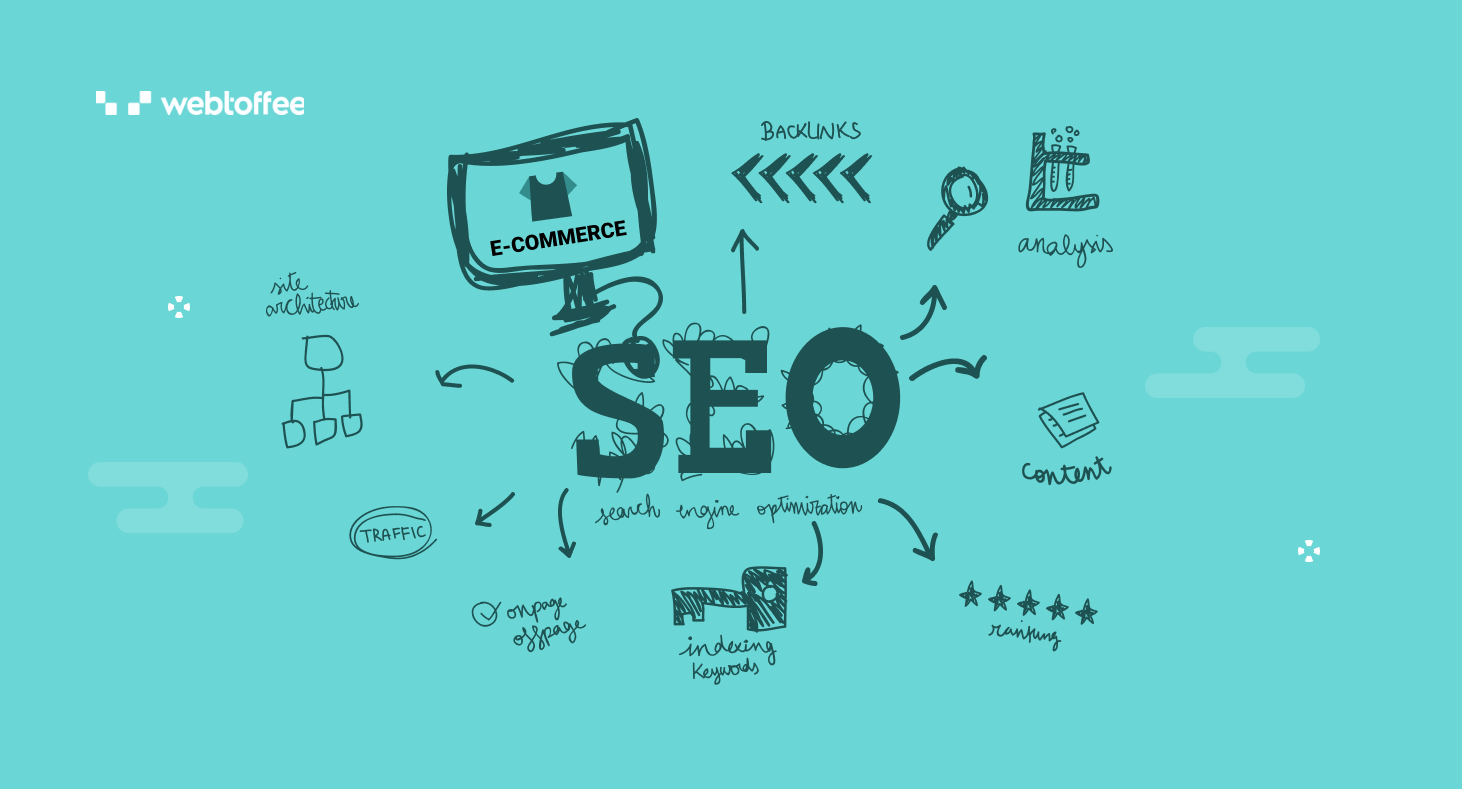
In the competitive landscape of online marketing, having a strong search engine optimisation (SEO) strategy is crucial for the success of your website. One tool that has gained significant popularity among digital marketers and website owners is RankMath SEO.

RankMath SEO is a powerful WordPress plugin that offers a comprehensive set of features to help you improve your website’s search engine rankings and drive organic traffic. With its user-friendly interface and advanced functionalities, RankMath SEO empowers users to optimise their content effectively and enhance their online visibility.

Key Features of RankMath SEO:

  • Advanced On-Page SEO: RankMath provides in-depth analysis and recommendations for improving on-page elements such as meta tags, headings, and keyword density.
  • XML Sitemap Generator: Easily create XML sitemaps to help search engines crawl and index your website more efficiently.
  • Rich Snippets Integration: Enhance your search results with rich snippets to make your listings more visually appealing and informative.
  • 404 Monitor: Identify and fix broken links on your website to improve user experience and maintain search engine credibility.
  • Keyword Ranking Tracking: Monitor your keyword rankings in search engines and track the performance of your targeted keywords over time.

With its intuitive setup wizard and detailed documentation, RankMath SEO makes it easy for users of all skill levels to implement effective SEO strategies on their websites. Whether you are a seasoned digital marketer or a beginner in the world of SEO, RankMath provides the tools you need to succeed in the ever-evolving digital landscape.

The Benefits of Using RankMath SEO:

By harnessing the power of RankMath SEO, you can:

  • Increase your website’s visibility in search engine results pages (SERPs)
  • Drive organic traffic to your site through improved search engine rankings
  • Enhance user experience with optimised on-page elements and structured data
  • Analyse key performance metrics to make data-driven decisions for your SEO strategy
  • Maintain a competitive edge in your industry by staying ahead of algorithm changes

If you are looking to take your website’s SEO efforts to the next level, consider integrating RankMath SEO into your digital marketing toolkit. With its robust features and user-friendly interface, RankMath empowers you to maximise the potential of your website and achieve sustainable growth in organic traffic and online visibility.


Mastering Rank Math SEO: 8 Essential Tips for Optimising Your Website

  1. Optimise your titles and meta descriptions for each page or post.
  2. Use Rank Math’s built-in content analysis to improve your on-page SEO.
  3. Create an XML sitemap to help search engines index your site more efficiently.
  4. Utilise the 404 Monitor feature to fix broken links on your website.
  5. Take advantage of the Schema Markup feature to enhance how search engines display your content.
  6. Regularly update and refresh your content to keep it relevant and engaging for users.
  7. Monitor your website’s performance with Rank Math’s Google Analytics integration.
  8. Engage with other websites through backlinking strategies to boost your site’s authority.

Optimise your titles and meta descriptions for each page or post.

To maximise the impact of your SEO efforts using RankMath, it is essential to optimise the titles and meta descriptions for every page or post on your website. Crafting compelling and relevant titles that incorporate targeted keywords can significantly improve your visibility in search engine results. Similarly, creating concise and engaging meta descriptions not only entices users to click through to your site but also provides search engines with valuable information about your content. By paying attention to these key on-page elements, you can enhance the overall effectiveness of your SEO strategy and attract more organic traffic to your website.

Use Rank Math’s built-in content analysis to improve your on-page SEO.

Utilise Rank Math’s built-in content analysis feature to enhance your on-page SEO efforts. By leveraging this tool, you can receive valuable insights and recommendations to optimise your content effectively. From refining meta tags to improving keyword density, Rank Math’s content analysis empowers you to fine-tune your on-page elements for better search engine visibility and user engagement. Incorporating this feature into your SEO strategy can lead to improved rankings and increased organic traffic to your website.

Create an XML sitemap to help search engines index your site more efficiently.

Creating an XML sitemap is a valuable tip when utilising RankMath SEO. By generating an XML sitemap, you provide search engines with a roadmap to navigate and index your website’s content more efficiently. This structured format allows search engine crawlers to discover and understand the organisation of your site, leading to improved visibility and better indexing of your web pages. Implementing this strategy can significantly enhance your website’s search engine rankings and ensure that your valuable content is easily accessible to users searching for relevant information online.

By utilising the 404 Monitor feature offered by RankMath SEO, website owners can effectively identify and rectify broken links present on their site. This proactive approach not only enhances user experience by ensuring seamless navigation but also contributes to maintaining the credibility of the website in the eyes of search engines. By promptly addressing broken links, website owners can improve site usability, prevent potential customer frustration, and ultimately boost their overall SEO performance.

Take advantage of the Schema Markup feature to enhance how search engines display your content.

By utilising the Schema Markup feature offered by RankMath SEO, you can significantly enhance the way search engines present your content in search results. Implementing schema markup allows you to provide search engines with additional context about your content, making it more visually appealing and informative to users. This feature not only improves the visibility of your website but also increases the likelihood of attracting relevant traffic to your site.

Regularly update and refresh your content to keep it relevant and engaging for users.

To maximise the effectiveness of your RankMath SEO strategy, it is essential to regularly update and refresh your content to ensure its relevance and engagement for users. By keeping your content current and engaging, you not only cater to the evolving needs of your audience but also signal to search engines that your website is active and valuable. This proactive approach can help improve your search engine rankings, drive organic traffic, and enhance user experience, ultimately leading to better results for your online presence.

Monitor your website’s performance with Rank Math’s Google Analytics integration.

By utilising Rank Math’s Google Analytics integration, you can effectively monitor your website’s performance in real-time. This feature allows you to gain valuable insights into visitor behaviour, traffic sources, and conversion rates, enabling you to make informed decisions to enhance your website’s overall effectiveness. With the seamless integration of Google Analytics within Rank Math, you can track key metrics and trends, ultimately optimising your SEO strategy for improved results and increased online visibility.

Engage with other websites through backlinking strategies to boost your site’s authority.

Engaging with other websites through strategic backlinking is a powerful tip to enhance your website’s authority using RankMath SEO. By acquiring high-quality backlinks from reputable sources, you can signal to search engines that your content is valuable and trustworthy. This not only improves your site’s credibility but also helps to increase its visibility in search engine results pages. Implementing effective backlinking strategies can significantly boost your website’s authority and contribute to long-term SEO success.

surfer seo

Mastering Organic Search Performance with Surfer SEO: A Comprehensive Guide

Exploring Surfer SEO: A Game-Changer in Search Engine Optimization

Exploring Surfer SEO: A Game-Changer in Search Engine Optimization

Surfer SEO is revolutionising the way websites are optimised for search engines. With its innovative approach to on-page SEO, Surfer SEO provides a comprehensive suite of tools and features that empower digital marketers and website owners to enhance their organic search performance.

The Power of Data-Driven Optimisation

One of the key features of Surfer SEO is its data-driven approach to optimisation. By analysing top-ranking pages for specific keywords, Surfer SEO provides valuable insights into the content, structure, and elements that contribute to high search engine rankings. Armed with this data, users can make informed decisions on how to optimise their own pages for better visibility and ranking.

Content Relevance and Keyword Density

Surfer SEO also offers tools to analyse content relevance and keyword density. By comparing your content against top-performing pages, you can ensure that your content is not only relevant but also optimised for the right keywords. This helps improve your chances of ranking higher in search engine results pages (SERPs) for your target keywords.

Optimising On-Page Elements

From meta tags to headings to image alt text, Surfer SEO covers all aspects of on-page optimisation. Its intuitive interface allows users to easily identify areas for improvement and make necessary adjustments to maximise their on-page SEO potential. By following Surfer SEO’s recommendations, users can create web pages that are not only user-friendly but also search engine-friendly.

Tracking Progress and Monitoring Performance

In addition to providing optimisation suggestions, Surfer SEO also offers tools for tracking progress and monitoring performance. Users can track keyword rankings, organic traffic trends, and other key metrics to assess the impact of their SEO efforts. This real-time data allows users to make informed decisions and adjustments as needed to continuously improve their search engine visibility.

Conclusion

In conclusion, Surfer SEO is a game-changer in the world of search engine optimization. Its data-driven approach, comprehensive features, and user-friendly interface make it a valuable tool for anyone looking to improve their website’s organic search performance. By leveraging the power of Surfer SEO, digital marketers and website owners can take their SEO efforts to new heights and achieve sustainable success in an increasingly competitive online landscape.


Understanding Surfer SEO: Key Features, Free Usage, and Common Questions

  1. How to use Surfer SEO for free?
  2. Can I use Surfer SEO for free?
  3. What is a surfer SEO?
  4. What is surfer SEO?
  5. Can we use Surfer SEO for free?
  6. Can you use Surfer SEO for free?
  7. What is keyword surfer?
  8. What is a SurferSEO?

How to use Surfer SEO for free?

To use Surfer SEO for free, you can take advantage of their trial period or limited features offered in their free plan. The trial period allows users to explore and experience the platform’s capabilities without committing to a subscription. Additionally, the free plan may offer basic functionalities or limited access to certain tools, giving users a taste of what Surfer SEO has to offer. By utilising these options, individuals can test the waters and determine if Surfer SEO aligns with their SEO needs before deciding on a paid subscription.

Can I use Surfer SEO for free?

When it comes to Surfer SEO, users often wonder if they can utilise the platform for free. While Surfer SEO does offer a limited free trial period for users to explore its features and functionalities, the full suite of tools and capabilities typically requires a subscription or payment plan. This allows users to access all the advanced features and benefits that Surfer SEO has to offer, empowering them to optimise their websites effectively for improved search engine rankings and visibility.

What is a surfer SEO?

A Surfer SEO is a powerful tool designed to revolutionise on-page search engine optimisation. It provides users with data-driven insights into top-ranking pages for specific keywords, allowing them to optimise their own content effectively. By analysing content relevance, keyword density, and on-page elements such as meta tags and headings, Surfer SEO helps users create web pages that are not only user-friendly but also highly visible to search engines. With features for tracking progress and monitoring performance, Surfer SEO empowers digital marketers and website owners to enhance their organic search performance and achieve sustainable success in the competitive online landscape.

What is surfer SEO?

Surfer SEO is a powerful tool that revolutionises the way websites are optimised for search engines. It provides a comprehensive suite of data-driven features and tools that empower users to enhance their on-page SEO performance. By analysing top-ranking pages and providing valuable insights into content relevance, keyword density, and on-page elements, Surfer SEO helps users make informed decisions to improve their search engine visibility. With its user-friendly interface and ability to track progress and monitor performance, Surfer SEO is a game-changer in the realm of search engine optimisation, enabling digital marketers and website owners to achieve sustainable success in the competitive online landscape.

Can we use Surfer SEO for free?

When it comes to using Surfer SEO for free, the platform does offer a limited free trial period for users to explore its features and capabilities. However, to access the full range of tools and functionalities that Surfer SEO has to offer, users will need to subscribe to one of the paid plans. While the free trial provides a glimpse into the platform’s potential, investing in a subscription allows users to leverage Surfer SEO’s comprehensive suite of data-driven optimisation tools for more effective on-page SEO strategies and improved search engine performance.

Can you use Surfer SEO for free?

When it comes to Surfer SEO, users often wonder if they can utilise the tool for free. While Surfer SEO does offer a limited free trial period for users to explore its features and functionality, the full suite of tools and advanced capabilities are typically available through paid subscription plans. These paid plans unlock access to a wider range of features and data analysis tools that can significantly enhance your on-page SEO efforts. Ultimately, investing in a paid subscription to Surfer SEO can provide you with the comprehensive resources needed to optimise your website effectively and improve your search engine rankings over time.

What is keyword surfer?

Keyword Surfer is a powerful tool within the Surfer SEO platform that provides valuable insights into keyword metrics and search volume data. By utilising Keyword Surfer, users can gain a deeper understanding of the search landscape for specific keywords, helping them make informed decisions when crafting their content and SEO strategies. This tool allows digital marketers and website owners to identify high-potential keywords, analyse their search volume trends, and optimise their content to target the most relevant and impactful keywords for improved search engine visibility and organic traffic growth.

What is a SurferSEO?

SurferSEO is a powerful tool designed to revolutionise the way websites are optimised for search engines. Essentially, SurferSEO is a comprehensive suite of tools and features that provide valuable insights into on-page SEO strategies. By analysing top-ranking pages for specific keywords, SurferSEO helps users understand the content, structure, and elements that contribute to high search engine rankings. With its data-driven approach, SurferSEO empowers digital marketers and website owners to make informed decisions on how to optimise their web pages effectively for improved visibility and ranking performance in search engine results pages.

seo sea

Unlocking the Power of SEO and SEA: Maximising Your Digital Marketing Strategy

Understanding the Difference Between SEO and SEA

Understanding the Difference Between SEO and SEA

Search Engine Optimization (SEO) and Search Engine Advertising (SEA) are two crucial components of any successful digital marketing strategy. While both aim to increase a website’s visibility on search engine results pages, they differ in their approaches and outcomes.

SEO: Enhancing Organic Visibility

SEO focuses on improving a website’s organic visibility by optimizing its content, structure, and backlink profile. By targeting relevant keywords, creating high-quality content, and adhering to search engine guidelines, SEO aims to rank a website higher in organic search results. The benefits of SEO include long-term sustainability, credibility, and cost-effectiveness.

SEA: Paid Advertising for Instant Results

In contrast, SEA involves paid advertising to appear at the top of search engine results pages. Advertisers bid on keywords relevant to their target audience and pay each time a user clicks on their ad (pay-per-click). SEA offers immediate visibility and control over ad placements, making it ideal for short-term campaigns or promoting specific products or services.

The Synergy Between SEO and SEA

While SEO and SEA have distinct purposes, they can complement each other effectively in a comprehensive digital marketing strategy. By combining organic growth with paid advertising, businesses can maximise their online presence and reach a wider audience. For example, using SEA to promote new products can drive immediate traffic while SEO efforts work towards sustainable long-term visibility.

Conclusion

Both SEO and SEA play vital roles in enhancing a website’s visibility and driving traffic. Understanding the differences between these two strategies is essential for businesses looking to establish a strong online presence. By leveraging the strengths of both SEO and SEA in harmony, businesses can achieve optimal results in the competitive digital landscape.


Maximising Online Success: The Benefits of Integrating SEO and SEA Strategies

  1. SEO focuses on organic visibility, enhancing long-term sustainability and credibility.
  2. SEA offers immediate visibility through paid advertising, ideal for short-term campaigns or promotions.
  3. Combining SEO and SEA in a digital marketing strategy can maximise online presence and reach.
  4. SEO targets relevant keywords and high-quality content to improve website ranking in organic search results.
  5. SEA provides control over ad placements and allows businesses to target specific audiences effectively.


Exploring the Drawbacks of SEO and SEA: Cost, Budget Dependence, and More

  1. 1. Costly
  2. 2. Dependency on Budget
  3. 3. Temporary Results
  4. 4. Ad Blindness
  5. 5. Limited Organic Growth
  6. 6. Click Fraud

SEO focuses on organic visibility, enhancing long-term sustainability and credibility.

Search Engine Optimization (SEO) is a powerful digital marketing strategy that prioritises organic visibility, contributing to long-term sustainability and credibility for businesses online. By meticulously optimising website content, structure, and backlink profiles, SEO aims to secure higher rankings in organic search results. This sustainable approach not only boosts visibility over time but also establishes trust and authority with users and search engines alike. As a result, businesses investing in SEO can enjoy lasting benefits that strengthen their online presence and reputation in the competitive digital landscape.

SEA offers immediate visibility through paid advertising, ideal for short-term campaigns or promotions.

Search Engine Advertising (SEA) provides businesses with immediate visibility through paid advertising, making it an ideal choice for short-term campaigns or promotions. By bidding on relevant keywords and paying for clicks, companies can quickly reach their target audience and generate instant traffic to their website. This rapid exposure allows businesses to promote new products, limited-time offers, or time-sensitive events effectively, maximising their marketing impact in a short period of time.

Combining SEO and SEA in a digital marketing strategy can maximise online presence and reach.

Integrating both SEO and SEA into a digital marketing strategy offers a powerful advantage by broadening online visibility and expanding reach. By leveraging the strengths of SEO to enhance organic search results and SEA to drive immediate paid traffic, businesses can create a comprehensive approach that maximises their online presence. This synergy between SEO and SEA not only increases brand exposure but also ensures that businesses can effectively target a wider audience, ultimately leading to improved engagement and conversions in the competitive digital landscape.

SEO targets relevant keywords and high-quality content to improve website ranking in organic search results.

Search Engine Optimization (SEO) focuses on targeting relevant keywords and creating high-quality content to enhance a website’s ranking in organic search results. By strategically incorporating keywords that align with users’ search queries and producing valuable content that meets their needs, SEO not only boosts a website’s visibility but also establishes credibility and trust with both search engines and users. This approach ensures that the website appears prominently in organic search results, driving targeted traffic and increasing the likelihood of conversions.

SEA provides control over ad placements and allows businesses to target specific audiences effectively.

Search Engine Advertising (SEA) offers businesses a valuable advantage by providing precise control over ad placements and enabling targeted audience reach. Through SEA, businesses can strategically select keywords and demographics to ensure their ads are displayed to the most relevant audience. This level of control not only enhances the effectiveness of advertising campaigns but also maximises return on investment by reaching potential customers who are more likely to convert.

1. Costly

One significant drawback of Search Engine Advertising (SEA) is its costliness, particularly when targeting competitive keywords. Running SEA campaigns can quickly become expensive, as advertisers often need to bid higher to secure top ad placements for popular search terms. This increased competition drives up the cost-per-click, making it challenging for businesses with limited budgets to sustain long-term SEA campaigns effectively. As a result, the high costs associated with SEA can deter some businesses from fully leveraging this advertising method to maximise their online visibility and reach.

2. Dependency on Budget

One notable drawback of Search Engine Advertising (SEA) is its dependency on budget. Success in SEA typically demands a substantial advertising budget to outbid competitors, secure top ad placements, and drive significant traffic to a website. This financial requirement can be a barrier for smaller businesses or those with limited marketing resources, limiting their ability to fully leverage the benefits of paid advertising for immediate visibility on search engine results pages.

3. Temporary Results

One significant drawback of Search Engine Advertising (SEA) is the temporary nature of its benefits. Unlike Search Engine Optimization (SEO), which can yield long-term organic visibility, SEA’s advantages are short-lived and reliant on the advertising budget. Once the allocated budget for SEA campaigns runs out, the visibility and traffic generated through paid ads diminish rapidly. This limitation underscores the need for businesses to carefully balance their digital marketing strategies to ensure sustained online presence and effectiveness beyond the immediate impact of SEA campaigns.

4. Ad Blindness

One significant drawback of SEO SEA strategies is the phenomenon of ad blindness, whereby users become accustomed to ignoring paid search results as they browse the web. With the proliferation of online ads, users may develop a tendency to overlook these paid placements, focusing instead on organic search results or other content. This can diminish the effectiveness of SEA campaigns over time, as users’ attention shifts away from paid advertisements towards more organic and authentic sources of information. Marketers need to be mindful of ad blindness and find ways to engage users effectively amidst the digital noise to ensure their SEA efforts remain impactful and relevant.

5. Limited Organic Growth

Focusing solely on Search Engine Advertising (SEA) can pose a significant drawback in terms of limited organic growth potential through Search Engine Optimization (SEO). By prioritising paid advertising over organic strategies, businesses may miss out on the long-term benefits of building a strong organic presence. SEO is essential for sustainable visibility and credibility in search engine results, and neglecting it in favour of SEA alone could restrict the overall growth trajectory of a website. Striking a balance between SEO and SEA is crucial to maximise both short-term visibility and long-term organic growth opportunities.

6. Click Fraud

One significant drawback of Search Engine Advertising (SEA) is the potential for click fraud. Click fraud poses a serious risk in SEA campaigns, as competitors or malicious entities may engage in fraudulent activities by repeatedly clicking on ads to exhaust advertising budgets without any genuine interest or intention to convert. This unethical practice not only wastes resources but also distorts campaign performance metrics, making it challenging for businesses to accurately assess the effectiveness of their paid advertising efforts. Vigilance and monitoring are essential to mitigate the impact of click fraud and ensure the integrity of SEA campaigns.

e commerce seo

Unlocking Success: The Essential Guide to E-Commerce SEO Strategies

The Power of E-Commerce SEO: Boosting Your Online Store’s Visibility

The Power of E-Commerce SEO: Boosting Your Online Store’s Visibility

In today’s digital age, having a strong online presence is crucial for the success of any e-commerce business. With millions of online stores competing for attention, how can you ensure that your products are seen by potential customers? This is where E-Commerce SEO comes into play.

What is E-Commerce SEO?

E-Commerce SEO, or Search Engine Optimisation, is the process of improving your online store’s visibility in search engine results pages (SERPs). By optimising various elements of your website, such as product descriptions, meta tags, and site structure, you can increase your chances of ranking higher in search engine results.

The Benefits of E-Commerce SEO

Implementing an effective E-Commerce SEO strategy can have numerous benefits for your online store:

  • Increased Visibility: By appearing higher in search engine results, more potential customers will discover your products.
  • Higher Traffic: Improved visibility leads to increased organic traffic to your website.
  • Better Conversion Rates: Targeted traffic from SEO is more likely to convert into sales.
  • Brand Credibility: Ranking well in search engines can enhance your brand’s credibility and trustworthiness.
  • Cost-Effective Marketing: Compared to paid advertising, SEO offers a cost-effective long-term marketing solution.

Key Strategies for E-Commerce SEO

To maximise the impact of your E-Commerce SEO efforts, consider implementing the following strategies:

  1. Keyword Research: Identify relevant keywords that potential customers are searching for and incorporate them strategically into your product pages and content.
  2. Optimised Product Descriptions: Write unique and compelling product descriptions that not only describe the product but also include relevant keywords.
  3. User-Friendly Website Design: Ensure that your website is easy to navigate and mobile-friendly to provide a seamless user experience.
  4. Image Optimisation: Optimise product images with descriptive filenames and alt text to improve visibility in image search results.
  5. Social Media Integration: Utilise social media platforms to promote products and drive traffic back to your online store.

In Conclusion

E-Commerce SEO is a powerful tool that can significantly impact the success of your online store. By investing time and resources into optimising your website for search engines, you can attract more visitors, increase sales, and build a strong brand presence in the competitive e-commerce landscape. Take advantage of E-Commerce SEO today and watch your online store thrive!


Top 9 Frequently Asked Questions About E-commerce SEO

  1. How does SEO affect e-commerce?
  2. What are the 4 types of SEO?
  3. Why does SEO matter for ecommerce?
  4. Is SEO good for ecommerce?
  5. What are the 7 types of SEO?
  6. Can I do SEO for free?
  7. Is SEO worth it for ecommerce?
  8. How to use SEO for e-commerce?
  9. Which Ecommerce has the best SEO?

How does SEO affect e-commerce?

SEO plays a crucial role in the success of e-commerce businesses by significantly impacting their online visibility and performance. Effective SEO strategies can help e-commerce websites rank higher in search engine results, making it easier for potential customers to discover their products or services. By optimising key elements such as product descriptions, meta tags, and site structure, e-commerce websites can attract more organic traffic, improve conversion rates, and enhance brand credibility. Ultimately, SEO directly influences the visibility, traffic, and overall success of e-commerce platforms in the highly competitive online marketplace.

What are the 4 types of SEO?

When it comes to E-Commerce SEO, understanding the different types of SEO is essential for maximising your online store’s visibility. The four main types of SEO include on-page SEO, off-page SEO, technical SEO, and local SEO. On-page SEO focuses on optimising individual web pages with relevant keywords and quality content. Off-page SEO involves building backlinks and establishing your website’s authority across the internet. Technical SEO deals with improving the technical aspects of your website, such as site speed and mobile-friendliness. Lastly, local SEO targets local search queries to help businesses attract nearby customers. By incorporating these various types of SEO strategies into your E-Commerce website, you can enhance its search engine rankings and drive more organic traffic to your online store.

Why does SEO matter for ecommerce?

Search Engine Optimisation (SEO) plays a crucial role in the success of e-commerce businesses. In the competitive landscape of online retail, SEO matters for e-commerce because it significantly impacts the visibility and discoverability of products and services. By implementing effective SEO strategies, e-commerce websites can improve their search engine rankings, attract more organic traffic, increase brand awareness, and ultimately drive higher conversion rates. SEO helps online stores reach their target audience effectively, stand out from competitors, and establish a strong online presence that leads to sustainable growth and success in the digital marketplace.

Is SEO good for ecommerce?

When considering the effectiveness of SEO for e-commerce, the answer is a resounding yes. Implementing a robust SEO strategy for e-commerce can significantly benefit online stores by improving visibility in search engine results, attracting more organic traffic, enhancing conversion rates, building brand credibility, and providing a cost-effective long-term marketing solution. By optimising various elements of an e-commerce website, such as product descriptions, meta tags, and site structure, businesses can effectively reach their target audience and drive sales. In essence, SEO plays a crucial role in maximising the online presence and success of e-commerce ventures.

What are the 7 types of SEO?

When it comes to E-Commerce SEO, understanding the different types of SEO is essential for maximising your online store’s visibility. The 7 types of SEO include on-page SEO, off-page SEO, technical SEO, local SEO, mobile SEO, voice search SEO, and e-commerce SEO. Each type plays a crucial role in improving your website’s search engine rankings and driving organic traffic. By incorporating a comprehensive SEO strategy that encompasses these different types, you can enhance your online store’s visibility and attract more potential customers to your products and services.

Can I do SEO for free?

When it comes to E-Commerce SEO, the question of whether one can do it for free often arises. While it is possible to implement some basic SEO practices without incurring costs, such as optimizing meta tags and creating quality content, a comprehensive and effective SEO strategy typically requires investment in tools, resources, and expertise. Free SEO tools and resources can be helpful but may have limitations in providing in-depth analysis and insights needed to compete effectively in the online marketplace. Therefore, while some aspects of SEO can be done for free, a more robust approach with professional guidance is usually recommended for optimal results in enhancing the visibility and performance of your e-commerce website.

Is SEO worth it for ecommerce?

For e-commerce businesses, investing in SEO is undeniably worth it. Implementing a robust SEO strategy tailored to the e-commerce sector can yield significant benefits in terms of increased online visibility, higher organic traffic, improved conversion rates, enhanced brand credibility, and cost-effective long-term marketing. By optimising product pages, utilising relevant keywords, and ensuring a user-friendly website design, e-commerce websites can attract more potential customers and stand out in the competitive online marketplace. Ultimately, the return on investment from effective SEO efforts for e-commerce can lead to sustainable growth and success for online stores.

How to use SEO for e-commerce?

Utilising SEO for e-commerce involves implementing a comprehensive strategy to enhance the visibility and ranking of your online store in search engine results. To effectively use SEO for e-commerce, start by conducting thorough keyword research to identify relevant terms that potential customers are searching for. Optimise product pages with these keywords, ensuring they appear in titles, descriptions, and meta tags. Create high-quality, engaging content that incorporates keywords naturally while providing valuable information to users. Additionally, focus on technical aspects such as site speed, mobile-friendliness, and user experience to improve overall SEO performance. Regularly monitor and analyse data to refine your SEO efforts and stay ahead of the competition in the dynamic e-commerce landscape.

Which Ecommerce has the best SEO?

When it comes to determining which e-commerce platform has the best SEO capabilities, the answer may vary depending on individual business needs and goals. Several popular e-commerce platforms, such as Shopify, WooCommerce, Magento, and BigCommerce, offer robust SEO features and functionalities that can help improve a website’s search engine visibility. Factors to consider when evaluating the SEO performance of an e-commerce platform include customisation options, ease of use, technical SEO capabilities, mobile responsiveness, and integration with SEO tools. Ultimately, the best e-commerce platform for SEO is one that aligns with your specific requirements and allows you to implement effective SEO strategies to enhance your online store’s visibility and rankings.

linkbuilding seo

Mastering the Art of Link Building in SEO: Strategies for Success

The Power of Link Building in SEO

The Power of Link Building in SEO

Link building is a crucial aspect of search engine optimisation (SEO) that involves acquiring hyperlinks from other websites to your own. These inbound links not only drive traffic to your site but also play a significant role in determining your website’s authority and relevance in the eyes of search engines.

Search engines like Google consider backlinks as votes of confidence from other websites. The more high-quality and relevant backlinks your site has, the more likely it is to rank higher in search engine results pages (SERPs).

Benefits of Link Building

Improved Search Engine Rankings: Quality backlinks signal to search engines that your website is a reputable source of information, leading to higher rankings for relevant keywords.

Increased Website Traffic: Backlinks from reputable sites can drive referral traffic to your website, expanding your online reach and potential customer base.

Enhanced Online Authority: By earning backlinks from authoritative websites, you establish credibility and trustworthiness within your industry or niche.

Effective Link Building Strategies

Guest Blogging: Contributing high-quality content to other websites in exchange for a backlink is a popular link building strategy that can boost both SEO and brand visibility.

Broken Link Building: Identifying broken links on other websites and offering your own relevant content as a replacement is an effective way to earn valuable backlinks.

Influencer Outreach: Collaborating with influencers or industry experts to create content that includes backlinks to your website can help you reach a wider audience and improve SEO.

The Future of Link Building

In an ever-evolving digital landscape, link building remains a fundamental aspect of SEO that continues to shape online visibility and organic search rankings. As search engines refine their algorithms, the focus on quality over quantity when it comes to backlinks becomes increasingly important.


Essential FAQs on Link Building for SEO: Strategies, Benefits, and Best Practices

  1. What is link building in SEO?
  2. Why is link building important for SEO?
  3. How does link building help improve search engine rankings?
  4. What are the different types of link building strategies?
  5. Is guest blogging an effective link building technique?
  6. What are the benefits of earning high-quality backlinks?
  7. How can I measure the success of my link building efforts?
  8. Are there any risks associated with improper link building practices?
  9. What role does anchor text play in a successful link building strategy?

Link building in SEO refers to the process of acquiring hyperlinks from other websites to your own site. These backlinks act as signals of credibility and trustworthiness to search engines, helping to improve a website’s authority and relevance in search results. By strategically obtaining high-quality backlinks from reputable sources, businesses can enhance their online visibility, drive more traffic to their website, and ultimately boost their search engine rankings. Effective link building strategies involve creating valuable content, fostering relationships with other websites, and earning links that demonstrate expertise and authority within a particular industry or niche.

Link building is essential for SEO because it serves as a key factor in determining a website’s authority and relevance to search engines. By acquiring high-quality backlinks from reputable websites, a site can enhance its credibility and trustworthiness, ultimately leading to improved search engine rankings. These inbound links act as signals of endorsement from other sites, indicating to search engines like Google that the content on the linked site is valuable and worthy of being displayed prominently in search results. In essence, link building not only drives traffic to a website but also plays a crucial role in establishing its online reputation and visibility within its industry or niche.

Link building plays a crucial role in enhancing search engine rankings by signalling to search engines the credibility and relevance of a website. When reputable websites link back to your site, search engines like Google view these backlinks as votes of confidence, indicating that your content is valuable and trustworthy. As a result, websites with a strong backlink profile are more likely to rank higher in search engine results pages (SERPs) for relevant keywords. Essentially, link building acts as a vote of confidence from other sites, boosting your website’s authority and visibility in the competitive online landscape.

When it comes to link building strategies in SEO, there are various approaches that website owners can employ to enhance their online presence. Some common types of link building strategies include guest blogging, where content is contributed to other websites in exchange for backlinks; broken link building, which involves identifying broken links on external sites and offering relevant content as a replacement; and influencer outreach, collaborating with industry influencers to create content that includes backlinks. Each strategy serves the purpose of acquiring high-quality backlinks to improve search engine rankings and drive organic traffic to the website.

Is Guest Blogging an Effective Link Building Technique?

Guest blogging has long been regarded as a valuable and effective link building technique in the realm of SEO. By contributing high-quality content to reputable websites within your industry or niche, you not only showcase your expertise but also earn backlinks to your own site. These backlinks from authoritative sources can significantly boost your website’s credibility and search engine rankings. When done strategically and with a focus on relevance and quality, guest blogging can be a powerful tool for expanding your online presence and driving organic traffic to your site.

Earning high-quality backlinks offers a multitude of benefits for a website’s search engine optimisation (SEO) strategy. These backlinks serve as valuable endorsements from reputable websites, signalling to search engines like Google that the linked site is a trustworthy and authoritative source of information. As a result, websites with a robust portfolio of high-quality backlinks are more likely to rank higher in search engine results pages (SERPs) for relevant keywords, driving increased organic traffic and enhancing online visibility. Furthermore, such backlinks contribute to building the website’s online authority and credibility within its industry or niche, ultimately establishing a strong foundation for long-term SEO success.

Measuring the success of your link building efforts is essential to understanding the impact of your SEO strategies. One key metric to consider is the quality and quantity of backlinks acquired over a specific period. Monitoring changes in your website’s search engine rankings for targeted keywords can also indicate the effectiveness of your link building campaigns. Additionally, analysing referral traffic from external sites and observing improvements in organic traffic and conversion rates can provide valuable insights into the overall success of your link building endeavours. Regularly tracking these metrics and adjusting your approach based on performance data can help you evaluate and enhance the outcomes of your link building SEO initiatives effectively.

Improper link building practices can pose significant risks to a website’s SEO performance and online reputation. Engaging in tactics such as buying links, participating in link schemes, or spamming irrelevant websites with links can result in penalties from search engines like Google. These penalties may lead to a drop in search rankings, decreased organic traffic, and even deindexing from search results. Furthermore, associating with low-quality or spammy websites through improper link building can tarnish a website’s credibility and authority, potentially damaging its brand reputation in the long term. It is essential for businesses to adopt ethical and sustainable link building strategies to avoid these risks and ensure long-term SEO success.

In the realm of link building SEO, anchor text serves as a pivotal element in crafting a successful strategy. Anchor text is the clickable text within a hyperlink that provides context to both users and search engines about the linked content. By using relevant and descriptive anchor text, websites can enhance the credibility and relevance of their backlinks, thus improving their search engine rankings. A well-thought-out anchor text strategy not only helps users navigate seamlessly between web pages but also signals to search engines the topic or keyword relevance of the linked content. Therefore, incorporating strategic anchor text variations that align with target keywords can significantly impact the effectiveness of a link building campaign.

search engines

Unlocking the Potential of Modern Search Engines: A Comprehensive Guide

The Power of Search Engines

The Power of Search Engines

Search engines have revolutionised the way we access information on the internet. These powerful tools have become an integral part of our daily lives, providing us with instant access to a wealth of knowledge at our fingertips.

How Search Engines Work

Search engines operate by using complex algorithms to crawl and index web pages across the internet. When a user enters a query into the search bar, the search engine scours its index to provide relevant results based on factors such as keywords, relevance, and authority.

The Importance of SEO

Search Engine Optimization (SEO) plays a crucial role in ensuring that websites rank high in search engine results pages (SERPs). By optimising content with relevant keywords, improving site speed, and enhancing user experience, websites can improve their visibility and attract more organic traffic.

Diversity of Search Engines

While Google is the most popular search engine globally, there are other notable players in the search engine market such as Bing, Yahoo!, Baidu, and DuckDuckGo. Each search engine has its own algorithms and ranking factors, making it essential for website owners to tailor their SEO strategies accordingly.

The Evolution of Search

Search engines continue to evolve with advancements in technology such as voice search, image recognition, and artificial intelligence. These innovations are shaping the future of search by providing users with more intuitive ways to access information quickly and efficiently.

Conclusion

Search engines have transformed the way we navigate the vast landscape of the internet. By understanding how search engines work and implementing effective SEO strategies, businesses and individuals can harness the power of search engines to reach their target audience and achieve online success.


Top 10 Frequently Asked Questions About Search Engines

  1. What is the very best search engine?
  2. What are the types of search engine?
  3. Which is best search engine?
  4. Which are search engines?
  5. What is the definition of search engines?
  6. What are 10 search engines?
  7. What is 5 search engine?
  8. What are the 5 top search engines?
  9. What are the 5 most common search engines?
  10. What search is better than Google?

What is the very best search engine?

When it comes to the question of what is the very best search engine, opinions may vary depending on individual preferences and needs. Google is widely regarded as the most popular and dominant search engine globally, known for its comprehensive index, accurate results, and user-friendly interface. However, other search engines like Bing, Yahoo!, and DuckDuckGo also have their own unique features and strengths that cater to different user requirements. Ultimately, the “best” search engine is subjective and may differ based on factors such as search accuracy, privacy concerns, user experience, and personal preference.

What are the types of search engine?

There are several types of search engines available to users, each catering to different needs and preferences. The most common type is a general search engine like Google, which provides a wide range of search results across various topics. Specialised search engines focus on specific niches such as images (e.g., Google Images), videos (e.g., YouTube), news (e.g., Bing News), or shopping (e.g., Amazon). Additionally, there are meta-search engines that aggregate results from multiple search engines to offer a comprehensive overview of information. Understanding the types of search engines available can help users navigate the vast online landscape more effectively and find relevant information efficiently.

Which is best search engine?

When it comes to the question of which is the best search engine, opinions may vary depending on individual preferences and needs. Google is widely regarded as the most popular and dominant search engine globally, known for its comprehensive index, accurate results, and user-friendly interface. However, other search engines like Bing, Yahoo!, and DuckDuckGo also have their strengths and cater to specific user demographics. Ultimately, the best search engine for you depends on factors such as search accuracy, privacy concerns, user experience, and personal preferences in terms of features and functionalities. It’s recommended to explore different search engines to determine which one aligns best with your search habits and requirements.

Which are search engines?

Search engines are powerful online tools that allow users to search for information on the internet by entering specific queries or keywords. Popular search engines such as Google, Bing, Yahoo!, and others crawl and index billions of web pages to provide users with relevant results based on their search terms. These platforms play a vital role in connecting individuals and businesses with the information they seek, making it easier to navigate the vast expanse of the World Wide Web. Search engines have become an integral part of our daily lives, shaping how we access knowledge, discover new content, and make informed decisions in a digital age.

What is the definition of search engines?

A search engine is a powerful online tool that allows users to search for information on the internet by entering keywords or phrases. It functions by crawling and indexing web pages across the web, providing users with relevant results based on their queries. Search engines play a vital role in helping individuals and businesses access a vast amount of information quickly and efficiently, making it easier to find specific content, websites, products, or services online.

What are 10 search engines?

When users inquire about the top 10 search engines, they are typically seeking a comprehensive list of popular search platforms beyond the well-known Google. In addition to Google, other prominent search engines include Bing, Yahoo!, Baidu, Yandex, DuckDuckGo, Ask.com, AOL Search, WolframAlpha, and Internet Archive. Each of these search engines offers unique features and functionalities catering to different user preferences and needs. Familiarising oneself with a variety of search engines can provide users with diverse search experiences and access to a broader range of information sources on the internet.

What is 5 search engine?

The frequently asked question “What is 5 search engine?” may arise due to a misunderstanding or typo. It is likely that the question intended to inquire about the top 5 search engines or simply about any 5 search engines. Search engines are online tools that allow users to search for information on the internet by entering keywords or phrases. Examples of popular search engines include Google, Bing, Yahoo!, Baidu, and DuckDuckGo. Understanding the different search engines available can help users navigate the vast amount of information on the web more effectively.

What are the 5 top search engines?

When it comes to the top search engines, there are five prominent players that dominate the online search landscape. Google stands out as the most widely used and popular search engine globally, known for its comprehensive index and sophisticated algorithms. Following closely behind is Bing, a Microsoft-owned search engine that offers a user-friendly interface and unique features. Yahoo!, with its long-standing presence in the search industry, remains a notable contender. Baidu, China’s leading search engine, caters to a vast Chinese-speaking audience. Lastly, DuckDuckGo differentiates itself by prioritising user privacy and delivering unbiased search results. These top five search engines each bring their own strengths and features to cater to diverse user preferences and needs.

What are the 5 most common search engines?

When asked about the five most common search engines, it is essential to highlight the dominance of Google as the leading search engine globally, capturing a significant market share. Following Google, other popular search engines include Bing, Yahoo!, Baidu, and DuckDuckGo. Each of these search engines offers unique features and algorithms that cater to different user preferences and needs. Understanding the diversity of search engines empowers users to choose the platform that best aligns with their search requirements and preferences.

What search is better than Google?

When it comes to the question of what search engine is better than Google, it largely depends on individual preferences and specific needs. While Google remains the dominant player in the search engine market, some users may find alternative search engines like Bing, Yahoo!, or DuckDuckGo better suited to their requirements. Each search engine has its unique features and strengths, such as privacy-focused browsing, image search capabilities, or specialised search functions. Ultimately, the best search engine choice varies based on factors like user experience, search results relevance, and personal preferences.

website seo optimization

Maximising Website SEO Optimization for Improved Online Visibility

The Importance of Website SEO Optimization

The Importance of Website SEO Optimization

Search Engine Optimization (SEO) is crucial for any website looking to increase its online visibility and attract more organic traffic. By optimising your website for search engines, you can improve your rankings in search results, drive more qualified visitors to your site, and ultimately boost conversions and revenue.

Key Benefits of Website SEO Optimization:

  • Increased Visibility: By implementing SEO best practices, your website will rank higher in search engine results pages (SERPs), making it more likely to be seen by users searching for relevant keywords.
  • Targeted Traffic: SEO helps attract quality traffic to your site from users who are actively searching for products or services related to your business. This means higher chances of converting visitors into customers.
  • Improved User Experience: Optimising your website for SEO involves enhancing user experience by making the site faster, mobile-friendly, and easy to navigate. This leads to higher engagement and lower bounce rates.
  • Builds Credibility and Trust: Websites that appear at the top of search results are often perceived as more trustworthy and credible by users. By ranking well in search engines, you can establish authority in your industry.
  • Long-Term Results: Unlike paid advertising, the effects of SEO are long-lasting. Once you have a solid SEO foundation in place, you can continue to benefit from increased organic traffic over time without ongoing ad spend.

How to Implement Effective Website SEO Optimization:

To improve your website’s SEO performance, consider the following strategies:

  1. Keyword Research: Identify relevant keywords that align with your business offerings and target audience.
  2. On-Page Optimization: Optimise meta tags, headings, content, images, and internal links on each page of your website.
  3. Quality Content Creation: Publish high-quality, informative content that addresses user queries and provides value.
  4. Mobile-Friendly Design: Ensure your website is responsive and performs well on mobile devices for better user experience.
  5. Link Building: Acquire high-quality backlinks from reputable websites to improve your site’s authority and credibility.

In conclusion, investing in website SEO optimization is essential for businesses looking to enhance their online presence and reach a wider audience. By following best practices and staying up-to-date with the latest trends in SEO, you can position your website for success in the competitive digital landscape.


Top 20 FAQs on Optimising Website SEO Effectively

  1. How is website SEO done?
  2. What is SEO in a website?
  3. What is optimization in SEO?
  4. How do I optimize my website?
  5. How do I SEO optimize my website?
  6. What is SEO and how do you optimize it?
  7. What are the five steps to improve website SEO?
  8. How do you perform SEO on a website?
  9. How do I optimize SEO for my website?
  10. What is on site optimization SEO?
  11. How can I optimize the SEO of my website?
  12. How does SEO optimization work?
  13. What is website optimization in SEO?
  14. How can I optimize my SEO for free?
  15. What is SEO and how it works?
  16. What is website Optimisation in SEO?
  17. What are the 3 types of SEO?
  18. How do I make my website optimized for SEO?
  19. How can I optimize my website for SEO?
  20. What is the 80 20 rule for SEO?

How is website SEO done?

Optimising a website for search engines, known as SEO (Search Engine Optimization), involves a strategic approach to improve its visibility and ranking in search engine results pages. Website SEO is typically done through a combination of on-page and off-page techniques. On-page SEO focuses on optimising elements within the website itself, such as meta tags, headings, content, and internal links, to make it more relevant to search queries. Off-page SEO involves activities like link building and social media promotion to enhance the site’s authority and credibility. By implementing these strategies effectively and staying updated with search engine algorithms, businesses can improve their online presence and attract more organic traffic to their websites.

What is SEO in a website?

Search Engine Optimization (SEO) in a website refers to the process of improving various elements on a website to enhance its visibility and ranking in search engine results. SEO involves strategic techniques such as keyword research, on-page optimization, content creation, and link building to make a website more relevant and authoritative in the eyes of search engines like Google. By implementing SEO best practices, a website can attract more organic traffic, increase its chances of appearing higher in search results for relevant queries, and ultimately drive meaningful engagement and conversions. In essence, SEO is about making a website more search engine-friendly to improve its online presence and reach a wider audience effectively.

What is optimization in SEO?

Optimization in SEO refers to the process of making strategic improvements to a website to enhance its visibility and ranking on search engine results pages (SERPs). This involves various techniques such as keyword research, on-page optimization, content creation, and link building to align the website with search engine algorithms and user intent. By optimising elements like meta tags, headings, and site structure, businesses can improve their chances of being discovered by users searching for relevant information or products. Ultimately, SEO optimization aims to drive organic traffic to a website and increase its online presence for better engagement and conversions.

How do I optimize my website?

Optimising your website for search engines involves a series of strategic steps to improve its visibility and performance in search results. To optimise your website effectively, start by conducting thorough keyword research to identify relevant terms that your target audience is searching for. Implement on-page optimisation techniques such as optimising meta tags, headings, and content with these keywords. Ensure your website is user-friendly, mobile-responsive, and loads quickly to enhance user experience. Quality content creation and link building are also key components of website SEO optimisation. Regularly monitoring and analysing your site’s performance using tools like Google Analytics can help you track progress and make necessary adjustments to further enhance your SEO efforts.

How do I SEO optimize my website?

To SEO optimize your website effectively, start by conducting thorough keyword research to identify relevant terms your target audience is searching for. Implement these keywords strategically in your website’s meta tags, headings, content, and image alt text. Ensure your site’s structure is user-friendly and easy to navigate, with clear internal linking. Create high-quality, engaging content that addresses user queries and provides value. Optimise your website for mobile devices and focus on building a strong backlink profile from reputable sources. Regularly monitor and analyse your SEO performance to make necessary adjustments and stay ahead of the competition. By following these steps diligently, you can enhance your website’s visibility in search engine results and attract more organic traffic.

What is SEO and how do you optimize it?

Search Engine Optimization (SEO) is a fundamental digital marketing strategy aimed at improving a website’s visibility in search engine results pages (SERPs) organically. To optimize SEO effectively, businesses need to focus on various key aspects such as keyword research, on-page optimization, quality content creation, mobile responsiveness, and link building. By conducting thorough keyword research to target relevant search terms, implementing on-page optimization techniques like meta tags and internal linking, creating valuable content for users, ensuring mobile-friendly design for better user experience, and acquiring high-quality backlinks from reputable sources, businesses can enhance their website’s SEO performance and attract more organic traffic. Implementing these strategies collectively can help websites rank higher in search results and ultimately drive more qualified traffic to their site.

What are the five steps to improve website SEO?

Improving website SEO involves a strategic approach to enhance online visibility and attract more organic traffic. The five key steps to boost website SEO include conducting thorough keyword research to target relevant search terms, implementing on-page optimization by refining meta tags and content, focusing on creating high-quality and engaging content that resonates with the target audience, ensuring mobile-friendly design for better user experience, and building strong backlinks from reputable sources to improve site credibility and authority. By following these steps diligently, businesses can significantly enhance their search engine rankings and drive more qualified traffic to their websites.

How do you perform SEO on a website?

Performing SEO on a website involves a strategic approach to improving its visibility and ranking on search engine results pages. To start, conducting thorough keyword research to identify relevant terms that users are searching for is essential. On-page optimization techniques, such as optimizing meta tags, headings, and content with targeted keywords, play a crucial role in signalling the relevance of the website to search engines. Additionally, creating high-quality content that addresses user intent and incorporates keywords naturally can enhance a site’s SEO performance. Off-page strategies like building quality backlinks from reputable sources also contribute to improving a website’s authority and credibility in the eyes of search engines. Regular monitoring, analysis of performance metrics, and staying informed about algorithm updates are key aspects of an effective SEO strategy for any website looking to increase organic traffic and achieve sustainable online success.

How do I optimize SEO for my website?

Optimizing SEO for your website involves a strategic approach to improve your online visibility and attract more organic traffic. To enhance your website’s SEO performance, start by conducting thorough keyword research to identify relevant terms that resonate with your target audience. Implement on-page optimization techniques, such as optimizing meta tags, headings, and content with targeted keywords. Focus on creating high-quality, engaging content that addresses user needs and provides value. Ensure your website is mobile-friendly and easy to navigate for a seamless user experience. Additionally, building quality backlinks from reputable sites can boost your site’s authority and credibility in the eyes of search engines. By following these best practices and staying informed about the ever-evolving landscape of SEO, you can effectively optimize your website for improved search engine rankings and increased organic traffic.

What is on site optimization SEO?

On-site optimization SEO, also known as on-page SEO, refers to the process of optimizing individual web pages to improve their search engine rankings and attract more organic traffic. This involves various techniques such as optimizing meta tags, headings, content, images, and internal links within a website to make them more relevant and user-friendly. By focusing on on-site optimization, website owners can enhance the visibility of their pages in search engine results pages (SERPs) and provide a better user experience for visitors. Implementing on-site SEO strategies is crucial for improving a website’s overall performance and increasing its chances of ranking higher in search engine results.

How can I optimize the SEO of my website?

To optimise the SEO of your website effectively, start by conducting thorough keyword research to identify relevant terms that your target audience is searching for. Implement these keywords strategically in your website’s meta tags, headings, content, and URLs. Focus on creating high-quality, engaging content that addresses user queries and provides value. Ensure your website is mobile-friendly and loads quickly to enhance user experience. Building quality backlinks from reputable sites can also boost your site’s authority in the eyes of search engines. Regularly monitor and analyse your website’s performance using tools like Google Analytics to make data-driven decisions for continuous improvement in SEO.

How does SEO optimization work?

SEO optimization works by implementing various strategies to improve a website’s visibility and ranking on search engine results pages (SERPs). This involves optimising both on-page elements, such as meta tags, headings, and content, as well as off-page factors like backlinks and social signals. By conducting keyword research to target relevant search terms, creating high-quality content that satisfies user intent, and ensuring technical aspects of the site are in order, SEO aims to make a website more accessible and appealing to search engines. Ultimately, SEO optimization is about enhancing the overall user experience and authority of a website to attract organic traffic and achieve higher rankings in search results.

What is website optimization in SEO?

Website optimization in SEO refers to the process of refining various elements of a website to improve its visibility and ranking in search engine results. This involves implementing strategies such as keyword research, on-page optimization, content creation, and technical enhancements to make the site more search engine-friendly. By focusing on website optimization in SEO, businesses can attract targeted traffic, enhance user experience, and ultimately drive better organic search performance. It is a fundamental aspect of digital marketing that aims to maximise a website’s potential for attracting quality visitors and achieving online success.

How can I optimize my SEO for free?

Optimizing your SEO for free can be achieved through various strategies that focus on improving your website’s visibility and relevance to search engines without incurring additional costs. Some effective ways to optimise your SEO for free include conducting thorough keyword research to target relevant terms, creating high-quality and engaging content that resonates with your audience, optimizing meta tags and descriptions for each webpage, improving website speed and mobile-friendliness, obtaining backlinks from reputable sources, and regularly monitoring and updating your site’s performance using tools like Google Analytics. By implementing these cost-effective tactics consistently, you can enhance your website’s organic search rankings and attract more valuable traffic without breaking the bank.

What is SEO and how it works?

SEO, short for Search Engine Optimization, is a fundamental digital marketing strategy aimed at improving a website’s visibility in search engine results. SEO works by optimising various elements of a website to make it more attractive to search engines like Google. This involves implementing relevant keywords, creating high-quality content, improving site speed and user experience, building quality backlinks, and adhering to search engine guidelines. By following SEO best practices, websites can climb the rankings in search results, attract more organic traffic, and ultimately increase their online presence and potential for conversions.

What is website Optimisation in SEO?

Website optimisation in SEO refers to the process of improving various elements of a website to enhance its visibility and performance in search engine results. This includes making strategic changes to on-page elements such as meta tags, headings, content, and images to align with relevant keywords and user intent. Additionally, website optimisation involves enhancing user experience by ensuring the site is fast, mobile-friendly, and easy to navigate. By focusing on both technical aspects and user-centric improvements, website optimisation plays a crucial role in boosting organic traffic, increasing rankings, and ultimately driving conversions for businesses online.

What are the 3 types of SEO?

When it comes to website SEO optimization, understanding the three main types of SEO is essential for implementing an effective strategy. The three types of SEO are on-page SEO, off-page SEO, and technical SEO. On-page SEO involves optimising individual web pages with relevant keywords, meta tags, and quality content to improve their search engine rankings. Off-page SEO focuses on building backlinks from reputable sites to enhance a website’s authority and credibility. Technical SEO deals with the backend aspects of a website, such as site speed, mobile-friendliness, and structured data markup, to ensure optimal performance in search results. By incorporating all three types of SEO into your digital marketing efforts, you can maximise your website’s visibility and attract more organic traffic.

How do I make my website optimized for SEO?

To make your website optimized for SEO, it is essential to follow a strategic approach that includes several key steps. Firstly, conducting thorough keyword research to identify relevant search terms that align with your content and target audience is crucial. Next, implementing on-page optimization techniques such as optimizing meta tags, headings, and content with these keywords can help improve your site’s visibility in search results. Additionally, creating high-quality and engaging content that addresses user queries and provides value is essential for attracting organic traffic. Ensuring that your website is mobile-friendly, fast-loading, and easy to navigate also plays a significant role in enhancing user experience and SEO performance. Lastly, building a strong backlink profile through reputable sources can further boost your site’s authority and credibility in the eyes of search engines. By incorporating these strategies into your SEO efforts, you can effectively make your website more optimized for search engine visibility and improved rankings.

How can I optimize my website for SEO?

To optimise your website for SEO, start by conducting thorough keyword research to identify relevant search terms that align with your business. Incorporate these keywords strategically into your website content, meta tags, and headings. Focus on creating high-quality, informative content that addresses user queries and provides value. Ensure your website is mobile-friendly and optimised for speed to enhance user experience. Implement on-page optimisation techniques such as meta descriptions, alt tags for images, and internal linking. Additionally, work on acquiring quality backlinks from reputable websites to boost your site’s authority in search engine rankings. By following these SEO best practices diligently, you can improve your website’s visibility and attract more organic traffic.

What is the 80 20 rule for SEO?

The 80/20 rule for SEO, also known as the Pareto Principle, suggests that roughly 80% of the results in search engine optimisation come from 20% of the efforts. In the context of website SEO optimization, this means that focusing on key factors that have the most significant impact on search rankings can yield substantial results. By prioritising tasks such as keyword research, content optimisation, and link building that contribute most to improving SEO performance, website owners can maximise their efforts and achieve better visibility in search engine results pages.


digital marketers

Empowering Business Growth: The Impact of Digital Marketers in the UK

The Role of Digital Marketers in Today’s Business Landscape

The Role of Digital Marketers in Today’s Business Landscape

In the fast-paced world of digital marketing, the role of digital marketers has become increasingly vital for businesses looking to thrive in the online sphere. Digital marketers are the driving force behind successful online campaigns, using their expertise to connect brands with their target audiences and drive engagement.

What Do Digital Marketers Do?

Digital marketers employ a diverse set of skills and strategies to promote products or services through various online channels. They are responsible for developing and implementing digital marketing campaigns that encompass a range of tactics such as search engine optimisation (SEO), social media marketing, email marketing, content creation, and more.

These professionals analyse data and metrics to track the performance of campaigns, identify trends, and make informed decisions to optimise results. They work closely with other teams within an organisation to ensure that marketing efforts align with overall business objectives.

The Importance of Digital Marketers

In today’s competitive business landscape, having a strong online presence is crucial for success. Digital marketers play a key role in helping businesses stand out amidst the digital noise by crafting compelling messages that resonate with target audiences. By leveraging their knowledge of digital platforms and consumer behaviour, they can drive traffic, generate leads, and ultimately increase conversions.

Moreover, digital marketers are adept at adapting to evolving technologies and trends in the digital space. They stay up-to-date with industry developments to ensure that their strategies remain relevant and effective in reaching consumers across various online channels.

Conclusion

As businesses continue to embrace the power of digital marketing, the role of digital marketers will only grow in significance. These professionals serve as invaluable assets in helping companies navigate the complex world of online advertising and engagement. By harnessing their skills and expertise, businesses can effectively reach their target audiences and achieve sustainable growth in an increasingly digital world.


Essential Tips for Digital Marketers: Enhancing Engagement and Strategy

  1. Stay updated with the latest digital marketing trends.
  2. Create valuable and engaging content for your target audience.
  3. Utilize social media platforms effectively to reach your audience.
  4. Invest in paid advertising for targeted campaigns.
  5. Analyse data regularly to measure the success of your strategies.
  6. Optimize your website for search engines (SEO).
  7. Build strong relationships with influencers in your industry.
  8. Continuously test and refine your marketing strategies for better results.

To excel in the dynamic field of digital marketing, it is crucial for digital marketers to stay updated with the latest industry trends. By remaining informed about emerging technologies, shifting consumer behaviours, and evolving online platforms, digital marketers can adapt their strategies to stay ahead of the curve. Keeping a finger on the pulse of digital marketing trends not only ensures relevance and effectiveness in campaigns but also demonstrates a commitment to continuous learning and improvement in driving successful online engagements for businesses.

Create valuable and engaging content for your target audience.

Creating valuable and engaging content tailored to your target audience is a fundamental tip for digital marketers. By understanding the needs and preferences of your audience, you can develop content that resonates with them, captures their attention, and drives meaningful interactions. Whether it’s informative blog posts, captivating videos, or engaging social media updates, providing content that adds value to your audience’s lives is key to building trust, fostering relationships, and ultimately achieving success in the digital landscape.

Utilize social media platforms effectively to reach your audience.

To maximise your online presence and engage with your target audience effectively, digital marketers should leverage social media platforms strategically. By utilising the diverse features and targeting options offered by platforms such as Facebook, Instagram, Twitter, and LinkedIn, marketers can tailor their messaging to specific demographics, increase brand visibility, drive traffic to their websites, and foster meaningful connections with customers. Engaging content, consistent interaction, and data-driven insights are key elements in harnessing the power of social media for successful digital marketing campaigns.

Invest in paid advertising for targeted campaigns.

To maximise the reach and impact of digital marketing efforts, investing in paid advertising for targeted campaigns is a strategic move for digital marketers. By allocating resources towards paid advertising, marketers can ensure that their messages reach specific audiences with precision and effectiveness. Paid advertising allows for greater control over who sees the content, enabling marketers to tailor campaigns to target demographics, interests, and behaviours. This approach not only enhances brand visibility but also increases the likelihood of driving conversions and achieving measurable results in the competitive online landscape.

Analyse data regularly to measure the success of your strategies.

Regularly analysing data is a crucial tip for digital marketers to gauge the effectiveness of their strategies. By monitoring key metrics and performance indicators, such as website traffic, conversion rates, and engagement levels, marketers can gain valuable insights into what is working well and where improvements are needed. Data analysis allows digital marketers to make informed decisions, refine their tactics, and ultimately drive better results for their campaigns. It is through this continuous evaluation and adjustment process that marketers can ensure their strategies are aligned with business goals and deliver measurable success in the dynamic digital landscape.

Optimize your website for search engines (SEO).

To maximise online visibility and attract organic traffic, digital marketers should prioritise optimising their website for search engines through effective SEO strategies. By conducting keyword research, creating high-quality content, improving site speed, and implementing on-page and off-page SEO techniques, businesses can enhance their search engine rankings and increase their chances of being discovered by potential customers. A well-optimised website not only improves search engine visibility but also enhances user experience, ultimately leading to higher conversion rates and business success in the competitive digital landscape.

Build strong relationships with influencers in your industry.

Building strong relationships with influencers in your industry is a valuable tip for digital marketers seeking to enhance their online presence. By collaborating with influencers who have a significant following and credibility within your niche, you can leverage their reach to promote your brand and connect with a wider audience. These partnerships can help you increase brand awareness, drive engagement, and establish trust with potential customers. By nurturing these relationships, digital marketers can tap into the influencer’s network to amplify their message and create meaningful connections that resonate with their target market.

Continuously test and refine your marketing strategies for better results.

To maximise the effectiveness of digital marketing efforts, it is essential for digital marketers to continuously test and refine their strategies. By regularly evaluating the performance of campaigns, analysing data, and identifying areas for improvement, marketers can adapt their tactics to better resonate with their target audience and achieve superior results. This iterative process of testing and refinement allows digital marketers to stay agile in a dynamic online landscape, ensuring that their strategies remain relevant and impactful in driving engagement and conversions.

backlink

Mastering the Art of Backlink Building: A Guide to Boosting Your Website’s SEO Performance

The Power of Backlinks in SEO

The Power of Backlinks in SEO

Backlinks are an essential element of search engine optimisation (SEO) that can significantly impact a website’s ranking in search engine results pages. Also known as inbound links or incoming links, backlinks are hyperlinks from one website to another. They play a crucial role in determining the credibility, authority, and relevance of a website.

How Backlinks Work

Search engines like Google consider backlinks as a vote of confidence from one site to another. When a reputable website links to your site, it signals to search engines that your content is valuable and trustworthy. As a result, search engines may rank your website higher in search results for relevant keywords.

The Benefits of Backlinks

Improved Search Engine Ranking: Backlinks can help boost your website’s visibility and ranking on search engine results pages.

Increased Website Traffic: Quality backlinks from authoritative sites can drive more organic traffic to your website.

Enhanced Credibility and Authority: Backlinks from reputable websites can establish your site as a credible source of information in your industry.

Types of Backlinks

There are two main types of backlinks:

  • Natural Backlinks: These are editorially given without any action on the part of the website owner.
  • Manual or Built Links: These are acquired through deliberate link-building activities such as outreach and guest blogging.

Best Practices for Building Backlinks

To build effective backlinks for your website, consider the following best practices:

  1. Create high-quality, relevant content that naturally attracts backlinks.
  2. Reach out to influencers and industry experts for collaboration opportunities.
  3. List your website on reputable directories and industry-specific platforms.
  4. Guest post on authoritative websites within your niche.
  5. Maintain a diverse backlink profile with links from various sources.

In Conclusion

Backlinks are a vital component of SEO that can significantly impact your website’s visibility, credibility, and authority online. By implementing effective link-building strategies and acquiring quality backlinks from reputable sources, you can enhance your online presence and improve your search engine rankings.


9 Compelling Advantages of Backlinks for Boosting Your Website’s Success

  1. Improves search engine ranking
  2. Drives organic traffic to your website
  3. Enhances website credibility and authority
  4. Boosts online visibility
  5. Increases brand awareness
  6. Helps establish industry expertise
  7. Encourages higher click-through rates
  8. Strengthens relationships with other websites
  9. Supports long-term SEO strategy


Challenges of Backlinking: Navigating Quality, SEO Risks, Time Investment, and Ongoing Monitoring

  1. 1. Risk of Low-Quality Backlinks
  2. 2. Potential for Negative SEO
  3. 3. Time-Consuming Process
  4. 4. Constant Monitoring Needed

Improves search engine ranking

One of the key advantages of backlinks is their ability to enhance search engine ranking. When reputable websites link back to your site, search engines view this as a vote of confidence in your content’s quality and relevance. As a result, search algorithms may rank your website higher in search results for relevant keywords, ultimately increasing your online visibility and driving more organic traffic to your site. This boost in search engine ranking through backlinks underscores their importance in establishing credibility and authority within your industry.

Drives organic traffic to your website

One significant advantage of backlinks is their ability to drive organic traffic to your website. When reputable sites link back to your content, it not only boosts your website’s credibility in the eyes of search engines but also attracts visitors who are genuinely interested in your offerings. This influx of organic traffic can lead to higher engagement, increased conversions, and ultimately, a stronger online presence for your business.

Enhances website credibility and authority

Acquiring quality backlinks from reputable websites is a crucial strategy that can enhance a website’s credibility and authority. When authoritative sites link to your content, it signals to both search engines and users that your website is a trusted source of information within your industry. This vote of confidence not only improves your search engine ranking but also establishes your website as a reliable and authoritative resource, ultimately building trust with your audience and enhancing your online reputation.

Boosts online visibility

Backlinks play a crucial role in boosting online visibility by improving a website’s ranking in search engine results pages. When reputable websites link back to your site, it signals to search engines that your content is valuable and trustworthy, leading to higher visibility for relevant search queries. This increased online visibility not only drives more organic traffic to your website but also establishes your site as a credible source of information in your industry. By acquiring quality backlinks through effective link-building strategies, businesses can enhance their online presence and reach a wider audience.

Increases brand awareness

One significant advantage of backlinks is their ability to increase brand awareness. When reputable websites link back to your site, it exposes your brand to a wider audience who may not have been aware of your business previously. This increased visibility not only drives more traffic to your website but also helps establish your brand as a credible and authoritative source within your industry. By building a network of quality backlinks, you can effectively boost brand recognition and reach a broader audience, ultimately contributing to the growth and success of your business.

Helps establish industry expertise

One significant benefit of backlinks is their ability to help establish industry expertise. When reputable websites within the same industry link back to your site, it not only boosts your website’s credibility but also positions you as an authority in your field. These backlinks serve as endorsements from trusted sources, indicating to both search engines and users that your content is valuable and reliable. By building a network of high-quality backlinks from relevant industry sites, you can strengthen your reputation, attract a targeted audience, and solidify your position as a go-to resource in your niche.

Encourages higher click-through rates

Backlinks play a crucial role in encouraging higher click-through rates for websites. When a reputable and authoritative website links to your content, it not only boosts your website’s credibility but also entices users to click on the link to explore further. This increased traffic generated by backlinks can lead to more visitors engaging with your content, ultimately improving your click-through rates and enhancing the overall performance of your website in search engine results pages.

Strengthens relationships with other websites

One significant advantage of backlinks is that they strengthen relationships with other websites. When a website links to another site, it not only improves the linking site’s credibility but also fosters a sense of collaboration and mutual support within the online community. By exchanging backlinks with relevant and reputable websites, businesses can build valuable partnerships, establish connections with industry peers, and enhance their online network. This practice not only benefits SEO efforts but also contributes to a more interconnected and supportive web ecosystem.

Supports long-term SEO strategy

One significant advantage of backlinks is their ability to support a long-term SEO strategy. By acquiring high-quality backlinks from reputable websites, a website can establish its authority and credibility in the eyes of search engines over time. These backlinks act as endorsements of the website’s content, helping to improve its search engine rankings steadily. As part of a comprehensive SEO approach, building a strong backlink profile can contribute to sustainable organic traffic growth and long-lasting visibility in search results, ensuring the website’s continued success in the competitive online landscape.

Acquiring backlinks from spammy or low-quality websites poses a significant risk to your site’s reputation and SEO performance. These low-quality backlinks can have a detrimental effect on your website’s credibility and authority in the eyes of search engines. Not only do they fail to provide any real value to your site, but they can also trigger penalties from search engines, leading to a drop in rankings. It is crucial to be vigilant and selective when building backlinks to ensure that they come from reputable and relevant sources, avoiding the pitfalls associated with low-quality backlinks.

2. Potential for Negative SEO

One significant drawback of backlinks is the potential for negative SEO practices to harm a website’s reputation and search engine ranking. Competitors or malicious entities can engage in unethical tactics by creating harmful backlinks pointing to a site. These toxic backlinks can trigger penalties from search engines, resulting in a drop in rankings and visibility. It is essential for website owners to monitor their backlink profiles regularly and disavow any suspicious or detrimental links to safeguard their online presence from such malicious attacks.

3. Time-Consuming Process

Building a robust backlink profile can be a time-consuming process due to the significant investment required in outreach, content creation, and relationship building. Securing quality backlinks involves identifying relevant websites, crafting compelling content that adds value to their audience, and establishing connections with site owners or influencers. This meticulous approach demands patience and persistence as building genuine relationships and earning backlinks organically can take considerable time and dedication. Despite the potential benefits, the time-intensive nature of this process remains a notable drawback for businesses seeking to enhance their online presence through backlink acquisition.

4. Constant Monitoring Needed

Constant monitoring of backlinks is a necessary task for website owners, as it helps in detecting and disavowing harmful links that have the potential to harm your site’s search engine rankings. Failing to regularly monitor backlinks can leave your website vulnerable to the negative impact of toxic links, which could undermine your SEO efforts and online visibility. By staying vigilant and proactive in identifying and addressing problematic backlinks, you can safeguard the credibility and performance of your website in the competitive digital landscape.

seo costs

Decoding SEO Costs: Navigating the Pricing Landscape

The Real Cost of SEO: Understanding SEO Costs

The Real Cost of SEO: Understanding SEO Costs

Search Engine Optimization (SEO) has become an essential component of any successful digital marketing strategy. However, many businesses are often unsure about the costs associated with implementing effective SEO practices. Understanding the real cost of SEO is crucial for making informed decisions and maximising the return on investment.

Factors Affecting SEO Costs

The cost of SEO can vary significantly depending on various factors such as:

  • Scope of Work: The complexity and scale of your SEO project will directly impact the cost. Larger websites or those targeting highly competitive keywords may require more resources and thus incur higher costs.
  • Goals and Objectives: Your specific goals and objectives, whether it’s improving organic search rankings, increasing website traffic, or boosting online sales, will influence the overall cost of your SEO campaign.
  • Competitive Landscape: The competitiveness of your industry and market will play a role in determining the level of investment required to achieve desired results. Highly competitive niches may necessitate more aggressive and costly strategies.
  • Timeframe: The timeline within which you expect to see results can impact costs. Short-term SEO campaigns aimed at quick wins may require a different budget compared to long-term strategies focused on sustainable growth.
  • Agency Expertise: Hiring an experienced and reputable SEO agency will come at a premium but can deliver better results in the long run. The expertise, track record, and quality of services offered by an agency will influence pricing.

Types of SEO Pricing Models

SEO services are typically priced using one of the following models:

  • Monthly Retainer: Many agencies offer monthly retainer packages where clients pay a fixed fee each month for ongoing SEO services. This model is suitable for businesses looking for continuous support and long-term results.
  • Project-Based Pricing: For specific one-time projects or short-term campaigns, some agencies may offer project-based pricing where costs are determined based on the scope and deliverables of the project.
  • Pricing Packages: Some agencies provide pre-packaged pricing plans that cater to different budget levels and service requirements. These packages often include a set list of services at fixed prices.
  • Pay-Per-Performance: In this model, clients only pay for actual results achieved, such as improved rankings or increased website traffic. While this model can be appealing, it may not be suitable for all businesses due to its risk-sharing nature.

Budgeting for Effective SEO

To budget effectively for your SEO efforts, consider the following tips:

  • Evaluate Your Goals: Clearly define your objectives and key performance indicators (KPIs) to align your budget with expected outcomes.
  • Research Agency Options: Compare quotes from multiple reputable agencies to understand pricing structures, services offered, and potential ROI before making a decision.
  •  

    Maximising Your SEO Budget: 7 Tips for Cost-Effective Strategies and Long-Term Success

    1. 1. Set a clear budget for your SEO activities to ensure you allocate resources effectively.
    2. 2. Consider the long-term benefits of SEO investment rather than focusing solely on immediate costs.
    3. 3. Compare quotes from multiple SEO agencies or consultants to find a cost-effective solution that meets your needs.
    4. 4. Monitor and track the performance of your SEO efforts to assess the return on investment and adjust spending accordingly.
    5. 5. Invest in high-quality content creation as part of your SEO strategy to improve organic search rankings over time.
    6. 6. Utilise free or low-cost SEO tools and resources to help manage and optimise your website’s performance.
    7. 7. Stay informed about industry trends and algorithm updates to adapt your SEO strategy without overspending.

    1. Set a clear budget for your SEO activities to ensure you allocate resources effectively.

    Setting a clear budget for your SEO activities is essential to ensure that you allocate resources effectively. By establishing a defined budget, you can better plan and prioritise your SEO efforts, making strategic decisions on where to invest for maximum impact. A clear budget also helps in tracking expenses, evaluating the ROI of different strategies, and adjusting your approach as needed to achieve your desired outcomes within financial constraints. Ultimately, a well-defined budget empowers you to make informed choices that align with your business goals and optimise the effectiveness of your SEO campaigns.

    2. Consider the long-term benefits of SEO investment rather than focusing solely on immediate costs.

    When contemplating SEO costs, it is essential to consider the long-term benefits of investing in SEO rather than solely focusing on immediate expenses. While upfront costs may seem significant, the long-term advantages of a well-executed SEO strategy can far outweigh the initial investment. By prioritising sustainable growth and organic visibility in search engine results, businesses can establish a strong online presence, attract quality traffic, and ultimately enhance their brand reputation and profitability over time. Viewing SEO as a valuable long-term asset rather than a short-lived expense can lead to enduring success in the digital landscape.

    3. Compare quotes from multiple SEO agencies or consultants to find a cost-effective solution that meets your needs.

    When considering SEO costs, it is advisable to compare quotes from multiple SEO agencies or consultants to identify a cost-effective solution that aligns with your specific requirements. By obtaining and evaluating quotes from different providers, you can gain insights into the range of services offered, pricing structures, and expertise levels available in the market. This comparative analysis enables you to make an informed decision that not only fits your budget but also ensures that you receive quality SEO services tailored to your business goals.

    4. Monitor and track the performance of your SEO efforts to assess the return on investment and adjust spending accordingly.

    Monitoring and tracking the performance of your SEO efforts is a crucial step in managing SEO costs effectively. By assessing the return on investment through metrics such as organic traffic, keyword rankings, and conversion rates, you can gain valuable insights into the effectiveness of your SEO strategies. This data-driven approach allows you to identify what is working well and where adjustments are needed, enabling you to allocate your budget more efficiently towards tactics that deliver tangible results. Regular monitoring and analysis empower you to make informed decisions about your SEO expenditure, ensuring that you maximise the impact of your investment in driving organic growth and achieving long-term success online.

    5. Invest in high-quality content creation as part of your SEO strategy to improve organic search rankings over time.

    Investing in high-quality content creation is a crucial aspect of any effective SEO strategy. By creating valuable, relevant, and engaging content that resonates with your target audience, you not only enhance user experience but also increase the likelihood of ranking higher in organic search results over time. Quality content not only attracts more visitors to your website but also encourages natural link building and social sharing, both of which are essential for improving your site’s authority and visibility in search engines. Prioritising content creation as part of your SEO efforts can yield long-term benefits by establishing your brand as a credible source of information within your industry and driving sustained organic traffic growth.

    6. Utilise free or low-cost SEO tools and resources to help manage and optimise your website’s performance.

    By utilising free or low-cost SEO tools and resources, you can effectively manage and optimise your website’s performance without breaking the bank. These tools offer valuable insights into your site’s SEO metrics, keyword performance, backlink profile, and overall online visibility. By leveraging these resources, you can make informed decisions to improve your website’s rankings and attract more organic traffic. Investing time in exploring and utilising such tools can significantly enhance your SEO strategy while keeping costs at a minimum.

    Staying informed about industry trends and algorithm updates is a crucial tip when it comes to managing SEO costs effectively. By keeping abreast of the latest developments in the digital landscape, you can adapt your SEO strategy proactively without overspending. Understanding how search engine algorithms evolve allows you to make timely adjustments to your approach, ensuring that your efforts remain effective and efficient. This proactive approach not only helps you stay ahead of the curve but also enables you to allocate resources wisely, maximising the impact of your SEO investment.