Unlocking the Power of Free Keyword Ranking Tools
Exploring Free Keyword Ranking Tools
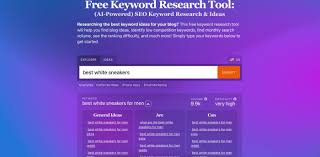
In the world of digital marketing, keywords play a crucial role in determining the success of your online presence. Monitoring your keyword rankings is essential to understand how well your website is performing in search engine results. Fortunately, there are various free keyword ranking tools available that can help you track and improve your SEO efforts.
Benefits of Using Free Keyword Ranking Tools
Free keyword ranking tools offer several advantages for businesses and website owners:
- Insight into Performance: These tools provide valuable insights into how your selected keywords are performing in search results.
- Competitor Analysis: You can compare your keyword rankings with those of your competitors to identify opportunities for improvement.
- Identifying Trends: By tracking keyword rankings over time, you can spot trends and adjust your SEO strategy accordingly.
- Optimisation Suggestions: Some tools offer suggestions on how to optimise your content for better keyword rankings.
Popular Free Keyword Ranking Tools
Here are some widely used free keyword ranking tools that can help you enhance your SEO performance:
- Google Search Console: A powerful tool provided by Google that offers insights into how your site appears in search results.
- SEMrush: While SEMrush offers a paid version, it also provides limited access to its features for free, including basic keyword tracking capabilities.
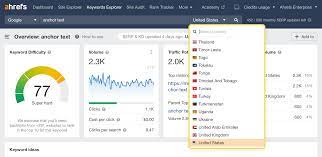
- Ahrefs Webmaster Tools: Ahrefs offers a free version of its toolset that includes features for monitoring keyword rankings and backlinks.
- Moz Keyword Explorer: Moz’s free tool allows you to research keywords and track their performance over time.
- SERPWatcher: This tool provides basic keyword tracking functionalities for free, allowing you to monitor your search engine rankings easily.
In Conclusion
Free keyword ranking tools are invaluable resources for any business looking to improve their SEO performance without breaking the bank. By leveraging these tools effectively, you can gain valuable insights into your website’s visibility in search results and make informed decisions to enhance your online presence.
Top 8 Free Tools for Effective Keyword Ranking and Research
- Utilize Google Keyword Planner for basic keyword research.
- Explore Ubersuggest for comprehensive keyword suggestions and analysis.
- Try Keyword Tool to generate long-tail keywords for better targeting.
- Leverage AnswerThePublic to discover common questions related to your keywords.
- Use SEMrush’s free version for limited but valuable keyword insights.
- Experiment with Keyword Surfer Chrome extension for quick on-page SEO data.
- Consider using MozBar to analyze the competitiveness of search results.
- Regularly monitor your keyword rankings and adjust your strategy accordingly.
Utilize Google Keyword Planner for basic keyword research.
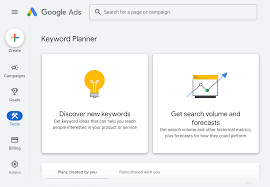
When it comes to conducting basic keyword research without spending a penny, one valuable tip is to make the most of Google Keyword Planner. This tool, provided by Google itself, offers essential insights into keyword trends, search volumes, and competition levels. By utilising Google Keyword Planner effectively, businesses and website owners can identify relevant keywords to target in their content and optimise their SEO strategy for improved visibility in search engine results.
Explore Ubersuggest for comprehensive keyword suggestions and analysis.
When delving into the realm of free keyword ranking tools, consider exploring Ubersuggest for comprehensive keyword suggestions and analysis. Ubersuggest offers a robust platform that not only provides a wide array of keyword suggestions but also delivers in-depth analysis to help you refine your SEO strategy effectively. By utilising Ubersuggest, you can uncover valuable insights into relevant keywords and their performance, empowering you to make informed decisions to enhance your website’s search engine visibility.
Try Keyword Tool to generate long-tail keywords for better targeting.
To enhance your SEO strategy and improve targeting, consider using a Keyword Tool to generate long-tail keywords. Long-tail keywords are specific phrases that typically have lower search volume but higher conversion rates. By incorporating long-tail keywords into your content, you can attract more qualified traffic to your website and increase the chances of reaching users who are actively searching for what you offer. This targeted approach can help boost your keyword rankings and ultimately drive more organic traffic to your site.
Leverage AnswerThePublic to discover common questions related to your keywords.
Leverage AnswerThePublic to discover common questions related to your keywords. AnswerThePublic is a valuable tool that can provide insights into the questions people are asking around your chosen keywords. By understanding the common queries and concerns of your target audience, you can tailor your content to address their specific needs effectively. This approach not only helps improve your keyword rankings but also enhances user engagement and drives relevant traffic to your website.
Use SEMrush’s free version for limited but valuable keyword insights.
For valuable keyword insights without the cost, consider utilising SEMrush’s free version. While offering limited access to its features, SEMrush’s free tool provides valuable insights into keyword performance. By leveraging SEMrush’s free version, you can gain essential information on your selected keywords and make informed decisions to enhance your SEO strategy effectively.
Experiment with Keyword Surfer Chrome extension for quick on-page SEO data.
For a swift and efficient way to gather on-page SEO data, consider experimenting with the Keyword Surfer Chrome extension. This handy tool provides quick insights into keyword rankings directly within your browser, allowing you to assess your website’s performance and make informed decisions to enhance your SEO strategy. By utilising the Keyword Surfer extension, you can streamline your keyword research process and optimise your content for better search engine visibility.
Consider using MozBar to analyze the competitiveness of search results.
When utilising free keyword ranking tools, it is advisable to consider using MozBar to analyse the competitiveness of search results. MozBar is a valuable browser extension that provides essential insights into the strength of websites appearing in search engine results pages. By leveraging MozBar’s features, such as domain authority and page authority metrics, users can assess the competitiveness of keywords and make informed decisions to enhance their SEO strategies effectively.
Regularly monitor your keyword rankings and adjust your strategy accordingly.
Regularly monitoring your keyword rankings using free tools is essential for maintaining a successful SEO strategy. By keeping a close eye on how your selected keywords are performing in search results, you can identify trends, track progress, and make informed decisions to optimise your content effectively. Adjusting your strategy based on these insights ensures that you stay competitive in the ever-evolving digital landscape and continue to improve your website’s visibility and search engine ranking.