seo content audit

Unlocking Success: The Essential Guide to SEO Content Audit Strategies

The Importance of SEO Content Audit

The Importance of SEO Content Audit

In the fast-paced world of digital marketing, staying ahead of the competition requires continuous evaluation and optimisation of your website’s content. One essential tool in this process is the SEO content audit.

What is an SEO Content Audit?

An SEO content audit involves a comprehensive analysis of all the content on your website to assess its performance in search engine rankings and user engagement. This audit helps identify areas for improvement and opportunities to enhance your site’s visibility and relevance to your target audience.

Benefits of Conducting an SEO Content Audit:

  • Identifying Content Gaps: By conducting an audit, you can pinpoint areas where your website lacks relevant or optimised content, allowing you to fill those gaps with valuable information that can attract more visitors.
  • Improving Search Engine Rankings: Analysing your existing content helps you identify keywords that are performing well and those that need improvement. By optimising your content for relevant keywords, you can boost your search engine rankings and increase organic traffic.
  • Enhancing User Experience: A thorough content audit allows you to assess the readability, relevance, and quality of your content. By improving these aspects, you can enhance the overall user experience on your website, leading to increased engagement and conversions.
  • Staying Updated with Algorithm Changes: Search engine algorithms are constantly evolving. Regular content audits help you stay abreast of these changes and adjust your content strategy accordingly to maintain or improve your search visibility.

How to Conduct an SEO Content Audit:

To conduct a successful SEO content audit, follow these steps:

  1. Inventory Your Content: Create a list of all the pages on your website along with their URLs and key metrics such as traffic, bounce rate, and conversion rates.
  2. Analyse Performance Metrics: Use tools like Google Analytics to analyse how each page is performing in terms of traffic, engagement, and conversions.
  3. Evaluate Keyword Usage: Review the keywords used in each piece of content and assess their relevance and effectiveness in driving organic traffic.
  4. Assess Content Quality: Evaluate the quality, accuracy, and relevance of each piece of content to ensure it aligns with your brand message and provides value to users.
  5. Create an Action Plan: Based on your findings, create a prioritised action plan outlining necessary updates, improvements, or new content creation initiatives.

In conclusion, conducting regular SEO content audits is crucial for maintaining a competitive edge in the digital landscape. By identifying areas for improvement and implementing strategic changes based on data-driven insights, you can enhance your website’s visibility, attract more organic traffic, and ultimately drive business growth.


8 Essential Tips for Conducting a Comprehensive SEO Content Audit

  1. 1. Review your website’s current content to identify areas for improvement.
  2. 2. Analyse keywords and ensure they are strategically placed throughout your content.
  3. 3. Check for duplicate or thin content that may be affecting your SEO performance.
  4. 4. Evaluate the relevance and quality of your existing content to meet user intent.
  5. 5. Optimise meta tags, headings, and images for better search engine visibility.
  6. 6. Ensure proper internal linking to improve site structure and user experience.
  7. 7. Monitor backlinks and remove any harmful or irrelevant links that could impact SEO.
  8. 8. Regularly track and analyse key metrics to measure the effectiveness of your SEO content strategy.

1. Review your website’s current content to identify areas for improvement.

To enhance your website’s search engine performance, it is essential to begin with a thorough review of your existing content. By carefully analysing your website’s current content, you can pinpoint areas that require improvement or optimisation. This initial step in the SEO content audit process allows you to identify weak spots, update outdated information, and ensure that your content aligns with relevant keywords and user intent. By addressing these areas for enhancement, you can lay a solid foundation for improving your website’s visibility and attracting more organic traffic.

2. Analyse keywords and ensure they are strategically placed throughout your content.

When conducting an SEO content audit, it is crucial to analyse keywords meticulously and ensure their strategic placement throughout your content. By identifying relevant keywords and incorporating them effectively into your content, you can enhance the visibility of your website in search engine results. Strategic keyword placement not only improves search engine rankings but also helps attract the right audience to your site, increasing the likelihood of engagement and conversions.

3. Check for duplicate or thin content that may be affecting your SEO performance.

Checking for duplicate or thin content is a crucial step in conducting an SEO content audit. Duplicate content can harm your website’s search engine performance by confusing search engines and potentially leading to penalties. Thin content, on the other hand, lacks substance and fails to provide valuable information to users, which can negatively impact your rankings. By identifying and addressing duplicate or thin content through the audit process, you can improve the overall quality of your website, enhance user experience, and boost your SEO performance.

4. Evaluate the relevance and quality of your existing content to meet user intent.

When conducting an SEO content audit, it is crucial to evaluate the relevance and quality of your existing content to align with user intent. By assessing whether your content effectively meets the needs and expectations of your target audience, you can ensure that it provides valuable information and engages users. Understanding user intent allows you to tailor your content strategy to deliver what users are searching for, ultimately improving user experience and increasing the likelihood of achieving your SEO goals.

5. Optimise meta tags, headings, and images for better search engine visibility.

To enhance your website’s search engine visibility during an SEO content audit, it is essential to optimise meta tags, headings, and images. By ensuring that your meta tags contain relevant keywords and accurately reflect the content of each page, you can improve your site’s ranking in search results. Additionally, structuring headings using appropriate keywords helps search engines understand the hierarchy and relevance of your content. Optimising images with descriptive alt text and relevant filenames not only improves accessibility but also provides another opportunity to incorporate keywords for better search engine optimisation. By focusing on these elements, you can boost your website’s visibility and attract more organic traffic effectively.

6. Ensure proper internal linking to improve site structure and user experience.

To enhance the effectiveness of your SEO content audit, it is crucial to focus on proper internal linking within your website. By establishing a well-structured network of internal links, you not only improve the overall site structure but also enhance user experience. Internal linking helps search engines navigate and understand the content on your site, leading to better indexation and ranking. Moreover, strategically placed internal links can guide users to relevant information, keeping them engaged and encouraging further exploration of your website. By prioritising proper internal linking as part of your content audit strategy, you can boost both SEO performance and user satisfaction.

Monitoring backlinks is a critical aspect of conducting an SEO content audit. Tip number 7 highlights the importance of identifying and removing any harmful or irrelevant links that could potentially harm your website’s SEO performance. By regularly assessing your backlink profile and eliminating links from low-quality or unrelated sources, you can safeguard your site’s credibility and ensure that only high-quality backlinks contribute positively to your search engine rankings. This proactive approach not only helps maintain a healthy link profile but also enhances the overall authority and trustworthiness of your website in the eyes of search engines.

8. Regularly track and analyse key metrics to measure the effectiveness of your SEO content strategy.

Regularly tracking and analysing key metrics is a vital tip when conducting an SEO content audit. By monitoring metrics such as website traffic, engagement rates, bounce rates, and conversion rates, you can effectively measure the impact of your SEO content strategy. These insights provide valuable information on what is working well and where improvements are needed, enabling you to make data-driven decisions to optimise your content for better search engine visibility and user engagement. Consistent monitoring of key metrics ensures that your SEO efforts remain aligned with your goals and help drive continuous improvement in your online presence.

organic search engine optimization

Unlocking the Potential of Organic Search Engine Optimization in the UK

The Power of Organic Search Engine Optimization

The Power of Organic Search Engine Optimization

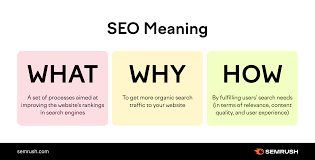
Organic search engine optimization (SEO) is a vital digital marketing strategy that focuses on improving a website’s visibility in search engine results pages (SERPs) through unpaid, natural means. Unlike paid advertising, organic SEO aims to attract relevant traffic to a website by enhancing its online presence and relevance.

Key Components of Organic SEO:

Keyword Research: Identifying and targeting the right keywords that align with your business and audience is crucial for organic SEO success. By understanding search intent and user behaviour, you can create content that resonates with your target audience.

On-Page Optimization: Optimizing various on-page elements such as meta tags, headings, and content structure helps search engines understand the relevance of your web pages to specific queries. This also includes ensuring fast loading times and mobile responsiveness for better user experience.

Quality Content Creation: Producing high-quality, relevant, and engaging content not only attracts visitors but also earns backlinks from authoritative websites. Content that adds value to users is more likely to rank well in search results.

Link Building: Acquiring quality backlinks from reputable websites signals to search engines that your site is trustworthy and authoritative. Natural link building through outreach, guest posting, and creating shareable content plays a significant role in organic SEO.

The Benefits of Organic SEO:

Long-Term Results: While it may take time to see significant improvements in organic rankings, the benefits are long-lasting. A well-executed organic SEO strategy can drive consistent traffic and leads over time without ongoing ad spend.

Credibility and Trust: Websites that rank organically are perceived as more credible by users compared to paid listings. By appearing at the top of SERPs naturally, you build trust with your audience and establish authority in your industry.

Cost-Effectiveness: Organic SEO offers a cost-effective way to drive targeted traffic to your website compared to paid advertising. Once you achieve high rankings for relevant keywords, you can enjoy continuous visibility without paying for each click.

In Conclusion

In today’s competitive online landscape, organic search engine optimization is essential for businesses looking to increase their online visibility, attract quality traffic, and build brand credibility. By implementing a comprehensive organic SEO strategy that focuses on delivering valuable content and optimizing user experience, businesses can achieve sustainable growth and long-term success in the digital realm.


Top 7 Frequently Asked Questions About Organic Search Engine Optimisation

  1. What is organic search engine optimization?
  2. Why is organic SEO important for my website?
  3. How long does it take to see results from organic SEO efforts?
  4. What are the key components of a successful organic SEO strategy?
  5. Is content creation essential for organic SEO?
  6. How can link building benefit my organic search rankings?
  7. What are the differences between organic SEO and paid advertising?

What is organic search engine optimization?

Organic search engine optimization, often referred to as organic SEO, is a fundamental digital marketing strategy aimed at enhancing a website’s visibility in search engine results pages (SERPs) through natural, unpaid methods. This approach focuses on improving a site’s relevance and authority by optimising various elements such as keyword usage, content quality, and backlink profile. Unlike paid advertising, organic SEO aims to attract targeted traffic by earning top rankings based on the quality and relevance of the content provided. By understanding user intent and search engine algorithms, organic SEO helps businesses increase their online presence authentically and sustainably over time.

Why is organic SEO important for my website?

Organic SEO is crucial for your website as it plays a fundamental role in enhancing your online visibility and attracting targeted traffic. By optimising your website using organic SEO strategies such as keyword research, on-page optimisation, quality content creation, and link building, you can improve your search engine rankings and increase the chances of appearing on the first page of search results. This increased visibility not only drives more relevant traffic to your site but also helps establish credibility and trust with users. Organic SEO is cost-effective in the long run compared to paid advertising and provides sustainable results that can benefit your website’s performance and success over time.

How long does it take to see results from organic SEO efforts?

It is a common query among businesses embarking on organic search engine optimization to inquire about the timeframe for observing results from their efforts. The timeline for seeing tangible outcomes from organic SEO strategies can vary based on several factors, including the competitiveness of the industry, the current state of the website, and the effectiveness of the implemented tactics. Generally, it may take a few months to start noticing improvements in organic rankings and increased organic traffic. However, achieving significant and sustainable results often requires ongoing commitment, consistent monitoring, and continuous refinement of SEO initiatives to adapt to evolving search engine algorithms and user behaviours.

What are the key components of a successful organic SEO strategy?

When considering the key components of a successful organic SEO strategy, several crucial elements come into play. Firstly, conducting thorough keyword research to identify relevant and high-traffic keywords is essential for targeting the right audience. On-page optimization, including meta tags, headings, and content structure, plays a vital role in signalling to search engines the relevance of your web pages. Quality content creation that meets user intent and provides value is paramount for engaging visitors and earning backlinks. Additionally, building a strong link profile through reputable backlinks enhances website authority and credibility in the eyes of search engines. Combining these components strategically forms the foundation of a successful organic SEO strategy that drives sustainable visibility and traffic growth over time.

Is content creation essential for organic SEO?

Content creation is undeniably essential for organic SEO success. High-quality, relevant content not only attracts visitors to a website but also plays a significant role in improving search engine rankings. Search engines value fresh, informative content that addresses user queries and provides value. By creating engaging content that incorporates targeted keywords and meets the needs of the target audience, businesses can enhance their online visibility, drive organic traffic, and establish authority in their industry. In essence, content creation forms the foundation of a successful organic SEO strategy by helping websites rank higher in search results and connect with their desired audience effectively.

Link building plays a crucial role in enhancing organic search rankings by boosting the authority and credibility of a website. When reputable websites link back to your site, search engines view it as a vote of confidence in your content, signalling that your website is a valuable resource. These quality backlinks help search engines understand the relevance and trustworthiness of your site, ultimately improving its ranking in search results. Link building not only increases visibility but also drives organic traffic to your website, making it an essential component of a successful organic search engine optimization strategy.

What are the differences between organic SEO and paid advertising?

When comparing organic search engine optimization (SEO) with paid advertising, the key differences lie in their approach to driving traffic to a website. Organic SEO focuses on improving a website’s visibility in search engine results pages (SERPs) through unpaid, natural methods such as keyword optimization, content creation, and link building. In contrast, paid advertising involves investing money to display ads prominently in search results or on other platforms to attract immediate traffic. While organic SEO offers long-term sustainability and credibility by earning top rankings naturally, paid advertising provides instant visibility but requires ongoing investment for each click or impression. Ultimately, organic SEO prioritises building a strong online presence over time, while paid advertising delivers quick results through monetary investment.

organic search

Unlocking the Potential of Organic Search: A Guide to Digital Marketing Success

The Power of Organic Search in Digital Marketing

The Power of Organic Search in Digital Marketing

Organic search is a crucial component of any successful digital marketing strategy. It refers to the unpaid search results generated by search engines like Google, Bing, and Yahoo based on their relevance to the user’s query. Unlike paid search advertising, organic search relies on various factors such as website content, keywords, backlinks, and user experience to rank websites in search engine results pages (SERPs).

Why Organic Search Matters

Organic search plays a significant role in driving quality traffic to websites. When users conduct a search query related to your products or services, appearing at the top of organic search results can greatly increase your visibility and credibility. Studies show that users tend to trust organic listings more than paid advertisements, leading to higher click-through rates and better conversion rates.

Key Elements of Organic Search

For a website to rank well organically, several key elements need to be optimised:

  • Keywords: Using relevant keywords throughout your website’s content helps search engines understand what your site is about.
  • Content: High-quality, informative content that engages users and provides value is essential for organic rankings.
  • Backlinks: Building a strong backlink profile from reputable websites signals authority and trustworthiness to search engines.
  • User Experience: Ensuring that your website is user-friendly, mobile-responsive, and loads quickly contributes to better organic rankings.

The Benefits of Investing in Organic Search

Investing in organic search offers several long-term benefits for businesses:

  • Sustainable Traffic: Once you achieve high organic rankings, you can enjoy a steady stream of traffic without ongoing advertising costs.
  • Credibility and Trust: Ranking organically signals credibility and trustworthiness to users, enhancing your brand reputation.
  • Cost-Effectiveness: While it requires time and effort to build organic visibility, the long-term benefits often outweigh the costs associated with paid advertising.

In Conclusion

In today’s competitive digital landscape, harnessing the power of organic search is essential for businesses looking to establish a strong online presence. By focusing on creating valuable content, optimising for relevant keywords, building quality backlinks, and enhancing user experience, businesses can improve their organic rankings and attract valuable traffic that converts into loyal customers.


Understanding Organic Search: Answers to 13 Common Questions

  1. What is organic search vs direct?
  2. Why is it called organic search?
  3. How to do organic search?
  4. What is an example of an organic search?
  5. What is an example of organic search?
  6. What is an example of an organic search result?
  7. What is the difference between organic search and SEO?
  8. What is organic and non-organic search?
  9. Which search is organic search?
  10. What is direct vs organic search?
  11. What is organic search marketing?
  12. What is organic and in organic search?
  13. What is organic search vs direct search?

What is organic search vs direct?

Organic search and direct traffic are two distinct sources of website visitors. Organic search refers to the traffic that comes to a website through search engine results without any direct influence from paid advertising. Users find the website by clicking on organic search results displayed by search engines based on their query relevance. On the other hand, direct traffic occurs when users directly type a website’s URL into their browser or use bookmarks to access the site without relying on search engines. Understanding the difference between organic search and direct traffic is crucial for businesses to effectively analyse and optimise their digital marketing strategies to attract and retain valuable visitors.

Organic search is termed as such because it refers to the natural, unpaid search results that appear on search engine results pages (SERPs) based on their relevance to the user’s query. The term “organic” signifies that these search results are not influenced by paid advertising or promotions. Instead, websites earn their visibility through factors like quality content, keyword optimization, backlinks, and user experience. This distinction highlights the genuine and authentic nature of organic search results, making them a trusted source of information for users seeking relevant content online.

To effectively engage in organic search, businesses need to focus on several key strategies. Firstly, conducting thorough keyword research to identify relevant terms that users are searching for is crucial. Incorporating these keywords naturally into high-quality content across the website helps search engines understand the site’s relevance to user queries. Building a strong backlink profile from reputable websites and ensuring a seamless user experience through mobile responsiveness and fast loading times also play vital roles in organic search success. Regularly monitoring performance metrics and making data-driven adjustments can further enhance organic search visibility and drive valuable traffic to the website.

An example of an organic search would be when a user enters a query, such as “best Italian restaurants in London,” into a search engine like Google. The search engine then displays a list of relevant websites that match the user’s query based on their content, relevance, and authority. In this case, the websites that appear in the search results without any indication of being paid advertisements are considered organic search results. Users can click on these organic listings to visit the websites and find information about the best Italian restaurants in London based on the search engine’s algorithmic ranking.

An example of organic search is when a user enters a query into a search engine, such as “best Italian restaurants in London,” and the search engine displays a list of relevant websites based on their content and relevance to the user’s query. In this scenario, the websites that appear in the search results have not paid for placement but have earned their position through effective SEO strategies, quality content, and user engagement. Organic search results are distinguished by their non-paid nature and rely on factors like keyword optimisation, backlinks, and user experience to rank websites organically in search engine results pages.

What is an example of an organic search result?

An example of an organic search result is a listing that appears on a search engine results page (SERP) based on its relevance to the user’s query and without any payment involved. When a user enters a search term into a search engine like Google and clicks on a result that appears below the ads section, typically accompanied by the word “Ad”, they are interacting with an organic search result. These listings are determined by the search engine’s algorithm, taking into account factors such as website content, keywords, backlinks, and user experience to provide users with the most relevant and authoritative information related to their query.

What is the difference between organic search and SEO?

Organic search and SEO are closely related concepts in digital marketing, but they serve different purposes. Organic search refers to the unpaid search results that appear in search engine results pages (SERPs) based on their relevance to the user’s query. On the other hand, SEO (Search Engine Optimization) is the practice of optimising a website to improve its visibility and ranking in organic search results. While organic search encompasses all unpaid search listings, SEO specifically focuses on the strategies and techniques used to enhance a website’s organic visibility through factors like content quality, keyword optimisation, backlink building, and user experience. In essence, organic search is the outcome of effective SEO practices aimed at driving traffic and increasing online visibility for websites.

Organic search refers to the unpaid search results that appear on search engine results pages (SERPs) based on their relevance to the user’s query. Websites achieve organic rankings through various factors such as quality content, keyword optimisation, backlinks, and user experience. On the other hand, non-organic search includes paid search results or advertisements that appear at the top or bottom of SERPs. While organic search relies on natural ranking factors to drive traffic, non-organic search involves paying for placement in search results. Understanding the distinction between organic and non-organic search is crucial for businesses looking to enhance their online visibility and reach their target audience effectively.

Organic search refers to the unpaid search results generated by search engines based on their relevance to the user’s query. In simple terms, organic search results are those listings that appear naturally in search engine results pages (SERPs) without any direct payment involved. These results are determined by various factors such as website content, keywords, backlinks, and user experience. Organic search is essential for businesses looking to increase their online visibility and attract quality traffic without relying on paid advertising methods.

Direct vs organic search is a common topic of confusion for many individuals navigating the realm of digital marketing. Direct search refers to users who directly type a website’s URL into their browser or access it through bookmarks, bypassing search engines altogether. On the other hand, organic search involves users discovering a website through search engine results pages (SERPs) based on relevant keywords and content. While direct traffic indicates users who are already familiar with a specific website, organic search reflects users actively seeking information or solutions related to their queries. Understanding the distinction between direct and organic search is crucial for businesses aiming to optimise their online visibility and attract targeted audiences effectively.

What is organic search marketing?

Organic search marketing refers to the process of optimising a website’s online presence to improve its visibility in search engine results pages (SERPs) without the use of paid advertising. It involves strategically incorporating relevant keywords, creating high-quality content, building authoritative backlinks, and enhancing user experience to attract organic (unpaid) traffic from search engines like Google, Bing, and Yahoo. Organic search marketing focuses on long-term sustainability and credibility by earning top rankings based on the relevance and quality of a website’s content, ultimately driving valuable traffic that can lead to increased brand awareness and conversions.

In the realm of digital marketing, the distinction between organic and inorganic search is crucial. Organic search refers to the unpaid search results that appear naturally on search engine results pages (SERPs) based on their relevance to the user’s query. On the other hand, inorganic search, also known as paid search or search engine marketing (SEM), involves paid advertisements that appear at the top or bottom of SERPs. Understanding the difference between organic and inorganic search is vital for businesses seeking to enhance their online visibility and attract quality traffic to their websites.

Organic search and direct search are two distinct methods by which users navigate the internet to find information. Organic search refers to the unpaid search results generated by search engines based on their relevance to the user’s query. In contrast, direct search occurs when a user directly enters a website’s URL into their browser or clicks on a bookmarked link, bypassing search engines altogether. While organic search relies on factors like keywords, content, and backlinks to rank websites in search engine results pages (SERPs), direct search involves users already knowing the specific website they want to visit. Understanding the differences between organic search and direct search is crucial for businesses aiming to optimise their online visibility and attract relevant traffic effectively.

seo google

Unlocking the Secrets of SEO: Navigating Google’s Algorithm

The Power of SEO: Understanding Google’s Role

The Power of SEO: Understanding Google’s Role

Search Engine Optimization (SEO) is a crucial aspect of digital marketing, and when it comes to SEO, Google reigns supreme. As the most popular search engine globally, Google plays a significant role in shaping online visibility and driving organic traffic to websites.

Google’s Algorithm

Google uses complex algorithms to determine the ranking of websites in its search results. These algorithms consider various factors such as keywords, content quality, backlinks, user experience, and more. Websites that meet Google’s criteria are more likely to appear higher in search results, increasing their visibility to potential visitors.

The Importance of Keywords

Keywords play a vital role in SEO as they help Google understand the relevance of a website to a user’s search query. By strategically incorporating relevant keywords into website content, meta tags, and headings, businesses can improve their chances of ranking higher on Google’s search results pages.

Quality Content is Key

Google values high-quality content that provides value to users. Websites that offer informative, engaging, and original content are more likely to rank well in search results. Regularly updating content and addressing user queries can also boost a website’s credibility in the eyes of Google.

Backlinks and Authority

Backlinks from reputable websites act as votes of confidence for a website’s credibility. Google considers backlinks when determining a site’s authority and relevance. Building a strong backlink profile through guest posting, influencer collaborations, and other strategies can help improve a website’s SEO performance on Google.

User Experience Matters

Google prioritises websites that offer an excellent user experience. Factors such as page load speed, mobile-friendliness, intuitive navigation, and secure browsing play a crucial role in determining how well a website performs in Google’s rankings. Optimising these aspects can positively impact SEO performance.

In Conclusion

Understanding how Google evaluates websites for its search results is key to developing an effective SEO strategy. By focusing on relevant keywords, quality content creation, building backlinks, and enhancing user experience, businesses can improve their visibility on Google and attract more organic traffic to their websites.


Top 6 Essential SEO Tips for Optimising Your Website on Google

  1. Create high-quality, relevant content for your website.
  2. Optimize your website’s meta tags, headings, and images with relevant keywords.
  3. Improve your website’s loading speed for better user experience.
  4. Build high-quality backlinks from reputable websites in your industry.
  5. Utilize Google My Business to enhance local SEO and attract local customers.
  6. Regularly monitor and analyse your website traffic and SEO performance to make necessary adjustments.

Create high-quality, relevant content for your website.

Creating high-quality, relevant content for your website is a fundamental tip in SEO when aiming to rank well on Google. By crafting content that is informative, engaging, and tailored to your target audience’s needs, you not only enhance user experience but also signal to Google that your website provides valuable information. This can lead to improved search engine rankings and increased organic traffic as Google values websites that offer quality content that meets users’ search intent. Remember, content is king in the digital realm, and investing in creating compelling material can significantly impact your website’s SEO performance on Google.

Optimize your website’s meta tags, headings, and images with relevant keywords.

To enhance your website’s visibility on Google, it is essential to optimise key elements such as meta tags, headings, and images with relevant keywords. By strategically incorporating targeted keywords into these areas, you can improve the search engine’s understanding of your content and increase the likelihood of your website ranking higher in search results. Ensuring that meta tags accurately reflect your page’s content, using keywords in headings to indicate the main topics, and adding descriptive alt text to images can all contribute to a more effective SEO strategy that aligns with Google’s ranking algorithms.

Improve your website’s loading speed for better user experience.

Improving your website’s loading speed is a crucial tip for enhancing your SEO performance on Google. A faster loading website not only provides a better user experience but also aligns with Google’s emphasis on user-friendly websites. By optimising your site’s loading speed, you can reduce bounce rates, increase user engagement, and potentially improve your rankings in Google’s search results. Prioritising website speed not only benefits your SEO efforts but also enhances overall user satisfaction, leading to increased traffic and conversions.

To enhance your website’s SEO performance on Google, it is crucial to focus on building high-quality backlinks from reputable websites within your industry. Backlinks act as a vote of confidence for your site’s credibility and authority in the eyes of Google. By securing backlinks from trusted sources, you not only improve your website’s visibility but also establish a strong reputation within your niche. Quality backlinks can significantly impact your search engine rankings and drive organic traffic to your website, ultimately boosting your online presence and attracting relevant visitors interested in your products or services.

Utilize Google My Business to enhance local SEO and attract local customers.

To boost your local SEO and attract customers in your area, make the most of Google My Business. By creating and optimising your Google My Business profile with accurate business information, engaging photos, customer reviews, and regular updates, you can increase your visibility in local search results. This free tool from Google allows you to showcase your business location, contact details, opening hours, and services, making it easier for potential customers to find and connect with you online. Embracing Google My Business is a strategic way to enhance your local presence and stand out to local customers searching for products or services in your area.

Regularly monitor and analyse your website traffic and SEO performance to make necessary adjustments.

Regularly monitoring and analysing your website traffic and SEO performance is paramount in maintaining a successful online presence. By keeping a close eye on key metrics such as organic traffic, bounce rates, keyword rankings, and conversion rates, you can identify areas for improvement and make necessary adjustments to your SEO strategy. This proactive approach allows you to stay ahead of the curve, adapt to changing algorithms, and ensure that your website continues to attract relevant visitors and achieve optimal search engine visibility on Google.

seo backlinks

Unlocking the Potential of SEO Backlinks for Enhanced Website Visibility

The Power of SEO Backlinks in Boosting Your Website’s Ranking

The Power of SEO Backlinks in Boosting Your Website’s Ranking

SEO backlinks are an essential component of any successful search engine optimisation strategy. In the world of digital marketing, backlinks play a crucial role in determining the authority and relevance of a website. But what exactly are backlinks, and why are they so important?

What Are SEO Backlinks?

SEO backlinks, also known simply as “backlinks”, are links from one website to another. When one website links to another, it is essentially vouching for the credibility and quality of the linked site. Search engines like Google consider backlinks as votes of confidence for a website’s content.

Why Are Backlinks Important for SEO?

Backlinks are crucial for SEO because they serve as a signal to search engines about the quality and relevance of a website. Websites with a higher number of high-quality backlinks tend to rank higher in search engine results pages (SERPs).

The Benefits of Quality Backlinks

  • Improved Search Engine Rankings: Quality backlinks can help improve your website’s ranking on search engine results pages.
  • Increased Website Traffic: Backlinks from reputable websites can drive more traffic to your site.
  • Enhanced Credibility: Having quality backlinks can enhance your website’s credibility and authority in your industry.
  • Better Indexing: Search engines use backlinks to discover new web pages and determine how they should be ranked.

How to Build Quality Backlinks

Building quality backlinks requires a strategic approach. Some effective ways to acquire backlinks include:

  1. Create high-quality content that others will want to link to.
  2. Guest posting on reputable websites within your industry.
  3. Engage with influencers and ask them to link to your content.
  4. List your website in relevant directories and industry listings.
  5. Create shareable infographics or other visual content that can attract links.

In Conclusion

In conclusion, SEO backlinks are essential for improving your website’s visibility and ranking on search engines. By focusing on building high-quality backlinks from reputable sources, you can boost your SEO efforts and drive more organic traffic to your site.


Top 5 Benefits of SEO Backlinks for Your Website

  1. Improved search engine rankings
  2. Increased website traffic
  3. Enhanced website credibility and authority
  4. Better indexing of web pages by search engines
  5. Opportunity to reach a wider audience through referral traffic


Challenges and Pitfalls of SEO Backlinks: A Comprehensive Overview

  1. 1. Risk of Low-Quality Backlinks
  2. 2. Potential for Negative SEO
  3. 3. Time-Consuming Process
  4. 4. Dependency on External Websites
  5. 5. Difficulty in Obtaining Relevant Backlinks
  6. 6. Constant Monitoring Needed

Improved search engine rankings

One significant benefit of SEO backlinks is the improvement they bring to search engine rankings. By acquiring high-quality backlinks from reputable websites, a website’s authority and relevance in the eyes of search engines are enhanced. This, in turn, can lead to higher rankings in search engine results pages (SERPs), making it easier for users to discover and engage with the website’s content. The more quality backlinks a website has, the better its chances of standing out among competitors and attracting organic traffic from search engines.

Increased website traffic

One significant advantage of SEO backlinks is the potential to increase website traffic. When your website receives backlinks from reputable and relevant sources, it can attract more visitors who click on those links to explore your content. This increase in traffic not only improves your site’s visibility but also enhances the chances of converting visitors into customers or leads. By leveraging the power of quality backlinks, you can drive targeted traffic to your website and ultimately boost your online presence and engagement.

Enhanced website credibility and authority

When it comes to SEO backlinks, one significant advantage is the enhancement of website credibility and authority. By acquiring backlinks from reputable and relevant websites, a site can establish itself as a trusted source of information in its industry. Search engines view websites with quality backlinks as more credible and authoritative, which can lead to higher rankings in search results. This boost in credibility not only improves the site’s visibility but also instils trust among users, ultimately driving more organic traffic and potential conversions.

Better indexing of web pages by search engines

One significant advantage of SEO backlinks is the improved indexing of web pages by search engines. When search engines discover quality backlinks pointing to a website, they are more likely to crawl and index those pages faster and more effectively. This enhanced indexing process helps search engines understand the relevance and authority of the linked pages, ultimately leading to better visibility and higher rankings in search engine results.

Opportunity to reach a wider audience through referral traffic

One of the key advantages of SEO backlinks is the opportunity they provide to reach a wider audience through referral traffic. When reputable websites link back to your site, they not only signal authority to search engines but also introduce your content to their own visitors. This referral traffic can bring in new visitors who may not have discovered your website otherwise, expanding your reach and potentially increasing engagement and conversions. By leveraging backlinks effectively, businesses can tap into new audiences and drive valuable traffic to their online platforms.

Acquiring low-quality backlinks poses a significant risk to your website’s reputation and SEO performance. When websites with poor credibility or irrelevant content link back to your site, search engines may perceive this as an attempt to manipulate rankings rather than genuine endorsement. This can result in penalties from search engines, leading to a drop in your website’s ranking and visibility. Additionally, associating with low-quality backlinks can damage your brand’s reputation and trustworthiness among users, ultimately undermining the effectiveness of your SEO efforts. It is crucial to focus on acquiring high-quality backlinks from reputable sources to safeguard your website’s credibility and ensure sustainable SEO success.

2. Potential for Negative SEO

One significant drawback of SEO backlinks is the potential for negative SEO tactics to harm your website’s ranking. Competitors or malicious entities may engage in creating harmful backlinks to your site, which can have a detrimental impact on your search engine rankings. These harmful backlinks can be seen as spammy or low-quality by search engines, leading to penalties that lower your website’s visibility and credibility online. It is crucial for website owners to monitor their backlink profiles regularly and disavow any toxic links to mitigate the risk of negative SEO affecting their online presence.

3. Time-Consuming Process

Building high-quality backlinks is a time-consuming process that can impact the speed of SEO results. It requires significant effort to identify reputable websites, create engaging content, and establish relationships for link building. As a result, the time invested in acquiring quality backlinks may delay the immediate outcomes of an SEO strategy. However, despite being a slow process, the long-term benefits of building authentic and relevant backlinks can significantly enhance a website’s authority and visibility in search engine rankings.

4. Dependency on External Websites

One significant drawback of SEO backlinks is the dependency on external websites. Your website’s ranking can be at the mercy of external sites linking to you. If these external sites engage in unethical practices or experience a decline in their own authority, it can negatively impact your website’s ranking, even if your content and SEO efforts are strong. This lack of control over external factors highlights the vulnerability that comes with relying on backlinks for search engine optimisation success.

Securing relevant backlinks from authoritative websites within your niche can pose a significant challenge in the realm of SEO. Building a network of high-quality backlinks requires time, effort, and strategic outreach to establish connections with reputable sources. The difficulty lies in convincing these websites to link back to your content, as they are often inundated with similar requests and prioritise maintaining the integrity of their own linking profile. This hurdle underscores the importance of crafting valuable and compelling content that resonates with target audiences and entices other sites to reference your material.

6. Constant Monitoring Needed

Constant monitoring is a significant downside of SEO backlinks. It requires regular attention to identify and disavow toxic backlinks that have the potential to harm your website’s SEO performance. Failing to monitor and address these harmful backlinks can lead to penalties from search engines, resulting in a decline in rankings and organic traffic. This ongoing task adds to the workload of maintaining a strong backlink profile and requires vigilance to ensure that your website remains in good standing with search engines.

serp seo

Unlocking the Potential of SERP SEO: Strategies for Success in the Digital Landscape

The Power of SERP SEO: Dominating Search Engine Results

The Power of SERP SEO: Dominating Search Engine Results

In the world of digital marketing, Search Engine Results Pages (SERPs) play a crucial role in determining the online visibility and success of a website. Understanding and harnessing the power of SERP SEO can significantly impact your website’s ranking and traffic.

What is SERP SEO?

SERP SEO refers to the practice of optimising your website’s content and structure to improve its visibility in search engine results pages. When users search for specific keywords or phrases related to your business, effective SERP SEO strategies can help your website appear higher in the search results, increasing the likelihood of attracting organic traffic.

The Importance of SERP SEO

With millions of websites competing for attention on search engines, having a strong presence on SERPs is essential for driving organic traffic to your site. By implementing targeted keywords, creating high-quality content, and improving user experience, you can enhance your website’s relevance and authority in the eyes of search engines.

Key Elements of SERP SEO

Effective SERP SEO involves various elements, including:

  • Keyword Research: Identifying relevant keywords that align with your business and target audience.
  • On-Page Optimisation: Optimising meta tags, headings, images, and content for targeted keywords.
  • Quality Content: Creating engaging and informative content that adds value to users.
  • Mobile-Friendliness: Ensuring that your website is responsive and accessible on mobile devices.
  • User Experience: Improving site speed, navigation, and overall user experience to reduce bounce rates.

The Impact of SERP Rankings

Websites that appear on the first page of search engine results tend to receive the majority of clicks from users. By optimising your site for SERPs, you increase the chances of ranking higher and attracting valuable organic traffic. Higher rankings not only drive more visitors to your site but also enhance brand credibility and trust among users.

In Conclusion

In conclusion, mastering SERP SEO is essential for improving your website’s visibility and attracting organic traffic. By implementing effective strategies such as keyword research, on-page optimisation, quality content creation, and prioritising user experience, you can enhance your chances of dominating search engine results pages and achieving online success.


Top 5 Benefits of SERP SEO: Boosting Visibility, Traffic, and Credibility

  1. Increased online visibility
  2. Organic traffic growth
  3. Enhanced brand credibility
  4. Cost-effective marketing
  5. Competitive advantage


Challenges of SERP SEO: Time Investment, High Competition, and Algorithm Shifts

  1. 1. Time-Consuming
  2. 2. Competition
  3. 3. Algorithm Changes

Increased online visibility

By implementing effective SERP SEO strategies, your website gains the advantage of increased online visibility. By appearing higher in search engine results pages, your website becomes more prominent and easily discoverable by potential visitors searching for relevant keywords or topics. This enhanced visibility not only drives organic traffic to your site but also boosts brand awareness and credibility among your target audience.

Organic traffic growth

By prioritising SERP SEO, you can experience significant organic traffic growth for your website. By optimising your site to rank higher in search engine results pages, you can attract more visitors without the need for paid advertising. This organic traffic not only increases your website’s visibility but also brings in users who are actively searching for the products or services you offer, leading to higher-quality leads and potential conversions.

Enhanced brand credibility

Achieving higher rankings in search engine results through effective SERP SEO strategies can significantly enhance your brand’s credibility and trustworthiness among users. When your website appears at the top of search results for relevant keywords, it signals to users that your brand is authoritative and reliable in its industry. This increased visibility not only attracts more organic traffic but also establishes a positive perception of your brand, ultimately leading to greater trust and credibility among your target audience.

Cost-effective marketing

Investing in SERP SEO presents a significant advantage in terms of cost-effectiveness within the realm of digital marketing. By prioritising search engine optimisation strategies, businesses can establish a sustainable source of long-term traffic and leads to their website without the ongoing financial commitment associated with paid advertising campaigns. This approach not only offers a more economical alternative but also ensures a continuous flow of organic traffic, ultimately maximising the return on investment over time.

Competitive advantage

Effective SERP SEO strategies offer a significant competitive advantage by enabling your website to surpass rival sites in search engine rankings. By optimising your content and structure to align with search engine algorithms, you can increase your visibility and attract more organic traffic than competitors. This enhanced online presence not only boosts brand awareness but also positions your website as a top choice for users searching for relevant information or products, ultimately giving you a valuable edge in the competitive digital landscape.

1. Time-Consuming

One significant drawback of SERP SEO is its time-consuming nature. To implement effective strategies, considerable time and effort are required to conduct thorough keyword research, optimise content, and continuously monitor and adjust tactics based on results. The process of improving search engine rankings and visibility demands patience and dedication, as achieving significant outcomes in the competitive online landscape can be a gradual and ongoing endeavour.

2. Competition

In the realm of SERP SEO, one significant drawback is the intense competition that arises from the multitude of websites striving to secure top positions on search engine results pages. The digital landscape is saturated with competitors all vying for visibility, making it increasingly challenging for websites to distinguish themselves and capture the attention of users. Standing out amidst this fierce competition demands strategic planning, innovative approaches, and continuous efforts to stay ahead in the ever-evolving online environment.

3. Algorithm Changes

One significant drawback of SERP SEO is the constant changes in search engine algorithms. Search engines regularly update their algorithms to provide more accurate and relevant search results to users. These frequent changes can pose a challenge for website owners and SEO professionals, as strategies that were effective in the past may no longer yield the same results. Adapting to algorithm changes requires staying informed about updates, adjusting SEO tactics accordingly, and continuously monitoring and refining strategies to ensure that websites remain visible and competitive in search engine results pages.

seo search engine optimization

Unlocking the Potential of SEO: Mastering Search Engine Optimization for Online Success

The Power of SEO: Enhancing Your Online Presence

The Power of SEO: Enhancing Your Online Presence

Search Engine Optimization (SEO) is a fundamental digital marketing strategy that has the power to transform your online presence and drive organic traffic to your website. In today’s competitive online landscape, implementing effective SEO techniques is crucial for businesses looking to stand out and reach their target audience.

What is SEO?

SEO involves optimizing your website to improve its visibility on search engine results pages (SERPs). By enhancing your site’s relevance and authority in the eyes of search engines like Google, you can increase your chances of ranking higher for relevant keywords and phrases.

The Benefits of SEO

Implementing a robust SEO strategy offers a myriad of benefits for your business, including:

  • Increased Visibility: By appearing at the top of search results, you can attract more organic traffic to your website.
  • Enhanced Credibility: High search rankings can instil trust in your brand and position you as an authority in your industry.
  • Better User Experience: Optimizing your site for SEO often leads to improved user experience, resulting in lower bounce rates and higher engagement.
  • Long-Term Results: Unlike paid advertising, the effects of SEO are long-lasting, providing sustainable growth for your business over time.

Key SEO Strategies

To succeed in the realm of SEO, it’s essential to employ a variety of strategies tailored to enhance your online visibility. Some key tactics include:

  1. Keyword Research: Identifying relevant keywords that align with your business offerings and target audience.
  2. On-Page Optimization: Optimizing meta tags, headings, and content on individual web pages to improve their searchability.
  3. Link Building: Acquiring high-quality backlinks from reputable sites to boost your site’s authority and credibility.
  4. Content Creation: Producing high-quality, engaging content that resonates with users and attracts organic traffic.

In Conclusion

In conclusion, SEO is a powerful tool that can propel your business towards online success. By investing in effective SEO strategies and staying abreast of industry trends, you can enhance your online presence, attract more visitors to your site, and ultimately drive conversions. Embrace the power of SEO today and watch as your business flourishes in the digital realm!


Five Essential SEO Strategies: Enhancing Content, Keywords, Speed, Backlinks, and Performance Analysis for Search Engine Success

  1. Create high-quality, relevant content for your website.
  2. Use appropriate keywords throughout your content and meta tags.
  3. Optimize your website’s loading speed for better user experience.
  4. Build backlinks from reputable websites to improve your site’s authority.
  5. Regularly monitor and analyse your SEO performance to make necessary adjustments.

Create high-quality, relevant content for your website.

Creating high-quality, relevant content for your website is a cornerstone of effective SEO strategy. By crafting engaging and informative content that aligns with the interests and needs of your target audience, you not only enhance the user experience but also improve your site’s search engine visibility. Search engines value fresh, original content that provides value to users, making it more likely for your website to rank higher in search results. By consistently producing top-notch content that resonates with your audience, you can establish credibility, drive organic traffic, and ultimately boost your online presence.

Use appropriate keywords throughout your content and meta tags.

To enhance your website’s visibility and improve its search engine ranking, it is crucial to incorporate relevant keywords strategically throughout your content and meta tags. By conducting thorough keyword research and selecting appropriate terms that align with your target audience’s search queries, you can effectively signal to search engines the relevance of your website. Ensuring that these keywords are seamlessly integrated into your content and meta tags not only helps users find your site more easily but also boosts its overall SEO performance. Remember, using appropriate keywords judiciously is key to unlocking the full potential of your SEO strategy.

Optimize your website’s loading speed for better user experience.

Optimising your website’s loading speed is a crucial aspect of SEO that can significantly enhance user experience. A fast-loading website not only improves user satisfaction but also reduces bounce rates and increases the likelihood of visitors engaging with your content. By prioritising loading speed optimisation, you create a seamless browsing experience that keeps users on your site longer, ultimately leading to higher search engine rankings and improved conversion rates.

Building backlinks from reputable websites is a crucial aspect of effective SEO strategy. By securing links from trusted and authoritative sources, you can significantly enhance your site’s credibility and authority in the eyes of search engines. These backlinks act as endorsements for your content, signalling to search algorithms that your website is a reliable and valuable resource. Ultimately, this can lead to improved rankings in search results and increased organic traffic to your site.

Regularly monitor and analyse your SEO performance to make necessary adjustments.

Regularly monitoring and analysing your SEO performance is a crucial tip in search engine optimisation. By keeping a close eye on key metrics such as website traffic, keyword rankings, and conversion rates, you can identify areas for improvement and make necessary adjustments to your SEO strategy. This proactive approach allows you to stay ahead of the curve, adapt to algorithm changes, and continuously enhance your online visibility to attract more organic traffic and achieve better results in the competitive digital landscape.

seo definition

Understanding the Definition of SEO in the UK

The Definition of SEO: A Comprehensive Guide

The Definition of SEO: A Comprehensive Guide

SEO, which stands for Search Engine Optimization, is a fundamental digital marketing strategy aimed at improving a website’s visibility and ranking on search engine results pages (SERPs). In today’s highly competitive online landscape, SEO plays a crucial role in driving organic traffic to websites and attracting potential customers.

Understanding the Basics of SEO

SEO involves a series of techniques and best practices that help search engines like Google understand the content of a website better. By optimising various elements such as keywords, meta tags, and content structure, SEO aims to make a website more relevant and authoritative in the eyes of search engine algorithms.

The Key Components of SEO

There are several key components to effective SEO:

  • Keyword Research: Identifying relevant keywords that users are searching for.
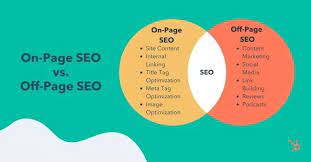
  • On-Page Optimization: Optimising content, meta tags, and internal links on individual web pages.
  • Off-Page Optimization: Building backlinks from reputable websites to improve domain authority.
  • Technical SEO: Ensuring proper website structure, mobile-friendliness, and site speed.
  • Content Creation: Producing high-quality, valuable content that engages users and attracts natural links.

The Benefits of Implementing SEO

By investing in SEO, businesses can enjoy a wide range of benefits, including:

  • Increase in Organic Traffic: Higher rankings on SERPs lead to more organic traffic to your website.
  • Better User Experience: Optimised websites provide a seamless user experience that keeps visitors engaged.
  • Better Brand Visibility: Improved visibility on search engines helps build brand awareness and credibility.
  • Growth in Sales and Conversions: Targeted traffic from SEO leads to higher conversion rates and increased revenue.

In Conclusion

In conclusion, SEO is an essential digital marketing strategy that can have a significant impact on your online presence and business success. By understanding the principles of SEO and implementing best practices, you can position your website for long-term growth and success in the competitive online market.


Understanding SEO: A Guide to Its Importance, Function, and Benefits for Businesses

  1. What is SEO and why is it important?
  2. How does SEO work?
  3. What are the key components of SEO?
  4. Why is keyword research important in SEO?
  5. How can businesses benefit from implementing SEO?
  6. What are the common misconceptions about SEO?

What is SEO and why is it important?

Search Engine Optimization (SEO) is a crucial digital marketing strategy that focuses on improving a website’s visibility and ranking on search engine results pages (SERPs). It involves various techniques such as keyword research, content optimisation, and link building to enhance a website’s relevance and authority in the eyes of search engines like Google. SEO is important because it helps businesses attract organic traffic, increase brand visibility, and drive conversions. By implementing effective SEO practices, businesses can reach their target audience more effectively, establish credibility online, and ultimately achieve long-term success in the competitive digital landscape.

How does SEO work?

SEO, or Search Engine Optimization, works by optimising various elements of a website to improve its visibility and ranking on search engine results pages (SERPs). This involves a strategic approach that includes keyword research, on-page optimization, off-page optimization, technical SEO, and content creation. By aligning these elements with search engine algorithms and user intent, SEO helps search engines better understand the relevance and authority of a website’s content. Ultimately, effective SEO drives organic traffic to a website, enhances user experience, and boosts brand visibility in the highly competitive online landscape.

What are the key components of SEO?

When exploring the question “What are the key components of SEO?” it becomes evident that Search Engine Optimization comprises various essential elements. These components include keyword research to identify relevant search terms, on-page optimization to enhance individual web pages, off-page optimization for building domain authority through backlinks, technical SEO for ensuring website structure and performance, and content creation for engaging and valuable information. Each of these key components plays a vital role in improving a website’s visibility and ranking on search engine results pages, ultimately contributing to a successful SEO strategy.

Why is keyword research important in SEO?

Keyword research is a critical aspect of SEO due to its pivotal role in understanding the language and search intent of users. By identifying relevant keywords that align with what users are searching for, businesses can tailor their content and website optimisation strategies to attract targeted organic traffic. Effective keyword research not only helps improve a website’s visibility on search engine results pages but also enhances user experience by providing valuable and relevant information. Ultimately, investing time and effort in keyword research empowers businesses to create content that resonates with their target audience, driving higher engagement, conversions, and overall success in the competitive digital landscape.

How can businesses benefit from implementing SEO?

Businesses can benefit significantly from implementing SEO as it helps improve their online visibility and attract targeted organic traffic to their websites. By optimising their web content, keywords, and technical aspects, businesses can achieve higher rankings on search engine results pages (SERPs), leading to increased brand visibility and credibility. Additionally, SEO enhances user experience by providing relevant and valuable content, ultimately driving more qualified leads and conversions. Overall, investing in SEO can result in long-term growth, improved online presence, and higher revenue for businesses in today’s competitive digital landscape.

What are the common misconceptions about SEO?

There are several common misconceptions about SEO that often lead to confusion among website owners and digital marketers. One prevalent misconception is that SEO is a one-time task rather than an ongoing process. In reality, SEO requires continuous monitoring, adjustments, and updates to stay effective in the ever-evolving digital landscape. Another misconception is that stuffing keywords into content will automatically boost rankings, when in fact, keyword stuffing can harm a website’s SEO performance. Understanding and dispelling these misconceptions is crucial for implementing a successful SEO strategy that yields sustainable results and improves online visibility.

organic search optimisation

Unlocking the Potential of Organic Search Optimisation

The Power of Organic Search Optimisation

The Power of Organic Search Optimisation

Organic search optimisation, often referred to as SEO (Search Engine Optimisation), is a fundamental strategy for improving a website’s visibility in search engine results pages. In today’s digital age, where online presence plays a crucial role in the success of businesses, mastering organic search optimisation is essential for driving traffic and attracting potential customers.

What is Organic Search Optimisation?

Organic search optimisation involves enhancing a website’s content, structure, and relevance to make it more attractive to search engines like Google, Bing, and Yahoo. By implementing best practices such as keyword research, on-page optimisation, link building, and technical SEO, websites can climb higher in search engine rankings organically.

The Benefits of Organic Search Optimisation

Increased Visibility: Websites that rank higher in organic search results are more likely to be seen by users searching for relevant keywords or phrases.

Credibility and Trust: High organic rankings signal to users that a website is reputable and trustworthy, leading to increased credibility and trustworthiness.

Cost-Effectiveness: Unlike paid advertising campaigns, organic search optimisation provides long-term benefits without the need for continuous investment in advertising costs.

Key Strategies for Organic Search Optimisation

Keyword Research: Identifying relevant keywords that align with your target audience’s search queries is crucial for creating content that ranks well in organic searches.

On-Page Optimisation: Optimising meta tags, headings, URLs, and content structure helps search engines understand the relevance of your web pages to specific queries.

Link Building: Acquiring high-quality backlinks from reputable websites improves your site’s authority and boosts its ranking potential in organic searches.

In Conclusion

Organic search optimisation is not just about ranking higher on search engine results pages; it’s about creating valuable content that resonates with your target audience and establishes your brand as an authority in your industry. By investing time and effort into organic search optimisation strategies, businesses can drive sustainable growth and achieve long-term success online.


Mastering Organic Search Optimisation: Essential Insights and Strategies for Businesses

  1. What is organic search optimisation?
  2. Why is organic search optimisation important for businesses?
  3. What are the key benefits of organic search optimisation?
  4. How does keyword research impact organic search optimisation?
  5. What are the best practices for on-page optimisation in organic search?
  6. Why is link building crucial for organic search optimisation?
  7. How can businesses measure the effectiveness of their organic search optimisation efforts?

What is organic search optimisation?

Organic search optimisation, commonly known as SEO (Search Engine Optimisation), is the process of enhancing a website’s visibility in search engine results pages through strategic techniques and practices. It involves improving the website’s content quality, relevance, and structure to align with search engine algorithms. By focusing on organic search optimisation, businesses aim to attract more organic (non-paid) traffic to their websites by appearing higher in search engine rankings for specific keywords or phrases related to their products or services. This approach helps increase online visibility, credibility, and ultimately drives valuable traffic that can lead to conversions and business growth.

Why is organic search optimisation important for businesses?

Organic search optimisation is crucial for businesses as it significantly impacts their online visibility, credibility, and long-term success. By improving their organic search rankings, businesses can attract more relevant traffic to their websites, increasing the chances of converting visitors into customers. Organic search optimisation also helps businesses establish trust and credibility with users, as higher rankings in search engine results pages signal authority and reliability. Furthermore, investing in organic search optimisation is cost-effective in the long run compared to paid advertising, providing sustainable benefits and a competitive edge in the digital landscape.

What are the key benefits of organic search optimisation?

Organic search optimisation offers a multitude of key benefits for businesses looking to enhance their online presence. Firstly, by improving a website’s visibility in search engine results pages, organic search optimisation increases the chances of attracting relevant traffic and potential customers. This heightened visibility not only boosts brand awareness but also establishes credibility and trust among users, as higher organic rankings signify a reputable and trustworthy website. Moreover, organic search optimisation is a cost-effective strategy in the long run, providing sustainable results without the need for continuous investment in paid advertising campaigns. Ultimately, the key benefits of organic search optimisation lie in increased visibility, credibility, trustworthiness, and cost-effectiveness for businesses striving to excel in the competitive digital landscape.

How does keyword research impact organic search optimisation?

Keyword research plays a pivotal role in organic search optimisation by guiding the creation of targeted and relevant content that aligns with users’ search queries. By identifying the right keywords that potential customers are using to find products or services, businesses can optimise their website content to attract organic traffic from search engines. Effective keyword research not only helps improve a website’s visibility in search results but also enhances its overall relevance and authority in the eyes of search engines, ultimately contributing to a successful organic search optimisation strategy.

When it comes to on-page optimisation in organic search, following best practices is essential for improving a website’s visibility and relevance to search engines. Key strategies include incorporating relevant keywords naturally into meta tags, headings, URLs, and content to signal the content’s focus to search engines. Structuring content with user-friendly formatting, including clear headings and subheadings, helps both users and search engine crawlers navigate the page efficiently. Additionally, creating high-quality, original content that provides value to users not only enhances the user experience but also boosts the site’s credibility and authority in organic search rankings. By focusing on these best practices for on-page optimisation, websites can increase their chances of ranking higher in organic search results and attracting more organic traffic.

Link building is a crucial aspect of organic search optimisation because it plays a significant role in determining a website’s authority and credibility in the eyes of search engines. By acquiring high-quality backlinks from reputable websites, a site can improve its trustworthiness and relevance, ultimately boosting its ranking potential in organic searches. These inbound links act as endorsements from other sites, signalling to search engines that the content on the linked website is valuable and worth displaying to users. Therefore, a robust link building strategy is essential for enhancing a website’s visibility and establishing its position as an authoritative source in its industry.

How can businesses measure the effectiveness of their organic search optimisation efforts?

Businesses can measure the effectiveness of their organic search optimisation efforts through various key performance indicators (KPIs) and analytics tools. Tracking metrics such as organic traffic, keyword rankings, click-through rates, conversion rates, and bounce rates can provide valuable insights into the impact of SEO strategies. Additionally, monitoring user engagement metrics like time on page and pages per session can help businesses gauge the quality of organic traffic driven to their website. By regularly analysing these metrics and adjusting SEO tactics based on performance data, businesses can assess the success of their organic search optimisation initiatives and make informed decisions to improve their online visibility and reach.