search engine ranking keyword

Unlocking the Power of Search Engine Ranking Keywords

The Importance of Search Engine Ranking Keywords

The Importance of Search Engine Ranking Keywords

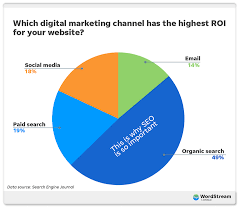
In the world of digital marketing, search engine ranking keywords play a crucial role in determining the visibility and success of a website. These keywords are the phrases or terms that users type into search engines when looking for information, products, or services. By strategically incorporating relevant keywords into website content, businesses can improve their search engine rankings and attract more organic traffic.

How Search Engine Ranking Keywords Work

Search engines use complex algorithms to determine the relevance of web pages to a user’s search query. Keywords help search engines understand the content and purpose of a webpage, making it easier for them to match relevant pages with user queries. Websites that effectively incorporate high-quality keywords are more likely to appear at the top of search engine results pages (SERPs), increasing their visibility to potential customers.

Choosing the Right Keywords

Effective keyword research is essential for identifying the terms and phrases that are most relevant to your target audience. By understanding the search intent behind specific keywords, businesses can create content that addresses users’ needs and interests. It’s important to choose keywords that have a balance between search volume (popularity) and competition (difficulty), ensuring that your website has a chance to rank well for those terms.

Optimising Website Content

Once you have identified your target keywords, it’s crucial to optimise your website content accordingly. This includes incorporating keywords naturally into page titles, headings, meta descriptions, and body text. Avoid keyword stuffing – the practice of overloading content with irrelevant or excessive keywords – as this can harm your site’s credibility with both users and search engines.

Monitoring Performance

Regularly monitoring keyword performance is key to understanding how well your website is ranking in search results. Tools like Google Analytics and Google Search Console provide valuable insights into which keywords are driving traffic to your site and how your pages are performing in SERPs. By analysing this data, businesses can make informed decisions about adjusting their SEO strategies to improve rankings.

Conclusion

Search engine ranking keywords are a fundamental aspect of SEO that can significantly impact a website’s visibility and traffic. By conducting thorough keyword research, optimising website content, and monitoring performance regularly, businesses can enhance their online presence and attract more visitors through organic search. Investing time and effort into effective keyword strategy is essential for staying competitive in today’s digital landscape.


Top 8 Advantages of Search Engine Ranking Keywords for Boosting Online Presence

  1. 1. Enhances online visibility by improving search engine rankings.
  2. 2. Drives targeted organic traffic to your website.
  3. 3. Helps attract potential customers who are actively searching for your products or services.
  4. 4. Increases brand credibility and trustworthiness through higher search engine rankings.
  5. 5. Provides valuable insights into user search behaviour and preferences.
  6. 6. Enables better understanding of customer needs and interests through keyword analysis.
  7. 7. Supports effective content marketing strategies by guiding content creation around relevant keywords.
  8. 8. Allows for continuous optimisation and refinement of SEO efforts based on keyword performance.


Challenges of Search Engine Ranking Keywords: Overuse, Competition, and Algorithm Changes

  1. Keyword saturation can lead to unnatural-sounding content that may deter users.
  2. Highly competitive keywords can be difficult to rank for, especially for new websites.
  3. Search engine algorithms frequently change, requiring constant keyword monitoring and adjustment.

1. Enhances online visibility by improving search engine rankings.

By strategically utilising search engine ranking keywords, businesses can significantly enhance their online visibility by improving their search engine rankings. By incorporating relevant and high-quality keywords into website content, businesses increase the likelihood of their web pages appearing at the top of search engine results pages (SERPs). This enhanced visibility not only attracts more organic traffic but also ensures that the website is more easily discoverable by potential customers searching for products or services related to those keywords. Ultimately, improving search engine rankings through effective keyword usage is a powerful way to boost online visibility and reach a wider audience in the digital landscape.

2. Drives targeted organic traffic to your website.

One significant advantage of utilising search engine ranking keywords is their ability to drive targeted organic traffic to your website. By strategically incorporating relevant keywords into your content, you can attract users who are actively searching for products or information related to your business. This targeted approach ensures that the traffic directed to your site is more likely to convert into leads or customers, ultimately boosting the effectiveness of your online presence and increasing the potential for business growth.

3. Helps attract potential customers who are actively searching for your products or services.

By utilising search engine ranking keywords effectively, businesses can attract potential customers who are actively seeking their products or services. By strategically incorporating relevant keywords into website content, businesses increase the likelihood of their websites appearing at the top of search engine results pages when users search for related terms. This targeted approach ensures that businesses can reach an audience that is already interested in what they offer, leading to higher quality leads and improved conversion rates.

4. Increases brand credibility and trustworthiness through higher search engine rankings.

By utilising search engine ranking keywords effectively, businesses can enhance their brand credibility and trustworthiness by achieving higher rankings in search engine results. When a website consistently appears at the top of search results for relevant keywords, it signals to users that the site is authoritative and trustworthy in its industry. This increased visibility not only boosts brand recognition but also instils confidence in potential customers, leading to more clicks, visits, and conversions. Ultimately, a strong search engine presence built on targeted keywords can establish a brand as a reliable and reputable source within its market niche.

5. Provides valuable insights into user search behaviour and preferences.

By utilising search engine ranking keywords effectively, businesses can gain valuable insights into user search behaviour and preferences. By analysing the keywords that users are using to discover their website, businesses can better understand what their target audience is looking for online. This information allows companies to tailor their content and marketing strategies to align with user interests, ultimately improving user engagement and driving more relevant traffic to their site. Understanding user search behaviour through keyword analysis is a powerful tool in creating a more personalised and effective digital marketing approach.

6. Enables better understanding of customer needs and interests through keyword analysis.

By utilising search engine ranking keywords, businesses can gain valuable insights into their customers’ needs and interests through in-depth keyword analysis. By identifying the specific terms and phrases that users are searching for, companies can better understand what their target audience is looking for online. This enables businesses to tailor their content and offerings to align with customer preferences, ultimately improving user experience and increasing the likelihood of attracting relevant traffic to their website. Through keyword analysis, businesses can uncover valuable information about customer behaviours and trends, allowing them to make informed decisions that meet the evolving needs of their audience.

7. Supports effective content marketing strategies by guiding content creation around relevant keywords.

Supporting effective content marketing strategies, search engine ranking keywords play a pivotal role in guiding content creation around relevant topics and phrases. By aligning content with high-performing keywords, businesses can ensure that their online material resonates with their target audience and is more likely to rank well in search engine results. This strategic approach not only enhances the visibility of the content but also increases the chances of attracting organic traffic from users actively searching for information related to those keywords. Ultimately, incorporating search engine ranking keywords into content marketing efforts can lead to improved engagement, higher conversion rates, and a stronger online presence for businesses seeking to maximise their digital impact.

8. Allows for continuous optimisation and refinement of SEO efforts based on keyword performance.

One significant advantage of utilising search engine ranking keywords is the ability it provides for continuous optimisation and refinement of SEO strategies based on keyword performance. By closely monitoring how specific keywords are performing in search results, businesses can gather valuable insights into what resonates most with their target audience. This data-driven approach enables them to adapt and adjust their SEO efforts in real-time, ensuring that their website remains competitive and relevant in the ever-evolving digital landscape.

Keyword saturation can lead to unnatural-sounding content that may deter users.

Keyword saturation in content can be a significant drawback of search engine ranking keywords. When keywords are excessively used to the point of saturation, the content can sound forced and unnatural, which may deter users from engaging with the material. Overloading content with keywords not only compromises the readability and quality of the text but also diminishes the user experience. Users are more likely to be put off by content that feels contrived or spammy, ultimately impacting a website’s credibility and driving potential visitors away. Striking a balance between optimising for keywords and maintaining natural, user-friendly content is crucial to avoid this con of keyword saturation.

Highly competitive keywords can be difficult to rank for, especially for new websites.

In the realm of search engine optimisation, one significant drawback is the challenge posed by highly competitive keywords. For new websites aiming to establish their online presence, trying to rank for these popular keywords can be an uphill battle. The intense competition from established websites with strong authority and backlinks can make it exceedingly difficult for new players to break through and secure top positions in search engine results. As a result, newer websites often face a daunting task in competing for visibility against more established competitors when targeting highly competitive keywords.

Search engine algorithms frequently change, requiring constant keyword monitoring and adjustment.

One significant drawback of search engine ranking keywords is the ever-changing nature of search engine algorithms. Search engines like Google frequently update their algorithms to improve user experience and provide more relevant search results. This constant evolution means that businesses must continuously monitor and adjust their keyword strategies to stay competitive and maintain their search engine rankings. Failing to adapt to algorithm changes can result in a drop in visibility and organic traffic, highlighting the importance of staying vigilant and flexible in keyword selection and optimisation efforts.


google sites seo

Mastering Google Sites SEO: Elevate Your Website’s Visibility with Expert Strategies

Google Sites SEO: Optimizing Your Website for Better Visibility

Google Sites SEO: Optimizing Your Website for Better Visibility

Google Sites is a popular platform for creating websites due to its user-friendly interface and integration with other Google services. However, to ensure that your Google Site ranks well in search engine results and attracts more visitors, it’s essential to implement effective SEO strategies.

Key SEO Tips for Google Sites:

Optimize Page Titles and Descriptions: Make sure each page on your Google Site has a unique and descriptive title tag and meta description that includes relevant keywords.

Create High-Quality Content: Content is king when it comes to SEO. Ensure that your Google Site provides valuable, well-written content that engages visitors and encourages them to stay on your site longer.

Use Keywords Strategically: Conduct keyword research to identify the terms and phrases your target audience is searching for, and incorporate them naturally into your content, headings, and image alt text.

Optimize Images: Use descriptive file names and alt text for images on your Google Site to improve accessibility and help search engines understand the content of your pages.

Mobile-Friendly Design: Ensure that your Google Site is responsive and mobile-friendly, as Google prioritizes mobile-optimised websites in its search rankings.

The Importance of Backlinks:

In addition to on-page SEO factors, building a strong backlink profile is crucial for improving the authority and credibility of your Google Site. Seek opportunities to earn backlinks from reputable websites in your industry through guest posting, partnerships, or creating shareable content.

Monitoring Performance:

Use tools like Google Analytics to track the performance of your Google Site, including traffic sources, user behaviour, and keyword rankings. Regularly monitor these metrics to identify areas for improvement and adjust your SEO strategy accordingly.

In Conclusion

By implementing these SEO best practices on your Google Site, you can enhance its visibility in search engine results, attract more organic traffic, and ultimately achieve your online goals. Remember that SEO is an ongoing process that requires continuous monitoring and refinement to stay ahead of the competition.


Top 5 Advantages of Using Google Sites for SEO Success

  1. 1. User-Friendly Interface
  2. 2. Integration with Google Services
  3. 3. Mobile-Optimised Design
  4. 4. Cost-Effective Solution
  5. 5. Quick Indexing by Google


Challenges of Google Sites for SEO: Limited Customisation, Control, and Integration

  1. Limited Customisation
  2. Limited SEO Control
  3. Restricted Plugins and Integrations
  4. Dependency on Google Services

1. User-Friendly Interface

Google Sites offers a user-friendly interface that simplifies the process of website creation and management. This intuitive platform enables users to effortlessly implement SEO strategies without the need for advanced technical knowledge. With Google Sites, individuals and businesses can easily optimise their websites for search engines, ensuring better visibility and attracting more organic traffic. The straightforward design and functionality of Google Sites empower users to focus on enhancing their SEO efforts effectively and efficiently.

2. Integration with Google Services

Google Sites’ integration with Google Services is a significant advantage for SEO purposes. Being part of the Google ecosystem allows Google Sites to seamlessly connect with essential tools such as Analytics and Search Console. This integration enables website owners to conduct comprehensive SEO analysis, track performance metrics, and gain valuable insights into their site’s visibility and user engagement. By leveraging these interconnected services, users can make informed decisions to optimise their Google Site for better search engine rankings and overall online success.

3. Mobile-Optimised Design

With Google Sites’ mobile-optimised design feature, websites created on the platform are automatically tailored for mobile devices. This ensures a responsive layout that aligns with Google’s mobile-first indexing standards. By prioritising mobile usability, Google Sites helps websites reach a broader audience and improve their search engine rankings, ultimately enhancing the overall user experience across different devices.

4. Cost-Effective Solution

Google Sites’ cost-effective nature is a significant advantage for businesses and individuals looking to establish an online presence without breaking the bank. Being a free platform, Google Sites provides a budget-friendly solution that comes with built-in SEO capabilities. This means that users can leverage powerful SEO tools and features without incurring additional costs, making it an attractive option for those seeking an affordable yet effective way to boost their website’s visibility and reach a wider audience.

5. Quick Indexing by Google

Websites built on Google Sites benefit from quick indexing by the search engine, facilitating faster visibility in search results than many other platforms. This rapid indexing process enhances the chances of your website being discovered by users searching for relevant content, ultimately improving its online presence and reach.

Limited Customisation

Google Sites’ SEO comes with a drawback of limited customisation features, hindering users from fully personalising the design and layout of their websites. This limitation can impede the creation of a distinctive and branded online presence, as users may find it challenging to differentiate their site from others. The lack of extensive customisation options on Google Sites may limit creative freedom and make it difficult for businesses to showcase their unique identity effectively.

Limited SEO Control

When it comes to SEO on Google Sites, one significant drawback is the limited control it offers in comparison to self-hosted websites. Unlike self-hosted platforms, Google Sites restricts users from accessing advanced SEO features like editing meta tags or implementing custom scripts. This limitation can hinder the ability to fine-tune and optimise specific elements crucial for improving search engine visibility and ranking. Website owners seeking more granular control over their SEO strategies may find this lack of flexibility on Google Sites to be a notable disadvantage in achieving their desired search performance goals.

Restricted Plugins and Integrations

Google Sites’ con of restricted plugins and integrations can hinder the full potential of your website. The limitations imposed on the use of plugins and integrations may restrict the functionality and flexibility that you can incorporate into your site, especially when compared to other website-building platforms. This constraint could impact your ability to add custom features, enhance user experience, or integrate third-party tools seamlessly. As a result, you may find yourself constrained in terms of expanding the capabilities and optimising the performance of your Google Site to meet specific needs or preferences.

Dependency on Google Services

Google Sites are closely tied to other Google services, which can be a drawback if you prefer using third-party tools or want more independence in managing your site. This dependency on Google services may limit your flexibility in customising certain aspects of your website and integrating with non-Google platforms. If you value autonomy and seek greater control over your online presence, the reliance on Google’s ecosystem within Google Sites could pose a challenge in aligning with your specific preferences and requirements for website management.

weebly seo

Maximising Your Weebly SEO Potential: A Guide to Boosting Your Website’s Visibility

Unlocking the Power of Weebly SEO

Unlocking the Power of Weebly SEO

Weebly is a popular website builder known for its user-friendly interface and drag-and-drop functionality. While it offers a convenient way to create stunning websites, many users may overlook the importance of search engine optimization (SEO) when building their sites on Weebly.

Implementing effective SEO strategies on your Weebly website can significantly improve its visibility in search engine results and drive more organic traffic. Here are some tips to help you unlock the power of Weebly SEO:

Optimise Your Content

Ensure that your website content is well-written, relevant, and includes targeted keywords related to your business or niche. Use headings, subheadings, and meta descriptions to structure your content effectively for both users and search engines.

Customise Your URLs

Customise your page URLs to include relevant keywords instead of generic auto-generated URLs. This not only improves the user experience but also helps search engines understand the content of your pages better.

Utilise Alt Text for Images

Add descriptive alt text to all images on your Weebly site. Alt text not only improves accessibility for visually impaired users but also provides an opportunity to include relevant keywords that can enhance your site’s SEO.

Submit Your Sitemap to Search Engines

Weebly automatically generates a sitemap for your website. Submit this sitemap to search engines like Google using their webmaster tools to ensure that all your pages are indexed and crawled efficiently.

Mobile-Friendly Design

With the increasing use of mobile devices, having a mobile-friendly website is crucial for SEO success. Ensure that your Weebly site is responsive and optimised for mobile viewing to provide a seamless experience across all devices.

By implementing these Weebly SEO tips, you can enhance the visibility and ranking of your website in search engine results pages. Remember that SEO is an ongoing process, so regularly monitor and update your strategies to stay ahead in the digital landscape.


Top 6 Tips for Enhancing Your Weebly SEO

  1. Use relevant keywords in page titles and headings
  2. Optimize image file names and alt text for search engines
  3. Create unique meta descriptions for each page
  4. Submit your sitemap to search engines for better indexing
  5. Regularly update your website content to keep it fresh and engaging
  6. Build quality backlinks from reputable websites to improve SEO

Use relevant keywords in page titles and headings

In Weebly SEO, using relevant keywords in page titles and headings is a crucial strategy to improve your website’s visibility and search engine ranking. By incorporating targeted keywords in these key areas, you can signal to search engines the main topics and themes of your content, making it easier for them to understand and index your website. This practice not only enhances the user experience by providing clear and informative titles but also helps attract organic traffic from users actively searching for the topics related to your business or niche.

Optimize image file names and alt text for search engines

Optimising image file names and alt text is a crucial aspect of Weebly SEO. By using descriptive and keyword-rich file names for your images, you can help search engines understand the content of your website better. Additionally, adding relevant alt text to your images not only improves accessibility for users but also provides another opportunity to incorporate keywords that can boost your site’s visibility in search engine results. By paying attention to these details, you can enhance the overall SEO performance of your Weebly website and attract more organic traffic.

Create unique meta descriptions for each page

Creating unique meta descriptions for each page on your Weebly website is a crucial aspect of effective SEO. Meta descriptions provide a concise summary of what a page is about and play a significant role in attracting users to click through to your site from search engine results. By crafting customised meta descriptions that accurately reflect the content of each page and incorporate relevant keywords, you not only improve the chances of your pages ranking higher but also enhance the overall user experience. This practice demonstrates to search engines that your website offers valuable and relevant information, increasing the likelihood of driving organic traffic to your Weebly site.

Submit your sitemap to search engines for better indexing

Submitting your sitemap to search engines is a crucial step in Weebly SEO to ensure better indexing of your website. By providing search engines like Google with a roadmap of your site’s structure, you make it easier for them to discover and crawl all your web pages efficiently. This can lead to improved visibility in search results and ultimately drive more organic traffic to your Weebly site.

Regularly update your website content to keep it fresh and engaging

Regularly updating your website content is a crucial aspect of Weebly SEO that can have a significant impact on your site’s performance. By keeping your content fresh and engaging, you not only provide value to your visitors but also signal to search engines that your site is active and relevant. Search engines favour websites that consistently produce new and updated content, which can lead to improved rankings and increased visibility in search results. Therefore, maintaining a regular schedule of content updates on your Weebly site is key to sustaining organic traffic and enhancing your overall SEO strategy.

Building quality backlinks from reputable websites is a crucial aspect of Weebly SEO. By establishing links from trusted and authoritative sources, you can enhance the credibility and visibility of your website in search engine rankings. These backlinks act as endorsements for your site’s content, signalling to search engines that your website is a valuable resource worthy of higher rankings. Focusing on acquiring backlinks from reputable websites not only boosts your SEO efforts on Weebly but also helps establish your site as a reliable source within your industry or niche.