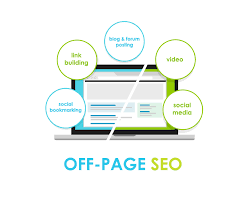
Mastering On-Site SEO: Optimising Your Website for Success
The Importance of On-Site SEO for Your Website
Search Engine Optimization (SEO) is a crucial aspect of any successful digital marketing strategy. While many factors contribute to a website’s search engine ranking, on-site SEO plays a significant role in determining how well your site performs in search results.
What is On-Site SEO?
On-Site SEO refers to the optimization of elements on your website to improve its visibility and relevance to search engines. This includes optimizing content, meta tags, headings, images, URLs, and internal linking structure. By focusing on on-site SEO, you can make your website more user-friendly and easier for search engines to crawl and index.
The Benefits of On-Site SEO
Effective on-site SEO can have a range of benefits for your website:
- Improved Search Engine Ranking: By optimising your website’s on-site elements, you can increase its chances of ranking higher in search engine results pages (SERPs).
- Enhanced User Experience: A well-optimized website is easier to navigate and provides valuable information to visitors, resulting in a better user experience.
- Increased Organic Traffic: Higher search engine rankings lead to increased organic traffic to your site, as more users are likely to click on websites that appear at the top of the search results.
- Better Conversion Rates: When users find what they are looking for quickly and easily on your site, they are more likely to convert into customers or leads.
Key Elements of On-Site SEO
Some key elements that you should focus on when optimizing your website for search engines include:
- Title Tags: Ensure that each page has a unique and descriptive title tag that includes relevant keywords.
- Meta Descriptions: Write compelling meta descriptions that accurately describe the content of each page and encourage users to click through.
- Heading Tags: Use heading tags (H1-H6) to structure your content logically and make it easier for both users and search engines to understand.
- Optimised URLs: Create clean and descriptive URLs that include relevant keywords related to the page’s content.
- Quality Content: Produce high-quality, relevant content that provides value to your audience and incorporates targeted keywords naturally.
In Conclusion
In today’s competitive online landscape, investing time and effort into on-site SEO is essential for improving your website’s visibility, attracting organic traffic, and ultimately driving business growth. By implementing best practices for on-site optimization, you can enhance the performance of your website in search engine results and provide a better experience for your visitors.
If you’re looking to boost your website’s performance through effective on-site SEO strategies, consider partnering with an experienced digital marketing agency that specialises in SEO services. With their expertise and guidance, you can take your online presence to new heights and achieve sustainable success in the digital realm.
8 Essential On-Site SEO Tips for Boosting Your Website’s Visibility
- Optimize your page titles with relevant keywords.
- Create unique and descriptive meta descriptions for each page.
- Use headings (H1, H2, etc.) to structure your content and include keywords.
- Optimize your images by using descriptive filenames and alt text.
- Ensure fast loading speed by optimizing images, minifying CSS/JS, and using caching.
- Create a user-friendly URL structure that includes relevant keywords.
- Internal linking is important. Link related pages within your site to each other.
- Regularly update and add fresh content to keep your site relevant.
Optimize your page titles with relevant keywords.
To enhance your on-site SEO, it is crucial to optimise your page titles with relevant keywords. By incorporating targeted keywords into your page titles, you can improve the visibility of your website in search engine results and attract more organic traffic. Ensuring that your page titles accurately reflect the content of the page and include relevant keywords helps search engines understand the context of your pages, ultimately leading to higher rankings and increased visibility for your website.
Create unique and descriptive meta descriptions for each page.
Creating unique and descriptive meta descriptions for each page is a fundamental aspect of on-site SEO. These concise summaries not only provide search engines with valuable information about the content of your pages but also serve as a compelling snippet that entices users to click through to your website. By crafting custom meta descriptions that accurately reflect the essence of each page and incorporate relevant keywords, you can improve your site’s visibility in search results and enhance user engagement. Remember, a well-crafted meta description can make a significant difference in attracting organic traffic and driving conversions on your website.
Use headings (H1, H2, etc.) to structure your content and include keywords.
Utilising headings (H1, H2, etc.) to organise your content is a crucial on-site SEO tip. By incorporating relevant keywords into your headings, you not only make your content more structured and readable for users but also signal to search engines the key topics of your page. This practice helps improve the overall SEO performance of your website by enhancing keyword relevance and providing a clear hierarchy of information that both users and search engines can easily navigate.
Optimize your images by using descriptive filenames and alt text.
To enhance your on-site SEO, it is crucial to optimise your images effectively. By using descriptive filenames and alt text for your images, you can improve their visibility and relevance to search engines. Descriptive filenames should include relevant keywords that accurately describe the image content, while alt text provides a text alternative for visually impaired users and further helps search engines understand the context of the image. By implementing these best practices, you can boost your website’s SEO performance and provide a better user experience for all visitors.
Ensure fast loading speed by optimizing images, minifying CSS/JS, and using caching.
To enhance your website’s on-site SEO performance, it is crucial to prioritise fast loading speed. By optimising images, minifying CSS/JS files, and implementing caching mechanisms, you can significantly improve your site’s loading times. Optimised images reduce file sizes without compromising quality, while minifying CSS/JS code streamlines the codebase for faster rendering. Additionally, caching stores frequently accessed data locally, reducing server load and speeding up page load times. These practices not only enhance user experience but also signal to search engines that your site is well-optimised and user-friendly, ultimately improving your search engine rankings.
Create a user-friendly URL structure that includes relevant keywords.
When focusing on on-site SEO, it is essential to create a user-friendly URL structure that incorporates relevant keywords. By crafting URLs that are descriptive, concise, and contain targeted keywords related to the page’s content, you not only make it easier for search engines to understand your website but also enhance the user experience. A well-optimised URL structure can improve your site’s visibility in search results and increase the likelihood of attracting organic traffic from users actively searching for the information or products you offer.
Internal linking is important. Link related pages within your site to each other.
Internal linking is a crucial aspect of on-site SEO. By linking related pages within your website to each other, you can create a logical and interconnected structure that not only helps users navigate your site more easily but also signals to search engines the relevance and importance of those pages. This practice can improve the overall user experience, encourage visitors to explore more of your content, and enhance the authority and visibility of your website in search engine results. Effective internal linking is a simple yet powerful strategy that can have a significant impact on your site’s SEO performance.
Regularly update and add fresh content to keep your site relevant.
To maintain the relevance of your website and improve its search engine visibility, it is essential to regularly update and add fresh content. By consistently refreshing your site with new information, articles, blog posts, or other relevant content, you not only engage your audience but also signal to search engines that your website is active and up-to-date. This practice can help boost your site’s ranking in search results and attract more organic traffic over time. Remember, providing valuable and timely content is key to establishing credibility with both users and search engines alike.