off site seo

Mastering the Art of Off-Site SEO: Boost Your Online Presence Today!

The Power of Off-Site SEO in Boosting Your Online Presence

The Power of Off-Site SEO in Boosting Your Online Presence

Search Engine Optimization (SEO) is a crucial aspect of any successful digital marketing strategy. While on-site SEO focuses on optimizing your website’s content and structure, off-site SEO plays an equally important role in improving your online visibility and driving organic traffic to your site.

What is Off-Site SEO?

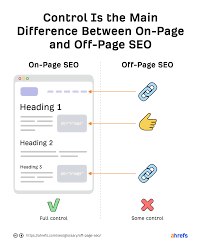
Off-site SEO refers to all the activities that take place outside of your website but have a direct impact on your search engine rankings. This includes building high-quality backlinks, establishing a strong social media presence, and engaging with influencers in your industry.

The Importance of Off-Site SEO

Off-site SEO is essential for several reasons:

  • Backlinks: Backlinks from reputable websites act as votes of confidence for your site, signalling to search engines that your content is valuable and trustworthy.
  • Brand Authority: By being mentioned on authoritative sites and social media platforms, you can establish yourself as an industry leader and build credibility with your audience.
  • Increase Traffic: A well-executed off-site SEO strategy can drive more organic traffic to your site, leading to higher conversion rates and improved ROI.
  • Improved Search Rankings: Search engines like Google consider off-site factors when determining where your site ranks in search results. By focusing on off-site SEO, you can improve your chances of appearing higher in SERPs.

Effective Off-Site SEO Techniques

To make the most of off-site SEO, consider implementing the following techniques:

  1. Link Building: Focus on acquiring high-quality backlinks from relevant websites in your industry. Guest posting, influencer collaborations, and broken link building are effective strategies for building a strong backlink profile.
  2. Social Media Engagement: Actively engage with your audience on social media platforms to increase brand awareness and drive traffic to your site. Share valuable content, participate in conversations, and respond to comments and messages promptly.
  3. Online PR: Develop relationships with journalists and bloggers to secure press coverage for your brand. Being featured in reputable publications can significantly boost your online reputation and visibility.
  4. Influencer Marketing: Collaborate with influencers who align with your brand values to reach a wider audience and gain credibility within your niche. Influencers can help amplify your message and drive engagement with their followers.

In conclusion, off-site SEO is a critical component of a comprehensive digital marketing strategy. By focusing on building a strong online presence through effective off-site techniques, you can improve your search rankings, attract more organic traffic, and ultimately achieve greater success online.


Seven Essential Off-Site SEO Tips to Boost Your Website’s Visibility

  1. Create high-quality and relevant content for off-site platforms.
  2. Build backlinks from reputable and authoritative websites to improve your site’s credibility.
  3. Utilize social media platforms to promote your website and engage with users.
  4. Submit your website to online directories and listings to increase visibility.
  5. Participate in guest blogging on relevant websites to reach a wider audience.
  6. Monitor your off-site SEO performance regularly using tools like Google Analytics and Search Console.
  7. Stay updated with the latest SEO trends and algorithm changes to adjust your strategy accordingly.

Create high-quality and relevant content for off-site platforms.

Creating high-quality and relevant content for off-site platforms is a crucial tip in off-site SEO. By crafting engaging and informative content that resonates with your target audience, you can attract more organic traffic, build credibility, and earn valuable backlinks from authoritative websites. Whether it’s guest blog posts, social media updates, or press releases, ensuring that your content adds value and aligns with the interests of your audience can significantly enhance your online presence and contribute to improved search engine rankings.

To enhance your site’s credibility and boost its search engine ranking, it is essential to focus on building backlinks from reputable and authoritative websites. These high-quality backlinks serve as endorsements of your content’s value and trustworthiness in the eyes of search engines. By establishing a network of strong backlinks from respected sources, you can not only improve your site’s credibility but also increase its visibility and organic traffic, ultimately contributing to the overall success of your off-site SEO strategy.

Utilize social media platforms to promote your website and engage with users.

Utilising social media platforms is a powerful strategy in off-site SEO. By actively promoting your website and engaging with users on platforms such as Facebook, Twitter, Instagram, and LinkedIn, you can increase brand visibility, drive traffic to your site, and foster meaningful connections with your audience. Sharing valuable content, responding to comments and messages promptly, and participating in relevant conversations can not only enhance your online presence but also improve your website’s authority and credibility in the eyes of search engines. Embracing social media as part of your off-site SEO efforts can lead to long-term benefits for your digital marketing strategy.

Submit your website to online directories and listings to increase visibility.

Submitting your website to online directories and listings is a valuable off-site SEO strategy that can significantly enhance your online visibility. By listing your site on relevant directories, you increase the chances of being discovered by potential customers searching for products or services in your industry. These directories act as digital signposts, directing traffic to your website and improving your overall search engine rankings. Additionally, being listed on reputable directories can boost your credibility and authority within your niche, further strengthening your online presence.

Participate in guest blogging on relevant websites to reach a wider audience.

Participating in guest blogging on relevant websites is a valuable off-site SEO strategy that can help you expand your online reach and attract a broader audience. By contributing high-quality content to websites in your industry or niche, you not only showcase your expertise but also gain exposure to a new set of readers who may be interested in your products or services. Guest blogging allows you to build backlinks to your site, establish credibility within your industry, and drive organic traffic through the power of collaboration and shared knowledge.

Monitor your off-site SEO performance regularly using tools like Google Analytics and Search Console.

Monitoring your off-site SEO performance regularly using tools like Google Analytics and Search Console is essential for evaluating the effectiveness of your digital marketing efforts. By analysing key metrics such as website traffic, backlink quality, and referral sources, you can gain valuable insights into how well your off-site strategies are performing. These tools provide valuable data that can help you identify areas for improvement, track the impact of your campaigns, and make informed decisions to enhance your online visibility and search engine rankings. Consistent monitoring allows you to adapt your off-site SEO tactics proactively, ensuring that you stay on course towards achieving your digital marketing goals.

To maximise the effectiveness of your off-site SEO efforts, it is crucial to stay informed about the latest SEO trends and algorithm updates. By keeping abreast of industry changes, you can adapt your strategy to align with search engine requirements and stay ahead of the competition. Regularly monitoring and adjusting your approach based on these developments will help ensure that your off-site SEO activities remain effective and continue to drive positive results for your online presence.
onsite seo

Mastering On-Site SEO Techniques for Enhanced Website Visibility

The Importance of On-Site SEO for Your Website

The Importance of On-Site SEO for Your Website

Search Engine Optimization (SEO) is a crucial aspect of any successful online presence. While off-site SEO strategies like link building are essential, on-site SEO plays a fundamental role in ensuring that your website is search engine friendly and ranks well in search results.

What is On-Site SEO?

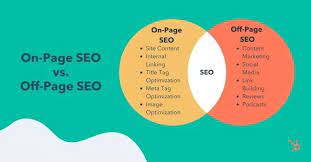
On-site SEO refers to the optimization of elements on your website to improve its visibility and relevance to search engines. This includes optimizing content, meta tags, headings, images, URLs, and internal linking structure. By fine-tuning these on-site elements, you can enhance your website’s chances of ranking higher in search engine results pages (SERPs).

The Benefits of On-Site SEO

Implementing effective on-site SEO practices offers several benefits for your website:

  • Improved Search Engine Rankings: By optimizing your website’s on-site elements, you increase its chances of ranking higher in search results for relevant keywords.
  • Enhanced User Experience: A well-optimized website provides a better user experience, leading to increased engagement and lower bounce rates.
  • Increased Organic Traffic: Higher rankings in search results can drive more organic traffic to your website, resulting in greater visibility and potential conversions.
  • Better Crawlability: Optimized on-site elements make it easier for search engine crawlers to navigate and index your site effectively.
  • Competitive Advantage: By investing in on-site SEO, you stay ahead of competitors and establish a strong online presence.

Key On-Site SEO Practices

To maximise the benefits of on-site SEO, consider implementing the following key practices:

  1. Keyword Optimization: Conduct keyword research and strategically place relevant keywords throughout your content.
  2. Title Tags and Meta Descriptions: Write compelling title tags and meta descriptions that accurately reflect the content of each page.
  3. User-Friendly URLs: Create clean and descriptive URLs that are easy for users and search engines to understand.
  4. Optimized Images: Use descriptive alt text and file names for images to improve accessibility and relevance.
  5. Maintain Site Structure: Ensure a logical site structure with clear navigation paths for both users and search engines.
  6. Create Quality Content: Produce high-quality, relevant content that engages users and provides value.

In Conclusion

Incorporating effective on-site SEO practices into your website is crucial for improving its visibility, attracting organic traffic, and achieving higher rankings in search results. By focusing on optimizing key elements such as content, meta tags, URLs, images, and internal linking structure, you can enhance both user experience and search engine performance. Invest time and effort into refining your on-site SEO strategy to reap the long-term benefits it brings to your online presence.


9 Essential Onsite SEO Tips for Boosting Your Website’s Performance

  1. 1. Ensure your website is mobile-friendly for better user experience and SEO.
  2. 2. Optimise your page titles and meta descriptions with relevant keywords.
  3. 3. Create high-quality, original content that provides value to your audience.
  4. 4. Use descriptive alt text for images to improve accessibility and SEO.
  5. 5. Improve site speed by compressing images and minifying code.
  6. 6. Utilise internal linking to help search engines navigate your site’s content.
  7. 7. Include keywords in headings (H1, H2) to signal the topic of each section.
  8. 8. Regularly update and maintain your website to keep it fresh and relevant.
  9. 9. Monitor performance with tools like Google Analytics to track progress and make data-driven decisions.

1. Ensure your website is mobile-friendly for better user experience and SEO.

Ensuring that your website is mobile-friendly is a crucial aspect of on-site SEO. With the increasing number of users accessing the internet via mobile devices, having a responsive and mobile-optimised website is essential for providing a seamless user experience. Not only does a mobile-friendly site enhance user satisfaction, but it also positively impacts your SEO efforts. Search engines like Google prioritise mobile-friendly websites in their rankings, making it easier for your site to be discovered by a wider audience. By prioritising mobile responsiveness, you not only improve user engagement but also boost your website’s visibility in search engine results pages.

2. Optimise your page titles and meta descriptions with relevant keywords.

To enhance your on-site SEO performance, it is crucial to optimise your page titles and meta descriptions by incorporating relevant keywords. By strategically including targeted keywords in these elements, you can improve the visibility and relevance of your web pages in search engine results. Crafting compelling page titles and meta descriptions that accurately reflect the content of your pages while incorporating key keywords can significantly boost your website’s search engine rankings and attract more organic traffic.

3. Create high-quality, original content that provides value to your audience.

Creating high-quality, original content that offers genuine value to your target audience is a cornerstone of effective on-site SEO. By producing engaging and informative content that resonates with your visitors, you not only enhance user experience but also establish your website as a valuable resource in the eyes of search engines. Quality content not only attracts and retains visitors but also boosts your site’s credibility and authority, ultimately contributing to improved search engine rankings and organic traffic growth.

4. Use descriptive alt text for images to improve accessibility and SEO.

Utilising descriptive alt text for images is a valuable on-site SEO practice that serves a dual purpose: enhancing website accessibility for visually impaired users and improving search engine optimisation. By providing detailed alt text that accurately describes the content of images, you not only make your website more inclusive and user-friendly but also help search engines understand the context of the visuals on your site. This simple yet effective strategy can significantly boost your website’s overall accessibility and SEO performance.

5. Improve site speed by compressing images and minifying code.

To enhance your on-site SEO performance, a valuable tip is to focus on improving site speed by compressing images and minifying code. By reducing the file sizes of images through compression techniques and streamlining the code through minification, you can significantly boost your website’s loading times. Faster loading speeds not only improve user experience but also signal to search engines that your site is efficient and user-friendly, potentially leading to higher rankings in search results. Implementing these practices can have a positive impact on both SEO and overall website performance.

6. Utilise internal linking to help search engines navigate your site’s content.

Utilising internal linking is a valuable on-site SEO strategy that can significantly enhance your website’s visibility and search engine performance. By strategically linking relevant pages within your site, you not only help search engines navigate and index your content more effectively but also improve user experience by guiding visitors to related information. Internal linking establishes a logical hierarchy and connection between different pages, ultimately boosting the overall SEO value of your website.

7. Include keywords in headings (H1, H2) to signal the topic of each section.

In on-site SEO, it is essential to include keywords in headings (H1, H2) to effectively signal the topic of each section. By incorporating relevant keywords into headings, you not only provide search engines with valuable information about the content of your page but also make it easier for users to understand the main topics covered. This practice helps improve the overall structure and readability of your website while enhancing its visibility in search engine results.

8. Regularly update and maintain your website to keep it fresh and relevant.

Regularly updating and maintaining your website is a crucial aspect of on-site SEO. By keeping your content fresh and relevant, you signal to search engines that your site is active and up-to-date, which can positively impact your search rankings. Updating your website with new information, blog posts, or product updates not only engages visitors but also encourages search engine crawlers to index your site more frequently. This practice demonstrates to both users and search engines that you are committed to providing valuable and current content, ultimately contributing to the overall success of your SEO efforts.

9. Monitor performance with tools like Google Analytics to track progress and make data-driven decisions.

Monitoring performance using tools such as Google Analytics is a vital aspect of effective on-site SEO. By tracking key metrics and analysing data, website owners can gain valuable insights into the performance of their site and user behaviour. This data-driven approach enables informed decision-making, allowing for adjustments and refinements to be made based on real-time information. Regularly monitoring performance metrics not only helps in assessing the effectiveness of SEO strategies but also guides future optimisation efforts to enhance overall website performance and visibility in search engine results.