Maximising Website Visibility Through SEO On-Page Optimization
The Importance of SEO On-Page Optimization
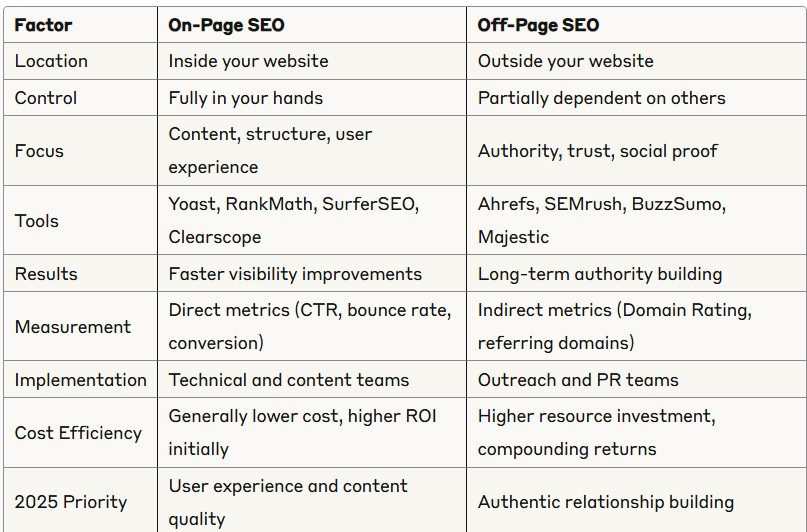
Search Engine Optimization (SEO) is crucial for any website looking to rank higher in search engine results pages. While off-page factors like backlinks are important, on-page optimization plays a significant role in improving your site’s visibility and relevance to search engines.
What is On-Page Optimization?
On-page optimization refers to the practice of optimizing individual web pages to improve their search engine rankings and attract more organic traffic. This includes optimizing content, meta tags, images, URLs, and internal linking structure.
Key Elements of On-Page SEO
Title Tags: These are HTML elements that specify the title of a web page. It should be relevant to the content on the page and contain targeted keywords.
Meta Descriptions: A meta description is a brief summary of the page’s content that appears in search engine results. It should be compelling and include relevant keywords.
Heading Tags: Proper use of heading tags (H1, H2, H3, etc.) helps search engines understand the structure and hierarchy of your content.
Keyword Optimization: Including relevant keywords naturally throughout your content helps search engines understand what your page is about.
Image Optimization: Optimizing images with descriptive filenames and alt text can improve accessibility and help search engines index your visual content.
Tips for Effective On-Page Optimization
- Create high-quality, relevant content that provides value to users.
- Avoid keyword stuffing and focus on natural language that reads well for humans.
- Optimize page loading speed for better user experience and search engine rankings.
- Create SEO-friendly URLs that are descriptive and include targeted keywords.
The Bottom Line
In conclusion, on-page optimization is a fundamental aspect of SEO that can significantly impact your website’s visibility in search results. By implementing best practices and continuously monitoring performance, you can enhance your site’s relevance and authority in the eyes of both users and search engines.
Six Essential Tips for Effective On-Page SEO Optimisation
- Perform keyword research to identify relevant keywords for your content.
- Optimise title tags, meta descriptions, and headers with targeted keywords.
- Create high-quality, engaging content that provides value to users.
- Optimise images with descriptive filenames and alt text to improve accessibility and SEO.
- Ensure your website has a clear structure with easy navigation for both users and search engines.
- Regularly monitor and analyse your on-page SEO performance using tools like Google Analytics.
Perform keyword research to identify relevant keywords for your content.
Performing keyword research is a crucial step in on-page optimization for SEO. By conducting thorough keyword research, you can identify the most relevant and high-performing keywords that align with your content. This process helps you understand what terms your target audience is searching for and allows you to strategically incorporate these keywords into your content to improve visibility and attract organic traffic. Effective keyword research lays the foundation for a successful SEO strategy, ensuring that your content is not only engaging but also easily discoverable by search engines.
Optimise title tags, meta descriptions, and headers with targeted keywords.
To enhance your website’s search engine visibility, it is essential to optimise title tags, meta descriptions, and headers by incorporating targeted keywords. By strategically placing relevant keywords in these key elements, you can improve the search engines’ understanding of your content and increase the likelihood of your pages ranking higher in search results. This practice not only helps attract organic traffic but also enhances user experience by providing concise and relevant information in search engine snippets.
Create high-quality, engaging content that provides value to users.
Creating high-quality, engaging content that offers genuine value to users is a cornerstone of effective on-page optimization. By crafting content that resonates with your target audience, you not only enhance user experience but also increase the likelihood of attracting organic traffic and improving search engine rankings. Providing valuable information, insights, or solutions through your content establishes credibility and trust with users, ultimately leading to higher engagement and conversions on your website.
Optimise images with descriptive filenames and alt text to improve accessibility and SEO.
Optimising images with descriptive filenames and alt text is a crucial tip for on-page SEO optimisation. By providing clear and relevant names for images along with informative alt text, websites can enhance both accessibility for users and improve search engine optimisation. This practice not only helps visually impaired users understand the content through screen readers but also allows search engines to better index and rank visual content, ultimately boosting the overall visibility and relevance of the website in search results.
Ensure your website has a clear structure with easy navigation for both users and search engines.
Ensuring that your website has a clear structure with easy navigation is a crucial aspect of on-page optimization. By organising your content in a logical manner and providing intuitive navigation menus, you not only enhance the user experience but also make it easier for search engines to crawl and index your site. A well-structured website improves usability, reduces bounce rates, and increases the likelihood of visitors engaging with your content, ultimately leading to improved search engine rankings and visibility.
Regularly monitor and analyse your on-page SEO performance using tools like Google Analytics.
Regularly monitoring and analysing your on-page SEO performance using tools like Google Analytics is essential for maintaining a successful online presence. By tracking key metrics such as organic traffic, bounce rates, and conversion rates, you can gain valuable insights into how your website is performing and identify areas for improvement. This data-driven approach allows you to make informed decisions about your on-page optimization strategies, ensuring that your site remains competitive in search engine rankings and continues to attract relevant traffic.