landing page seo

Mastering Landing Page SEO Strategies for Enhanced Digital Performance

The Importance of Landing Page SEO

The Importance of Landing Page SEO

In the world of digital marketing, landing pages play a crucial role in converting website visitors into leads or customers. However, having a well-designed landing page is not enough. Optimising your landing page for search engines is equally important to drive organic traffic and maximise conversions. This is where Landing Page SEO comes into play.

What is Landing Page SEO?

Landing Page SEO involves optimising your landing page content, meta tags, images, and overall structure to improve its visibility on search engine results pages (SERPs). By implementing relevant keywords, creating compelling meta descriptions, and ensuring fast loading times, you can enhance your landing page’s chances of ranking higher in search results.

Key Elements of Landing Page SEO

  • Keyword Research: Conduct thorough keyword research to identify high-volume and relevant keywords that align with your landing page content.
  • Meta Tags: Optimise your title tags and meta descriptions with targeted keywords to improve click-through rates from search results.
  • Quality Content: Create engaging and informative content that not only appeals to visitors but also satisfies search engine algorithms.
  • Image Optimisation: Compress images for faster loading times and include descriptive alt text to improve accessibility and SEO.
  • Mobile Responsiveness: Ensure that your landing page is mobile-friendly to cater to users accessing it from various devices.
  • User Experience (UX): Design your landing page for optimal user experience, including easy navigation, clear call-to-action buttons, and fast loading speeds.

The Benefits of Landing Page SEO

Implementing effective Landing Page SEO strategies can yield numerous benefits for your business:

  • Increase Organic Traffic: By ranking higher in search results, you can attract more organic traffic to your landing pages.
  • Improve Conversion Rates: Optimised landing pages are more likely to convert visitors into leads or customers due to their relevance and user-friendly design.
  • Enhance Brand Visibility: Higher visibility on SERPs can boost brand awareness and establish credibility among online users.
  • Better ROI: With targeted traffic and improved conversion rates, you can achieve a higher return on investment from your digital marketing efforts.

In conclusion, investing time and resources in Landing Page SEO is essential for maximising the performance of your digital marketing campaigns. By following best practices and continuously monitoring performance metrics, you can create impactful landing pages that drive organic traffic, engage visitors, and ultimately lead to conversions.


Top 6 Tips for Optimising Landing Page SEO Effectively

  1. 1. Use relevant keywords in the page title and headings.
  2. 2. Write high-quality, engaging content that is easy to read.
  3. 3. Optimize images with descriptive filenames and alt text.
  4. 4. Ensure fast loading speed by optimizing code and image sizes.
  5. 5. Include clear call-to-action buttons for desired user actions.
  6. 6. Test different elements (such as headlines, images, and CTA buttons) to improve conversion rates.

1. Use relevant keywords in the page title and headings.

To enhance your landing page’s SEO performance, it is crucial to incorporate relevant keywords strategically. By using appropriate keywords in the page title and headings, you can effectively communicate the content’s relevance to search engines and users alike. This practice not only improves the page’s visibility in search results but also helps attract targeted traffic looking for specific information or solutions. Ensuring that your landing page titles and headings align with popular search terms can significantly boost organic traffic and increase the likelihood of conversions.

2. Write high-quality, engaging content that is easy to read.

When focusing on Landing Page SEO, it is crucial to adhere to the tip of writing high-quality, engaging content that is easy to read. By crafting compelling content that resonates with visitors and is presented in a clear and accessible manner, you not only enhance user experience but also improve your chances of ranking higher in search engine results. Engaging content that is easy to read not only captures the attention of your audience but also encourages them to stay longer on your landing page, increasing the likelihood of conversions and ultimately contributing to the success of your digital marketing efforts.

3. Optimize images with descriptive filenames and alt text.

To enhance the SEO of your landing page, it is crucial to optimise images by using descriptive filenames and alt text. When search engines crawl your website, they rely on this information to understand the context of your images. By incorporating relevant keywords into your filenames and alt text, you not only improve accessibility for visually impaired users but also increase the chances of your images appearing in search results. This simple yet effective practice can boost the overall visibility and ranking of your landing page, contributing to a more comprehensive SEO strategy.

4. Ensure fast loading speed by optimizing code and image sizes.

To enhance the effectiveness of your landing page SEO, it is crucial to prioritise fast loading speed by optimising both code and image sizes. By streamlining the code structure and compressing images without compromising quality, you can significantly improve user experience and reduce bounce rates. Search engines also favour fast-loading pages, which can positively impact your search rankings. Implementing these optimisation techniques not only enhances the performance of your landing page but also contributes to a seamless browsing experience for visitors, ultimately increasing the likelihood of conversions.

5. Include clear call-to-action buttons for desired user actions.

In the realm of Landing Page SEO, a crucial tip is to include clear call-to-action buttons that prompt users to take desired actions. By strategically placing prominent and enticing call-to-action buttons on your landing page, such as “Sign Up Now” or “Shop Now,” you can guide visitors towards specific goals, whether it’s subscribing to a newsletter, making a purchase, or requesting more information. Clear and compelling calls-to-action not only improve user engagement but also enhance the likelihood of conversions, ultimately boosting the effectiveness of your landing page in achieving its intended objectives.

6. Test different elements (such as headlines, images, and CTA buttons) to improve conversion rates.

To enhance conversion rates on your landing page, it is crucial to conduct A/B testing on various elements such as headlines, images, and call-to-action (CTA) buttons. By testing different variations of these elements, you can gather valuable insights into what resonates best with your audience and drives more conversions. Whether it’s experimenting with compelling headlines that grab attention, selecting visually appealing images that convey your message effectively, or refining CTA buttons for clearer direction, testing allows you to refine your landing page for optimal performance and ultimately improve conversion rates.
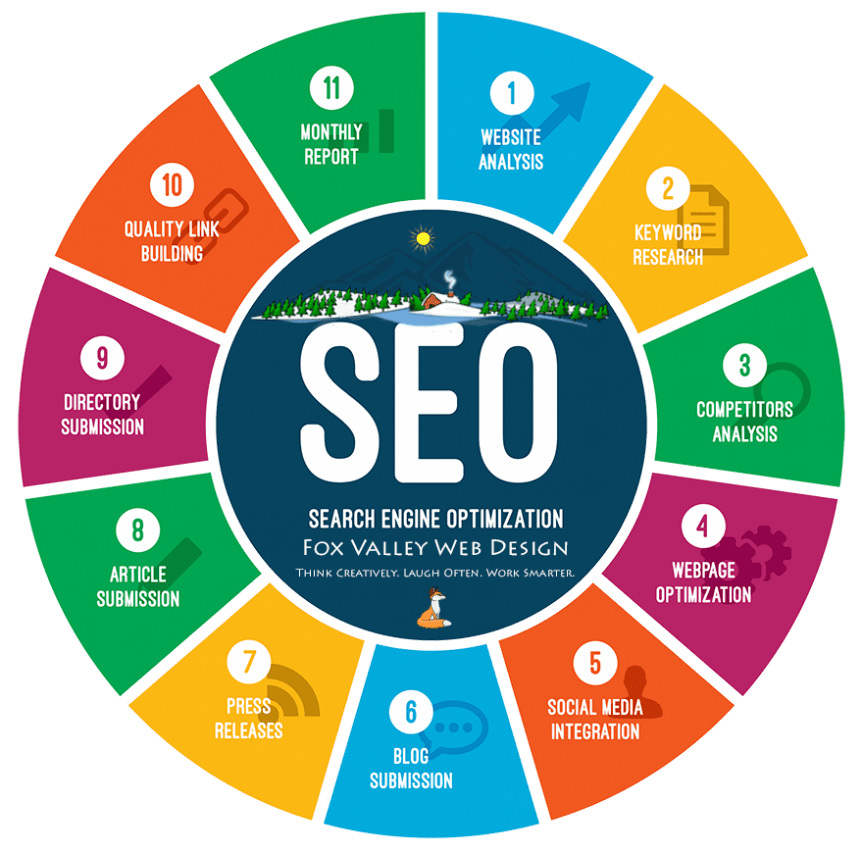
site optimization

Maximising Your Online Presence Through Effective Site Optimization Strategies

Site Optimization: Enhancing Your Online Presence

Site Optimization: Enhancing Your Online Presence

In the digital age, having a strong online presence is crucial for businesses to succeed. Site optimization plays a key role in ensuring that your website is not only visible to your target audience but also provides a seamless user experience. Let’s explore the importance of site optimization and how it can benefit your online presence.

What is Site Optimization?

Site optimization involves making strategic changes to your website to improve its performance, visibility, and user experience. This includes various techniques such as:

  • SEO (Search Engine Optimization): Optimizing your website’s content and structure to rank higher in search engine results.
  • Speed Optimization: Ensuring that your site loads quickly to reduce bounce rates and improve user satisfaction.
  • Mobile Optimization: Making your website responsive and mobile-friendly for users on smartphones and tablets.
  • User Experience (UX) Design: Creating an intuitive and easy-to-navigate interface for visitors.
  • Content Optimization: Crafting high-quality, relevant content that engages users and drives traffic.

The Benefits of Site Optimization

Optimizing your site offers numerous benefits, including:

  • Improved Search Engine Rankings: Higher visibility in search results leads to increased organic traffic.
  • Better User Experience: A well-optimized site enhances user satisfaction and encourages repeat visits.
  • Increased Conversions: Optimized websites are more likely to convert visitors into customers or leads.
  • Faster Loading Times: Quick page speeds reduce bounce rates and improve overall performance.
  • Growth in Online Authority: Quality optimization builds credibility and trust with both users and search engines.

Tips for Effective Site Optimization

To maximise the benefits of site optimization, consider implementing the following strategies:

  1. Create Quality Content: Publish relevant, engaging content that resonates with your target audience.
  2. Optimize Metadata: Use descriptive titles, meta descriptions, and tags to improve search engine visibility.
  3. Simplify Navigation: Ensure easy navigation with clear menus and internal linking structures.


7 Essential Tips for Optimising Your Website’s Performance and Visibility

  1. Optimise images for faster loading times
  2. Use descriptive meta tags for better search engine visibility
  3. Ensure responsive design for mobile compatibility
  4. Minify CSS and JavaScript files to reduce page load times
  5. Implement caching to speed up website performance
  6. Optimise server response time by reducing unnecessary scripts or plugins
  7. Regularly monitor and analyse website performance metrics

Optimise images for faster loading times

Optimising images for faster loading times is a crucial aspect of site optimization. By resizing images, compressing file sizes, and using appropriate formats, you can significantly improve the speed at which your website loads. This not only enhances user experience by reducing wait times but also positively impacts your site’s SEO performance, as faster-loading pages are favoured by search engines. Prioritising image optimisation ensures that your website remains efficient and user-friendly, ultimately leading to higher engagement and better overall performance.

Use descriptive meta tags for better search engine visibility

When it comes to site optimization, utilising descriptive meta tags is a crucial strategy for enhancing search engine visibility. By crafting informative and relevant meta titles and descriptions, you provide search engines with valuable information about the content of your web pages. This not only helps search engines understand the context of your site but also entices users to click through to your website by displaying compelling snippets in search results. Effective use of meta tags can significantly improve your website’s discoverability and attract more organic traffic, ultimately contributing to the overall success of your online presence.

Ensure responsive design for mobile compatibility

In the realm of site optimization, a crucial tip is to ensure responsive design for mobile compatibility. With the increasing number of users accessing websites on mobile devices, it is imperative that your site adapts seamlessly to different screen sizes and resolutions. By implementing a responsive design approach, you not only enhance user experience but also improve your site’s visibility in search engine rankings. This strategy not only caters to the needs of mobile users but also demonstrates a commitment to providing a user-friendly experience across all devices, ultimately leading to increased engagement and conversions.

Minify CSS and JavaScript files to reduce page load times

Minifying CSS and JavaScript files is a crucial tip in site optimization to enhance page load times. By removing unnecessary white spaces, comments, and redundant code from these files, the overall file sizes are reduced, leading to faster loading speeds for your website. This optimization technique not only improves user experience by providing quicker access to content but also contributes to better search engine rankings, as site speed is a key factor in search algorithms. Implementing minification of CSS and JavaScript files is a simple yet effective way to boost your website’s performance and ensure a seamless browsing experience for visitors.

Implement caching to speed up website performance

Implementing caching is a highly effective tip for site optimization that can significantly improve website performance. By storing frequently accessed data or web pages in a cache, users experience faster loading times when they revisit the site. This not only enhances user experience but also reduces server load and bandwidth usage, leading to improved overall efficiency. Caching is a smart way to speed up your website and ensure that visitors have a seamless browsing experience, ultimately boosting engagement and satisfaction levels.

Optimise server response time by reducing unnecessary scripts or plugins

To enhance site performance and user experience, it is crucial to optimise server response time by minimising unnecessary scripts or plugins. By reducing the number of extraneous elements that need to load, such as unused scripts or plugins, websites can improve their loading speed and overall responsiveness. This streamlined approach not only benefits SEO rankings but also ensures that visitors have a smoother browsing experience, leading to higher engagement and satisfaction.

Regularly monitor and analyse website performance metrics

Regularly monitoring and analysing website performance metrics is a critical aspect of effective site optimization. By keeping a close eye on key indicators such as page load times, bounce rates, conversion rates, and traffic sources, businesses can gain valuable insights into how their website is performing and identify areas for improvement. This data-driven approach allows for informed decision-making and enables continuous refinement of the site to enhance user experience, increase visibility in search results, and ultimately drive better results for the business.