gatsby seo

Mastering Gatsby SEO: Elevate Your Website’s Visibility with Optimisation Strategies

The Power of Gatsby SEO: Optimising Your Website for Success

The Power of Gatsby SEO: Optimising Your Website for Success

When it comes to building a successful online presence, search engine optimisation (SEO) plays a crucial role. Gatsby, a popular static site generator, offers powerful capabilities that can supercharge your SEO efforts and help your website rank higher in search engine results.

What is Gatsby?

Gatsby is a modern web development framework based on React that allows you to build blazing-fast websites and applications. Its unique selling point lies in its ability to generate static websites that are incredibly performant and SEO-friendly.

Why Choose Gatsby for SEO?

Here are some key reasons why Gatsby is an excellent choice for enhancing your website’s SEO:

  • Speed: Gatsby generates static files that load quickly, providing a seamless user experience. Site speed is a crucial ranking factor for search engines like Google.
  • Performance: With Gatsby’s optimised code and preloading capabilities, your website can deliver top-notch performance, which can positively impact your search engine rankings.
  • Server-side Rendering (SSR): Gatsby offers SSR support, enabling search engines to crawl and index your content more efficiently, leading to better visibility in search results.
  • SEO Plugins: Gatsby provides plugins such as gatsby-plugin-react-helmet that allow you to easily manage metadata like title tags, meta descriptions, and Open Graph tags for improved SEO.

Gatsby SEO Best Practices

To make the most of Gatsby’s SEO capabilities, consider implementing the following best practices:

  1. Keyword Research: Conduct thorough keyword research to identify relevant keywords for your content and incorporate them strategically throughout your website.
  2. Title Tags & Meta Descriptions: Use descriptive title tags and compelling meta descriptions to improve click-through rates from search engine results pages (SERPs).
  3. Optimised Images: Compress images for faster loading times and include descriptive alt text to improve accessibility and SEO.
  4. Sitemap Submission: Create an XML sitemap of your website’s pages and submit it to search engines like Google to ensure all content gets indexed.

In Conclusion

Gatsby’s robust features make it an ideal platform for boosting your website’s SEO performance. By leveraging its speed, performance, and SEO-friendly architecture, you can enhance your online visibility and attract more organic traffic. Invest in optimising your Gatsby site for SEO success and watch as your rankings soar!


Enhancing SEO with Gatsby: 6 Advantages for Superior Website Performance and Visibility

  1. Blazing-fast website speed enhances user experience and SEO rankings.
  2. Optimised code and preloading capabilities improve overall site performance.
  3. Server-side Rendering (SSR) support aids search engine crawling and indexing.
  4. SEO plugins like gatsby-plugin-react-helmet simplify metadata management for better SEO.
  5. Easy implementation of keyword research to strategically incorporate relevant terms.
  6. Efficient handling of title tags, meta descriptions, and image optimisation for enhanced visibility.


Challenges of Gatsby SEO: Navigating Complexity, Dynamic Content Limitations, and Plugin Dependencies

  1. Steep Learning Curve
  2. Limited Dynamic Content
  3. Plugin Dependency
  4. Build Time Overhead
  5. SEO Plugin Management

Blazing-fast website speed enhances user experience and SEO rankings.

Achieving blazing-fast website speed through Gatsby SEO not only elevates the user experience by providing swift and seamless navigation but also significantly boosts SEO rankings. Search engines like Google prioritise websites that load quickly and offer a smooth browsing experience to users. By harnessing Gatsby’s speed capabilities, websites can improve their performance metrics, leading to higher visibility in search engine results pages and ultimately driving more organic traffic to the site.

Optimised code and preloading capabilities improve overall site performance.

The optimised code and preloading capabilities offered by Gatsby SEO are instrumental in enhancing the overall performance of a website. By generating static files that load quickly and efficiently, Gatsby ensures a seamless user experience that not only pleases visitors but also aligns with search engine preferences for fast-loading websites. This improved site performance not only enhances user engagement but also contributes to better search engine rankings, ultimately driving more organic traffic to the site.

Server-side Rendering (SSR) support aids search engine crawling and indexing.

One of the key advantages of utilising Gatsby for SEO is its support for Server-side Rendering (SSR). This feature significantly benefits website owners by facilitating search engine crawling and indexing processes. With SSR support, Gatsby enables search engines to efficiently access and analyse website content, leading to improved visibility in search results. By leveraging this capability, businesses can enhance their online presence and attract a larger audience through enhanced search engine rankings.

SEO plugins like gatsby-plugin-react-helmet simplify metadata management for better SEO.

One of the key advantages of utilising Gatsby for SEO is the availability of plugins such as gatsby-plugin-react-helmet, which streamline the management of metadata for enhanced search engine optimisation. By leveraging this plugin, website owners can easily control crucial elements like title tags, meta descriptions, and Open Graph tags, ensuring that their content is optimised for better visibility in search engine results. This simplified metadata management process not only saves time but also empowers users to fine-tune their SEO strategies effectively, ultimately leading to improved search engine rankings and increased organic traffic.

Easy implementation of keyword research to strategically incorporate relevant terms.

One of the key advantages of utilising Gatsby for SEO is its seamless integration of keyword research into your website’s content strategy. With Gatsby, implementing relevant keywords strategically becomes a straightforward process, allowing you to optimise your site for search engines effectively. By easily incorporating these targeted terms throughout your content, you can enhance your website’s visibility and attract a more qualified audience interested in what your site has to offer.

Efficient handling of title tags, meta descriptions, and image optimisation for enhanced visibility.

One of the key advantages of using Gatsby for SEO is its efficient handling of crucial elements such as title tags, meta descriptions, and image optimisation. By seamlessly managing these aspects, Gatsby ensures that your website’s content is not only visually appealing but also optimised for enhanced visibility in search engine results. This proactive approach to SEO essentials helps improve your website’s ranking potential and increases the likelihood of attracting organic traffic, ultimately boosting your online presence and engagement with your target audience.

Steep Learning Curve

One notable drawback of utilising Gatsby for SEO is its steep learning curve. The intricate setup and configuration of Gatsby can pose a challenge for individuals who are new to the platform, potentially requiring a substantial investment of time and effort to grasp its nuances. This complexity may deter beginners from fully harnessing the SEO capabilities that Gatsby offers, hindering their ability to optimise their websites effectively for search engine visibility.

Limited Dynamic Content

One drawback of utilising Gatsby for SEO is its limitation in handling dynamic content effectively. Gatsby excels in generating static websites, which may pose challenges for projects that heavily rely on dynamic content. Websites with frequent updates or interactive elements may find Gatsby less suitable due to its static nature, potentially hindering the seamless integration of dynamic features that enhance user engagement and functionality. Consideration of the balance between static and dynamic content requirements is essential when deciding whether Gatsby is the optimal choice for a particular project’s SEO strategy.

Plugin Dependency

An important drawback of Gatsby SEO is the potential con of plugin dependency. While plugins offer valuable functionality and convenience, over-reliance on them can introduce compatibility issues or create a reliance on third-party code. This reliance may pose risks such as plugin updates affecting site performance or compatibility issues arising with future versions of Gatsby. It is essential for website owners to carefully evaluate the necessity and impact of each plugin to mitigate the risks associated with plugin dependency in Gatsby SEO implementations.

Build Time Overhead

One drawback of utilising Gatsby for SEO is the build time overhead it may introduce. Although Gatsby excels in producing fast-loading static websites, larger projects can experience extended build times due to the intricacies involved in the build process. This delay in generating the site can potentially impact productivity and hinder swift updates or changes to the website, especially for complex and extensive projects. It is essential for developers and website owners to consider this aspect when weighing the pros and cons of implementing Gatsby for SEO purposes.

SEO Plugin Management

When utilising Gatsby for SEO purposes, one potential drawback is the management of SEO plugins. This task may demand extra time and expertise to guarantee that the plugins are configured correctly for optimal performance and desired outcomes. Ensuring that the SEO plugins are effectively integrated and maintained within the Gatsby framework can be a more intricate process compared to traditional content management systems, requiring a careful balance of technical proficiency and strategic insight to maximise their effectiveness in enhancing search engine visibility.
site optimization

Maximising Your Online Presence Through Effective Site Optimization Strategies

Site Optimization: Enhancing Your Online Presence

Site Optimization: Enhancing Your Online Presence

In the digital age, having a strong online presence is crucial for businesses to succeed. Site optimization plays a key role in ensuring that your website is not only visible to your target audience but also provides a seamless user experience. Let’s explore the importance of site optimization and how it can benefit your online presence.

What is Site Optimization?

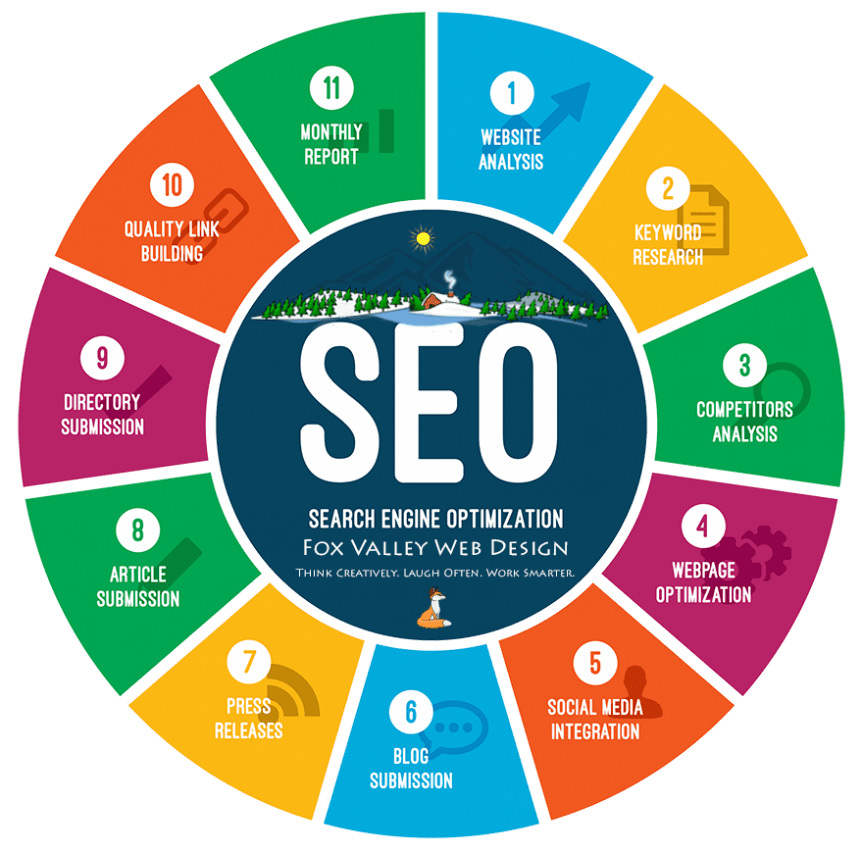
Site optimization involves making strategic changes to your website to improve its performance, visibility, and user experience. This includes various techniques such as:

  • SEO (Search Engine Optimization): Optimizing your website’s content and structure to rank higher in search engine results.
  • Speed Optimization: Ensuring that your site loads quickly to reduce bounce rates and improve user satisfaction.
  • Mobile Optimization: Making your website responsive and mobile-friendly for users on smartphones and tablets.
  • User Experience (UX) Design: Creating an intuitive and easy-to-navigate interface for visitors.
  • Content Optimization: Crafting high-quality, relevant content that engages users and drives traffic.

The Benefits of Site Optimization

Optimizing your site offers numerous benefits, including:

  • Improved Search Engine Rankings: Higher visibility in search results leads to increased organic traffic.
  • Better User Experience: A well-optimized site enhances user satisfaction and encourages repeat visits.
  • Increased Conversions: Optimized websites are more likely to convert visitors into customers or leads.
  • Faster Loading Times: Quick page speeds reduce bounce rates and improve overall performance.
  • Growth in Online Authority: Quality optimization builds credibility and trust with both users and search engines.

Tips for Effective Site Optimization

To maximise the benefits of site optimization, consider implementing the following strategies:

  1. Create Quality Content: Publish relevant, engaging content that resonates with your target audience.
  2. Optimize Metadata: Use descriptive titles, meta descriptions, and tags to improve search engine visibility.
  3. Simplify Navigation: Ensure easy navigation with clear menus and internal linking structures.


7 Essential Tips for Optimising Your Website’s Performance and Visibility

  1. Optimise images for faster loading times
  2. Use descriptive meta tags for better search engine visibility
  3. Ensure responsive design for mobile compatibility
  4. Minify CSS and JavaScript files to reduce page load times
  5. Implement caching to speed up website performance
  6. Optimise server response time by reducing unnecessary scripts or plugins
  7. Regularly monitor and analyse website performance metrics

Optimise images for faster loading times

Optimising images for faster loading times is a crucial aspect of site optimization. By resizing images, compressing file sizes, and using appropriate formats, you can significantly improve the speed at which your website loads. This not only enhances user experience by reducing wait times but also positively impacts your site’s SEO performance, as faster-loading pages are favoured by search engines. Prioritising image optimisation ensures that your website remains efficient and user-friendly, ultimately leading to higher engagement and better overall performance.

Use descriptive meta tags for better search engine visibility

When it comes to site optimization, utilising descriptive meta tags is a crucial strategy for enhancing search engine visibility. By crafting informative and relevant meta titles and descriptions, you provide search engines with valuable information about the content of your web pages. This not only helps search engines understand the context of your site but also entices users to click through to your website by displaying compelling snippets in search results. Effective use of meta tags can significantly improve your website’s discoverability and attract more organic traffic, ultimately contributing to the overall success of your online presence.

Ensure responsive design for mobile compatibility

In the realm of site optimization, a crucial tip is to ensure responsive design for mobile compatibility. With the increasing number of users accessing websites on mobile devices, it is imperative that your site adapts seamlessly to different screen sizes and resolutions. By implementing a responsive design approach, you not only enhance user experience but also improve your site’s visibility in search engine rankings. This strategy not only caters to the needs of mobile users but also demonstrates a commitment to providing a user-friendly experience across all devices, ultimately leading to increased engagement and conversions.

Minify CSS and JavaScript files to reduce page load times

Minifying CSS and JavaScript files is a crucial tip in site optimization to enhance page load times. By removing unnecessary white spaces, comments, and redundant code from these files, the overall file sizes are reduced, leading to faster loading speeds for your website. This optimization technique not only improves user experience by providing quicker access to content but also contributes to better search engine rankings, as site speed is a key factor in search algorithms. Implementing minification of CSS and JavaScript files is a simple yet effective way to boost your website’s performance and ensure a seamless browsing experience for visitors.

Implement caching to speed up website performance

Implementing caching is a highly effective tip for site optimization that can significantly improve website performance. By storing frequently accessed data or web pages in a cache, users experience faster loading times when they revisit the site. This not only enhances user experience but also reduces server load and bandwidth usage, leading to improved overall efficiency. Caching is a smart way to speed up your website and ensure that visitors have a seamless browsing experience, ultimately boosting engagement and satisfaction levels.

Optimise server response time by reducing unnecessary scripts or plugins

To enhance site performance and user experience, it is crucial to optimise server response time by minimising unnecessary scripts or plugins. By reducing the number of extraneous elements that need to load, such as unused scripts or plugins, websites can improve their loading speed and overall responsiveness. This streamlined approach not only benefits SEO rankings but also ensures that visitors have a smoother browsing experience, leading to higher engagement and satisfaction.

Regularly monitor and analyse website performance metrics

Regularly monitoring and analysing website performance metrics is a critical aspect of effective site optimization. By keeping a close eye on key indicators such as page load times, bounce rates, conversion rates, and traffic sources, businesses can gain valuable insights into how their website is performing and identify areas for improvement. This data-driven approach allows for informed decision-making and enables continuous refinement of the site to enhance user experience, increase visibility in search results, and ultimately drive better results for the business.

drupal seo

Maximising Your Website’s Visibility with Drupal SEO Strategies

The Power of Drupal SEO: Boosting Your Website’s Visibility

The Power of Drupal SEO: Boosting Your Website’s Visibility

Drupal is a powerful content management system (CMS) that offers robust features for building and managing websites. When it comes to search engine optimisation (SEO), Drupal provides a solid foundation for enhancing your website’s visibility and ranking in search engine results.

Why Choose Drupal for SEO?

Drupal is known for its SEO-friendly architecture, making it easier for search engines to crawl and index your website. The platform offers a range of built-in SEO tools and modules that allow you to optimise various aspects of your site, including meta tags, URLs, sitemaps, and more.

Key Drupal SEO Features

  • SEO-Friendly URLs: Drupal allows you to create clean and keyword-rich URLs that are favoured by search engines.
  • Meta Tags: You can easily customise meta tags such as meta titles and descriptions for better search engine visibility.
  • Sitemap Generation: Drupal automatically generates XML sitemaps that help search engines discover and index your website’s pages.
  • Mobile Responsiveness: Drupal themes are designed to be mobile-responsive, which is crucial for improving SEO rankings in mobile search results.
  • Page Speed Optimisation: With caching options and performance enhancements, Drupal helps improve your website’s loading speed, a key factor in SEO rankings.

Tips for Optimising SEO on Drupal

To maximise the benefits of Drupal for SEO, consider the following tips:

  1. Create High-Quality Content: Content is king in the world of SEO. Produce informative, engaging content that resonates with your target audience.
  2. Optimise Images: Use descriptive alt text and file names for images to improve accessibility and enhance SEO.
  3. Monitor Performance: Utilise tools like Google Analytics to track your website’s performance and make data-driven decisions to improve SEO strategies.
  4. Maintain Regular Updates: Keep your Drupal core, modules, and themes up-to-date to ensure optimal performance and security compliance.


Enhancing SEO with Drupal: Key Features, Modules, and Best Practices

  1. 1. How can Drupal help improve my website’s SEO?
  2. 2. What are the key SEO features available in Drupal?
  3. 3. Is Drupal SEO-friendly for search engines like Google?
  4. 4. How important is content quality for SEO on Drupal websites?
  5. 5. Are there specific modules in Drupal that focus on SEO optimisation?
  6. 6. What are some best practices for implementing SEO strategies on a Drupal website?

1. How can Drupal help improve my website’s SEO?

When considering how Drupal can enhance your website’s SEO, it’s essential to recognise the platform’s inherent SEO-friendly features. Drupal offers a range of tools and modules that empower you to optimise key elements such as URLs, meta tags, sitemaps, and more. By utilising Drupal’s capabilities to create clean URLs, customise meta tags for better visibility, automatically generate sitemaps, ensure mobile responsiveness, and optimise page speed, you can significantly boost your website’s SEO performance. Drupal provides a solid foundation for implementing effective SEO strategies that align with search engine best practices, ultimately improving your website’s search engine rankings and online visibility.

2. What are the key SEO features available in Drupal?

When it comes to Drupal SEO, there are several key features that make it a standout choice for optimising websites for search engines. Some of the essential SEO features available in Drupal include SEO-friendly URLs, meta tag customisation for titles and descriptions, automatic generation of XML sitemaps, mobile responsiveness for improved mobile search rankings, and tools for enhancing page loading speed through caching options and performance improvements. These features collectively empower website owners to create an SEO-optimised online presence that is easily discoverable and ranks well in search engine results pages.

3. Is Drupal SEO-friendly for search engines like Google?

When it comes to the frequently asked question of whether Drupal is SEO-friendly for search engines like Google, the answer is a resounding yes. Drupal is well-regarded for its SEO-friendly architecture and robust features that cater to search engine optimisation needs. With built-in tools and modules designed to enhance website visibility, such as customisable meta tags, clean URLs, sitemap generation, and mobile responsiveness, Drupal provides a solid foundation for improving search engine rankings. By leveraging Drupal’s SEO capabilities and following best practices, website owners can effectively optimise their sites for search engines like Google, ultimately boosting their online visibility and driving organic traffic.

4. How important is content quality for SEO on Drupal websites?

When it comes to SEO on Drupal websites, the importance of content quality cannot be overstated. High-quality content plays a pivotal role in enhancing the visibility and ranking of a website in search engine results. In the context of Drupal SEO, well-crafted and relevant content not only engages visitors but also signals to search engines that the site offers valuable information. By focusing on producing informative and engaging content that aligns with user intent, Drupal websites can attract organic traffic, improve user experience, and ultimately boost their SEO performance.

5. Are there specific modules in Drupal that focus on SEO optimisation?

When it comes to SEO optimisation in Drupal, there are specific modules designed to enhance your website’s search engine visibility. Drupal offers a variety of SEO-focused modules that cater to different aspects of optimisation, such as meta tags, sitemaps, URL structure, and more. By utilising these dedicated modules, website owners can streamline their SEO efforts and improve their chances of ranking higher in search engine results.

6. What are some best practices for implementing SEO strategies on a Drupal website?

When it comes to implementing SEO strategies on a Drupal website, there are several best practices to consider. Firstly, creating SEO-friendly URLs with relevant keywords can improve search engine visibility. Utilising meta tags effectively, including meta titles and descriptions, can enhance click-through rates from search results. Generating XML sitemaps and ensuring mobile responsiveness are crucial for search engine indexing and user experience. Additionally, focusing on high-quality content creation, image optimisation, performance monitoring, and regular updates are key factors in successfully implementing SEO strategies on a Drupal website.