Revolutionising Online Visibility: The Power of Innovative SEO Strategies
The Power of Innovative SEO Strategies
Search Engine Optimization (SEO) is an ever-evolving field that requires constant adaptation to stay ahead of the competition. In today’s digital landscape, innovative SEO strategies are essential for businesses looking to enhance their online visibility and drive organic traffic to their websites.
So, what exactly makes an SEO strategy innovative? It goes beyond traditional keyword research and on-page optimization. Innovative SEO involves thinking outside the box, leveraging new technologies, and anticipating future trends in search engine algorithms.
The Role of Artificial Intelligence in SEO
One of the most significant advancements in SEO is the integration of artificial intelligence (AI) into search algorithms. AI-powered tools can analyse vast amounts of data at incredible speeds, allowing for more accurate keyword targeting, content optimization, and user experience improvements.
Voice Search Optimization
With the rise of voice-activated devices like smart speakers and virtual assistants, optimizing for voice search has become crucial. Innovative SEO strategies now focus on understanding natural language queries and creating conversational content that aligns with how people speak.
Mobile-First Indexing
Google’s shift towards mobile-first indexing means that websites must be optimized for mobile devices to rank well in search results. Innovative SEO strategies prioritise responsive design, fast loading times, and mobile-friendly user experiences to cater to the growing number of mobile users.
User Intent Optimization
Instead of solely targeting keywords, innovative SEO now centres around understanding user intent. By analysing search queries and user behaviour patterns, businesses can create tailored content that answers specific questions and addresses the needs of their target audience.
The Future of Innovative SEO
As search engines continue to evolve, so too must our approach to SEO. Embracing innovation means staying ahead of the curve, experimenting with new techniques, and constantly refining our strategies to deliver optimal results for businesses seeking online success.
Exploring Innovative SEO: Answers to 15 Common Questions
- What does SEO means?
- What are the 3 C’s of SEO?
- What are the 5 types of SEO?
- How is AI replacing SEO?
- What is the meaning of SEO?
- What are the 4 types of SEO?
- What is creative SEO?
- What are the 4 stages of SEO?
- What are your top 3 SEO techniques?
- How to get 100% SEO?
- What are the 4 areas of SEO?
- How Will SEO Change 2022?
- What are the 3 types of SEO?
- What are new SEO techniques?
- What are the top 5 SEO strategies?
What does SEO means?
Search Engine Optimization (SEO) is a fundamental digital marketing strategy that focuses on improving a website’s visibility in search engine results pages. In essence, SEO involves various techniques and practices aimed at enhancing a website’s relevance and authority in the eyes of search engines like Google. By optimising aspects such as content, keywords, meta tags, and backlinks, SEO helps websites rank higher for specific search queries, ultimately driving organic traffic and increasing online exposure. Embracing innovative SEO approaches is crucial in today’s competitive online landscape to stay ahead of the curve and attract target audiences effectively.
What are the 3 C’s of SEO?
When it comes to understanding the core principles of SEO, the concept of the 3 C’s plays a significant role. The 3 C’s of SEO refer to Content, Code, and Credibility. Content emphasises the importance of creating high-quality, relevant, and engaging content that resonates with both users and search engines. Code focuses on the technical aspects of SEO, such as website structure, meta tags, and mobile-friendliness, to ensure optimal performance. Credibility highlights the significance of building a trustworthy online presence through backlinks, social proof, and positive user experiences. By incorporating these 3 C’s into your SEO strategy, you can enhance your website’s visibility and attract organic traffic effectively.
What are the 5 types of SEO?
Innovative SEO encompasses various strategies to enhance online visibility and drive organic traffic. When discussing the types of SEO, five key categories are commonly identified: 1) On-Page SEO, which involves optimizing website content and structure for search engines; 2) Off-Page SEO, focusing on building external links and authority to improve rankings; 3) Technical SEO, addressing site speed, mobile-friendliness, and indexing issues for better performance; 4) Local SEO, targeting local audiences through location-based optimizations; and 5) Voice Search SEO, adapting content for voice-activated search queries. By understanding and implementing these diverse types of SEO effectively, businesses can stay ahead in the competitive digital landscape.
How is AI replacing SEO?
Artificial Intelligence (AI) is not so much replacing SEO as it is transforming and enhancing it. Rather than rendering traditional SEO obsolete, AI technologies are being integrated into SEO practices to improve efficiency and effectiveness. AI can analyse vast amounts of data quickly, providing insights into user behaviour, search patterns, and content performance. This allows for more precise keyword targeting and content optimisation tailored to user intent. Additionally, AI-powered tools can automate routine tasks such as technical audits and performance tracking, freeing up time for SEO professionals to focus on strategy development and creative problem-solving. As a result, while AI is reshaping the landscape of SEO, it complements rather than replaces the expertise of human specialists in crafting innovative strategies.
What is the meaning of SEO?
Search Engine Optimization (SEO) is a fundamental digital marketing strategy that focuses on improving a website’s visibility in search engine results pages. In essence, SEO aims to enhance the quality and quantity of organic traffic to a website by optimising various elements such as content, keywords, meta tags, and backlinks. By aligning with search engine algorithms and user intent, SEO helps websites rank higher in search results, ultimately leading to increased online presence, brand awareness, and potential conversions.
What are the 4 types of SEO?
In the realm of innovative SEO, understanding the four main types of SEO is crucial for devising a comprehensive digital marketing strategy. The 4 types of SEO encompass on-page SEO, off-page SEO, technical SEO, and local SEO. On-page SEO focuses on optimizing individual web pages to improve search engine rankings and user experience. Off-page SEO involves building external links and enhancing a website’s authority and credibility. Technical SEO deals with the backend aspects of a website, such as site speed, mobile-friendliness, and structured data markup. Lastly, local SEO targets geographically specific searches to help businesses attract local customers effectively. By integrating these diverse approaches into an overarching SEO plan, businesses can maximise their online visibility and drive organic traffic to their websites.
What is creative SEO?
Creative SEO goes beyond traditional search engine optimisation techniques by incorporating innovative and imaginative strategies to enhance a website’s visibility and performance in search engine results. Creative SEO involves thinking outside the box, experimenting with unconventional approaches, and leveraging unique content ideas to attract and engage audiences. By combining technical expertise with creative flair, creative SEO aims to not only improve search rankings but also deliver a memorable user experience that sets a website apart from its competitors. In essence, creative SEO is about pushing boundaries, breaking stereotypes, and embracing originality to achieve exceptional results in the ever-evolving digital landscape.
What are the 4 stages of SEO?
Innovative SEO strategies encompass a structured approach that typically involves four key stages. The first stage is Technical SEO, which focuses on ensuring that a website is optimised for search engine crawling and indexing, addressing issues such as site speed, mobile-friendliness, and URL structure. The second stage is On-Page SEO, where content and HTML elements are optimised to improve relevance and visibility for targeted keywords. The third stage is Off-Page SEO, which involves building quality backlinks from reputable websites to enhance a site’s authority and credibility. Finally, the fourth stage is Performance Analysis, where data analytics are used to measure the effectiveness of SEO efforts and make informed decisions for ongoing optimisation strategies. By navigating through these four stages effectively, businesses can establish a strong online presence and drive sustainable organic traffic to their websites.
What are your top 3 SEO techniques?
When it comes to innovative SEO techniques, our top three strategies focus on harnessing the power of artificial intelligence for advanced keyword targeting and content optimization, prioritizing voice search optimization to cater to the growing trend of voice-activated searches, and implementing mobile-first indexing to ensure optimal performance on mobile devices. These cutting-edge approaches not only enhance online visibility but also drive organic traffic and improve user experience, setting businesses apart in today’s competitive digital landscape.
How to get 100% SEO?
Achieving 100% SEO perfection is a common aspiration for many businesses seeking to maximise their online presence. However, it’s important to understand that SEO is a dynamic and multifaceted process that involves continuous effort and adaptation. While there is no definitive formula for guaranteeing 100% SEO success, focusing on key aspects such as comprehensive keyword research, high-quality content creation, mobile responsiveness, user experience optimisation, and backlink building can significantly enhance your website’s visibility and ranking potential. Embracing innovative SEO strategies, staying informed about algorithm updates, and regularly monitoring performance metrics are essential steps towards improving your SEO effectiveness and striving towards achieving optimal results in the ever-evolving digital landscape.
What are the 4 areas of SEO?
Innovative SEO encompasses four key areas that are essential for improving online visibility and driving organic traffic to websites. These areas include on-page SEO, which focuses on optimizing individual web pages with relevant content and keywords; off-page SEO, which involves building high-quality backlinks from reputable sites to enhance domain authority; technical SEO, which addresses website structure, speed, and indexing to improve user experience and search engine crawlability; and finally, local SEO, which targets geographically specific audiences to boost visibility in local search results. By strategically addressing these four areas of SEO, businesses can create a strong online presence and attract targeted traffic to their websites.
How Will SEO Change 2022?
In light of the rapidly evolving digital landscape, the question on many minds is, “How will SEO change in 2022?” The coming year is expected to witness significant shifts in search engine algorithms and user behaviours, prompting a need for innovative SEO strategies. With advancements in artificial intelligence, voice search optimisation, and mobile-first indexing gaining prominence, businesses are poised to adapt their SEO approaches to cater to changing trends and user preferences. Embracing these changes and staying ahead of the curve will be crucial for businesses looking to maintain a competitive edge and maximise their online visibility in the dynamic year ahead.
What are the 3 types of SEO?
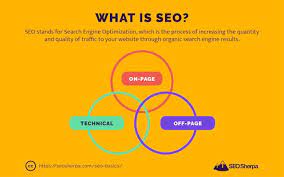
Innovative SEO encompasses three main types: on-page SEO, off-page SEO, and technical SEO. On-page SEO involves optimizing individual web pages to improve their search engine rankings and attract organic traffic. Off-page SEO focuses on building external links and enhancing the website’s authority and credibility through factors like backlinks and social signals. Technical SEO involves optimizing the website’s infrastructure and backend to improve its crawlability, indexability, and overall performance in search engine results pages. By integrating these three types of SEO into a cohesive strategy, businesses can enhance their online visibility and reach a wider audience effectively.
What are new SEO techniques?
In the realm of innovative SEO, the quest for new techniques is a common inquiry among businesses striving to stay competitive in the digital landscape. New SEO techniques encompass a range of strategies that leverage emerging technologies, such as artificial intelligence and voice search optimization, to enhance online visibility and drive organic traffic. From prioritizing mobile-first indexing to understanding user intent and creating conversational content for voice search, staying abreast of these cutting-edge approaches is crucial for businesses looking to elevate their SEO game and achieve sustainable growth in an ever-evolving online environment.
What are the top 5 SEO strategies?
When it comes to innovative SEO strategies, the top 5 approaches that businesses should consider include comprehensive keyword research to target relevant terms, creating high-quality and engaging content that resonates with the target audience, optimizing website performance for speed and mobile-friendliness, building a strong backlink profile from authoritative sources, and leveraging data analytics to track performance and make informed decisions. These strategies form the foundation of a successful SEO campaign that adapts to the ever-changing digital landscape and drives sustainable organic traffic growth.