seo positioning

Unlocking Success: Mastering SEO Positioning for Digital Growth

The Importance of SEO Positioning in Digital Marketing

The Importance of SEO Positioning in Digital Marketing

SEO positioning, also known as search engine optimisation positioning, plays a crucial role in the success of any digital marketing strategy. In today’s competitive online landscape, where millions of websites are vying for attention, having a strong SEO positioning can make all the difference.

What is SEO Positioning?

SEO positioning refers to the process of optimising your website to rank higher in search engine results pages (SERPs) for relevant keywords and phrases. By improving your website’s visibility and ranking on search engines such as Google, Bing, and Yahoo, you increase the likelihood of attracting organic traffic from users searching for products or services related to your business.

The Benefits of SEO Positioning

  • Increased Visibility: A higher ranking in search results means more visibility for your website, leading to increased brand awareness and exposure.
  • Targeted Traffic: By targeting specific keywords related to your business, you attract users who are actively searching for what you offer, increasing the chances of conversion.
  • Improved Credibility: Websites that appear at the top of search results are often perceived as more trustworthy and credible by users.
  • Cost-Effective Marketing: Compared to traditional advertising methods, SEO positioning offers a cost-effective way to reach a targeted audience and generate leads.
  • Long-Term Results: While it may take time to see significant results, a well-executed SEO strategy can deliver long-term benefits and sustainable growth for your business.

Tips for Improving Your SEO Positioning

  1. Keyword Research: Identify relevant keywords with high search volume and low competition to target in your content.
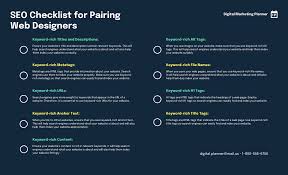
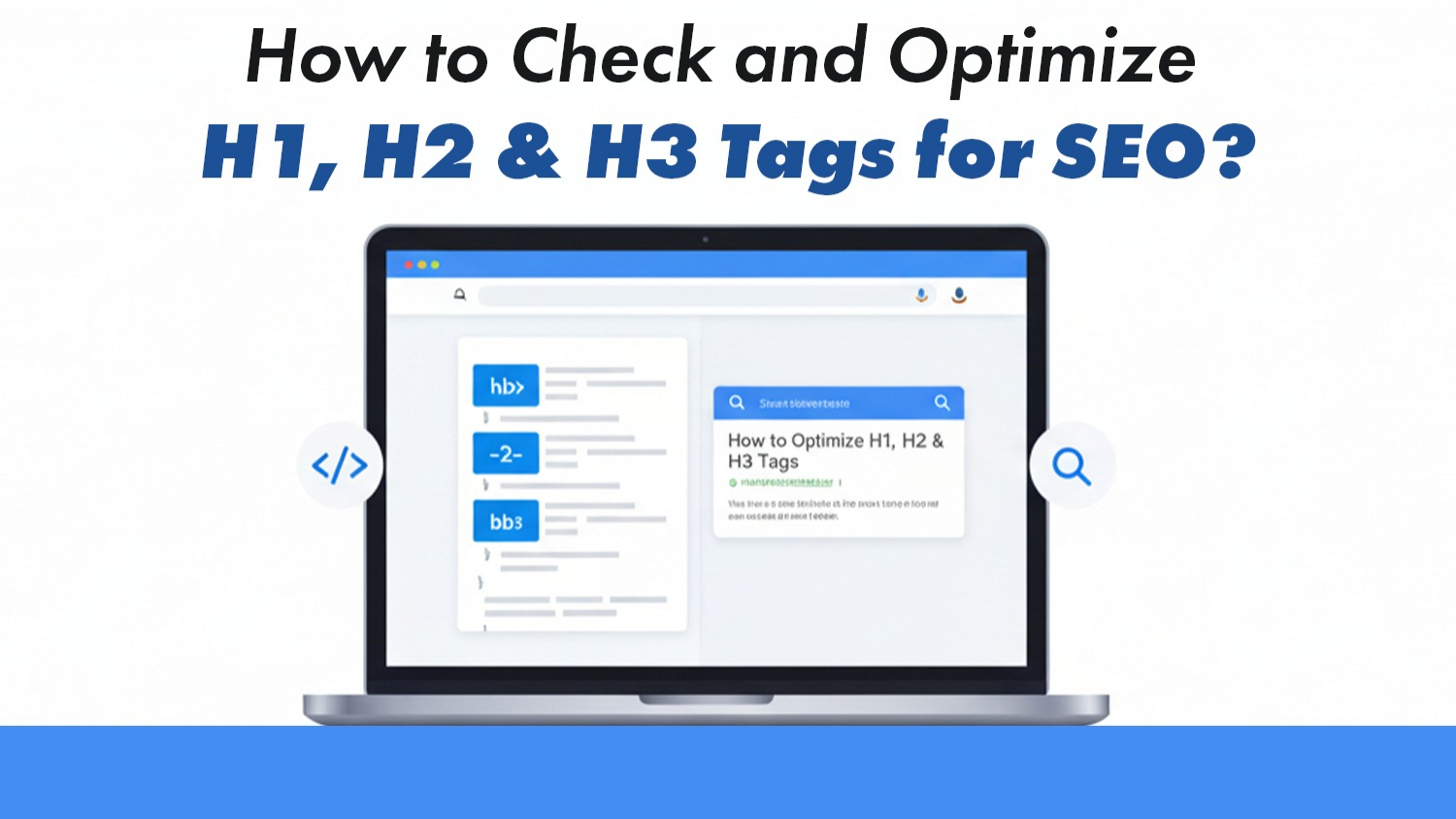
  2. On-Page Optimisation: Optimise your website’s meta tags, headings, images, and content with targeted keywords.
  3. Quality Content: Create high-quality, engaging content that provides value to users and encourages them to stay on your site.
  4. Link Building: Build quality backlinks from reputable websites to improve your site’s authority and credibility in the eyes of search engines.
  5. User Experience: Ensure that your website is user-friendly, mobile-responsive, and loads quickly to provide a positive experience for visitors.

In conclusion, SEO positioning is an essential component of any successful digital marketing strategy. By focusing on improving your website’s visibility and ranking in search results through strategic SEO tactics, you can attract more targeted traffic, increase brand credibility, and achieve long-term growth for your business.


9 Essential Tips for Enhancing Your Website’s SEO Positioning

  1. 1. Conduct keyword research to identify relevant search terms for your website.
  2. 2. Optimise your website’s meta tags, including title tags and meta descriptions.
  3. 3. Create high-quality, engaging content that is valuable to your target audience.
  4. 4. Improve website loading speed for better user experience and SEO performance.
  5. 5. Build quality backlinks from reputable websites to increase your site’s authority.
  6. 6. Use descriptive alt text for images to improve accessibility and SEO.
  7. 7. Regularly update and refresh your content to show search engines that your site is active.
  8. 8. Ensure your website is mobile-friendly for improved rankings on mobile search results.
  9. 9. Monitor and analyse your SEO efforts using tools like Google Analytics to track progress.

1. Conduct keyword research to identify relevant search terms for your website.

Conducting thorough keyword research is a fundamental step in establishing a strong SEO positioning strategy for your website. By identifying and targeting relevant search terms that align with your business offerings, you can optimise your content to attract organic traffic from users actively searching for products or services like yours. Understanding the search intent behind specific keywords enables you to create valuable and targeted content that not only improves your website’s visibility in search engine results but also enhances the overall user experience, ultimately driving more qualified traffic to your site.

2. Optimise your website’s meta tags, including title tags and meta descriptions.

To enhance your SEO positioning, it is crucial to optimise your website’s meta tags, such as title tags and meta descriptions. These elements play a significant role in informing search engines about the content of your web pages. By strategically incorporating relevant keywords and compelling descriptions in your meta tags, you can improve the visibility of your site in search engine results pages (SERPs) and attract more organic traffic. Effective meta tag optimisation not only helps search engines understand the relevance of your content but also entices users to click through to your website, ultimately boosting your online presence and driving valuable traffic to your site.

3. Create high-quality, engaging content that is valuable to your target audience.

Creating high-quality, engaging content that is valuable to your target audience is a fundamental aspect of effective SEO positioning. By producing content that resonates with your audience and addresses their needs, you not only attract more visitors to your website but also keep them engaged and encourage them to explore further. Valuable content establishes your credibility as an authority in your industry, builds trust with your audience, and increases the likelihood of conversions. Additionally, search engines reward websites that offer relevant and informative content by ranking them higher in search results, ultimately driving organic traffic and boosting overall visibility.

4. Improve website loading speed for better user experience and SEO performance.

Improving the loading speed of your website is a crucial aspect of SEO positioning. A faster website not only enhances user experience by reducing bounce rates and keeping visitors engaged, but it also positively impacts your SEO performance. Search engines like Google consider page speed as a ranking factor, so a speedy website can help improve your search engine rankings and visibility. By prioritising website loading speed, you create a seamless browsing experience for users while simultaneously boosting your SEO efforts for better online visibility and success.

Building quality backlinks from reputable websites is a crucial strategy to enhance your site’s authority in search engine rankings. By acquiring backlinks from trustworthy and high-quality sources, you signal to search engines that your website is a reliable and valuable resource. These backlinks act as endorsements for your content, boosting your credibility and visibility online. As a result, your site is more likely to rank higher in search results, attracting organic traffic and establishing a strong online presence within your industry.

6. Use descriptive alt text for images to improve accessibility and SEO.

Utilising descriptive alt text for images is a valuable strategy to enhance both accessibility and SEO. By providing detailed descriptions of images through alt text, not only do you make your website more accessible to visually impaired users who rely on screen readers, but you also provide search engines with valuable information about the content of the images. This can improve your website’s overall SEO performance by making it more relevant and understandable to search engine algorithms, ultimately helping to boost your visibility in search results.

7. Regularly update and refresh your content to show search engines that your site is active.

Regularly updating and refreshing your website’s content is a crucial aspect of SEO positioning. By consistently adding new and relevant content, you signal to search engines that your site is active and engaging for users. This practice not only helps improve your site’s visibility in search results but also demonstrates to search engine algorithms that you are providing fresh and valuable information to visitors. Keeping your content up-to-date can boost your site’s authority, credibility, and overall performance in the competitive online landscape.

8. Ensure your website is mobile-friendly for improved rankings on mobile search results.

Ensuring that your website is mobile-friendly is a crucial aspect of SEO positioning. With the increasing number of users accessing the internet through mobile devices, search engines like Google prioritise mobile-friendly websites in their rankings for mobile search results. By optimising your website for mobile devices, you not only provide a better user experience but also signal to search engines that your site is responsive and accessible across different platforms. This can lead to improved rankings on mobile search results, ultimately driving more traffic to your site and enhancing your online visibility.

9. Monitor and analyse your SEO efforts using tools like Google Analytics to track progress.

Monitoring and analysing your SEO efforts is crucial for evaluating the effectiveness of your strategies and making informed decisions to improve your website’s search engine positioning. By utilising tools like Google Analytics, you can track key metrics such as website traffic, user behaviour, and keyword performance. This data provides valuable insights into what is working well and where adjustments are needed, allowing you to refine your SEO approach for optimal results. Regular monitoring and analysis ensure that you stay on track towards achieving your SEO goals and maintaining a competitive edge in the digital landscape.

best seo

Unlocking Success: Mastering the Best SEO Strategies for Online Growth

The Best SEO Practices to Boost Your Online Presence

The Best SEO Practices to Boost Your Online Presence

Search Engine Optimization (SEO) is a crucial component of any successful digital marketing strategy. By implementing the best SEO practices, you can improve your website’s visibility, drive organic traffic, and ultimately boost your online presence. Here are some key strategies to help you enhance your SEO efforts:

Keyword Research

Keyword research is the foundation of any effective SEO strategy. By identifying relevant keywords and phrases that your target audience is searching for, you can optimise your content to attract more organic traffic.

On-Page Optimisation

Optimising your website’s on-page elements such as title tags, meta descriptions, headings, and images can significantly improve your search engine rankings. Make sure to include relevant keywords in these elements while ensuring they provide value to users.

Quality Content Creation

Creating high-quality, engaging content is essential for both users and search engines. By regularly publishing informative articles, blog posts, videos, and infographics that resonate with your audience, you can establish authority in your industry and attract more inbound links.

Mobile-Friendly Design

In today’s mobile-centric world, having a responsive website design is crucial for SEO success. Ensure that your site is mobile-friendly and loads quickly on all devices to provide a seamless user experience and improve search engine rankings.

Link Building

Building high-quality backlinks from reputable websites is an effective way to boost your site’s authority and credibility in the eyes of search engines. Focus on acquiring natural links from relevant sources to enhance your SEO performance.

Regular Monitoring and Analysis

Monitoring your website’s performance through tools like Google Analytics and Search Console allows you to track key metrics such as traffic, rankings, and conversions. Analyse this data regularly to identify areas for improvement and adjust your SEO strategy accordingly.

In conclusion, implementing the best SEO practices outlined above can help you achieve higher search engine rankings, increase organic traffic, and ultimately grow your online presence. By staying up-to-date with the latest trends and continuously refining your strategies, you can establish a strong digital footprint that drives long-term success.


Top 5 Frequently Asked Questions About Effective SEO Strategies

  1. What is SEO and why is it important?
  2. How long does it take to see results from SEO efforts?
  3. What are the key elements of a successful SEO strategy?
  4. Is it necessary to hire an SEO agency for effective SEO?
  5. How can I measure the success of my SEO campaigns?

What is SEO and why is it important?

Search Engine Optimization (SEO) is the process of enhancing a website’s visibility on search engine results pages through organic (non-paid) methods. It involves various strategies such as keyword research, content optimisation, and link building to improve a site’s ranking and drive more organic traffic. SEO is crucial for businesses and websites as it helps them attract relevant visitors who are actively searching for products or services they offer. By implementing effective SEO practices, organisations can increase their online visibility, build credibility, and ultimately boost their brand awareness and revenue potential. In today’s competitive digital landscape, having a strong SEO strategy is essential for long-term success and staying ahead of the competition.

How long does it take to see results from SEO efforts?

It is a common query among businesses delving into SEO to inquire about the timeline for observing results from their SEO endeavours. The timeframe for seeing tangible outcomes from SEO efforts can vary depending on multiple factors such as the competitiveness of keywords, the quality of content, the website’s current state, and the consistency of SEO strategies. Generally, significant improvements in search engine rankings and organic traffic can be noticed within 4 to 6 months of implementing a robust SEO campaign. However, it is essential to understand that SEO is an ongoing process that requires continuous monitoring, adjustments, and refinement to sustain and enhance results over time.

What are the key elements of a successful SEO strategy?

When considering the key elements of a successful SEO strategy, several crucial components come into play. Firstly, thorough keyword research is essential to identify relevant search terms that resonate with your target audience. On-page optimisation, including title tags, meta descriptions, and quality content creation, plays a vital role in enhancing your website’s visibility and user experience. Additionally, building high-quality backlinks from reputable sources and ensuring a mobile-friendly design are fundamental aspects of a successful SEO strategy. Regular monitoring and analysis of performance metrics help in refining the strategy for optimal results and sustained online presence growth.

Is it necessary to hire an SEO agency for effective SEO?

When considering the question of whether it is necessary to hire an SEO agency for effective SEO, the answer largely depends on the resources, expertise, and goals of the individual or business. While it is possible to learn and implement SEO strategies independently, hiring an experienced SEO agency can provide numerous benefits. An SEO agency typically has a team of experts who stay abreast of industry trends, possess in-depth knowledge of search engine algorithms, and can tailor strategies to meet specific objectives. By leveraging the skills and experience of an SEO agency, businesses can often achieve more efficient and effective results in improving their online visibility and driving organic traffic. Ultimately, the decision to hire an SEO agency should be based on factors such as budget, time constraints, and the desired level of expertise required to achieve optimal results in SEO efforts.

How can I measure the success of my SEO campaigns?

Measuring the success of your SEO campaigns is essential to understanding the impact of your efforts and making informed decisions for future strategies. Key performance indicators (KPIs) such as organic traffic, keyword rankings, conversion rates, and backlink quality can provide valuable insights into the effectiveness of your SEO initiatives. Utilising tools like Google Analytics, Google Search Console, and SEO monitoring platforms can help track these metrics and evaluate the performance of your campaigns over time. By regularly analysing data and adjusting your strategies based on these insights, you can ensure that your SEO efforts are driving tangible results and contributing to the growth of your online presence.

local seo companies near me

Discover Top-Rated Local SEO Companies Near Me for Enhanced Online Visibility

Local SEO Companies Near Me

The Importance of Local SEO Companies Near Me

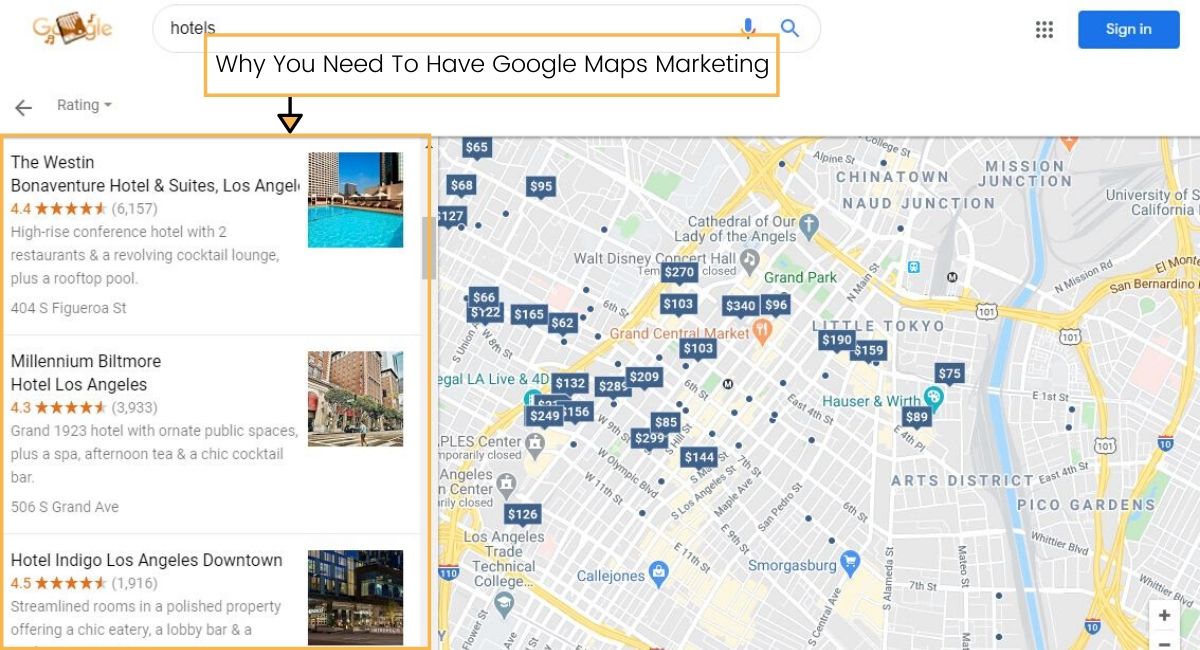
Local SEO (Search Engine Optimization) has become a crucial aspect for businesses looking to attract customers in their local area. When searching for products or services, many consumers now turn to search engines like Google to find businesses nearby. This is where local SEO companies play a vital role in helping businesses improve their online visibility and reach their target audience effectively.

Benefits of Hiring Local SEO Companies Near Me:

  • Targeted Marketing: Local SEO companies understand the local market trends and consumer behaviour, allowing them to create targeted strategies that resonate with your local audience.
  • Increased Online Visibility: By optimising your website for local searches, local SEO companies can help your business rank higher in local search results, making it easier for potential customers to find you.
  • Improved Website Traffic: With better online visibility comes increased website traffic. Local SEO companies can drive more relevant traffic to your site, leading to higher conversion rates and improved sales.
  • Enhanced Brand Awareness: Building a strong online presence in your local area can significantly boost brand awareness and credibility. Local SEO companies can help establish your brand as a trusted authority in your industry.

Finding the Best Local SEO Company Near Me:

When searching for local SEO companies near you, consider the following factors:

  1. Experience and Expertise: Look for a company with proven experience in delivering successful local SEO campaigns.
  2. Reputation and Reviews: Check online reviews and testimonials from previous clients to gauge the company’s reputation and reliability.
  3. Customised Strategies: Choose a company that offers customised strategies tailored to your specific business goals and target audience.
  4. Affordability: While cost is important, focus on the value provided by the company rather than just the price.

In conclusion, investing in a reputable local SEO company near you can have a significant impact on your business’s success. By improving your online visibility, attracting more customers, and enhancing brand awareness, local SEO companies play a crucial role in helping businesses thrive in today’s digital landscape.


Choosing the Right Local SEO Company: 7 Essential Tips for Businesses

  1. Research and compare local SEO companies near you to find the best fit for your business.
  2. Check online reviews and testimonials from previous clients to gauge the reputation of local SEO companies.
  3. Look for local SEO companies that have experience working with businesses similar to yours.
  4. Ask for case studies or examples of their past work to assess the quality of their services.
  5. Inquire about the strategies and techniques they use for local SEO to ensure they align with your goals.
  6. Consider scheduling consultations with multiple local SEO companies to discuss your needs and evaluate their expertise.
  7. Don’t hesitate to ask about pricing structures and service packages offered by different local SEO companies.

Research and compare local SEO companies near you to find the best fit for your business.

Researching and comparing local SEO companies near you is a crucial step in finding the perfect match for your business needs. By conducting thorough research, you can assess each company’s experience, expertise, and reputation to determine which one aligns best with your goals. This process allows you to make an informed decision and select a local SEO company that can provide customised strategies tailored to boost your online visibility and drive targeted traffic to your website. Choosing the right local SEO partner can make a significant difference in enhancing your brand’s presence in the local market and attracting potential customers effectively.

Check online reviews and testimonials from previous clients to gauge the reputation of local SEO companies.

It is essential to check online reviews and testimonials from previous clients when evaluating local SEO companies near you. By reviewing feedback from other businesses that have worked with these companies, you can gain valuable insights into their reputation and reliability. Positive reviews and testimonials can provide reassurance that the local SEO company delivers on its promises and produces results. Conversely, negative feedback may serve as a warning sign to steer clear of companies that have a history of unsatisfactory service. Ultimately, conducting thorough research through online reviews can help you make an informed decision when selecting a local SEO company to partner with for your business needs.

Look for local SEO companies that have experience working with businesses similar to yours.

When searching for local SEO companies near you, it is advisable to look for firms that have experience working with businesses similar to yours. By choosing a local SEO company that understands the nuances of your industry and target market, you can benefit from their tailored expertise and proven strategies. Companies with a track record of success in your specific field are more likely to deliver results that align with your business objectives and help you stand out in the competitive local landscape.

Ask for case studies or examples of their past work to assess the quality of their services.

When considering local SEO companies near you, it is advisable to ask for case studies or examples of their past work to evaluate the quality of their services. By reviewing their previous projects and success stories, you can gain valuable insights into their expertise, approach, and results achieved for other clients. This information can help you assess whether the company’s strategies align with your business goals and expectations, ultimately guiding you towards making an informed decision when selecting a local SEO partner.

Inquire about the strategies and techniques they use for local SEO to ensure they align with your goals.

When considering local SEO companies near you, it is essential to inquire about the strategies and techniques they employ for local SEO to ensure they align with your business goals. Understanding the specific methods and approaches a company utilises can give you insight into how they plan to improve your online visibility and attract local customers. By discussing these strategies upfront, you can ensure that the local SEO company you choose is equipped to tailor their services to meet your objectives effectively.

Consider scheduling consultations with multiple local SEO companies to discuss your needs and evaluate their expertise.

Consider scheduling consultations with multiple local SEO companies near you to discuss your specific needs and assess their expertise in the field. By meeting with different companies, you can gain valuable insights into their approach, strategies, and capabilities. This allows you to make an informed decision based on how well they understand your business goals and how effectively they can tailor their services to meet your requirements. Taking the time to consult with various local SEO companies ensures that you find a partner who not only has the skills and knowledge but also aligns with your vision for achieving online success in your local market.

Don’t hesitate to ask about pricing structures and service packages offered by different local SEO companies.

When considering local SEO companies near you, it is essential not to hesitate to inquire about their pricing structures and service packages. Understanding the costs involved and the services included in each package can help you make an informed decision about which company aligns best with your budget and requirements. By asking about pricing upfront, you can ensure transparency and avoid any surprises later on in the partnership. Comparing pricing structures and service offerings from different local SEO companies allows you to choose a provider that not only fits your financial constraints but also delivers the most value for your investment.

business seo

Maximising Online Success: The Power of Business SEO Strategies

The Importance of Business SEO for Online Success

The Importance of Business SEO for Online Success

In today’s digital age, having a strong online presence is crucial for the success of any business. Search Engine Optimization (SEO) plays a key role in ensuring that your business is visible to potential customers searching for products or services online.

Business SEO involves optimizing your website to rank higher in search engine results pages (SERPs) for relevant keywords related to your industry. By implementing effective SEO strategies, you can attract more organic traffic to your site, increase brand awareness, and ultimately drive more leads and sales.

Benefits of Business SEO:

  • Increased Visibility: By appearing at the top of search results, your business gains visibility and credibility among potential customers.
  • Targeted Traffic: SEO helps you reach users who are actively searching for products or services that you offer, increasing the likelihood of conversion.
  • Brand Authority: A strong SEO presence helps establish your brand as an authority in your industry, building trust with customers.
  • Cost-Effective Marketing: Compared to traditional advertising methods, SEO provides a cost-effective way to reach a targeted audience and generate leads.
  • Long-Term Results: While SEO requires ongoing effort, the results are long-lasting and can continue to benefit your business over time.

Key Elements of Business SEO:

Effective business SEO involves various strategies and techniques, including:

  1. Keyword Research: Identifying relevant keywords that potential customers are using to search for products or services in your industry.
  2. On-Page Optimization: Optimizing website content, meta tags, headings, and images to improve search engine visibility.
  3. Link Building: Acquiring quality backlinks from reputable websites to enhance the authority and credibility of your site.
  4. Local SEO: Optimizing your online presence for local searches to target customers in specific geographic areas.
  5. User Experience (UX): Ensuring that your website is user-friendly, mobile-responsive, and offers a seamless browsing experience.

In conclusion, investing in business SEO is essential for staying competitive in today’s digital landscape. By implementing effective SEO strategies tailored to your business goals, you can improve online visibility, attract targeted traffic, and achieve sustainable growth over time. If you’re looking to enhance your online presence and drive more leads and sales, consider integrating business SEO into your marketing strategy today.


6 Essential SEO Tips to Boost Your Business Website’s Visibility

  1. Create high-quality and relevant content for your website.
  2. Optimize your website’s meta tags, titles, and descriptions with relevant keywords.
  3. Build quality backlinks from reputable websites in your industry.
  4. Improve website loading speed for better user experience and SEO ranking.
  5. Utilize local SEO strategies to target customers in specific geographic areas.
  6. Regularly monitor and analyse your website’s performance using tools like Google Analytics.

Create high-quality and relevant content for your website.

Creating high-quality and relevant content for your website is a fundamental tip in business SEO. By producing informative and engaging content that resonates with your target audience, you not only enhance the user experience but also improve your website’s visibility in search engine results. Search engines value fresh, original content that provides value to users, making it essential to regularly update your site with relevant information, industry insights, and solutions to common queries. By prioritising quality content creation, you can establish your brand as an authority in your field and attract organic traffic that is more likely to convert into leads or customers.

Optimize your website’s meta tags, titles, and descriptions with relevant keywords.

To enhance your business’s SEO performance, it is crucial to optimise your website’s meta tags, titles, and descriptions with relevant keywords. By incorporating targeted keywords into these elements, you can improve your site’s visibility in search engine results and attract more qualified traffic. Crafting compelling meta tags, titles, and descriptions that accurately reflect your content while including strategic keywords can significantly boost your website’s search engine ranking and click-through rates. This simple yet effective strategy can make a substantial difference in driving organic traffic to your site and ultimately increasing conversions.

Building quality backlinks from reputable websites in your industry is a crucial tip for enhancing your business SEO strategy. By earning backlinks from trusted and relevant sources, you not only improve your website’s authority and credibility in the eyes of search engines but also increase the likelihood of driving organic traffic to your site. These high-quality backlinks act as endorsements of your content and services, signalling to search engines that your website is a valuable resource within your industry. Therefore, prioritising the acquisition of quality backlinks can significantly boost your search engine rankings and ultimately contribute to the overall success of your online presence.

Improve website loading speed for better user experience and SEO ranking.

Optimising your website loading speed is a crucial tip for enhancing both user experience and SEO ranking. A fast-loading website not only provides visitors with a seamless browsing experience but also signals to search engines that your site is reliable and user-friendly. By prioritising website speed, you can reduce bounce rates, increase engagement, and improve your chances of ranking higher in search results. Investing in optimisation techniques such as image compression, minifying code, and leveraging browser caching can significantly boost your website’s performance and ultimately drive more traffic and conversions to your business.

Utilize local SEO strategies to target customers in specific geographic areas.

To enhance your business’s online visibility and attract customers in specific geographic areas, it is essential to leverage local SEO strategies. By optimising your website with location-specific keywords, creating Google My Business listings, and obtaining local citations, you can increase your chances of appearing in local search results. Targeting customers in specific regions through local SEO not only improves your visibility to relevant audiences but also enhances your credibility as a local business, ultimately driving more foot traffic and online conversions.

Regularly monitor and analyse your website’s performance using tools like Google Analytics.

Regularly monitoring and analysing your website’s performance using tools like Google Analytics is a crucial tip for effective business SEO. By tracking key metrics such as website traffic, user behaviour, and conversion rates, you can gain valuable insights into how your site is performing and identify areas for improvement. This data-driven approach allows you to make informed decisions about your SEO strategies, optimise your website for better results, and ultimately enhance your online visibility and success.

media marketing

Mastering the Art of Media Marketing: Strategies for Success in the Digital Age

The Power of Media Marketing

The Power of Media Marketing

Media marketing has revolutionised the way businesses connect with their audience in today’s digital age. With the rise of social media platforms and online channels, companies now have unprecedented opportunities to engage with customers on a personal level and build brand loyalty like never before.

What is Media Marketing?

Media marketing encompasses the use of various media channels to promote products or services. This includes traditional outlets such as television, radio, and print media, as well as digital platforms like social media, websites, and email marketing. The goal of media marketing is to reach target audiences effectively and drive engagement that leads to conversions.

The Benefits of Media Marketing

Effective media marketing can yield a multitude of benefits for businesses. By leveraging different channels, companies can increase brand awareness, attract new customers, and foster relationships with existing ones. Through targeted messaging and creative content, businesses can create a strong brand identity that resonates with their audience.

Key Strategies for Success

To succeed in media marketing, businesses must adopt strategic approaches tailored to their goals and target demographics. This may involve creating compelling visual content for social media platforms, running targeted advertising campaigns on digital channels, or partnering with influencers to reach a wider audience.

The Future of Media Marketing

As technology continues to evolve, the landscape of media marketing will also undergo changes. Artificial intelligence, data analytics, and personalisation will play increasingly significant roles in shaping marketing strategies. Businesses that stay ahead of these trends and adapt to new technologies will be best positioned to thrive in the competitive digital marketplace.


Top 9 Frequently Asked Questions About Media Marketing: Strategies, Platforms, and Trends

  1. What is media marketing?
  2. How does media marketing differ from traditional marketing?
  3. What are the key benefits of media marketing for businesses?
  4. Which social media platforms are most effective for media marketing?
  5. How can businesses measure the success of their media marketing campaigns?
  6. What role does content creation play in media marketing strategies?
  7. How important is influencer marketing in today’s media landscape?
  8. What trends are shaping the future of media marketing?
  9. How can businesses effectively integrate offline and online media marketing efforts?

What is media marketing?

Media marketing refers to the strategic use of various media channels, both traditional and digital, to promote products or services effectively. It encompasses a wide range of platforms such as television, radio, print media, social media, websites, and email marketing. The primary objective of media marketing is to reach target audiences in a compelling and engaging manner that drives brand awareness, customer engagement, and ultimately leads to conversions. By utilising diverse media channels and crafting tailored messages, businesses can establish a strong brand presence and connect with their audience on a personal level to achieve their marketing goals.

How does media marketing differ from traditional marketing?

In the realm of marketing, the distinction between media marketing and traditional marketing lies in the channels and methods used to reach and engage with audiences. Traditional marketing typically involves one-way communication through mass media outlets such as television, radio, and print advertisements. In contrast, media marketing leverages digital platforms like social media, websites, and email campaigns to interact with consumers in a more targeted and interactive manner. Media marketing allows for real-time engagement, personalised messaging, and precise audience targeting based on data analytics, offering businesses a more dynamic and measurable approach to connecting with their target market compared to the broader reach of traditional marketing methods.

What are the key benefits of media marketing for businesses?

Media marketing offers a plethora of key benefits for businesses seeking to enhance their online presence and reach their target audience effectively. One of the primary advantages is increased brand visibility, allowing companies to showcase their products or services to a wider audience through various media channels. Additionally, media marketing enables businesses to engage with customers in real-time, fostering meaningful interactions and building brand loyalty. Furthermore, by leveraging different platforms such as social media and digital advertising, businesses can drive traffic to their websites, generate leads, and ultimately boost sales. Overall, the strategic use of media marketing can significantly elevate a business’s market position and competitiveness in the digital landscape.

Which social media platforms are most effective for media marketing?

When it comes to media marketing, the choice of social media platforms can significantly impact the success of a campaign. The effectiveness of each platform depends on various factors such as the target audience, industry niche, and marketing objectives. However, some commonly preferred social media platforms for media marketing include Facebook, Instagram, Twitter, LinkedIn, and YouTube. Facebook’s extensive user base and robust advertising tools make it a versatile platform for reaching a wide audience. Instagram’s visual focus is ideal for businesses with visually appealing products or services. Twitter’s real-time engagement and trending topics can help brands stay relevant and connect with their audience. LinkedIn is favoured for B2B marketing due to its professional networking capabilities. YouTube’s video-centric approach is perfect for engaging audiences through visual storytelling. Ultimately, the most effective platform(s) for media marketing will vary based on the specific goals and target demographics of each campaign.

How can businesses measure the success of their media marketing campaigns?

Businesses can measure the success of their media marketing campaigns through a variety of key performance indicators (KPIs) that align with their specific goals. Metrics such as website traffic, conversion rates, engagement levels on social media platforms, email open rates, and return on investment (ROI) are commonly used to evaluate the effectiveness of media marketing efforts. By tracking these metrics and analysing data insights, businesses can gain valuable feedback on the performance of their campaigns, identify areas for improvement, and make informed decisions to optimise future strategies for greater success.

What role does content creation play in media marketing strategies?

Content creation plays a pivotal role in media marketing strategies by serving as the foundation for engaging and connecting with the target audience. Compelling and relevant content not only attracts attention but also educates, entertains, and inspires consumers, building trust and credibility for the brand. Through strategic content creation, businesses can effectively communicate their message, showcase their expertise, and differentiate themselves from competitors in a crowded digital landscape. Quality content serves as a valuable asset that drives organic traffic, boosts brand visibility, and ultimately converts leads into loyal customers. In essence, content creation is the driving force behind successful media marketing campaigns, shaping how brands are perceived and remembered by their audience.

How important is influencer marketing in today’s media landscape?

In today’s dynamic media landscape, influencer marketing has emerged as a crucial component of successful brand promotion strategies. Leveraging the reach and credibility of influencers, businesses can effectively connect with their target audiences in a more authentic and engaging manner. Influencer marketing allows brands to tap into niche markets, build trust with consumers, and drive conversions through influencer endorsements and collaborations. As social media continues to dominate the digital sphere, the influence of influencers in shaping consumer behaviour and purchasing decisions cannot be understated. Embracing influencer marketing as part of a comprehensive media strategy can significantly enhance brand visibility and engagement in today’s competitive market environment.

In today’s dynamic digital landscape, several trends are shaping the future of media marketing. One key trend is the increasing emphasis on personalisation and targeted advertising, driven by advancements in data analytics and artificial intelligence. Brands are leveraging customer data to create tailored marketing campaigns that resonate with individual preferences and behaviours. Another significant trend is the rise of influencer marketing, where businesses collaborate with online personalities to reach wider audiences authentically. Additionally, the growing popularity of video content across social media platforms is transforming how brands engage with consumers, highlighting the importance of visual storytelling in effective media marketing strategies. As technology continues to evolve, staying abreast of these trends will be crucial for businesses looking to stay competitive and relevant in the ever-changing world of media marketing.

How can businesses effectively integrate offline and online media marketing efforts?

In today’s interconnected world, businesses can effectively integrate offline and online media marketing efforts by adopting a cohesive and strategic approach. By aligning messaging and branding across both traditional channels such as print, radio, and television with digital platforms like social media, websites, and email marketing, companies can create a seamless omnichannel experience for their audience. Leveraging data analytics to track customer interactions and preferences across offline and online channels allows businesses to tailor their marketing strategies accordingly. Additionally, incorporating QR codes or custom URLs in offline campaigns can drive traffic to online platforms, while promoting social media engagement through offline events can further enhance brand visibility and customer engagement. Ultimately, by bridging the gap between offline and online media marketing efforts, businesses can maximise their reach and impact on target audiences in a holistic manner.

content marketing

Mastering the Art of Effective Content Marketing Strategies

The Power of Content Marketing

The Power of Content Marketing

Content marketing has become an indispensable tool for businesses looking to engage with their audience, build brand awareness, and drive conversions. In today’s digital age, where consumers are constantly bombarded with information, creating high-quality and relevant content has emerged as a key strategy to cut through the noise and capture the attention of potential customers.

What is Content Marketing?

Content marketing involves the creation and distribution of valuable, informative, and engaging content to attract and retain a target audience. This content can take various forms, including blog posts, videos, infographics, podcasts, social media posts, and more. The primary goal of content marketing is not to directly promote a product or service but to provide value to the audience and establish credibility and trust with them.

The Benefits of Content Marketing

Effective content marketing offers a myriad of benefits for businesses. By consistently producing high-quality content that resonates with your target audience, you can:

  • Build brand awareness and authority
  • Drive organic traffic to your website
  • Generate leads and increase conversions
  • Enhance customer loyalty and retention
  • Improve search engine rankings through SEO-friendly content
  • Create shareable assets that can amplify your reach on social media

Key Strategies for Successful Content Marketing

To make the most out of your content marketing efforts, consider implementing the following strategies:

  1. Understand Your Audience: Tailor your content to address the needs, interests, and pain points of your target audience.
  2. Create Compelling Content: Produce high-quality, engaging content that provides value and encourages interaction.
  3. Distribute Widely: Utilise various channels such as social media, email newsletters, guest blogging, and more to reach a wider audience.
  4. Analyse Performance: Monitor key metrics like engagement rates, website traffic, conversion rates to measure the effectiveness of your content marketing campaigns.
  5. Iterate and Improve: Continuously refine your content strategy based on data insights to optimise results over time.

In Conclusion

In conclusion,content marketing is a powerful tool that can help businesses connect with their target audience in meaningful ways. By creating valuable content that resonates with consumers’ needs and interests,content marketers can drive engagement,buidl brand loyalty,and ultimately boost business growth in today’s competitive digital landscape.


Essential FAQs on Content Marketing: Strategies, Benefits, and Best Practices

  1. What is content marketing and why is it important?
  2. How can content marketing benefit my business?
  3. What are the key elements of a successful content marketing strategy?
  4. How do I measure the effectiveness of my content marketing efforts?
  5. What types of content are most effective for engaging audiences?
  6. How can I repurpose existing content to maximise its impact?
  7. What role does SEO play in content marketing?
  8. How can I create a consistent and compelling brand voice through content?

What is content marketing and why is it important?

Content marketing is a strategic approach that involves creating and sharing valuable, relevant content to attract and engage a target audience. It is an essential component of modern marketing strategies as it allows businesses to establish credibility, build relationships with customers, and drive profitable actions. By providing informative and engaging content, businesses can not only showcase their expertise but also address the needs and interests of their audience. Ultimately, content marketing plays a crucial role in building brand awareness, increasing website traffic, generating leads, and nurturing customer loyalty in today’s competitive digital landscape.

How can content marketing benefit my business?

Content marketing can benefit your business in numerous ways. By creating and sharing valuable, relevant content, you can establish your brand as an authority in your industry, build trust with your target audience, and increase brand awareness. Effective content marketing can drive organic traffic to your website, generate leads, and ultimately boost conversions. Furthermore, by consistently delivering high-quality content that resonates with your audience, you can enhance customer loyalty and retention. In essence, content marketing is a powerful strategy that not only helps you connect with your customers on a deeper level but also drives tangible business results by improving visibility, engagement, and ultimately revenue for your business.

What are the key elements of a successful content marketing strategy?

When considering the key elements of a successful content marketing strategy, it is essential to focus on several crucial components. Firstly, understanding your target audience and their needs is paramount. Tailoring your content to resonate with their interests and challenges can significantly impact engagement and conversion rates. Secondly, creating high-quality and valuable content that provides solutions or insights is vital for building credibility and trust with your audience. Consistent distribution across various channels, coupled with strategic promotion tactics, can help amplify your reach and drive traffic to your website. Lastly, regularly analysing performance metrics and refining your strategy based on data insights is crucial for continuous improvement and long-term success in content marketing.

How do I measure the effectiveness of my content marketing efforts?

Measuring the effectiveness of content marketing efforts is crucial for businesses to gauge the impact of their strategies and optimise future campaigns. Several key metrics can be used to evaluate performance, including website traffic, engagement rates, conversion rates, social media shares, and lead generation. By tracking these metrics and analysing data insights, businesses can determine which content resonates most with their audience, identify areas for improvement, and make informed decisions to enhance the overall effectiveness of their content marketing initiatives.

What types of content are most effective for engaging audiences?

When it comes to engaging audiences effectively through content marketing, various types of content have proven to be highly successful. Visual content such as videos and infographics tends to capture attention quickly and convey information in a visually appealing manner. Interactive content like quizzes, polls, and interactive tools encourages audience participation and fosters engagement. Additionally, storytelling through blog posts, case studies, and customer testimonials can create emotional connections with the audience, making the content more relatable and memorable. Ultimately, a mix of different content types tailored to the target audience’s preferences and interests can maximise engagement and drive meaningful interactions.

How can I repurpose existing content to maximise its impact?

Repurposing existing content is a strategic approach that can significantly enhance its impact and reach. By creatively transforming your content into different formats such as infographics, videos, podcasts, or social media posts, you can cater to diverse audience preferences and extend the lifespan of your original material. Additionally, updating and refreshing outdated content with new insights or statistics can help maintain relevance and attract fresh engagement. Ultimately, repurposing existing content allows you to extract maximum value from your efforts by reaching a wider audience and reinforcing key messages across various platforms effectively.

What role does SEO play in content marketing?

SEO plays a crucial role in content marketing by ensuring that the content created is not only valuable and engaging but also easily discoverable by search engines and target audiences. By incorporating SEO best practices such as keyword research, on-page optimisation, and link building into content creation strategies, businesses can improve their organic search visibility and attract more qualified traffic to their websites. Effective SEO techniques help content marketers understand user intent, optimise content for relevant search queries, and enhance the overall user experience, ultimately driving better results in terms of rankings, traffic, and conversions. In essence, SEO acts as a guiding force that maximises the reach and impact of content marketing efforts in reaching and engaging with the right audience online.

How can I create a consistent and compelling brand voice through content?

Creating a consistent and compelling brand voice through content is essential for establishing a strong identity and connecting with your target audience. To achieve this, start by defining your brand’s personality, values, and tone of voice. Ensure that these elements are reflected consistently across all content channels, from blog posts to social media updates. Use language that resonates with your audience and aligns with your brand’s ethos. Maintain a cohesive style and messaging approach to build familiarity and trust with your followers. Regularly review and refine your content strategy to ensure that your brand voice remains relevant, engaging, and authentic in order to leave a lasting impression on your audience.

seo for business

Unlocking Business Growth: The Power of SEO for Your Company

SEO for Business

The Importance of SEO for Business Growth

In today’s digital age, having a strong online presence is crucial for the success of any business. Search Engine Optimization (SEO) plays a key role in improving your visibility and attracting potential customers to your website. Let’s explore why SEO is essential for business growth:

Increased Website Traffic

By implementing effective SEO strategies, your website can rank higher in search engine results pages (SERPs). This increased visibility can drive more organic traffic to your site, resulting in a higher number of potential customers discovering your products or services.

Enhanced Brand Awareness

SEO helps to enhance your brand’s visibility online. When your website appears at the top of search results, it instils trust and credibility in potential customers. Consistently appearing in relevant search queries can help establish your brand as an authority in your industry.

Targeted Marketing

SEO allows you to target specific keywords and phrases that are relevant to your business. By optimising your website for these keywords, you can attract users who are actively searching for the products or services you offer. This targeted approach leads to higher conversion rates and better ROI.

Competitive Advantage

In a competitive market, having a strong SEO strategy can give you an edge over competitors. By outranking them in search results, you can capture a larger share of the market and attract customers who may have otherwise chosen a competitor.

Long-Term Results

Unlike paid advertising, which stops generating results once you stop paying, SEO provides long-term benefits for your business. By consistently optimising your website and creating valuable content, you can maintain high rankings in search results and continue attracting organic traffic over time.

In conclusion, investing in SEO is essential for businesses looking to grow their online presence and reach a wider audience. By implementing effective SEO strategies, you can increase website traffic, enhance brand awareness, target specific audiences, gain a competitive advantage, and achieve long-term results that contribute to the overall success of your business.


Top 7 SEO Tips for Boosting Your Business Online

  1. 1. Conduct keyword research to identify relevant terms for your business.
  2. 2. Optimise your website’s meta tags, headings, and content with targeted keywords.
  3. 3. Create high-quality, valuable content that is relevant to your target audience.
  4. 4. Build quality backlinks from reputable websites to improve your site’s authority.
  5. 5. Ensure your website is mobile-friendly and loads quickly for a better user experience.
  6. 6. Utilise local SEO strategies if you have a physical location to attract nearby customers.
  7. 7. Monitor and analyse your SEO performance regularly to make data-driven improvements.

1. Conduct keyword research to identify relevant terms for your business.

To enhance your business’s online visibility, it is crucial to conduct thorough keyword research to identify relevant terms that potential customers are searching for. By understanding the specific keywords and phrases related to your products or services, you can optimise your website content accordingly. This strategic approach not only improves your search engine rankings but also ensures that your website is targeting the right audience, leading to increased organic traffic and better engagement with potential customers.

2. Optimise your website’s meta tags, headings, and content with targeted keywords.

To enhance your business’s online visibility and attract relevant traffic, it is crucial to optimise your website’s meta tags, headings, and content with targeted keywords. By strategically incorporating relevant keywords into these elements, you can improve your website’s search engine rankings and make it easier for potential customers to find you online. Effective keyword optimisation in meta tags, headings, and content ensures that search engines can accurately interpret the relevance of your website to users’ search queries, ultimately driving organic traffic and boosting your business’s online presence.

3. Create high-quality, valuable content that is relevant to your target audience.

Creating high-quality, valuable content that is relevant to your target audience is a crucial tip for successful SEO in business. By producing content that addresses the needs and interests of your audience, you not only improve your website’s visibility in search engine results but also establish credibility and trust with potential customers. Valuable content that offers insights, solutions, or entertainment can attract and engage users, encouraging them to spend more time on your site and increasing the likelihood of conversions. Ultimately, prioritising quality content creation is key to building a strong online presence and driving organic traffic to your business website.

Building quality backlinks from reputable websites is a crucial aspect of SEO for business growth. By acquiring backlinks from trusted and authoritative sources, you can enhance your site’s credibility and authority in the eyes of search engines. These backlinks act as endorsements for your website, signalling to search engines that your content is valuable and relevant. As a result, your site is more likely to rank higher in search results, driving organic traffic and ultimately boosting your online visibility and reputation within your industry.

5. Ensure your website is mobile-friendly and loads quickly for a better user experience.

To improve your website’s search engine optimisation for business success, it is crucial to ensure that your site is mobile-friendly and loads quickly. With the increasing use of mobile devices for browsing the internet, a mobile-responsive design is essential to provide a seamless user experience across all devices. Additionally, fast loading times not only enhance user satisfaction but also contribute to higher search engine rankings. By prioritising mobile-friendliness and speed, you can attract and retain more visitors, ultimately boosting your online visibility and business growth.

6. Utilise local SEO strategies if you have a physical location to attract nearby customers.

To maximise your business’s visibility and attract local customers, it is crucial to implement local SEO strategies if you have a physical location. By optimising your website with location-specific keywords, creating Google My Business listings, and obtaining positive reviews from satisfied customers in your area, you can significantly increase your chances of being found by nearby potential customers. Local SEO not only helps improve your search engine rankings but also enhances your online presence within your community, making it easier for local customers to discover and engage with your business.

7. Monitor and analyse your SEO performance regularly to make data-driven improvements.

Monitoring and analysing your SEO performance regularly is a crucial tip for businesses looking to enhance their online visibility. By tracking key metrics such as website traffic, keyword rankings, and conversion rates, you can gain valuable insights into the effectiveness of your SEO strategies. This data-driven approach allows you to identify areas for improvement and make informed decisions to optimise your website for better search engine rankings. By staying proactive in monitoring your SEO performance, you can adapt to changes in the digital landscape and continuously refine your tactics to achieve sustainable growth and success online.

website keyword ranking

Unlocking Success: Mastering Website Keyword Ranking Strategies

Understanding Website Keyword Ranking

The Importance of Website Keyword Ranking

Website keyword ranking plays a crucial role in the success of any online business or website. Keywords are the foundation of search engine optimisation (SEO) and directly impact how well your website ranks in search engine results pages (SERPs).

What is Website Keyword Ranking?

Website keyword ranking refers to the position of your website in search engine results for specific keywords or phrases. When a user enters a query into a search engine, the search algorithm scans through millions of web pages to deliver the most relevant results.

Why is it Important?

Having a high keyword ranking means that your website is more likely to appear at the top of search results when users search for relevant terms. This visibility can drive organic traffic to your site, increase brand awareness, and ultimately lead to more conversions and sales.

How to Improve Keyword Ranking

Improving your website’s keyword ranking requires a strategic approach to SEO. Here are some key steps you can take:

  • Keyword Research: Identify relevant keywords that your target audience is searching for.
  • On-Page Optimisation: Optimise your website’s content, meta tags, and URLs with targeted keywords.
  • Quality Content: Create high-quality, engaging content that incorporates your chosen keywords naturally.
  • Backlink Building: Acquire backlinks from reputable websites to boost your site’s authority and credibility.
  • Regular Monitoring: Track your keyword rankings regularly and make adjustments as needed based on performance.

The Role of Search Engines

Search engines like Google use complex algorithms to determine website rankings based on factors such as relevance, authority, and user experience. By understanding these algorithms and optimising your site accordingly, you can improve your keyword ranking over time.

In Conclusion

In today’s competitive online landscape, achieving a high website keyword ranking is essential for driving traffic and growing your business. By implementing effective SEO strategies and staying informed about industry trends, you can enhance your website’s visibility and reach a wider audience online.


Top 6 Tips for Enhancing Your Website’s Keyword Ranking

  1. Perform keyword research to identify relevant and high-traffic keywords for your website.
  2. Optimize your website content by including the chosen keywords in titles, headings, and throughout the text.
  3. Create high-quality and engaging content that is valuable to your target audience.
  4. Improve website loading speed as faster websites tend to rank higher in search engine results.
  5. Utilize meta tags effectively by including keywords in meta titles and descriptions.
  6. Regularly monitor and analyse keyword rankings using tools like Google Analytics or SEMrush.

Perform keyword research to identify relevant and high-traffic keywords for your website.

Performing thorough keyword research is a fundamental step in enhancing your website’s keyword ranking. By identifying relevant and high-traffic keywords specific to your niche or industry, you can effectively target your audience and improve your website’s visibility in search engine results. Understanding the search terms that potential visitors use allows you to tailor your content and SEO strategies to attract more organic traffic and ultimately boost your online presence.

Optimize your website content by including the chosen keywords in titles, headings, and throughout the text.

To enhance your website keyword ranking, it is crucial to optimise your website content strategically. Incorporating the selected keywords in titles, headings, and throughout the text not only improves the relevance of your content but also signals to search engines the key topics your website covers. By seamlessly integrating these keywords into different elements of your content, you can boost your chances of ranking higher in search engine results and attracting organic traffic to your site.

Create high-quality and engaging content that is valuable to your target audience.

Creating high-quality and engaging content that provides value to your target audience is a fundamental tip for improving website keyword ranking. By producing content that is relevant, informative, and tailored to the needs of your visitors, you not only enhance user experience but also increase the likelihood of ranking higher in search engine results. Search engines reward websites that offer valuable content by boosting their visibility and authority, making it essential to focus on creating compelling material that resonates with your audience and aligns with your chosen keywords.

Improve website loading speed as faster websites tend to rank higher in search engine results.

Improving your website loading speed is a crucial tip for enhancing website keyword ranking. Studies have shown that faster websites have a higher likelihood of ranking well in search engine results pages. Search engines like Google consider loading speed as a key factor in determining user experience, and websites that load quickly are often rewarded with higher rankings. By optimising your website’s loading speed, you not only improve user satisfaction but also increase the chances of attracting more organic traffic and boosting your overall search engine visibility.

Utilize meta tags effectively by including keywords in meta titles and descriptions.

To enhance your website keyword ranking, it is crucial to utilise meta tags effectively by incorporating relevant keywords in both meta titles and descriptions. Meta tags play a significant role in informing search engines about the content of your web pages. By strategically placing keywords in meta titles and descriptions, you can improve the visibility of your site in search engine results pages (SERPs) and attract more organic traffic. This simple yet powerful tip can help boost your website’s search engine optimisation (SEO) efforts and increase the likelihood of reaching your target audience online.

Regularly monitor and analyse keyword rankings using tools like Google Analytics or SEMrush.

Regularly monitoring and analysing keyword rankings is a crucial tip for improving your website’s performance in search engine results. By utilising tools such as Google Analytics or SEMrush, you can gain valuable insights into how your chosen keywords are performing and make informed decisions to optimise your SEO strategy. Tracking keyword rankings allows you to identify trends, measure the effectiveness of your efforts, and adjust your content and optimisation techniques accordingly to enhance your website’s visibility and attract more organic traffic.

sco marketing

Unlocking the Potential of SCO Marketing: Elevate Your Online Strategy

The Power of SCO Marketing: Elevate Your Online Presence

The Power of SCO Marketing: Elevate Your Online Presence

In the ever-evolving landscape of digital marketing, SCO (Search Content Optimization) has emerged as a powerful strategy to enhance your online visibility and drive targeted traffic to your website. While SEO (Search Engine Optimization) focuses on improving your website’s search engine rankings, SCO marketing delves deeper into creating compelling and engaging content that resonates with your target audience.

What is SCO Marketing?

SCO marketing revolves around the creation and optimisation of content that not only ranks well in search engines but also captivates and engages users. By strategically incorporating relevant keywords, providing valuable information, and crafting user-friendly content, SCO marketing aims to attract organic traffic and convert visitors into customers.

The Benefits of SCO Marketing

One of the key advantages of SCO marketing is its ability to establish your brand as an authoritative voice in your industry. By consistently producing high-quality content that addresses the needs and interests of your target audience, you can build trust and credibility, leading to increased brand awareness and customer loyalty.

Furthermore, SCO marketing allows you to stay ahead of the competition by adapting to changing search engine algorithms and user behaviours. By conducting thorough keyword research, monitoring performance metrics, and refining your content strategy accordingly, you can ensure that your website remains visible and relevant in the digital realm.

How to Implement an Effective SCO Marketing Strategy

To leverage the full potential of SCO marketing, it is essential to adopt a holistic approach that encompasses various elements such as keyword research, content creation, on-page optimisation, link building, and social media promotion. By aligning these components cohesively and consistently monitoring performance indicators, you can maximise the impact of your SCO efforts.

Conclusion

SCO marketing offers a dynamic and versatile approach to enhancing your online presence and connecting with your target audience effectively. By prioritising quality content creation, strategic optimisation techniques, and continuous refinement based on data-driven insights, you can elevate your brand visibility, drive organic traffic growth, and achieve sustainable success in the digital landscape.


Understanding SCO Marketing: Key Questions and Insights for Online Success

  1. What is SCO marketing and how does it differ from SEO?
  2. Why is SCO marketing important for online businesses?
  3. How can SCO marketing benefit my website’s visibility and traffic?
  4. What are the key components of an effective SCO marketing strategy?
  5. How does keyword research play a crucial role in SCO marketing?
  6. What are some best practices for creating engaging content in SCO marketing?
  7. How can I measure the success of my SCO marketing efforts?

What is SCO marketing and how does it differ from SEO?

SCO marketing, or Search Content Optimization, is a digital marketing strategy that focuses on creating and optimising engaging content to improve online visibility and attract targeted traffic. While SEO (Search Engine Optimization) primarily aims to enhance website rankings on search engine results pages, SCO marketing goes beyond by emphasising the creation of valuable and user-centric content that resonates with the target audience. By strategically incorporating relevant keywords, providing informative resources, and prioritising user experience, SCO marketing aims to not only drive organic traffic but also foster meaningful engagement and conversions. In essence, SCO marketing complements SEO efforts by placing a strong emphasis on content quality and relevance to enhance overall online presence and audience engagement.

Why is SCO marketing important for online businesses?

In the realm of online businesses, SCO marketing plays a pivotal role in shaping their success and visibility. The importance of SCO marketing lies in its ability to not only boost search engine rankings but also to engage and resonate with the target audience effectively. By crafting tailored content that is optimised for search engines and user experience, online businesses can attract organic traffic, build brand credibility, and ultimately drive conversions. In a competitive digital landscape, SCO marketing serves as a strategic tool for enhancing online visibility, establishing brand authority, and staying relevant amidst evolving consumer behaviours and search engine algorithms.

How can SCO marketing benefit my website’s visibility and traffic?

Implementing SCO marketing can significantly benefit your website’s visibility and traffic by strategically optimising your content to improve search engine rankings and attract a targeted audience. By incorporating relevant keywords, creating engaging and informative content, and focusing on user experience, SCO marketing enhances your website’s chances of appearing prominently in search results. This increased visibility not only drives organic traffic to your site but also establishes your brand as an authoritative voice in your industry. With a well-executed SCO marketing strategy, you can effectively boost your website’s online presence, attract quality traffic, and ultimately achieve sustainable growth in the digital landscape.

What are the key components of an effective SCO marketing strategy?

When considering the key components of an effective SCO marketing strategy, it is crucial to focus on several fundamental elements that work in harmony to achieve optimal results. Firstly, thorough keyword research forms the foundation of SCO, identifying relevant terms and phrases that resonate with your target audience. Content creation plays a pivotal role, ensuring that the material is not only search engine-friendly but also engaging and valuable to users. On-page optimisation techniques, including meta tags, headings, and URL structures, enhance visibility and accessibility. Link building strategies help establish credibility and authority within your industry. Lastly, social media promotion amplifies your content reach and fosters community engagement. By integrating these components cohesively and consistently refining your approach based on performance metrics, you can craft a robust SCO marketing strategy that drives organic traffic and boosts online presence effectively.

How does keyword research play a crucial role in SCO marketing?

Keyword research plays a pivotal role in SCO marketing by serving as the foundation for creating targeted and relevant content that resonates with both search engines and users. By identifying the most relevant keywords and phrases that align with your target audience’s search intent, you can optimise your content to rank higher in search engine results pages (SERPs) and attract organic traffic. Effective keyword research not only helps you understand the language your audience uses but also enables you to uncover valuable insights into their preferences, needs, and behaviours, allowing you to tailor your SCO strategy to meet their expectations and drive meaningful engagement.

What are some best practices for creating engaging content in SCO marketing?

When it comes to creating engaging content in SCO marketing, several best practices can help enhance your online presence and attract your target audience effectively. Firstly, conducting thorough keyword research to identify relevant and high-traffic keywords is essential for optimising your content for search engines. Additionally, crafting compelling and informative content that addresses the needs and interests of your audience can significantly boost engagement. Utilising multimedia elements such as images, videos, and infographics can also make your content more visually appealing and interactive. Moreover, maintaining a consistent publishing schedule and promoting your content across various channels can maximise its reach and visibility. By incorporating these best practices into your SCO marketing strategy, you can create engaging content that resonates with your audience and drives meaningful results for your business.

How can I measure the success of my SCO marketing efforts?

Measuring the success of SCO marketing efforts is crucial for evaluating the effectiveness of your strategies and determining the return on investment. Key performance indicators such as organic traffic, keyword rankings, click-through rates, conversion rates, and engagement metrics provide valuable insights into the impact of your SCO initiatives. By tracking these metrics regularly and analysing the data trends over time, you can assess the performance of your content optimisation efforts, identify areas for improvement, and make informed decisions to enhance your online visibility and drive sustainable growth.

seo xidmeti

Unlocking Online Success: Harnessing the Power of SEO Xidmeti

SEO Xidmeti: Enhancing Your Online Presence

SEO Xidmeti: Enhancing Your Online Presence

In today’s digital age, having a strong online presence is essential for businesses to succeed. SEO Xidmeti (SEO Service) plays a crucial role in helping businesses improve their visibility on search engines like Google, Bing, and Yahoo.

SEO Xidmeti involves various strategies and techniques aimed at optimising a website to rank higher in search engine results pages (SERPs). By implementing SEO best practices, businesses can attract more organic traffic, increase brand awareness, and generate leads.

The Benefits of SEO Xidmeti Include:

  • Improved Visibility: By targeting relevant keywords and optimising website content, SEO Xidmeti helps businesses appear higher in search results, making it easier for potential customers to find them.
  • Increased Website Traffic: Higher search engine rankings lead to increased organic traffic to the website, resulting in more opportunities for conversions and sales.
  • Enhanced User Experience: SEO Xidmeti focuses on improving website performance, user navigation, and mobile responsiveness, enhancing the overall user experience.
  • Build Trust and Credibility: Websites that rank well in search results are perceived as more trustworthy and credible by users, leading to increased brand authority.

Whether you are a small local business or a large multinational corporation, investing in SEO Xidmeti can have a significant impact on your online success. By working with experienced professionals who understand the intricacies of search engine algorithms and user behaviour, you can achieve long-term sustainable growth for your business.

If you want to take your online presence to the next level and outrank your competitors, consider incorporating SEO Xidmeti into your digital marketing strategy. With the right approach and ongoing optimisation efforts, you can position your business for success in the competitive online landscape.


9 Benefits of SEO Services: Boosting Visibility, Traffic, and Credibility

  1. Improved online visibility on search engines
  2. Increased organic traffic to your website
  3. Enhanced brand awareness and recognition
  4. Better user experience for website visitors
  5. Higher credibility and trustworthiness among users
  6. Cost-effective marketing strategy in the long run
  7. Targeted approach to reach specific audiences
  8. Measurable results through analytics and reporting
  9. Competitive advantage over businesses not investing in SEO


Challenges of SEO Services: Navigating Time, Costs, and Risks

  1. 1. Time-Consuming
  2. 2. Costly Investment
  3. 3. Uncertain Results
  4. 4. Constant Algorithm Changes
  5. 5. Competitive Landscape
  6. 6. Risk of Penalties

Improved online visibility on search engines

Enhancing online visibility on search engines is a key benefit of SEO Xidmeti. By strategically targeting relevant keywords and optimising website content, businesses can improve their search engine rankings and increase the likelihood of being discovered by potential customers. This increased visibility not only drives more organic traffic to the website but also boosts brand awareness and credibility, ultimately positioning the business as a trusted authority in its industry.

Increased organic traffic to your website

By utilising SEO Xidmeti (SEO Service), businesses can experience a significant boost in organic traffic to their website. By strategically targeting relevant keywords, optimising website content, and improving search engine rankings, SEO Xidmeti drives more qualified visitors to the site. Increased organic traffic not only enhances brand visibility but also presents valuable opportunities for conversions and sales. This pro of SEO Xidmeti underscores its effectiveness in attracting a larger audience and expanding the online reach of businesses, ultimately leading to improved digital performance and growth.

Enhanced brand awareness and recognition

Enhanced brand awareness and recognition are key benefits of SEO Xidmeti. By optimising a website to appear prominently in search engine results, businesses can increase their visibility to a wider audience. This heightened online presence not only attracts more potential customers but also reinforces brand credibility and trust. Consistent exposure through improved search rankings helps establish brand recognition, making it more likely for users to engage with and remember the brand when seeking relevant products or services. Ultimately, SEO Xidmeti plays a vital role in enhancing brand awareness and fostering long-term customer relationships in the digital landscape.

Better user experience for website visitors

Enhancing user experience for website visitors is a key benefit of SEO Xidmeti. By optimising website performance, improving site navigation, and ensuring mobile responsiveness, businesses can create a seamless and enjoyable browsing experience for their visitors. A well-optimised website that loads quickly, is easy to navigate, and provides valuable content not only attracts more traffic but also keeps users engaged and encourages them to explore further. Ultimately, prioritising user experience through SEO Xidmeti can lead to higher conversion rates, increased customer satisfaction, and improved brand loyalty.

Higher credibility and trustworthiness among users

One significant advantage of SEO Xidmeti is its ability to enhance the credibility and trustworthiness of a business among users. By appearing higher in search engine results pages through effective SEO strategies, businesses are perceived as more authoritative and trustworthy by online audiences. This increased credibility not only fosters trust with potential customers but also establishes the brand as a reliable and reputable source within its industry. Ultimately, building credibility through SEO Xidmeti can lead to greater customer loyalty, improved brand reputation, and increased conversions.

Cost-effective marketing strategy in the long run

Implementing SEO Xidmeti proves to be a cost-effective marketing strategy in the long run. By investing in SEO services, businesses can organically improve their online visibility and attract targeted traffic without continuously paying for advertising. Over time, as the website’s search engine rankings improve and organic traffic increases, the cost per acquisition decreases, making SEO a sustainable and cost-efficient way to promote and grow a business online.

Targeted approach to reach specific audiences

An invaluable benefit of SEO Xidmeti is its targeted approach, enabling businesses to tailor their online presence to reach specific audiences effectively. By strategically selecting and optimising keywords relevant to their target demographic, businesses can attract qualified leads who are more likely to convert into customers. This precision in targeting not only enhances the overall user experience but also maximises the return on investment by focusing resources on engaging with the right audience segments.

Measurable results through analytics and reporting

One significant advantage of SEO Xidmeti is the ability to achieve measurable results through in-depth analytics and comprehensive reporting. By utilising analytical tools and tracking metrics, businesses can gain valuable insights into the performance of their SEO campaigns. This data-driven approach allows for a clear understanding of the impact of SEO efforts on website traffic, keyword rankings, user engagement, and conversion rates. With detailed reports and analysis, businesses can make informed decisions to refine their strategies, identify areas for improvement, and ultimately drive continuous growth in their online presence.

Competitive advantage over businesses not investing in SEO

By investing in SEO Xidmeti, businesses gain a significant competitive advantage over those that neglect search engine optimisation. With a well-executed SEO strategy, businesses can improve their online visibility, attract more organic traffic, and outrank competitors in search engine results pages. This not only enhances brand awareness and credibility but also leads to increased opportunities for conversions and sales. By staying ahead of the curve with SEO Xidmeti, businesses can establish themselves as industry leaders and maintain a strong position in the digital marketplace, leaving non-optimised competitors trailing behind.

1. Time-Consuming

Implementing effective SEO Xidmeti strategies can be a double-edged sword due to its time-consuming nature. Businesses often find themselves investing a considerable amount of time and effort into optimising their websites and content, with results not always being immediate. The continuous monitoring, tweaking, and adaptation required for successful SEO implementation can be demanding, making it a challenging aspect for businesses looking for quick fixes or instant gratification in their online visibility efforts.

2. Costly Investment

One significant drawback of SEO Xidmeti is its costly nature. Investing in professional SEO services can prove to be a financial challenge, particularly for small businesses operating on limited budgets. The expenses associated with hiring experienced SEO professionals and implementing comprehensive strategies can place a strain on the financial resources of smaller enterprises. This cost barrier may deter some businesses from fully capitalising on the benefits of SEO Xidmeti, potentially limiting their ability to compete effectively in the online marketplace.

3. Uncertain Results

One significant drawback of SEO Xidmeti is the uncertainty surrounding its results. Unlike some marketing strategies with more immediate outcomes, SEO does not offer guaranteed results, and the process of improving search engine rankings can be slow and unpredictable. Businesses investing in SEO must understand that it may take time before seeing noticeable improvements in their online visibility and organic traffic. This uncertainty can be challenging for those seeking quick returns on their investment and require patience and ongoing effort to achieve desired outcomes.

4. Constant Algorithm Changes

One significant drawback of SEO Xidmeti is the constant algorithm changes implemented by search engines. These frequent updates pose a challenge for businesses and digital marketers as they must continuously adapt their SEO strategies to align with the latest trends and requirements. Keeping up with these ever-evolving algorithms can be time-consuming and demanding, requiring constant monitoring and adjustment to ensure that websites maintain their visibility and ranking on search engine results pages.

5. Competitive Landscape

In the realm of SEO Xidmeti, one significant drawback lies in the competitive landscape that businesses must navigate. With a multitude of companies striving to secure top search positions, the quest for high rankings through SEO strategies can become fiercely competitive. Standing out amidst this crowded digital arena requires not only expertise in SEO techniques but also a strategic approach to outshine competitors and carve a distinct online presence.

6. Risk of Penalties

One significant drawback of SEO Xidmeti is the risk of penalties that arise from employing incorrect or unethical practices. Search engines like Google have strict guidelines in place to ensure fair and high-quality search results. Engaging in tactics such as keyword stuffing, cloaking, or buying backlinks can result in penalties that harm a website’s visibility and reputation. These penalties can lead to a significant drop in search engine rankings, making it challenging for the website to recover its online presence and credibility. It is crucial for businesses to adhere to ethical SEO practices and stay informed about algorithm updates to avoid such risks and maintain a positive online image.