
jekyll seo

Mastering Jekyll SEO Strategies for Optimal Website Visibility

The Ultimate Guide to Jekyll SEO

The Ultimate Guide to Jekyll SEO

Jekyll is a popular static site generator known for its simplicity and efficiency in creating websites. While Jekyll offers many advantages in terms of speed and security, it also provides robust features for search engine optimization (SEO). In this guide, we will explore how you can optimise your Jekyll website for better search engine visibility.

Optimising Metadata

Metadata plays a crucial role in SEO, and Jekyll makes it easy to manage metadata for each page. By utilising front matter in your Markdown files, you can define title tags, meta descriptions, and other important metadata that search engines use to understand your content.

Creating SEO-Friendly URLs

Jekyll allows you to customise your URL structure, which is essential for SEO. By creating descriptive and keyword-rich URLs, you can improve the visibility of your pages in search engine results. Make sure to use hyphens to separate words and keep URLs concise and relevant to the content.

Optimising Images

Images are an integral part of web content, but they can also impact your site’s SEO performance. With Jekyll, you can optimise images by specifying alt text, titles, and captions. Additionally, make sure to resize images appropriately to improve page load speed, which is a crucial ranking factor for search engines.

Generating Sitemaps

A sitemap is a file that lists all the pages on your website and helps search engines crawl and index your content more effectively. Jekyll simplifies the process of generating sitemaps by offering plugins that automatically create XML sitemaps for your site. Submitting your sitemap to search engines like Google can boost your site’s visibility.

Monitoring Performance

SEO is an ongoing process that requires monitoring and analysis. With tools like Google Analytics integrated into your Jekyll site, you can track key metrics such as organic traffic, bounce rate, and conversion rates. By analysing this data regularly, you can identify areas for improvement and refine your SEO strategies accordingly.

In conclusion, Jekyll provides a solid foundation for implementing effective SEO practices on your website. By optimising metadata, URLs, images, sitemaps, and monitoring performance metrics, you can enhance the visibility of your Jekyll site in search engine results. Stay proactive in updating and refining your SEO strategies to stay ahead in the digital landscape.


Top 5 FAQs on Enhancing SEO for Jekyll Websites

  1. 1. How can I optimise metadata for SEO in Jekyll?
  2. 2. What are the best practices for creating SEO-friendly URLs in Jekyll?
  3. 3. How do I optimise images for better SEO performance in Jekyll?
  4. 4. Is generating a sitemap important for SEO on a Jekyll website?
  5. 5. What tools can I use to monitor and improve SEO performance on my Jekyll site?

1. How can I optimise metadata for SEO in Jekyll?

To optimise metadata for SEO in Jekyll, you can leverage the front matter feature in your Markdown files. By incorporating specific metadata elements such as title tags, meta descriptions, and keywords within the front matter of each page, you can provide search engines with valuable information about your content. Crafting concise and relevant metadata that accurately reflects the content of your pages is key to improving search engine visibility and driving organic traffic to your Jekyll website. Regularly reviewing and updating metadata across your site can help enhance its SEO performance and ensure that it remains aligned with current search engine algorithms.

2. What are the best practices for creating SEO-friendly URLs in Jekyll?

When it comes to creating SEO-friendly URLs in Jekyll, following best practices is essential for improving your website’s search engine visibility. To craft effective URLs, it is recommended to use descriptive keywords that accurately reflect the content of the page. Additionally, incorporating relevant keywords and separating words with hyphens can enhance the readability and SEO value of your URLs. Keeping URLs concise, avoiding special characters or unnecessary parameters, and structuring them logically can contribute to a user-friendly experience and better indexing by search engines. By adhering to these guidelines, you can optimise your Jekyll website for improved SEO performance and higher rankings in search results.

3. How do I optimise images for better SEO performance in Jekyll?

When it comes to optimising images for better SEO performance in Jekyll, there are a few key strategies to keep in mind. Firstly, it is crucial to provide descriptive filenames that include relevant keywords related to the image content. Additionally, specifying alt text, titles, and captions for each image can enhance accessibility and help search engines understand the context of the images. Resizing images to appropriate dimensions and compressing them without compromising quality can improve page load speed, which is a significant factor in SEO rankings. By following these best practices in image optimisation, you can boost your Jekyll website’s SEO performance and enhance user experience.

4. Is generating a sitemap important for SEO on a Jekyll website?

Generating a sitemap is crucial for SEO on a Jekyll website. A sitemap serves as a roadmap for search engines, helping them discover and index all the pages on your site more efficiently. With Jekyll’s static nature, where pages are not dynamically generated, having a sitemap becomes even more important to ensure that all your content is properly crawled and ranked by search engines. By including a sitemap, you improve the chances of your website’s visibility in search engine results, ultimately driving more organic traffic to your Jekyll site.

5. What tools can I use to monitor and improve SEO performance on my Jekyll site?

Monitoring and improving SEO performance on your Jekyll site can be facilitated by a variety of tools designed to provide valuable insights and enhance your website’s visibility. Utilising tools such as Google Analytics allows you to track key metrics like organic traffic, user behaviour, and conversion rates, enabling you to make data-driven decisions to optimise your SEO strategy. Additionally, tools like Google Search Console offer valuable information on how search engines perceive your site, providing opportunities to identify and address issues that may impact your search rankings. By leveraging these tools effectively, you can continuously monitor and enhance the SEO performance of your Jekyll site to achieve better visibility and reach online.
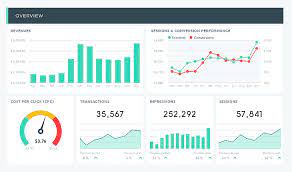

digital marketing analysis

Unlocking Success Through Digital Marketing Analysis

The Power of Digital Marketing Analysis

The Power of Digital Marketing Analysis

In the fast-paced world of digital marketing, data is king. Understanding the performance of your online campaigns is crucial to making informed decisions and maximising your return on investment. This is where digital marketing analysis comes into play.

What is Digital Marketing Analysis?

Digital marketing analysis involves the systematic evaluation of various aspects of your online marketing efforts. It includes gathering data from different sources such as website analytics, social media insights, email campaign metrics, and more. By analysing this data, marketers can gain valuable insights into the effectiveness of their strategies and identify areas for improvement.

The Benefits of Digital Marketing Analysis

By conducting thorough digital marketing analysis, businesses can:

  • Measure the performance of their campaigns and channels
  • Identify trends and patterns in consumer behaviour
  • Optimise marketing strategies for better results
  • Allocate resources more effectively based on data-driven insights
  • Enhance customer engagement and retention through targeted approaches

Key Metrics in Digital Marketing Analysis

Some essential metrics that are commonly analysed in digital marketing include:

  • Conversion Rate: The percentage of website visitors who take a desired action.
  • Click-Through Rate (CTR): The ratio of users who click on a specific link to the number of total users who view a page, email, or advertisement.
  • Return on Investment (ROI): The measure of revenue generated compared to the cost of the campaign.
  • Bounce Rate: The percentage of visitors who navigate away from a site after viewing only one page.

The Future of Digital Marketing Analysis

In an increasingly competitive digital landscape, businesses that harness the power of data through effective analysis will have a significant advantage. With advancements in technology such as artificial intelligence and machine learning, digital marketing analysis is becoming more sophisticated and insightful than ever before.

By embracing digital marketing analysis as a cornerstone of their strategies, businesses can adapt quickly to changing market conditions, engage with their audiences more meaningfully, and drive sustainable growth in the digital age.


8 Essential Tips for Effective Digital Marketing Analysis

  1. Set clear goals and objectives for your digital marketing analysis.
  2. Use a variety of tools such as Google Analytics, social media insights, and email marketing analytics.
  3. Regularly monitor key performance indicators (KPIs) to track the success of your campaigns.
  4. Analyse customer behaviour and demographics to understand your target audience better.
  5. Perform A/B testing to compare different strategies and improve conversion rates.
  6. Stay updated on industry trends and changes in algorithms that may impact your digital marketing efforts.
  7. Collaborate with other teams such as sales and product development to align strategies and goals.
  8. Document your findings and insights to create a data-driven approach for future campaigns.

Set clear goals and objectives for your digital marketing analysis.

Setting clear goals and objectives for your digital marketing analysis is paramount to its success. By defining what you aim to achieve through your analysis, whether it’s improving website traffic, increasing conversions, or enhancing brand visibility, you provide a clear direction for your efforts. These goals act as guiding principles, helping you focus on the metrics and insights that truly matter in evaluating the effectiveness of your digital marketing strategies. With well-defined objectives in place, you can measure progress accurately and make informed decisions that drive tangible results for your business.

Use a variety of tools such as Google Analytics, social media insights, and email marketing analytics.

To maximise the effectiveness of digital marketing analysis, it is essential to utilise a diverse range of tools. Incorporating platforms like Google Analytics for website data, social media insights for engagement metrics, and email marketing analytics for campaign performance can provide a comprehensive view of your online marketing efforts. By leveraging these tools collectively, businesses can gain valuable insights into consumer behaviour, campaign effectiveness, and overall ROI. This multi-tool approach enables marketers to make informed decisions and refine strategies for optimal results in the ever-evolving digital landscape.

Regularly monitor key performance indicators (KPIs) to track the success of your campaigns.

To ensure the effectiveness of your digital marketing campaigns, it is essential to regularly monitor key performance indicators (KPIs). By tracking metrics such as conversion rates, click-through rates, return on investment, and bounce rates, you can gain valuable insights into the performance of your strategies. Monitoring KPIs allows you to identify trends, measure success, and make informed decisions to optimise your campaigns for better results. Consistent monitoring of KPIs is crucial in evaluating the impact of your efforts and adjusting your digital marketing tactics to achieve your business objectives efficiently.

Analyse customer behaviour and demographics to understand your target audience better.

To enhance the effectiveness of your digital marketing strategies, it is crucial to delve into customer behaviour and demographics analysis. By scrutinising how your audience interacts with your online platforms and understanding their demographic profiles, you can gain valuable insights into their preferences, needs, and purchasing habits. This in-depth understanding enables you to tailor your marketing efforts more precisely, create targeted campaigns that resonate with your audience, and ultimately drive better engagement and conversions. By analysing customer behaviour and demographics, you can refine your approach to effectively reach and connect with your target audience in a more meaningful way.

Perform A/B testing to compare different strategies and improve conversion rates.

Performing A/B testing is a crucial aspect of digital marketing analysis. By comparing different strategies through controlled experiments, businesses can gain valuable insights into what resonates best with their audience and drives higher conversion rates. This method allows marketers to make data-driven decisions, refine their approaches, and ultimately enhance the effectiveness of their campaigns. A/B testing empowers businesses to continuously iterate and optimise their marketing strategies for better results in the ever-evolving digital landscape.

To stay ahead in the realm of digital marketing analysis, it is crucial to remain informed about industry trends and algorithmic shifts that could influence your online strategies. By staying updated on these developments, you can adapt your digital marketing efforts proactively, ensuring that your campaigns remain effective and aligned with the evolving landscape of online marketing. Being aware of industry trends and algorithm changes empowers you to make informed decisions that drive success in your digital marketing endeavours.

Collaborate with other teams such as sales and product development to align strategies and goals.

Collaborating with other teams, such as sales and product development, is a crucial tip in digital marketing analysis. By aligning strategies and goals across departments, businesses can ensure a unified approach towards achieving overall objectives. Sales teams can provide valuable insights into customer interactions and feedback, which can inform marketing strategies for better targeting and engagement. On the other hand, product development teams can offer input on product features and enhancements that resonate with the target audience, leading to more effective marketing campaigns. This collaborative effort fosters synergy among different functions, ultimately driving success in the competitive digital landscape.

Document your findings and insights to create a data-driven approach for future campaigns.

To maximise the impact of digital marketing analysis, it is essential to document your findings and insights meticulously. By creating a comprehensive record of the data-driven conclusions drawn from past campaigns, businesses can develop a strategic approach for future endeavours. This documentation not only serves as a valuable reference point but also enables marketers to make informed decisions based on proven results. Embracing a data-driven approach in digital marketing empowers organisations to refine their strategies, target their audience more effectively, and ultimately achieve greater success in their campaigns.

seo content audit

Unlocking Success: The Essential Guide to SEO Content Audit Strategies

The Importance of SEO Content Audit

The Importance of SEO Content Audit

In the fast-paced world of digital marketing, staying ahead of the competition requires continuous evaluation and optimisation of your website’s content. One essential tool in this process is the SEO content audit.

What is an SEO Content Audit?

An SEO content audit involves a comprehensive analysis of all the content on your website to assess its performance in search engine rankings and user engagement. This audit helps identify areas for improvement and opportunities to enhance your site’s visibility and relevance to your target audience.

Benefits of Conducting an SEO Content Audit:

  • Identifying Content Gaps: By conducting an audit, you can pinpoint areas where your website lacks relevant or optimised content, allowing you to fill those gaps with valuable information that can attract more visitors.
  • Improving Search Engine Rankings: Analysing your existing content helps you identify keywords that are performing well and those that need improvement. By optimising your content for relevant keywords, you can boost your search engine rankings and increase organic traffic.
  • Enhancing User Experience: A thorough content audit allows you to assess the readability, relevance, and quality of your content. By improving these aspects, you can enhance the overall user experience on your website, leading to increased engagement and conversions.
  • Staying Updated with Algorithm Changes: Search engine algorithms are constantly evolving. Regular content audits help you stay abreast of these changes and adjust your content strategy accordingly to maintain or improve your search visibility.

How to Conduct an SEO Content Audit:

To conduct a successful SEO content audit, follow these steps:

  1. Inventory Your Content: Create a list of all the pages on your website along with their URLs and key metrics such as traffic, bounce rate, and conversion rates.
  2. Analyse Performance Metrics: Use tools like Google Analytics to analyse how each page is performing in terms of traffic, engagement, and conversions.
  3. Evaluate Keyword Usage: Review the keywords used in each piece of content and assess their relevance and effectiveness in driving organic traffic.
  4. Assess Content Quality: Evaluate the quality, accuracy, and relevance of each piece of content to ensure it aligns with your brand message and provides value to users.
  5. Create an Action Plan: Based on your findings, create a prioritised action plan outlining necessary updates, improvements, or new content creation initiatives.

In conclusion, conducting regular SEO content audits is crucial for maintaining a competitive edge in the digital landscape. By identifying areas for improvement and implementing strategic changes based on data-driven insights, you can enhance your website’s visibility, attract more organic traffic, and ultimately drive business growth.


8 Essential Tips for Conducting a Comprehensive SEO Content Audit

  1. 1. Review your website’s current content to identify areas for improvement.
  2. 2. Analyse keywords and ensure they are strategically placed throughout your content.
  3. 3. Check for duplicate or thin content that may be affecting your SEO performance.
  4. 4. Evaluate the relevance and quality of your existing content to meet user intent.
  5. 5. Optimise meta tags, headings, and images for better search engine visibility.
  6. 6. Ensure proper internal linking to improve site structure and user experience.
  7. 7. Monitor backlinks and remove any harmful or irrelevant links that could impact SEO.
  8. 8. Regularly track and analyse key metrics to measure the effectiveness of your SEO content strategy.

1. Review your website’s current content to identify areas for improvement.

To enhance your website’s search engine performance, it is essential to begin with a thorough review of your existing content. By carefully analysing your website’s current content, you can pinpoint areas that require improvement or optimisation. This initial step in the SEO content audit process allows you to identify weak spots, update outdated information, and ensure that your content aligns with relevant keywords and user intent. By addressing these areas for enhancement, you can lay a solid foundation for improving your website’s visibility and attracting more organic traffic.

2. Analyse keywords and ensure they are strategically placed throughout your content.

When conducting an SEO content audit, it is crucial to analyse keywords meticulously and ensure their strategic placement throughout your content. By identifying relevant keywords and incorporating them effectively into your content, you can enhance the visibility of your website in search engine results. Strategic keyword placement not only improves search engine rankings but also helps attract the right audience to your site, increasing the likelihood of engagement and conversions.

3. Check for duplicate or thin content that may be affecting your SEO performance.

Checking for duplicate or thin content is a crucial step in conducting an SEO content audit. Duplicate content can harm your website’s search engine performance by confusing search engines and potentially leading to penalties. Thin content, on the other hand, lacks substance and fails to provide valuable information to users, which can negatively impact your rankings. By identifying and addressing duplicate or thin content through the audit process, you can improve the overall quality of your website, enhance user experience, and boost your SEO performance.

4. Evaluate the relevance and quality of your existing content to meet user intent.

When conducting an SEO content audit, it is crucial to evaluate the relevance and quality of your existing content to align with user intent. By assessing whether your content effectively meets the needs and expectations of your target audience, you can ensure that it provides valuable information and engages users. Understanding user intent allows you to tailor your content strategy to deliver what users are searching for, ultimately improving user experience and increasing the likelihood of achieving your SEO goals.

5. Optimise meta tags, headings, and images for better search engine visibility.

To enhance your website’s search engine visibility during an SEO content audit, it is essential to optimise meta tags, headings, and images. By ensuring that your meta tags contain relevant keywords and accurately reflect the content of each page, you can improve your site’s ranking in search results. Additionally, structuring headings using appropriate keywords helps search engines understand the hierarchy and relevance of your content. Optimising images with descriptive alt text and relevant filenames not only improves accessibility but also provides another opportunity to incorporate keywords for better search engine optimisation. By focusing on these elements, you can boost your website’s visibility and attract more organic traffic effectively.

6. Ensure proper internal linking to improve site structure and user experience.

To enhance the effectiveness of your SEO content audit, it is crucial to focus on proper internal linking within your website. By establishing a well-structured network of internal links, you not only improve the overall site structure but also enhance user experience. Internal linking helps search engines navigate and understand the content on your site, leading to better indexation and ranking. Moreover, strategically placed internal links can guide users to relevant information, keeping them engaged and encouraging further exploration of your website. By prioritising proper internal linking as part of your content audit strategy, you can boost both SEO performance and user satisfaction.

Monitoring backlinks is a critical aspect of conducting an SEO content audit. Tip number 7 highlights the importance of identifying and removing any harmful or irrelevant links that could potentially harm your website’s SEO performance. By regularly assessing your backlink profile and eliminating links from low-quality or unrelated sources, you can safeguard your site’s credibility and ensure that only high-quality backlinks contribute positively to your search engine rankings. This proactive approach not only helps maintain a healthy link profile but also enhances the overall authority and trustworthiness of your website in the eyes of search engines.

8. Regularly track and analyse key metrics to measure the effectiveness of your SEO content strategy.

Regularly tracking and analysing key metrics is a vital tip when conducting an SEO content audit. By monitoring metrics such as website traffic, engagement rates, bounce rates, and conversion rates, you can effectively measure the impact of your SEO content strategy. These insights provide valuable information on what is working well and where improvements are needed, enabling you to make data-driven decisions to optimise your content for better search engine visibility and user engagement. Consistent monitoring of key metrics ensures that your SEO efforts remain aligned with your goals and help drive continuous improvement in your online presence.