programmatic seo

Unlocking Success: The Future of Programmatic SEO Strategies

The Power of Programmatic SEO

The Power of Programmatic SEO

Programmatic SEO is revolutionising the way businesses approach search engine optimisation. By leveraging automation and data-driven strategies, programmatic SEO takes the guesswork out of digital marketing and delivers targeted results with precision.

What is Programmatic SEO?

Programmatic SEO involves using algorithms and machine learning to automate the process of optimising a website for search engines. It analyses vast amounts of data to identify trends, user behaviour, and keyword opportunities, allowing for real-time adjustments to improve a site’s visibility and ranking.

The Benefits of Programmatic SEO

One of the key advantages of programmatic SEO is its ability to adapt quickly to changes in search engine algorithms. By continuously monitoring performance metrics and user interactions, programmatic SEO can make instant adjustments to ensure optimal results.

Furthermore, programmatic SEO enables businesses to target specific audiences more effectively. By analysing user intent and behaviour patterns, websites can be optimised to attract high-quality traffic that is more likely to convert into leads or sales.

Implementing Programmatic SEO

Implementing programmatic SEO requires a combination of advanced technology, data analysis tools, and expertise in search engine optimisation. Businesses can benefit from partnering with digital marketing agencies that specialise in programmatic SEO to maximise their online presence and drive sustainable growth.

The Future of Search Engine Optimisation

As search engines continue to evolve and become more sophisticated, the role of programmatic SEO will only become more crucial for businesses seeking to stay ahead in the digital landscape. By embracing automation and data-driven strategies, businesses can unlock new opportunities for growth and success online.

© 2023 The Power of Programmatic SEO – All rights reserved.


Understanding Programmatic SEO: Key Concepts, Benefits, and Implementation Strategies

  1. What is programmatic SEO and how does it differ from traditional SEO?
  2. How does programmatic SEO leverage automation and data-driven strategies for optimisation?
  3. What are the key benefits of implementing programmatic SEO for businesses?
  4. Can programmatic SEO adapt to changes in search engine algorithms in real-time?
  5. What tools and technologies are essential for successful implementation of programmatic SEO?
  6. How can businesses find the right digital marketing agency to help with their programmatic SEO strategy?

What is programmatic SEO and how does it differ from traditional SEO?

Programmatic SEO is a data-driven approach to search engine optimisation that utilises automation and algorithms to enhance a website’s visibility and ranking on search engine results pages. In contrast to traditional SEO, which often involves manual processes and fixed strategies, programmatic SEO analyses vast amounts of data in real-time to make dynamic adjustments based on user behaviour and search engine algorithms. This results in a more adaptive and precise optimisation strategy that can quickly respond to changes and trends in the digital landscape, ultimately leading to improved targeting, efficiency, and effectiveness in driving organic traffic and conversions.

How does programmatic SEO leverage automation and data-driven strategies for optimisation?

Programmatic SEO harnesses the power of automation and data-driven strategies to revolutionise the way websites are optimised for search engines. By utilising sophisticated algorithms and machine learning, programmatic SEO analyses vast amounts of data in real-time to identify trends, user behaviour patterns, and keyword opportunities. This automated approach allows for swift adjustments to be made to a website’s content and structure, ensuring that it remains relevant and visible to target audiences. Through the seamless integration of automation and data-driven insights, programmatic SEO maximises efficiency and precision in optimisation efforts, ultimately enhancing a site’s visibility and ranking in search engine results pages.

What are the key benefits of implementing programmatic SEO for businesses?

Implementing programmatic SEO offers a multitude of key benefits for businesses. One significant advantage is the ability to adapt swiftly to dynamic changes in search engine algorithms, ensuring that websites remain optimised for improved visibility and ranking. By leveraging automation and data-driven strategies, programmatic SEO enables businesses to target specific audiences more effectively, attracting high-quality traffic that is more likely to convert into valuable leads or sales. This precision in targeting not only enhances online presence but also contributes to sustainable growth and success in the competitive digital landscape.

Can programmatic SEO adapt to changes in search engine algorithms in real-time?

Programmatic SEO is designed to adapt to changes in search engine algorithms in real-time, making it a powerful tool for staying ahead in the ever-evolving digital landscape. By leveraging automation and data-driven strategies, programmatic SEO can swiftly analyse algorithm updates and make instant adjustments to ensure websites remain optimised for improved visibility and ranking. This agile approach allows businesses to navigate algorithm changes effectively and maintain a competitive edge in the dynamic world of search engine optimisation.

What tools and technologies are essential for successful implementation of programmatic SEO?

To successfully implement programmatic SEO, several tools and technologies play a vital role in streamlining processes and maximising results. Key tools include advanced analytics platforms such as Google Analytics and SEMrush for data analysis and performance tracking. Automation tools like Screaming Frog and Ahrefs aid in website audits, keyword research, and backlink analysis. Additionally, leveraging AI-driven solutions such as IBM Watson or MarketMuse can enhance content creation and optimisation. Integration with content management systems like WordPress or Magento ensures seamless implementation of SEO strategies. Overall, a combination of these essential tools and technologies empowers businesses to execute programmatic SEO effectively and achieve sustainable online visibility.

How can businesses find the right digital marketing agency to help with their programmatic SEO strategy?

When seeking the ideal digital marketing agency to assist with their programmatic SEO strategy, businesses should consider several key factors. Firstly, it is essential to look for an agency with a proven track record of success in implementing programmatic SEO techniques and delivering tangible results. Additionally, businesses should assess the agency’s expertise in data analysis, automation tools, and staying abreast of the latest trends in search engine optimisation. Clear communication, transparency in reporting, and a collaborative approach are also crucial aspects to ensure a productive partnership. By conducting thorough research and selecting an agency that aligns with their goals and values, businesses can effectively harness the power of programmatic SEO to enhance their online presence and drive sustainable growth.

search engine optimisation specialist

The Essential Role of a Search Engine Optimisation Specialist in Digital Marketing

The Role of a Search Engine Optimisation Specialist

The Role of a Search Engine Optimisation Specialist

In the digital age, having a strong online presence is crucial for businesses to succeed. One key player in achieving this is the Search Engine Optimisation (SEO) specialist. An SEO specialist is a professional who is well-versed in the art and science of improving a website’s visibility on search engines like Google, Bing, and Yahoo.

Key Responsibilities of an SEO Specialist

An SEO specialist’s primary responsibility is to enhance a website’s organic search rankings. This involves conducting keyword research, analysing website performance metrics, and implementing on-page and off-page optimisation strategies. By understanding search engine algorithms and user behaviour, an SEO specialist can help drive targeted traffic to a website and improve its overall visibility.

Skills Required

To excel as an SEO specialist, one must possess a combination of technical expertise and creativity. Proficiency in HTML, CSS, and JavaScript is essential for implementing technical SEO strategies. Additionally, strong analytical skills are needed to interpret data from tools like Google Analytics and Search Console.

Adapting to Algorithm Changes

Search engines frequently update their algorithms to provide users with the most relevant search results. An SEO specialist must stay informed about these changes and adapt their strategies accordingly. By keeping up-to-date with industry trends and best practices, an SEO specialist can ensure that their clients’ websites remain competitive in the ever-evolving digital landscape.

Collaboration with Content Creators

Content plays a vital role in SEO success. An SEO specialist often collaborates with content creators to develop high-quality, keyword-optimised content that resonates with both search engines and users. By integrating SEO best practices into content creation processes, an SEO specialist can maximise the impact of content marketing efforts.

Measuring Success

One of the key aspects of being an effective SEO specialist is the ability to track and measure the success of implemented strategies. By monitoring key performance indicators such as organic traffic, keyword rankings, and conversion rates, an SEO specialist can evaluate the effectiveness of their efforts and make data-driven decisions to drive continuous improvement.

Conclusion

In conclusion, a search engine optimisation specialist plays a crucial role in helping businesses enhance their online visibility and reach their target audience effectively. By staying abreast of industry trends, collaborating with content creators, and measuring success metrics, an SEO specialist can drive sustainable growth for businesses in today’s competitive digital landscape.


Understanding the Role and Responsibilities of a Search Engine Optimisation Specialist: Key FAQs

  1. What is a search engine optimisation specialist?
  2. What are the key responsibilities of an SEO specialist?
  3. What skills are required to become an SEO specialist?
  4. How does an SEO specialist adapt to algorithm changes?
  5. How does an SEO specialist collaborate with content creators?
  6. How is the success of SEO strategies measured by a specialist?

What is a search engine optimisation specialist?

A Search Engine Optimisation Specialist is a professional well-versed in the strategic techniques and practices aimed at improving a website’s visibility on search engine result pages. Their expertise lies in implementing various on-page and off-page optimisation strategies, conducting keyword research, analysing website performance metrics, and staying abreast of search engine algorithms. By understanding user behaviour and search engine ranking factors, an SEO specialist helps businesses attract targeted organic traffic to their websites, ultimately enhancing their online presence and driving sustainable growth in the digital landscape.

What are the key responsibilities of an SEO specialist?

When it comes to the role of an SEO specialist, understanding their key responsibilities is essential. An SEO specialist is tasked with enhancing a website’s organic search rankings through a variety of strategies. This includes conducting comprehensive keyword research, analysing website performance metrics, and implementing both on-page and off-page optimisation techniques. By staying informed about search engine algorithms and user behaviour, an SEO specialist can drive targeted traffic to a website and improve its overall visibility in search engine results pages.

What skills are required to become an SEO specialist?

To become a successful SEO specialist, a combination of technical expertise and analytical skills is essential. Proficiency in HTML, CSS, and JavaScript is crucial for implementing on-page optimisation strategies and understanding website structure. Strong analytical skills are also necessary to interpret data from tools like Google Analytics and Search Console to make informed decisions. Additionally, creativity in keyword research and content optimisation plays a significant role in driving organic search traffic. Continuous learning and staying updated with search engine algorithm changes are key to adapting strategies effectively in the dynamic field of search engine optimisation.

How does an SEO specialist adapt to algorithm changes?

Adapting to algorithm changes is a fundamental aspect of an SEO specialist’s role. With search engines constantly refining their algorithms to deliver more relevant and accurate search results, an SEO specialist must stay vigilant and proactive. They achieve this by keeping abreast of industry news, attending conferences, and participating in online forums to stay informed about the latest updates. Additionally, an SEO specialist conducts regular audits of websites to identify any potential issues that may arise due to algorithm changes. By continuously monitoring performance metrics and adjusting strategies accordingly, an SEO specialist can effectively navigate algorithm updates and ensure that their clients’ websites remain optimised for search engine success.

How does an SEO specialist collaborate with content creators?

An SEO specialist collaborates closely with content creators to ensure that the content produced aligns with SEO best practices and objectives. This collaboration involves identifying relevant keywords, optimising meta tags, and structuring content in a way that is search engine-friendly. By providing guidance on keyword research, content structure, and on-page optimisation techniques, the SEO specialist helps content creators create compelling and discoverable content that resonates with both search engines and users. Additionally, the SEO specialist may work with content creators to develop a content calendar based on keyword priorities and search trends, ensuring that the content strategy is aligned with SEO goals for maximum impact.

How is the success of SEO strategies measured by a specialist?

The success of SEO strategies implemented by a specialist is typically measured through various key performance indicators (KPIs) that reflect the effectiveness of the tactics employed. These KPIs may include organic traffic growth, keyword rankings improvement, conversion rates, click-through rates, bounce rates, and overall website visibility on search engine results pages. By analysing these metrics using tools like Google Analytics and Search Console, an SEO specialist can evaluate the impact of their strategies and make data-driven decisions to continuously optimise and improve the website’s performance in search engine rankings.

search engine optimisation seo

Unlocking Success: The Essential Guide to Search Engine Optimisation (SEO)

The Power of Search Engine Optimisation (SEO)

The Power of Search Engine Optimisation (SEO)

In today’s digital age, having a strong online presence is essential for businesses to succeed. Search Engine Optimisation (SEO) plays a crucial role in helping websites rank higher in search engine results pages, driving organic traffic and increasing visibility.

SEO involves a range of strategies and techniques aimed at improving a website’s relevance and authority in the eyes of search engines like Google. By optimising various elements such as keywords, meta tags, and content quality, businesses can enhance their chances of appearing at the top of search results for relevant queries.

One of the key benefits of SEO is its cost-effectiveness compared to traditional advertising methods. Rather than paying for ad space, businesses can invest in SEO to attract organic traffic over the long term. This sustainable approach not only helps in reaching a wider audience but also builds credibility and trust among users.

Furthermore, SEO is constantly evolving to keep up with changing algorithms and user behaviour. It requires ongoing monitoring and adjustments to stay ahead of competitors and maintain high rankings. By staying informed about industry trends and implementing best practices, businesses can adapt their SEO strategies for optimal performance.

Ultimately, SEO is a powerful tool that can drive significant growth for businesses online. By harnessing the power of search engine optimisation, businesses can increase their online visibility, attract more qualified leads, and ultimately boost their bottom line.


7 Key Benefits of SEO: Boosting Visibility, Traffic, and Trust for Sustainable Success

  1. Increased online visibility
  2. Higher website traffic
  3. Improved user experience
  4. Cost-effective marketing strategy
  5. Builds credibility and trust
  6. Targets specific audiences
  7. Long-term sustainable results


Understanding the Challenges of SEO: Time, Cost, and Competition

  1. SEO results may take time to show, requiring patience and ongoing effort.
  2. Algorithm changes by search engines can impact website rankings unexpectedly.
  3. Competitive keywords can be challenging to rank for, especially in saturated markets.
  4. SEO requires continuous monitoring and adjustments to maintain effectiveness.
  5. Investing in SEO services can be costly, especially for small businesses with limited budgets.

Increased online visibility

Increased online visibility is a key advantage of implementing search engine optimisation (SEO) strategies for businesses. By optimising website content and structure to align with search engine algorithms, businesses can improve their rankings in search results. This increased visibility not only drives more organic traffic to the website but also enhances brand awareness and credibility among online users. With higher visibility in search engine results pages, businesses have a greater opportunity to reach their target audience, attract potential customers, and stand out from competitors in the digital landscape.

Higher website traffic

By implementing effective Search Engine Optimisation (SEO) strategies, businesses can experience a significant pro of higher website traffic. Through targeted keyword optimisation, quality content creation, and technical enhancements, SEO can improve a website’s visibility in search engine results pages. This increased visibility leads to more organic traffic as users are more likely to click on websites that appear at the top of search results. Higher website traffic not only boosts brand awareness but also presents opportunities to engage with a larger audience and convert visitors into customers, ultimately driving business growth and success in the digital landscape.

Improved user experience

Enhancing user experience is a significant pro of search engine optimisation (SEO). By focusing on creating high-quality content, improving website speed and navigation, and ensuring mobile responsiveness, SEO not only helps websites rank higher in search results but also provides visitors with a seamless and enjoyable browsing experience. This improved user experience leads to higher engagement, lower bounce rates, and increased chances of converting visitors into loyal customers. Ultimately, prioritising user experience through SEO efforts can result in better retention rates and long-term success for businesses online.

Cost-effective marketing strategy

Search Engine Optimisation (SEO) stands out as a cost-effective marketing strategy for businesses looking to enhance their online presence. Unlike traditional advertising methods that require significant financial investment, SEO focuses on organic traffic generation, making it a sustainable and budget-friendly option. By strategically optimising website elements and content to align with search engine algorithms, businesses can attract valuable leads without ongoing ad spend. This cost-efficient approach not only helps in reaching a wider audience but also delivers long-term results by improving search engine rankings and driving consistent traffic to the website.

Builds credibility and trust

Building credibility and trust is a significant advantage of implementing Search Engine Optimisation (SEO) strategies for businesses. By appearing at the top of search engine results pages, companies demonstrate to users that they are reputable and authoritative in their industry. When users consistently see a website ranking highly for relevant searches, it instils confidence in the brand and establishes trust with potential customers. This credibility gained through effective SEO efforts can lead to increased website traffic, higher conversion rates, and long-term customer loyalty.

Targets specific audiences

Search Engine Optimisation (SEO) offers the distinct advantage of targeting specific audiences. By implementing targeted keywords, relevant content, and strategic optimisation techniques, businesses can tailor their online presence to attract users who are actively searching for products or services in their niche. This precision in audience targeting not only increases the chances of reaching potential customers but also enhances the overall user experience by delivering content that aligns with their needs and interests. SEO’s ability to focus on specific audiences ensures that businesses can connect with the right people at the right time, driving qualified traffic and improving conversion rates.

Long-term sustainable results

Achieving long-term sustainable results is a key advantage of Search Engine Optimisation (SEO). Unlike short-lived marketing tactics, SEO focuses on building a strong foundation for online visibility that can deliver lasting benefits. By consistently optimising website content, improving user experience, and earning quality backlinks, businesses can secure higher search engine rankings over time. This sustained effort not only drives organic traffic but also establishes credibility and trust with both search engines and users, leading to continued success in the competitive digital landscape.

SEO results may take time to show, requiring patience and ongoing effort.

One notable drawback of Search Engine Optimisation (SEO) is the time it takes for results to become evident. SEO is a long-term strategy that demands patience and consistent effort to yield tangible outcomes. It may take weeks or even months before the effects of SEO efforts start to show in terms of improved search engine rankings and increased organic traffic. This delay in seeing immediate results can be frustrating for businesses seeking quick wins, but understanding that SEO is a gradual process that requires ongoing commitment is crucial for achieving sustainable success in the digital landscape.

Algorithm changes by search engines can impact website rankings unexpectedly.

One significant drawback of Search Engine Optimisation (SEO) is the unpredictability of algorithm changes by search engines, which can have a sudden and unexpected impact on website rankings. These algorithm updates, often implemented by search engines like Google, can cause fluctuations in search results, leading to a drop in rankings for websites that were previously performing well. This volatility can pose challenges for businesses relying heavily on SEO for their online visibility, requiring constant monitoring and adaptation to stay ahead of the curve and maintain a competitive edge in the digital landscape.

Competitive keywords can be challenging to rank for, especially in saturated markets.

In the realm of Search Engine Optimisation (SEO), one significant challenge arises when dealing with competitive keywords, particularly in saturated markets. Trying to rank for popular and highly competitive keywords can prove to be a daunting task, as numerous businesses are vying for the same top positions in search engine results. In such scenarios, standing out and gaining visibility becomes increasingly difficult, requiring strategic planning, consistent efforts, and innovative approaches to overcome the fierce competition and achieve desired rankings.

SEO requires continuous monitoring and adjustments to maintain effectiveness.

One notable drawback of Search Engine Optimisation (SEO) is the need for ongoing monitoring and adjustments to sustain its effectiveness. SEO strategies must be regularly reviewed and updated to align with changing search engine algorithms, user preferences, and industry trends. This continuous maintenance can be time-consuming and resource-intensive for businesses, requiring dedicated efforts to stay ahead of the competition and maintain high rankings in search results. Failure to adapt and evolve SEO practices may result in a decline in visibility and organic traffic over time, highlighting the demanding nature of SEO as a marketing strategy.

Investing in SEO services can be costly, especially for small businesses with limited budgets.

For small businesses with constrained budgets, investing in SEO services can present a significant financial challenge. The costs associated with comprehensive SEO strategies, including keyword research, content creation, and ongoing monitoring, can quickly add up and strain limited resources. This financial burden may deter small businesses from fully leveraging the benefits of SEO and competing effectively in the online marketplace. As a result, finding a balance between cost-effective SEO solutions and achieving desired results becomes crucial for small businesses looking to enhance their online presence without breaking the bank.

seo marketing digital

Unlocking Success: The Impact of SEO Marketing in the Digital World

SEO Marketing Digital

The Power of SEO Marketing in the Digital Age

In today’s digital landscape, having a strong online presence is crucial for businesses to succeed. Search Engine Optimisation (SEO) marketing plays a pivotal role in helping businesses improve their visibility and reach their target audience effectively.

What is SEO Marketing?

SEO marketing involves optimising a website’s content, structure, and other elements to rank higher in search engine results pages (SERPs). By implementing SEO strategies, businesses can increase organic traffic to their websites and enhance their online visibility.

The Benefits of SEO Marketing

One of the key benefits of SEO marketing is that it helps businesses attract high-quality traffic that is more likely to convert into customers. By targeting relevant keywords and optimising website content, businesses can connect with users who are actively searching for products or services they offer.

Furthermore, SEO marketing is a cost-effective strategy compared to traditional advertising methods. By investing in SEO, businesses can achieve long-term results and establish a strong online presence without breaking the bank.

Key Elements of Successful SEO Marketing

Successful SEO marketing involves various elements, including keyword research, on-page optimisation, link building, and technical SEO. By focusing on these key areas and staying up-to-date with search engine algorithms, businesses can improve their search engine rankings and drive more organic traffic to their websites.

The Future of SEO Marketing

As search engines continue to evolve and user behaviour changes, the field of SEO marketing will also adapt to meet new challenges and opportunities. Businesses that invest in staying ahead of the curve with innovative SEO strategies will be well-positioned to succeed in the competitive digital landscape.

Conclusion

In conclusion, SEO marketing is an essential component of any successful digital marketing strategy. By harnessing the power of SEO, businesses can enhance their online visibility, attract quality traffic, and achieve sustainable growth in the digital age.


Six Advantages of SEO in Digital Marketing: Boosting Visibility, Engagement, and Cost-Effectiveness

  1. Increased online visibility
  2. Targeted audience reach
  3. Cost-effective compared to traditional advertising methods
  4. Enhanced website traffic and user engagement
  5. Long-term sustainable results
  6. Ability to track and measure performance with analytics


Challenges of SEO in Digital Marketing: Patience, Costs, and Risks

  1. SEO results may take time to show, requiring patience and ongoing effort.
  2. Algorithm changes by search engines can impact SEO strategies and rankings.
  3. Competitive keywords can be difficult to rank for, especially in saturated markets.
  4. SEO requires continuous monitoring and adjustments to maintain effectiveness.
  5. Quality SEO services can be costly, especially for small businesses with limited budgets.
  6. Black hat SEO techniques can lead to penalties from search engines, harming website visibility.

Increased online visibility

Increased online visibility is a key benefit of SEO marketing in the digital realm. By implementing effective SEO strategies, businesses can enhance their presence on search engine results pages, making it easier for potential customers to discover their products or services online. Improved online visibility not only drives more organic traffic to websites but also helps establish brand credibility and trust among users searching for relevant information. In a competitive digital landscape, the ability to boost online visibility through SEO marketing can significantly impact a business’s success and growth.

Targeted audience reach

One significant advantage of SEO marketing in the digital realm is its ability to facilitate targeted audience reach. By strategically incorporating relevant keywords and optimising content, businesses can effectively connect with their desired audience who are actively searching for products or services they offer. This targeted approach not only increases the likelihood of engaging with potential customers but also enhances the overall conversion rates, resulting in a more efficient and cost-effective marketing strategy.

Cost-effective compared to traditional advertising methods

One significant advantage of SEO marketing in the digital realm is its cost-effectiveness when compared to traditional advertising methods. By investing in SEO strategies, businesses can achieve long-term results and establish a strong online presence without the hefty price tag associated with traditional advertising channels. This affordability allows businesses of all sizes to reach their target audience effectively and efficiently, making SEO marketing a highly attractive option for maximising return on investment in the competitive digital landscape.

Enhanced website traffic and user engagement

One significant advantage of SEO marketing in the digital realm is the enhancement of website traffic and user engagement. By implementing effective SEO strategies, businesses can drive more organic traffic to their websites, attracting users who are actively searching for relevant products or services. This increase in targeted traffic not only boosts visibility but also improves user engagement as visitors are more likely to explore the website further, leading to higher interaction levels and potential conversions. Ultimately, enhanced website traffic and user engagement through SEO marketing contribute to building a strong online presence and fostering meaningful connections with the target audience.

Long-term sustainable results

One significant advantage of SEO marketing in the digital realm is its ability to deliver long-term sustainable results. Unlike some forms of marketing that provide short-lived boosts, SEO strategies focus on building a strong foundation for lasting success. By improving website visibility, attracting organic traffic, and establishing credibility with search engines, businesses can enjoy continuous benefits over time. This longevity ensures that the efforts put into SEO yield consistent results and contribute to the sustained growth and success of a business in the competitive online landscape.

Ability to track and measure performance with analytics

One significant advantage of SEO marketing in the digital realm is the ability to track and measure performance using analytics. By utilising tools such as Google Analytics, businesses can gain valuable insights into the effectiveness of their SEO strategies. These analytics provide data on website traffic, user behaviour, conversion rates, and more, allowing businesses to make informed decisions and continuously optimise their SEO efforts for better results. The ability to measure performance with analytics empowers businesses to understand what works best for their online presence and adapt their strategies accordingly to achieve greater success in the competitive digital landscape.

SEO results may take time to show, requiring patience and ongoing effort.

One significant drawback of SEO marketing in the digital realm is the time it takes for results to become apparent. Unlike some forms of advertising that yield immediate outcomes, SEO strategies often require patience and ongoing effort before significant improvements in search engine rankings and organic traffic can be seen. This delay in seeing tangible results can test the patience of businesses seeking quick wins in the competitive online landscape, making it essential for them to understand that SEO is a long-term investment that demands consistent dedication and perseverance to achieve sustainable success.

Algorithm changes by search engines can impact SEO strategies and rankings.

Algorithm changes by search engines can pose a significant challenge for businesses relying on SEO marketing strategies. These updates can disrupt established SEO tactics and impact website rankings, leading to fluctuations in organic traffic and visibility. Adapting to these algorithm changes requires constant monitoring, flexibility, and the ability to adjust SEO strategies promptly. Failing to keep up with evolving search engine algorithms can result in a decline in search rankings and hinder the effectiveness of digital marketing efforts.

Competitive keywords can be difficult to rank for, especially in saturated markets.

In the realm of SEO marketing digital, a notable challenge arises when dealing with competitive keywords, particularly within saturated markets. Attempting to rank for these highly sought-after keywords can be an uphill battle, as numerous businesses are vying for the same top positions in search engine results. The intense competition makes it challenging to achieve visibility and stand out amidst the crowd, requiring strategic and innovative approaches to overcome this hurdle effectively.

SEO requires continuous monitoring and adjustments to maintain effectiveness.

A significant drawback of SEO marketing in the digital realm is the necessity for ongoing monitoring and adjustments to sustain its effectiveness. Unlike some marketing strategies that may deliver immediate results, SEO demands constant vigilance and adaptation to keep up with evolving search engine algorithms and changing user behaviours. This continuous need for refinement can be time-consuming and resource-intensive for businesses, requiring a dedicated effort to ensure that their SEO efforts remain relevant and yield desired outcomes in the long term.

Quality SEO services can be costly, especially for small businesses with limited budgets.

Quality SEO services can be costly, particularly for small businesses operating with constrained budgets. The expense of hiring professional SEO experts and investing in comprehensive SEO strategies can pose a significant financial challenge for smaller enterprises. This cost factor may deter some small businesses from fully utilising the benefits of SEO marketing, potentially limiting their ability to compete effectively in the online marketplace. Finding a balance between quality SEO services and budget constraints is crucial for small businesses looking to maximise their online presence and reach their target audience efficiently.

Black hat SEO techniques can lead to penalties from search engines, harming website visibility.

Engaging in black hat SEO techniques poses a significant con in digital marketing as it can result in penalties from search engines, ultimately damaging a website’s visibility online. These unethical practices, such as keyword stuffing, cloaking, and buying links, may provide short-term gains but can have long-lasting negative consequences. Search engines like Google continuously refine their algorithms to detect and penalise websites employing black hat tactics, making it crucial for businesses to prioritise ethical SEO strategies for sustainable success and reputation management.

seo marketing consultant

Unlocking Success: How an SEO Marketing Consultant Can Transform Your Online Strategy

SEO Marketing Consultant

The Role of an SEO Marketing Consultant in Boosting Your Online Presence

In today’s digital age, having a strong online presence is crucial for the success of any business. This is where an SEO marketing consultant plays a vital role. An SEO marketing consultant is a professional who specialises in improving a company’s visibility in search engine results pages through strategic marketing techniques.

One of the key responsibilities of an SEO marketing consultant is to conduct in-depth keyword research to identify relevant terms and phrases that potential customers are searching for. By optimising website content with these keywords, the consultant can help improve the site’s ranking on search engines like Google, making it more likely to be seen by users.

Furthermore, an SEO marketing consultant will analyse website performance metrics and user behaviour to identify areas for improvement. This could involve enhancing website speed, improving navigation, or creating compelling calls-to-action to increase conversions.

Another important aspect of an SEO marketing consultant’s role is staying up-to-date with the latest trends and algorithm changes in the world of search engine optimisation. By adapting strategies to reflect these changes, the consultant can ensure that their clients’ websites remain competitive and continue to attract organic traffic.

Ultimately, working with an SEO marketing consultant can have a significant impact on your business’s online visibility and overall success. By implementing effective SEO strategies tailored to your specific goals and target audience, a consultant can help you reach new customers, increase brand awareness, and drive more traffic to your website.

If you’re looking to take your online presence to the next level and maximise your digital marketing efforts, consider partnering with an experienced SEO marketing consultant who can provide valuable insights and guidance to help you achieve your business objectives.


Essential FAQs About Becoming and Hiring an SEO Marketing Consultant in the UK

  1. How much do you get paid for SEO?
  2. How do I become a SEO Consultant?
  3. Is hiring a SEO consultant is worth it?
  4. What does a SEO marketer do?
  5. Are SEO consultants worth it?
  6. How do I start a SEO Consultant?
  7. What should an SEO Specialist do?
  8. What is the hourly rate for SEO consultant in UK?
  9. Do I need an SEO consultant?
  10. What does an SEO marketing specialist do?
  11. How much does it cost to hire an SEO consultant?
  12. What does a SEO consultant?
  13. How do I become a SEO marketing expert?
  14. What does an SEO consultant do?
  15. Who is the best SEO consultant?
  16. What does a SEO Consultant do?
  17. How do I become a SEO specialist?
  18. Is it worth hiring an SEO expert?
  19. How do I start a career in SEO?
  20. What is an SEO consultant?

How much do you get paid for SEO?

When it comes to the compensation of an SEO marketing consultant, the fees can vary depending on several factors. Typically, SEO professionals may charge hourly rates, project-based fees, or monthly retainers. The cost of SEO services is influenced by the scope of work required, the level of expertise and experience of the consultant, as well as the specific goals and objectives of the client. It’s important to consider that investing in high-quality SEO services can yield significant returns in terms of increased website traffic, improved search engine rankings, and ultimately, enhanced business growth and profitability.

How do I become a SEO Consultant?

To become an SEO consultant, individuals typically start by gaining a solid understanding of search engine optimisation principles and techniques. This often involves acquiring relevant qualifications or certifications in digital marketing and SEO. Practical experience is also crucial, so aspiring SEO consultants should consider working on real-world projects to hone their skills. Building a strong portfolio showcasing successful SEO campaigns can help demonstrate expertise to potential clients or employers. Continuous learning and staying updated on industry trends and algorithm changes are essential for maintaining relevance in the ever-evolving field of SEO consultancy.

Is hiring a SEO consultant is worth it?

Many businesses often wonder if hiring an SEO consultant is worth the investment. The answer is a resounding yes. An SEO consultant brings expertise and experience to the table, helping businesses navigate the complex world of search engine optimisation effectively. By utilising industry best practices, conducting in-depth analysis, and implementing tailored strategies, an SEO consultant can significantly improve a company’s online visibility, drive organic traffic, and ultimately boost revenue. Investing in an SEO consultant is not just about staying competitive in the digital landscape but also about unlocking the full potential of your online presence for long-term success.

What does a SEO marketer do?

In response to the frequently asked question, “What does a SEO marketer do?”, an SEO marketer, also known as an SEO marketing consultant, plays a crucial role in enhancing a company’s online visibility and search engine ranking. Their primary responsibilities include conducting thorough keyword research to identify relevant terms, optimising website content for search engines, analysing website performance metrics, and staying updated on industry trends and algorithm changes. By implementing effective SEO strategies tailored to the client’s goals and target audience, an SEO marketer helps drive organic traffic to the website, increase brand awareness, and ultimately improve the overall online presence and success of the business.

Are SEO consultants worth it?

When considering whether SEO consultants are worth it, it’s important to recognise the significant value they can bring to a business. SEO consultants possess the expertise and knowledge required to navigate the complexities of search engine optimisation and enhance a company’s online visibility. By utilising proven strategies and staying abreast of industry trends, SEO consultants can help businesses improve their search engine rankings, attract more organic traffic, and ultimately boost their online presence. Investing in an SEO consultant can yield long-term benefits by driving targeted traffic to your website, increasing brand awareness, and ultimately generating more leads and conversions. Therefore, for businesses looking to maximise their digital marketing efforts and achieve sustainable growth, working with an SEO consultant can indeed be a valuable investment.

How do I start a SEO Consultant?

Embarking on a career as an SEO consultant requires a strategic approach and a solid foundation in digital marketing principles. To start as an SEO consultant, it is essential to first acquire a comprehensive understanding of search engine optimisation techniques, keyword research, content creation, and website analytics. Building a strong online presence through personal branding and showcasing expertise in the field can help attract potential clients. Networking with industry professionals, staying updated on the latest SEO trends and algorithm changes, and gaining practical experience through internships or freelance projects are all key steps towards establishing yourself as a successful SEO consultant.

What should an SEO Specialist do?

When considering the role of an SEO Specialist, it is essential to understand the multifaceted responsibilities they undertake. An SEO Specialist is tasked with enhancing a website’s visibility in search engine results pages by implementing strategic tactics such as keyword research, on-page optimisation, and link building. They analyse website performance metrics, conduct competitor research, and stay abreast of industry trends to devise effective SEO strategies. Additionally, an SEO Specialist should provide recommendations for improving user experience, increasing organic traffic, and ultimately boosting a website’s online presence. In essence, an SEO Specialist plays a pivotal role in driving organic traffic and improving search engine rankings for businesses seeking to succeed in the digital landscape.

What is the hourly rate for SEO consultant in UK?

When considering hiring an SEO consultant in the UK, a frequently asked question is, “What is the hourly rate for an SEO consultant?” The hourly rate for an SEO consultant in the UK can vary depending on various factors such as the consultant’s level of experience, expertise, and the scope of services required. On average, SEO consultants in the UK may charge anywhere from £50 to £200 per hour. It’s essential to remember that while cost is a crucial factor, it’s equally important to assess the consultant’s track record, industry knowledge, and ability to deliver results that align with your business goals when making your decision.

Do I need an SEO consultant?

If you are wondering whether you need an SEO consultant, the answer depends on your business goals and online presence. An SEO consultant can offer valuable expertise in improving your website’s visibility, attracting more organic traffic, and increasing conversions. With their knowledge of search engine algorithms and digital marketing strategies, an SEO consultant can help you navigate the complex world of online marketing and tailor solutions to meet your specific needs. Whether you are a small business looking to enhance local visibility or a larger company aiming to expand your online reach, partnering with an SEO consultant can be a wise investment in optimising your digital presence for long-term success.

What does an SEO marketing specialist do?

An SEO marketing specialist plays a crucial role in enhancing a company’s online visibility by implementing strategic techniques to improve its ranking on search engine results pages. They conduct comprehensive keyword research to identify relevant search terms, optimise website content, analyse performance metrics, and stay abreast of industry trends and algorithm changes. By tailoring SEO strategies to meet the specific goals and target audience of their clients, an SEO marketing specialist helps increase organic traffic, attract new customers, boost brand awareness, and drive overall business success in the digital landscape.

How much does it cost to hire an SEO consultant?

One of the frequently asked questions regarding SEO marketing consultants is, “How much does it cost to hire an SEO consultant?” The cost of hiring an SEO consultant can vary depending on various factors such as the consultant’s level of expertise, the scope of work required, and the specific goals of your business. Some consultants may charge an hourly rate, while others may offer project-based pricing or monthly retainer fees. It’s essential to consider the value that an experienced SEO consultant can bring to your business in terms of increased website traffic, improved search engine rankings, and ultimately, a higher return on investment. Consulting with multiple professionals and discussing your budget and objectives can help you find a suitable SEO consultant that aligns with your needs.

What does a SEO consultant?

A SEO consultant plays a crucial role in enhancing a company’s online visibility and search engine rankings. Their primary responsibilities include conducting comprehensive keyword research, analysing website performance metrics, and staying updated on the latest SEO trends and algorithms. By implementing strategic marketing techniques, an SEO consultant helps businesses optimise their website content to improve search engine rankings and attract organic traffic. Ultimately, the goal of a SEO consultant is to drive more relevant traffic to a website, increase brand visibility, and ultimately boost business growth in the digital landscape.

How do I become a SEO marketing expert?

To become an SEO marketing expert, one must first acquire a solid understanding of search engine optimisation principles and practices. This typically involves gaining knowledge of keyword research, on-page and off-page SEO techniques, content optimisation, and analytics. It is essential to stay updated with the latest trends and algorithm changes in the dynamic field of SEO. Practical experience through working on real projects, staying curious and experimenting with different strategies, as well as continuous learning through courses, workshops, and industry resources are key steps towards becoming a proficient SEO marketing expert. Building a strong portfolio showcasing successful SEO campaigns and results can also help establish credibility in the field.

What does an SEO consultant do?

An SEO consultant plays a crucial role in enhancing a company’s online visibility by implementing strategic marketing techniques to improve its search engine rankings. Their primary responsibilities include conducting thorough keyword research to identify relevant search terms, optimizing website content with these keywords, analysing website performance metrics, and staying up-to-date with the latest SEO trends and algorithm changes. By collaborating with an SEO consultant, businesses can benefit from tailored strategies that attract organic traffic, increase brand awareness, and ultimately drive success in the digital landscape.

Who is the best SEO consultant?

When seeking the best SEO consultant, it is essential to consider various factors beyond a simple title. The best SEO consultant for your business will be one who demonstrates a deep understanding of your industry, possesses a proven track record of success in improving online visibility and driving organic traffic, and offers tailored strategies that align with your specific goals. Look for an SEO consultant who prioritises transparent communication, stays abreast of the latest industry trends and algorithm updates, and can provide references or case studies showcasing their expertise. Ultimately, the best SEO consultant is one who not only delivers results but also builds a collaborative partnership with you to achieve sustainable growth for your online presence.

What does a SEO Consultant do?

An SEO consultant plays a crucial role in enhancing a business’s online visibility and search engine performance. Their primary responsibility is to analyse websites, identify areas for improvement, and implement strategic SEO techniques to boost organic traffic and search engine rankings. This involves conducting thorough keyword research, optimising website content, improving site architecture, and monitoring performance metrics to ensure optimal results. Additionally, an SEO consultant stays abreast of industry trends and algorithm updates to adapt strategies accordingly, ultimately helping businesses attract more visitors, increase brand visibility, and achieve their digital marketing goals effectively.

How do I become a SEO specialist?

To become an SEO specialist, individuals typically start by gaining a solid understanding of search engine optimisation principles and techniques. This can be achieved through self-study using online resources, enrolling in SEO courses or certifications, and gaining practical experience through internships or entry-level positions in digital marketing agencies. It is important to stay updated on the latest trends and algorithm changes in the SEO industry, as well as continuously honing skills in areas such as keyword research, content optimisation, link building, and analytics. Networking with other professionals in the field and seeking mentorship can also be valuable in advancing a career as an SEO specialist.

Is it worth hiring an SEO expert?

When considering whether to hire an SEO expert, it’s essential to weigh the potential benefits against the investment. An SEO expert brings specialised knowledge and experience to the table, which can lead to improved search engine rankings, increased organic traffic, and ultimately, a higher return on investment. By leveraging their expertise in keyword research, content optimisation, and technical SEO, an SEO expert can help your website stand out in a crowded online landscape. While there is a cost associated with hiring an SEO expert, the long-term benefits of enhanced visibility and credibility for your business often make it a worthwhile investment for those looking to succeed in the competitive digital marketplace.

How do I start a career in SEO?

Embarking on a career in SEO can be an exciting journey for those passionate about digital marketing and analytics. To start a career in SEO, it is essential to acquire a solid understanding of search engine algorithms, keyword research, and website optimisation techniques. One common route is to pursue relevant courses or certifications in SEO to build a strong foundation of knowledge. Additionally, gaining practical experience through internships or freelance projects can provide valuable hands-on skills. Networking with industry professionals and staying updated on the latest trends in SEO are also key steps towards establishing a successful career in this dynamic field.

What is an SEO consultant?

An SEO consultant is a professional who specialises in optimising websites to improve their visibility on search engines like Google. Their primary role involves analysing website performance, conducting keyword research, and implementing strategies to enhance a site’s ranking in search engine results pages. SEO consultants stay up-to-date with the latest trends and algorithm changes in the digital marketing landscape to ensure that their clients’ websites remain competitive and attract organic traffic. By leveraging their expertise in search engine optimisation, an SEO consultant helps businesses increase their online presence, reach a wider audience, and ultimately drive more traffic to their websites.

organic search google analytics

Unlocking the Potential of Organic Search Through Google Analytics

The Power of Organic Search: Understanding Google Analytics

The Power of Organic Search: Understanding Google Analytics

Organic search is a vital component of any successful digital marketing strategy. It refers to the traffic that comes to your website through unpaid, natural search engine results. Understanding how organic search impacts your website’s performance is crucial for maximising your online visibility and attracting relevant visitors.

What is Google Analytics?

Google Analytics is a powerful tool that provides valuable insights into your website’s performance, including detailed data on organic search traffic. By leveraging Google Analytics, you can track key metrics such as the number of organic visits, bounce rates, conversion rates, and more.

The Benefits of Organic Search in Google Analytics

By analysing organic search data in Google Analytics, you can:

  • Identify which keywords drive the most organic traffic to your site.
  • Understand user behaviour on your site, such as popular landing pages and exit pages.
  • Track the effectiveness of your SEO efforts over time.
  • Measure the ROI of your organic search campaigns.
  • Optimise your website content based on insights from organic search data.

Tips for Analysing Organic Search Data

To make the most of organic search data in Google Analytics, consider the following tips:

  1. Set up goals and conversion tracking to measure the success of your organic search campaigns.
  2. Use advanced segments to filter and compare different segments of organic traffic.
  3. Create custom reports to focus on specific metrics that matter most to your business goals.
  4. Regularly monitor and analyse trends in organic search performance to identify opportunities for improvement.


Understanding and Optimising Organic Search in Google Analytics: Key FAQs and Best Practices

  1. What is organic search in Google Analytics?
  2. How can I track organic search traffic in Google Analytics?
  3. What are the key metrics to monitor for organic search in Google Analytics?
  4. How does organic search data help improve SEO efforts?
  5. Can Google Analytics show which keywords drive organic traffic to my site?
  6. What are some best practices for analysing organic search data in Google Analytics?
  7. Is it possible to measure the ROI of organic search campaigns using Google Analytics?
  8. How can I optimise my website based on insights from organic search data in Google Analytics?

What is organic search in Google Analytics?

Organic search in Google Analytics refers to the traffic that comes to a website through unpaid, natural search engine results. When users enter a query into a search engine like Google and click on a search result that is not a paid advertisement, it is considered organic traffic. Organic search plays a crucial role in driving relevant visitors to a website and is an essential component of any successful digital marketing strategy. By analysing organic search data in Google Analytics, businesses can gain valuable insights into their website’s performance, understand user behaviour, track the effectiveness of SEO efforts, and make informed decisions to improve online visibility and engagement.

How can I track organic search traffic in Google Analytics?

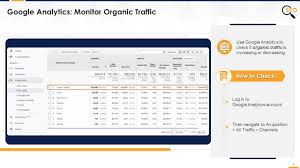
To track organic search traffic in Google Analytics, you can follow these steps. Firstly, navigate to the ‘Acquisition’ tab in your Google Analytics account and select ‘All Traffic’. Next, click on ‘Channels’ and then ‘Organic Search’ to view data specifically related to organic search traffic. You can further refine your analysis by exploring the ‘Keywords’ report to identify which search terms are driving organic visits to your website. By regularly monitoring these metrics and setting up custom reports, you can gain valuable insights into the performance of your organic search campaigns and optimise your website for improved visibility and engagement.

What are the key metrics to monitor for organic search in Google Analytics?

When it comes to monitoring organic search performance in Google Analytics, several key metrics play a crucial role in evaluating the effectiveness of your SEO efforts. Some of the key metrics to monitor include organic traffic volume, keyword rankings, click-through rates, bounce rates, conversion rates, and average session duration. These metrics provide valuable insights into how users are finding and interacting with your website through organic search. By tracking and analysing these metrics regularly, you can make informed decisions to optimise your website for better organic search visibility and ultimately drive more relevant traffic to your site.

How does organic search data help improve SEO efforts?

Organic search data plays a pivotal role in enhancing SEO efforts by providing valuable insights into the performance of a website’s search engine visibility. By analysing organic search data through Google Analytics, businesses can identify which keywords are driving the most traffic to their site, understand user behaviour patterns, and measure the effectiveness of their SEO strategies over time. This data allows website owners to make informed decisions on content optimisation, keyword targeting, and overall SEO tactics to improve their organic search rankings and attract more relevant traffic. In essence, leveraging organic search data helps businesses refine their SEO efforts, increase online visibility, and ultimately drive more organic traffic to their website.

Can Google Analytics show which keywords drive organic traffic to my site?

One frequently asked question regarding organic search in Google Analytics is whether it can show which keywords drive traffic to a website organically. Google Analytics used to provide detailed keyword data for organic search traffic, but due to privacy concerns and changes in search engine algorithms, this information is now limited. Instead, Google Analytics now shows “not provided” for the majority of organic keyword data. However, you can still gain insights into the performance of your organic search traffic by analysing landing pages, user behaviour, and other metrics within Google Analytics to understand the overall impact of your SEO efforts.

What are some best practices for analysing organic search data in Google Analytics?

When it comes to analysing organic search data in Google Analytics, there are several best practices that can help you derive meaningful insights. Firstly, setting up goals and conversion tracking is essential to measure the effectiveness of your organic search campaigns. Utilising advanced segments allows you to filter and compare different segments of organic traffic, providing a more granular view of user behaviour. Creating custom reports tailored to your specific business goals enables you to focus on key metrics that matter most. Regularly monitoring trends in organic search performance helps identify areas for improvement and optimisation, ensuring your SEO efforts are yielding the desired results.

Is it possible to measure the ROI of organic search campaigns using Google Analytics?

Measuring the ROI of organic search campaigns using Google Analytics is indeed possible and highly valuable for businesses. By tracking key metrics such as organic traffic, conversions, and revenue generated from organic search, Google Analytics provides insights that enable businesses to calculate the return on investment of their SEO efforts. Understanding the impact of organic search on revenue allows businesses to make informed decisions about resource allocation and optimisation strategies to maximise the effectiveness of their digital marketing initiatives.

How can I optimise my website based on insights from organic search data in Google Analytics?

To optimise your website based on insights from organic search data in Google Analytics, it is essential to first identify key metrics such as top-performing keywords, popular landing pages, and user behaviour patterns. By analysing this data, you can tailor your website content to align with the interests and search intent of your target audience. Consider creating high-quality, relevant content that incorporates top-performing keywords and improves user engagement. Additionally, focus on enhancing the user experience by optimising page load times, improving site navigation, and implementing mobile responsiveness. Regularly monitoring and adjusting your SEO strategy based on organic search data insights will help drive organic traffic growth and improve overall website performance.

seo google analytics

Maximising Online Impact: Leveraging SEO and Google Analytics for Success

The Power of SEO and Google Analytics

The Power of SEO and Google Analytics

Search Engine Optimization (SEO) is a crucial aspect of any digital marketing strategy, and when combined with the analytical power of Google Analytics, it becomes a formidable tool for businesses to enhance their online presence.

Understanding SEO

SEO involves optimizing your website to improve its visibility on search engine results pages. By implementing relevant keywords, creating high-quality content, and building backlinks, businesses can attract more organic traffic and reach their target audience effectively.

The Role of Google Analytics

Google Analytics is a powerful tool that provides valuable insights into website traffic, user behaviour, and conversion rates. By integrating Google Analytics with your SEO efforts, you can track the performance of your keywords, monitor user engagement metrics, and identify areas for improvement.

The Synergy Between SEO and Google Analytics

When used together, SEO and Google Analytics can offer a comprehensive view of your website’s performance. By analysing data such as organic traffic sources, bounce rates, and conversion funnels, you can refine your SEO strategy to drive better results and achieve your business goals.

Key Benefits

  • Data-Driven Decisions: With Google Analytics data at your fingertips, you can make informed decisions based on real-time insights.
  • Improved ROI: By tracking the effectiveness of your SEO efforts through analytics, you can maximise your return on investment.
  • Enhanced User Experience: Understanding user behaviour through analytics helps in creating a more user-friendly website that resonates with your target audience.
  • Continuous Improvement: Regularly monitoring SEO performance allows you to adapt to changing trends and algorithms for sustained success.

In Conclusion

SEO and Google Analytics are indispensable tools for businesses looking to boost their online visibility and drive sustainable growth. By harnessing the power of both disciplines, businesses can stay ahead in the competitive digital landscape and connect with their audience effectively.


8 Essential Tips for Enhancing SEO with Google Analytics

  1. Set up goals in Google Analytics to track important conversions on your website.
  2. Use UTM parameters to track the performance of your marketing campaigns in Google Analytics.
  3. Regularly check and analyse your organic search traffic data to identify trends and opportunities for SEO improvement.
  4. Monitor your website’s page load speed using Google Analytics and make improvements where necessary.
  5. Utilise the Search Console integration in Google Analytics to get valuable insights into your website’s performance on Google search results.
  6. Create custom reports in Google Analytics to focus on specific SEO metrics that are important for your website.
  7. Track and analyse user behaviour on your site, such as bounce rate and time on page, to improve user experience and SEO performance.
  8. Regularly review and update your SEO strategy based on the insights gathered from Google Analytics data.

Set up goals in Google Analytics to track important conversions on your website.

Setting up goals in Google Analytics is a crucial tip for enhancing your SEO strategy. By defining and tracking important conversions on your website, such as form submissions, purchases, or sign-ups, you can gain valuable insights into user behaviour and measure the effectiveness of your SEO efforts. Setting up goals allows you to monitor key metrics, identify areas for improvement, and make data-driven decisions to optimise your website for better performance and increased conversions.

Use UTM parameters to track the performance of your marketing campaigns in Google Analytics.

Utilising UTM parameters is a valuable tip to enhance your SEO and Google Analytics strategy. By incorporating UTM parameters in your URLs, you can accurately track the performance of your various marketing campaigns within Google Analytics. This allows you to gain insights into which campaigns are driving traffic, conversions, and engagement on your website. By leveraging UTM parameters effectively, you can refine your marketing strategies based on data-driven analytics, ultimately improving the overall effectiveness of your digital marketing efforts.

Regularly checking and analysing your organic search traffic data is a crucial tip for enhancing your SEO strategy with Google Analytics. By monitoring trends and patterns in your website’s organic search performance, you can pinpoint areas of strength and weakness, as well as identify opportunities for improvement. This proactive approach allows you to make data-driven decisions to refine your SEO tactics, target relevant keywords, and optimise content to better attract and engage your target audience. Consistent analysis of organic search traffic data helps you stay ahead of the curve in the ever-evolving digital landscape, ensuring that your website remains visible and competitive in search engine results pages.

Monitor your website’s page load speed using Google Analytics and make improvements where necessary.

Monitoring your website’s page load speed using Google Analytics is a crucial tip for effective SEO. A slow-loading website can lead to high bounce rates and negatively impact user experience, ultimately affecting your search engine rankings. By regularly checking your site’s performance metrics in Google Analytics and identifying areas for improvement, such as optimizing images or reducing server response time, you can enhance user satisfaction and boost your SEO efforts. Prioritising page load speed not only benefits your website visitors but also signals to search engines that you are committed to providing a seamless online experience, which can result in improved visibility and higher rankings.

Utilise the Search Console integration in Google Analytics to get valuable insights into your website’s performance on Google search results.

By utilising the Search Console integration in Google Analytics, businesses can gain valuable insights into their website’s performance on Google search results. This integration allows users to track key metrics such as click-through rates, impressions, and average position for specific keywords. By analysing this data, businesses can identify opportunities to improve their SEO strategy, enhance visibility on search engine results pages, and ultimately drive more organic traffic to their website.

Create custom reports in Google Analytics to focus on specific SEO metrics that are important for your website.

Creating custom reports in Google Analytics allows website owners to tailor their data analysis to focus on specific SEO metrics that are crucial for their online success. By honing in on key performance indicators such as organic traffic, keyword rankings, and conversion rates, businesses can gain deeper insights into the effectiveness of their SEO strategies. Custom reports enable a more targeted approach to monitoring and evaluating SEO efforts, empowering website owners to make data-driven decisions that drive continuous improvement and enhance their online visibility.

Track and analyse user behaviour on your site, such as bounce rate and time on page, to improve user experience and SEO performance.

To enhance your website’s user experience and boost SEO performance, it is essential to track and analyse user behaviour metrics like bounce rate and time on page using Google Analytics. By monitoring how visitors interact with your site, you can gain valuable insights into what aspects of your content resonate with them and where improvements are needed. Understanding user behaviour not only helps in creating a more engaging website but also enables you to tailor your SEO strategy to better meet the needs of your target audience, ultimately driving higher traffic and conversions.

Regularly review and update your SEO strategy based on the insights gathered from Google Analytics data.

To maximise the effectiveness of your SEO efforts, it is essential to regularly review and update your strategy using the insights obtained from Google Analytics data. By analysing key metrics such as organic traffic sources, user behaviour, and conversion rates, you can identify areas for improvement and adjust your SEO tactics accordingly. This iterative approach ensures that your website remains optimised for search engines and aligned with the evolving needs of your target audience, ultimately driving better results and enhancing your online visibility.

page insights

Unlocking the Power of Page Insights: A Guide to Understanding Website Analytics

Understanding Page Insights: Unlocking the Power of Website Analytics

Understanding Page Insights: Unlocking the Power of Website Analytics

In today’s digital age, having a strong online presence is crucial for businesses to succeed. One of the most valuable tools in a website owner’s arsenal is page insights, which provide invaluable data and analytics about how users interact with your site.

What are Page Insights?

Page insights refer to the metrics and data that reveal how visitors engage with your website. This information includes details such as page views, bounce rates, average session duration, traffic sources, and more. By analysing these insights, you can gain a deeper understanding of your audience’s behaviour and preferences.

The Benefits of Page Insights

By utilising page insights effectively, website owners can make informed decisions to improve user experience and drive conversions. Here are some key benefits of leveraging page insights:

  • Identifying Popular Content: Page insights help you identify which pages on your site are performing well and resonating with your audience. This information can guide content creation strategies.
  • Improving User Experience: By analysing user behaviour metrics like bounce rates and session duration, you can pinpoint areas for improvement on your site to enhance user experience.
  • Optimising Conversion Rates: Understanding how users navigate through your site can help you optimise conversion paths and increase the likelihood of visitors taking desired actions.
  • Enhancing SEO Strategies: Page insights provide valuable data for refining SEO strategies by identifying keywords that drive traffic and improving overall search engine visibility.

How to Access Page Insights

Most website analytics platforms offer robust tools for tracking page insights. Google Analytics is one of the most popular options, providing detailed reports on user behaviour, traffic sources, conversions, and more. By setting up Google Analytics or a similar tool on your site, you can start collecting valuable data to inform your digital marketing efforts.

In Conclusion

Page insights are a powerful resource for website owners looking to optimise their online presence. By delving into the data provided by these analytics tools, businesses can make informed decisions that drive growth and success in the digital landscape.


6 Essential Tips for Maximising Your Page Insights

  1. Regularly monitor your page insights to track performance trends over time.
  2. Pay attention to key metrics such as reach, engagement, and follower demographics.
  3. Use insights to identify the type of content that resonates most with your audience.
  4. Experiment with posting times and frequency based on insights data for optimal reach and engagement.
  5. Analyse the performance of paid promotions to understand their effectiveness in reaching your target audience.
  6. Compare your page insights with competitors’ data to gain industry perspective and improve your strategy.

Regularly monitoring your page insights is essential for tracking performance trends over time. By consistently analysing metrics such as page views, bounce rates, and traffic sources, you can gain valuable insights into how your website is performing and identify areas for improvement. Tracking these trends allows you to make informed decisions about content strategy, user experience enhancements, and SEO optimisation to ensure that your site continues to meet the evolving needs of your audience and achieve your business goals.

Pay attention to key metrics such as reach, engagement, and follower demographics.

When utilising page insights, it is essential to pay close attention to key metrics such as reach, engagement, and follower demographics. Understanding the reach of your content gives insight into the size of your audience and how effectively you are connecting with them. Monitoring engagement metrics provides valuable information on how users interact with your content, helping you tailor future strategies for better user engagement. Additionally, analysing follower demographics allows you to gain a deeper understanding of your audience’s characteristics and preferences, enabling you to create more targeted and relevant content that resonates with your followers. By focusing on these key metrics, businesses can enhance their digital marketing efforts and drive meaningful results.

Use insights to identify the type of content that resonates most with your audience.

Utilising page insights to identify the type of content that resonates most with your audience is a valuable strategy for enhancing your online presence. By analysing metrics such as page views, time spent on page, and engagement rates, you can pinpoint which topics, formats, and styles of content are most appealing to your visitors. This knowledge empowers you to tailor your content strategy to better meet the needs and interests of your target audience, ultimately driving higher engagement levels and fostering stronger connections with your online community.

Experiment with posting times and frequency based on insights data for optimal reach and engagement.

To maximise reach and engagement on your website, it’s essential to experiment with posting times and frequency based on insights data. By analysing metrics such as peak traffic hours and user engagement patterns, you can determine the most optimal times to publish content. Adjusting your posting schedule accordingly can help you reach a larger audience and increase interaction with your website, ultimately enhancing the overall effectiveness of your digital marketing strategy.

Analyse the performance of paid promotions to understand their effectiveness in reaching your target audience.

Analyse the performance of paid promotions to understand their effectiveness in reaching your target audience. By closely examining the data provided by page insights on paid campaigns, you can gain valuable insights into which promotional strategies are resonating with your target audience. Understanding the performance metrics, such as click-through rates, conversion rates, and engagement levels, allows you to refine your marketing efforts and allocate resources more effectively to maximise ROI. This analytical approach enables businesses to make data-driven decisions that enhance the impact of their paid promotions and drive meaningful results in reaching and engaging with the right audience.

Compare your page insights with competitors’ data to gain industry perspective and improve your strategy.

To gain a comprehensive industry perspective and enhance your strategic approach, it is beneficial to compare your page insights with data from competitors. By analysing how your website performance stacks up against others in your industry, you can identify areas of strength and weakness, pinpoint opportunities for improvement, and fine-tune your digital marketing strategy accordingly. This comparative analysis not only provides valuable insights into market trends and consumer behaviour but also empowers you to stay ahead of the competition and drive sustainable growth in a competitive online landscape.

seo strategy development uk

Unlocking Success: SEO Strategy Development in the UK

SEO Strategy Development in the UK

The Importance of SEO Strategy Development in the UK

In today’s digital landscape, having a robust SEO strategy is crucial for businesses looking to improve their online visibility and attract more potential customers. In the UK, where competition is fierce across various industries, developing a tailored SEO strategy can make all the difference in standing out from the crowd.

Understanding SEO Strategy Development

SEO strategy development involves a systematic approach to improving a website’s search engine rankings and driving organic traffic. It encompasses various techniques such as keyword research, on-page optimisation, link building, and content creation. In the UK market, understanding local search trends and user behaviour is essential for crafting an effective SEO strategy.

The Benefits of a Strong SEO Strategy

By investing in SEO strategy development in the UK, businesses can:

  • Enhance their online visibility and reach a wider audience
  • Improve website traffic quality and quantity
  • Boost brand credibility and trust among consumers
  • Increase lead generation and conversion rates
  • Stay ahead of competitors in search engine rankings

Key Components of an Effective SEO Strategy

An effective SEO strategy tailored for the UK market should include:

  1. Keyword Research: Identifying relevant keywords that align with user intent and search trends.
  2. On-Page Optimisation: Optimising website content, meta tags, and URLs for better search engine visibility.
  3. Link Building: Acquiring high-quality backlinks from reputable sources to improve domain authority.
  4. Local SEO: Optimising business listings and citations for local searches in specific UK regions.
  5. Content Marketing: Creating engaging and valuable content that resonates with target audiences.
  6. The Role of Professional SEO Agencies

    In the UK, businesses often turn to professional SEO agencies for expert guidance in developing and implementing effective strategies. These agencies have the knowledge, tools, and experience to navigate the complexities of search engine algorithms and deliver measurable results. By partnering with a reputable SEO agency, businesses can save time and resources while maximising their online potential.

    In Conclusion

    In conclusion, investing in SEO strategy development is essential for businesses operating in the competitive landscape of the UK. By crafting a tailored approach that addresses specific market needs and consumer behaviours, businesses can enhance their online presence, drive quality traffic, and achieve sustainable growth. With the right strategy in place, businesses can position themselves for success in an ever-evolving digital world.


    Crafting Effective SEO Strategies: A Step-by-Step Guide

    The Top 5 SEO Strategies for UK Websites: Maximising Visibility

    4. Planning for Success: A Comprehensive 12

    1. What is SEO strategy development?
    2. How do you develop SEO strategies?
    3. What are the top 5 SEO strategies?
    4. What is a 12 month SEO strategy?

    What is SEO strategy development?

    SEO strategy development is the process of creating a comprehensive plan to improve a website’s search engine visibility and drive organic traffic. In the context of the UK market, SEO strategy development involves analysing local search trends, identifying relevant keywords, optimising on-page elements, building quality backlinks, and creating valuable content to enhance online presence. By crafting a tailored SEO strategy, businesses in the UK can increase their website’s ranking on search engine results pages, attract more qualified leads, and ultimately boost their online success in a competitive digital landscape.

    How do you develop SEO strategies?

    Developing effective SEO strategies in the UK requires a comprehensive approach that takes into account various factors such as industry trends, target audience behaviour, and search engine algorithms. To create successful SEO strategies, thorough research is essential, starting with in-depth keyword analysis to identify relevant terms and phrases. This is followed by on-page optimisation, content creation, and link building to enhance website visibility and authority. Regular monitoring and analysis of performance metrics are also crucial to refine and adapt strategies for continuous improvement. By combining technical expertise with creativity and data-driven insights, businesses can develop SEO strategies that resonate with UK audiences and drive sustainable organic growth.

    What are the top 5 SEO strategies?

    When it comes to SEO strategy development in the UK, understanding the top 5 SEO strategies can significantly impact a business’s online success. The top 5 SEO strategies typically include comprehensive keyword research to target relevant search terms, on-page optimisation to improve website content and structure, high-quality link building to enhance domain authority, local SEO tactics to target specific UK regions, and engaging content creation to attract and retain website visitors. By incorporating these key strategies into their SEO approach, businesses in the UK can enhance their online visibility, drive organic traffic, and ultimately achieve better search engine rankings and increased brand awareness.

    What is a 12 month SEO strategy?

    A 12-month SEO strategy in the UK is a comprehensive plan that outlines the actions and initiatives to be implemented over a year to improve a website’s search engine rankings and organic traffic. This long-term strategy typically involves a series of steps such as thorough keyword research, on-page optimisation, content creation, link building, and regular monitoring and adjustments. By planning for a year ahead, businesses can set clear goals, track progress, and make strategic decisions to ensure sustained growth in online visibility and search engine performance within the competitive landscape of the UK market.

conversion optimization

Mastering the Art of Conversion Optimization: Strategies for Success in the Digital Landscape

The Art of Conversion Optimization

The Art of Conversion Optimization

In the world of digital marketing, conversion optimization is a crucial strategy that can significantly impact the success of your online business. So, what exactly is conversion optimization?

Understanding Conversion Optimization

Conversion optimization, often referred to as CRO, is the process of improving your website or landing page to increase the percentage of visitors who take a desired action. This action could be making a purchase, signing up for a newsletter, filling out a form, or any other goal you have set for your website.

The Importance of Conversion Optimization

Effective conversion optimization can lead to higher conversion rates, which means more customers and increased revenue for your business. By analysing user behaviour and making data-driven changes to your website, you can create a seamless and engaging experience that encourages visitors to convert.

Key Strategies for Conversion Optimization

  • A/B Testing: Compare two versions of a webpage to determine which one performs better in terms of conversions.
  • Optimising Call-to-Actions: Make sure your CTAs are clear, compelling, and strategically placed throughout your site.
  • User Experience Design: Create intuitive navigation and visually appealing designs to enhance user experience.
  • Mobile Responsiveness: Ensure that your website is optimised for mobile devices to capture mobile traffic effectively.
  • Performance Monitoring: Regularly track key metrics and use analytics tools to identify areas for improvement.

The Bottom Line

Conversion optimization is an ongoing process that requires continuous testing and refinement. By implementing effective strategies and paying attention to user feedback, you can maximise conversions and drive business growth. Remember, every visitor who lands on your site is a potential customer – make sure you’re optimising every opportunity for conversion!


8 Proven Conversion Optimisation Strategies for Enhancing Your Website’s Performance

  1. Ensure clear and concise call-to-action buttons
  2. Optimize website loading speed for better user experience
  3. Use high-quality images and videos to engage visitors
  4. Simplify the checkout process to reduce cart abandonment
  5. Implement A/B testing to identify what works best for your audience
  6. Provide social proof such as testimonials and reviews
  7. Personalize content based on user behaviour and preferences
  8. Utilize exit-intent pop-ups to capture leads before visitors leave

Ensure clear and concise call-to-action buttons

To maximise your website’s conversion potential, it is crucial to ensure that your call-to-action buttons are clear and concise. By using straightforward language and design that stands out, you can guide visitors towards taking the desired action easily. A well-crafted call-to-action button can make a significant difference in encouraging users to engage with your website and ultimately increase your conversion rates.

Optimize website loading speed for better user experience

Optimising your website loading speed is a crucial tip for effective conversion optimisation. A fast-loading website not only enhances user experience but also reduces bounce rates and increases the likelihood of visitors staying on your site to explore further. By prioritising website speed, you create a seamless browsing experience that keeps users engaged and more likely to convert. Remember, in today’s fast-paced digital world, every second counts – so make sure your website loads quickly to maximise conversions and drive business success.

Use high-quality images and videos to engage visitors

In the realm of conversion optimization, a valuable tip to enhance visitor engagement is to incorporate high-quality images and videos on your website. Visual content not only captivates visitors but also conveys information in a more compelling and memorable way. By utilising visually appealing images and videos that are relevant to your products or services, you can create a more immersive and engaging experience for users, ultimately increasing the likelihood of conversions. Remember, a picture is worth a thousand words – leverage the power of visual content to leave a lasting impression on your audience and drive conversions effectively.

Simplify the checkout process to reduce cart abandonment

Simplifying the checkout process is a key tip in conversion optimization aimed at reducing cart abandonment rates. By streamlining the steps required for customers to complete their purchase, businesses can create a more seamless and user-friendly experience. Eliminating unnecessary form fields, offering guest checkout options, and providing clear instructions can all contribute to a smoother transaction process that encourages customers to follow through with their purchase, ultimately boosting conversion rates and increasing revenue.

Implement A/B testing to identify what works best for your audience

Implementing A/B testing is a valuable strategy in conversion optimization that allows you to compare two different versions of a webpage to determine which one resonates best with your audience. By analysing the performance of each variant, you can gain valuable insights into what elements are most effective in driving conversions. This data-driven approach helps you make informed decisions on how to optimise your website for maximum impact, ultimately leading to improved user engagement and higher conversion rates.

Provide social proof such as testimonials and reviews

In the realm of conversion optimization, incorporating social proof in the form of testimonials and reviews can be a game-changer. By showcasing positive feedback from satisfied customers, you establish credibility and trust with potential visitors, nudging them towards taking the desired action on your website. Testimonials and reviews serve as powerful endorsements that validate the quality of your products or services, ultimately influencing conversion rates positively. Embracing social proof not only reassures visitors but also humanises your brand, fostering a sense of reliability and authenticity that can significantly impact your overall conversion strategy.

Personalize content based on user behaviour and preferences

Personalizing content based on user behaviour and preferences is a powerful tip for effective conversion optimization. By tailoring the content to individual users, businesses can create a more engaging and relevant experience that resonates with their audience. Understanding user behaviour allows for targeted messaging and offers, increasing the likelihood of conversions. This approach not only enhances user satisfaction but also builds brand loyalty, ultimately driving higher conversion rates and long-term success for the business.

Utilize exit-intent pop-ups to capture leads before visitors leave

One effective tip for conversion optimization is to incorporate exit-intent pop-ups on your website. These pop-ups are triggered when a visitor shows signs of leaving your site, such as moving their cursor towards the browser’s close button. By utilising exit-intent pop-ups, you have the opportunity to capture leads just before visitors exit, offering them a compelling reason to stay engaged with your brand. This strategy can help you re-engage potential customers, reduce bounce rates, and ultimately increase conversions by turning departing visitors into valuable leads.