seo and social media

SEO and Social Media: How to Make Them Work Together

SEO and Social Media: How They Work Together

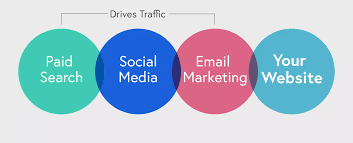
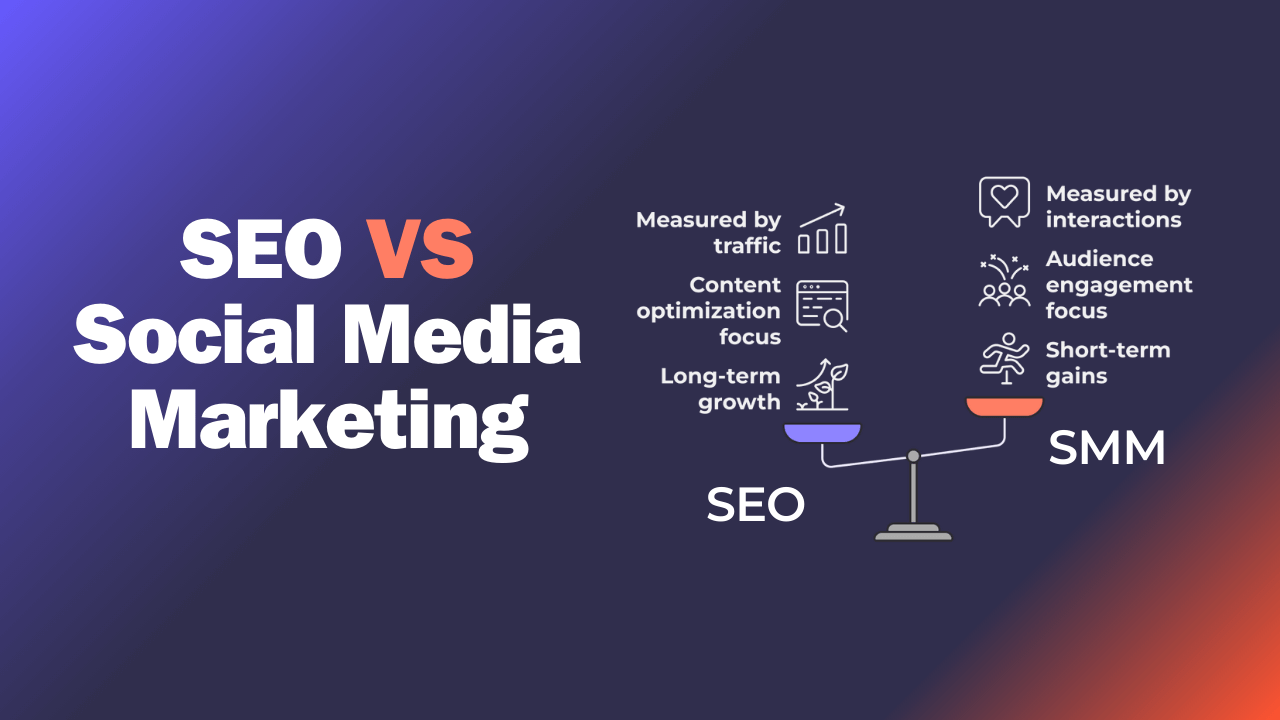
Search engine optimisation (SEO) and social media are often treated as separate parts of digital marketing. In practice, they can support one another. SEO helps people find your website through search engines, while social media gives you ways to share useful content, connect with your audience and build awareness of your brand.

Social media activity is not generally a direct ranking factor in traditional search results. However, it can contribute to SEO indirectly by helping your content reach more people, attract attention and earn links or mentions. A joined-up approach can therefore strengthen your overall online presence.

What SEO and social media each do

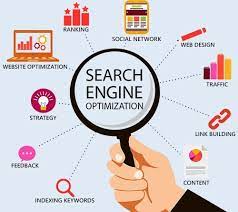
SEO focuses on improving a website’s visibility in unpaid search results. It includes work such as researching search terms, creating helpful content, improving site structure and ensuring pages can be crawled and understood by search engines.

Social media marketing uses platforms such as Instagram, LinkedIn, TikTok, Facebook and YouTube to publish content and engage with an audience. Each platform has its own discovery features, so social posts can help people find a business even when they are not actively searching for it on Google or another search engine.

How social media can support SEO

It can extend the reach of your content

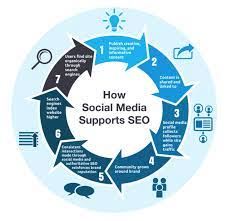
Publishing a useful article is only part of content marketing. Sharing it through relevant social channels can put it in front of more potential readers. Those readers may visit your website, share the article, refer to it in their own content or link to it from another website.

Social shares do not automatically improve search rankings. Their value is that they can increase exposure and create opportunities for the kinds of attention and references that may support a site’s authority over time.

It can help you understand your audience

Comments, questions, direct messages and engagement patterns can reveal what your audience wants to know. Use these insights to identify topics, concerns and language that could inform your SEO content plan.

For example, if customers repeatedly ask how a service works or how much it costs, those questions may inspire a detailed website guide or a useful FAQ page. Search data can then help you understand how people phrase similar questions in search engines.

It can build brand awareness

Consistent, helpful activity on social media can make your brand more familiar to potential customers. Someone who sees your posts may later search for your business by name, visit your website directly or choose your result over an unfamiliar alternative.

Brand awareness is difficult to measure with one metric, but it can be assessed through indicators such as branded search activity, website visits, enquiries and engagement with your content.

It can highlight content that deserves further investment

Social engagement can offer early feedback on topics and formats that resonate with your audience. A post that attracts thoughtful questions or is widely shared may point to a subject worth developing into a comprehensive guide, video or landing page.

Social performance is not a substitute for keyword research or search analytics, but it can add another useful source of insight.

How to align your SEO and social media strategies

  1. Start with shared goals. Decide what you want to achieve, such as increasing relevant website visits, generating enquiries or improving awareness of a particular service.
  2. Plan content around audience needs. Use keyword research, customer questions and social conversations to choose topics that are genuinely useful.
  3. Create content for each channel. Share the main idea in a format that suits the platform. A detailed website article might become a short video, a LinkedIn post or a series of social updates.
  4. Make it easy to visit your website. Add clear links where appropriate and make sure the destination page matches what the post promises.
  5. Use consistent branding and information. Keep your business name, descriptions and contact details accurate across your website and social profiles.
  6. Measure results across channels. Track social engagement alongside website visits, search visibility, leads and sales. Use analytics tools and campaign tracking parameters to understand which activity is contributing to results.

Common mistakes to avoid

  • Chasing likes instead of business outcomes. High engagement can be encouraging, but it does not necessarily mean more qualified visitors or customers.
  • Posting links without context. Explain why a piece of content is useful and who it is for, rather than simply dropping a link into a feed.
  • Duplicating the same post everywhere. Adapt the wording, format and call to action to suit each platform and its audience.
  • Expecting immediate ranking gains. SEO takes time, and social activity should not be treated as a shortcut to higher search positions.
  • Ignoring accessibility. Use descriptive link text, captions for video and alternative text for meaningful images where the platform allows it.

Measuring what matters

The right measures depend on your objectives. For SEO, you might monitor organic impressions, clicks, rankings for relevant searches and conversions from organic traffic. For social media, useful measures may include reach, engagement, referral visits and enquiries.

Look for connections between the channels rather than relying on a single figure. For example, a social campaign may bring new visitors to a guide, while search data later shows that the guide is gaining visibility for relevant queries. Regular reporting can help you understand what is working and where to refine your approach.

Conclusion

SEO and social media have different roles, but they can be more effective when planned together. Social media can help your content reach people, reveal audience interests and build familiarity with your brand. SEO can make your most useful website content easier to discover through search. By focusing on helpful content, a consistent brand experience and meaningful measurement, businesses can make both channels work towards shared goals.


Understanding the Interplay Between SEO and Social Media: 24 Key Questions Answered

  1. Is SEO and social media the same?
  2. How social media affects SEO?
  3. Can we use SEO for social media?
  4. What is the relationship between social media and SEO?
  5. How do SEO and social media work together?
  6. Why is social media optimization important to SEO?
  7. Does social media Affect Your SEO?
  8. Do you need social media for SEO?
  9. Does social media posting help SEO?
  10. Do links from social media help SEO?
  11. What is the role of SEO in social media marketing?
  12. Is SEO being phased out?
  13. Does SEO affect social media?
  14. What is the 80 20 rule of SEO?
  15. What is SEO for social media?
  16. What is SEO on social media?
  17. How social media impacts your SEO?
  18. What is the difference between social media and SEO?
  19. Is SEO needed for social media?
  20. How does SEO affect social media?
  21. What does SEO mean social media?
  22. How do I incorporate social media into SEO strategy?
  23. Can social media affect SEO?
  24. How important is SEO for social media?

Is SEO and social media the same?

No, SEO and social media marketing are not the same, although they can support each other. SEO helps your website appear in unpaid search engine results, while social media marketing uses platforms such as Instagram, LinkedIn and Facebook to share content and engage with audiences. Social activity can increase the reach of your content and build brand awareness, which may indirectly support your SEO, but social media engagement does not automatically improve search rankings.

How social media affects SEO?

Social media does not usually affect search rankings directly, but it can support SEO in several indirect ways. Sharing useful content can increase its reach, bring visitors to your website and encourage others to mention or link to it. Social conversations can also reveal the questions and topics your audience cares about, helping you create more relevant website content. Together, these benefits can strengthen brand awareness and contribute to a stronger online presence over time.

Can we use SEO for social media?

Yes. SEO principles can help people discover your social media content, although each platform has its own search and recommendation systems. Use clear, relevant keywords in profile descriptions, video titles, captions and post text, and make sure your business name and details are consistent across your profiles. Creating useful, well-structured content and adding accurate captions or hashtags can also improve discoverability. Social media SEO is different from optimising a website, so tailor your approach to the platform and the way your audience searches there.

What is the relationship between social media and SEO?

Social media and SEO support each other, although social media activity is not generally a direct ranking factor in search results. Sharing useful content on social platforms can increase its reach, bring visitors to your website and help build brand awareness. This exposure may lead to links, mentions and branded searches, which can contribute to your wider SEO efforts. Social conversations can also reveal the questions and topics your audience cares about, helping you create more relevant website content.

How do SEO and social media work together?

SEO and social media work together by helping people discover and engage with your brand in different ways. SEO improves your visibility in search results, while social media helps you share useful content, reach new audiences and learn what they care about. Social shares are not usually a direct search ranking factor, but wider exposure can encourage visits, brand searches and natural links to your website—all of which can support your wider SEO efforts.

Why is social media optimization important to SEO?

Social media optimisation is important to SEO because it helps your content reach a wider audience and encourages people to engage with your brand. Social signals such as likes and shares are not generally direct Google ranking factors, but greater visibility can lead to more website visits, brand searches and natural links or mentions—all of which may support your wider SEO efforts. An active, consistent social presence can also help you understand what your audience cares about, so you can create more relevant content for your website.

Does social media Affect Your SEO?

Social media does not usually affect search rankings directly, as likes, shares and follower numbers are not standard ranking factors. However, it can support SEO indirectly by helping your content reach a wider audience, attract website visits and earn links or brand mentions. Social platforms can also offer useful insight into the topics and questions your audience cares about. For the best results, use social media to share helpful content and build awareness, alongside a strong SEO strategy for your website.

Do you need social media for SEO?

No, you don’t need social media for SEO, and social media activity is not generally a direct Google ranking factor. However, it can support your SEO efforts by helping more people discover and share your content, increasing brand awareness and potentially attracting links to your website. Treat social media as a complementary channel: focus on useful content, an accessible website and sound SEO practices, then use social platforms to reach and engage your audience.

Does social media posting help SEO?

Social media posting does not usually improve search rankings directly, but it can support SEO in other ways. Sharing useful content can increase its reach, bring visitors to your website and help more people discover your brand. This exposure may lead to mentions or links from other websites, which can benefit your wider SEO efforts. Social platforms can also reveal the questions and topics your audience cares about, helping you plan relevant website content.

Links shared on social media can help people discover your website and may lead to visits, shares or links from other sites, but they do not usually improve search rankings directly. Search engines generally treat most social media links as “nofollow” or otherwise exclude them from passing ranking value. Their SEO benefit is indirect: sharing useful content can increase its reach, build brand awareness and create more opportunities for people to reference it elsewhere.

What is the role of SEO in social media marketing?

SEO supports social media marketing by helping you understand what your audience is searching for and shaping content around those interests. While social media activity does not directly determine traditional search rankings, optimising social profiles and sharing useful, relevant content can improve discoverability, drive visitors to your website and build brand awareness. Together, SEO and social media can help your content reach the right people across different channels.

Is SEO being phased out?

No, SEO is not being phased out; it is changing as search engines evolve and people discover information through more channels, including social platforms and AI-powered tools. The fundamentals still matter: creating useful, reliable content, making your website accessible and technically sound, and helping the right audience find it. Businesses may need to adapt their approach, but SEO remains an important way to build visibility and attract relevant visitors over time.

Does SEO affect social media?

SEO can support your social media strategy, and social media can help your SEO efforts, but neither directly controls the other. Social posts can increase the reach of your website content, introduce your brand to new audiences and provide insights into the topics people care about. This may lead to more website visits, brand searches or links from other websites. However, likes and shares are not generally direct ranking factors in traditional search results, so focus on useful content and a consistent experience across both channels.

What is the 80 20 rule of SEO?

The 80/20 rule of SEO applies the Pareto principle: a relatively small share of your SEO activities may drive most of your results. For example, a few high-performing pages, valuable search terms or important technical improvements could account for much of your organic traffic and enquiries. Use performance data to identify these priorities, then focus your time and resources on improving them. It is a useful way to guide decisions, rather than a guaranteed ratio or fixed rule.

What is SEO for social media?

SEO for social media means optimising your profiles and content so people can find them through searches on social platforms and, where relevant, search engines. This can include using clear profile descriptions, relevant keywords, accurate business details, descriptive captions and accessible text for images and videos. Social media SEO is distinct from website SEO, but both benefit from useful, well-structured content that matches what your audience is looking for.

What is SEO on social media?

SEO on social media means optimising your profiles and posts so people can find them more easily through a platform’s search and discovery features. This can include using relevant keywords in your profile name, bio and captions, adding accurate descriptions and hashtags, and publishing useful content that encourages genuine engagement. Social media SEO is different from website SEO, but it can help your content reach a wider audience and support your overall online visibility.

How social media impacts your SEO?

Social media activity does not usually directly affect your rankings in traditional search results, but it can support SEO in valuable ways. Sharing useful content can increase its reach, attract visitors and encourage other websites to mention or link to it. Social platforms can also help you understand your audience’s interests and questions, giving you ideas for content that meets their needs. Together, these benefits can strengthen brand awareness and create more opportunities for people to discover your website through search.

What is the difference between social media and SEO?

Social media focuses on connecting with audiences and sharing content on platforms such as Instagram, LinkedIn and Facebook, while SEO aims to improve a website’s visibility in unpaid search engine results. Social media can help build awareness, encourage engagement and bring visitors to your website; SEO helps people find relevant pages when they search for information, products or services. Although they use different channels and tactics, they can work together to strengthen your online presence.

Is SEO needed for social media?

SEO isn’t essential for posting on social media, but it can help people discover your profiles and content. Use clear, relevant wording in your profile details, captions and video titles, and include keywords naturally where they fit. Each platform has its own search and recommendation systems, so tailor your approach to the channel. Social media SEO is separate from website SEO, but both can support your wider online visibility.

How does SEO affect social media?

SEO can support your social media activity by helping you understand the words and topics your audience searches for, which can inform your posts, captions and profile descriptions. Optimised social profiles and useful, discoverable content may also appear in search engine results, helping more people find your brand. Social media engagement is not generally a direct ranking factor for traditional search results, but sharing content can increase its reach and create opportunities for website visits, brand mentions and links that may indirectly support SEO.

What does SEO mean social media?

When people ask “What does SEO mean on social media?”, they usually mean using search engine optimisation principles to make social profiles and posts easier to discover. This can include using relevant keywords in profile descriptions, captions, video titles and hashtags, as well as publishing useful content that matches what your audience is looking for. Social media SEO can help content appear in searches within a platform and, in some cases, in external search results. It is related to traditional SEO, but each social platform has its own search and recommendation systems.

How do I incorporate social media into SEO strategy?

Incorporate social media into your SEO strategy by using it to share helpful website content, reach relevant audiences and learn what questions your customers care about. Turn popular discussions and recurring questions into useful pages or articles, and tailor each social post to its platform with a clear link to the relevant content. Keep your brand details consistent across your website and social profiles, and track referral visits, engagement and conversions to see what is working. Social signals are not generally a direct search-ranking factor, but social activity can broaden your content’s reach and create opportunities for visits, mentions and links.

Can social media affect SEO?

Social media activity does not usually directly influence search rankings, but it can support SEO in several indirect ways. Sharing useful content can increase its reach, bring visitors to your website and encourage others to mention or link to it. Social platforms can also help you understand your audience’s interests and build brand awareness, which may lead people to search for your business by name. Treat social media as a way to strengthen your wider online presence, rather than as a shortcut to higher rankings.

How important is SEO for social media?

SEO is important for social media because it helps your profiles and content become easier to discover, both within social platforms and through search engines. Use relevant keywords naturally in profile descriptions, captions, titles and hashtags, and make sure your business information is accurate and consistent. Social media activity does not usually directly improve search rankings, but sharing useful content can increase its reach, attract website visitors and encourage links or brand mentions. Treat SEO and social media as complementary parts of your digital marketing strategy.
optimize

Mastering the Art of Optimizing Your Online Presence in the UK

Optimize Your Online Presence

The Art of Optimizing Your Online Presence

Optimizing your online presence is crucial in today’s digital landscape. Whether you’re a small business owner, a blogger, or a large corporation, ensuring that your website and digital platforms are optimized can make a significant difference in attracting and retaining customers.

What Does “Optimize” Mean?

Optimizing refers to the process of making something as effective and functional as possible. In the context of the online world, optimization involves improving various aspects of your digital presence to enhance visibility, user experience, and ultimately achieve your goals.

The Benefits of Optimization

By optimising your website for search engines (SEO), you can increase your organic traffic and reach a larger audience. Optimised websites load faster, provide a seamless user experience, and are more likely to convert visitors into customers. Social media optimization can help you engage with your audience effectively and build a strong online community.

How to Optimize Your Online Presence

There are several key areas you should focus on when optimizing your online presence:

  • SEO: Conduct keyword research, optimize meta tags, create high-quality content, and build backlinks to improve your search engine rankings.
  • Website Performance: Ensure fast loading times, mobile responsiveness, easy navigation, and secure transactions on your website.
  • Social Media: Develop a consistent posting schedule, engage with followers, use relevant hashtags, and analyse performance metrics to refine your social media strategy.
  • User Experience: Create an intuitive website layout, clear call-to-actions, informative content, and personalised interactions to enhance user experience.

Conclusion

In conclusion, optimizing your online presence is essential for standing out in the competitive digital landscape. By focusing on SEO techniques, improving website performance, leveraging social media platforms effectively, and enhancing user experience,you can boost your online visibility and achieve greater success in achieving your business objectives.


Maximising Success: Six Benefits of Optimisation for Online Growth

  1. Enhanced online visibility
  2. Increased organic traffic
  3. Improved user experience
  4. Higher search engine rankings
  5. Better engagement on social media platforms
  6. Greater conversion rates


The Challenges of Optimisation: Time, Penalties, Updates, and Complexity

  1. Optimizing can be time-consuming, requiring continuous monitoring and adjustments.
  2. Over-optimization may lead to penalties from search engines, impacting your website’s ranking.
  3. Optimization strategies need to be regularly updated to keep up with changing algorithms and trends.
  4. Optimizing every aspect of your online presence can be complex and overwhelming for beginners.

Enhanced online visibility

Enhancing online visibility through optimization strategies is a powerful pro that can significantly impact a business’s digital success. By implementing effective SEO techniques, refining website performance, and leveraging social media platforms, businesses can increase their online presence and reach a wider audience. Improved visibility not only drives more traffic to the website but also enhances brand awareness, credibility, and ultimately leads to increased opportunities for engagement and conversions. Optimize your online presence today to stand out in the competitive digital landscape and maximise your reach.

Increased organic traffic

One of the key benefits of optimising your online presence is the potential for increased organic traffic to your website. By implementing effective SEO strategies, such as keyword research, content optimisation, and link building, you can improve your search engine rankings and attract more relevant visitors to your site. Increased organic traffic not only expands your reach but also enhances the quality of visitors who are genuinely interested in your products or services, ultimately leading to higher conversion rates and business growth.

Improved user experience

Enhancing user experience is a key benefit of optimising your online presence. By focusing on improving website navigation, page loading speed, content relevance, and overall design aesthetics, you can provide visitors with a seamless and enjoyable browsing experience. A well-optimised website that is user-friendly and intuitive not only keeps visitors engaged but also encourages them to explore further and increases the likelihood of conversion. Prioritising improved user experience through optimisation can lead to higher customer satisfaction, increased retention rates, and ultimately contribute to the overall success of your online presence.

Higher search engine rankings

Achieving higher search engine rankings is a key benefit of optimising your online presence. By implementing effective SEO strategies, such as keyword research, content optimisation, and link building, you can improve your website’s visibility and authority in search engine results pages. Higher rankings not only drive more organic traffic to your site but also enhance your credibility and trustworthiness in the eyes of both search engines and potential customers. This increased visibility can lead to greater brand awareness, more clicks, and ultimately, improved conversion rates for your business.

Better engagement on social media platforms

Optimizing your online presence can lead to better engagement on social media platforms. By implementing effective social media optimization strategies, such as posting relevant content regularly, interacting with followers, and analysing performance metrics, you can increase audience engagement and build a strong online community. This improved engagement not only enhances brand visibility but also fosters meaningful interactions with your target audience, ultimately driving more traffic to your website and increasing the likelihood of converting followers into loyal customers.

Greater conversion rates

Optimizing your online presence can lead to greater conversion rates, a key benefit that directly impacts your business’s bottom line. By fine-tuning your website, content, and user experience to align with the needs and preferences of your target audience, you can enhance the likelihood of turning website visitors into paying customers. A well-optimized online presence not only attracts more traffic but also ensures that this traffic is more likely to take the desired actions, such as making a purchase, signing up for a newsletter, or contacting your business for more information. Ultimately, achieving higher conversion rates through optimization can drive increased revenue and business growth.

Optimizing can be time-consuming, requiring continuous monitoring and adjustments.

Optimizing your online presence can be a time-consuming endeavour, demanding ongoing monitoring and adjustments. From conducting in-depth keyword research to analysing website performance metrics, the process of optimisation requires a significant investment of time and effort. Continuous monitoring is essential to track the effectiveness of implemented strategies and make necessary adjustments to stay ahead in the ever-evolving digital landscape. While the commitment to optimising may be demanding, the long-term benefits of improved visibility and enhanced user experience make it a worthwhile pursuit for businesses seeking online success.

Over-optimization may lead to penalties from search engines, impacting your website’s ranking.

Over-optimization, while aiming to improve a website’s visibility, can have detrimental consequences. Search engines like Google penalise websites that engage in excessive optimization practices, such as keyword stuffing or manipulative link building. These penalties can result in a significant drop in the website’s ranking and visibility in search engine results pages. It is essential to strike a balance between optimisation efforts and maintaining a natural and user-friendly online presence to avoid such repercussions and ensure long-term success in digital marketing strategies.

In the realm of optimization, a notable drawback is the necessity for constant evolution. Optimization strategies must be consistently revised and adapted to align with the ever-changing algorithms and trends prevalent in the digital sphere. This requirement for regular updates demands ongoing vigilance and a proactive approach to ensure that one’s online presence remains competitive and relevant in an environment where stagnation can quickly lead to diminished visibility and effectiveness.

Optimizing every aspect of your online presence can be complex and overwhelming for beginners.

Optimizing every aspect of your online presence can present a significant challenge for beginners, as the process can be intricate and overwhelming. From understanding search engine algorithms to implementing website performance enhancements and crafting engaging social media strategies, the sheer breadth of tasks involved in optimization can seem daunting to those new to the digital realm. The complexity of optimisation may require beginners to invest time in learning new skills and staying updated on evolving trends, making it a demanding task for those just starting their online journey.

media marketing

Mastering the Art of Media Marketing: Strategies for Success in the Digital Age

The Power of Media Marketing

The Power of Media Marketing

Media marketing has revolutionised the way businesses connect with their audience in today’s digital age. With the rise of social media platforms and online channels, companies now have unprecedented opportunities to engage with customers on a personal level and build brand loyalty like never before.

What is Media Marketing?

Media marketing encompasses the use of various media channels to promote products or services. This includes traditional outlets such as television, radio, and print media, as well as digital platforms like social media, websites, and email marketing. The goal of media marketing is to reach target audiences effectively and drive engagement that leads to conversions.

The Benefits of Media Marketing

Effective media marketing can yield a multitude of benefits for businesses. By leveraging different channels, companies can increase brand awareness, attract new customers, and foster relationships with existing ones. Through targeted messaging and creative content, businesses can create a strong brand identity that resonates with their audience.

Key Strategies for Success

To succeed in media marketing, businesses must adopt strategic approaches tailored to their goals and target demographics. This may involve creating compelling visual content for social media platforms, running targeted advertising campaigns on digital channels, or partnering with influencers to reach a wider audience.

The Future of Media Marketing

As technology continues to evolve, the landscape of media marketing will also undergo changes. Artificial intelligence, data analytics, and personalisation will play increasingly significant roles in shaping marketing strategies. Businesses that stay ahead of these trends and adapt to new technologies will be best positioned to thrive in the competitive digital marketplace.


Top 9 Frequently Asked Questions About Media Marketing: Strategies, Platforms, and Trends

  1. What is media marketing?
  2. How does media marketing differ from traditional marketing?
  3. What are the key benefits of media marketing for businesses?
  4. Which social media platforms are most effective for media marketing?
  5. How can businesses measure the success of their media marketing campaigns?
  6. What role does content creation play in media marketing strategies?
  7. How important is influencer marketing in today’s media landscape?
  8. What trends are shaping the future of media marketing?
  9. How can businesses effectively integrate offline and online media marketing efforts?

What is media marketing?

Media marketing refers to the strategic use of various media channels, both traditional and digital, to promote products or services effectively. It encompasses a wide range of platforms such as television, radio, print media, social media, websites, and email marketing. The primary objective of media marketing is to reach target audiences in a compelling and engaging manner that drives brand awareness, customer engagement, and ultimately leads to conversions. By utilising diverse media channels and crafting tailored messages, businesses can establish a strong brand presence and connect with their audience on a personal level to achieve their marketing goals.

How does media marketing differ from traditional marketing?

In the realm of marketing, the distinction between media marketing and traditional marketing lies in the channels and methods used to reach and engage with audiences. Traditional marketing typically involves one-way communication through mass media outlets such as television, radio, and print advertisements. In contrast, media marketing leverages digital platforms like social media, websites, and email campaigns to interact with consumers in a more targeted and interactive manner. Media marketing allows for real-time engagement, personalised messaging, and precise audience targeting based on data analytics, offering businesses a more dynamic and measurable approach to connecting with their target market compared to the broader reach of traditional marketing methods.

What are the key benefits of media marketing for businesses?

Media marketing offers a plethora of key benefits for businesses seeking to enhance their online presence and reach their target audience effectively. One of the primary advantages is increased brand visibility, allowing companies to showcase their products or services to a wider audience through various media channels. Additionally, media marketing enables businesses to engage with customers in real-time, fostering meaningful interactions and building brand loyalty. Furthermore, by leveraging different platforms such as social media and digital advertising, businesses can drive traffic to their websites, generate leads, and ultimately boost sales. Overall, the strategic use of media marketing can significantly elevate a business’s market position and competitiveness in the digital landscape.

Which social media platforms are most effective for media marketing?

When it comes to media marketing, the choice of social media platforms can significantly impact the success of a campaign. The effectiveness of each platform depends on various factors such as the target audience, industry niche, and marketing objectives. However, some commonly preferred social media platforms for media marketing include Facebook, Instagram, Twitter, LinkedIn, and YouTube. Facebook’s extensive user base and robust advertising tools make it a versatile platform for reaching a wide audience. Instagram’s visual focus is ideal for businesses with visually appealing products or services. Twitter’s real-time engagement and trending topics can help brands stay relevant and connect with their audience. LinkedIn is favoured for B2B marketing due to its professional networking capabilities. YouTube’s video-centric approach is perfect for engaging audiences through visual storytelling. Ultimately, the most effective platform(s) for media marketing will vary based on the specific goals and target demographics of each campaign.

How can businesses measure the success of their media marketing campaigns?

Businesses can measure the success of their media marketing campaigns through a variety of key performance indicators (KPIs) that align with their specific goals. Metrics such as website traffic, conversion rates, engagement levels on social media platforms, email open rates, and return on investment (ROI) are commonly used to evaluate the effectiveness of media marketing efforts. By tracking these metrics and analysing data insights, businesses can gain valuable feedback on the performance of their campaigns, identify areas for improvement, and make informed decisions to optimise future strategies for greater success.

What role does content creation play in media marketing strategies?

Content creation plays a pivotal role in media marketing strategies by serving as the foundation for engaging and connecting with the target audience. Compelling and relevant content not only attracts attention but also educates, entertains, and inspires consumers, building trust and credibility for the brand. Through strategic content creation, businesses can effectively communicate their message, showcase their expertise, and differentiate themselves from competitors in a crowded digital landscape. Quality content serves as a valuable asset that drives organic traffic, boosts brand visibility, and ultimately converts leads into loyal customers. In essence, content creation is the driving force behind successful media marketing campaigns, shaping how brands are perceived and remembered by their audience.

How important is influencer marketing in today’s media landscape?

In today’s dynamic media landscape, influencer marketing has emerged as a crucial component of successful brand promotion strategies. Leveraging the reach and credibility of influencers, businesses can effectively connect with their target audiences in a more authentic and engaging manner. Influencer marketing allows brands to tap into niche markets, build trust with consumers, and drive conversions through influencer endorsements and collaborations. As social media continues to dominate the digital sphere, the influence of influencers in shaping consumer behaviour and purchasing decisions cannot be understated. Embracing influencer marketing as part of a comprehensive media strategy can significantly enhance brand visibility and engagement in today’s competitive market environment.

In today’s dynamic digital landscape, several trends are shaping the future of media marketing. One key trend is the increasing emphasis on personalisation and targeted advertising, driven by advancements in data analytics and artificial intelligence. Brands are leveraging customer data to create tailored marketing campaigns that resonate with individual preferences and behaviours. Another significant trend is the rise of influencer marketing, where businesses collaborate with online personalities to reach wider audiences authentically. Additionally, the growing popularity of video content across social media platforms is transforming how brands engage with consumers, highlighting the importance of visual storytelling in effective media marketing strategies. As technology continues to evolve, staying abreast of these trends will be crucial for businesses looking to stay competitive and relevant in the ever-changing world of media marketing.

How can businesses effectively integrate offline and online media marketing efforts?

In today’s interconnected world, businesses can effectively integrate offline and online media marketing efforts by adopting a cohesive and strategic approach. By aligning messaging and branding across both traditional channels such as print, radio, and television with digital platforms like social media, websites, and email marketing, companies can create a seamless omnichannel experience for their audience. Leveraging data analytics to track customer interactions and preferences across offline and online channels allows businesses to tailor their marketing strategies accordingly. Additionally, incorporating QR codes or custom URLs in offline campaigns can drive traffic to online platforms, while promoting social media engagement through offline events can further enhance brand visibility and customer engagement. Ultimately, by bridging the gap between offline and online media marketing efforts, businesses can maximise their reach and impact on target audiences in a holistic manner.

paid social media agency

Unlocking Success: The Role of a Paid Social Media Agency in Your Marketing Strategy

The Power of Paid Social Media Agencies

The Power of Paid Social Media Agencies

In today’s digital age, social media has become a powerful tool for businesses to reach their target audience and drive engagement. With the ever-increasing competition for visibility on social platforms, many companies are turning to paid social media agencies to help them stand out and achieve their marketing goals.

What is a Paid Social Media Agency?

A paid social media agency is a specialised firm that helps businesses create and implement paid advertising campaigns on various social media platforms such as Facebook, Instagram, Twitter, LinkedIn, and more. These agencies have the expertise and resources to optimise ad performance, target specific audiences, and generate measurable results for their clients.

The Benefits of Using a Paid Social Media Agency

Expertise: Paid social media agencies have a deep understanding of how each platform works and can create tailored strategies to maximise ROI.

Targeted Advertising: These agencies can help businesses target specific demographics, interests, behaviours, and locations to reach the right audience with precision.

Creative Content: Paid social media agencies can develop engaging ad creatives that resonate with the target audience and drive conversions.

Data-driven Approach: By analysing data and performance metrics, these agencies can continuously optimise campaigns for better results.

Choosing the Right Paid Social Media Agency

When selecting a paid social media agency for your business, consider the following factors:

  • Experience: Look for an agency with a proven track record of successful campaigns in your industry.
  • Services Offered: Ensure that the agency provides the specific services you need to achieve your marketing objectives.
  • Pricing: Compare pricing models and choose an agency that offers transparent pricing with clear deliverables.
  • Communication: Opt for an agency that maintains open communication channels and keeps you informed about campaign progress.

In Conclusion

A paid social media agency can be a valuable partner in helping your business navigate the complexities of social media advertising. By leveraging their expertise and resources, you can elevate your brand’s online presence, drive traffic to your website, and ultimately increase conversions. Consider partnering with a paid social media agency today to take your digital marketing efforts to the next level!


9 Advantages of Hiring a Paid Social Media Agency for Enhanced Brand Growth

  1. Expertise in social media advertising strategies
  2. Access to advanced targeting options for specific audiences
  3. Ability to create engaging and creative ad content
  4. Data-driven approach for campaign optimisation
  5. Increased brand visibility on multiple social media platforms
  6. Cost-effective compared to traditional advertising methods
  7. Measurable results through analytics and performance tracking
  8. Opportunity to reach a larger audience and increase brand awareness
  9. Professional management of paid campaigns, saving time and resources


Challenges of Engaging a Paid Social Media Agency: High Costs, Reduced Control, and Reliance on Expertise

  1. Costly Investment
  2. Lack of Control
  3. Dependency on Expertise

Expertise in social media advertising strategies

Having expertise in social media advertising strategies is a significant advantage of partnering with a paid social media agency. These agencies possess in-depth knowledge of how different social media platforms operate and can develop tailored advertising strategies that align with business objectives. By leveraging their expertise, businesses can benefit from targeted campaigns, creative content creation, and data-driven approaches that maximise return on investment. Ultimately, the specialised skills and experience of a paid social media agency can help businesses effectively navigate the dynamic landscape of social media advertising to achieve optimal results.

Access to advanced targeting options for specific audiences

One significant advantage of utilising a paid social media agency is the access to advanced targeting options that enable businesses to reach specific audiences with precision. These agencies possess the expertise to leverage sophisticated targeting tools on platforms like Facebook, Instagram, and LinkedIn, allowing them to tailor advertising campaigns based on demographics, interests, behaviours, and even location. By utilising these advanced targeting capabilities, businesses can ensure that their ads are seen by the right people at the right time, maximising engagement and driving conversions effectively.

Ability to create engaging and creative ad content

One significant advantage of partnering with a paid social media agency is their ability to craft engaging and creative ad content. These agencies have a team of skilled professionals who excel in developing compelling visuals and captivating copy that resonate with the target audience. By leveraging their creativity, paid social media agencies can help businesses cut through the digital noise, capture attention, and drive meaningful interactions with potential customers. This proficiency in creating impactful ad content plays a crucial role in enhancing brand visibility, increasing engagement, and ultimately driving conversions in the competitive landscape of social media marketing.

Data-driven approach for campaign optimisation

One significant advantage of utilising a paid social media agency is their data-driven approach to campaign optimisation. These agencies leverage analytics and performance metrics to continuously monitor and refine advertising strategies for maximum effectiveness. By analysing real-time data, they can make informed decisions on audience targeting, ad placement, and content creation, ensuring that every aspect of the campaign is optimised to drive results. This data-driven methodology not only enhances the efficiency of social media campaigns but also leads to better ROI and overall success in achieving marketing objectives.

Increased brand visibility on multiple social media platforms

By utilising the services of a paid social media agency, businesses can significantly enhance their brand visibility across various social media platforms. Through targeted advertising campaigns and strategic content placement, these agencies help companies establish a strong presence on platforms like Facebook, Instagram, Twitter, LinkedIn, and more. This increased visibility not only expands the reach of the brand but also boosts engagement with a wider audience, ultimately leading to heightened brand awareness and recognition in the competitive digital landscape.

Cost-effective compared to traditional advertising methods

One significant advantage of utilising a paid social media agency is its cost-effectiveness when compared to traditional advertising methods. With paid social media campaigns, businesses can reach a highly targeted audience at a fraction of the cost of traditional advertising channels such as TV or print media. This affordability allows companies to maximise their marketing budget and achieve better ROI by investing in strategic and tailored social media ads that deliver measurable results.

Measurable results through analytics and performance tracking

One significant advantage of utilising a paid social media agency is the ability to attain measurable results through in-depth analytics and performance tracking. These agencies employ advanced tracking tools and analytics platforms to monitor the effectiveness of advertising campaigns in real-time. By analysing key metrics such as engagement rates, click-through rates, conversions, and ROI, businesses can gain valuable insights into the performance of their social media ads. This data-driven approach enables informed decision-making, optimisation of strategies, and ultimately, maximisation of marketing efforts for enhanced outcomes and success.

Opportunity to reach a larger audience and increase brand awareness

By utilising the services of a paid social media agency, businesses have the invaluable opportunity to expand their reach to a wider audience and enhance brand awareness. Through targeted advertising strategies and precise audience segmentation, these agencies can help businesses connect with potential customers who may not have been reached through organic means. This increased visibility not only boosts brand recognition but also lays the foundation for building a loyal customer base and driving business growth in the competitive digital landscape.

Professional management of paid campaigns, saving time and resources

Professional management of paid campaigns by a paid social media agency offers businesses the advantage of saving valuable time and resources. By entrusting experts to handle the intricacies of paid advertising on social media platforms, companies can focus on core operations while knowing that their campaigns are in capable hands. This not only streamlines the process but also ensures efficient use of resources, leading to better campaign performance and ultimately, maximised return on investment.

Costly Investment

For small businesses with constrained marketing budgets, one significant drawback of engaging a paid social media agency is the costly investment involved. The fees charged by these agencies for their services can often be prohibitive, making it challenging for smaller enterprises to afford ongoing support. This financial burden may deter businesses from accessing the expertise and resources that a paid social media agency can offer, potentially limiting their ability to compete effectively in the digital landscape.

Lack of Control

When businesses opt to outsource their social media advertising campaigns to a paid social media agency, they may encounter the con of lack of control. Entrusting the day-to-day management and execution of these campaigns to an external agency can result in businesses having limited oversight and involvement in the process. This lack of control could potentially lead to misalignment with brand messaging, delayed responses to real-time events, or difficulties in promptly addressing customer inquiries or concerns. Businesses need to carefully consider this aspect and establish clear communication channels with the agency to ensure that their vision and objectives are effectively translated into the advertising campaigns.

Dependency on Expertise

Dependency on Expertise: Relying on a paid social media agency for advertising strategies may lead to a lack of in-house expertise development within the business. By outsourcing these crucial tasks, businesses risk becoming overly dependent on external specialists, hindering the opportunity for internal team members to enhance their skills and knowledge in digital marketing. This reliance on external expertise could limit the business’s ability to adapt to changing trends and technologies independently, potentially creating a long-term dependency on external agencies for all marketing needs.

online marketing services

Maximising Your Reach: Unleashing the Power of Online Marketing Services

Online Marketing Services

The Power of Online Marketing Services

In today’s digital age, online marketing services have become essential for businesses looking to thrive in the competitive online landscape. From small startups to multinational corporations, the reach and impact of online marketing cannot be underestimated.

What Are Online Marketing Services?

Online marketing services encompass a wide range of strategies and techniques aimed at promoting a brand, product, or service on the internet. These services utilise various digital channels such as social media, search engines, email, and websites to connect with target audiences and drive engagement.

The Benefits of Online Marketing Services

Increased Visibility: By leveraging online marketing services, businesses can enhance their visibility in the digital realm. Through search engine optimisation (SEO), pay-per-click (PPC) advertising, and social media marketing, companies can reach a wider audience and attract potential customers.

Targeted Advertising: Online marketing allows for precise targeting of specific demographics, interests, and behaviours. This targeted approach ensures that marketing efforts are focused on reaching those most likely to be interested in the products or services being promoted.

Measurable Results: One of the key advantages of online marketing services is the ability to track and measure campaign performance in real-time. Metrics such as website traffic, conversion rates, and engagement levels provide valuable insights that help businesses refine their strategies for optimal results.

Popular Online Marketing Strategies

Social Media Marketing: Social media platforms like Facebook, Instagram, Twitter, and LinkedIn offer powerful tools for connecting with audiences, building brand awareness, and driving conversions.

Email Marketing: Email remains a highly effective channel for nurturing leads and engaging existing customers. Personalised email campaigns can deliver targeted messages directly to recipients’ inboxes.

Content Marketing: Creating high-quality content such as blog posts, videos, infographics, and eBooks helps establish authority in your industry and attract organic traffic to your website.

Choosing the Right Online Marketing Service Provider

When selecting an online marketing service provider, it’s essential to consider factors such as experience, expertise, track record of success, and alignment with your business goals. A reputable provider will work closely with you to develop customised strategies that deliver tangible results.

In Conclusion

Online marketing services play a pivotal role in helping businesses navigate the complexities of the digital landscape. By harnessing the power of digital channels and implementing targeted strategies, companies can effectively promote their offerings and achieve sustainable growth in today’s interconnected world.


Understanding Online Marketing Services: Answers to 8 Common Questions

  1. What are online marketing services?
  2. How can online marketing services benefit my business?
  3. What are the different types of online marketing strategies available?
  4. How do I choose the right online marketing service provider for my business?
  5. What is the importance of social media marketing in online marketing services?
  6. Can email marketing be effective as part of an online marketing strategy?
  7. How can content marketing help improve my online presence?
  8. What metrics should I track to measure the success of my online marketing campaigns?

What are online marketing services?

Online marketing services encompass a diverse range of strategies and techniques designed to promote businesses, products, or services on the internet. These services leverage digital channels such as social media, search engines, email marketing, and websites to connect with target audiences and drive engagement. From search engine optimisation (SEO) to pay-per-click (PPC) advertising and content marketing, online marketing services aim to increase brand visibility, attract potential customers, and generate measurable results through targeted online campaigns. By utilising the power of digital platforms, businesses can enhance their online presence and effectively reach their desired audience in the ever-evolving digital landscape.

How can online marketing services benefit my business?

Online marketing services offer a multitude of benefits that can significantly impact the success and growth of your business. By leveraging online marketing strategies such as search engine optimisation (SEO), social media marketing, and pay-per-click (PPC) advertising, businesses can enhance their online visibility, attract targeted traffic to their website, and engage with potential customers on various digital platforms. These services not only increase brand awareness but also drive conversions, leading to improved sales and revenue generation. Furthermore, the measurable nature of online marketing allows businesses to track performance metrics in real-time, enabling them to refine their strategies for optimal results. Overall, online marketing services provide a cost-effective and efficient way to reach a broader audience, establish a strong online presence, and ultimately boost the overall success of your business in today’s competitive digital landscape.

What are the different types of online marketing strategies available?

When exploring online marketing services, one common question that arises is: “What are the different types of online marketing strategies available?” Online marketing encompasses a diverse range of strategies, including search engine optimisation (SEO) to improve website visibility on search engines, pay-per-click (PPC) advertising for targeted online ads, social media marketing to engage with audiences on platforms like Facebook and Instagram, email marketing for personalised communication, content marketing through blogs and videos to attract and educate customers, and influencer marketing to leverage the reach of popular personalities. Each strategy offers unique benefits and can be tailored to suit specific business objectives, making it essential for businesses to understand and utilise a combination of these approaches to maximise their online presence and reach their target audience effectively.

How do I choose the right online marketing service provider for my business?

When faced with the question of how to choose the right online marketing service provider for your business, it is crucial to conduct thorough research and consider several key factors. Start by assessing the provider’s experience in your industry, as well as their track record of success with similar businesses. Look for a provider that offers customised strategies tailored to your specific goals and target audience. Transparency, clear communication, and a collaborative approach are also essential qualities to look for in a potential partner. Ultimately, selecting a reputable online marketing service provider who understands your business needs and is committed to delivering measurable results can make a significant difference in boosting your online presence and driving business growth.

What is the importance of social media marketing in online marketing services?

Social media marketing holds significant importance in the realm of online marketing services due to its unparalleled ability to connect businesses with their target audiences on a personal and engaging level. By leveraging platforms such as Facebook, Instagram, Twitter, and LinkedIn, businesses can build brand awareness, foster customer relationships, drive website traffic, and ultimately boost conversions. The interactive nature of social media allows for real-time engagement with consumers, enabling companies to receive feedback, address queries promptly, and tailor their marketing efforts to meet the evolving needs and preferences of their audience. In essence, social media marketing serves as a powerful tool for enhancing brand visibility, establishing credibility, and nurturing a loyal customer base in the competitive digital landscape.

Can email marketing be effective as part of an online marketing strategy?

When considering the effectiveness of email marketing as part of an online marketing strategy, it is important to recognise its significant impact. Email marketing remains a powerful tool for engaging with target audiences, nurturing leads, and driving conversions. By delivering personalised and relevant content directly to recipients’ inboxes, businesses can establish meaningful connections with customers and prospects. With the ability to track metrics such as open rates, click-through rates, and conversion rates, email marketing offers valuable insights that can inform and enhance overall online marketing strategies. In essence, when executed strategically and creatively, email marketing can be a highly effective component of an integrated online marketing strategy.

How can content marketing help improve my online presence?

Content marketing plays a crucial role in enhancing your online presence by providing valuable and engaging content that resonates with your target audience. By creating high-quality and relevant content such as blog posts, articles, videos, and infographics, you can establish your brand as an authority in your industry and attract organic traffic to your website. This not only increases visibility but also helps build trust and credibility with potential customers. Additionally, well-crafted content that is optimised for search engines can improve your website’s ranking, driving more traffic and ultimately boosting conversions. Content marketing is a powerful tool that not only improves your online visibility but also strengthens your brand’s reputation and fosters long-term relationships with your audience.

What metrics should I track to measure the success of my online marketing campaigns?

When evaluating the success of your online marketing campaigns, tracking the right metrics is crucial to gaining insights into their performance and effectiveness. Key metrics to consider include website traffic, conversion rates, click-through rates, bounce rates, and return on investment (ROI). By monitoring these metrics, you can assess the impact of your campaigns on audience engagement, lead generation, and revenue generation. Additionally, tracking social media engagement metrics such as likes, shares, comments, and follower growth can provide valuable indicators of brand awareness and audience interaction. Overall, a comprehensive approach to measuring campaign success through a combination of quantitative and qualitative metrics will help you make informed decisions and optimise your online marketing strategies for greater impact.

seo media marketing

Unlocking the Potential of SEO Media Marketing for Online Success

SEO Media Marketing: Maximising Your Online Presence

SEO Media Marketing: Maximising Your Online Presence

In today’s digital age, having a strong online presence is crucial for the success of any business. Search engine optimisation (SEO) and social media marketing are two powerful tools that, when combined effectively, can significantly boost your visibility and engagement with your target audience.

The Power of SEO in Media Marketing

SEO is the process of optimising your website to rank higher in search engine results pages (SERPs). By incorporating relevant keywords, creating high-quality content, and building authoritative backlinks, you can improve your website’s visibility and attract more organic traffic. When it comes to media marketing, SEO plays a vital role in ensuring that your content reaches the right audience at the right time.

Enhancing Engagement Through Social Media

Social media platforms have become essential channels for businesses to connect with their target audience. Through strategic social media marketing efforts, you can engage with users, build brand awareness, and drive traffic to your website. By sharing valuable content, interacting with followers, and running targeted ad campaigns, you can leverage social media to enhance your online presence and foster meaningful relationships with customers.

Integrating SEO and Social Media Marketing

When SEO and social media marketing work hand in hand, the results can be truly transformative. By integrating SEO techniques into your social media strategy – such as using relevant keywords in your posts and optimising your profiles for search – you can increase your visibility across multiple online platforms. Additionally, sharing content that is both engaging and SEO-friendly can help improve your website’s ranking on search engines.

Conclusion

SEO media marketing is a dynamic approach that combines the best of both worlds – the technical prowess of SEO with the interactive nature of social media. By harnessing the power of these two tools together, businesses can maximise their online presence, reach a wider audience, and ultimately drive growth and success in the digital landscape.


Understanding SEO in Media Marketing: Answers to 16 Common Questions

  1. What does SEO mean?
  2. What is SEO in media marketing?
  3. What is an example of SEO marketing?
  4. What is the role of SEO in social media marketing?
  5. What are the 7 types of SEO?
  6. What is SEO in media?
  7. What is SEO and its types?
  8. What is media SEO?
  9. What is SEO and social media marketing?
  10. What is a SEO in marketing?
  11. What is Digital media SEO?
  12. What is SEO in digital media marketing?
  13. What does SEO mean in media?
  14. What is SEO in marketing?
  15. Is SEO Social Media Marketing?
  16. What is SEO for marketing?

What does SEO mean?

Search Engine Optimisation (SEO) refers to the practice of enhancing a website’s visibility and ranking on search engine results pages (SERPs). In the context of SEO media marketing, SEO plays a crucial role in ensuring that content is optimised for search engines to attract organic traffic. By incorporating relevant keywords, creating high-quality content, and building authoritative backlinks, businesses can improve their online presence and reach their target audience effectively. SEO is an essential component of any digital marketing strategy, helping websites to rank higher in search results and drive valuable organic traffic to their platforms.

What is SEO in media marketing?

SEO in media marketing refers to the strategic integration of search engine optimisation techniques within a broader media marketing strategy. In essence, SEO plays a crucial role in enhancing the visibility and reach of media marketing efforts across various online platforms. By incorporating relevant keywords, creating high-quality content, and optimising digital assets for search engines, businesses can ensure that their media marketing campaigns are not only engaging but also easily discoverable by their target audience. Ultimately, SEO in media marketing aims to maximise online presence, drive organic traffic, and improve overall brand visibility in the digital landscape.

What is an example of SEO marketing?

An example of SEO marketing is when a company optimises its website content and structure to improve its visibility in search engine results. For instance, a business selling handmade jewellery may use SEO techniques such as keyword research, meta tags optimisation, and high-quality backlinks to rank higher on search engine pages when users search for terms like “handmade jewellery” or “unique accessories.” By implementing effective SEO strategies, the company can attract more organic traffic to its website, increase brand awareness, and ultimately drive sales conversions.

What is the role of SEO in social media marketing?

The role of SEO in social media marketing is paramount in enhancing a business’s online visibility and engagement. SEO techniques, such as keyword research and content optimisation, play a crucial role in ensuring that social media posts and profiles are easily discoverable by search engines. By incorporating relevant keywords in social media content and optimising profiles for search, businesses can increase their chances of appearing in search results, driving organic traffic to their social media platforms. This integration of SEO principles into social media strategies helps businesses reach a wider audience, improve brand awareness, and ultimately boost their online presence across various digital channels.

What are the 7 types of SEO?

When it comes to SEO, there are seven main types that businesses can leverage to improve their online visibility and ranking on search engines. These include on-page SEO, off-page SEO, technical SEO, local SEO, mobile SEO, e-commerce SEO, and voice search SEO. Each type focuses on different aspects of a website’s optimisation strategy, from content and keywords to website structure and user experience. By understanding and implementing these various types of SEO effectively, businesses can enhance their online presence and attract more organic traffic to their websites.

What is SEO in media?

SEO in media refers to the application of search engine optimisation techniques within the realm of media marketing. It involves using SEO strategies to enhance the visibility and reach of media content, such as articles, videos, or social media posts. By incorporating relevant keywords, improving website structure, and increasing backlinks, SEO in media aims to improve content discoverability on search engines like Google. This helps media organisations and marketers attract more organic traffic, engage with their target audience effectively, and ultimately drive better results in terms of online visibility and engagement.

What is SEO and its types?

Search Engine Optimisation (SEO) is a fundamental digital marketing strategy aimed at enhancing a website’s visibility and ranking on search engine results pages (SERPs). SEO encompasses various types, including on-page SEO, off-page SEO, and technical SEO. On-page SEO involves optimising individual web pages with relevant content, meta tags, and keywords to improve their search engine ranking. Off-page SEO focuses on building backlinks from reputable websites to establish authority and credibility. Technical SEO involves optimising website structure, speed, and mobile-friendliness to enhance user experience and search engine crawlability. Understanding the different types of SEO is essential for developing a comprehensive strategy that boosts online visibility and drives organic traffic to websites.

What is media SEO?

Media SEO, also known as multimedia search engine optimisation, refers to the practice of optimising multimedia content such as images, videos, and audio files for search engines. Media SEO involves enhancing the visibility and accessibility of media assets on the web by incorporating relevant keywords, metadata, and descriptive tags. By implementing media SEO strategies, businesses can improve their chances of ranking higher in search engine results pages (SERPs) and attract more organic traffic to their multimedia content. This optimisation process ensures that multimedia assets are effectively indexed by search engines, making them more discoverable to users searching for related content online.

What is SEO and social media marketing?

SEO, or search engine optimisation, and social media marketing are two integral components of a successful digital marketing strategy. SEO involves techniques and practices aimed at improving a website’s visibility in search engine results pages through keyword optimisation, content creation, and link building. On the other hand, social media marketing focuses on leveraging social platforms to engage with audiences, build brand awareness, and drive traffic to websites through content sharing and targeted campaigns. When combined effectively, SEO and social media marketing work in tandem to enhance online visibility, increase engagement with target audiences, and ultimately boost a business’s online presence and success in the competitive digital landscape.

What is a SEO in marketing?

In the realm of marketing, SEO, which stands for Search Engine Optimization, plays a pivotal role in enhancing a company’s online visibility and reach. SEO in marketing refers to the strategic practice of optimising various elements of a website, such as content, keywords, and backlinks, to improve its ranking on search engine results pages. By aligning with search engine algorithms and user intent, SEO helps businesses attract organic traffic and increase their chances of being discovered by potential customers searching for relevant products or services. In essence, SEO in marketing acts as a fundamental tool for driving online growth and establishing a strong digital presence in today’s competitive landscape.

What is Digital media SEO?

Digital media SEO refers to the practice of optimising digital media content, such as images, videos, and audio files, to improve their visibility in search engine results. It involves implementing SEO strategies specific to multimedia formats to ensure that they are properly indexed and ranked by search engines. By incorporating relevant keywords, metadata, and other SEO techniques into digital media assets, businesses can enhance their online presence and attract more organic traffic. Digital media SEO plays a crucial role in increasing the discoverability of multimedia content and maximising its impact on target audiences in the competitive online landscape.

What is SEO in digital media marketing?

In the realm of digital media marketing, SEO (Search Engine Optimisation) plays a pivotal role in enhancing online visibility and driving organic traffic to websites. SEO in digital media marketing refers to the strategic process of optimising website content, structure, and keywords to improve search engine rankings. By implementing SEO best practices such as keyword research, on-page optimisation, and link building, businesses can increase their online presence and reach their target audience effectively. In essence, SEO is the cornerstone of successful digital media marketing campaigns, ensuring that websites are easily discoverable by search engines and users alike.

What does SEO mean in media?

In the realm of media marketing, the term SEO stands for Search Engine Optimisation. SEO in media refers to the strategic process of enhancing a website’s visibility and ranking on search engine results pages. By incorporating relevant keywords, creating high-quality content, and building authoritative backlinks, businesses can ensure that their media content is easily discoverable by users searching for related information online. In essence, SEO in media plays a crucial role in driving organic traffic to websites and maximising their reach and impact within the digital landscape.

What is SEO in marketing?

Search Engine Optimisation (SEO) in marketing refers to the strategic process of enhancing a website’s visibility and ranking on search engine results pages (SERPs). By utilising various techniques such as keyword research, content optimisation, and link building, SEO aims to improve a website’s organic traffic and attract relevant visitors. In the context of marketing, SEO plays a crucial role in ensuring that businesses can effectively reach their target audience online and drive engagement. Ultimately, SEO is about aligning your online presence with what users are searching for, thereby increasing visibility, credibility, and ultimately driving conversions.

Is SEO Social Media Marketing?

The question of whether SEO is social media marketing is a common one in the realm of digital marketing. While SEO (search engine optimisation) and social media marketing are distinct strategies, they are interconnected in their goal of enhancing online visibility and engagement. SEO focuses on improving website rankings in search engine results, while social media marketing revolves around promoting content and engaging with audiences on platforms like Facebook, Twitter, and Instagram. However, integrating both SEO and social media efforts can amplify the impact of each strategy, leading to a more comprehensive approach to maximising online presence and reaching target audiences effectively.

What is SEO for marketing?

SEO for marketing refers to the strategic use of search engine optimisation techniques to enhance a company’s marketing efforts. Essentially, SEO in marketing involves optimising online content, websites, and digital campaigns to improve visibility in search engine results pages (SERPs) and attract organic traffic. By incorporating relevant keywords, creating high-quality content, and building authoritative backlinks, businesses can increase their online presence and reach a wider audience. Ultimately, SEO for marketing aims to drive brand awareness, generate leads, and boost conversions by ensuring that a company’s online assets are easily discoverable by potential customers searching for relevant products or services.

digital marketing services agency

Unlocking Success: The Role of a Digital Marketing Services Agency in Today’s Digital Landscape

Digital Marketing Services Agency

The Power of Digital Marketing Services Agency

In today’s fast-paced digital world, having a strong online presence is essential for businesses to succeed. This is where a digital marketing services agency plays a crucial role. These agencies are dedicated to helping businesses navigate the complex and ever-changing landscape of digital marketing to reach their target audience effectively.

Services Offered by Digital Marketing Agencies

A reputable digital marketing services agency offers a wide range of services tailored to meet the unique needs of each client. These services may include:

  • Search Engine Optimization (SEO): Improving website visibility on search engines like Google through strategic keyword targeting and content optimization.
  • Pay-Per-Click (PPC) Advertising: Creating targeted ad campaigns to drive traffic and conversions on platforms like Google Ads.
  • Social Media Marketing: Engaging with audiences on social media platforms such as Facebook, Instagram, and Twitter to build brand awareness and customer loyalty.
  • Email Marketing: Crafting personalised email campaigns to nurture leads and retain customers.
  • Content Marketing: Creating valuable and relevant content to attract and engage target audiences.
  • Data Analytics: Utilising data insights to measure campaign performance and make data-driven decisions for continuous improvement.

The Benefits of Working with a Digital Marketing Agency

Collaborating with a digital marketing services agency offers numerous benefits for businesses, including:

  • Expertise: Access to a team of experienced professionals who stay updated on the latest trends and best practices in digital marketing.
  • Time-Saving: Outsourcing digital marketing tasks allows businesses to focus on core operations while experts handle their online presence.
  • Creative Solutions: Agencies provide innovative strategies tailored to each client’s goals and objectives for maximum impact.
  • Measurable Results: Data-driven approaches enable businesses to track performance metrics and ROI accurately.
  • Growth Opportunities: Effective digital marketing can lead to increased brand visibility, website traffic, lead generation, and ultimately, business growth.

In Conclusion

A digital marketing services agency serves as a valuable partner for businesses seeking to enhance their online visibility, engage with their target audience effectively, and achieve tangible results in the competitive digital landscape. By leveraging the expertise of professionals in the field, businesses can unlock new opportunities for growth and success in the digital realm.


7 Essential Tips for Enhancing Your Digital Marketing Agency’s Success

  1. Understand your target audience and their needs
  2. Create a strong online presence through SEO and social media
  3. Offer a variety of services to cater to different client needs
  4. Build relationships with clients through effective communication
  5. Stay updated on the latest digital marketing trends and tools
  6. Track and analyse data to measure the success of your campaigns
  7. Provide excellent customer service to retain clients and attract new ones

Understand your target audience and their needs

To maximise the effectiveness of your digital marketing campaigns, it is crucial to thoroughly understand your target audience and their needs. By gaining insights into the preferences, behaviours, and challenges of your audience, you can tailor your marketing strategies to resonate with them effectively. This understanding enables you to create compelling content, personalised messages, and targeted campaigns that address the specific needs and interests of your audience, ultimately leading to higher engagement, conversions, and customer loyalty.

Create a strong online presence through SEO and social media

Creating a robust online presence through a strategic combination of Search Engine Optimization (SEO) and social media is paramount for businesses looking to thrive in the digital realm. By optimising website content with relevant keywords and engaging in active social media marketing campaigns, a digital marketing services agency can significantly enhance a brand’s visibility, attract target audiences, and foster meaningful connections with customers. This integrated approach not only boosts online visibility but also establishes credibility and trust, ultimately driving business growth and success in the competitive online landscape.

Offer a variety of services to cater to different client needs

To maximise client satisfaction and address diverse business requirements, a proficient digital marketing services agency should offer a comprehensive range of services tailored to meet various client needs. By providing a variety of services such as SEO, PPC advertising, social media marketing, email marketing, content creation, and data analytics, the agency can ensure that each client receives customised solutions that align with their specific goals and objectives. This approach not only demonstrates versatility and expertise but also enables the agency to deliver impactful results across different digital marketing channels, ultimately fostering strong client relationships and driving business success.

Build relationships with clients through effective communication

Building strong relationships with clients is a cornerstone of successful digital marketing services agencies. Effective communication plays a pivotal role in fostering trust, understanding client needs, and delivering tailored solutions. By maintaining open lines of communication, agencies can ensure that clients feel valued, heard, and involved in the strategic process. Clear and transparent communication not only strengthens the client-agency relationship but also paves the way for long-term collaboration and mutual growth.

To maximise the effectiveness of your digital marketing efforts, it is essential to stay informed and updated on the latest trends and tools in the industry. By keeping abreast of emerging technologies and innovative strategies, a digital marketing services agency can adapt its approach to ensure clients remain ahead of the curve. Embracing new trends and tools not only enhances campaign performance but also demonstrates a commitment to delivering cutting-edge solutions that drive success in today’s dynamic online landscape.

Track and analyse data to measure the success of your campaigns

Tracking and analysing data to measure the success of your digital marketing campaigns is a fundamental practice for any business aiming to thrive in the online landscape. By monitoring key metrics such as website traffic, conversion rates, click-through rates, and engagement levels, businesses can gain valuable insights into the effectiveness of their strategies. Data-driven analysis not only provides a clear picture of campaign performance but also enables informed decision-making for future optimisation and refinement. Embracing data analytics empowers businesses to refine their approach, maximise ROI, and ultimately achieve sustainable growth in the competitive digital marketing arena.

Provide excellent customer service to retain clients and attract new ones

In the realm of digital marketing services agencies, the provision of excellent customer service stands as a cornerstone for success. By prioritising exceptional customer care, agencies not only retain existing clients but also attract new ones through positive word-of-mouth and client referrals. Building strong relationships with clients fosters trust and loyalty, creating a solid foundation for long-term partnerships. Responsive communication, personalised attention, and a proactive approach to addressing client needs are key elements in delivering outstanding customer service that sets agencies apart in the competitive digital marketing landscape.

social media and seo

Unlocking the Synergy Between Social Media and SEO for Digital Success

Social Media and SEO: A Powerful Combination for Digital Success

Social Media and SEO: A Powerful Combination for Digital Success

In today’s digital landscape, social media and search engine optimisation (SEO) have become integral components of any successful online marketing strategy. While they may seem like distinct entities, the truth is that social media and SEO are closely intertwined and can work together synergistically to boost your brand’s visibility and reach.

The Relationship Between Social Media and SEO

Social media platforms are not directly part of Google’s search algorithm, but they do play a crucial role in influencing your website’s SEO performance. Here’s how:

  • Increased Website Traffic: Sharing your content on social media channels can drive traffic to your website, which in turn can improve your site’s authority and relevance in the eyes of search engines.
  • Enhanced Brand Awareness: Building a strong presence on social media can increase brand visibility, leading to more brand mentions and backlinks – both of which are important ranking factors for SEO.
  • Engagement Signals: Social signals such as likes, shares, comments, and overall engagement on social media posts can indicate the quality and relevance of your content to search engines.
  • Local SEO Benefits: Social media profiles also contribute to local SEO efforts by providing valuable information about your business that search engines use to determine local search rankings.

Tips for Integrating Social Media with Your SEO Strategy

To maximise the impact of social media on your SEO efforts, consider the following tips:

  1. Create High-Quality Content: Produce engaging and shareable content that resonates with your audience on both social media platforms and your website.
  2. Optimise Your Social Profiles: Ensure that your social media profiles are complete, consistent, and include relevant keywords to improve their visibility in search results.
  3. Encourage Social Sharing: Make it easy for users to share your content by including social sharing buttons on your website pages.
  4. Monitor Performance Metrics: Track key metrics such as website traffic from social media, engagement rates, and backlinks generated from social platforms to measure the impact of your efforts.

The Future of Social Media and SEO

As search engines continue to evolve their algorithms to deliver more personalised and relevant results to users, the relationship between social media and SEO will only grow stronger. By leveraging the power of both channels effectively, businesses can enhance their online visibility, build brand authority, and ultimately drive more organic traffic to their websites.


Top 5 Tips for Enhancing SEO through Social Media Integration

  1. Social Media
  2. Social Media
  3. SEO
  4. SEO
  5. SEO

Social Media

In the realm of SEO, utilising social media platforms effectively can significantly impact your online presence and search engine rankings. By actively engaging with your audience on social media channels, sharing valuable content, and encouraging interactions, you can enhance brand visibility, drive website traffic, and improve engagement signals that are crucial for SEO performance. Integrating social media into your overall digital marketing strategy can amplify your reach and boost your website’s authority in the eyes of search engines, ultimately leading to a more robust online presence and increased organic traffic.

Social Media

When it comes to enhancing your SEO strategy, leveraging social media platforms can be a game-changer. By actively engaging with your audience on social media, sharing valuable content, and encouraging interaction, you not only boost brand awareness but also create opportunities for increased website traffic and valuable backlinks. Social media serves as a powerful tool to amplify your online presence and influence search engine rankings positively.

SEO

When it comes to leveraging social media for SEO purposes, focusing on search engine optimisation (SEO) is essential. By incorporating relevant keywords, meta tags, and high-quality content into your social media posts and profiles, you can enhance your online visibility and improve your website’s ranking in search engine results pages. Consistency in applying SEO best practices across both social media and website content can lead to increased organic traffic, better engagement metrics, and ultimately, a stronger digital presence for your brand.

SEO

Search engine optimisation (SEO) is a fundamental aspect of any successful digital marketing strategy. By incorporating SEO best practices into your social media efforts, you can enhance the visibility and credibility of your brand online. Optimising your social media profiles with relevant keywords, creating high-quality content that resonates with your audience, and encouraging social sharing can all contribute to improving your website’s search engine rankings. When SEO is integrated effectively with social media activities, businesses can experience increased website traffic, improved brand awareness, and better engagement metrics – all essential components for achieving digital success in today’s competitive online landscape.

SEO

Search engine optimisation (SEO) is a fundamental aspect of any successful digital marketing strategy. By implementing SEO best practices, businesses can improve their website’s visibility in search engine results pages, drive organic traffic, and enhance their online presence. SEO involves a combination of on-page optimisation, quality content creation, link building, and technical enhancements to ensure that a website ranks well for relevant keywords. By focusing on SEO, businesses can attract more qualified leads and ultimately increase their chances of converting visitors into customers.

internet marketing

Mastering the Art of Internet Marketing: Strategies for Success in the Digital Age

The Power of Internet Marketing

The Power of Internet Marketing

Internet marketing, also known as online marketing or digital marketing, has revolutionised the way businesses promote their products and services in the digital age. With the increasing reliance on the internet for information and communication, internet marketing has become an essential tool for reaching and engaging with target audiences.

Benefits of Internet Marketing

One of the key advantages of internet marketing is its ability to reach a global audience. Through various online channels such as websites, social media, email, and search engines, businesses can connect with potential customers around the world at any time.

Internet marketing also offers unparalleled targeting capabilities. By using data analytics and tracking tools, marketers can tailor their campaigns to specific demographics, interests, and behaviours, ensuring that their message reaches the right audience with precision.

Key Strategies in Internet Marketing

Search Engine Optimization (SEO): SEO is crucial for improving a website’s visibility in search engine results pages. By optimising content and keywords, businesses can increase organic traffic to their site and enhance their online presence.

Social Media Marketing: Social media platforms provide a powerful medium for engaging with customers and building brand awareness. Through targeted ads and engaging content, businesses can connect with their audience on a personal level.

Email Marketing: Email remains one of the most effective channels for nurturing leads and converting prospects into customers. Personalised email campaigns can drive traffic to websites and generate sales through targeted messaging.

The Future of Internet Marketing

As technology continues to evolve, so too will internet marketing strategies. Artificial intelligence, virtual reality, and voice search are just some of the emerging trends that will shape the future of digital marketing. Businesses that embrace these innovations will be well-positioned to stay ahead in an increasingly competitive online landscape.

© 2023 The Power of Internet Marketing – All rights reserved.


Top 18 Frequently Asked Questions About Internet Marketing

  1. What is the role of the internet marketing?
  2. How important is internet marketing?
  3. What is a internet marketing?
  4. What is internet marketing and its advantages?
  5. What is an example of internet marketing?
  6. What are the five P’s of Internet marketing?
  7. What are the four is of internet marketing?
  8. Which are the types of internet marketing?
  9. Why is internet marketing used?
  10. What is internet marketing and types?
  11. What are the 4 P’s of internet marketing?
  12. What is the role of internet marketing?
  13. What is meant by Internet marketing?
  14. What is internet marketing give 3 examples of internet marketing?
  15. What is internet marketing example?
  16. What is the role of internet in marketing?
  17. What is internet marketing examples?
  18. What are the 3 main objectives of Internet marketing?

What is the role of the internet marketing?

The role of internet marketing is pivotal in today’s digital landscape, serving as a powerful tool for businesses to promote their products and services online. Internet marketing encompasses various strategies such as search engine optimisation, social media marketing, email campaigns, and more, all aimed at increasing brand visibility, attracting target audiences, and driving conversions. By leveraging the vast reach and targeting capabilities of the internet, businesses can effectively engage with customers, build brand loyalty, and ultimately achieve their marketing objectives in a dynamic and competitive online environment.

How important is internet marketing?

The importance of internet marketing cannot be overstated in today’s digital landscape. With an ever-increasing number of consumers turning to the internet for information, products, and services, businesses must leverage online marketing strategies to stay competitive and relevant. Internet marketing offers unparalleled reach, targeting capabilities, and measurability that traditional marketing methods often lack. By utilising tools such as search engine optimisation, social media marketing, and email campaigns, businesses can effectively connect with their target audience, drive traffic to their websites, and ultimately boost sales and brand visibility. In essence, internet marketing is not just important – it is essential for businesses looking to thrive in the digital age.

What is a internet marketing?

Internet marketing, also referred to as online marketing or digital marketing, encompasses a broad range of strategies and techniques used to promote products or services on the internet. It involves leveraging various online channels such as websites, social media platforms, search engines, and email to reach and engage with target audiences. Internet marketing aims to increase brand visibility, drive website traffic, generate leads, and ultimately boost sales and revenue for businesses in the digital realm. By employing tactics like search engine optimisation (SEO), social media marketing, email campaigns, and content creation, internet marketing enables businesses to connect with customers globally and tailor their messaging to specific demographics effectively.

What is internet marketing and its advantages?

Internet marketing, also referred to as online marketing or digital marketing, encompasses a range of strategies and techniques used to promote products or services on the internet. Its advantages lie in its ability to reach a vast global audience, target specific demographics with precision, and provide measurable results through data analytics. By leveraging tools such as search engine optimisation (SEO), social media marketing, and email campaigns, businesses can enhance their online visibility, engage with customers on various platforms, and drive conversions effectively. Internet marketing offers unparalleled reach and targeting capabilities, making it a powerful tool for businesses looking to establish a strong online presence and connect with their target audience in a meaningful way.

What is an example of internet marketing?

An example of internet marketing is social media advertising. Businesses leverage popular social media platforms such as Facebook, Instagram, and Twitter to promote their products or services to a targeted audience. Through paid advertisements and sponsored posts, companies can reach potential customers based on demographics, interests, and online behaviour. Social media marketing allows businesses to engage with users in a more interactive and personalised way, driving brand awareness, website traffic, and ultimately, conversions.

What are the five P’s of Internet marketing?

The five P’s of Internet marketing refer to Product, Price, Place, Promotion, and People. These fundamental principles guide businesses in developing effective online marketing strategies. Product focuses on offering the right product or service that meets customer needs. Price involves setting competitive prices to attract customers. Place refers to the distribution channels used to reach the target audience. Promotion entails creating compelling campaigns to increase brand visibility. Lastly, People emphasises understanding and engaging with the target market to build lasting relationships and drive business success in the digital realm.

What are the four is of internet marketing?

The four ‘Is’ of internet marketing refer to the key elements that are essential for a successful online marketing strategy. These ‘Is’ include integration, interaction, information, and innovation. Integration emphasises the importance of aligning various digital marketing channels to create a cohesive and seamless customer experience. Interaction highlights the need for engaging with customers through meaningful and personalised communication to build relationships and foster brand loyalty. Information stresses the significance of leveraging data and analytics to make informed decisions and optimise marketing campaigns. Lastly, innovation encourages businesses to stay ahead of trends and constantly evolve their strategies to adapt to the ever-changing digital landscape. By incorporating these four ‘Is’, businesses can effectively navigate the complexities of internet marketing and achieve their desired objectives.

Which are the types of internet marketing?

There are several types of internet marketing strategies that businesses can utilise to promote their products and services online. Some common types include Search Engine Optimization (SEO), which focuses on improving a website’s visibility in search engine results; Social Media Marketing, which involves using social platforms to engage with audiences and build brand awareness; Email Marketing, a direct communication channel for reaching and nurturing leads; Pay-Per-Click (PPC) Advertising, where businesses pay for ads displayed on search engines or websites based on clicks; Content Marketing, which involves creating valuable and relevant content to attract and retain customers. These are just a few examples of the diverse range of internet marketing techniques available to businesses seeking to enhance their online presence and reach their target audience effectively.

Why is internet marketing used?

Internet marketing is utilised for a multitude of reasons, primarily to enhance brand visibility, attract target audiences, drive website traffic, generate leads, and ultimately increase sales and revenue. By leveraging various online channels such as search engines, social media platforms, email campaigns, and content marketing strategies, businesses can reach a global audience more effectively and efficiently than traditional marketing methods. Internet marketing also offers the advantage of real-time analytics and data tracking, enabling businesses to measure the effectiveness of their campaigns and make informed decisions to optimise their online presence. Overall, internet marketing is used to establish a strong digital presence, engage with customers on a personal level, and stay competitive in the ever-evolving digital landscape.

What is internet marketing and types?

Internet marketing refers to the broad range of strategies and techniques used by businesses to promote their products or services online. It encompasses various types of digital marketing channels, each serving a unique purpose in reaching and engaging with target audiences. Some common types of internet marketing include Search Engine Optimization (SEO), which focuses on improving a website’s visibility in search engine results; Social Media Marketing, which utilises social platforms to connect with customers and build brand awareness; Email Marketing, which involves sending targeted messages to subscribers to nurture leads and drive conversions; Pay-Per-Click (PPC) Advertising, where businesses pay for ads displayed on search engines or websites based on user clicks; and Content Marketing, which involves creating valuable and relevant content to attract and retain customers. Each type of internet marketing plays a crucial role in helping businesses establish a strong online presence and achieve their marketing goals.

What are the 4 P’s of internet marketing?

In the realm of internet marketing, the concept of the 4 P’s plays a significant role in shaping successful strategies. The 4 P’s of internet marketing refer to Product, Price, Place, and Promotion. Each ‘P’ represents a crucial element that businesses must consider when crafting their online marketing approach. From defining the product offering and setting competitive prices to selecting the right online platforms for distribution and implementing effective promotional tactics, understanding and leveraging the 4 P’s is essential for achieving digital marketing success in today’s competitive landscape.

What is the role of internet marketing?

The role of internet marketing is pivotal in today’s digital landscape, serving as a powerful tool for businesses to connect with their target audience, promote their products or services, and drive growth. Internet marketing encompasses a wide range of strategies such as search engine optimisation (SEO), social media marketing, email campaigns, and online advertising. By leveraging these tactics effectively, businesses can enhance their online visibility, build brand awareness, engage with customers on various platforms, and ultimately increase sales and revenue. In essence, internet marketing plays a crucial role in helping businesses navigate the competitive online space and achieve their marketing objectives efficiently and effectively.

What is meant by Internet marketing?

Internet marketing, also referred to as online marketing or digital marketing, encompasses a range of strategies and techniques used to promote products or services on the internet. It involves leveraging various online channels such as websites, social media platforms, search engines, email campaigns, and online advertising to reach and engage with target audiences. Internet marketing aims to increase brand visibility, drive website traffic, generate leads, and ultimately convert prospects into customers through strategic online initiatives. By utilising data analytics and targeted approaches, businesses can enhance their online presence and achieve their marketing objectives effectively in the digital landscape.

What is internet marketing give 3 examples of internet marketing?

Internet marketing, also known as online marketing, encompasses a range of strategies aimed at promoting products or services through digital channels. Three examples of internet marketing include search engine optimization (SEO), social media marketing, and email marketing. SEO involves optimising website content to improve its visibility in search engine results. Social media marketing utilises platforms like Facebook and Instagram to engage with audiences and build brand awareness. Email marketing involves sending targeted emails to subscribers to promote products or services, nurture leads, and drive conversions. These strategies showcase the diverse and dynamic nature of internet marketing in reaching and engaging with audiences effectively in the digital realm.

What is internet marketing example?

Internet marketing encompasses a wide range of strategies and tactics used to promote products or services online. An example of internet marketing is search engine optimisation (SEO), where businesses optimise their website content to rank higher in search engine results pages, increasing visibility and attracting organic traffic. Another example is social media marketing, where companies utilise platforms like Facebook, Instagram, and Twitter to engage with their target audience, build brand awareness, and drive website traffic. Email marketing is also a common example of internet marketing, involving the use of personalised email campaigns to reach and nurture leads effectively. These are just a few examples of how businesses leverage internet marketing techniques to enhance their online presence and connect with customers in the digital realm.

What is the role of internet in marketing?

The role of the internet in marketing is paramount in today’s digital landscape. With the widespread use of the internet, businesses leverage online platforms to reach and engage with their target audiences effectively. The internet serves as a powerful tool for promoting products and services through various channels such as websites, social media, email marketing, and search engines. It enables businesses to enhance brand visibility, connect with customers globally, and tailor marketing campaigns to specific demographics. Ultimately, the internet plays a crucial role in expanding market reach, driving sales, and building lasting relationships with customers in the ever-evolving realm of digital marketing.

What is internet marketing examples?

Internet marketing encompasses a wide range of strategies and techniques used to promote products or services online. Examples of internet marketing include search engine optimisation (SEO), where websites aim to rank higher in search engine results pages to attract organic traffic. Social media marketing involves leveraging platforms like Facebook, Instagram, and Twitter to engage with audiences and build brand awareness. Pay-per-click (PPC) advertising allows businesses to bid on keywords and display ads on search engines or social media based on user searches or demographics. Email marketing involves sending targeted messages to subscribers to nurture leads and drive conversions. These examples highlight the diverse approaches within internet marketing that businesses can utilise to reach their target audience effectively in the digital realm.

What are the 3 main objectives of Internet marketing?

In the realm of Internet marketing, the three main objectives that businesses strive to achieve are increasing online visibility, driving targeted traffic to their websites, and converting visitors into customers. By focusing on enhancing online visibility through strategies like search engine optimisation (SEO) and social media marketing, businesses aim to attract more potential customers to their digital platforms. Once visitors are on the website, the goal shifts to engaging them with compelling content and user-friendly experiences to encourage conversions and ultimately boost sales or leads. These objectives form the foundation of successful Internet marketing campaigns that aim to maximise brand reach and profitability in the competitive online landscape.

digital marketing services

Unlocking the Potential of Cutting-Edge Digital Marketing Services

The Power of Digital Marketing Services

The Power of Digital Marketing Services

In today’s fast-paced digital world, businesses are constantly seeking innovative ways to reach their target audience and drive growth. This is where digital marketing services play a pivotal role in helping businesses establish a strong online presence, engage with customers, and ultimately boost their bottom line.

What are Digital Marketing Services?

Digital marketing services encompass a wide range of strategies and techniques aimed at promoting products or services through various online channels. These services include search engine optimisation (SEO), pay-per-click advertising (PPC), social media marketing, email marketing, content marketing, and more. By leveraging these digital tools effectively, businesses can enhance their visibility, attract new customers, and build lasting relationships with their target audience.

The Benefits of Digital Marketing Services

One of the key advantages of digital marketing services is their ability to target specific demographics and measure the effectiveness of campaigns in real-time. Unlike traditional marketing methods, digital marketing allows businesses to track performance metrics such as website traffic, conversion rates, click-through rates, and more. This data-driven approach enables businesses to make informed decisions and optimise their strategies for better results.

How Digital Marketing Services Drive Growth

By harnessing the power of digital marketing services, businesses can expand their reach beyond geographical boundaries and connect with potential customers worldwide. Whether it’s through targeted social media ads or personalised email campaigns, digital marketing allows businesses to engage with customers at every stage of the buyer’s journey. This personalised approach not only increases brand awareness but also drives conversions and boosts sales.

Choosing the Right Digital Marketing Agency

When selecting a digital marketing agency to partner with, it’s essential to consider their expertise, track record, and approach to client service. A reputable agency will have a team of experienced professionals who can tailor strategies to meet your specific business goals. By collaborating with a trusted digital marketing partner, businesses can unlock new opportunities for growth and stay ahead in today’s competitive marketplace.

Conclusion

In conclusion, digital marketing services are essential for businesses looking to thrive in the digital age. By utilising a mix of online channels and strategic tactics, businesses can elevate their brand presence, engage with customers effectively, and drive sustainable growth. Embracing the power of digital marketing is not just an option but a necessity for businesses aiming to succeed in today’s dynamic market landscape.


9 Essential Tips for Effective Digital Marketing Services

  1. 1. Understand your target audience to tailor your digital marketing strategies effectively.
  2. 2. Utilise various digital channels such as social media, email, and SEO to reach a wider audience.
  3. 3. Create high-quality and engaging content to attract and retain customers.
  4. 4. Analyse data regularly to track the performance of your digital marketing campaigns.
  5. 5. Stay updated with the latest trends in digital marketing to stay ahead of competitors.
  6. 6. Use paid advertising strategically to boost visibility and reach specific target demographics.
  7. 7. Implement SEO best practices to improve your website’s visibility on search engines.
  8. 8. Engage with your audience through interactive content like polls, quizzes, and live videos.
  9. 9. Monitor feedback and reviews online to maintain a positive brand reputation.

1. Understand your target audience to tailor your digital marketing strategies effectively.

To maximise the impact of your digital marketing efforts, it is crucial to have a deep understanding of your target audience. By identifying their preferences, behaviours, and demographics, you can tailor your strategies to resonate with them effectively. Whether it’s creating personalised content, targeting specific online platforms, or refining your messaging to address their needs, aligning your digital marketing strategies with your target audience can lead to higher engagement, increased conversions, and ultimately, business success.

2. Utilise various digital channels such as social media, email, and SEO to reach a wider audience.

To maximise the impact of digital marketing services, businesses should leverage a diverse range of online channels, including social media, email, and SEO. By utilising these digital platforms effectively, businesses can broaden their reach and engage with a wider audience. Social media allows for interactive communication and brand promotion, while email marketing enables personalised messaging to nurture customer relationships. Additionally, implementing SEO strategies enhances visibility on search engines, driving organic traffic to the website. Embracing these digital channels collectively empowers businesses to connect with diverse demographics and establish a strong online presence in today’s competitive landscape.

3. Create high-quality and engaging content to attract and retain customers.

Creating high-quality and engaging content is a crucial tip in digital marketing services. By crafting compelling content that resonates with your target audience, businesses can attract and retain customers effectively. Whether it’s informative blog posts, captivating videos, or interactive social media updates, engaging content not only drives traffic to your website but also fosters customer loyalty. By consistently delivering valuable and relevant content, businesses can establish themselves as industry experts and build lasting relationships with their customers, ultimately leading to increased brand awareness and customer retention.

4. Analyse data regularly to track the performance of your digital marketing campaigns.

To maximise the effectiveness of your digital marketing campaigns, it is crucial to regularly analyse data to track their performance. By monitoring key metrics such as website traffic, conversion rates, click-through rates, and engagement levels, businesses can gain valuable insights into the success of their strategies. This data-driven approach enables businesses to identify what is working well and what areas may require adjustments, allowing them to make informed decisions and optimise their campaigns for better results. Regular analysis of data ensures that businesses stay agile and responsive in the ever-evolving landscape of digital marketing.

To stay ahead of competitors in the realm of digital marketing, it is crucial to stay updated with the latest trends in the industry. By keeping abreast of emerging technologies, shifting consumer behaviours, and evolving best practices, businesses can adapt their strategies proactively and maintain a competitive edge. Embracing new trends not only showcases a brand’s agility and relevance but also opens up opportunities for innovation and growth in an ever-changing digital landscape.

6. Use paid advertising strategically to boost visibility and reach specific target demographics.

Utilising paid advertising strategically is a powerful tip in digital marketing services. By investing in targeted paid campaigns, businesses can significantly enhance their visibility and effectively reach specific demographics that align with their target audience. Paid advertising allows businesses to control their messaging, target relevant keywords, and tailor ads to attract high-quality leads. This strategic approach not only boosts brand awareness but also maximises the return on investment by reaching the right audience at the right time, ultimately driving conversions and business growth.

7. Implement SEO best practices to improve your website’s visibility on search engines.

Implementing SEO best practices is crucial for enhancing your website’s visibility on search engines. By following proven SEO techniques, such as optimising meta tags, creating high-quality content, and building authoritative backlinks, you can improve your website’s ranking in search engine results pages. This not only increases organic traffic to your site but also boosts brand credibility and trust among users. Investing in SEO best practices is a strategic move that can yield long-term benefits for your online presence and overall digital marketing efforts.

8. Engage with your audience through interactive content like polls, quizzes, and live videos.

To maximise the impact of your digital marketing efforts, it is crucial to engage with your audience through interactive content such as polls, quizzes, and live videos. By incorporating these dynamic elements into your strategy, you can create a more immersive and personalised experience for your target audience. Interactive content not only captures attention but also encourages active participation, fostering a deeper connection between your brand and customers. Through polls, quizzes, and live videos, you can gather valuable insights, drive engagement, and build a loyal community of followers who are actively involved in your brand’s journey.

9. Monitor feedback and reviews online to maintain a positive brand reputation.

Monitoring feedback and reviews online is a crucial aspect of digital marketing services. By paying close attention to what customers are saying about your brand, products, or services, businesses can proactively address any issues, respond to feedback, and maintain a positive brand reputation. Positive reviews can enhance credibility and attract new customers, while negative feedback presents an opportunity for businesses to demonstrate their commitment to customer satisfaction. By actively engaging with online feedback and reviews, businesses can build trust with their audience and showcase their dedication to providing exceptional products and services.