
nuxt seo

Maximise Your Website’s Visibility with Nuxt SEO Strategies

The Power of Nuxt SEO: Boosting Your Website’s Visibility

The Power of Nuxt SEO: Boosting Your Website’s Visibility

In the competitive world of online business, having a strong online presence is crucial to success. Search Engine Optimization (SEO) plays a vital role in ensuring that your website ranks well in search engine results and attracts organic traffic. When it comes to SEO for Vue.js applications, Nuxt.js emerges as a powerful tool that can significantly boost your website’s visibility.

What is Nuxt SEO?

Nuxt.js is a popular framework for building Vue.js applications. It provides developers with a range of features to enhance the performance and SEO-friendliness of their websites. When it comes to SEO, Nuxt.js offers server-side rendering (SSR) capabilities, which means that your website can be pre-rendered on the server before being sent to the client’s browser. This results in faster page load times and better indexing by search engines.

Key Benefits of Nuxt SEO

Improved Page Speed: With SSR in Nuxt.js, your website loads faster, providing a better user experience and potentially improving your search engine rankings.

Enhanced Crawling and Indexing: Search engines can easily crawl and index pre-rendered pages, leading to better visibility in search results.

Dynamic Meta Tags: Nuxt allows you to dynamically set meta tags for each page based on content or route parameters, which is essential for on-page SEO.

Tips for Optimising Nuxt SEO

To make the most of Nuxt.js for SEO purposes, consider implementing the following strategies:

  • Optimise Meta Tags: Ensure that each page has unique and relevant meta titles and descriptions.
  • Create Sitemaps: Generate XML sitemaps to help search engines discover and index all pages on your website.
  • Implement Structured Data: Use schema markup to provide search engines with additional information about your content.
  • Monitor Performance: Regularly monitor your website’s performance using tools like Google Analytics to identify areas for improvement.

In Conclusion

Nuxt.js offers powerful features that can greatly enhance the SEO performance of your Vue.js applications. By leveraging its SSR capabilities, dynamic meta tags, and other functionalities, you can improve your website’s visibility in search engine results and attract more organic traffic. Incorporating Nuxt SEO best practices into your development process can help you stay ahead in the competitive online landscape.


Top 8 Advantages of Nuxt SEO: Boosting Visibility and Performance

  1. Improved page speed due to server-side rendering (SSR)
  2. Enhanced crawling and indexing by search engines
  3. Dynamic meta tags for better on-page SEO
  4. Efficient handling of SEO parameters for each route
  5. Easy implementation of structured data with schema markup
  6. Ability to generate XML sitemaps for better site navigation
  7. Support for monitoring performance using tools like Google Analytics
  8. Increased website visibility in search engine results


Challenges and Considerations of Nuxt SEO: Navigating Learning Curves, Complexity, and Compatibility

  1. Learning Curve
  2. Complexity
  3. Performance Overhead
  4. Dependency on JavaScript
  5. Plugin Compatibility

Improved page speed due to server-side rendering (SSR)

One of the key advantages of utilising Nuxt SEO is the significant improvement in page speed attributed to its server-side rendering (SSR) capabilities. By pre-rendering web pages on the server before sending them to the client’s browser, Nuxt optimises loading times, resulting in a faster and more seamless user experience. This enhanced speed not only enhances user satisfaction but also plays a crucial role in improving search engine rankings, as search engines favour websites that load quickly and efficiently.

Enhanced crawling and indexing by search engines

One of the key advantages of Nuxt SEO is its ability to facilitate enhanced crawling and indexing by search engines. With server-side rendering (SSR) capabilities, Nuxt.js pre-renders website pages on the server before delivering them to users’ browsers. This process allows search engine bots to easily crawl and index the content, leading to improved visibility in search results. By ensuring that search engines can efficiently access and understand your website’s content, Nuxt SEO helps boost your online presence and attract more organic traffic.

Dynamic meta tags for better on-page SEO

Utilising Nuxt SEO’s feature of dynamic meta tags can significantly enhance on-page SEO for websites. By dynamically setting meta titles and descriptions based on content or route parameters, websites can ensure that each page is optimised for search engines. This proactive approach not only improves the visibility of the website in search results but also increases the likelihood of attracting relevant organic traffic. Dynamic meta tags play a crucial role in providing search engines with accurate information about the content of each page, ultimately boosting the overall SEO performance of the website.

Efficient handling of SEO parameters for each route

Nuxt SEO’s efficient handling of SEO parameters for each route is a game-changer for website optimisation. With Nuxt.js, developers can dynamically set meta tags and other SEO parameters for individual routes, tailoring them to specific content or keywords. This level of customisation ensures that each page is optimised for search engines, improving visibility and ranking potential. By allowing such granular control over SEO elements, Nuxt.js empowers businesses to fine-tune their online presence and attract targeted organic traffic effectively.

Easy implementation of structured data with schema markup

One of the key advantages of using Nuxt SEO is its seamless integration for implementing structured data with schema markup. This feature simplifies the process of adding schema markup to your website, providing search engines with valuable information about your content. By effortlessly incorporating structured data through Nuxt.js, you can enhance your website’s visibility in search results and improve the overall user experience by making your content more easily understood by search engines.

Ability to generate XML sitemaps for better site navigation

One significant advantage of Nuxt SEO is its capability to generate XML sitemaps, which greatly enhances site navigation and indexing for search engines. By automatically creating structured sitemaps that outline the layout and content of a website, Nuxt SEO ensures that search engine crawlers can easily discover and index all relevant pages. This feature not only improves the overall user experience by facilitating smooth navigation but also boosts the website’s visibility in search engine results, ultimately leading to increased organic traffic and better online presence.

Support for monitoring performance using tools like Google Analytics

One significant advantage of Nuxt SEO is its support for monitoring performance through tools such as Google Analytics. By integrating Google Analytics with your Nuxt.js application, you gain valuable insights into user behaviour, traffic sources, and website performance metrics. This data allows you to track the effectiveness of your SEO strategies, identify areas for improvement, and make informed decisions to enhance your website’s visibility and user experience. With Nuxt SEO’s seamless integration with monitoring tools like Google Analytics, you can continuously optimise your website for better search engine rankings and overall online success.

Increased website visibility in search engine results

One of the key advantages of utilising Nuxt SEO is the significant boost it provides to a website’s visibility in search engine results. By leveraging Nuxt.js’s server-side rendering capabilities and optimising meta tags, websites built with Nuxt are more likely to rank higher in search engine rankings. This increased visibility not only drives more organic traffic to the site but also enhances its overall online presence, ultimately leading to greater brand exposure and potential business growth.

Learning Curve

For beginners, especially those who are new to Vue.js and server-side rendering, one significant drawback of Nuxt SEO is its steep learning curve. Nuxt.js’s advanced features and server-side rendering capabilities may pose a challenge for individuals who are just starting out in web development. Understanding how to effectively utilise Nuxt.js for SEO purposes requires time and effort to grasp the intricacies of the framework, which can be daunting for those with limited experience in this area. However, with dedication and perseverance, overcoming this learning curve can lead to valuable skills and knowledge that can greatly benefit website optimisation efforts in the long run.

Complexity

When considering the drawbacks of Nuxt SEO, one notable con is the complexity involved in implementing advanced SEO features within the framework. Achieving optimal results may necessitate a profound comprehension of both Nuxt.js intricacies and SEO best practices. This complexity can pose a challenge for developers who are not well-versed in the framework or lack a comprehensive understanding of SEO strategies. As such, navigating this complexity to effectively utilise advanced SEO features in Nuxt.js may require additional time, effort, and expertise to ensure successful implementation and desired outcomes.

Performance Overhead

One drawback of utilising Nuxt SEO is the performance overhead it may introduce. Server-side rendering in Nuxt.js can result in heightened server load and, consequently, slower initial page loading times. This increased demand on server resources can impact the overall speed and responsiveness of a website, potentially affecting user experience and search engine rankings. It is essential for developers to carefully consider and optimise server-side rendering processes to mitigate the negative impact on performance when implementing Nuxt.js for SEO purposes.

Dependency on JavaScript

A significant drawback of Nuxt SEO is the dependency on JavaScript. Websites that heavily rely on client-side JavaScript may encounter difficulties with search engine indexing and crawling. Since search engine bots may struggle to fully render and understand JavaScript-driven content, this can hinder the website’s visibility in search engine results. It is essential for developers and website owners to carefully consider this limitation and implement alternative strategies to ensure that their content remains accessible and indexable by search engines.

Plugin Compatibility

One drawback of Nuxt SEO is the issue of plugin compatibility. Due to its unique architecture, some third-party plugins or tools may not be fully compatible with Nuxt.js. This limitation can restrict the options available for extending functionality on websites built using Nuxt.js. Developers may encounter challenges when trying to integrate certain plugins or tools that are essential for enhancing SEO performance or adding specific features to their websites. It is important for developers to carefully assess plugin compatibility issues and seek alternative solutions to ensure a seamless and efficient website development process with Nuxt.js.

jekyll seo

Mastering Jekyll SEO Strategies for Optimal Website Visibility

The Ultimate Guide to Jekyll SEO

The Ultimate Guide to Jekyll SEO

Jekyll is a popular static site generator known for its simplicity and efficiency in creating websites. While Jekyll offers many advantages in terms of speed and security, it also provides robust features for search engine optimization (SEO). In this guide, we will explore how you can optimise your Jekyll website for better search engine visibility.

Optimising Metadata

Metadata plays a crucial role in SEO, and Jekyll makes it easy to manage metadata for each page. By utilising front matter in your Markdown files, you can define title tags, meta descriptions, and other important metadata that search engines use to understand your content.

Creating SEO-Friendly URLs

Jekyll allows you to customise your URL structure, which is essential for SEO. By creating descriptive and keyword-rich URLs, you can improve the visibility of your pages in search engine results. Make sure to use hyphens to separate words and keep URLs concise and relevant to the content.

Optimising Images

Images are an integral part of web content, but they can also impact your site’s SEO performance. With Jekyll, you can optimise images by specifying alt text, titles, and captions. Additionally, make sure to resize images appropriately to improve page load speed, which is a crucial ranking factor for search engines.

Generating Sitemaps

A sitemap is a file that lists all the pages on your website and helps search engines crawl and index your content more effectively. Jekyll simplifies the process of generating sitemaps by offering plugins that automatically create XML sitemaps for your site. Submitting your sitemap to search engines like Google can boost your site’s visibility.

Monitoring Performance

SEO is an ongoing process that requires monitoring and analysis. With tools like Google Analytics integrated into your Jekyll site, you can track key metrics such as organic traffic, bounce rate, and conversion rates. By analysing this data regularly, you can identify areas for improvement and refine your SEO strategies accordingly.

In conclusion, Jekyll provides a solid foundation for implementing effective SEO practices on your website. By optimising metadata, URLs, images, sitemaps, and monitoring performance metrics, you can enhance the visibility of your Jekyll site in search engine results. Stay proactive in updating and refining your SEO strategies to stay ahead in the digital landscape.


Top 5 FAQs on Enhancing SEO for Jekyll Websites

  1. 1. How can I optimise metadata for SEO in Jekyll?
  2. 2. What are the best practices for creating SEO-friendly URLs in Jekyll?
  3. 3. How do I optimise images for better SEO performance in Jekyll?
  4. 4. Is generating a sitemap important for SEO on a Jekyll website?
  5. 5. What tools can I use to monitor and improve SEO performance on my Jekyll site?

1. How can I optimise metadata for SEO in Jekyll?

To optimise metadata for SEO in Jekyll, you can leverage the front matter feature in your Markdown files. By incorporating specific metadata elements such as title tags, meta descriptions, and keywords within the front matter of each page, you can provide search engines with valuable information about your content. Crafting concise and relevant metadata that accurately reflects the content of your pages is key to improving search engine visibility and driving organic traffic to your Jekyll website. Regularly reviewing and updating metadata across your site can help enhance its SEO performance and ensure that it remains aligned with current search engine algorithms.

2. What are the best practices for creating SEO-friendly URLs in Jekyll?

When it comes to creating SEO-friendly URLs in Jekyll, following best practices is essential for improving your website’s search engine visibility. To craft effective URLs, it is recommended to use descriptive keywords that accurately reflect the content of the page. Additionally, incorporating relevant keywords and separating words with hyphens can enhance the readability and SEO value of your URLs. Keeping URLs concise, avoiding special characters or unnecessary parameters, and structuring them logically can contribute to a user-friendly experience and better indexing by search engines. By adhering to these guidelines, you can optimise your Jekyll website for improved SEO performance and higher rankings in search results.

3. How do I optimise images for better SEO performance in Jekyll?

When it comes to optimising images for better SEO performance in Jekyll, there are a few key strategies to keep in mind. Firstly, it is crucial to provide descriptive filenames that include relevant keywords related to the image content. Additionally, specifying alt text, titles, and captions for each image can enhance accessibility and help search engines understand the context of the images. Resizing images to appropriate dimensions and compressing them without compromising quality can improve page load speed, which is a significant factor in SEO rankings. By following these best practices in image optimisation, you can boost your Jekyll website’s SEO performance and enhance user experience.

4. Is generating a sitemap important for SEO on a Jekyll website?

Generating a sitemap is crucial for SEO on a Jekyll website. A sitemap serves as a roadmap for search engines, helping them discover and index all the pages on your site more efficiently. With Jekyll’s static nature, where pages are not dynamically generated, having a sitemap becomes even more important to ensure that all your content is properly crawled and ranked by search engines. By including a sitemap, you improve the chances of your website’s visibility in search engine results, ultimately driving more organic traffic to your Jekyll site.

5. What tools can I use to monitor and improve SEO performance on my Jekyll site?

Monitoring and improving SEO performance on your Jekyll site can be facilitated by a variety of tools designed to provide valuable insights and enhance your website’s visibility. Utilising tools such as Google Analytics allows you to track key metrics like organic traffic, user behaviour, and conversion rates, enabling you to make data-driven decisions to optimise your SEO strategy. Additionally, tools like Google Search Console offer valuable information on how search engines perceive your site, providing opportunities to identify and address issues that may impact your search rankings. By leveraging these tools effectively, you can continuously monitor and enhance the SEO performance of your Jekyll site to achieve better visibility and reach online.

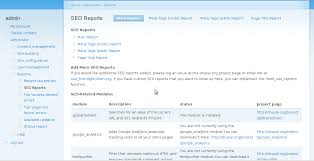
drupal seo

Maximising Your Website’s Visibility with Drupal SEO Strategies

The Power of Drupal SEO: Boosting Your Website’s Visibility

The Power of Drupal SEO: Boosting Your Website’s Visibility

Drupal is a powerful content management system (CMS) that offers robust features for building and managing websites. When it comes to search engine optimisation (SEO), Drupal provides a solid foundation for enhancing your website’s visibility and ranking in search engine results.

Why Choose Drupal for SEO?

Drupal is known for its SEO-friendly architecture, making it easier for search engines to crawl and index your website. The platform offers a range of built-in SEO tools and modules that allow you to optimise various aspects of your site, including meta tags, URLs, sitemaps, and more.

Key Drupal SEO Features

  • SEO-Friendly URLs: Drupal allows you to create clean and keyword-rich URLs that are favoured by search engines.
  • Meta Tags: You can easily customise meta tags such as meta titles and descriptions for better search engine visibility.
  • Sitemap Generation: Drupal automatically generates XML sitemaps that help search engines discover and index your website’s pages.
  • Mobile Responsiveness: Drupal themes are designed to be mobile-responsive, which is crucial for improving SEO rankings in mobile search results.
  • Page Speed Optimisation: With caching options and performance enhancements, Drupal helps improve your website’s loading speed, a key factor in SEO rankings.

Tips for Optimising SEO on Drupal

To maximise the benefits of Drupal for SEO, consider the following tips:

  1. Create High-Quality Content: Content is king in the world of SEO. Produce informative, engaging content that resonates with your target audience.
  2. Optimise Images: Use descriptive alt text and file names for images to improve accessibility and enhance SEO.
  3. Monitor Performance: Utilise tools like Google Analytics to track your website’s performance and make data-driven decisions to improve SEO strategies.
  4. Maintain Regular Updates: Keep your Drupal core, modules, and themes up-to-date to ensure optimal performance and security compliance.


Enhancing SEO with Drupal: Key Features, Modules, and Best Practices

  1. 1. How can Drupal help improve my website’s SEO?
  2. 2. What are the key SEO features available in Drupal?
  3. 3. Is Drupal SEO-friendly for search engines like Google?
  4. 4. How important is content quality for SEO on Drupal websites?
  5. 5. Are there specific modules in Drupal that focus on SEO optimisation?
  6. 6. What are some best practices for implementing SEO strategies on a Drupal website?

1. How can Drupal help improve my website’s SEO?

When considering how Drupal can enhance your website’s SEO, it’s essential to recognise the platform’s inherent SEO-friendly features. Drupal offers a range of tools and modules that empower you to optimise key elements such as URLs, meta tags, sitemaps, and more. By utilising Drupal’s capabilities to create clean URLs, customise meta tags for better visibility, automatically generate sitemaps, ensure mobile responsiveness, and optimise page speed, you can significantly boost your website’s SEO performance. Drupal provides a solid foundation for implementing effective SEO strategies that align with search engine best practices, ultimately improving your website’s search engine rankings and online visibility.

2. What are the key SEO features available in Drupal?

When it comes to Drupal SEO, there are several key features that make it a standout choice for optimising websites for search engines. Some of the essential SEO features available in Drupal include SEO-friendly URLs, meta tag customisation for titles and descriptions, automatic generation of XML sitemaps, mobile responsiveness for improved mobile search rankings, and tools for enhancing page loading speed through caching options and performance improvements. These features collectively empower website owners to create an SEO-optimised online presence that is easily discoverable and ranks well in search engine results pages.

3. Is Drupal SEO-friendly for search engines like Google?

When it comes to the frequently asked question of whether Drupal is SEO-friendly for search engines like Google, the answer is a resounding yes. Drupal is well-regarded for its SEO-friendly architecture and robust features that cater to search engine optimisation needs. With built-in tools and modules designed to enhance website visibility, such as customisable meta tags, clean URLs, sitemap generation, and mobile responsiveness, Drupal provides a solid foundation for improving search engine rankings. By leveraging Drupal’s SEO capabilities and following best practices, website owners can effectively optimise their sites for search engines like Google, ultimately boosting their online visibility and driving organic traffic.

4. How important is content quality for SEO on Drupal websites?

When it comes to SEO on Drupal websites, the importance of content quality cannot be overstated. High-quality content plays a pivotal role in enhancing the visibility and ranking of a website in search engine results. In the context of Drupal SEO, well-crafted and relevant content not only engages visitors but also signals to search engines that the site offers valuable information. By focusing on producing informative and engaging content that aligns with user intent, Drupal websites can attract organic traffic, improve user experience, and ultimately boost their SEO performance.

5. Are there specific modules in Drupal that focus on SEO optimisation?

When it comes to SEO optimisation in Drupal, there are specific modules designed to enhance your website’s search engine visibility. Drupal offers a variety of SEO-focused modules that cater to different aspects of optimisation, such as meta tags, sitemaps, URL structure, and more. By utilising these dedicated modules, website owners can streamline their SEO efforts and improve their chances of ranking higher in search engine results.

6. What are some best practices for implementing SEO strategies on a Drupal website?

When it comes to implementing SEO strategies on a Drupal website, there are several best practices to consider. Firstly, creating SEO-friendly URLs with relevant keywords can improve search engine visibility. Utilising meta tags effectively, including meta titles and descriptions, can enhance click-through rates from search results. Generating XML sitemaps and ensuring mobile responsiveness are crucial for search engine indexing and user experience. Additionally, focusing on high-quality content creation, image optimisation, performance monitoring, and regular updates are key factors in successfully implementing SEO strategies on a Drupal website.