The Ultimate Guide to Choosing the Best CMS for SEO Success
The Best Content Management Systems (CMS) for SEO
Choosing the right Content Management System (CMS) is crucial for maximising your website’s search engine optimisation (SEO) potential. A good CMS not only helps you create and manage content efficiently but also plays a significant role in ensuring that your site ranks well in search engine results. Here are some of the best CMS platforms known for their SEO-friendly features:
WordPress
WordPress is one of the most popular CMS platforms globally, and for good reason. It offers a wide range of SEO plugins like Yoast SEO and All in One SEO Pack, which help you optimise your content for search engines. WordPress also provides clean code, fast loading times, and mobile responsiveness – all essential factors for good SEO performance.
Joomla
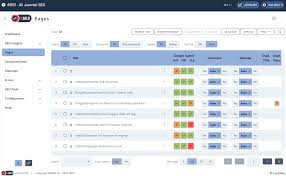
Joomla is another powerful CMS that is favoured by many SEO professionals. It offers robust SEO capabilities out of the box, including customisable URL structures, meta tag options, and built-in caching features that enhance website speed – a critical factor in SEO rankings.
Drupal
Drupal is known for its flexibility and scalability, making it a great choice for larger websites with complex content structures. Its clean codebase and extensive module library allow you to implement advanced SEO techniques such as schema markup and canonical tags easily.
Magento
For e-commerce websites looking to boost their search visibility, Magento is a top choice. It offers powerful SEO features like customisable URLs, sitemaps, rich snippets support, and mobile-friendly design options – all geared towards improving your online store’s ranking on search engines.
Shopify
If you’re running a small to medium-sized e-commerce site, Shopify provides an intuitive CMS with built-in SEO tools like meta title and description editing, image alt text options, and automatic sitemap generation. Its user-friendly interface makes it easy to optimise your online store for search engines without extensive technical knowledge.
Ultimately, the best CMS for SEO will depend on your specific website requirements and business goals. Whether you choose WordPress for its user-friendliness or Drupal for its customisation options, selecting a CMS that prioritises SEO features can significantly impact your website’s visibility and success in the digital landscape.
Top 6 Tips for Choosing the Best CMS for SEO Success
- Choose a CMS that allows you to customize meta tags for each page, including title tags and meta descriptions.
- Ensure the CMS generates SEO-friendly URLs that are clean and descriptive.
- Select a CMS with built-in tools or plugins for creating XML sitemaps and submitting them to search engines.
- Opt for a CMS that enables you to easily optimize images by adding alt text and captions.
- Look for a CMS with responsive design options to ensure your website is mobile-friendly, which is crucial for SEO.
- Consider a CMS with good page speed performance, as faster loading times can positively impact SEO rankings.
Choose a CMS that allows you to customize meta tags for each page, including title tags and meta descriptions.
Selecting a Content Management System (CMS) that enables customisation of meta tags for individual pages, such as title tags and meta descriptions, is crucial for effective SEO. By being able to tailor these elements to match the content and keywords of each page, you can enhance your website’s visibility and relevance in search engine results. This level of control over meta tags ensures that search engines properly index and display your pages, ultimately improving your site’s ranking potential and click-through rates.
Ensure the CMS generates SEO-friendly URLs that are clean and descriptive.
When selecting the best CMS for SEO, it is essential to ensure that the platform generates SEO-friendly URLs that are both clean and descriptive. Clean URLs, also known as “pretty URLs,” not only enhance user experience but also make it easier for search engines to understand the content of your web pages. By including relevant keywords in the URL structure and avoiding unnecessary parameters or symbols, you can improve the visibility of your site in search engine results. Choosing a CMS that prioritises generating clean and descriptive URLs is a fundamental step towards enhancing your website’s SEO performance and driving organic traffic to your online presence.
Select a CMS with built-in tools or plugins for creating XML sitemaps and submitting them to search engines.
When choosing a Content Management System (CMS) for optimal SEO performance, it is advisable to select a platform that offers built-in tools or plugins for generating XML sitemaps and seamlessly submitting them to search engines. XML sitemaps play a crucial role in helping search engine crawlers navigate and index your website effectively, improving its visibility in search results. By utilising a CMS with these integrated features, you can streamline the process of ensuring that your website’s content is discovered and ranked appropriately by search engines, ultimately enhancing your overall SEO strategy.
Opt for a CMS that enables you to easily optimize images by adding alt text and captions.
When selecting a CMS for SEO purposes, it is advisable to choose a platform that allows you to effortlessly enhance images with alt text and captions. Image optimisation plays a crucial role in improving your website’s visibility on search engines, as search crawlers rely on alt text to understand the content of images. By opting for a CMS that supports easy addition of alt text and captions, you can ensure that your visuals are not only engaging for users but also contribute positively to your overall SEO strategy.
Look for a CMS with responsive design options to ensure your website is mobile-friendly, which is crucial for SEO.
When selecting a CMS for SEO purposes, it is essential to prioritise platforms that offer responsive design options. Ensuring that your website is mobile-friendly is paramount in today’s digital landscape, as search engines like Google place significant emphasis on mobile usability when ranking websites. By choosing a CMS with responsive design capabilities, you not only provide a seamless user experience across various devices but also improve your site’s chances of ranking higher in search engine results pages.
Consider a CMS with good page speed performance, as faster loading times can positively impact SEO rankings.
When selecting a Content Management System (CMS) for SEO purposes, it is essential to consider one with excellent page speed performance. Faster loading times not only enhance user experience but also play a crucial role in improving SEO rankings. Search engines like Google prioritise websites that load quickly, as it indicates a better user experience. By opting for a CMS with efficient page speed capabilities, you can positively impact your site’s SEO performance and increase its visibility in search engine results.