Maximising Your Online Visibility: The Power of PPC Search Engine Advertising
The Power of PPC Search Engine Advertising
Pay-Per-Click (PPC) advertising is a powerful tool for businesses looking to boost their online visibility and drive targeted traffic to their websites. One of the most popular forms of PPC advertising is through search engines, such as Google Ads and Bing Ads.
How Does PPC Search Engine Advertising Work?
In PPC search engine advertising, advertisers bid on specific keywords relevant to their target audience. When a user searches for a query that matches the keywords, the search engine displays the advertiser’s ad at the top or bottom of the search results page. The advertiser only pays when a user clicks on their ad, hence the name Pay-Per-Click.
The Benefits of PPC Search Engine Advertising
PPC search engine advertising offers several benefits for businesses:
- Targeted Reach: Advertisers can target their ads to specific locations, demographics, and even device types, ensuring that their message reaches the right audience.
- Immediate Results: Unlike organic SEO efforts that take time to show results, PPC ads can generate immediate traffic to a website once the campaign is live.
- Measurable ROI: Advertisers can track and measure the performance of their campaigns in real-time, allowing them to adjust strategies and budgets based on data-driven insights.
- Flexible Budgeting: With PPC advertising, businesses have full control over how much they want to spend on campaigns, making it suitable for both small businesses and large enterprises.
Tips for Successful PPC Search Engine Advertising
To make the most out of your PPC search engine advertising campaigns, consider these tips:
- Keyword Research: Conduct thorough keyword research to identify relevant keywords with high search volume and low competition.
- Create Compelling Ad Copy: Craft engaging ad copy that entices users to click on your ads by highlighting unique selling points or promotions.
- Landing Page Optimization: Ensure that your landing pages are optimised for conversions by providing clear calls-to-action and relevant content.
- A/B Testing: Test different ad creatives, keywords, and landing pages to identify what resonates best with your target audience.
- Monitor Performance: Continuously monitor and analyse the performance of your campaigns to make data-driven decisions for ongoing optimisation.
In conclusion, PPC search engine advertising is a valuable tool for businesses seeking immediate results and targeted reach in the competitive online landscape. By leveraging the benefits of PPC advertising and implementing best practices, businesses can drive quality traffic to their websites and achieve their marketing goals effectively.
Understanding PPC in Search Engines: 11 Frequently Asked Questions
- What is PPC in search engines?
- What is PPC search engines?
- What is difference between PPC and SEO?
- What is Google search PPC?
- What is PPC search engine?
- Is PPC the same as SEO?
- What is PPC search ads?
- Is Google search ads PPC?
- What is search engine PPC?
- What is Google’s PPC system called?
- What was the first PPC search engine?
What is PPC in search engines?
PPC, or Pay-Per-Click, in search engines refers to a form of online advertising where advertisers bid on specific keywords to display their ads at the top or bottom of search engine results pages. When a user searches for a query that matches the selected keywords, the advertiser’s ad may appear, and they are charged a fee only when a user clicks on their ad. This model allows businesses to target their ads to relevant audiences and pay based on actual clicks, making PPC an effective way to drive targeted traffic to websites and increase visibility in search engine results.
What is PPC search engines?
PPC search engines refer to online platforms, such as Google Ads and Bing Ads, where advertisers can bid on specific keywords to display their ads in search engine results. In Pay-Per-Click (PPC) advertising, businesses only pay when a user clicks on their ad, making it a cost-effective way to drive targeted traffic to their websites. PPC search engines provide businesses with the opportunity to reach their desired audience at the right moment when they are actively searching for products or services related to the keywords being targeted. This form of advertising offers businesses flexibility in budgeting, precise targeting options, and measurable results, making it a popular choice for digital marketing campaigns.
What is difference between PPC and SEO?
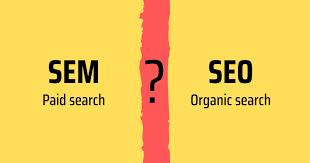
When comparing PPC (Pay-Per-Click) and SEO (Search Engine Optimisation), it’s essential to understand the fundamental differences between the two digital marketing strategies. PPC involves advertisers paying for their ads to appear on search engine results pages, with costs incurred each time a user clicks on the ad. In contrast, SEO focuses on improving a website’s organic search rankings through various tactics like keyword optimisation, content creation, and link building, without direct payment for clicks. While PPC offers immediate visibility and control over ad placements, SEO aims for long-term sustainability and higher organic traffic growth. Both strategies play crucial roles in a comprehensive digital marketing approach, with PPC delivering instant results and SEO building a strong foundation for long-lasting online presence.
What is Google search PPC?
Google Search PPC, or Pay-Per-Click, is a form of online advertising offered by Google through its Google Ads platform. In simple terms, Google Search PPC allows advertisers to bid on specific keywords relevant to their target audience. When users search for those keywords on Google, the ads of relevant advertisers appear at the top or bottom of the search results page. Advertisers only pay when users click on their ads, making it a cost-effective way to drive targeted traffic to their websites. Google Search PPC offers businesses a powerful tool to increase visibility, attract potential customers, and achieve measurable results through data-driven advertising campaigns.
What is PPC search engine?
PPC search engine, short for Pay-Per-Click search engine, is a digital advertising model where advertisers bid on specific keywords to have their ads displayed at the top or bottom of search engine results pages. When a user enters a query that matches the chosen keywords, these targeted ads appear, and advertisers only pay when users click on their ads. This form of advertising allows businesses to reach a highly targeted audience and drive traffic to their websites effectively. PPC search engine campaigns offer businesses flexibility in budgeting, immediate results, and measurable ROI, making it a popular choice for online marketing strategies.
Is PPC the same as SEO?
In the realm of digital marketing, the frequently asked question of whether PPC is the same as SEO often arises. While both PPC (Pay-Per-Click) and SEO (Search Engine Optimization) are strategies aimed at increasing online visibility and driving traffic to websites, they differ in their approach and execution. PPC involves paid advertising where businesses bid on keywords to display ads on search engine results pages, paying only when users click on their ads. On the other hand, SEO focuses on improving a website’s organic search rankings through various tactics like content creation, link building, and keyword optimisation. While both PPC and SEO aim to enhance online presence, they serve distinct purposes in a comprehensive digital marketing strategy.
What is PPC search ads?
PPC search ads, also known as Pay-Per-Click search ads, are a form of online advertising where advertisers bid on specific keywords to have their ads displayed on search engine results pages. When a user enters a query that matches the chosen keywords, the search engine shows the advertiser’s ad at the top or bottom of the page. Advertisers only pay when a user clicks on their ad, making it a cost-effective way to drive targeted traffic to their websites. PPC search ads allow businesses to reach potential customers actively searching for products or services related to their offerings, making it an efficient and measurable marketing strategy in the digital landscape.
Is Google search ads PPC?
Yes, Google search ads are a form of PPC (Pay-Per-Click) advertising. When businesses run ads on Google’s search engine, they participate in a PPC model where they only pay when a user clicks on their ad. Google search ads appear at the top or bottom of the search results page when users enter relevant queries, making them a highly targeted and effective way to reach potential customers actively searching for products or services. By utilising Google search ads as part of their PPC strategy, businesses can increase visibility, drive traffic to their websites, and ultimately boost conversions.
What is search engine PPC?
Search engine PPC, or Pay-Per-Click, is a form of online advertising where advertisers bid on specific keywords to have their ads displayed on search engine results pages. When a user enters a search query that matches the chosen keywords, the advertiser’s ad may appear at the top or bottom of the search results. The term “Pay-Per-Click” refers to the payment model where advertisers only pay when users click on their ads. Search engine PPC is a targeted and measurable advertising strategy that allows businesses to reach their desired audience effectively and track the performance of their campaigns in real-time.
What is Google’s PPC system called?
Google’s PPC system is known as Google Ads. Formerly known as Google AdWords, Google Ads is a powerful online advertising platform that allows businesses to create and display ads on Google’s search engine results pages. Through Google Ads, advertisers can bid on keywords relevant to their target audience and pay for their ads only when users click on them. This system enables businesses to reach a wide audience, drive targeted traffic to their websites, and effectively promote their products or services across the Google network.
What was the first PPC search engine?
The first PPC search engine was Overture, formerly known as GoTo.com. Overture pioneered the concept of Pay-Per-Click advertising in the late 1990s, allowing advertisers to bid on keywords and pay for placement in search results based on those bids. This innovative approach revolutionised online advertising and laid the foundation for the PPC advertising model that is widely used today across various search engines and digital platforms.