Mastering the Art of Effective Content Marketing Strategies
The Power of Content Marketing
Content marketing has become an indispensable tool for businesses looking to engage with their audience, build brand awareness, and drive conversions. In today’s digital age, where consumers are constantly bombarded with information, creating high-quality and relevant content has emerged as a key strategy to cut through the noise and capture the attention of potential customers.
What is Content Marketing?
Content marketing involves the creation and distribution of valuable, informative, and engaging content to attract and retain a target audience. This content can take various forms, including blog posts, videos, infographics, podcasts, social media posts, and more. The primary goal of content marketing is not to directly promote a product or service but to provide value to the audience and establish credibility and trust with them.
The Benefits of Content Marketing
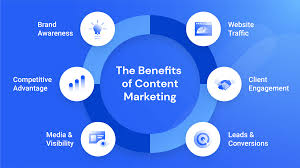
Effective content marketing offers a myriad of benefits for businesses. By consistently producing high-quality content that resonates with your target audience, you can:
- Build brand awareness and authority
- Drive organic traffic to your website
- Generate leads and increase conversions
- Enhance customer loyalty and retention
- Improve search engine rankings through SEO-friendly content
- Create shareable assets that can amplify your reach on social media
Key Strategies for Successful Content Marketing
To make the most out of your content marketing efforts, consider implementing the following strategies:
- Understand Your Audience: Tailor your content to address the needs, interests, and pain points of your target audience.
- Create Compelling Content: Produce high-quality, engaging content that provides value and encourages interaction.
- Distribute Widely: Utilise various channels such as social media, email newsletters, guest blogging, and more to reach a wider audience.
- Analyse Performance: Monitor key metrics like engagement rates, website traffic, conversion rates to measure the effectiveness of your content marketing campaigns.
- Iterate and Improve: Continuously refine your content strategy based on data insights to optimise results over time.
In Conclusion
In conclusion,content marketing is a powerful tool that can help businesses connect with their target audience in meaningful ways. By creating valuable content that resonates with consumers’ needs and interests,content marketers can drive engagement,buidl brand loyalty,and ultimately boost business growth in today’s competitive digital landscape.
Essential FAQs on Content Marketing: Strategies, Benefits, and Best Practices
- What is content marketing and why is it important?
- How can content marketing benefit my business?
- What are the key elements of a successful content marketing strategy?
- How do I measure the effectiveness of my content marketing efforts?
- What types of content are most effective for engaging audiences?
- How can I repurpose existing content to maximise its impact?
- What role does SEO play in content marketing?
- How can I create a consistent and compelling brand voice through content?
What is content marketing and why is it important?
Content marketing is a strategic approach that involves creating and sharing valuable, relevant content to attract and engage a target audience. It is an essential component of modern marketing strategies as it allows businesses to establish credibility, build relationships with customers, and drive profitable actions. By providing informative and engaging content, businesses can not only showcase their expertise but also address the needs and interests of their audience. Ultimately, content marketing plays a crucial role in building brand awareness, increasing website traffic, generating leads, and nurturing customer loyalty in today’s competitive digital landscape.
How can content marketing benefit my business?
Content marketing can benefit your business in numerous ways. By creating and sharing valuable, relevant content, you can establish your brand as an authority in your industry, build trust with your target audience, and increase brand awareness. Effective content marketing can drive organic traffic to your website, generate leads, and ultimately boost conversions. Furthermore, by consistently delivering high-quality content that resonates with your audience, you can enhance customer loyalty and retention. In essence, content marketing is a powerful strategy that not only helps you connect with your customers on a deeper level but also drives tangible business results by improving visibility, engagement, and ultimately revenue for your business.
What are the key elements of a successful content marketing strategy?
When considering the key elements of a successful content marketing strategy, it is essential to focus on several crucial components. Firstly, understanding your target audience and their needs is paramount. Tailoring your content to resonate with their interests and challenges can significantly impact engagement and conversion rates. Secondly, creating high-quality and valuable content that provides solutions or insights is vital for building credibility and trust with your audience. Consistent distribution across various channels, coupled with strategic promotion tactics, can help amplify your reach and drive traffic to your website. Lastly, regularly analysing performance metrics and refining your strategy based on data insights is crucial for continuous improvement and long-term success in content marketing.
How do I measure the effectiveness of my content marketing efforts?
Measuring the effectiveness of content marketing efforts is crucial for businesses to gauge the impact of their strategies and optimise future campaigns. Several key metrics can be used to evaluate performance, including website traffic, engagement rates, conversion rates, social media shares, and lead generation. By tracking these metrics and analysing data insights, businesses can determine which content resonates most with their audience, identify areas for improvement, and make informed decisions to enhance the overall effectiveness of their content marketing initiatives.
What types of content are most effective for engaging audiences?
When it comes to engaging audiences effectively through content marketing, various types of content have proven to be highly successful. Visual content such as videos and infographics tends to capture attention quickly and convey information in a visually appealing manner. Interactive content like quizzes, polls, and interactive tools encourages audience participation and fosters engagement. Additionally, storytelling through blog posts, case studies, and customer testimonials can create emotional connections with the audience, making the content more relatable and memorable. Ultimately, a mix of different content types tailored to the target audience’s preferences and interests can maximise engagement and drive meaningful interactions.
How can I repurpose existing content to maximise its impact?
Repurposing existing content is a strategic approach that can significantly enhance its impact and reach. By creatively transforming your content into different formats such as infographics, videos, podcasts, or social media posts, you can cater to diverse audience preferences and extend the lifespan of your original material. Additionally, updating and refreshing outdated content with new insights or statistics can help maintain relevance and attract fresh engagement. Ultimately, repurposing existing content allows you to extract maximum value from your efforts by reaching a wider audience and reinforcing key messages across various platforms effectively.
What role does SEO play in content marketing?
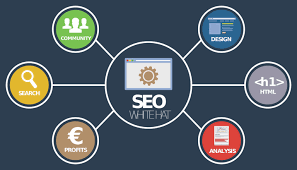
SEO plays a crucial role in content marketing by ensuring that the content created is not only valuable and engaging but also easily discoverable by search engines and target audiences. By incorporating SEO best practices such as keyword research, on-page optimisation, and link building into content creation strategies, businesses can improve their organic search visibility and attract more qualified traffic to their websites. Effective SEO techniques help content marketers understand user intent, optimise content for relevant search queries, and enhance the overall user experience, ultimately driving better results in terms of rankings, traffic, and conversions. In essence, SEO acts as a guiding force that maximises the reach and impact of content marketing efforts in reaching and engaging with the right audience online.
How can I create a consistent and compelling brand voice through content?
Creating a consistent and compelling brand voice through content is essential for establishing a strong identity and connecting with your target audience. To achieve this, start by defining your brand’s personality, values, and tone of voice. Ensure that these elements are reflected consistently across all content channels, from blog posts to social media updates. Use language that resonates with your audience and aligns with your brand’s ethos. Maintain a cohesive style and messaging approach to build familiarity and trust with your followers. Regularly review and refine your content strategy to ensure that your brand voice remains relevant, engaging, and authentic in order to leave a lasting impression on your audience.