google my business seo

Optimise Your Online Presence with Google My Business SEO Strategies

Enhance Your Online Presence with Google My Business SEO

Enhance Your Online Presence with Google My Business SEO

In today’s digital age, having a strong online presence is crucial for businesses to attract customers and grow their brand. One powerful tool that can significantly boost your visibility in local searches is Google My Business. By optimising your Google My Business listing with effective SEO strategies, you can improve your chances of being found by potential customers in your area.

What is Google My Business?

Google My Business is a free tool provided by Google that allows businesses to create and manage their online presence across various Google services, including Search and Maps. By claiming and verifying your business on Google My Business, you can provide essential information such as your address, phone number, business hours, and website URL.

The Importance of Google My Business SEO

Optimising your Google My Business listing for search engines is essential for improving your local search rankings. When potential customers search for products or services related to your business in their area, a well-optimised listing increases the likelihood of your business appearing in the local pack or map results.

Key Strategies for Google My Business SEO

  • Complete Your Profile: Ensure that all information on your Google My Business profile is accurate and up-to-date.
  • Use Relevant Keywords: Include relevant keywords in your business description and services to improve search visibility.
  • Add High-Quality Images: Upload high-quality images of your business to attract potential customers.
  • Encourage Customer Reviews: Positive reviews can boost your credibility and improve your ranking in local searches.
  • Create Posts: Regularly post updates, promotions, and events to engage with customers and enhance visibility.

The Benefits of Optimising Your Google My Business Listing

By implementing effective SEO strategies on your Google My Business profile, you can enjoy several benefits, including increased online visibility, higher website traffic, improved credibility, and better chances of attracting local customers. Investing time and effort into optimising your listing can lead to significant growth opportunities for your business.

If you haven’t already leveraged the power of Google My Business SEO, now is the time to take action. By following best practices and staying proactive in managing your listing, you can position your business for success in local searches and drive more customers through your doors.


21 Key Questions About Enhancing SEO with Google My Business

  1. Is Google My Business good for SEO?
  2. How can I SEO my business?
  3. Is Google My Business off page SEO?
  4. Does updating Google My Business Help SEO?
  5. How do I set up SEO on Google My Business?
  6. What is Google Business Profile SEO?
  7. Does Google My Business Help SEO?
  8. How do I get SEO for my business?
  9. How do I find my Google business ranking?
  10. How can I add SEO to my Google business page?
  11. What is Google My Business local SEO?
  12. How do I get free SEO on Google?
  13. How do I get 100% on Google My Business?
  14. Is SEO free on Google?
  15. How do I optimize your Google My Business profile for local SEO?
  16. Is Google My business is free?
  17. How do I add SEO to my Google business page?
  18. How can I get SEO for my business?
  19. How can I do SEO for my Google page?
  20. How does Google My Business SEO work?
  21. How do I edit my Google business SEO?

Is Google My Business good for SEO?

When it comes to enhancing your online visibility and improving local search rankings, Google My Business plays a crucial role in SEO strategy. By utilising Google My Business effectively, businesses can significantly boost their SEO efforts. A well-optimised Google My Business listing not only provides valuable information to potential customers but also signals to search engines the relevance and credibility of your business. With features such as location-based searches and customer reviews, Google My Business can positively impact your SEO performance by increasing visibility in local search results and driving organic traffic to your website. In conclusion, integrating Google My Business into your SEO strategy can be highly beneficial for improving online presence and attracting potential customers in your local area.

How can I SEO my business?

To effectively SEO your business, start by claiming and optimising your Google My Business listing. Ensure that all information, such as your business name, address, phone number, and website URL, is accurate and consistent across all online platforms. Utilise relevant keywords in your business description and services to improve search visibility. Encourage satisfied customers to leave positive reviews, as they can enhance your credibility and boost local search rankings. Regularly update your listing with high-quality images, posts about promotions or events, and any other relevant information that can engage potential customers. By implementing these strategies and staying proactive in managing your online presence, you can enhance your visibility in local searches and attract more customers to your business.

Is Google My Business off page SEO?

When considering Google My Business SEO, it is important to understand that it primarily falls under the realm of on-page SEO rather than off-page SEO. While off-page SEO typically involves external factors such as backlinks and social signals that influence a website’s ranking in search engine results, Google My Business optimisation focuses on enhancing the visibility and relevance of a business within Google’s local search results. By effectively managing and optimising your Google My Business listing with accurate information, relevant keywords, high-quality images, and positive customer reviews, you can improve your local search rankings and attract more customers to your business.

Does updating Google My Business Help SEO?

Updating your Google My Business listing can have a significant impact on your SEO efforts. By regularly updating and optimising your listing with accurate information, relevant keywords, high-quality images, and positive customer reviews, you can improve your local search rankings. Google values fresh and up-to-date content, so by staying active on your Google My Business profile and providing valuable information to potential customers, you signal to search engines that your business is relevant and trustworthy. Consistent updates not only enhance your online visibility but also increase the chances of attracting local customers who are actively searching for products or services that you offer.

How do I set up SEO on Google My Business?

Setting up SEO on Google My Business is a crucial step in enhancing your online visibility and attracting local customers. To optimise your Google My Business listing for search engines, start by claiming and verifying your business profile. Ensure that all information, such as your business name, address, phone number, and website URL, is accurate and consistent across all platforms. Utilise relevant keywords in your business description and services to improve search visibility. Additionally, upload high-quality images of your business and encourage satisfied customers to leave positive reviews. By following these steps and staying proactive in managing your Google My Business profile, you can boost your local search rankings and attract more potential customers to your business.

What is Google Business Profile SEO?

Google Business Profile SEO refers to the process of optimising your Google Business Profile to improve its visibility in local searches on Google. By implementing SEO strategies specifically tailored to your Business Profile, you can enhance your chances of appearing in the local pack and map results when potential customers search for products or services related to your business in their area. Optimising your Business Profile involves various tactics such as using relevant keywords, providing accurate information, encouraging customer reviews, and regularly updating your profile with engaging content. By focusing on Google Business Profile SEO, businesses can increase their online visibility, attract more local customers, and ultimately drive growth for their brand.

Does Google My Business Help SEO?

When it comes to enhancing your online visibility and improving your search engine rankings, utilising Google My Business can indeed have a significant impact on your SEO efforts. By optimising your Google My Business listing with accurate information, relevant keywords, high-quality images, and positive customer reviews, you can boost your chances of appearing in local search results. A well-optimised Google My Business profile not only increases your online presence but also enhances your credibility and trustworthiness in the eyes of potential customers. Therefore, leveraging Google My Business as part of your SEO strategy can be a valuable asset in driving organic traffic to your business and attracting local customers effectively.

How do I get SEO for my business?

To get SEO for your business, start by conducting thorough keyword research to identify relevant search terms that potential customers use. Optimise your website with these keywords in strategic locations such as titles, meta descriptions, and content. Create high-quality, engaging content that provides value to your audience and encourages organic traffic. Utilise on-page SEO techniques like optimising images, improving site speed, and ensuring mobile responsiveness. Off-page SEO strategies such as building quality backlinks and engaging on social media platforms can also boost your online visibility. Regularly monitor and analyse your SEO efforts to make necessary adjustments for continuous improvement and better search engine rankings.

How do I find my Google business ranking?

To find your Google business ranking, you can start by conducting a simple search using relevant keywords related to your business on Google. Once you have performed the search, look for your business listing in the search results. Your ranking position will indicate how high or low your business appears in the search results for those specific keywords. Additionally, you can use tools like Google Search Console and third-party SEO tools to track and monitor your business’s performance and ranking over time. By regularly monitoring your Google business ranking, you can gain valuable insights into how well your SEO efforts are performing and make necessary adjustments to improve your online visibility.

How can I add SEO to my Google business page?

To add SEO to your Google Business page, you can start by ensuring that all the information on your profile is accurate and relevant to your business. Include keywords that are commonly used by potential customers when searching for products or services like yours. Additionally, optimise your business description and services with these keywords to improve search visibility. Uploading high-quality images and encouraging positive customer reviews can also enhance your SEO efforts on Google My Business. Regularly updating posts with engaging content and promotions can further boost your online presence and attract more local customers to your business. By implementing these SEO strategies effectively, you can increase the visibility of your Google Business page and drive more traffic to your website.

What is Google My Business local SEO?

Google My Business local SEO refers to the process of optimising your Google My Business listing to improve your visibility in local search results. By focusing on local SEO strategies within your Google My Business profile, such as adding accurate business information, selecting relevant categories, and encouraging customer reviews, you can enhance your chances of appearing in the local pack and map results when potential customers search for products or services in their area. Implementing effective Google My Business local SEO tactics can help businesses attract nearby customers, increase foot traffic to physical locations, and establish a strong online presence within their target geographical locations.

How do I get free SEO on Google?

To get free SEO on Google, one effective strategy is to leverage Google My Business optimisation. By claiming and verifying your business on Google My Business, you can enhance your online presence without any cost. Ensure that your business information is accurate and up-to-date, use relevant keywords in your profile, add high-quality images, encourage customer reviews, and regularly post updates to engage with your audience. By implementing these SEO strategies on Google My Business, you can improve your visibility in local searches and attract more potential customers without any additional expenses.

How do I get 100% on Google My Business?

Achieving a 100% completion score on Google My Business is a goal that many businesses aspire to, as it signifies a fully optimised and comprehensive online presence. To get 100% on Google My Business, you need to ensure that you have provided all the required information, including business details, hours of operation, contact information, website URL, and business category. Additionally, uploading high-quality images, encouraging customer reviews, responding to queries promptly, and regularly posting updates can all contribute to improving your score. By meticulously filling out every section of your Google My Business profile and actively engaging with customers, you can maximise your online visibility and enhance your chances of attracting more local customers.

Is SEO free on Google?

When it comes to Google, Search Engine Optimization (SEO) itself is a free practice that involves optimising your website to improve its visibility in search engine results. However, specifically on Google’s platform, utilising tools like Google My Business for local SEO strategies may require some investment of time and resources to maximise its effectiveness. While the organic aspects of SEO are technically free, businesses often choose to allocate budget towards content creation, keyword research, and other strategies to enhance their online presence and reach their target audience effectively on Google.

How do I optimize your Google My Business profile for local SEO?

To optimise your Google My Business profile for local SEO, start by ensuring that all information on your profile is accurate and up-to-date. Use relevant keywords in your business description and services to improve search visibility. Add high-quality images of your business to attract potential customers, and encourage positive customer reviews to boost credibility. Regularly create posts with updates, promotions, and events to engage with customers and enhance visibility. By following these key strategies, you can enhance your online presence and improve your chances of appearing in local search results on Google.

Is Google My business is free?

Yes, Google My Business is a free tool provided by Google for businesses to manage their online presence across various Google services, including Search and Maps. Business owners can claim and verify their business on Google My Business at no cost, allowing them to provide essential information such as their address, phone number, business hours, and website URL to potential customers. Utilising Google My Business is an excellent way for businesses to enhance their online visibility and attract local customers without incurring any fees for using the platform.

How do I add SEO to my Google business page?

To add SEO to your Google business page, start by ensuring that your business information is complete and accurate. Incorporate relevant keywords in your business description, services, and posts to improve search visibility. Utilise high-quality images that showcase your business effectively. Encourage satisfied customers to leave positive reviews as they can enhance your credibility and ranking in local searches. Regularly update your Google My Business profile with posts about promotions, events, and news related to your business to engage with customers and boost visibility. By implementing these SEO strategies on your Google business page, you can enhance your online presence and attract more local customers to your business.

How can I get SEO for my business?

To get SEO for your business, start by creating a comprehensive SEO strategy tailored to your specific goals and target audience. Conduct thorough keyword research to identify relevant search terms that potential customers are using to find businesses like yours. Optimise your website with these keywords, ensuring that your content is high-quality, engaging, and relevant to both users and search engines. Utilise on-page SEO techniques such as meta tags, headings, and image alt text to improve your site’s visibility. Off-page strategies like link building and social media marketing can also enhance your online presence. Regularly monitor your SEO performance through analytics tools and make adjustments as needed to stay competitive in search engine rankings.

How can I do SEO for my Google page?

Optimising your Google My Business page for SEO involves several key steps to enhance its visibility and improve its ranking in local searches. Firstly, ensure that all information on your Google My Business profile is accurate and up-to-date, including your business name, address, phone number, and website URL. Incorporate relevant keywords into your business description and services to increase search visibility. Additionally, uploading high-quality images of your business can attract potential customers. Encouraging positive customer reviews and regularly posting updates, promotions, and events can also boost engagement and visibility. By following these strategies and staying proactive in managing your Google My Business page, you can effectively perform SEO to maximise its impact on attracting local customers.

How does Google My Business SEO work?

When it comes to Google My Business SEO, understanding how it works is essential for businesses looking to enhance their online visibility. Google My Business SEO operates by optimising your business listing on Google’s platform to improve its chances of appearing in local search results. By strategically incorporating relevant keywords, providing accurate business information, encouraging customer reviews, and regularly updating your profile with engaging content, you can increase your business’s visibility to potential customers searching for products or services in your area. Implementing effective Google My Business SEO practices can significantly boost your local search rankings and drive more traffic to your business.

How do I edit my Google business SEO?

To edit your Google Business SEO, you can start by logging into your Google My Business account and navigating to the “Info” section. Here, you can update crucial details such as your business name, address, phone number, website URL, and business category. Ensure that all information is accurate and consistent with your online presence. Additionally, you can optimise your business description with relevant keywords that reflect your products or services. Adding high-quality images and encouraging customer reviews can also enhance your SEO performance on Google My Business. Regularly monitoring and updating your listing will help improve your online visibility and attract more potential customers to your business.

seo advertising

Unlocking the Potential of SEO Advertising: Elevate Your Online Presence

The Power of SEO Advertising: Boost Your Online Presence

The Power of SEO Advertising: Boost Your Online Presence

Search Engine Optimization (SEO) advertising is a vital component of any successful digital marketing strategy. By harnessing the power of SEO, businesses can significantly improve their online visibility and reach their target audience effectively.

What is SEO Advertising?

SEO advertising involves using search engine optimisation techniques to promote a website or online content through paid advertisements that appear on search engine results pages (SERPs). These ads are typically displayed at the top or bottom of the search results and are marked as ‘sponsored’ to distinguish them from organic search results.

The Benefits of SEO Advertising

Implementing SEO advertising offers numerous benefits for businesses looking to enhance their online presence:

  • Increased Visibility: By appearing at the top of search results, your website gains greater visibility and attracts more clicks from potential customers.
  • Targeted Reach: SEO advertising allows you to target specific keywords, demographics, and locations, ensuring that your ads reach the right audience at the right time.
  • Improved Brand Awareness: Consistent exposure through SEO ads helps strengthen brand awareness and recognition among users searching for related products or services.
  • Higher Conversion Rates: Targeted ads that align with user intent have a higher chance of converting leads into customers, leading to improved conversion rates and ROI.

Key Strategies for Effective SEO Advertising

To make the most of your SEO advertising campaigns, consider implementing these key strategies:

  1. Keyword Research: Conduct thorough keyword research to identify relevant keywords with high search volume and low competition for optimal ad performance.
  2. Compelling Ad Copy: Craft engaging ad copy that entices users to click on your ads by highlighting unique selling points and offering compelling calls-to-action.
  3. Landing Page Optimisation: Ensure that your landing pages are optimised for conversions by providing clear information, easy navigation, and a seamless user experience.
  4. A/B Testing: Test different ad variations to determine which elements resonate best with your target audience and drive higher click-through rates.

In Conclusion

In today’s competitive digital landscape, leveraging SEO advertising is essential for businesses seeking to stand out online. By implementing effective strategies and targeting the right audience, you can boost your online presence, drive traffic to your website, and ultimately increase sales and conversions. Embrace the power of SEO advertising today and watch your business soar to new heights!


Top 5 Essential Tips for Effective SEO Advertising Success

  1. 1. Conduct keyword research to target relevant search terms.
  2. 2. Optimise your website content with targeted keywords and phrases.
  3. 3. Create high-quality and engaging content that attracts both users and search engines.
  4. 4. Utilise meta tags, titles, and descriptions to improve click-through rates in search results.
  5. 5. Monitor performance metrics regularly and make data-driven adjustments to your SEO advertising strategy.

1. Conduct keyword research to target relevant search terms.

To maximise the effectiveness of your SEO advertising campaigns, it is crucial to conduct thorough keyword research to pinpoint and target relevant search terms. By identifying the specific keywords that your target audience is using to search for products or services, you can tailor your ads to appear in front of the right people at the right time. This strategic approach not only increases the visibility of your website but also enhances the chances of attracting qualified leads who are more likely to convert into customers. Conducting keyword research lays a solid foundation for a successful SEO advertising strategy that drives traffic and boosts conversions.

2. Optimise your website content with targeted keywords and phrases.

To maximise the effectiveness of your SEO advertising efforts, it is crucial to optimise your website content with targeted keywords and phrases. By strategically incorporating relevant keywords that align with your business offerings and target audience’s search queries, you can enhance your website’s visibility in search engine results. This practice not only improves the chances of your website being discovered by potential customers but also increases the relevance and authority of your content, ultimately driving more organic traffic and boosting the success of your SEO advertising campaigns.

3. Create high-quality and engaging content that attracts both users and search engines.

To maximise the effectiveness of SEO advertising, it is crucial to create high-quality and engaging content that appeals to both users and search engines. By crafting compelling content that provides value to your target audience while incorporating relevant keywords and optimisation techniques, you can enhance your website’s visibility and attract organic traffic. This approach not only improves user experience but also signals to search engines that your website offers valuable information, ultimately boosting your rankings and driving more qualified leads to your site.

4. Utilise meta tags, titles, and descriptions to improve click-through rates in search results.

To enhance the effectiveness of your SEO advertising efforts, it is crucial to utilise meta tags, titles, and descriptions strategically. By optimising these elements with relevant keywords and compelling messaging, you can significantly improve click-through rates in search results. Meta tags provide search engines with information about your webpage’s content, while titles and descriptions serve as the first impression users see on SERPs. Crafting engaging meta tags, titles, and descriptions not only boosts visibility but also entices users to click on your ads, driving traffic to your website and increasing the likelihood of conversions.

5. Monitor performance metrics regularly and make data-driven adjustments to your SEO advertising strategy.

To maximise the effectiveness of your SEO advertising efforts, it is crucial to monitor performance metrics regularly and make data-driven adjustments to your strategy. By analysing key metrics such as click-through rates, conversion rates, and return on investment, you can gain valuable insights into the performance of your ads. This data-driven approach allows you to identify areas for improvement, refine targeting strategies, and optimise ad content to ensure that your SEO advertising campaigns deliver the best possible results. Consistent monitoring and adjustment based on data analysis will help you stay ahead of the competition and achieve long-term success in your digital marketing endeavours.

search engine optimization seo services

Enhance Your Online Presence with Professional Search Engine Optimization (SEO) Services

Search Engine Optimization (SEO) Services

The Power of Search Engine Optimization (SEO) Services

In today’s digital age, having a strong online presence is crucial for businesses looking to succeed in the competitive landscape. Search Engine Optimization (SEO) services play a vital role in helping businesses improve their visibility on search engines like Google, Bing, and Yahoo.

What is SEO?

SEO involves various strategies and techniques aimed at enhancing a website’s ranking in search engine results pages (SERPs). By optimising your website for relevant keywords and improving its overall structure, SEO helps increase organic traffic and attract potential customers who are actively searching for products or services that you offer.

The Benefits of SEO Services

Investing in professional SEO services can yield numerous benefits for your business:

  • Increased Visibility: By appearing higher in search results, your website gains more visibility and attracts a larger audience.
  • Boosted Website Traffic: Improved rankings lead to more organic traffic, resulting in a higher number of visitors to your site.
  • Enhanced Brand Credibility: A strong presence on search engines builds trust with potential customers and enhances your brand credibility.
  • Better User Experience: Optimising your website for SEO not only benefits search engines but also improves the overall user experience, leading to higher engagement and conversions.
  • Long-Term Results: While SEO is an ongoing process, the results it delivers are long-lasting and sustainable compared to other forms of digital marketing.

Choosing the Right SEO Service Provider

When selecting an SEO service provider, it’s essential to consider their experience, expertise, and track record of success. A reputable SEO agency will conduct a thorough analysis of your website, develop a customised strategy tailored to your goals, and provide regular reports on performance metrics.

By partnering with a trusted SEO service provider, you can unlock the full potential of your online presence and stay ahead of the competition in today’s digital marketplace.


Comprehensive Guide to Frequently Asked Questions About SEO Services

  1. What are the services of SEO?
  2. What is SEO and how it is work?
  3. Which SEO service is best?
  4. What are the SEO services?
  5. What are SEO services and types?
  6. What are the 3 types of SEO services?
  7. What are the 3 types of SEO optimizations?
  8. What are SEO and SEM services?
  9. What is SEO optimization service?
  10. Who is the best SEO service provider?
  11. What is an example of an SEO service?
  12. What is SEO & How it works?
  13. How to do search engine optimization in SEO?
  14. What is SEO for website?
  15. What is an example of SEO?
  16. What are search engine optimization services?
  17. What are the 4 types of SEO?
  18. How do SEO services work?

What are the services of SEO?

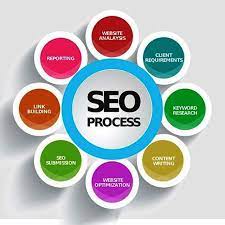
When it comes to Search Engine Optimization (SEO), the services offered typically encompass a wide range of strategies and techniques aimed at improving a website’s visibility and ranking on search engine results pages. Some common SEO services include keyword research and analysis, on-page optimization, off-page optimization (such as link building), content creation and optimization, technical SEO audits, local SEO targeting, and performance tracking through analytics. These services work together to enhance a website’s online presence, attract organic traffic, and ultimately drive business growth by reaching a larger audience of potential customers actively searching for relevant products or services.

What is SEO and how it is work?

Search Engine Optimization (SEO) is a digital marketing strategy aimed at improving a website’s visibility and ranking on search engine results pages (SERPs). SEO works by optimising various aspects of a website, including content, keywords, meta tags, and backlinks, to align with search engine algorithms. By enhancing these elements, SEO helps search engines better understand the relevance and authority of a website’s content, ultimately leading to higher rankings for targeted keywords. This increased visibility drives organic traffic to the site, resulting in improved brand awareness and potential customer engagement. In essence, SEO is about enhancing a website’s online presence to attract more qualified leads and achieve sustainable growth in the digital landscape.

Which SEO service is best?

When it comes to determining the best SEO service for your business, it’s essential to consider your specific needs and goals. The effectiveness of an SEO service can vary depending on factors such as the size of your business, industry niche, target audience, and budget. To identify the most suitable SEO service, it’s crucial to look for a provider that offers customised strategies tailored to your requirements. Additionally, reputable SEO services should have a proven track record of delivering tangible results, transparent reporting practices, and a deep understanding of the latest search engine algorithms. Ultimately, the best SEO service is one that aligns closely with your objectives and helps you achieve sustainable growth in online visibility and organic traffic.

What are the SEO services?

SEO services encompass a range of strategies and techniques aimed at improving a website’s visibility and ranking on search engine results pages (SERPs). These services typically include keyword research, on-page optimisation, content creation, link building, and technical SEO enhancements. By implementing SEO services, businesses can attract more organic traffic, enhance their online presence, and ultimately drive conversions. SEO services are designed to align websites with search engine algorithms to ensure that they are easily discoverable by users searching for relevant products or services.

What are SEO services and types?

SEO services encompass a range of strategies and techniques aimed at improving a website’s visibility and ranking on search engine results pages (SERPs). These services are designed to enhance organic traffic, attract potential customers, and boost online presence. When it comes to types of SEO services, they can include on-page SEO, off-page SEO, technical SEO, local SEO, e-commerce SEO, and more. Each type focuses on different aspects of optimisation such as content creation, link building, website structure improvements, keyword research, and local business listings. By utilising a combination of these SEO services, businesses can effectively enhance their online visibility and reach their target audience more effectively.

What are the 3 types of SEO services?

When it comes to Search Engine Optimization (SEO) services, there are three main types that businesses often consider: on-page SEO, off-page SEO, and technical SEO. On-page SEO focuses on optimising individual web pages to improve their search engine rankings and attract organic traffic. Off-page SEO involves activities outside the website, such as link building and social media marketing, to enhance the site’s authority and reputation. Technical SEO deals with the backend elements of a website, ensuring that it is optimised for search engine crawling and indexing. Each type of SEO service plays a crucial role in boosting a website’s visibility and performance in search engine results pages.

What are the 3 types of SEO optimizations?

When it comes to Search Engine Optimization (SEO) services, there are three main types of SEO optimizations that businesses can focus on to improve their online visibility and search engine rankings. These include on-page SEO, which involves optimising individual web pages with relevant keywords, meta tags, and quality content to enhance user experience and search engine crawlability. Off-page SEO focuses on building external links from reputable websites to increase domain authority and boost organic traffic. Lastly, technical SEO involves improving website structure, speed, and mobile-friendliness to ensure optimal performance and indexation by search engines. By implementing a comprehensive strategy that encompasses these three types of SEO optimizations, businesses can effectively enhance their online presence and attract more targeted traffic to their websites.

What are SEO and SEM services?

Search Engine Optimization (SEO) and Search Engine Marketing (SEM) services are two essential components of digital marketing aimed at improving a website’s visibility and driving traffic from search engines. SEO focuses on organic strategies to enhance a website’s ranking in search engine results pages (SERPs) through tactics such as keyword optimization, content creation, and link building. On the other hand, SEM involves paid advertising methods like pay-per-click (PPC) campaigns to increase visibility and attract targeted traffic to a website. While SEO aims for long-term sustainable results, SEM provides immediate visibility through paid promotions. Both SEO and SEM services are integral to a comprehensive digital marketing strategy that maximises online presence and generates quality leads for businesses in the competitive online landscape.

What is SEO optimization service?

Search Engine Optimization (SEO) services encompass a range of strategies and techniques designed to enhance a website’s visibility and ranking on search engine results pages (SERPs). SEO optimization services involve analysing and improving various aspects of a website, such as content, keywords, meta tags, site structure, and backlinks, to make it more appealing to search engines like Google. By implementing SEO best practices, businesses can increase their organic traffic, attract relevant visitors, and ultimately improve their online presence and visibility in the highly competitive digital landscape.

Who is the best SEO service provider?

When looking for the best SEO service provider, it is essential to consider various factors to determine the most suitable option for your specific needs. The ideal SEO service provider should have a proven track record of delivering successful results for their clients, possess in-depth knowledge of the latest SEO trends and techniques, and offer customised strategies tailored to your business goals. Additionally, reputable SEO providers often have positive reviews and testimonials from satisfied customers, showcasing their expertise and reliability in the field. Ultimately, the best SEO service provider is one that understands your unique requirements and can help you achieve tangible improvements in your online visibility and search engine rankings.

What is an example of an SEO service?

An example of an SEO service is keyword research and analysis. This essential service involves identifying relevant keywords and phrases that potential customers are likely to use when searching for products or services online. By conducting thorough keyword research, an SEO service provider can determine the most valuable terms to target, optimise website content accordingly, and improve the site’s visibility in search engine results. Effective keyword research is a foundational aspect of SEO that helps drive targeted organic traffic to a website and enhance its overall performance in search rankings.

What is SEO & How it works?

Search Engine Optimization (SEO) is a fundamental digital marketing strategy aimed at enhancing a website’s visibility and ranking on search engine results pages (SERPs). SEO works by optimising various aspects of a website, including content, keywords, meta tags, and backlinks, to align with search engine algorithms and user intent. By improving these elements, SEO helps search engines understand the relevance and quality of a website’s content, thus increasing its chances of appearing higher in organic search results. Ultimately, SEO works to drive targeted traffic to a website, improve user experience, and boost online visibility for businesses looking to reach their target audience effectively.

How to do search engine optimization in SEO?

To effectively implement search engine optimization (SEO) for your website, it is essential to follow a structured approach that encompasses various key aspects. Firstly, conducting thorough keyword research to identify relevant and high-traffic keywords is crucial. These keywords should be strategically incorporated into your website’s content, meta tags, and URLs. Additionally, optimising on-page elements such as title tags, meta descriptions, and headings can improve search engine visibility. Off-page SEO techniques like building quality backlinks from reputable websites also play a significant role in boosting your site’s authority and ranking. Regular monitoring of performance metrics and making necessary adjustments based on analytics data ensures that your SEO efforts yield sustainable results over time. By following these best practices and staying updated with the latest SEO trends, you can enhance your website’s visibility and attract organic traffic effectively.

What is SEO for website?

Search Engine Optimization (SEO) for a website is the process of enhancing its online visibility and ranking on search engine results pages (SERPs). SEO involves implementing various strategies, such as keyword optimisation, content creation, link building, and technical improvements, to make a website more attractive to search engines like Google. By improving the relevance and authority of a website in relation to specific search queries, SEO helps drive organic traffic and increase the likelihood of attracting potential customers. Ultimately, SEO for a website aims to improve its overall performance in search engine rankings and enhance its visibility to target audiences searching for relevant products or services.

What is an example of SEO?

An example of Search Engine Optimization (SEO) can be seen in a scenario where a local bakery in London wants to increase its online visibility and attract more customers searching for “best cakes in London.” By implementing SEO strategies such as keyword research, on-page optimization, and local SEO tactics, the bakery can improve its website’s ranking on search engine results pages. As a result, when users search for terms related to cakes in London, the bakery’s website appears higher in the search results, driving organic traffic and potential customers to their site. This example illustrates how SEO can help businesses like the local bakery reach their target audience and grow their online presence effectively.

What are search engine optimization services?

Search engine optimization (SEO) services encompass a range of strategies and techniques aimed at improving a website’s visibility and ranking on search engine results pages (SERPs). These services involve keyword research, on-page optimization, link building, content creation, and technical enhancements to ensure that a website is easily discoverable by search engines like Google. By implementing SEO services, businesses can attract more organic traffic, increase their online presence, and ultimately drive conversions. SEO services are essential for businesses looking to enhance their digital marketing efforts and reach a wider audience effectively.

What are the 4 types of SEO?

When it comes to Search Engine Optimization (SEO) services, one common question that arises is: “What are the 4 types of SEO?” The four main types of SEO are on-page SEO, off-page SEO, technical SEO, and local SEO. On-page SEO focuses on optimising individual web pages to improve search engine rankings and attract organic traffic. Off-page SEO involves activities outside the website to enhance its authority and relevance. Technical SEO deals with the backend elements of a website to improve its crawling and indexing by search engines. Local SEO targets specific geographic locations to boost visibility for businesses targeting local audiences. Understanding these different types of SEO is essential for businesses looking to enhance their online presence and reach their target audience effectively.

How do SEO services work?

SEO services work by implementing a range of strategies and techniques to improve a website’s visibility and ranking on search engine results pages (SERPs). This process typically involves keyword research, on-page optimisation, content creation, link building, and technical SEO enhancements. By understanding the algorithms used by search engines like Google, SEO experts can tailor these strategies to ensure that a website is effectively crawled, indexed, and ranked for relevant keywords. Through continuous monitoring and adjustments, SEO services aim to drive organic traffic to the website, increase its online presence, and ultimately enhance its overall performance in search engine results.

seo package prices

Decoding SEO Package Prices: A Comprehensive Guide to Understanding Costs

Understanding SEO Package Prices

The Ins and Outs of SEO Package Prices

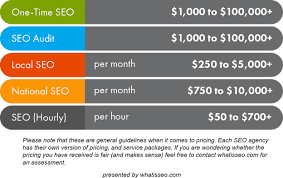
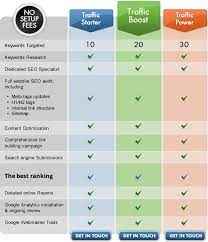
SEO package prices can vary significantly depending on the scope of services offered, the expertise of the agency, and the specific needs of your business. Understanding what goes into these prices can help you make informed decisions when selecting an SEO package for your website.

Factors Influencing SEO Package Prices

**Service Inclusions**: Different SEO packages may offer a range of services such as keyword research, on-page optimisation, link building, content creation, and more. The more comprehensive the package, the higher the price is likely to be.

**Agency Expertise**: Established agencies with a proven track record of delivering results may charge higher prices for their services. Their expertise and experience can often justify the premium cost.

**Customisation**: Tailored SEO packages designed to meet specific business goals and requirements may come at a higher price point compared to standardised packages.

Understanding Pricing Models

SEO package prices are typically offered in three main pricing models:

**Monthly Retainer**: Many agencies offer monthly retainer packages where you pay a fixed fee each month for ongoing SEO services.

**Project-Based**: Some agencies may offer project-based pricing for one-time SEO initiatives or specific campaigns.

**Performance-Based**: In rare cases, agencies may tie their fees to the performance outcomes achieved, such as improved search rankings or increased organic traffic.

Selecting the Right SEO Package

When choosing an SEO package based on price, it’s essential to consider your budget constraints alongside your business goals. Look for packages that strike a balance between affordability and quality of service to ensure you get the best value for your investment.

In Conclusion

SEO package prices are influenced by various factors and come in different pricing models. By understanding these dynamics and aligning them with your business objectives, you can select an SEO package that meets your needs effectively within your budget constraints.


Advantages of SEO Package Pricing: Tailored Solutions and Transparent Costs for Every Budget

  1. 1. Customisable packages allow businesses to choose services that align with their specific needs and budget.
  2. 2. Transparent pricing models help businesses understand the cost breakdown of SEO services included in the package.
  3. 3. Competitive pricing encourages agencies to offer quality services at affordable rates to attract clients.
  4. 4. Bundled services in SEO packages often provide a cost-effective solution compared to individual service purchases.
  5. 5. Regular monitoring and reporting included in packages ensure businesses can track the effectiveness of their SEO investment.
  6. 6. Flexible payment options, such as monthly retainers or project-based pricing, cater to different budget preferences.


Challenges of SEO Package Pricing: Barriers, Quality Concerns, and Hidden Costs

  1. High prices can be a barrier for small businesses with limited budgets.
  2. Some agencies may offer low-cost packages but compromise on the quality of service provided.
  3. Complex pricing structures in SEO packages can make it challenging to compare and choose the right option.
  4. Unexpected additional costs, such as fees for extra services or hidden charges, can inflate the overall price.
  5. Agencies that focus solely on price may not deliver tailored strategies that address the specific needs of your business.
  6. Fluctuating market trends and algorithm changes can impact the effectiveness of SEO packages, potentially reducing their value over time.

1. Customisable packages allow businesses to choose services that align with their specific needs and budget.

Customisable SEO packages offer businesses the flexibility to tailor their services according to their unique requirements and financial constraints. By selecting specific services that align with their goals and budget, businesses can maximise the value they receive from their SEO investment. This level of customisation ensures that companies can focus on areas that are most critical to their online success, ultimately leading to a more efficient and cost-effective SEO strategy.

2. Transparent pricing models help businesses understand the cost breakdown of SEO services included in the package.

One significant advantage of SEO package prices is the implementation of transparent pricing models. These models provide businesses with a clear breakdown of the costs associated with the SEO services included in the package. By offering transparency in pricing, businesses can better understand where their investment is allocated and evaluate the value they receive from each service. This transparency fosters trust between businesses and SEO agencies, ensuring a mutually beneficial partnership built on clarity and accountability.

3. Competitive pricing encourages agencies to offer quality services at affordable rates to attract clients.

Competitive pricing within the realm of SEO package prices serves as a significant advantage for businesses seeking digital marketing services. This aspect incentivises agencies to provide high-quality services at reasonable rates in order to stand out and attract clients. By fostering a competitive environment, SEO agencies are motivated to continually enhance their offerings, deliver exceptional results, and ensure client satisfaction, ultimately benefiting businesses looking to improve their online presence through effective and affordable SEO solutions.

4. Bundled services in SEO packages often provide a cost-effective solution compared to individual service purchases.

Bundled services within SEO packages offer a cost-effective solution compared to purchasing individual services separately. By combining various SEO strategies and techniques into a single package, businesses can benefit from a comprehensive approach to improving their online presence while saving on overall costs. This bundling not only streamlines the process but also ensures that different aspects of SEO work together harmoniously to achieve optimal results, making it a practical and efficient choice for businesses looking to enhance their digital marketing efforts.

5. Regular monitoring and reporting included in packages ensure businesses can track the effectiveness of their SEO investment.

Regular monitoring and reporting included in SEO packages offer businesses a valuable advantage by allowing them to track the effectiveness of their SEO investment. By providing insights into key performance metrics, such as website traffic, keyword rankings, and conversion rates, businesses can gain a clear understanding of the impact of their SEO efforts. This proactive approach enables businesses to make informed decisions, refine their strategies, and maximise the returns on their SEO investment over time.

6. Flexible payment options, such as monthly retainers or project-based pricing, cater to different budget preferences.

Flexible payment options, such as monthly retainers or project-based pricing, are a significant advantage of SEO package prices. These options cater to different budget preferences, allowing businesses to choose a payment structure that aligns with their financial capabilities and operational needs. Whether opting for ongoing monthly retainers for consistent SEO support or project-based pricing for specific initiatives, the flexibility in payment options ensures that businesses can access high-quality SEO services without straining their budgets.

High prices can be a barrier for small businesses with limited budgets.

High prices associated with SEO package prices can pose a significant challenge for small businesses operating on limited budgets. For these enterprises, investing in comprehensive SEO services at premium rates may not always be feasible, potentially hindering their ability to compete effectively in the digital landscape. The financial barrier created by high SEO package prices can restrict small businesses from accessing vital search engine optimisation strategies that could otherwise help them enhance their online visibility and reach a broader audience. It is crucial for small businesses to explore cost-effective alternatives or seek flexible payment options to overcome this con and leverage the benefits of SEO without compromising their financial stability.

Some agencies may offer low-cost packages but compromise on the quality of service provided.

In the realm of SEO package prices, a significant drawback is that some agencies may entice clients with low-cost packages, only to compromise on the quality of service delivered. While the initial cost may seem appealing, opting for such packages can often result in subpar results and ineffective strategies. These agencies may cut corners in critical areas such as keyword research, content creation, or link building, ultimately hindering the overall success of the SEO campaign. It is crucial for businesses to be wary of sacrificing quality for affordability when selecting an SEO package to ensure long-term benefits and sustainable growth in their online presence.

Complex pricing structures in SEO packages can make it challenging to compare and choose the right option.

Complex pricing structures in SEO packages can present a significant drawback as they can make it challenging for businesses to compare and select the most suitable option. With various services, add-ons, and pricing tiers, understanding the true value and cost-effectiveness of different packages becomes a daunting task. This complexity can lead to confusion and indecision, potentially resulting in businesses either overspending on unnecessary services or missing out on essential SEO strategies due to unclear pricing information. Clarity and transparency in pricing are crucial for businesses looking to make informed decisions when investing in SEO services.

Unexpected additional costs, such as fees for extra services or hidden charges, can inflate the overall price.

One significant drawback of SEO package prices is the potential for unexpected additional costs to arise. These hidden charges, such as fees for extra services or undisclosed expenses, can significantly inflate the overall price that businesses end up paying. This lack of transparency in pricing can catch clients off guard and disrupt their budget planning, leading to a sense of dissatisfaction and mistrust towards the SEO service provider. It is crucial for businesses to thoroughly review and clarify all potential extra costs before committing to an SEO package to avoid any unpleasant surprises down the line.

Agencies that focus solely on price may not deliver tailored strategies that address the specific needs of your business.

When considering SEO package prices, it is essential to be cautious of agencies that prioritise cost above all else. Opting for the cheapest option may lead to a lack of personalised attention and tailored strategies that align with the unique requirements of your business. Agencies solely focused on price may resort to generic approaches that do not effectively address your specific needs or goals. Investing in SEO packages based solely on affordability without considering the quality and customisation of services may result in subpar outcomes and missed opportunities for maximising your online presence.

Fluctuating market trends and algorithm changes pose a significant con when it comes to SEO package prices. The dynamic nature of the digital landscape means that what works today may not yield the same results tomorrow. As search engine algorithms evolve and market trends shift, the effectiveness of SEO packages can be compromised, leading to a potential decrease in their overall value over time. Businesses must stay vigilant and adapt their SEO strategies accordingly to navigate these challenges and ensure long-term success in an ever-changing online environment.

seo business

Unlocking Success: The Essential Role of SEO in Your Business Growth

The Importance of SEO for Your Business

The Importance of SEO for Your Business

Search Engine Optimization (SEO) has become a crucial aspect of any successful business’s online strategy. In today’s digital age, where consumers rely heavily on search engines to find products and services, having a strong online presence is essential for attracting and retaining customers.

SEO involves optimizing your website and online content to improve its visibility in search engine results. By implementing effective SEO strategies, businesses can increase their organic traffic, enhance brand awareness, and ultimately drive more conversions.

Benefits of SEO for Businesses:

  • Increased Visibility: By ranking higher in search engine results pages, businesses can reach a wider audience and attract more potential customers.
  • Enhanced Credibility: Websites that appear at the top of search results are often perceived as more trustworthy and credible by users.
  • Improved User Experience: SEO involves optimizing website content and structure to provide a better user experience, leading to higher engagement and lower bounce rates.
  • Cost-Effective Marketing: Compared to traditional marketing methods, SEO offers a cost-effective way to drive targeted traffic to your website and generate leads.
  • Long-Term Results: While it may take time to see significant results from SEO efforts, the benefits can be long-lasting and sustainable over time.

Key SEO Strategies for Businesses:

Effective SEO strategies involve keyword research, on-page optimization, link building, content creation, and regular monitoring of performance metrics. It’s essential for businesses to stay updated on the latest algorithm changes and trends in the ever-evolving field of SEO.

In conclusion, investing in SEO is vital for businesses looking to establish a strong online presence and compete in today’s competitive digital landscape. By prioritizing SEO as part of your marketing strategy, you can achieve higher visibility, attract more customers, and ultimately grow your business successfully.


Top 5 Essential SEO Tips for Boosting Your Business Online

  1. 1. Conduct keyword research to target relevant search terms for your business.
  2. 2. Optimise your website’s on-page elements, such as titles, meta descriptions, and headings.
  3. 3. Create high-quality content regularly to attract and engage your target audience.
  4. 4. Build quality backlinks from reputable websites to improve your site’s authority.
  5. 5. Monitor and analyse your SEO performance using tools like Google Analytics to make data-driven decisions.

1. Conduct keyword research to target relevant search terms for your business.

Conducting thorough keyword research is a fundamental step in any successful SEO strategy for your business. By identifying and targeting relevant search terms that potential customers are using, you can optimise your website content to align with their search intent. This not only improves your chances of appearing higher in search engine results but also ensures that you attract qualified traffic that is more likely to convert. Effective keyword research lays the foundation for a strategic approach to SEO, helping you reach your target audience and drive meaningful engagement with your brand.

2. Optimise your website’s on-page elements, such as titles, meta descriptions, and headings.

To enhance your business’s online visibility and search engine ranking, it is essential to optimise your website’s on-page elements. This includes crafting compelling titles, informative meta descriptions, and clear headings that incorporate relevant keywords. By fine-tuning these on-page elements, you not only improve the user experience but also make it easier for search engines to understand and index your content effectively. Optimising these key elements is a fundamental aspect of SEO that can significantly impact your website’s performance and organic traffic growth.

3. Create high-quality content regularly to attract and engage your target audience.

Creating high-quality content regularly is a fundamental aspect of a successful SEO strategy for businesses. By consistently producing valuable and engaging content, businesses can not only attract their target audience but also keep them interested and coming back for more. High-quality content that is relevant, informative, and well-crafted not only helps improve search engine rankings but also establishes credibility and authority in the eyes of both users and search engines. This approach not only drives organic traffic to your website but also fosters stronger relationships with your audience, leading to increased brand loyalty and conversions over time.

Building quality backlinks from reputable websites is a crucial strategy to enhance your site’s authority in the realm of SEO business. Backlinks act as a vote of confidence from other sites, indicating to search engines that your content is valuable and trustworthy. By securing backlinks from high-quality, relevant websites, you not only boost your site’s credibility but also increase its chances of ranking higher in search engine results pages. This proactive approach to link building can significantly impact your website’s overall visibility and establish it as an authoritative source within your industry.

5. Monitor and analyse your SEO performance using tools like Google Analytics to make data-driven decisions.

Monitoring and analysing your SEO performance is a critical aspect of any successful SEO business strategy. By utilising tools such as Google Analytics, businesses can gather valuable data insights to make informed, data-driven decisions. Tracking key metrics like website traffic, user behaviour, and conversion rates allows businesses to identify strengths, weaknesses, and opportunities for improvement in their SEO efforts. By regularly monitoring and analysing SEO performance, businesses can adapt their strategies effectively and optimise their online presence for better visibility and success in the digital landscape.

organic search google analytics

Unlocking the Potential of Organic Search Through Google Analytics

The Power of Organic Search: Understanding Google Analytics

The Power of Organic Search: Understanding Google Analytics

Organic search is a vital component of any successful digital marketing strategy. It refers to the traffic that comes to your website through unpaid, natural search engine results. Understanding how organic search impacts your website’s performance is crucial for maximising your online visibility and attracting relevant visitors.

What is Google Analytics?

Google Analytics is a powerful tool that provides valuable insights into your website’s performance, including detailed data on organic search traffic. By leveraging Google Analytics, you can track key metrics such as the number of organic visits, bounce rates, conversion rates, and more.

The Benefits of Organic Search in Google Analytics

By analysing organic search data in Google Analytics, you can:

  • Identify which keywords drive the most organic traffic to your site.
  • Understand user behaviour on your site, such as popular landing pages and exit pages.
  • Track the effectiveness of your SEO efforts over time.
  • Measure the ROI of your organic search campaigns.
  • Optimise your website content based on insights from organic search data.

Tips for Analysing Organic Search Data

To make the most of organic search data in Google Analytics, consider the following tips:

  1. Set up goals and conversion tracking to measure the success of your organic search campaigns.
  2. Use advanced segments to filter and compare different segments of organic traffic.
  3. Create custom reports to focus on specific metrics that matter most to your business goals.
  4. Regularly monitor and analyse trends in organic search performance to identify opportunities for improvement.


Understanding and Optimising Organic Search in Google Analytics: Key FAQs and Best Practices

  1. What is organic search in Google Analytics?
  2. How can I track organic search traffic in Google Analytics?
  3. What are the key metrics to monitor for organic search in Google Analytics?
  4. How does organic search data help improve SEO efforts?
  5. Can Google Analytics show which keywords drive organic traffic to my site?
  6. What are some best practices for analysing organic search data in Google Analytics?
  7. Is it possible to measure the ROI of organic search campaigns using Google Analytics?
  8. How can I optimise my website based on insights from organic search data in Google Analytics?

What is organic search in Google Analytics?

Organic search in Google Analytics refers to the traffic that comes to a website through unpaid, natural search engine results. When users enter a query into a search engine like Google and click on a search result that is not a paid advertisement, it is considered organic traffic. Organic search plays a crucial role in driving relevant visitors to a website and is an essential component of any successful digital marketing strategy. By analysing organic search data in Google Analytics, businesses can gain valuable insights into their website’s performance, understand user behaviour, track the effectiveness of SEO efforts, and make informed decisions to improve online visibility and engagement.

How can I track organic search traffic in Google Analytics?

To track organic search traffic in Google Analytics, you can follow these steps. Firstly, navigate to the ‘Acquisition’ tab in your Google Analytics account and select ‘All Traffic’. Next, click on ‘Channels’ and then ‘Organic Search’ to view data specifically related to organic search traffic. You can further refine your analysis by exploring the ‘Keywords’ report to identify which search terms are driving organic visits to your website. By regularly monitoring these metrics and setting up custom reports, you can gain valuable insights into the performance of your organic search campaigns and optimise your website for improved visibility and engagement.

What are the key metrics to monitor for organic search in Google Analytics?

When it comes to monitoring organic search performance in Google Analytics, several key metrics play a crucial role in evaluating the effectiveness of your SEO efforts. Some of the key metrics to monitor include organic traffic volume, keyword rankings, click-through rates, bounce rates, conversion rates, and average session duration. These metrics provide valuable insights into how users are finding and interacting with your website through organic search. By tracking and analysing these metrics regularly, you can make informed decisions to optimise your website for better organic search visibility and ultimately drive more relevant traffic to your site.

How does organic search data help improve SEO efforts?

Organic search data plays a pivotal role in enhancing SEO efforts by providing valuable insights into the performance of a website’s search engine visibility. By analysing organic search data through Google Analytics, businesses can identify which keywords are driving the most traffic to their site, understand user behaviour patterns, and measure the effectiveness of their SEO strategies over time. This data allows website owners to make informed decisions on content optimisation, keyword targeting, and overall SEO tactics to improve their organic search rankings and attract more relevant traffic. In essence, leveraging organic search data helps businesses refine their SEO efforts, increase online visibility, and ultimately drive more organic traffic to their website.

Can Google Analytics show which keywords drive organic traffic to my site?

One frequently asked question regarding organic search in Google Analytics is whether it can show which keywords drive traffic to a website organically. Google Analytics used to provide detailed keyword data for organic search traffic, but due to privacy concerns and changes in search engine algorithms, this information is now limited. Instead, Google Analytics now shows “not provided” for the majority of organic keyword data. However, you can still gain insights into the performance of your organic search traffic by analysing landing pages, user behaviour, and other metrics within Google Analytics to understand the overall impact of your SEO efforts.

What are some best practices for analysing organic search data in Google Analytics?

When it comes to analysing organic search data in Google Analytics, there are several best practices that can help you derive meaningful insights. Firstly, setting up goals and conversion tracking is essential to measure the effectiveness of your organic search campaigns. Utilising advanced segments allows you to filter and compare different segments of organic traffic, providing a more granular view of user behaviour. Creating custom reports tailored to your specific business goals enables you to focus on key metrics that matter most. Regularly monitoring trends in organic search performance helps identify areas for improvement and optimisation, ensuring your SEO efforts are yielding the desired results.

Is it possible to measure the ROI of organic search campaigns using Google Analytics?

Measuring the ROI of organic search campaigns using Google Analytics is indeed possible and highly valuable for businesses. By tracking key metrics such as organic traffic, conversions, and revenue generated from organic search, Google Analytics provides insights that enable businesses to calculate the return on investment of their SEO efforts. Understanding the impact of organic search on revenue allows businesses to make informed decisions about resource allocation and optimisation strategies to maximise the effectiveness of their digital marketing initiatives.

How can I optimise my website based on insights from organic search data in Google Analytics?

To optimise your website based on insights from organic search data in Google Analytics, it is essential to first identify key metrics such as top-performing keywords, popular landing pages, and user behaviour patterns. By analysing this data, you can tailor your website content to align with the interests and search intent of your target audience. Consider creating high-quality, relevant content that incorporates top-performing keywords and improves user engagement. Additionally, focus on enhancing the user experience by optimising page load times, improving site navigation, and implementing mobile responsiveness. Regularly monitoring and adjusting your SEO strategy based on organic search data insights will help drive organic traffic growth and improve overall website performance.

website and seo company

Enhancing Your Online Presence: Choosing the Right Website and SEO Company

The Importance of Choosing the Right Website and SEO Company

The Importance of Choosing the Right Website and SEO Company

In today’s digital age, having a strong online presence is crucial for the success of any business. A well-designed website coupled with effective Search Engine Optimization (SEO) strategies can significantly impact your visibility and reach in the competitive online landscape.

Website Development

Your website serves as the virtual storefront for your business. It is often the first point of contact for potential customers and plays a pivotal role in shaping their perception of your brand. A professionally designed website that is visually appealing, user-friendly, and mobile-responsive can enhance user experience and encourage visitors to engage with your content.

Furthermore, a well-optimised website can improve your search engine rankings, making it easier for users to find you online. By incorporating relevant keywords, high-quality content, and intuitive navigation, you can attract organic traffic and increase conversions on your site.

SEO Services

SEO is the process of improving your website’s visibility on search engines like Google, Bing, and Yahoo. An experienced SEO company can help you implement strategies that boost your rankings in search results, driving more organic traffic to your site.

From keyword research and on-page optimization to link building and content creation, SEO companies employ a range of techniques to enhance your online presence. By staying up-to-date with search engine algorithms and trends, they can tailor their approach to meet your specific business goals.

Choosing the Right Partner

When selecting a website and SEO company, it’s essential to choose a partner that understands your industry, target audience, and business objectives. Look for a company with a proven track record of success, transparent communication practices, and a commitment to delivering measurable results.

By collaborating with a reputable website and SEO company, you can unlock the full potential of your online presence and stay ahead of the competition in today’s digital marketplace.


Understanding Website and SEO Companies: Key FAQs for Business Success

  1. 1. What services does a website and SEO company offer?
  2. 2. How can a website benefit my business?
  3. 3. What is the importance of SEO for my website?
  4. 4. How do I choose the right website and SEO company for my business?
  5. 5. Can SEO help improve my website’s search engine rankings?
  6. 6. What results can I expect from investing in website and SEO services?

1. What services does a website and SEO company offer?

A website and SEO company typically offers a range of services aimed at enhancing a business’s online presence and visibility. These services may include website design and development, search engine optimization (SEO) strategies, keyword research, on-page optimization, content creation, link building, social media marketing, analytics tracking, and more. The primary goal of such companies is to help businesses improve their search engine rankings, attract organic traffic to their websites, and ultimately increase their online visibility and conversions. By providing tailored solutions that align with the client’s objectives and industry-specific needs, website and SEO companies play a crucial role in driving digital success for businesses in today’s competitive online landscape.

2. How can a website benefit my business?

A well-designed website can benefit your business in numerous ways. Firstly, it serves as a 24/7 digital storefront, allowing potential customers to learn about your products or services at any time. A professional website enhances credibility and trust, showcasing your brand’s expertise and reliability. Moreover, an optimised website can improve your online visibility through search engines, driving organic traffic and increasing the likelihood of reaching a wider audience. By providing valuable information, engaging content, and seamless user experience, a website can effectively convert visitors into leads or customers, ultimately boosting sales and revenue for your business.

3. What is the importance of SEO for my website?

Understanding the importance of SEO for your website is paramount in today’s digital landscape. SEO, or Search Engine Optimization, plays a crucial role in enhancing your online visibility and attracting relevant traffic to your site. By implementing effective SEO strategies, you can improve your search engine rankings, making it easier for potential customers to find your business online. This increased visibility not only drives organic traffic to your website but also boosts brand credibility and trust among users. Ultimately, investing in SEO for your website can lead to higher conversion rates, increased revenue, and long-term success in the competitive online market.

4. How do I choose the right website and SEO company for my business?

When considering how to choose the right website and SEO company for your business, it is crucial to conduct thorough research and due diligence. Start by assessing the company’s portfolio, client testimonials, and case studies to gauge their expertise and track record of success. Look for a company that aligns with your business goals, understands your industry, and offers customised solutions tailored to your specific needs. Transparency in communication, a clear understanding of SEO best practices, and a commitment to delivering measurable results are key factors to consider when selecting the ideal website and SEO partner for your business.

5. Can SEO help improve my website’s search engine rankings?

Yes, SEO can indeed help improve your website’s search engine rankings. Search Engine Optimization (SEO) involves various strategies and techniques that aim to enhance your website’s visibility in search engine results pages. By implementing SEO best practices such as keyword optimization, quality content creation, link building, and technical optimization, you can improve your website’s chances of ranking higher on search engines like Google. A reputable SEO company can conduct a thorough analysis of your website, identify areas for improvement, and develop a customised strategy to boost your search engine rankings effectively.

6. What results can I expect from investing in website and SEO services?

Investing in website and SEO services can yield significant results for your business. By enhancing your website’s design, functionality, and content, you can improve user experience, attract more visitors, and increase engagement. Effective SEO strategies can boost your search engine rankings, driving organic traffic to your site and expanding your online visibility. Ultimately, investing in website and SEO services can lead to increased brand awareness, higher conversion rates, and improved overall performance in the digital landscape.

local seo for small business

Unlocking the Power of Local SEO for Small Businesses in the UK

Local SEO for Small Business

The Power of Local SEO for Small Businesses

In today’s digital age, having a strong online presence is crucial for small businesses to thrive. One effective strategy that small businesses can leverage to boost their visibility and attract local customers is Local SEO.

What is Local SEO?

Local SEO focuses on optimising a business’s online presence to attract more traffic from local searches on search engines like Google. By targeting specific geographical areas, small businesses can increase their visibility to potential customers in their vicinity.

Benefits of Local SEO for Small Businesses

  • Increased Visibility: By optimising your website for local keywords and phrases, your business is more likely to appear in local search results, making it easier for potential customers to find you.
  • Targeted Traffic: Local SEO helps you reach customers who are actively searching for products or services in your area, increasing the likelihood of converting leads into sales.
  • Build Trust and Credibility: Showing up in local search results establishes credibility and trust with potential customers, as they are more likely to choose a business that appears reputable and authoritative online.
  • Competitive Advantage: Implementing an effective Local SEO strategy can give small businesses a competitive edge over larger competitors who may not be focusing on local search optimisation.
  • Cost-Effective Marketing: Compared to traditional advertising methods, investing in Local SEO is a cost-effective way for small businesses to reach their target audience and drive organic traffic to their website.

Tips for Optimising Local SEO

  1. Create a Google My Business Account: Claiming and verifying your business on Google My Business is essential for appearing in local search results and on Google Maps.
  2. Optimise Your Website Content: Include relevant local keywords in your website content, meta descriptions, and title tags to improve your chances of ranking higher in local searches.
  3. Get Listed in Online Directories: Ensure your business is listed accurately on popular online directories such as Yelp, Yellow Pages, and Bing Places for Business.
  4. Solicit Customer Reviews: Encourage satisfied customers to leave positive reviews on platforms like Google My Business as they can boost your credibility and reputation online.
  5. Create Local Content: Produce blog posts or articles that are relevant to your local community or industry to engage with local audiences and improve your website’s authority.

In conclusion, implementing a robust Local SEO strategy can significantly benefit small businesses looking to attract more foot traffic and increase sales within their local area. By following best practices and staying up-to-date with the latest trends in local search optimisation, small businesses can position themselves for long-term success in the competitive digital landscape.


Top 9 Local SEO Tips for Boosting Your Small Business Visibility

  1. 1. Ensure your business is listed accurately on Google My Business with correct name, address, and phone number.
  2. 2. Use local keywords in your website content to improve search engine ranking for local searches.
  3. 3. Encourage satisfied customers to leave positive reviews on platforms like Google and Yelp.
  4. 4. Create location-specific pages on your website targeting different areas you serve.
  5. 5. Utilise local business directories to increase online visibility for your small business.
  6. 6. Optimise your website for mobile devices as many local searches are done on smartphones.
  7. 7. Engage with the local community through social media and participate in local events or sponsorships.
  8. 8. Implement structured data markup on your website to help search engines understand your business information better.
  9. 9. Monitor and analyse your local SEO efforts using tools like Google Analytics and Search Console to make necessary adjustments.

1. Ensure your business is listed accurately on Google My Business with correct name, address, and phone number.

Ensuring that your business is accurately listed on Google My Business with the correct name, address, and phone number is a fundamental step in optimising your Local SEO strategy for small businesses. By providing accurate and consistent information, you not only improve your chances of appearing in local search results but also establish trust with potential customers who are searching for products or services in your area. A well-maintained Google My Business profile can enhance your online visibility and make it easier for local customers to find and engage with your business, ultimately driving more foot traffic and conversions.

2. Use local keywords in your website content to improve search engine ranking for local searches.

By incorporating local keywords strategically into your website content, small businesses can enhance their search engine ranking for local searches. Utilising relevant terms that reflect the specific geographical location of your business helps search engines connect your website with local users seeking products or services in that area. This targeted approach not only increases visibility but also improves the likelihood of attracting potential customers who are actively searching for businesses like yours within their vicinity.

3. Encourage satisfied customers to leave positive reviews on platforms like Google and Yelp.

Encouraging satisfied customers to leave positive reviews on platforms such as Google and Yelp is a powerful strategy in local SEO for small businesses. Positive reviews not only enhance a business’s credibility and reputation but also play a significant role in improving its visibility in local search results. By actively seeking feedback from happy customers and showcasing their testimonials online, small businesses can build trust with potential clients and stand out from competitors, ultimately driving more traffic and conversions to their website.

4. Create location-specific pages on your website targeting different areas you serve.

Creating location-specific pages on your website targeting different areas you serve is a strategic approach to enhance your local SEO efforts for small businesses. By tailoring content to specific geographical locations, you can improve your visibility in local search results and better connect with potential customers in those areas. These dedicated pages allow you to highlight the unique services or products offered in each location, making it easier for search engines to understand your business’s relevance to local searches. This targeted approach not only boosts your online presence but also helps establish credibility and trust with customers looking for businesses in their vicinity.

5. Utilise local business directories to increase online visibility for your small business.

Utilising local business directories is a valuable tip to enhance online visibility for small businesses through Local SEO. By ensuring accurate and consistent listings on platforms like Yelp, Yellow Pages, and Bing Places for Business, small businesses can improve their chances of appearing in local search results. Being listed in these directories not only increases the visibility of the business to potential customers but also enhances its credibility and trustworthiness in the eyes of search engines and users alike. This strategic approach can help small businesses attract more local traffic and ultimately drive growth and success in their target market.

6. Optimise your website for mobile devices as many local searches are done on smartphones.

Optimising your website for mobile devices is crucial for small businesses utilising Local SEO strategies. With a significant portion of local searches now conducted on smartphones, ensuring that your website is mobile-friendly can enhance the user experience and improve your chances of appearing in local search results. By prioritising mobile optimisation, small businesses can cater to the growing number of consumers who rely on their smartphones to find nearby products and services, ultimately increasing their visibility and attracting more local customers.

7. Engage with the local community through social media and participate in local events or sponsorships.

Engaging with the local community through social media and actively participating in local events or sponsorships is a valuable strategy for small businesses looking to enhance their Local SEO efforts. By connecting with local residents on platforms like Facebook, Instagram, and Twitter, businesses can foster relationships, build brand awareness, and drive traffic to their website. Involvement in community events or sponsorships not only showcases a business’s commitment to the local area but also generates positive word-of-mouth marketing that can boost visibility and credibility in the eyes of potential customers. This proactive approach not only strengthens ties within the community but also contributes to a more robust online presence that resonates with local audiences.

8. Implement structured data markup on your website to help search engines understand your business information better.

Implementing structured data markup on your website is a crucial step in enhancing your Local SEO strategy for small businesses. By incorporating structured data, you provide search engines with clear and organised information about your business, such as contact details, business hours, services offered, and customer reviews. This helps search engines better understand the context of your website content, making it more likely to appear in relevant local search results and improving overall visibility to potential customers in your area.

9. Monitor and analyse your local SEO efforts using tools like Google Analytics and Search Console to make necessary adjustments.

To ensure the effectiveness of your Local SEO strategy for a small business, it is essential to monitor and analyse your efforts using tools such as Google Analytics and Search Console. By regularly reviewing key metrics and performance data, you can gain valuable insights into the impact of your local search optimisation efforts. This data allows you to identify areas for improvement, track the success of your campaigns, and make necessary adjustments to enhance your online visibility and attract more local customers.

search engine marketing consultant

Unlocking Success: The Expertise of a Search Engine Marketing Consultant

The Role of a Search Engine Marketing Consultant

The Role of a Search Engine Marketing Consultant

In today’s digital age, the online presence of a business is crucial for its success. Search engine marketing (SEM) plays a vital role in ensuring that a company’s website is visible to potential customers when they search for relevant keywords on search engines like Google. This is where a search engine marketing consultant comes into play.

What Does a Search Engine Marketing Consultant Do?

A search engine marketing consultant is an expert in the field of digital marketing who specialises in improving a company’s visibility on search engine results pages (SERPs). Their primary goal is to drive targeted traffic to the client’s website through paid advertising campaigns and organic search engine optimisation strategies.

Some key responsibilities of a search engine marketing consultant include:

  • Conducting keyword research to identify relevant terms and phrases that potential customers are searching for
  • Creating and managing pay-per-click (PPC) campaigns to increase website traffic and conversions
  • Optimising website content and meta tags for better organic search rankings
  • Analysing campaign performance using tools like Google Analytics to make data-driven decisions
  • Staying up-to-date with industry trends and algorithm changes to ensure effective SEM strategies

Why Hire a Search Engine Marketing Consultant?

Businesses can benefit greatly from hiring a search engine marketing consultant due to their specialised knowledge and experience in the field. By working with a consultant, companies can:

  • Improve their online visibility and reach a larger audience
  • Increase website traffic and generate more leads or sales
  • Gain insights into their target market through detailed analytics and reporting
  • Create more effective advertising campaigns that deliver measurable results
  • Save time and resources by outsourcing SEM efforts to experts in the field

Conclusion

A search engine marketing consultant plays a crucial role in helping businesses navigate the complex world of online advertising. By leveraging their expertise, companies can achieve greater visibility, attract more customers, and ultimately grow their business in the competitive digital landscape.

© 2023 SEO London Digital. All rights reserved.


Top 5 Tips for Choosing the Right Search Engine Marketing Consultant

  1. Ensure the consultant has a proven track record of improving search engine rankings.
  2. Look for a consultant who stays updated with the latest SEO trends and algorithms.
  3. Check if the consultant offers personalised strategies tailored to your business goals.
  4. Verify that the consultant uses ethical SEO practices to avoid penalties from search engines.
  5. Discuss clear communication channels and regular progress reports with the consultant.

Ensure the consultant has a proven track record of improving search engine rankings.

When seeking a search engine marketing consultant, it is essential to verify that they possess a proven track record of enhancing search engine rankings for their clients. A consultant with a history of successfully improving search engine visibility demonstrates their expertise and effectiveness in implementing strategies that drive organic traffic to websites. By ensuring the consultant has a solid track record, businesses can have confidence in their ability to deliver results and elevate the online presence of the company effectively.

When seeking a search engine marketing consultant, it is essential to prioritise finding an individual who remains abreast of the most recent SEO trends and algorithms. By selecting a consultant who is proactive in staying updated with the dynamic landscape of search engine optimisation, you can ensure that your digital marketing strategies are always aligned with current best practices. This dedication to ongoing learning and adaptation enables the consultant to implement effective techniques that resonate with search engine algorithms, ultimately enhancing your online visibility and driving meaningful results for your business.

Check if the consultant offers personalised strategies tailored to your business goals.

When considering a search engine marketing consultant, it is essential to evaluate whether they provide personalised strategies that align with your specific business objectives. Tailored approaches can significantly impact the success of your online marketing efforts, as they are crafted to meet your unique goals and target audience. By opting for a consultant who offers customised strategies, you can ensure that your SEM campaigns are optimised for maximum effectiveness and relevance, ultimately driving better results for your business in the competitive digital landscape.

Verify that the consultant uses ethical SEO practices to avoid penalties from search engines.

It is essential to ensure that the search engine marketing consultant you choose adheres to ethical SEO practices to prevent potential penalties from search engines. By following ethical guidelines, such as avoiding black hat techniques like keyword stuffing or buying links, the consultant can help your website maintain its credibility and ranking integrity. Upholding ethical standards not only safeguards your online presence but also builds a sustainable foundation for long-term success in search engine marketing efforts.

Discuss clear communication channels and regular progress reports with the consultant.

When engaging with a search engine marketing consultant, it is essential to establish clear communication channels and regular progress reports. By maintaining open lines of communication, you can ensure that both parties are aligned on goals, strategies, and expectations. Regular progress reports allow for transparency and accountability, enabling you to track the effectiveness of the consultant’s efforts and make informed decisions based on data-driven insights. Effective communication fosters a collaborative relationship with the consultant, leading to more successful outcomes in your search engine marketing campaigns.

seo and content marketing

Unlocking the Power of SEO and Content Marketing for Online Success

SEO and Content Marketing

The Synergy Between SEO and Content Marketing

Search Engine Optimization (SEO) and Content Marketing are two powerful digital marketing strategies that, when combined effectively, can significantly boost your online presence and drive organic traffic to your website.

Understanding SEO

SEO involves optimizing your website to improve its visibility on search engine results pages (SERPs). This includes on-page elements such as meta tags, headings, and keyword optimization, as well as off-page factors like backlink building and social signals. By implementing SEO best practices, you can increase your website’s ranking on search engines like Google, making it easier for users to find your content.

The Role of Content Marketing

Content marketing focuses on creating and distributing valuable, relevant content to attract and engage a target audience. This content can take various forms, including blog posts, videos, infographics, and social media updates. The goal of content marketing is not only to drive traffic but also to build brand awareness, establish authority in your industry, and ultimately convert leads into customers.

The Intersection of SEO and Content Marketing

While SEO focuses on technical aspects like keywords and backlinks, content marketing is all about creating high-quality, engaging content that resonates with your audience. When these two strategies work together seamlessly, the results can be extraordinary.

High-quality content that is optimized for search engines not only ranks better but also attracts more organic traffic. By incorporating relevant keywords naturally into your content and earning backlinks from authoritative sites through valuable content assets, you can improve your website’s visibility and credibility in the eyes of both users and search engines.

The Benefits of Integrating SEO with Content Marketing

  • Increased Visibility: Optimized content ranks higher on SERPs, leading to more organic traffic.
  • Enhanced User Experience: Valuable content keeps users engaged and encourages them to explore further.
  • Better Conversions: Engaging content that meets user intent can drive conversions and generate leads.
  • Long-Term Success: A sustainable SEO strategy coupled with compelling content can yield long-term results for your business.

In Conclusion

The synergy between SEO and content marketing is undeniable. By aligning these two strategies and creating high-quality content that is optimized for search engines, you can establish a strong online presence, attract more visitors to your website, and ultimately achieve your digital marketing goals.


7 Key Benefits of SEO and Content Marketing: Boosting Visibility, Engagement, and Growth

  1. Increased online visibility
  2. Higher search engine rankings
  3. Enhanced brand awareness
  4. Improved user engagement
  5. Greater website traffic
  6. Quality lead generation
  7. Long-term sustainable growth


Challenges of SEO and Content Marketing: Time, Competition, Algorithm Shifts, and Resource Demands

  1. Time-Consuming
  2. Competitive Landscape
  3. Algorithm Changes
  4. Resource Intensive

Increased online visibility

Enhancing online visibility through the integration of SEO and content marketing is a pivotal advantage for businesses seeking to stand out in the digital landscape. By strategically optimising content with relevant keywords and engaging storytelling, brands can climb search engine rankings, attract more organic traffic, and ultimately amplify their online presence. This increased visibility not only boosts brand awareness but also fosters credibility and trust among target audiences, driving sustained growth and success in the competitive online arena.

Higher search engine rankings

Achieving higher search engine rankings is a significant benefit of integrating SEO and content marketing strategies. By optimising website content with relevant keywords, creating valuable and engaging material, and earning quality backlinks, businesses can improve their visibility on search engine results pages. Higher rankings not only increase organic traffic but also enhance brand credibility and trust among users. This improved visibility can lead to more clicks, increased website traffic, and ultimately, better opportunities for conversions and business growth.

Enhanced brand awareness

Enhanced brand awareness is a significant benefit of integrating SEO and content marketing strategies. By creating valuable, engaging content that is optimized for search engines, businesses can increase their visibility online and reach a wider audience. Consistently producing high-quality content not only helps establish authority in the industry but also reinforces brand identity and messaging. Through effective SEO techniques such as keyword targeting and link building, coupled with compelling content that resonates with the target audience, businesses can boost brand recognition and ensure that their brand remains top-of-mind among consumers.

Improved user engagement

One significant advantage of integrating SEO and content marketing is the enhanced user engagement it brings to your website. By creating high-quality, relevant content that is optimized for search engines, you not only attract more visitors but also keep them engaged and interested in exploring further. Engaging content that meets the needs and interests of your target audience encourages users to spend more time on your site, interact with your brand, and ultimately increases the likelihood of conversions. This improved user engagement not only benefits your website’s performance but also strengthens your brand’s relationship with its audience.

Greater website traffic

One of the key benefits of integrating SEO and content marketing is the significant increase in website traffic that it can generate. By optimising your content for search engines and creating valuable, engaging pieces that resonate with your target audience, you can attract more visitors to your website. A well-executed SEO strategy combined with compelling content not only improves your website’s visibility on search engine results pages but also encourages users to click through to your site, leading to a boost in organic traffic. This influx of visitors presents valuable opportunities to convert leads into customers and enhance your online presence.

Quality lead generation

Quality lead generation is a significant benefit of combining SEO and content marketing strategies. By creating high-quality, relevant content that is optimised for search engines, businesses can attract and engage their target audience effectively. This approach not only drives organic traffic to the website but also nurtures leads by providing valuable information that meets user intent. As users discover and interact with compelling content, they are more likely to convert into qualified leads, ultimately contributing to the growth and success of the business.

Long-term sustainable growth

One of the key benefits of integrating SEO and content marketing is the potential for long-term sustainable growth. By creating high-quality, optimised content that resonates with your target audience and aligns with search engine algorithms, you can establish a strong online presence that continues to attract organic traffic over time. This approach not only boosts your website’s visibility and credibility but also lays a solid foundation for ongoing success, ensuring that your business can achieve steady growth and maintain a competitive edge in the digital landscape for the long haul.

Time-Consuming

Implementing SEO and content marketing strategies can be time-consuming, requiring a significant investment of time and effort before tangible results become apparent. From conducting keyword research and creating high-quality content to monitoring performance metrics and adjusting strategies accordingly, the process demands patience and dedication. While the long-term benefits of improved visibility and organic traffic are valuable, businesses must be prepared to commit resources over an extended period to fully realise the potential of these marketing techniques.

Competitive Landscape

In the realm of SEO and content marketing, one significant challenge lies in the competitive landscape of the digital space. With numerous businesses vying for attention online, it can be daunting to differentiate oneself and stand out amidst a sea of competitors. The need to craft unique, compelling content that not only resonates with the target audience but also ranks well on search engines adds an extra layer of complexity. Navigating this competitive landscape requires strategic planning, innovative approaches, and a deep understanding of both SEO tactics and content creation to carve a niche and establish a strong foothold in the digital arena.

Algorithm Changes

One significant drawback of SEO and content marketing is the constant evolution of search engine algorithms. Search engines frequently update their algorithms to provide users with more accurate and relevant search results. This means that businesses must stay vigilant and adapt their strategies to align with these changes to ensure their content remains visible and maintains its ranking position. Failure to keep up with algorithm updates can result in a drop in search engine visibility, impacting organic traffic and overall digital marketing performance.

Resource Intensive

One notable drawback of implementing SEO and content marketing strategies is the resource-intensive nature of these campaigns. To execute effective SEO and content marketing initiatives, businesses often need to allocate substantial resources in terms of skilled manpower, sophisticated tools, and a significant budget. The demand for high-quality content creation, continuous keyword research, technical SEO optimization, and regular monitoring can place a strain on resources, making it challenging for some organisations to sustain long-term campaigns at the desired level of effectiveness.