The Power of Organic Search Results
The Power of Organic Search Results
Organic search results are the listings on search engine results pages that appear based on their relevance to the user’s search query, rather than being paid for like sponsored ads. Achieving a high ranking in organic search results is a coveted goal for businesses looking to increase their online visibility and attract more organic traffic.
Key Benefits of Organic Search Results:
- Trust and Credibility: Users tend to trust organic search results more than paid ads, as they perceive them as more genuine and reliable.
- Cost-Effective: Unlike paid advertising, ranking well in organic search results does not require ongoing payments for clicks or impressions.
- Long-Term Sustainability: A strong presence in organic search results can provide sustainable traffic over time, even after initial efforts have been made.
- Higher Click-Through Rates (CTRs): Studies show that users are more likely to click on organic listings compared to paid advertisements.
- Improved Brand Visibility: Ranking prominently in organic search results can enhance brand recognition and establish authority in your industry.
Strategies for Optimising Organic Search Results:
To improve your website’s performance in organic search, consider implementing the following strategies:
- Keyword Research: Identify relevant keywords that your target audience is searching for and incorporate them naturally into your website content.
- On-Page SEO: Optimise meta tags, headings, images, and internal links to make your web pages more search engine-friendly.
- Quality Content: Create valuable and engaging content that addresses the needs of your audience and encourages sharing and linking from other sites.
- Mobile-Friendly Design: Ensure that your website is responsive and mobile-friendly to cater to the increasing number of users accessing the internet via mobile devices.
- User Experience (UX): Improve site speed, navigation, and overall user experience to keep visitors engaged and encourage return visits.
In conclusion, organic search results play a crucial role in driving sustainable traffic to websites and building trust with users. By focusing on SEO best practices and providing valuable content, businesses can enhance their online presence and reap the benefits of organic visibility in the competitive digital landscape.
Understanding Organic Search Results: Key Questions and Insights
- What is organic and inorganic search results?
- What are three parts of an organic search result?
- What is organic and non organic search results?
- What do you meant by an organic search result explain its advantages?
- What is paid search vs organic results?
- What is an example of an organic search?
- What are organic search examples?
- Are organic search results free?
- What is the difference between organic and inorganic search results?
- What is organic and inorganic search engine results?
- What is organic search example?
- Why is organic search results important?
- What is organic search in a search engine?
- What is the difference between organic and non-organic search results?
- What is organic search in search engine?
- What are the benefits of organic search results?
What is organic and inorganic search results?
Organic search results refer to the listings displayed on search engine results pages that are generated based on their relevance to the user’s query and website quality, without any direct payment involved. In contrast, inorganic search results, also known as paid search results or sponsored listings, are advertisements that appear at the top or side of search engine results pages and are marked as ads. While organic results are earned through effective SEO strategies and high-quality content, inorganic results are paid placements that businesses bid on to have their websites displayed when specific keywords are searched. Understanding the distinction between organic and inorganic search results is essential for businesses looking to enhance their online visibility and drive targeted traffic to their websites.
What are three parts of an organic search result?
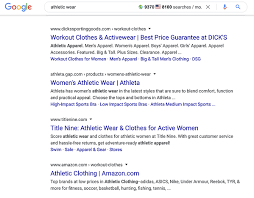
When considering the components of an organic search result, three key elements come into play: the title tag, meta description, and URL. The title tag serves as the clickable headline that appears in search engine results, providing a concise summary of the webpage’s content. The meta description offers a brief snippet that elaborates on the page’s relevance to the user’s query, enticing them to click through. Lastly, the URL displays the web address of the page, offering users a glimpse into the site’s structure and hierarchy. These three parts work in harmony to present a compelling and informative organic search result that aims to attract users and drive traffic to the website.
What is organic and non organic search results?
Organic search results refer to the listings that appear on search engine results pages based on their relevance to the user’s query and are not paid for. These results are determined by the search engine’s algorithm and are considered more trustworthy and credible by users. On the other hand, non-organic search results, also known as paid or sponsored results, are advertisements that businesses pay for to appear at the top of search engine results pages. While non-organic results provide immediate visibility, organic results offer sustainable traffic over time and require strategic SEO efforts to rank higher organically.
What do you meant by an organic search result explain its advantages?
An organic search result refers to a listing that appears on a search engine results page based on its relevance to the user’s query, without any direct payment involved. These listings are earned through search engine optimisation (SEO) efforts and are valued for their credibility and trustworthiness among users. The advantages of organic search results include higher levels of trust from users, cost-effectiveness compared to paid advertising, long-term sustainability in driving traffic, higher click-through rates, and enhanced brand visibility. Businesses benefit from organic search results by establishing authority in their industry, attracting quality traffic, and building a strong online presence that resonates with their target audience.
What is paid search vs organic results?
Paid search refers to advertising on search engines where businesses pay to have their ads displayed at the top of search engine results pages based on specific keywords. These ads are labelled as “sponsored” and are separate from organic search results, which are listings that appear naturally based on their relevance to the user’s query. Organic results are not influenced by payment; instead, they rank based on factors like content quality, website authority, and SEO efforts. While paid search provides immediate visibility through ads, organic results offer sustainable traffic and build trust with users due to their perceived authenticity and credibility. Understanding the difference between paid search and organic results is crucial for businesses looking to develop a comprehensive search engine marketing strategy that leverages both channels effectively.
What is an example of an organic search?
An example of an organic search is when a user enters a query, such as “best Italian restaurants in London,” into a search engine like Google. The search engine then displays a list of relevant websites that match the user’s query based on their content and relevance to the search terms. These organic search results are not influenced by paid advertising and appear naturally based on the search engine’s algorithm, providing users with authentic and unbiased information to help them find what they are looking for online.
What are organic search examples?
Organic search examples refer to the non-paid search results that appear on search engine results pages based on their relevance to a user’s query. These organic listings are not influenced by advertising spend and are determined by the search engine’s algorithm. Examples of organic search results include website links, blog posts, articles, product pages, and other content that best match the user’s search intent. Businesses strive to improve their ranking in organic search results through search engine optimisation (SEO) techniques to increase visibility and attract valuable organic traffic to their websites.
Are organic search results free?
When it comes to organic search results, a common question that arises is whether they are free. In essence, organic search results are not directly paid for like sponsored ads; however, achieving a high ranking in organic search results requires investment in time, resources, and expertise to optimise your website’s content and technical aspects for search engines. While you do not pay for each click on an organic listing, the effort put into SEO strategies and content creation to improve your visibility in organic search results represents a valuable investment towards enhancing your online presence and attracting organic traffic.
What is the difference between organic and inorganic search results?
The key distinction between organic and inorganic search results lies in their origin and ranking process. Organic search results are generated based on the relevance of a webpage to a user’s search query, without any direct payment involved. These listings appear naturally on search engine results pages (SERPs) and are determined by factors such as quality content, keyword optimisation, and user experience. On the other hand, inorganic search results, also known as paid or sponsored listings, are advertisements that appear at the top or side of SERPs through paid campaigns. While organic results rely on merit and SEO efforts to rank higher, inorganic results are positioned based on bidding strategies and budget allocations by advertisers.
What is organic and inorganic search engine results?
Organic search engine results refer to the listings that appear on search engine results pages based on their relevance to the user’s query and are not influenced by paid advertising. These results are determined by the search engine’s algorithm and are considered more trustworthy and credible by users. In contrast, inorganic search engine results, also known as paid or sponsored results, are listings that businesses pay for to appear at the top of search engine results pages. While organic results rely on content quality and SEO strategies, inorganic results involve direct payment for placement, typically labelled as ads. Understanding the distinction between organic and inorganic search results is essential for businesses looking to effectively navigate their online visibility and digital marketing strategies.
What is organic search example?
Organic search examples refer to the non-paid search results displayed on search engine results pages (SERPs) in response to a user’s query. When a user enters a search term into a search engine like Google, the organic search results are the listings that appear based on their relevance to the query and the website’s SEO efforts. For instance, if someone searches for “best Italian restaurants in London,” the organic search examples would include websites of Italian restaurants in London that have optimised their content and met Google’s ranking criteria, appearing organically in the search results without paid promotion. These organic listings are valuable for businesses seeking to attract relevant traffic and establish credibility with users looking for specific information or services.
Why is organic search results important?
Understanding the importance of organic search results is essential for businesses seeking to establish a strong online presence. Organic search results hold significance due to their ability to generate trust and credibility among users, as they are perceived as unbiased and authentic listings based on relevance. Moreover, organic search results are cost-effective in the long run, offering sustainable traffic without the need for continuous advertising expenditure. By prioritising organic search visibility, businesses can enhance brand recognition, drive higher click-through rates, and ultimately establish themselves as authoritative figures within their respective industries.
What is organic search in a search engine?
Organic search in a search engine refers to the unpaid listings that appear on the search engine results pages (SERPs) based on their relevance to the user’s query. These results are determined by complex algorithms that assess various factors such as keyword relevance, website quality, and user experience. Organic search results are considered more trustworthy and credible by users compared to paid advertisements, as they are perceived as a genuine reflection of the most relevant and authoritative content available on the web. Achieving a high ranking in organic search requires implementing effective SEO strategies to optimise website content and structure for improved visibility and organic traffic generation.
What is the difference between organic and non-organic search results?
When comparing organic and non-organic search results, the key distinction lies in how they are generated and displayed to users. Organic search results are listings that appear on search engine results pages based on their relevance to the user’s query and website quality, without any direct payment involved. On the other hand, non-organic search results, also known as paid or sponsored listings, are advertisements that businesses pay for to appear at the top of search engine results pages. While organic results are earned through SEO efforts and provide a more natural user experience, non-organic results offer immediate visibility but require ongoing investment to maintain placement. Ultimately, understanding the difference between organic and non-organic search results is essential for businesses looking to optimise their online presence effectively.
What is organic search in search engine?
Organic search in a search engine refers to the natural, unpaid results that appear based on their relevance to the user’s query. These listings are determined by complex algorithms that assess various factors such as keyword relevance, website authority, and user experience. Organic search results are distinguished from paid advertisements, as they are not influenced by monetary considerations. Achieving a high ranking in organic search is a key goal for businesses looking to increase their online visibility and attract valuable organic traffic to their websites.
What are the benefits of organic search results?
Organic search results offer a multitude of benefits for businesses seeking to enhance their online presence. Firstly, organic search results are perceived as more trustworthy and credible by users, fostering a sense of authenticity that can positively impact brand perception. Additionally, ranking well in organic search results is cost-effective, as it does not require ongoing payments for clicks or impressions like paid advertising. Furthermore, a strong presence in organic search results can provide sustainable traffic over time, driving higher click-through rates and improving brand visibility. Ultimately, the benefits of organic search results lie in their ability to attract quality traffic, establish brand authority, and deliver long-term value for businesses striving to succeed in the digital realm.