Unlock Your Website’s Potential with Expert Search Engine Optimisation Services
The Power of Search Engine Optimisation
Search Engine Optimisation (SEO) is a crucial digital marketing strategy that helps businesses improve their online visibility and reach a wider audience. In today’s competitive online landscape, having a strong SEO strategy is essential for standing out from the crowd and driving organic traffic to your website.
SEO involves optimising your website’s content, structure, and technical aspects to rank higher in search engine results pages (SERPs). By aligning your website with search engine algorithms and best practices, you can increase your chances of appearing at the top of relevant search queries.
Key Benefits of SEO:
- Increased Visibility: By improving your website’s SEO, you can enhance its visibility in search engine results, making it easier for potential customers to find you online.
- Targeted Traffic: SEO allows you to target specific keywords and phrases relevant to your business, attracting users who are actively searching for products or services like yours.
- Improved User Experience: A well-optimised website not only ranks higher in search results but also provides a better user experience, leading to higher engagement and conversion rates.
- Cost-Effective Marketing: Compared to traditional advertising methods, SEO offers a cost-effective way to drive organic traffic to your site without relying on paid ads.
- Long-Term Results: While SEO requires ongoing effort and maintenance, the results it delivers are long-lasting and can continue to benefit your business over time.
The Elements of SEO:
SEO encompasses various elements that work together to improve your website’s visibility and performance. These include:
- On-Page SEO: Optimising individual web pages with relevant keywords, meta tags, headings, and quality content.
- Off-Page SEO: Building backlinks from reputable sites, social media engagement, and online reputation management.
- Technical SEO: Ensuring proper site structure, mobile-friendliness, page speed optimisation, and secure HTTPS protocols.
- Local SEO: Optimising your website for local searches by including location-based keywords and listings on local directories.
In conclusion, Search Engine Optimisation is a powerful tool that can help businesses attract more organic traffic, generate leads, and increase revenue. By investing in a solid SEO strategy tailored to your business goals and target audience, you can unlock the full potential of your online presence and stay ahead in the digital marketplace.
Eight Essential SEO Tips: Enhancing Visibility and Ranking in Search Engines
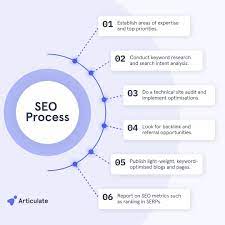
- 1. Conduct keyword research to identify relevant search terms
- 2. Optimise on-page elements such as titles, meta descriptions, and headings
- 3. Create high-quality, engaging content that provides value to users
- 4. Improve website loading speed for better user experience and SEO ranking
- 5. Build quality backlinks from reputable websites to increase authority
- 6. Utilise social media platforms to promote your content and drive traffic
- 7. Regularly monitor and analyse your SEO performance using tools like Google Analytics
- 8. Stay updated with the latest SEO trends and algorithm changes to adapt your strategy
1. Conduct keyword research to identify relevant search terms
Conducting thorough keyword research is a fundamental step in effective search engine optimisation. By identifying relevant search terms that align with your business niche and target audience, you can strategically incorporate these keywords into your website content to improve its visibility in search engine results. Understanding the search behaviour of users and leveraging the right keywords can significantly enhance your website’s organic traffic and ultimately drive more qualified leads to your site.
2. Optimise on-page elements such as titles, meta descriptions, and headings
To enhance your website’s search engine visibility, it is crucial to optimise on-page elements such as titles, meta descriptions, and headings. These elements play a significant role in conveying the relevance of your content to search engines and users. By strategically incorporating relevant keywords into your titles and headings, and crafting compelling meta descriptions that entice users to click through, you can improve your chances of ranking higher in search results. Paying attention to these on-page elements not only boosts your SEO performance but also enhances the overall user experience by providing clear and informative cues about your content.
3. Create high-quality, engaging content that provides value to users
Creating high-quality, engaging content that offers real value to users is a fundamental aspect of effective search engine optimisation. By producing content that is informative, relevant, and engaging, businesses can not only attract more visitors to their website but also keep them engaged and encourage them to return. Search engines value quality content that meets the needs of users, so investing in creating valuable content can significantly improve a website’s visibility and credibility online. Remember, content is king in the world of SEO, and providing value through your content is key to building a strong online presence and driving organic traffic to your site.
4. Improve website loading speed for better user experience and SEO ranking
Improving website loading speed is a crucial tip for enhancing user experience and boosting SEO ranking. A fast-loading website not only provides visitors with a seamless browsing experience but also signals search engines that your site is reliable and user-friendly. By optimising loading speed, you can reduce bounce rates, increase user engagement, and ultimately improve your search engine rankings. Prioritising website performance by minimising loading times can have a significant impact on both user satisfaction and SEO success.
5. Build quality backlinks from reputable websites to increase authority
Building quality backlinks from reputable websites is a crucial aspect of search engine optimisation. By establishing links from trusted sources, you not only enhance your website’s authority in the eyes of search engines but also drive valuable traffic to your site. These backlinks act as a vote of confidence for your content, signalling to search engines that your site is a reliable and credible source of information. This can ultimately lead to higher rankings in search results and increased visibility for your business online.
6. Utilise social media platforms to promote your content and drive traffic
To enhance your search engine optimisation efforts, make sure to leverage social media platforms effectively. By promoting your content across various social channels, you can increase visibility, engage with your audience, and drive traffic to your website. Sharing valuable and relevant content on platforms like Facebook, Twitter, LinkedIn, and Instagram not only expands your reach but also encourages user interaction and boosts your overall online presence. Integrating social media into your SEO strategy can significantly amplify the impact of your content and help you connect with a broader audience in a dynamic and engaging way.
7. Regularly monitor and analyse your SEO performance using tools like Google Analytics
Regularly monitoring and analysing your SEO performance using tools like Google Analytics is essential for maintaining a successful online presence. By tracking key metrics such as website traffic, user behaviour, and conversion rates, you can gain valuable insights into the effectiveness of your SEO strategies. This data allows you to identify areas for improvement, adjust your tactics accordingly, and ultimately enhance your website’s visibility and performance in search engine results. Consistent monitoring ensures that you stay informed about the impact of your SEO efforts and empowers you to make informed decisions to drive sustainable growth for your online business.
8. Stay updated with the latest SEO trends and algorithm changes to adapt your strategy
To maximise the effectiveness of your search engine optimisation efforts, it is crucial to stay informed about the latest SEO trends and algorithm changes. By keeping up-to-date with industry developments, you can adapt your strategy accordingly to ensure that your website remains competitive in search engine rankings. Embracing these changes proactively allows you to fine-tune your SEO approach and stay ahead of the curve, ultimately leading to improved visibility and better performance online.