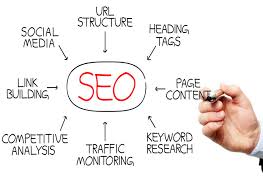
top seo

Maximising Your Online Visibility: Top SEO Strategies for Success

The Top SEO Strategies for Boosting Your Online Presence

The Top SEO Strategies for Boosting Your Online Presence

Search Engine Optimization (SEO) is a crucial aspect of digital marketing that can significantly impact your online visibility and success. In today’s competitive online landscape, implementing effective SEO strategies is essential for ensuring that your website ranks well on search engine results pages. Here are some top SEO strategies to help boost your online presence:

Keyword Research and Analysis

Keyword research is the foundation of any successful SEO strategy. By identifying relevant keywords and phrases that your target audience is searching for, you can optimise your website content to attract more organic traffic.

On-Page Optimisation

Optimising your website’s on-page elements, such as meta tags, headings, and internal linking structure, is crucial for improving your site’s search engine rankings. Make sure to use relevant keywords naturally throughout your content to enhance its visibility.

Quality Content Creation

Creating high-quality, engaging content that provides value to your audience is key to attracting organic traffic and establishing authority in your niche. Regularly publishing fresh and informative content can help improve your search engine rankings over time.

Mobile-Friendly Website Design

In today’s mobile-centric world, having a responsive and mobile-friendly website is essential for both user experience and SEO purposes. Ensure that your website is optimised for mobile devices to provide a seamless browsing experience for all users.

Link Building Strategies

Building high-quality backlinks from reputable websites can significantly boost your site’s authority and credibility in the eyes of search engines. Focus on acquiring relevant and natural backlinks from authoritative sources to improve your site’s ranking position.

Regular Monitoring and Analysis

Monitoring the performance of your SEO efforts through tools like Google Analytics can provide valuable insights into how well your strategies are working. Analyse key metrics such as organic traffic, keyword rankings, and conversion rates to make informed decisions for future optimisation.

In conclusion, implementing these top SEO strategies can help enhance your online presence, drive more organic traffic to your website, and ultimately improve your business’s bottom line. By staying up-to-date with the latest SEO trends and best practices, you can position yourself ahead of the competition in the digital realm.


Top SEO Strategies: 6 Essential Tips for Boosting Your Website’s Visibility

  1. Create high-quality and relevant content for your website.
  2. Optimize your website’s meta tags, headings, and images with relevant keywords.
  3. Improve your website’s loading speed for better user experience.
  4. Build high-quality backlinks from reputable websites in your industry.
  5. Regularly update and maintain your website to ensure it is current and error-free.
  6. Utilize social media platforms to promote your content and engage with your audience.

Create high-quality and relevant content for your website.

Creating high-quality and relevant content for your website is a fundamental tip in top SEO strategies. By offering valuable and engaging content that resonates with your target audience, you not only enhance user experience but also boost your site’s visibility on search engine results pages. Quality content not only attracts organic traffic but also establishes your website as a credible source of information in your industry. Regularly updating your site with fresh and informative content can help improve search engine rankings and drive more traffic to your website, ultimately leading to increased brand awareness and conversions.

Optimize your website’s meta tags, headings, and images with relevant keywords.

To maximise the impact of your SEO efforts, it is crucial to optimise key elements of your website such as meta tags, headings, and images with relevant keywords. By strategically incorporating targeted keywords into these areas, you can enhance the visibility of your website on search engine results pages. Meta tags and headings provide search engines with valuable information about the content of your pages, while optimising images with descriptive filenames and alt text can improve accessibility and search engine indexing. This practice not only helps improve your site’s ranking but also ensures that it is more easily discovered by users searching for relevant information online.

Improve your website’s loading speed for better user experience.

Improving your website’s loading speed is a crucial aspect of top SEO strategies. A fast-loading website not only enhances user experience but also plays a significant role in boosting your search engine rankings. When users encounter a slow-loading site, they are more likely to abandon it, leading to higher bounce rates and lower engagement. By optimising your website’s loading speed, you can create a seamless browsing experience for visitors, encouraging them to stay longer on your site and explore its content. This positive user experience can result in increased traffic, higher conversion rates, and ultimately improved online visibility and success.

Building high-quality backlinks from reputable websites within your industry is a fundamental aspect of effective SEO strategy. By establishing connections with authoritative sources that are relevant to your niche, you not only enhance your website’s credibility in the eyes of search engines but also drive valuable organic traffic to your site. These backlinks act as endorsements of your content and expertise, signalling to search engines that your website is a trusted source of information. Focus on cultivating relationships with reputable websites to strengthen your online presence and improve your search engine rankings over time.

Regularly update and maintain your website to ensure it is current and error-free.

Regularly updating and maintaining your website is a fundamental aspect of effective SEO. By keeping your website content current and error-free, you not only provide a better user experience but also signal to search engines that your site is actively managed and relevant. Updating content with fresh information, fixing broken links, and ensuring proper functionality across all devices can help improve your site’s search engine rankings and overall online visibility. Consistent maintenance demonstrates your commitment to quality and professionalism, which can positively impact both user engagement and SEO performance.

Utilize social media platforms to promote your content and engage with your audience.

Utilising social media platforms to promote your content and engage with your audience is a powerful strategy in top SEO practices. By sharing your website content on platforms like Facebook, Twitter, and Instagram, you can reach a wider audience and drive traffic back to your site. Additionally, engaging with your followers through comments, likes, and shares not only builds a sense of community but also signals to search engines that your content is valuable and relevant. Integrating social media into your SEO strategy can help boost brand visibility, increase website traffic, and improve overall online presence.

google sites seo

Mastering Google Sites SEO: Elevate Your Website’s Visibility with Expert Strategies

Google Sites SEO: Optimizing Your Website for Better Visibility

Google Sites SEO: Optimizing Your Website for Better Visibility

Google Sites is a popular platform for creating websites due to its user-friendly interface and integration with other Google services. However, to ensure that your Google Site ranks well in search engine results and attracts more visitors, it’s essential to implement effective SEO strategies.

Key SEO Tips for Google Sites:

Optimize Page Titles and Descriptions: Make sure each page on your Google Site has a unique and descriptive title tag and meta description that includes relevant keywords.

Create High-Quality Content: Content is king when it comes to SEO. Ensure that your Google Site provides valuable, well-written content that engages visitors and encourages them to stay on your site longer.

Use Keywords Strategically: Conduct keyword research to identify the terms and phrases your target audience is searching for, and incorporate them naturally into your content, headings, and image alt text.

Optimize Images: Use descriptive file names and alt text for images on your Google Site to improve accessibility and help search engines understand the content of your pages.

Mobile-Friendly Design: Ensure that your Google Site is responsive and mobile-friendly, as Google prioritizes mobile-optimised websites in its search rankings.

The Importance of Backlinks:

In addition to on-page SEO factors, building a strong backlink profile is crucial for improving the authority and credibility of your Google Site. Seek opportunities to earn backlinks from reputable websites in your industry through guest posting, partnerships, or creating shareable content.

Monitoring Performance:

Use tools like Google Analytics to track the performance of your Google Site, including traffic sources, user behaviour, and keyword rankings. Regularly monitor these metrics to identify areas for improvement and adjust your SEO strategy accordingly.

In Conclusion

By implementing these SEO best practices on your Google Site, you can enhance its visibility in search engine results, attract more organic traffic, and ultimately achieve your online goals. Remember that SEO is an ongoing process that requires continuous monitoring and refinement to stay ahead of the competition.


Top 5 Advantages of Using Google Sites for SEO Success

  1. 1. User-Friendly Interface
  2. 2. Integration with Google Services
  3. 3. Mobile-Optimised Design
  4. 4. Cost-Effective Solution
  5. 5. Quick Indexing by Google


Challenges of Google Sites for SEO: Limited Customisation, Control, and Integration

  1. Limited Customisation
  2. Limited SEO Control
  3. Restricted Plugins and Integrations
  4. Dependency on Google Services

1. User-Friendly Interface

Google Sites offers a user-friendly interface that simplifies the process of website creation and management. This intuitive platform enables users to effortlessly implement SEO strategies without the need for advanced technical knowledge. With Google Sites, individuals and businesses can easily optimise their websites for search engines, ensuring better visibility and attracting more organic traffic. The straightforward design and functionality of Google Sites empower users to focus on enhancing their SEO efforts effectively and efficiently.

2. Integration with Google Services

Google Sites’ integration with Google Services is a significant advantage for SEO purposes. Being part of the Google ecosystem allows Google Sites to seamlessly connect with essential tools such as Analytics and Search Console. This integration enables website owners to conduct comprehensive SEO analysis, track performance metrics, and gain valuable insights into their site’s visibility and user engagement. By leveraging these interconnected services, users can make informed decisions to optimise their Google Site for better search engine rankings and overall online success.

3. Mobile-Optimised Design

With Google Sites’ mobile-optimised design feature, websites created on the platform are automatically tailored for mobile devices. This ensures a responsive layout that aligns with Google’s mobile-first indexing standards. By prioritising mobile usability, Google Sites helps websites reach a broader audience and improve their search engine rankings, ultimately enhancing the overall user experience across different devices.

4. Cost-Effective Solution

Google Sites’ cost-effective nature is a significant advantage for businesses and individuals looking to establish an online presence without breaking the bank. Being a free platform, Google Sites provides a budget-friendly solution that comes with built-in SEO capabilities. This means that users can leverage powerful SEO tools and features without incurring additional costs, making it an attractive option for those seeking an affordable yet effective way to boost their website’s visibility and reach a wider audience.

5. Quick Indexing by Google

Websites built on Google Sites benefit from quick indexing by the search engine, facilitating faster visibility in search results than many other platforms. This rapid indexing process enhances the chances of your website being discovered by users searching for relevant content, ultimately improving its online presence and reach.

Limited Customisation

Google Sites’ SEO comes with a drawback of limited customisation features, hindering users from fully personalising the design and layout of their websites. This limitation can impede the creation of a distinctive and branded online presence, as users may find it challenging to differentiate their site from others. The lack of extensive customisation options on Google Sites may limit creative freedom and make it difficult for businesses to showcase their unique identity effectively.

Limited SEO Control

When it comes to SEO on Google Sites, one significant drawback is the limited control it offers in comparison to self-hosted websites. Unlike self-hosted platforms, Google Sites restricts users from accessing advanced SEO features like editing meta tags or implementing custom scripts. This limitation can hinder the ability to fine-tune and optimise specific elements crucial for improving search engine visibility and ranking. Website owners seeking more granular control over their SEO strategies may find this lack of flexibility on Google Sites to be a notable disadvantage in achieving their desired search performance goals.

Restricted Plugins and Integrations

Google Sites’ con of restricted plugins and integrations can hinder the full potential of your website. The limitations imposed on the use of plugins and integrations may restrict the functionality and flexibility that you can incorporate into your site, especially when compared to other website-building platforms. This constraint could impact your ability to add custom features, enhance user experience, or integrate third-party tools seamlessly. As a result, you may find yourself constrained in terms of expanding the capabilities and optimising the performance of your Google Site to meet specific needs or preferences.

Dependency on Google Services

Google Sites are closely tied to other Google services, which can be a drawback if you prefer using third-party tools or want more independence in managing your site. This dependency on Google services may limit your flexibility in customising certain aspects of your website and integrating with non-Google platforms. If you value autonomy and seek greater control over your online presence, the reliance on Google’s ecosystem within Google Sites could pose a challenge in aligning with your specific preferences and requirements for website management.

seo adalah

Unlocking the Power of SEO Adalah: A Guide to Search Engine Optimization Strategies

Understanding SEO: A Guide to SEO Adalah

The Importance of SEO Adalah in Digital Marketing

SEO adalah, which stands for Search Engine Optimization in Indonesian, is a crucial component of digital marketing strategies. In essence, SEO adalah focuses on improving a website’s visibility on search engine results pages (SERPs) through organic methods. By optimising various aspects of a website, businesses can attract more relevant traffic and enhance their online presence.

Key Elements of SEO Adalah:

Keywords: One of the fundamental aspects of SEO adalah is keyword research. By identifying and targeting relevant keywords related to your business or industry, you can increase your chances of ranking higher on search engines.

On-Page Optimization: This involves optimising elements within your website such as meta tags, headings, content, and images to improve search engine visibility and user experience.

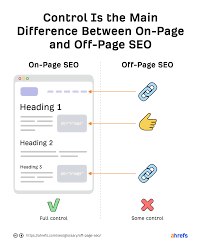
Off-Page Optimization: Off-page SEO strategies focus on building quality backlinks from reputable websites, social media engagement, and other external factors that influence your site’s credibility and authority.

The Benefits of Implementing SEO Adalah:

Increased Visibility: By implementing effective SEO strategies, your website can rank higher on search engine results pages, making it more visible to potential customers searching for relevant information or products.

Targeted Traffic: SEO adalah helps attract organic traffic that is more likely to convert into leads or customers as they are actively searching for products or services related to your business.

Better User Experience: Optimising your website for search engines often leads to an improved user experience by providing valuable content, easy navigation, and faster loading times.

In Conclusion

In today’s competitive digital landscape, implementing effective SEO strategies like SEO adalah is essential for businesses looking to succeed online. By focusing on improving search engine visibility and attracting targeted traffic, businesses can enhance their online presence and achieve sustainable growth in the long run.


8 Essential SEO Tips for Boosting Your Website’s Visibility

  1. 1. Conduct keyword research to identify relevant terms for your content.
  2. 2. Optimise your website’s meta tags, including title tags and meta descriptions.
  3. 3. Create high-quality, engaging content that is valuable to your target audience.
  4. 4. Improve website loading speed for better user experience and SEO performance.
  5. 5. Build quality backlinks from reputable websites to increase your site’s authority.
  6. 6. Use descriptive alt text for images to improve accessibility and SEO.
  7. 7. Regularly monitor and analyse your SEO performance using tools like Google Analytics.
  8. 8. Stay updated on SEO trends and algorithm changes to adapt your strategy accordingly.

1. Conduct keyword research to identify relevant terms for your content.

To enhance your SEO strategy with SEO adalah, it is essential to conduct thorough keyword research to pinpoint relevant terms for your content. By identifying the right keywords related to your business or industry, you can optimise your website’s content to align with what users are searching for online. This targeted approach not only improves the visibility of your website on search engine results pages but also increases the likelihood of attracting qualified traffic that is genuinely interested in your products or services.

2. Optimise your website’s meta tags, including title tags and meta descriptions.

To enhance your SEO strategy with SEO adalah, it is crucial to optimise your website’s meta tags, including title tags and meta descriptions. These elements play a significant role in informing search engines about the content and relevance of your web pages. By crafting compelling and keyword-rich title tags and meta descriptions, you can improve your click-through rates on search engine results pages (SERPs) and increase the likelihood of attracting relevant traffic to your website. Effective meta tag optimisation is a key aspect of on-page SEO that can positively impact your site’s visibility and user engagement.

3. Create high-quality, engaging content that is valuable to your target audience.

Creating high-quality, engaging content that provides value to your target audience is a crucial tip in SEO adalah. By offering informative, relevant, and engaging content, you not only attract the attention of your audience but also establish credibility and authority in your industry. Valuable content not only helps improve your website’s search engine rankings but also encourages user engagement, increases website traffic, and ultimately drives conversions. Remember, quality content is key to building lasting relationships with your audience and achieving long-term success in SEO.

4. Improve website loading speed for better user experience and SEO performance.

Improving website loading speed is a crucial tip in SEO adalah. A faster-loading website not only enhances user experience by providing visitors with quick access to content but also plays a significant role in boosting SEO performance. Search engines like Google prioritise websites that load quickly, as this contributes to a positive user experience. By optimising website loading speed, businesses can not only retain visitors but also improve their search engine rankings, ultimately driving more organic traffic to their site.

To enhance your website’s credibility and authority, it is essential to implement the tip of building quality backlinks from reputable websites in SEO adalah. By establishing links from trustworthy sources, you not only improve your site’s visibility on search engine results pages but also signal to search engines that your content is valuable and reliable. Quality backlinks act as endorsements from other sites, boosting your site’s authority and ultimately contributing to higher rankings and increased organic traffic.

6. Use descriptive alt text for images to improve accessibility and SEO.

When implementing SEO strategies like SEO adalah, it is essential to use descriptive alt text for images to enhance both accessibility and search engine optimisation. By providing detailed alt text for images, not only do you improve the accessibility of your website for visually impaired users who rely on screen readers, but you also provide search engines with valuable information about the content of your images. This practice can help boost your website’s SEO performance by making it more relevant and understandable to search engine algorithms, ultimately leading to improved visibility and ranking in search results.

7. Regularly monitor and analyse your SEO performance using tools like Google Analytics.

Regularly monitoring and analysing your SEO performance using tools like Google Analytics is essential for understanding the effectiveness of your SEO efforts. By tracking key metrics such as website traffic, user behaviour, and conversion rates, you can gain valuable insights into what is working well and areas that may need improvement. This data-driven approach allows you to make informed decisions, refine your SEO strategies, and ultimately enhance your online visibility and performance in search engine results pages.

It is crucial to stay updated on SEO trends and algorithm changes to adapt your strategy accordingly. Search engine algorithms are constantly evolving, and staying informed about the latest developments in SEO can help you adjust your tactics to remain competitive in the online landscape. By keeping abreast of industry trends and algorithm updates, you can ensure that your SEO strategy aligns with current best practices, ultimately improving your website’s visibility and performance in search engine results pages.

off site seo

Mastering the Art of Off-Site SEO: Boost Your Online Presence Today!

The Power of Off-Site SEO in Boosting Your Online Presence

The Power of Off-Site SEO in Boosting Your Online Presence

Search Engine Optimization (SEO) is a crucial aspect of any successful digital marketing strategy. While on-site SEO focuses on optimizing your website’s content and structure, off-site SEO plays an equally important role in improving your online visibility and driving organic traffic to your site.

What is Off-Site SEO?

Off-site SEO refers to all the activities that take place outside of your website but have a direct impact on your search engine rankings. This includes building high-quality backlinks, establishing a strong social media presence, and engaging with influencers in your industry.

The Importance of Off-Site SEO

Off-site SEO is essential for several reasons:

  • Backlinks: Backlinks from reputable websites act as votes of confidence for your site, signalling to search engines that your content is valuable and trustworthy.
  • Brand Authority: By being mentioned on authoritative sites and social media platforms, you can establish yourself as an industry leader and build credibility with your audience.
  • Increase Traffic: A well-executed off-site SEO strategy can drive more organic traffic to your site, leading to higher conversion rates and improved ROI.
  • Improved Search Rankings: Search engines like Google consider off-site factors when determining where your site ranks in search results. By focusing on off-site SEO, you can improve your chances of appearing higher in SERPs.

Effective Off-Site SEO Techniques

To make the most of off-site SEO, consider implementing the following techniques:

  1. Link Building: Focus on acquiring high-quality backlinks from relevant websites in your industry. Guest posting, influencer collaborations, and broken link building are effective strategies for building a strong backlink profile.
  2. Social Media Engagement: Actively engage with your audience on social media platforms to increase brand awareness and drive traffic to your site. Share valuable content, participate in conversations, and respond to comments and messages promptly.
  3. Online PR: Develop relationships with journalists and bloggers to secure press coverage for your brand. Being featured in reputable publications can significantly boost your online reputation and visibility.
  4. Influencer Marketing: Collaborate with influencers who align with your brand values to reach a wider audience and gain credibility within your niche. Influencers can help amplify your message and drive engagement with their followers.

In conclusion, off-site SEO is a critical component of a comprehensive digital marketing strategy. By focusing on building a strong online presence through effective off-site techniques, you can improve your search rankings, attract more organic traffic, and ultimately achieve greater success online.


Seven Essential Off-Site SEO Tips to Boost Your Website’s Visibility

  1. Create high-quality and relevant content for off-site platforms.
  2. Build backlinks from reputable and authoritative websites to improve your site’s credibility.
  3. Utilize social media platforms to promote your website and engage with users.
  4. Submit your website to online directories and listings to increase visibility.
  5. Participate in guest blogging on relevant websites to reach a wider audience.
  6. Monitor your off-site SEO performance regularly using tools like Google Analytics and Search Console.
  7. Stay updated with the latest SEO trends and algorithm changes to adjust your strategy accordingly.

Create high-quality and relevant content for off-site platforms.

Creating high-quality and relevant content for off-site platforms is a crucial tip in off-site SEO. By crafting engaging and informative content that resonates with your target audience, you can attract more organic traffic, build credibility, and earn valuable backlinks from authoritative websites. Whether it’s guest blog posts, social media updates, or press releases, ensuring that your content adds value and aligns with the interests of your audience can significantly enhance your online presence and contribute to improved search engine rankings.

To enhance your site’s credibility and boost its search engine ranking, it is essential to focus on building backlinks from reputable and authoritative websites. These high-quality backlinks serve as endorsements of your content’s value and trustworthiness in the eyes of search engines. By establishing a network of strong backlinks from respected sources, you can not only improve your site’s credibility but also increase its visibility and organic traffic, ultimately contributing to the overall success of your off-site SEO strategy.

Utilize social media platforms to promote your website and engage with users.

Utilising social media platforms is a powerful strategy in off-site SEO. By actively promoting your website and engaging with users on platforms such as Facebook, Twitter, Instagram, and LinkedIn, you can increase brand visibility, drive traffic to your site, and foster meaningful connections with your audience. Sharing valuable content, responding to comments and messages promptly, and participating in relevant conversations can not only enhance your online presence but also improve your website’s authority and credibility in the eyes of search engines. Embracing social media as part of your off-site SEO efforts can lead to long-term benefits for your digital marketing strategy.

Submit your website to online directories and listings to increase visibility.

Submitting your website to online directories and listings is a valuable off-site SEO strategy that can significantly enhance your online visibility. By listing your site on relevant directories, you increase the chances of being discovered by potential customers searching for products or services in your industry. These directories act as digital signposts, directing traffic to your website and improving your overall search engine rankings. Additionally, being listed on reputable directories can boost your credibility and authority within your niche, further strengthening your online presence.

Participate in guest blogging on relevant websites to reach a wider audience.

Participating in guest blogging on relevant websites is a valuable off-site SEO strategy that can help you expand your online reach and attract a broader audience. By contributing high-quality content to websites in your industry or niche, you not only showcase your expertise but also gain exposure to a new set of readers who may be interested in your products or services. Guest blogging allows you to build backlinks to your site, establish credibility within your industry, and drive organic traffic through the power of collaboration and shared knowledge.

Monitor your off-site SEO performance regularly using tools like Google Analytics and Search Console.

Monitoring your off-site SEO performance regularly using tools like Google Analytics and Search Console is essential for evaluating the effectiveness of your digital marketing efforts. By analysing key metrics such as website traffic, backlink quality, and referral sources, you can gain valuable insights into how well your off-site strategies are performing. These tools provide valuable data that can help you identify areas for improvement, track the impact of your campaigns, and make informed decisions to enhance your online visibility and search engine rankings. Consistent monitoring allows you to adapt your off-site SEO tactics proactively, ensuring that you stay on course towards achieving your digital marketing goals.

To maximise the effectiveness of your off-site SEO efforts, it is crucial to stay informed about the latest SEO trends and algorithm updates. By keeping abreast of industry changes, you can adapt your strategy to align with search engine requirements and stay ahead of the competition. Regularly monitoring and adjusting your approach based on these developments will help ensure that your off-site SEO activities remain effective and continue to drive positive results for your online presence.

seo digital

Unlocking the Potential of SEO in the Digital Age

The Power of SEO Digital Marketing

The Power of SEO Digital Marketing

In today’s digital age, having a strong online presence is crucial for businesses to succeed. Search Engine Optimization (SEO) has emerged as a powerful digital marketing strategy that can significantly impact a company’s visibility and success online.

SEO involves optimizing a website’s content, structure, and other elements to improve its ranking on search engine results pages. By enhancing a website’s SEO, businesses can attract more organic traffic, increase their online visibility, and ultimately drive more conversions.

Key Benefits of SEO Digital Marketing:

  • Increased Visibility: By implementing effective SEO strategies, businesses can improve their visibility on search engines like Google, making it easier for potential customers to find them.
  • Higher Website Traffic: Improved SEO can lead to higher organic traffic to a website, increasing the chances of generating leads and conversions.
  • Enhanced User Experience: SEO focuses on creating a seamless user experience by optimizing website speed, mobile responsiveness, and overall usability.
  • Builds Credibility and Trust: Websites that rank higher in search results are often perceived as more trustworthy and credible by users.
  • Cost-Effective Marketing Strategy: Compared to traditional marketing methods, SEO is a cost-effective way to reach a targeted audience and drive long-term results.

The Future of SEO Digital Marketing

As search engines continue to evolve and user behaviours change, staying ahead in the world of SEO is essential for businesses looking to thrive online. With the rise of voice search, mobile optimization, and AI-powered algorithms, adapting your SEO strategies accordingly is key to maintaining competitiveness in the digital landscape.

In conclusion, investing in SEO digital marketing can have a profound impact on your business’s online success. By leveraging the power of SEO techniques and staying abreast of industry trends, businesses can position themselves for sustained growth and visibility in an increasingly competitive online market.


7 Essential SEO Tips to Boost Your Website’s Digital Presence

  1. Create high-quality, relevant content for your website.
  2. Optimize your website’s meta tags, titles, and descriptions with relevant keywords.
  3. Improve your website’s loading speed for better user experience and SEO ranking.
  4. Build quality backlinks from reputable websites to increase your site’s authority.
  5. Use alt text for images to improve accessibility and keyword relevance.
  6. Regularly update and maintain your website to keep it fresh and engaging for visitors.
  7. Utilize social media platforms to promote your content and drive traffic to your website.

Create high-quality, relevant content for your website.

Creating high-quality, relevant content for your website is a fundamental tip in SEO digital marketing. By offering valuable and engaging content that resonates with your target audience, you not only enhance your website’s credibility and authority but also improve its search engine visibility. Search engines like Google prioritise websites that provide useful information to users, making content creation a vital aspect of any successful SEO strategy. By focusing on producing top-notch content that addresses the needs and interests of your audience, you can drive organic traffic to your site and establish a strong online presence in the competitive digital landscape.

Optimize your website’s meta tags, titles, and descriptions with relevant keywords.

To enhance your website’s search engine visibility and attract targeted traffic, it is crucial to optimise your meta tags, titles, and descriptions with relevant keywords. By strategically incorporating keywords that align with your content and target audience into these elements, you can improve your site’s chances of ranking higher in search results. Crafting compelling meta tags, titles, and descriptions not only helps search engines understand the context of your pages but also entices users to click through to your site. This SEO practice ensures that your website is effectively communicating its relevance to both search engines and potential visitors, ultimately driving organic traffic and boosting your online presence.

Improve your website’s loading speed for better user experience and SEO ranking.

To enhance your website’s user experience and boost its SEO ranking, focus on improving its loading speed. A fast-loading website not only provides visitors with a seamless browsing experience but also signals search engines that your site is well-optimised and user-friendly. By optimising elements such as image sizes, reducing unnecessary scripts, and leveraging browser caching, you can significantly enhance your website’s loading speed, leading to higher user engagement and improved search engine visibility. Prioritising loading speed is a key aspect of effective SEO digital strategies that can positively impact both user satisfaction and search engine rankings.

Building quality backlinks from reputable websites is a crucial tip in SEO digital marketing. By establishing links from trustworthy and authoritative sources, you can enhance your site’s credibility and authority in the eyes of search engines. These backlinks act as endorsements for your content, signalling to search algorithms that your website is a reliable source of information. As a result, your site is more likely to rank higher in search engine results pages, driving organic traffic and boosting your online visibility. Investing time and effort into acquiring quality backlinks is an effective strategy to strengthen your SEO efforts and establish a solid online presence.

Use alt text for images to improve accessibility and keyword relevance.

Utilising alt text for images is a valuable practice in SEO digital marketing. By incorporating descriptive alt text, not only do you enhance the accessibility of your website for visually impaired users, but you also improve keyword relevance for search engines. Alt text provides search engines with context about the images on your site, helping to boost your SEO efforts and overall visibility online. By optimising images with relevant alt text, you can enhance user experience, increase organic traffic, and strengthen your website’s overall performance in search engine results pages.

Regularly update and maintain your website to keep it fresh and engaging for visitors.

To maximise the effectiveness of your SEO digital strategy, it is crucial to regularly update and maintain your website. By keeping your site fresh with new content, updated information, and engaging features, you not only enhance user experience but also signal to search engines that your website is active and relevant. This proactive approach not only attracts visitors but also boosts your search engine rankings, ensuring that your website remains competitive and impactful in the ever-evolving online landscape.

Utilize social media platforms to promote your content and drive traffic to your website.

Utilising social media platforms is a valuable tip in SEO digital marketing. By actively promoting your content across platforms such as Facebook, Twitter, and Instagram, you can effectively drive traffic to your website. Engaging with your audience on social media not only increases brand visibility but also encourages users to visit your site, boosting overall online presence and potentially leading to higher conversion rates. Integrating social media into your SEO strategy is a powerful way to enhance reach and engagement with your target audience in the digital landscape.

seo optimized content

Unlocking Success: The Art of Crafting SEO Optimised Content

The Power of SEO Optimised Content

The Power of SEO Optimised Content

In the digital age, having a strong online presence is crucial for businesses to succeed. Search Engine Optimization (SEO) plays a vital role in ensuring that your content is not only visible but also ranks well on search engine results pages. One key aspect of effective SEO is creating optimised content that resonates with both search engines and your target audience.

What is SEO Optimised Content?

SEO optimised content refers to web content that is strategically crafted to improve search engine visibility. This involves incorporating relevant keywords, meta tags, and other SEO best practices to help search engines understand the context and relevance of your content.

The Benefits of SEO Optimised Content

Improved Search Engine Rankings: By creating SEO optimised content, you increase the likelihood of your website ranking higher on search engine results pages (SERPs). This can lead to increased organic traffic and better visibility for your brand.

Enhanced User Experience: Optimising your content for SEO also enhances the overall user experience. By providing valuable and relevant information to your audience, you can increase engagement and encourage visitors to spend more time on your website.

Increased Credibility and Authority: Well-optimised content not only attracts more visitors but also helps establish your brand as a credible authority in your industry. This can build trust with your audience and differentiate you from competitors.

Tips for Creating SEO Optimised Content

Conduct Keyword Research: Identify relevant keywords that align with your business goals and target audience. Use tools like Google Keyword Planner to discover high-ranking keywords in your industry.

Write High-Quality Content: Focus on creating valuable, informative, and engaging content that addresses the needs and interests of your target audience. Avoid keyword stuffing and ensure that your content is well-structured.

Optimize Meta Tags: Include relevant keywords in title tags, meta descriptions, and heading tags to improve visibility in search results.

In Conclusion

SEO optimised content is a powerful tool for improving online visibility, attracting organic traffic, and establishing credibility in the digital landscape. By following best practices and staying updated on SEO trends, you can create compelling content that resonates with both search engines and users alike.


Top 6 Benefits of SEO-Optimised Content: Boost Rankings, Traffic, and Credibility

  1. Improved search engine rankings
  2. Increased organic traffic
  3. Enhanced user experience
  4. Established brand credibility
  5. Higher conversion rates
  6. Long-term visibility and sustainability


Challenges of SEO-Optimised Content: Time Constraints, Keyword Overload, and Creativity Limits

  1. 1. Time-Consuming
  2. 2. Keyword Overload
  3. 3. Constant Updates
  4. 4. Potential for Over-Optimisation
  5. 5. Limited Creativity

Improved search engine rankings

Enhancing search engine rankings through SEO optimised content is a fundamental advantage that can significantly impact a website’s visibility and online success. By strategically incorporating relevant keywords, meta tags, and other SEO best practices, businesses can increase their chances of appearing higher in search engine results pages (SERPs). This improved visibility not only drives more organic traffic to the website but also boosts brand awareness and credibility, ultimately leading to greater opportunities for engagement and conversions.

Increased organic traffic

One significant benefit of SEO optimised content is the potential for increased organic traffic to your website. By strategically incorporating relevant keywords and following SEO best practices, your content becomes more visible to search engines, leading to higher rankings on search engine results pages. This improved visibility can attract a larger audience of users actively searching for information related to your business or industry, ultimately driving more organic traffic to your site without the need for paid advertising.

Enhanced user experience

Enhanced user experience is a significant benefit of SEO optimised content. By tailoring content to be informative, engaging, and relevant to the target audience, businesses can create a more enjoyable and valuable experience for website visitors. When users find the content they are looking for easily and efficiently, they are more likely to stay on the site longer, explore further, and ultimately convert into customers. This positive user experience not only improves engagement but also builds trust in the brand, leading to long-term customer relationships and loyalty.

Established brand credibility

Established brand credibility is a significant advantage of SEO optimised content. By creating high-quality and relevant content that ranks well in search engine results, businesses can showcase their expertise and authority in their industry. When users consistently find valuable information on a website, it builds trust and credibility for the brand. This credibility not only attracts more visitors but also sets the brand apart as a reputable source of information, ultimately leading to increased customer loyalty and engagement.

Higher conversion rates

One significant advantage of SEO optimised content is its ability to drive higher conversion rates. By tailoring your content to align with the search intent of your target audience and incorporating relevant keywords strategically, you can attract qualified leads who are more likely to engage with your website and take desired actions, such as making a purchase, signing up for a newsletter, or filling out a contact form. This targeted approach not only increases the likelihood of converting visitors into customers but also enhances the overall effectiveness of your digital marketing efforts.

Long-term visibility and sustainability

Achieving long-term visibility and sustainability is a significant advantage of SEO optimised content. By implementing effective SEO strategies and creating content that aligns with search engine algorithms, businesses can secure enduring online presence. This proactive approach not only ensures consistent visibility in search results over time but also contributes to the sustainability of organic traffic growth. Investing in SEO optimised content allows businesses to establish a strong digital footprint that can withstand fluctuations in the competitive online landscape, ultimately leading to sustained success and brand recognition.

1. Time-Consuming

Crafting SEO optimised content can be a time-consuming endeavour due to the meticulous research, strategic planning, and precise implementation it demands. From identifying relevant keywords to structuring content in a search engine-friendly manner, each step requires careful attention and effort. This time investment is essential to ensure that the content aligns with SEO best practices and effectively targets the intended audience. While the process may be labour-intensive, the long-term benefits of improved search engine rankings and increased organic traffic make the time spent on creating SEO optimised content a worthwhile investment for businesses looking to enhance their online visibility.

2. Keyword Overload

An important drawback of SEO optimized content is the risk of keyword overload. When content creators excessively focus on incorporating keywords to boost search engine rankings, it can lead to the creation of unnatural-sounding content that may not resonate well with readers. This practice not only compromises the quality and readability of the content but also detracts from the overall user experience. Balancing keyword optimization with engaging and informative writing is crucial to ensure that the content remains valuable and appealing to both search engines and human audiences.

3. Constant Updates

In the realm of SEO optimised content, one notable challenge is the need for constant updates. SEO algorithms are in a state of perpetual evolution, demanding regular adjustments and refinements to ensure that optimised content remains effective. Keeping pace with these dynamic changes can be a time-consuming task, as strategies that were effective yesterday may not yield the same results tomorrow. Adapting to the ever-shifting landscape of SEO algorithms is essential to maintaining visibility and relevance in the digital sphere.

4. Potential for Over-Optimisation

One significant drawback of SEO optimised content is the potential for over-optimisation. When content is saturated with excessive keywords or tags in an attempt to manipulate search engine rankings, it can backfire. Search engines may penalise websites that engage in such practices, resulting in lower visibility and decreased organic traffic. Striking a balance between optimising content for SEO and maintaining its quality and relevance is crucial to avoid falling victim to penalties and algorithm changes that could harm your online presence in the long run.

5. Limited Creativity

Adhering strictly to SEO guidelines can sometimes limit the creative freedom of content creators, potentially hindering the quality and originality of the content produced. When content is overly focused on keywords and search engine requirements, there may be less room for innovative or unconventional approaches that could truly engage and captivate the audience. This limitation on creativity could result in content that feels formulaic or lacks the unique flair that can make it stand out in a crowded digital landscape. Balancing SEO optimisation with creative expression is essential to ensure that content remains both search engine-friendly and compelling for human readers.

seo value

Unlocking the Invaluable SEO Value for Your Online Success

The Value of SEO in Today’s Digital Landscape

The Value of SEO in Today’s Digital Landscape

In the fast-paced world of digital marketing, Search Engine Optimization (SEO) has emerged as a crucial tool for businesses looking to enhance their online presence and reach their target audience effectively. SEO holds immense value in today’s competitive landscape, offering a multitude of benefits that can significantly impact a company’s success.

Enhanced Visibility and Brand Awareness

One of the primary advantages of SEO is its ability to improve a website’s visibility on search engine results pages (SERPs). By optimising your website with relevant keywords and quality content, you can increase your chances of ranking higher in search results. This heightened visibility not only drives more organic traffic to your site but also boosts brand awareness among potential customers.

Increased Website Traffic and Conversions

Effective SEO strategies can attract high-quality traffic to your website, consisting of users actively searching for products or services related to your business. By targeting specific keywords and optimising your site’s structure, you can drive relevant traffic that is more likely to convert into leads or sales. This targeted approach helps maximise the return on investment (ROI) from your digital marketing efforts.

Builds Credibility and Trust

Appearing at the top of search results instils trust and credibility in the minds of consumers. Users tend to associate higher search rankings with authority and reliability, making them more likely to click on your website over competitors’. By consistently delivering valuable content and adhering to best SEO practices, you can establish your brand as a reputable industry leader that customers can rely on.

Cost-Effective Marketing Strategy

Compared to traditional advertising methods, SEO offers a cost-effective marketing solution with long-term benefits. While paid advertising campaigns require ongoing investment, organic search traffic generated through SEO efforts can provide sustainable results over time. By investing in SEO, businesses can achieve continuous visibility and engagement without incurring hefty advertising costs.

Adapting to Evolving Trends

The digital landscape is constantly evolving, with search engine algorithms frequently changing to deliver more relevant results to users. Keeping up with these trends and updates is essential for maintaining a competitive edge online. A proactive approach to SEO allows businesses to adapt quickly to algorithm changes, ensuring their website remains optimised for maximum visibility and performance.

In conclusion, the value of SEO cannot be overstated in today’s digital age. By leveraging the power of search engine optimisation, businesses can enhance their online presence, attract targeted traffic, build credibility with consumers, and achieve sustainable growth in an increasingly competitive market.


6 Essential Tips to Enhance Your Website’s SEO Value

  1. Create high-quality, relevant content for your website.
  2. Optimize your website’s meta tags, titles, and descriptions with relevant keywords.
  3. Improve your website’s loading speed for better user experience and SEO value.
  4. Build quality backlinks from reputable websites to increase your site’s authority.
  5. Use proper heading tags (H1, H2, etc.) to structure your content for search engines.
  6. Mobile-first” approach

Create high-quality, relevant content for your website.

Creating high-quality, relevant content for your website is a fundamental tip in maximising the SEO value of your online presence. By crafting content that is not only informative and engaging but also tailored to address the needs and interests of your target audience, you can significantly enhance your website’s visibility and credibility in search engine rankings. Quality content not only attracts organic traffic but also encourages user engagement, ultimately leading to higher conversion rates and improved brand loyalty. Embracing this SEO strategy can establish your website as a valuable resource within your industry, driving long-term success and growth for your business.

Optimize your website’s meta tags, titles, and descriptions with relevant keywords.

Optimising your website’s meta tags, titles, and descriptions with relevant keywords is a fundamental strategy in maximising the SEO value of your online presence. By incorporating targeted keywords into these elements, you can improve the visibility of your website on search engine results pages and increase the likelihood of attracting organic traffic from users actively seeking your products or services. Crafting compelling meta tags, informative titles, and engaging descriptions that align with user search intent not only enhances your site’s search engine rankings but also entices users to click through to your website, ultimately driving more qualified leads and conversions.

Improve your website’s loading speed for better user experience and SEO value.

Enhancing your website’s loading speed is a fundamental step towards improving user experience and SEO value. A fast-loading website not only keeps visitors engaged and satisfied but also signals search engines that your site is efficient and user-friendly. By prioritising loading speed optimisation, you can create a seamless browsing experience for users while boosting your SEO rankings, as search engines favour websites that deliver quick and responsive performance. Investing in improving your website’s loading speed is a strategic decision that yields benefits for both user satisfaction and search engine visibility.

Building quality backlinks from reputable websites is a fundamental strategy in SEO that can significantly enhance your site’s authority and credibility. When reputable sites link back to your content, search engines view your website as a valuable resource worth recommending to users. These backlinks act as a vote of confidence in your site’s relevance and trustworthiness, ultimately boosting your search engine rankings and driving organic traffic. By establishing strong connections with authoritative sites, you not only improve your site’s visibility but also solidify its position as a trusted source within your industry.

Use proper heading tags (H1, H2, etc.) to structure your content for search engines.

Utilising proper heading tags, such as H1 and H2, is a fundamental aspect of SEO strategy that helps structure content effectively for search engines. By incorporating relevant keywords into these headings, businesses can signal the importance and hierarchy of their content to search engine crawlers, ultimately improving the visibility and ranking of their web pages. Clear and organised heading tags not only enhance the user experience by making content more readable but also contribute to better indexing and categorisation of information on the website, leading to increased online visibility and potential for higher search engine rankings.

Mobile-first” approach

In the realm of SEO value, adopting a “Mobile-first” approach has become paramount in today’s digital landscape. With an increasing number of users accessing the internet through mobile devices, search engines like Google now prioritise mobile-friendly websites in their rankings. By ensuring that your website is optimised for mobile users with responsive design, fast loading times, and user-friendly navigation, you not only improve user experience but also enhance your chances of ranking higher in search results. Embracing a Mobile-first strategy is essential for staying competitive and reaching a broader audience in the mobile-centric era of online browsing.

wordpress seo optimization

Mastering WordPress SEO Optimization: Elevate Your Website’s Visibility

WordPress SEO Optimization: Boosting Your Website’s Visibility

WordPress SEO Optimization: Boosting Your Website’s Visibility

In the competitive online landscape, having a well-optimised website is crucial for standing out and attracting organic traffic. WordPress, as one of the most popular content management systems, offers a range of tools and plugins to help you improve your site’s search engine visibility through effective SEO strategies.

Key Steps for WordPress SEO Optimization:

  1. Choose an SEO-friendly theme: Selecting a responsive and fast-loading theme that is optimised for search engines is the first step towards improving your website’s SEO performance.
  2. Optimise your permalinks: Customising your permalink structure to include relevant keywords can enhance the readability of your URLs and make them more search engine friendly.
  3. Create high-quality content: Producing engaging, informative, and keyword-rich content is essential for attracting both users and search engine crawlers. Regularly updating your website with fresh content can also boost your SEO efforts.
  4. Optimise meta tags: Crafting compelling meta titles and descriptions that accurately reflect the content of each page can improve click-through rates from search engine results pages (SERPs).
  5. Utilise SEO plugins: WordPress offers a variety of powerful SEO plugins such as Yoast SEO or All in One SEO Pack that can help you optimise your website’s on-page elements, analyse keyword density, and generate XML sitemaps.
  6. Improve site speed: Optimising images, leveraging browser caching, and using a reliable hosting provider are some ways to enhance your site’s loading speed, which is a crucial factor in both user experience and search rankings.

The Benefits of WordPress SEO Optimization:

By implementing effective SEO strategies on your WordPress website, you can enjoy several benefits including increased organic traffic, higher search engine rankings, improved user experience, enhanced brand visibility, and ultimately, greater conversions and revenue.

In conclusion, investing time and effort into WordPress SEO optimization can significantly impact the success of your online presence. By following best practices and utilising the available tools within the WordPress ecosystem, you can boost your website’s visibility and attract more qualified traffic to achieve your business goals.


8 Essential Tips for Optimising Your WordPress Site for SEO Success

  1. 1. Install an SEO plugin like Yoast or Rank Math to help with on-page optimization.
  2. 2. Use SEO-friendly URLs that include relevant keywords.
  3. 3. Optimise your images by using descriptive filenames and alt text.
  4. 4. Create high-quality, engaging content that is valuable to your audience.
  5. 5. Improve website speed by optimising images, using caching plugins, and choosing a reliable hosting provider.
  6. 6. Utilise internal linking to help search engines discover and index more of your content.
  7. 7. Regularly update and maintain your WordPress site to ensure it is secure and performing well for SEO.
  8. 8. Conduct keyword research to identify relevant terms your target audience is searching for.

1. Install an SEO plugin like Yoast or Rank Math to help with on-page optimization.

To enhance your WordPress website’s SEO performance, a valuable tip is to install an SEO plugin such as Yoast or Rank Math. These plugins offer robust features that assist in on-page optimisation, including optimising meta tags, generating XML sitemaps, analysing keyword density, and providing actionable insights to improve your content’s search engine visibility. By leveraging the capabilities of these SEO plugins, you can streamline your optimisation efforts and enhance your website’s chances of ranking higher in search engine results pages.

2. Use SEO-friendly URLs that include relevant keywords.

When focusing on WordPress SEO optimization, it is essential to pay attention to your website’s URLs. By using SEO-friendly URLs that incorporate relevant keywords related to your content, you can enhance the visibility and search engine ranking of your pages. Customising your permalinks in this manner not only makes it easier for search engines to understand the context of your content but also improves the user experience by providing clear and descriptive links. This simple yet effective tip can have a significant impact on driving organic traffic to your WordPress site.

3. Optimise your images by using descriptive filenames and alt text.

Optimising images on your WordPress website is a crucial aspect of SEO. By using descriptive filenames and alt text for your images, you not only improve accessibility for visually impaired users but also provide search engines with valuable information about the content of your images. This practice enhances the overall relevance of your website’s visual elements, making it easier for search engines to index and rank your site based on image content.

4. Create high-quality, engaging content that is valuable to your audience.

Creating high-quality, engaging content that provides genuine value to your audience is a cornerstone of effective WordPress SEO optimization. By producing content that is not only informative but also resonates with your target audience, you can enhance user engagement, establish credibility, and improve your website’s visibility in search engine results. Valuable content not only attracts organic traffic but also encourages repeat visits and social sharing, ultimately contributing to a strong online presence and increased brand authority.

5. Improve website speed by optimising images, using caching plugins, and choosing a reliable hosting provider.

To enhance your WordPress website’s SEO performance, it is essential to focus on improving website speed. This can be achieved by optimising images to reduce file sizes, implementing caching plugins to store static content for faster loading times, and selecting a reputable hosting provider that offers reliable server performance. By prioritising these aspects of website optimisation, you can create a smoother user experience, boost search engine rankings, and increase the overall efficiency of your site.

6. Utilise internal linking to help search engines discover and index more of your content.

Internal linking is a powerful strategy in WordPress SEO optimization. By strategically linking relevant pages within your website, you not only help users navigate your content more effectively but also assist search engines in discovering and indexing more of your valuable information. This practice enhances the overall structure of your site, improves user experience, and signals to search engines the importance and relevance of specific pages. Implementing internal linking as part of your SEO strategy can boost your website’s visibility and authority in search engine results.

7. Regularly update and maintain your WordPress site to ensure it is secure and performing well for SEO.

Regularly updating and maintaining your WordPress site is a crucial aspect of SEO optimization. By keeping your site’s themes, plugins, and core software up to date, you not only ensure the security of your website but also contribute to its overall performance in search engine rankings. Search engines favour websites that are secure, fast-loading, and regularly updated with fresh content. Therefore, staying on top of maintenance tasks is essential for maximising your site’s SEO potential and providing a positive user experience for visitors.

8. Conduct keyword research to identify relevant terms your target audience is searching for.

Conducting thorough keyword research is a critical step in WordPress SEO optimization. By identifying the specific terms and phrases that your target audience is searching for, you can tailor your content to align with their interests and needs. Understanding these relevant keywords not only helps improve your website’s visibility in search engine results but also ensures that your content resonates with the right audience, driving organic traffic and engagement.

drupal seo

Maximising Your Website’s Visibility with Drupal SEO Strategies

The Power of Drupal SEO: Boosting Your Website’s Visibility

The Power of Drupal SEO: Boosting Your Website’s Visibility

Drupal is a powerful content management system (CMS) that offers robust features for building and managing websites. When it comes to search engine optimisation (SEO), Drupal provides a solid foundation for enhancing your website’s visibility and ranking in search engine results.

Why Choose Drupal for SEO?

Drupal is known for its SEO-friendly architecture, making it easier for search engines to crawl and index your website. The platform offers a range of built-in SEO tools and modules that allow you to optimise various aspects of your site, including meta tags, URLs, sitemaps, and more.

Key Drupal SEO Features

  • SEO-Friendly URLs: Drupal allows you to create clean and keyword-rich URLs that are favoured by search engines.
  • Meta Tags: You can easily customise meta tags such as meta titles and descriptions for better search engine visibility.
  • Sitemap Generation: Drupal automatically generates XML sitemaps that help search engines discover and index your website’s pages.
  • Mobile Responsiveness: Drupal themes are designed to be mobile-responsive, which is crucial for improving SEO rankings in mobile search results.
  • Page Speed Optimisation: With caching options and performance enhancements, Drupal helps improve your website’s loading speed, a key factor in SEO rankings.

Tips for Optimising SEO on Drupal

To maximise the benefits of Drupal for SEO, consider the following tips:

  1. Create High-Quality Content: Content is king in the world of SEO. Produce informative, engaging content that resonates with your target audience.
  2. Optimise Images: Use descriptive alt text and file names for images to improve accessibility and enhance SEO.
  3. Monitor Performance: Utilise tools like Google Analytics to track your website’s performance and make data-driven decisions to improve SEO strategies.
  4. Maintain Regular Updates: Keep your Drupal core, modules, and themes up-to-date to ensure optimal performance and security compliance.


Enhancing SEO with Drupal: Key Features, Modules, and Best Practices

  1. 1. How can Drupal help improve my website’s SEO?
  2. 2. What are the key SEO features available in Drupal?
  3. 3. Is Drupal SEO-friendly for search engines like Google?
  4. 4. How important is content quality for SEO on Drupal websites?
  5. 5. Are there specific modules in Drupal that focus on SEO optimisation?
  6. 6. What are some best practices for implementing SEO strategies on a Drupal website?

1. How can Drupal help improve my website’s SEO?

When considering how Drupal can enhance your website’s SEO, it’s essential to recognise the platform’s inherent SEO-friendly features. Drupal offers a range of tools and modules that empower you to optimise key elements such as URLs, meta tags, sitemaps, and more. By utilising Drupal’s capabilities to create clean URLs, customise meta tags for better visibility, automatically generate sitemaps, ensure mobile responsiveness, and optimise page speed, you can significantly boost your website’s SEO performance. Drupal provides a solid foundation for implementing effective SEO strategies that align with search engine best practices, ultimately improving your website’s search engine rankings and online visibility.

2. What are the key SEO features available in Drupal?

When it comes to Drupal SEO, there are several key features that make it a standout choice for optimising websites for search engines. Some of the essential SEO features available in Drupal include SEO-friendly URLs, meta tag customisation for titles and descriptions, automatic generation of XML sitemaps, mobile responsiveness for improved mobile search rankings, and tools for enhancing page loading speed through caching options and performance improvements. These features collectively empower website owners to create an SEO-optimised online presence that is easily discoverable and ranks well in search engine results pages.

3. Is Drupal SEO-friendly for search engines like Google?

When it comes to the frequently asked question of whether Drupal is SEO-friendly for search engines like Google, the answer is a resounding yes. Drupal is well-regarded for its SEO-friendly architecture and robust features that cater to search engine optimisation needs. With built-in tools and modules designed to enhance website visibility, such as customisable meta tags, clean URLs, sitemap generation, and mobile responsiveness, Drupal provides a solid foundation for improving search engine rankings. By leveraging Drupal’s SEO capabilities and following best practices, website owners can effectively optimise their sites for search engines like Google, ultimately boosting their online visibility and driving organic traffic.

4. How important is content quality for SEO on Drupal websites?

When it comes to SEO on Drupal websites, the importance of content quality cannot be overstated. High-quality content plays a pivotal role in enhancing the visibility and ranking of a website in search engine results. In the context of Drupal SEO, well-crafted and relevant content not only engages visitors but also signals to search engines that the site offers valuable information. By focusing on producing informative and engaging content that aligns with user intent, Drupal websites can attract organic traffic, improve user experience, and ultimately boost their SEO performance.

5. Are there specific modules in Drupal that focus on SEO optimisation?

When it comes to SEO optimisation in Drupal, there are specific modules designed to enhance your website’s search engine visibility. Drupal offers a variety of SEO-focused modules that cater to different aspects of optimisation, such as meta tags, sitemaps, URL structure, and more. By utilising these dedicated modules, website owners can streamline their SEO efforts and improve their chances of ranking higher in search engine results.

6. What are some best practices for implementing SEO strategies on a Drupal website?

When it comes to implementing SEO strategies on a Drupal website, there are several best practices to consider. Firstly, creating SEO-friendly URLs with relevant keywords can improve search engine visibility. Utilising meta tags effectively, including meta titles and descriptions, can enhance click-through rates from search results. Generating XML sitemaps and ensuring mobile responsiveness are crucial for search engine indexing and user experience. Additionally, focusing on high-quality content creation, image optimisation, performance monitoring, and regular updates are key factors in successfully implementing SEO strategies on a Drupal website.

organic search results

Unlocking the Potential of Organic Search Results: A Guide to Maximising Online Visibility

The Power of Organic Search Results

The Power of Organic Search Results

Organic search results are the listings on search engine results pages that appear based on their relevance to the user’s search query, rather than being paid for like sponsored ads. Achieving a high ranking in organic search results is a coveted goal for businesses looking to increase their online visibility and attract more organic traffic.

Key Benefits of Organic Search Results:

  • Trust and Credibility: Users tend to trust organic search results more than paid ads, as they perceive them as more genuine and reliable.
  • Cost-Effective: Unlike paid advertising, ranking well in organic search results does not require ongoing payments for clicks or impressions.
  • Long-Term Sustainability: A strong presence in organic search results can provide sustainable traffic over time, even after initial efforts have been made.
  • Higher Click-Through Rates (CTRs): Studies show that users are more likely to click on organic listings compared to paid advertisements.
  • Improved Brand Visibility: Ranking prominently in organic search results can enhance brand recognition and establish authority in your industry.

Strategies for Optimising Organic Search Results:

To improve your website’s performance in organic search, consider implementing the following strategies:

  1. Keyword Research: Identify relevant keywords that your target audience is searching for and incorporate them naturally into your website content.
  2. On-Page SEO: Optimise meta tags, headings, images, and internal links to make your web pages more search engine-friendly.
  3. Quality Content: Create valuable and engaging content that addresses the needs of your audience and encourages sharing and linking from other sites.
  4. Mobile-Friendly Design: Ensure that your website is responsive and mobile-friendly to cater to the increasing number of users accessing the internet via mobile devices.
  5. User Experience (UX): Improve site speed, navigation, and overall user experience to keep visitors engaged and encourage return visits.

In conclusion, organic search results play a crucial role in driving sustainable traffic to websites and building trust with users. By focusing on SEO best practices and providing valuable content, businesses can enhance their online presence and reap the benefits of organic visibility in the competitive digital landscape.


Understanding Organic Search Results: Key Questions and Insights

  1. What is organic and inorganic search results?
  2. What are three parts of an organic search result?
  3. What is organic and non organic search results?
  4. What do you meant by an organic search result explain its advantages?
  5. What is paid search vs organic results?
  6. What is an example of an organic search?
  7. What are organic search examples?
  8. Are organic search results free?
  9. What is the difference between organic and inorganic search results?
  10. What is organic and inorganic search engine results?
  11. What is organic search example?
  12. Why is organic search results important?
  13. What is organic search in a search engine?
  14. What is the difference between organic and non-organic search results?
  15. What is organic search in search engine?
  16. What are the benefits of organic search results?

What is organic and inorganic search results?

Organic search results refer to the listings displayed on search engine results pages that are generated based on their relevance to the user’s query and website quality, without any direct payment involved. In contrast, inorganic search results, also known as paid search results or sponsored listings, are advertisements that appear at the top or side of search engine results pages and are marked as ads. While organic results are earned through effective SEO strategies and high-quality content, inorganic results are paid placements that businesses bid on to have their websites displayed when specific keywords are searched. Understanding the distinction between organic and inorganic search results is essential for businesses looking to enhance their online visibility and drive targeted traffic to their websites.

What are three parts of an organic search result?

When considering the components of an organic search result, three key elements come into play: the title tag, meta description, and URL. The title tag serves as the clickable headline that appears in search engine results, providing a concise summary of the webpage’s content. The meta description offers a brief snippet that elaborates on the page’s relevance to the user’s query, enticing them to click through. Lastly, the URL displays the web address of the page, offering users a glimpse into the site’s structure and hierarchy. These three parts work in harmony to present a compelling and informative organic search result that aims to attract users and drive traffic to the website.

What is organic and non organic search results?

Organic search results refer to the listings that appear on search engine results pages based on their relevance to the user’s query and are not paid for. These results are determined by the search engine’s algorithm and are considered more trustworthy and credible by users. On the other hand, non-organic search results, also known as paid or sponsored results, are advertisements that businesses pay for to appear at the top of search engine results pages. While non-organic results provide immediate visibility, organic results offer sustainable traffic over time and require strategic SEO efforts to rank higher organically.

What do you meant by an organic search result explain its advantages?

An organic search result refers to a listing that appears on a search engine results page based on its relevance to the user’s query, without any direct payment involved. These listings are earned through search engine optimisation (SEO) efforts and are valued for their credibility and trustworthiness among users. The advantages of organic search results include higher levels of trust from users, cost-effectiveness compared to paid advertising, long-term sustainability in driving traffic, higher click-through rates, and enhanced brand visibility. Businesses benefit from organic search results by establishing authority in their industry, attracting quality traffic, and building a strong online presence that resonates with their target audience.

What is paid search vs organic results?

Paid search refers to advertising on search engines where businesses pay to have their ads displayed at the top of search engine results pages based on specific keywords. These ads are labelled as “sponsored” and are separate from organic search results, which are listings that appear naturally based on their relevance to the user’s query. Organic results are not influenced by payment; instead, they rank based on factors like content quality, website authority, and SEO efforts. While paid search provides immediate visibility through ads, organic results offer sustainable traffic and build trust with users due to their perceived authenticity and credibility. Understanding the difference between paid search and organic results is crucial for businesses looking to develop a comprehensive search engine marketing strategy that leverages both channels effectively.

An example of an organic search is when a user enters a query, such as “best Italian restaurants in London,” into a search engine like Google. The search engine then displays a list of relevant websites that match the user’s query based on their content and relevance to the search terms. These organic search results are not influenced by paid advertising and appear naturally based on the search engine’s algorithm, providing users with authentic and unbiased information to help them find what they are looking for online.

What are organic search examples?

Organic search examples refer to the non-paid search results that appear on search engine results pages based on their relevance to a user’s query. These organic listings are not influenced by advertising spend and are determined by the search engine’s algorithm. Examples of organic search results include website links, blog posts, articles, product pages, and other content that best match the user’s search intent. Businesses strive to improve their ranking in organic search results through search engine optimisation (SEO) techniques to increase visibility and attract valuable organic traffic to their websites.

Are organic search results free?

When it comes to organic search results, a common question that arises is whether they are free. In essence, organic search results are not directly paid for like sponsored ads; however, achieving a high ranking in organic search results requires investment in time, resources, and expertise to optimise your website’s content and technical aspects for search engines. While you do not pay for each click on an organic listing, the effort put into SEO strategies and content creation to improve your visibility in organic search results represents a valuable investment towards enhancing your online presence and attracting organic traffic.

What is the difference between organic and inorganic search results?

The key distinction between organic and inorganic search results lies in their origin and ranking process. Organic search results are generated based on the relevance of a webpage to a user’s search query, without any direct payment involved. These listings appear naturally on search engine results pages (SERPs) and are determined by factors such as quality content, keyword optimisation, and user experience. On the other hand, inorganic search results, also known as paid or sponsored listings, are advertisements that appear at the top or side of SERPs through paid campaigns. While organic results rely on merit and SEO efforts to rank higher, inorganic results are positioned based on bidding strategies and budget allocations by advertisers.

What is organic and inorganic search engine results?

Organic search engine results refer to the listings that appear on search engine results pages based on their relevance to the user’s query and are not influenced by paid advertising. These results are determined by the search engine’s algorithm and are considered more trustworthy and credible by users. In contrast, inorganic search engine results, also known as paid or sponsored results, are listings that businesses pay for to appear at the top of search engine results pages. While organic results rely on content quality and SEO strategies, inorganic results involve direct payment for placement, typically labelled as ads. Understanding the distinction between organic and inorganic search results is essential for businesses looking to effectively navigate their online visibility and digital marketing strategies.

What is organic search example?

Organic search examples refer to the non-paid search results displayed on search engine results pages (SERPs) in response to a user’s query. When a user enters a search term into a search engine like Google, the organic search results are the listings that appear based on their relevance to the query and the website’s SEO efforts. For instance, if someone searches for “best Italian restaurants in London,” the organic search examples would include websites of Italian restaurants in London that have optimised their content and met Google’s ranking criteria, appearing organically in the search results without paid promotion. These organic listings are valuable for businesses seeking to attract relevant traffic and establish credibility with users looking for specific information or services.

Why is organic search results important?

Understanding the importance of organic search results is essential for businesses seeking to establish a strong online presence. Organic search results hold significance due to their ability to generate trust and credibility among users, as they are perceived as unbiased and authentic listings based on relevance. Moreover, organic search results are cost-effective in the long run, offering sustainable traffic without the need for continuous advertising expenditure. By prioritising organic search visibility, businesses can enhance brand recognition, drive higher click-through rates, and ultimately establish themselves as authoritative figures within their respective industries.

What is organic search in a search engine?

Organic search in a search engine refers to the unpaid listings that appear on the search engine results pages (SERPs) based on their relevance to the user’s query. These results are determined by complex algorithms that assess various factors such as keyword relevance, website quality, and user experience. Organic search results are considered more trustworthy and credible by users compared to paid advertisements, as they are perceived as a genuine reflection of the most relevant and authoritative content available on the web. Achieving a high ranking in organic search requires implementing effective SEO strategies to optimise website content and structure for improved visibility and organic traffic generation.

What is the difference between organic and non-organic search results?

When comparing organic and non-organic search results, the key distinction lies in how they are generated and displayed to users. Organic search results are listings that appear on search engine results pages based on their relevance to the user’s query and website quality, without any direct payment involved. On the other hand, non-organic search results, also known as paid or sponsored listings, are advertisements that businesses pay for to appear at the top of search engine results pages. While organic results are earned through SEO efforts and provide a more natural user experience, non-organic results offer immediate visibility but require ongoing investment to maintain placement. Ultimately, understanding the difference between organic and non-organic search results is essential for businesses looking to optimise their online presence effectively.

What is organic search in search engine?

Organic search in a search engine refers to the natural, unpaid results that appear based on their relevance to the user’s query. These listings are determined by complex algorithms that assess various factors such as keyword relevance, website authority, and user experience. Organic search results are distinguished from paid advertisements, as they are not influenced by monetary considerations. Achieving a high ranking in organic search is a key goal for businesses looking to increase their online visibility and attract valuable organic traffic to their websites.

What are the benefits of organic search results?

Organic search results offer a multitude of benefits for businesses seeking to enhance their online presence. Firstly, organic search results are perceived as more trustworthy and credible by users, fostering a sense of authenticity that can positively impact brand perception. Additionally, ranking well in organic search results is cost-effective, as it does not require ongoing payments for clicks or impressions like paid advertising. Furthermore, a strong presence in organic search results can provide sustainable traffic over time, driving higher click-through rates and improving brand visibility. Ultimately, the benefits of organic search results lie in their ability to attract quality traffic, establish brand authority, and deliver long-term value for businesses striving to succeed in the digital realm.