Unlocking Success: The Power of an SEO Audit for Your Website
The Importance of SEO Audit for Your Website
In the ever-evolving digital landscape, having a strong online presence is crucial for the success of any business. Search Engine Optimization (SEO) plays a vital role in ensuring that your website ranks well in search engine results and attracts relevant traffic. One key aspect of maintaining effective SEO is conducting regular SEO audits.
What is an SEO Audit?
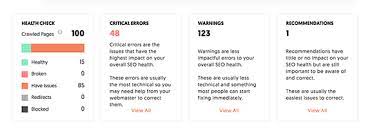
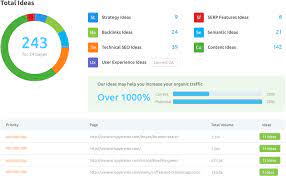
An SEO audit is a comprehensive evaluation of your website’s performance in terms of search engine visibility, user experience, and overall effectiveness. It involves analysing various elements such as on-page and off-page factors, technical aspects, content quality, keyword usage, backlink profile, and more.
The Benefits of an SEO Audit
- Identifying Issues: An SEO audit helps pinpoint any technical or content-related issues that may be hindering your website’s performance in search engines.
- Improving Rankings: By addressing the issues identified in the audit, you can improve your website’s visibility and rankings on search engine results pages (SERPs).
- Enhancing User Experience: A thorough audit can highlight areas where user experience can be enhanced, leading to higher engagement and conversions.
- Staying Competitive: Regular audits allow you to stay ahead of competitors by adapting to changing algorithms and best practices in SEO.
- Increasing Traffic: Optimising your website based on audit findings can attract more organic traffic from search engines.
How to Conduct an SEO Audit
To perform an effective SEO audit, consider the following steps:
- Crawl Your Website: Use tools like Google Search Console or third-party crawlers to identify crawl errors and indexing issues.
- Analyse Keywords: Evaluate keyword usage across your site and ensure they align with your target audience’s search intent.
- Check Backlinks: Examine your backlink profile for quality and relevance to avoid penalties from search engines.
- Review Content: Assess the quality, relevance, and uniqueness of your content to improve its impact on SEO.
- Audit Technical Aspects: Look into factors like site speed, mobile-friendliness, schema markup, and other technical elements that affect SEO performance.
In conclusion, conducting regular SEO audits is essential for maintaining a strong online presence and driving organic traffic to your website. By identifying areas for improvement and implementing necessary changes based on audit findings, you can enhance your site’s visibility, user experience, and overall success in the digital realm.
Comprehensive Guide to 29 Frequently Asked Questions About SEO Audits
- Why audit is important in SEO?
- How much is SEO audit fee?
- What is an SEO audit Class 12?
- Is an SEO audit worth it?
- How do you write an SEO audit?
- How do I do a basic SEO audit?
- What do you do in a SEO audit?
- How to do SEO audit in 2022?
- How to do SEO audit?
- What is a free SEO audit?
- What is the difference between SEO and SEO audit?
- What is the best SEO audit tool?
- How SEO audit is done?
- Are SEO audits worth it?
- How do I audit a SEO page?
- Why SEO audit is important?
- What is an SEO audit and why is it important?
- How do I conduct an SEO audit for my website?
- How do you conduct a SEO audit?
- How do you conduct SEO audits?
- How many types of SEO audit are there?
- What is an SEO content audit?
- What is technical SEO audit checklist?
- How to do a proper SEO audit?
- How can I do SEO audit for free?
- How to read SEO audit?
- Which SEO tool is used for SEO audit?
- Why do we do SEO audit?
- What is audit in SEO?
Why audit is important in SEO?
An SEO audit is crucial in the realm of Search Engine Optimization as it serves as a comprehensive evaluation of a website’s performance and effectiveness in attracting organic traffic. By conducting regular audits, businesses can identify and rectify any technical, content-related, or structural issues that may be hindering their website’s visibility on search engine results pages. This proactive approach not only helps in improving search engine rankings but also enhances user experience, increases website traffic, and ensures that the site remains competitive in the ever-evolving digital landscape. Ultimately, an SEO audit is essential for businesses looking to fine-tune their online presence and stay ahead in the highly competitive digital market.
How much is SEO audit fee?
When it comes to the cost of an SEO audit, the fees can vary depending on several factors such as the size and complexity of the website, the scope of the audit, and the expertise of the SEO agency or consultant providing the service. Some agencies may offer standard packages with fixed prices, while others may tailor their audits to meet specific client needs, resulting in a more personalised fee structure. It’s essential to consider that investing in a thorough SEO audit can yield significant long-term benefits by identifying and addressing issues that could be impacting your website’s performance in search engine results.
What is an SEO audit Class 12?
An SEO audit in the context of Class 12 typically refers to a process of evaluating and analysing the search engine optimisation strategies and performance of a website or online platform as part of educational curriculum for students in the 12th grade. This type of SEO audit may involve assessing key elements such as keyword usage, content quality, backlink profile, technical aspects, and overall website visibility to help students understand how to improve a website’s search engine rankings and online presence. By conducting an SEO audit in Class 12, students can gain practical insights into digital marketing practices and learn how to enhance the effectiveness of online content for better visibility and engagement.
Is an SEO audit worth it?
When considering whether an SEO audit is worth it, the answer is a resounding yes. An SEO audit serves as a valuable investment in the long-term success of your website and online presence. By conducting a thorough audit, you gain insights into areas of improvement that can significantly impact your search engine rankings, user experience, and overall digital performance. Identifying and addressing issues through an SEO audit not only helps boost your site’s visibility and organic traffic but also ensures that you stay competitive in the ever-evolving landscape of search engine optimisation. In essence, the benefits of an SEO audit far outweigh the initial investment, making it a crucial step towards achieving sustainable growth and success online.
How do you write an SEO audit?
When it comes to writing an SEO audit, the process typically involves a detailed assessment of various aspects of a website’s performance in relation to search engine optimisation. To begin, it is essential to conduct a thorough analysis of on-page and off-page factors, technical elements, content quality, keyword usage, backlink profile, and more. The audit should aim to identify any issues that may be impacting the website’s visibility and ranking on search engine results pages. By documenting findings, providing actionable recommendations for improvement, and outlining a strategic plan for SEO enhancement, writing an effective SEO audit report can help businesses understand their current standing and take steps towards optimising their online presence for better performance.
How do I do a basic SEO audit?
To conduct a basic SEO audit, start by analysing your website’s on-page elements such as meta titles, descriptions, and headers to ensure they are optimised with relevant keywords. Next, assess the site’s loading speed and mobile responsiveness for user experience. Check for broken links, crawl errors, and indexing issues using tools like Google Search Console. Evaluate the quality and relevance of your content and ensure it aligns with your target audience’s search intent. Lastly, review your backlink profile for quality and relevance. By following these steps, you can perform a fundamental SEO audit to identify areas for improvement and enhance your website’s search engine visibility.
What do you do in a SEO audit?
In an SEO audit, our team conducts a thorough evaluation of your website’s search engine optimisation performance. This involves analysing various aspects such as on-page and off-page factors, technical elements, content quality, keyword usage, backlink profile, and more. We identify any issues that may be impacting your website’s visibility and rankings on search engine results pages. By delving into these key areas, we aim to enhance your website’s overall SEO effectiveness, improve user experience, and ultimately drive more relevant traffic to your site. Our comprehensive approach ensures that we provide tailored recommendations to optimise your online presence for maximum impact in the digital landscape.
How to do SEO audit in 2022?
In 2022, conducting an SEO audit is crucial for ensuring the effectiveness of your online presence. To perform a comprehensive SEO audit this year, start by analysing your website’s technical aspects, including site speed, mobile-friendliness, and schema markup. Evaluate keyword usage to align with current search trends and user intent. Check your backlink profile for quality and relevance to avoid penalties from search engines. Review and enhance your content for quality, relevance, and uniqueness. By following these steps and staying updated on the latest SEO trends and algorithms in 2022, you can conduct a thorough SEO audit that boosts your website’s visibility and performance in search engine results.
How to do SEO audit?
To conduct an effective SEO audit, start by analysing your website’s technical aspects, such as site speed, mobile-friendliness, and indexing status. Next, evaluate your keyword strategy to ensure alignment with user search intent. Review your backlink profile for quality and relevance, and assess the performance of your on-page content. Utilise tools like Google Search Console and third-party crawlers to identify any issues that may be impacting your site’s SEO performance. By following a systematic approach to auditing your website, you can uncover opportunities for improvement and enhance its visibility in search engine results.
What is a free SEO audit?
A free SEO audit is a valuable service offered by many digital marketing agencies and SEO experts to provide website owners with an initial assessment of their site’s search engine optimisation performance at no cost. During a free SEO audit, professionals analyse various aspects of the website, such as on-page factors, technical issues, content quality, backlink profile, and keyword usage. This audit helps identify areas for improvement and offers insights into how the website can be optimised to enhance its visibility and ranking on search engine results pages. It serves as a starting point for businesses to understand their current SEO standing and determine the necessary steps to improve their online presence.
What is the difference between SEO and SEO audit?
When considering the difference between SEO and an SEO audit, it’s important to understand that SEO (Search Engine Optimization) is an ongoing process aimed at improving a website’s visibility and ranking in search engine results. On the other hand, an SEO audit is a specific evaluation or assessment of a website’s current SEO performance. While SEO involves implementing strategies such as keyword research, content optimization, and link building to enhance overall visibility, an SEO audit focuses on analysing existing elements like site structure, content quality, backlink profile, and technical aspects to identify areas for improvement and ensure optimal SEO effectiveness. In essence, SEO is the broader practice of optimising a website for search engines, while an SEO audit serves as a diagnostic tool to assess and refine specific aspects of that optimization strategy.
What is the best SEO audit tool?
When it comes to determining the best SEO audit tool, it ultimately depends on the specific needs and goals of your website. There are several reputable SEO audit tools available in the market, each offering unique features and functionalities to help analyse and improve your site’s SEO performance. Popular options include SEMrush, Ahrefs, Moz Pro, Screaming Frog, and Google Search Console. It is advisable to explore different tools, consider factors such as ease of use, depth of analysis, reporting capabilities, and pricing before selecting the one that best aligns with your requirements for conducting a comprehensive SEO audit.
How SEO audit is done?
Performing an SEO audit involves a systematic evaluation of various aspects of a website to assess its search engine optimisation performance and identify areas for improvement. The process typically includes analysing on-page and off-page factors, technical elements, content quality, keyword usage, backlink profile, and user experience. Tools like Google Search Console, third-party crawlers, and SEO software are often used to gather data and insights. By examining these key components and addressing any issues or discrepancies found during the audit, businesses can enhance their website’s visibility, organic traffic, and overall SEO effectiveness.
Are SEO audits worth it?
When considering the question “Are SEO audits worth it?”, the answer is a resounding yes. SEO audits are invaluable tools that provide insights into the performance of your website and its visibility in search engine results. By conducting regular SEO audits, businesses can identify and address issues that may be hindering their online presence, ultimately leading to improved rankings, increased organic traffic, enhanced user experience, and a competitive edge in the digital landscape. Investing in SEO audits is a strategic decision that can yield long-term benefits for businesses seeking to maximise their online potential and stay ahead in the ever-evolving world of digital marketing.
How do I audit a SEO page?
When it comes to auditing an SEO page, the process involves a thorough evaluation of various elements to ensure optimal performance in search engine results. To audit an SEO page effectively, start by analysing on-page factors such as meta tags, headings, keyword usage, and content quality. Evaluate the page’s URL structure, internal linking, and image optimization for enhanced user experience and search engine visibility. Additionally, assess off-page factors like backlink profile and social signals to gauge the page’s authority and relevance. By conducting a comprehensive audit of an SEO page, you can identify areas for improvement and implement strategies to boost its ranking potential and overall effectiveness in driving organic traffic.
Why SEO audit is important?
Understanding the importance of an SEO audit is fundamental to enhancing your website’s performance and visibility in search engine results. Conducting an SEO audit allows you to identify and rectify any issues that may be impeding your site’s ability to rank well. By analysing factors such as on-page optimisation, technical aspects, content quality, and backlink profile, you can ensure that your website is optimised for search engines and user experience. Regular SEO audits help you stay ahead of the curve, adapt to algorithm changes, and ultimately improve your website’s rankings, traffic, and overall online presence.
What is an SEO audit and why is it important?
An SEO audit is a comprehensive evaluation of a website’s performance in terms of search engine visibility, user experience, and overall effectiveness. It involves analysing various elements such as on-page and off-page factors, technical aspects, content quality, keyword usage, backlink profile, and more. Conducting an SEO audit is crucial for businesses seeking to improve their online presence and attract relevant traffic. By identifying any issues that may be hindering the website’s performance in search engines and addressing them accordingly, businesses can enhance their rankings, increase organic traffic, and stay competitive in the ever-evolving digital landscape.
How do I conduct an SEO audit for my website?
To conduct an SEO audit for your website, start by evaluating various key aspects that impact your site’s search engine performance. Begin with a comprehensive analysis of your website’s technical elements, such as site speed, mobile-friendliness, and indexing issues. Next, assess your content quality, keyword usage, and relevance to your target audience’s search intent. Review your backlink profile for quality and relevance to avoid penalties. Utilise tools like Google Search Console and third-party crawlers to identify any crawl errors or indexing issues. By systematically examining these factors and making necessary improvements based on the audit findings, you can enhance your website’s SEO performance and attract more organic traffic from search engines.
How do you conduct a SEO audit?
When it comes to conducting an SEO audit, the process typically involves a thorough evaluation of various aspects of a website’s performance to identify areas for improvement in search engine optimisation. To begin, it is essential to crawl the website using tools like Google Search Console or third-party crawlers to uncover any technical issues and indexing problems. Analysing keywords to ensure alignment with target audience search intent, reviewing backlink profiles for quality and relevance, assessing content quality and uniqueness, and auditing technical elements such as site speed and mobile-friendliness are all crucial steps in a comprehensive SEO audit. By following these steps and addressing the findings accordingly, businesses can enhance their online visibility and drive organic traffic effectively.
How do you conduct SEO audits?
When it comes to conducting SEO audits, the process typically involves a comprehensive evaluation of various aspects of a website’s performance in relation to search engine optimisation. To begin, experts often start by crawling the website to identify technical issues and indexing problems. Next, they analyse keyword usage to ensure alignment with search intent and audience targeting. Evaluating backlinks for quality and relevance is also crucial to maintain a healthy link profile. Additionally, reviewing content for quality, relevance, and uniqueness plays a significant role in improving SEO performance. Lastly, auditing technical elements such as site speed, mobile-friendliness, and schema markup helps ensure that the website is optimised for search engines. By following these steps and implementing necessary changes based on audit findings, businesses can enhance their online visibility and attract more organic traffic.
How many types of SEO audit are there?
When it comes to SEO audits, there are generally three main types that businesses often consider: technical SEO audit, on-page SEO audit, and off-page SEO audit. A technical SEO audit focuses on the backend aspects of a website, such as site structure, indexing, and crawlability. On-page SEO audits assess the content and optimisation strategies implemented on individual web pages to improve keyword relevance and user experience. Off-page SEO audits examine factors external to the website, including backlinks and domain authority, to enhance overall search engine visibility. Each type of SEO audit plays a crucial role in evaluating different aspects of a website’s performance and identifying areas for improvement in the ever-changing digital landscape.
What is an SEO content audit?
An SEO content audit is a detailed examination of the content on a website to assess its performance in terms of search engine optimisation. This process involves evaluating the quality, relevance, and effectiveness of the existing content to identify areas for improvement. By conducting an SEO content audit, businesses can gain insights into how well their content aligns with target keywords, user intent, and overall SEO strategy. This analysis helps in determining which pieces of content are driving traffic and engagement, as well as identifying opportunities to enhance visibility and rankings in search engine results pages.
What is technical SEO audit checklist?
A technical SEO audit checklist is a structured list of tasks and considerations aimed at evaluating the technical aspects of a website that impact its search engine optimisation. This checklist typically includes items such as website speed, mobile-friendliness, crawlability, indexability, site architecture, URL structure, schema markup implementation, and more. By systematically examining these technical elements, a technical SEO audit checklist helps identify any issues or areas for improvement that may be affecting the website’s performance in search engine rankings. Conducting regular technical SEO audits based on a comprehensive checklist is crucial for ensuring that a website is optimised to meet the latest SEO standards and provide users with a seamless browsing experience.
How to do a proper SEO audit?
To conduct a proper SEO audit, it is essential to follow a systematic approach that covers various aspects of your website’s performance. Start by analysing your website’s technical elements, such as site speed, mobile-friendliness, and indexing issues. Evaluate your keyword strategy to ensure alignment with user search intent and relevance. Review your backlink profile for quality and relevance. Assess the content on your site for quality, uniqueness, and relevance to your target audience. By addressing these key areas through a comprehensive audit process, you can identify opportunities for improvement and implement effective strategies to enhance your website’s SEO performance and visibility in search engine results.
How can I do SEO audit for free?
For those looking to conduct an SEO audit for free, there are several tools and resources available that can help streamline the process. Utilising online platforms such as Google Search Console, Bing Webmaster Tools, and free SEO audit tools like SEMrush or Moz’s Open Site Explorer can provide valuable insights into your website’s performance. By analysing key metrics such as site speed, backlink profile, keyword usage, and technical SEO elements, individuals can gain a comprehensive understanding of their website’s strengths and areas for improvement without incurring any costs. These free resources empower website owners to take proactive steps towards enhancing their search engine visibility and optimising their online presence effectively.
How to read SEO audit?
Understanding how to read an SEO audit is crucial for gaining insights into your website’s performance and identifying areas for improvement. When reviewing an SEO audit report, focus on key metrics such as organic traffic, keyword rankings, backlink profile, technical issues, and content quality. Pay attention to recommendations provided in the audit to address any identified issues effectively. By interpreting the data and insights presented in the SEO audit report, you can make informed decisions to optimise your website for better search engine visibility and user experience.
Which SEO tool is used for SEO audit?
When it comes to conducting an SEO audit, various SEO tools are commonly used to streamline the process and gather valuable insights into a website’s performance. One popular tool for SEO audits is SEMrush. SEMrush provides a comprehensive suite of features that allow users to analyse on-page SEO, track keyword rankings, assess backlink profiles, and identify technical issues that may impact search engine visibility. By utilising tools like SEMrush for SEO audits, businesses can gain a deeper understanding of their website’s strengths and weaknesses, enabling them to make informed decisions to improve their online presence and search engine rankings.
Why do we do SEO audit?
Performing an SEO audit is essential for several reasons. Firstly, it helps identify any underlying issues that may be impacting the website’s search engine visibility and overall performance. By conducting an audit, businesses can pinpoint areas of improvement in terms of technical aspects, content quality, keyword usage, and backlink profile. Additionally, an SEO audit allows companies to stay competitive in the ever-evolving digital landscape by adapting to changing algorithms and best practices. Ultimately, the primary goal of an SEO audit is to enhance the website’s rankings, attract more organic traffic, and improve user experience for better engagement and conversions.
What is audit in SEO?
An SEO audit is a comprehensive evaluation process that examines various aspects of a website’s performance and optimisation for search engines. It involves analysing factors such as on-page and off-page elements, technical issues, content quality, keyword usage, backlink profile, and more. By conducting an SEO audit, businesses can identify strengths and weaknesses in their online presence, pinpoint areas for improvement, and develop strategies to enhance their website’s visibility and ranking in search engine results pages. Ultimately, an SEO audit is a fundamental tool that helps businesses understand how well their website aligns with SEO best practices and how they can improve to attract more organic traffic and achieve better online success.