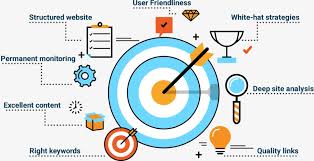
Mastering On-Page Optimization Techniques for Enhanced Website Performance
The Importance of On-Page Optimization in SEO
When it comes to search engine optimisation (SEO), on-page optimization plays a crucial role in determining the visibility and ranking of a website on search engine results pages. On-page optimization involves optimizing various elements within a webpage to improve its relevance to specific keywords and enhance user experience.
Key Aspects of On-Page Optimization
Title Tags: The title tag is one of the most important on-page SEO elements. It should accurately describe the content of the page and include relevant keywords to improve visibility.
Meta Descriptions: Meta descriptions provide a brief summary of the page’s content in search engine results. Writing compelling meta descriptions with relevant keywords can increase click-through rates.
Heading Tags: Proper use of heading tags (H1, H2, H3, etc.) helps search engines understand the structure and hierarchy of your content. Including keywords in headings can boost relevance.
URL Structure: Creating SEO-friendly URLs that are descriptive and include target keywords can improve both user experience and search engine rankings.
Optimized Content: High-quality, relevant content is essential for on-page optimization. Incorporating target keywords naturally throughout the content helps search engines understand the focus of the page.
The Benefits of On-Page Optimization
– Improved Search Engine Ranking: By optimizing on-page elements, websites can rank higher for specific keywords, increasing visibility and organic traffic.
– Enhanced User Experience: Optimized pages with clear structure and relevant content provide a better user experience, leading to lower bounce rates and higher engagement.
– Increased Click-Through Rates: Well-crafted title tags and meta descriptions can attract users to click on your website in search results, driving more traffic to your site.
In Conclusion
On-page optimization is a fundamental aspect of SEO that directly impacts a website’s performance in search results. By focusing on key elements such as title tags, meta descriptions, heading tags, URL structure, and content quality, businesses can enhance their online visibility, attract more visitors, and ultimately achieve their digital marketing goals.
Essential FAQs on On-Page Optimisation for Effective SEO
- What is on-page optimization in SEO?
- Why is on-page optimization important for a website?
- How can title tags impact on-page optimization?
- What role do meta descriptions play in on-page SEO?
- How does heading tag usage affect on-page optimization?
- Why is URL structure significant for on-page SEO?
- What are the best practices for creating optimized content?
What is on-page optimization in SEO?
On-page optimization in SEO refers to the practice of optimizing various elements within a webpage to improve its visibility and relevance in search engine results. It involves strategically incorporating target keywords, structuring content effectively with headings, creating SEO-friendly URLs, and crafting compelling meta descriptions. By focusing on on-page optimization, businesses can enhance their website’s search engine ranking, attract more organic traffic, and provide a better user experience. This process plays a crucial role in ensuring that webpages are easily discoverable by search engines and effectively communicate their relevance to specific search queries.
Why is on-page optimization important for a website?
On-page optimization is vital for a website as it directly impacts its visibility and ranking on search engine results pages. By fine-tuning elements such as title tags, meta descriptions, heading tags, URL structure, and content quality, websites can enhance their relevance to specific keywords and improve user experience. This, in turn, helps search engines understand the content of the site better and ultimately leads to increased organic traffic. A well-optimized website not only ranks higher in search results but also attracts more visitors through compelling titles and descriptions, resulting in improved click-through rates. Overall, on-page optimization is crucial for establishing a strong online presence and achieving digital marketing objectives effectively.
How can title tags impact on-page optimization?
Title tags play a crucial role in on-page optimization by influencing a webpage’s visibility and relevance in search engine results. A well-crafted title tag not only provides a concise and accurate description of the page’s content but also includes relevant keywords that help search engines understand the topic of the page. By incorporating target keywords strategically within the title tag, websites can improve their chances of ranking higher for specific search queries, ultimately driving more organic traffic to the site. Additionally, compelling title tags can entice users to click on the link in search results, increasing click-through rates and enhancing overall user engagement. In essence, title tags serve as a vital on-page element that significantly impacts a website’s SEO performance and online visibility.
What role do meta descriptions play in on-page SEO?
Meta descriptions play a crucial role in on-page SEO by providing a concise summary of a webpage’s content to search engine users. These brief snippets appear below the page title in search results, influencing users’ decision to click on a link. Well-crafted meta descriptions that include relevant keywords not only improve the click-through rate but also enhance the page’s visibility and relevance to search engines. By optimising meta descriptions with compelling language and key information, websites can attract more organic traffic and improve their overall SEO performance.
How does heading tag usage affect on-page optimization?
Heading tag usage plays a crucial role in on-page optimization by structuring content effectively and signalling the hierarchy of information to search engines. When heading tags (such as H1, H2, H3) are used correctly and include relevant keywords, they help search engines understand the context and importance of different sections within a webpage. This not only enhances the readability and user experience but also improves the overall SEO performance of the page. By strategically incorporating keywords in heading tags, websites can boost their relevance for specific search queries and increase their chances of ranking higher in search engine results pages.
Why is URL structure significant for on-page SEO?
The URL structure is a crucial element for on-page SEO as it serves as a roadmap for search engines and users to navigate and understand the content of a webpage. A well-structured URL that includes relevant keywords provides search engines with valuable information about the page’s topic, helping them determine its relevance to specific search queries. Additionally, a clear and descriptive URL can enhance user experience by giving visitors a preview of what to expect on the page before clicking the link. By incorporating target keywords in the URL structure, businesses can improve their chances of ranking higher in search results and attracting organic traffic to their website.
What are the best practices for creating optimized content?
When it comes to creating optimized content for on-page optimization, several best practices can significantly impact the effectiveness of your SEO efforts. First and foremost, conducting thorough keyword research to identify relevant and high-traffic keywords is essential. Incorporating these keywords naturally throughout the content, including in the title, headings, meta descriptions, and body text, helps search engines understand the focus of the page. Additionally, structuring your content with clear headings and subheadings not only improves readability for users but also assists search engines in indexing your content properly. Furthermore, ensuring that your content is engaging, informative, and tailored to meet the needs of your target audience can enhance user experience and encourage higher levels of engagement. By following these best practices for creating optimized content, you can improve your website’s visibility and attract more organic traffic.