seo on page and off page

Mastering SEO: On-Page and Off-Page Strategies for Online Success

SEO: On-Page vs Off-Page

The Importance of SEO: On-Page and Off-Page Strategies

Search Engine Optimization (SEO) is a crucial aspect of digital marketing that focuses on improving a website’s visibility in search engine results. There are two main categories of SEO strategies: On-Page and Off-Page.

On-Page SEO

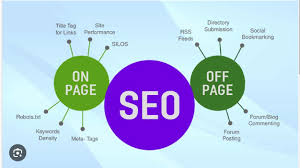
On-Page SEO refers to the optimization techniques applied directly on the website to enhance its search engine ranking. This includes factors such as:

  • Keyword Optimization: Strategic placement of relevant keywords in titles, meta descriptions, headings, and content.
  • Quality Content: Creating high-quality, relevant, and engaging content that satisfies user intent.
  • Meta Tags: Writing compelling meta titles and descriptions that entice users to click through.
  • URL Structure: Creating clean and user-friendly URLs that include target keywords.
  • Internal Linking: Linking relevant pages within the website to improve navigation and distribute link equity.

Off-Page SEO

Off-Page SEO involves external factors that impact a website’s search engine rankings. These strategies focus on building a website’s authority, credibility, and popularity through activities such as:

  • Backlink Building: Acquiring high-quality backlinks from reputable websites to improve domain authority.
  • Social Media Marketing: Leveraging social media platforms to promote content and engage with audiences.
  • Online Reputation Management: Monitoring and managing online reviews, mentions, and brand perception across the web.
  • Influencer Outreach: Collaborating with influencers or industry experts to increase brand visibility and credibility.

The Synergy Between On-Page and Off-Page SEO

To achieve optimal results in search engine rankings, it is essential to implement a holistic approach that combines both On-Page and Off-Page SEO strategies. While On-Page SEO ensures that your website is technically sound, relevant, and user-friendly, Off-Page SEO helps build authority, trustworthiness, and credibility in the eyes of search engines.

In conclusion, mastering both On-Page and Off-Page SEO techniques is key to improving your website’s visibility, attracting organic traffic, and ultimately driving business growth in the competitive online landscape.


Understanding On-Page and Off-Page SEO: 33 Common Questions Answered

  1. What is on off-page SEO?
  2. What is on-page and off-page SEO list?
  3. Which is better on page SEO or off-page SEO?
  4. What is off-page SEO example?
  5. What activities will we do on-page and off-page SEO?
  6. Is on page or off-page SEO more important?
  7. What are SEO factors on-page off-page?
  8. What is SEO on-page and off-page optimization?
  9. What is the difference between on-page and off-page SEO?
  10. What is a on-page SEO?
  11. What is on-page & off-page SEO?
  12. Which SEO is better on-page or off-page?
  13. What is on-page off-page and technical SEO?
  14. Why are both on and off site SEO important?
  15. What is done in off-page SEO?
  16. What is most important on-page SEO or off-page SEO?
  17. How do you do on-page and off-page optimization?
  18. What are on-page SEO and off-page SEO factors?
  19. What is Offsite SEO?
  20. Is local SEO off-page or on-page?
  21. How to do on and off-page SEO?
  22. Which is better on-page or off-page SEO?
  23. What is offpage SEO?
  24. What is on-page technical and off-page SEO?
  25. What is the 80/20 rule for SEO?
  26. What is online and offline SEO?
  27. What is the difference between on-page and of page?
  28. What is a difference between on-page SEO and on site SEO?
  29. What is an off-page SEO?
  30. What comes in off-page SEO?
  31. What is on-page SEO?
  32. What is difference between on-page and off-page SEO?
  33. What comes under on-page SEO?

What is on off-page SEO?

On-Page SEO and Off-Page SEO are two essential components of Search Engine Optimization (SEO) that work together to enhance a website’s visibility and ranking in search engine results. On-Page SEO involves optimizing elements within the website itself, such as content, meta tags, and internal linking, to improve its relevance and user experience. On the other hand, Off-Page SEO focuses on external factors like backlinks, social media presence, and online reputation management to build authority and credibility for the website across the web. By combining both On-Page and Off-Page SEO strategies effectively, businesses can achieve higher search engine rankings and attract more organic traffic to their websites.

What is on-page and off-page SEO list?

When it comes to SEO, understanding the distinction between on-page and off-page strategies is essential for improving a website’s search engine visibility. On-page SEO involves optimising elements directly on the website, such as keyword placement, quality content creation, meta tags, URL structure, and internal linking. In contrast, off-page SEO focuses on external factors like building backlinks from reputable sites, engaging in social media marketing, managing online reputation, and collaborating with influencers. By implementing a comprehensive on-page and off-page SEO list, businesses can enhance their online presence, attract organic traffic, and boost their search engine rankings effectively.

Which is better on page SEO or off-page SEO?

When considering the effectiveness of SEO strategies, the question of whether on-page SEO or off-page SEO is better often arises. On-page SEO focuses on optimizing elements within the website itself, such as content and meta tags, to improve search engine rankings. In contrast, off-page SEO involves external factors like backlinks and social media presence to enhance a website’s authority and credibility. Both on-page and off-page SEO are integral parts of a comprehensive SEO strategy, with each playing a vital role in boosting a website’s visibility and relevance in search results. Ultimately, the synergy between on-page and off-page SEO is key to achieving sustainable long-term success in improving organic traffic and overall online presence.

What is off-page SEO example?

When discussing off-page SEO, an example of a common strategy is building backlinks from reputable and relevant websites. Backlinks serve as endorsements from other sites, indicating to search engines the credibility and authority of your website. By acquiring backlinks through guest blogging, influencer collaborations, or directory submissions, you can improve your website’s visibility and ranking in search engine results pages. This off-page SEO technique not only enhances your site’s reputation but also contributes to boosting organic traffic and establishing a strong online presence.

What activities will we do on-page and off-page SEO?

When it comes to implementing a comprehensive SEO strategy, the activities involved in On-Page and Off-Page SEO play a crucial role in enhancing a website’s visibility and search engine rankings. On-Page SEO activities typically include keyword optimization, content creation, meta tag optimization, URL structuring, and internal linking to ensure that the website is optimised for search engines and user experience. On the other hand, Off-Page SEO activities focus on building authority through backlink building, social media marketing, online reputation management, and influencer outreach to establish credibility and enhance the website’s reputation across the web. By combining these strategic activities both on-page and off-page, businesses can effectively improve their online presence and attract organic traffic for sustainable growth in the digital landscape.

Is on page or off-page SEO more important?

When it comes to the debate on whether On-Page or Off-Page SEO holds more significance, the answer lies in understanding that both aspects are crucial for a comprehensive SEO strategy. On-Page SEO focuses on optimizing the content and structure of a website, ensuring it is user-friendly and keyword-rich. In contrast, Off-Page SEO involves building authority and credibility through external factors like backlinks and social signals. While On-Page SEO lays the foundation for a well-structured website, Off-Page SEO plays a vital role in enhancing its visibility and reputation across the web. Ultimately, achieving a balance between On-Page and Off-Page SEO is key to maximising a website’s potential in search engine rankings and driving sustainable organic traffic growth.

What are SEO factors on-page off-page?

When it comes to SEO factors, both on-page and off-page elements play a crucial role in determining a website’s search engine ranking. On-page SEO factors refer to optimization strategies applied directly on the website itself, such as keyword placement, quality content creation, meta tags, URL structure, and internal linking. On the other hand, off-page SEO factors involve external activities like building quality backlinks, engaging in social media marketing, managing online reputation, and collaborating with influencers. By combining effective on-page and off-page SEO techniques, businesses can enhance their online visibility, credibility, and ultimately improve their search engine rankings for increased organic traffic and better user engagement.

What is SEO on-page and off-page optimization?

SEO on-page and off-page optimization are two essential components of a comprehensive search engine optimization strategy. On-page optimization involves making strategic improvements directly on the website itself, such as optimizing content with relevant keywords, creating user-friendly URLs, and enhancing meta tags. In contrast, off-page optimization focuses on external factors like building high-quality backlinks, engaging in social media marketing, and managing online reputation to boost the website’s authority and credibility. By combining both on-page and off-page techniques effectively, businesses can improve their search engine rankings, increase organic traffic, and establish a strong online presence that resonates with their target audience.

What is the difference between on-page and off-page SEO?

The fundamental difference between on-page and off-page SEO lies in the focus of optimization efforts. On-page SEO involves refining elements directly within a website to enhance its search engine visibility, such as keyword optimization, content quality, and meta tags. In contrast, off-page SEO concentrates on external factors like backlink building, social media marketing, and online reputation management to boost a website’s authority and credibility across the web. While on-page SEO ensures the website’s content is relevant and user-friendly, off-page SEO aims to establish trustworthiness and popularity beyond the site itself through strategic external tactics.

What is a on-page SEO?

On-Page SEO refers to the practice of optimizing individual web pages to improve their search engine rankings and attract organic traffic. This process involves various techniques such as keyword research, content creation, meta tag optimization, and internal linking. By focusing on On-Page SEO factors, website owners can enhance the relevance, quality, and user experience of their pages, making them more attractive to search engines like Google. Ultimately, effective On-Page SEO helps websites rank higher in search results and drive targeted traffic to their online platforms.

What is on-page & off-page SEO?

On-page and off-page SEO are two fundamental components of search engine optimization that play a critical role in improving a website’s visibility and ranking on search engine results pages. On-page SEO involves optimizing factors directly on the website itself, such as keyword placement, quality content creation, meta tags, URL structure, and internal linking. In contrast, off-page SEO focuses on external strategies like building backlinks from reputable websites, engaging in social media marketing, managing online reputation, and collaborating with influencers to enhance the website’s authority and credibility. Both on-page and off-page SEO work hand in hand to boost a website’s online presence and drive organic traffic for sustainable growth.

Which SEO is better on-page or off-page?

When it comes to the debate on whether On-Page SEO is better than Off-Page SEO or vice versa, the answer lies in understanding that both play crucial roles in a comprehensive SEO strategy. On-Page SEO focuses on optimizing the content and structure of a website to improve its search engine ranking, while Off-Page SEO involves external factors like backlinks and social signals to enhance a site’s authority. The effectiveness of each depends on the specific goals and needs of a website. Ultimately, a balanced approach that integrates both On-Page and Off-Page SEO techniques is key to achieving sustainable and long-term success in improving online visibility and driving organic traffic.

What is on-page off-page and technical SEO?

Understanding the distinctions between on-page, off-page, and technical SEO is essential for a comprehensive grasp of search engine optimization strategies. On-page SEO involves optimizing elements within a website itself, such as content quality, keyword integration, and meta tags. Off-page SEO focuses on external factors like backlinks, social media presence, and online reputation management to enhance a site’s authority and credibility. Technical SEO pertains to the technical aspects of a website, including site speed, mobile-friendliness, and structured data markup, which contribute to improved search engine rankings and user experience. By incorporating all three components effectively, businesses can establish a strong online presence and drive organic traffic to their websites.

Why are both on and off site SEO important?

Understanding the significance of both on-site and off-site SEO is crucial for achieving successful digital marketing outcomes. On-page SEO ensures that your website is optimised for search engines, making it easier for them to crawl and index your content. It focuses on factors like keyword placement, quality content creation, and user experience, all of which directly impact your website’s visibility in search results. On the other hand, off-page SEO plays a vital role in building your website’s authority and credibility through external factors like backlinks and social signals. By combining both on-page and off-page SEO strategies, you create a comprehensive approach that enhances your online presence, drives organic traffic, and improves your search engine rankings effectively.

What is done in off-page SEO?

In off-page SEO, the focus shifts to activities that take place outside the website itself to improve its search engine ranking and online visibility. This includes strategies such as building high-quality backlinks from authoritative websites, engaging in social media marketing to promote content and interact with audiences, managing online reputation through monitoring reviews and brand mentions, and collaborating with influencers or industry experts to enhance brand credibility. Off-page SEO plays a crucial role in establishing a website’s authority and trustworthiness in the eyes of search engines, ultimately contributing to higher rankings and increased organic traffic.

What is most important on-page SEO or off-page SEO?

When considering the importance of on-page SEO versus off-page SEO, it is essential to recognise that both play significant roles in enhancing a website’s search engine visibility and overall performance. On-page SEO focuses on optimising the content and structure of the website itself, ensuring it is relevant, user-friendly, and technically sound. In contrast, off-page SEO involves building authority and credibility through external factors such as backlinks and social signals. While both aspects are crucial for a comprehensive SEO strategy, the synergy between on-page and off-page efforts is what ultimately drives sustainable organic growth and success in search engine rankings. Each serves a unique purpose in boosting a website’s online presence, making them equally important components of a well-rounded SEO strategy.

How do you do on-page and off-page optimization?

When it comes to on-page and off-page optimization in SEO, the key lies in a strategic and comprehensive approach. For on-page optimization, it is crucial to conduct thorough keyword research and strategically integrate relevant keywords into titles, meta descriptions, headings, and content. Creating high-quality, engaging content that aligns with user intent is also essential. On the other hand, off-page optimization involves building a strong backlink profile from reputable websites, engaging in social media marketing to amplify content reach, managing online reputation effectively, and collaborating with influencers for increased brand visibility. By combining these on-page and off-page strategies harmoniously, businesses can enhance their online presence, improve search engine rankings, and drive organic traffic to their websites effectively.

What are on-page SEO and off-page SEO factors?

When it comes to Search Engine Optimization (SEO), understanding the distinction between on-page and off-page factors is crucial for enhancing a website’s visibility in search engine results. On-page SEO factors encompass elements that can be directly controlled and optimized within the website itself, such as keyword placement, content quality, meta tags, URL structure, and internal linking. On the other hand, off-page SEO factors involve external strategies like backlink building, social media marketing, online reputation management, and influencer outreach to boost a website’s authority and credibility across the web. By effectively utilising both on-page and off-page SEO factors, businesses can improve their search engine rankings and attract organic traffic to their websites.

What is Offsite SEO?

Offsite SEO, also known as Off-Page SEO, refers to the strategies and activities implemented outside of a website to enhance its search engine rankings and improve online visibility. Offsite SEO primarily focuses on building a website’s authority, credibility, and reputation through external factors such as backlink building, social media engagement, online reputation management, and influencer outreach. By leveraging Offsite SEO techniques effectively, businesses can strengthen their online presence, attract more organic traffic, and establish trust with search engines and users alike.

Is local SEO off-page or on-page?

Local SEO involves elements of both On-Page and Off-Page strategies. While On-Page SEO plays a crucial role in optimising website content, meta tags, and local keywords to improve local search rankings, Off-Page SEO activities such as building local citations, acquiring backlinks from local directories, and managing online reviews also contribute significantly to enhancing a business’s visibility in local search results. Therefore, local SEO can be seen as a blend of both On-Page and Off-Page techniques tailored specifically to target a geographically defined audience and drive foot traffic to physical locations.

How to do on and off-page SEO?

When it comes to implementing on and off-page SEO strategies, a comprehensive approach is essential for achieving optimal results in search engine rankings. For on-page SEO, focus on keyword optimization by strategically placing relevant keywords in titles, meta descriptions, and content. Create high-quality content that satisfies user intent and engages visitors. Ensure clean URL structures and internal linking to enhance website navigation and boost visibility. On the other hand, off-page SEO involves building authority through backlink acquisition from reputable sites, engaging in social media marketing to promote content, managing online reputation effectively, and collaborating with influencers to increase brand credibility. By combining these on-page and off-page tactics effectively, businesses can enhance their online presence and attract organic traffic for sustained growth.

Which is better on-page or off-page SEO?

When it comes to the debate between on-page and off-page SEO, the question of which is better often arises. In reality, both on-page and off-page SEO are essential components of a comprehensive search engine optimization strategy. On-page SEO focuses on optimizing the content and structure of a website to improve its visibility in search engine results, while off-page SEO involves external factors like backlinks and social signals that contribute to a site’s authority and credibility. The effectiveness of each strategy depends on the specific goals and needs of a website, making it crucial to strike a balance between on-page and off-page tactics for optimal results in enhancing online presence and ranking performance.

What is offpage SEO?

Off-Page SEO refers to the external strategies and activities undertaken outside of a website to improve its search engine ranking and visibility. This includes building quality backlinks from reputable websites, engaging in social media marketing to promote content, managing online reputation through monitoring reviews and mentions, and collaborating with influencers to enhance brand credibility. Off-Page SEO plays a crucial role in establishing a website’s authority, trustworthiness, and relevance in the eyes of search engines, ultimately contributing to higher organic rankings and increased online visibility.

What is on-page technical and off-page SEO?

On-page technical SEO refers to the optimisation strategies implemented directly on a website to improve its search engine visibility. This includes aspects such as keyword placement, meta tags, URL structure, and internal linking. On the other hand, off-page SEO involves external factors that influence a website’s ranking, such as backlink building, social media marketing, online reputation management, and influencer outreach. Both on-page technical and off-page SEO are essential components of a comprehensive SEO strategy aimed at enhancing a website’s performance and authority in search engine results pages.

What is the 80/20 rule for SEO?

The 80/20 rule for SEO, also known as the Pareto Principle, suggests that roughly 80% of the results in search engine optimisation come from 20% of the efforts. In the context of on-page and off-page SEO strategies, this principle implies that focusing on key activities that yield the most significant impact can generate a majority of positive outcomes for a website’s search engine ranking. By prioritising efforts on critical factors such as high-quality content creation, strategic keyword usage, effective backlink building, and social media engagement, businesses can maximise their SEO potential and achieve substantial improvements in online visibility and organic traffic.

What is online and offline SEO?

Online and offline SEO refer to the different strategies used to improve a website’s search engine visibility in digital marketing. Online SEO, also known as On-Page SEO, involves optimising the website itself through tactics such as keyword research, content creation, and meta tags to enhance its online presence. In contrast, offline SEO, or Off-Page SEO, focuses on external factors like backlink building, social media marketing, and online reputation management to boost the website’s authority and credibility across the web. Both online and offline SEO strategies work together synergistically to enhance a website’s search engine rankings and drive organic traffic for sustainable online success.

What is the difference between on-page and of page?

When it comes to Search Engine Optimization (SEO), understanding the distinction between on-page and off-page strategies is essential. On-page SEO involves optimizing elements directly on a website, such as keyword placement, content quality, and meta tags, to improve search engine rankings. On the other hand, off-page SEO focuses on external factors like backlink building, social media marketing, and online reputation management to enhance a website’s authority and credibility across the web. While on-page SEO ensures website relevance and user-friendliness, off-page SEO plays a crucial role in building trustworthiness and visibility in search engine results. Mastering both aspects is key to achieving comprehensive SEO success.

What is a difference between on-page SEO and on site SEO?

When discussing SEO strategies, it’s important to distinguish between on-page SEO and on-site SEO. On-page SEO refers to the specific optimization techniques applied directly on individual web pages to improve their search engine rankings. This includes factors such as keyword optimization, content quality, meta tags, and internal linking. On the other hand, on-site SEO encompasses a broader approach that focuses on optimizing the entire website as a whole, including technical aspects like site structure, site speed, mobile-friendliness, and overall user experience. While on-page SEO targets individual page elements, on-site SEO takes into account the website’s overall performance and functionality to enhance its visibility and ranking in search engine results pages.

What is an off-page SEO?

Off-Page SEO refers to the external factors and strategies implemented outside of a website to enhance its search engine visibility and authority. It involves activities such as building high-quality backlinks from reputable websites, engaging in social media marketing to promote content, managing online reputation across various platforms, and collaborating with influencers to boost brand credibility. Off-Page SEO plays a crucial role in establishing a website’s credibility, trustworthiness, and popularity in the eyes of search engines, ultimately contributing to improved search rankings and organic traffic growth.

What comes in off-page SEO?

In off-page SEO, various strategies are employed to enhance a website’s visibility and authority beyond its own domain. Key components of off-page SEO include building high-quality backlinks from reputable websites, engaging in social media marketing to promote content and interact with audiences, managing online reputation through monitoring reviews and brand mentions, and collaborating with influencers or industry experts to boost brand credibility. These external efforts play a crucial role in establishing the website’s credibility, trustworthiness, and relevance in the eyes of search engines, ultimately contributing to improved search engine rankings and increased organic traffic.

What is on-page SEO?

On-page SEO refers to the practice of optimizing individual web pages to improve their search engine rankings and attract relevant organic traffic. It involves various techniques such as keyword optimization, creating high-quality content, optimizing meta tags, improving URL structure, and internal linking. By focusing on on-page SEO strategies, website owners can enhance the visibility of their pages in search engine results pages (SERPs) and provide a better user experience for visitors. Ultimately, on-page SEO plays a crucial role in helping websites rank higher for specific keywords and drive targeted traffic to their site.

What is difference between on-page and off-page SEO?

The fundamental difference between on-page and off-page SEO lies in their focus areas. On-page SEO involves optimising elements within the website itself, such as content, meta tags, and internal links, to improve search engine rankings. Conversely, off-page SEO concentrates on external factors like backlinks, social media presence, and online reputation management to enhance a website’s authority and credibility in the eyes of search engines. While on-page SEO ensures the website is technically sound and relevant to users, off-page SEO aims to build trustworthiness and popularity across the web through strategic external activities. Mastering both aspects is crucial for a comprehensive SEO strategy that boosts online visibility and drives organic traffic.

What comes under on-page SEO?

When discussing on-page SEO, it encompasses a range of optimisation techniques that are directly implemented on a website to enhance its search engine visibility and ranking. Key elements of on-page SEO include strategic keyword placement in titles, meta descriptions, headings, and content, creating high-quality and relevant content that meets user intent, crafting compelling meta tags for improved click-through rates, structuring URLs for user-friendliness and keyword inclusion, as well as internal linking to enhance navigation and distribute link equity within the website. These on-page strategies play a crucial role in driving organic traffic and improving the overall performance of a website in search engine results pages.
organic search engine rankings

Unlocking the Power of Organic Search Engine Rankings: A Guide to Boosting Your Online Visibility

The Importance of Organic Search Engine Rankings

The Importance of Organic Search Engine Rankings

Organic search engine rankings refer to the position your website appears in search engine results pages (SERPs) based on relevance to the user’s query, without paying for placement. Achieving high organic rankings is crucial for businesses looking to increase online visibility and attract organic traffic.

Why Organic Rankings Matter

Credibility and Trust: Websites that rank organically are perceived as more trustworthy by users. High organic rankings signal to users and search engines that your website is a reliable source of information.

Cost-Effective Traffic: Unlike paid advertising, organic traffic generated through high search engine rankings does not require ongoing payments. This makes organic SEO a cost-effective long-term strategy for driving consistent traffic to your site.

Higher Click-Through Rates: Studies show that websites ranking higher in organic search results receive significantly more clicks than those appearing lower down the page. Optimising for organic rankings can lead to increased click-through rates and site visits.

How to Improve Organic Rankings

Quality Content: Creating relevant, valuable, and engaging content is key to improving organic search engine rankings. Content that addresses user queries effectively can help boost your website’s visibility in SERPs.

On-Page SEO: Optimising on-page elements such as meta tags, headings, and internal links can improve your website’s relevance and authority in the eyes of search engines, leading to higher organic rankings.

Backlink Building: Acquiring high-quality backlinks from reputable websites can enhance your site’s authority and credibility, positively impacting your organic search rankings.

In Conclusion

Organic search engine rankings play a critical role in driving qualified traffic to your website and establishing credibility within your industry. By implementing effective SEO strategies focused on improving organic visibility, businesses can enhance their online presence and reach a wider audience without relying solely on paid advertising.


37 Frequently Asked Questions About Organic Search Engine Rankings and SEO

  1. Does organic search pay for clicks?
  2. How do I get organic SEO?
  3. How to rank higher in organic search?
  4. Is organic search the same as SEO?
  5. What is a organic SEO?
  6. Why is organic search dropping?
  7. What does it mean if organic search is high?
  8. Is SEO organic?
  9. How does Google rank Organic search results?
  10. Is organic search better?
  11. Is organic search part of SEO?
  12. Is SEO an organic search?
  13. Is Google organic search?
  14. Is organic search and SEO the same?
  15. What is a good organic search?
  16. How do you increase your organic search rank?
  17. What is an organic search engine?
  18. What are organic search rankings?
  19. What is the number 1 search engine?
  20. How do I increase my organic search engine ranking?
  21. What is the organic method of SEO?
  22. How do I find my organic search ranking?
  23. How do you rank organically?
  24. What is an organic web search?
  25. How do you rank keywords organically?
  26. What is organic search in search engine?
  27. How do I find the organic ranking of a website?
  28. What is an example of organic SEO?
  29. How do I rank better in organic search?
  30. Does SEO drive 1000 %+ more traffic than organic social media BrightEdge?
  31. Is Organic Search the best?
  32. How do I get organic ranking on Google?
  33. How do you rank #1 on Google?
  34. What are Google’s top 3 ranking factors to ranking highly in organic search?
  35. What is the difference between organic and paid for ranking?
  36. What is organic rank in Amazon?
  37. What is the organic search ranking?

Does organic search pay for clicks?

In the realm of organic search engine rankings, it’s important to note that organic search does not involve paying for clicks. Unlike paid search advertising where businesses bid on keywords to have their ads displayed at the top of search results and pay each time a user clicks on their ad, organic search is based on natural rankings determined by relevance and quality of content. Organic search results are earned through effective SEO strategies such as creating valuable content, optimising website elements, and building backlinks to improve visibility in search engine results pages without incurring direct costs for each click received.

How do I get organic SEO?

To improve your organic SEO and boost your website’s search engine rankings, it is essential to focus on several key strategies. Start by creating high-quality, relevant content that addresses the needs and queries of your target audience. Optimise your website’s on-page elements, such as meta tags, headings, and internal links, to enhance its visibility to search engines. Building a strong backlink profile by acquiring links from reputable websites can also help improve your site’s authority and credibility. Regularly monitoring and analysing your SEO performance through tools like Google Analytics can provide valuable insights for refining your organic SEO strategy over time. By implementing these tactics consistently and staying up-to-date with industry best practices, you can work towards achieving higher organic search engine rankings for your website.

To rank higher in organic search results, it is essential to focus on implementing effective SEO strategies that enhance your website’s relevance and authority in the eyes of search engines. This can be achieved through creating high-quality, relevant content that addresses user queries, optimising on-page elements such as meta tags and headings, building a strong backlink profile from reputable websites, and ensuring a positive user experience on your site. By consistently following best practices in SEO and providing valuable content to users, you can improve your organic search engine rankings and increase visibility for your website.

Is organic search the same as SEO?

In the realm of digital marketing, it is a common query to inquire whether organic search is synonymous with SEO. While organic search and SEO are closely related concepts, they are not interchangeable terms. Organic search refers to the unpaid results displayed on search engine results pages (SERPs) based on relevance to the user’s query. On the other hand, SEO (Search Engine Optimization) encompasses a broader set of strategies and techniques aimed at improving a website’s visibility in organic search results. SEO involves various practices such as keyword optimization, content creation, link building, and technical enhancements to enhance a website’s ranking in organic search results. Therefore, while organic search is a component of SEO, SEO encompasses a more comprehensive approach to optimising a website for better visibility and ranking on search engines.

What is a organic SEO?

Organic SEO, also known as organic search engine optimisation, refers to the process of improving a website’s visibility in search engine results pages (SERPs) through unpaid, natural methods. Organic SEO focuses on enhancing a website’s relevance and authority to attract organic traffic from search engines like Google, Bing, and Yahoo. By optimising various on-page and off-page elements such as content quality, keyword usage, backlinks, and site structure, organic SEO aims to increase a website’s ranking for relevant search queries without resorting to paid advertising. Emphasising user experience and providing valuable content are key aspects of organic SEO strategies that help businesses establish a strong online presence and drive sustainable traffic over time.

Why is organic search dropping?

When businesses notice a drop in organic search rankings, several factors could be at play. Algorithm updates by search engines, changes in user search behaviour, increased competition, technical issues on the website, or ineffective SEO strategies are common reasons for a decline in organic search visibility. It is crucial for businesses to regularly monitor their organic search performance, conduct thorough analyses to identify potential issues, and adapt their SEO tactics accordingly to maintain or improve their organic search rankings over time.

What does it mean if organic search is high?

When organic search is high, it indicates that a website is ranking well in search engine results pages (SERPs) based on its relevance to users’ queries. A high organic search position means that the website is appearing near the top of search results without the need for paid advertising. This achievement signifies that the website’s content and SEO efforts are effective in attracting organic traffic, enhancing visibility, and increasing the likelihood of users clicking through to the site. A high organic search ranking reflects the website’s authority, credibility, and relevance in relation to specific search terms, ultimately contributing to greater online exposure and potential for business growth.

Is SEO organic?

When asking whether SEO is organic, it’s important to understand that SEO (Search Engine Optimization) itself is a strategy used to improve organic search engine rankings. In essence, SEO aims to enhance a website’s visibility in search engine results pages through various tactics such as content optimization, keyword research, and link building. While SEO is not inherently organic in the sense of being naturally occurring, the results it achieves in terms of improving a website’s organic rankings are indeed considered organic. By adhering to best practices and providing valuable content for users, businesses can increase their chances of ranking higher organically in search engine results.

How does Google rank Organic search results?

When it comes to determining the ranking of organic search results, Google utilises a complex algorithm that considers various factors to assess the relevance and quality of web pages. Google’s ranking algorithm takes into account elements such as keyword relevance, content quality, backlink profile, user experience signals, and website authority. By analysing these factors, Google aims to provide users with the most accurate and valuable search results based on their queries. Continuous updates and refinements to the algorithm ensure that organic search rankings reflect current best practices in SEO and user satisfaction.

Is organic search better?

When considering the effectiveness of search engine optimisation (SEO) strategies, the question often arises: “Is organic search better?” Organic search refers to unpaid search results that are determined by search engine algorithms based on relevance to user queries. In comparison to paid search, organic search offers long-term benefits in terms of credibility, trustworthiness, and cost-effectiveness. Organic search results are perceived as more trustworthy by users and can lead to higher click-through rates. While paid search can provide immediate visibility, organic search is essential for sustainable online presence and continuous traffic generation. Ultimately, prioritising organic search can yield lasting benefits for businesses seeking to establish a strong digital presence and attract quality leads organically.

Is organic search part of SEO?

Yes, organic search is a fundamental component of SEO (Search Engine Optimization). Organic search refers to the natural, unpaid results that appear in search engine results pages (SERPs) based on their relevance to the user’s query. SEO encompasses various strategies and techniques aimed at improving a website’s organic visibility and ranking in search engine results. By focusing on factors such as quality content, keyword optimization, backlink building, and technical aspects of a website, businesses can enhance their organic search performance and attract more qualified traffic without relying on paid advertising. Therefore, understanding and effectively leveraging organic search is integral to a successful SEO strategy.

When discussing organic search engine rankings, it is common to encounter the frequently asked question, “Is SEO an organic search?” In essence, SEO (Search Engine Optimization) is not the same as organic search itself but rather a strategy used to improve a website’s visibility in organic search results. Organic search refers to the natural, unpaid listings that appear on search engine results pages based on relevance to the user’s query. SEO involves various techniques and practices aimed at optimising a website to rank higher in organic search results, ultimately enhancing its visibility and attracting more organic traffic. Therefore, while SEO is not synonymous with organic search, it is a vital component in achieving favourable organic search engine rankings.

When asking whether Google is considered organic search, it’s important to understand that Google itself is a search engine that provides both organic and paid search results. Organic search refers to the natural, unpaid listings that appear based on relevance to the user’s query, while paid search involves sponsored listings that advertisers pay for. Therefore, Google serves as a platform for both organic and paid search results, with users being able to differentiate between the two based on how the results are labelled and displayed. Understanding this distinction is crucial for businesses looking to optimise their online presence and visibility in Google search results.

Is organic search and SEO the same?

The frequently asked question regarding organic search engine rankings is whether organic search and SEO are the same. While they are closely related, organic search refers to the natural, unpaid results that appear in search engine results pages based on relevance to the user’s query. On the other hand, SEO (Search Engine Optimisation) encompasses a broader set of strategies and techniques aimed at improving a website’s visibility and ranking in organic search results. Essentially, organic search is the outcome of effective SEO practices that focus on enhancing a website’s relevance and authority to attract organic traffic from search engines.

A good organic search refers to a search result that appears prominently and naturally in search engine results pages (SERPs) without the need for paid advertising. In the context of organic search engine rankings, a good organic search typically indicates that a website has achieved high visibility and relevance for specific keywords or queries. Websites that consistently rank well organically are considered authoritative and trustworthy by users and search engines alike. Achieving a good organic search requires implementing effective SEO strategies, creating quality content, and building a strong online presence to attract organic traffic and enhance overall visibility.

How do you increase your organic search rank?

To increase your organic search rank, it is essential to focus on implementing effective search engine optimisation (SEO) strategies. Start by conducting thorough keyword research to identify relevant and high-volume keywords for your content. Create high-quality, engaging content that is optimised for these keywords and provides value to your target audience. Improve your website’s on-page SEO elements such as meta tags, headings, and internal links to enhance its relevance and authority in search engine algorithms. Additionally, focus on building a strong backlink profile by acquiring quality backlinks from reputable websites within your industry. Consistent monitoring of performance metrics and making data-driven adjustments to your SEO strategy will help boost your organic search rank over time.

What is an organic search engine?

An organic search engine refers to a search engine that displays search results based on relevance to the user’s query without any form of paid placement or advertising influencing the rankings. Organic search engines use complex algorithms to crawl and index web pages, determining the most relevant and authoritative content to display in response to a user’s search query. Websites that appear in organic search results have earned their position through factors such as content quality, keyword relevance, backlinks, and overall website authority, rather than paying for visibility. This natural ranking process ensures that users are presented with the most relevant and trustworthy information when conducting online searches.

What are organic search rankings?

Organic search rankings refer to the position at which a website appears in search engine results pages (SERPs) based on its relevance to a user’s query, without any payment for placement. These rankings are determined by search engines’ algorithms, considering factors such as the quality of content, website authority, and user experience. Achieving high organic search rankings is essential for businesses looking to increase online visibility, attract organic traffic, and establish credibility with their target audience. By focusing on organic SEO strategies such as quality content creation, on-page optimisation, and backlink building, websites can improve their visibility and ranking positions in search engine results.

What is the number 1 search engine?

When it comes to the question of “What is the number 1 search engine?”, Google unequivocally holds the top position. As the most widely used search engine globally, Google dominates the search market with its advanced algorithms, vast index of websites, and user-friendly interface. Businesses and individuals alike rely on Google to find information, products, and services online, making it an integral part of any digital marketing strategy aimed at achieving high organic search engine rankings.

How do I increase my organic search engine ranking?

To increase your organic search engine ranking, it is essential to focus on key aspects of search engine optimisation (SEO). Start by creating high-quality, relevant content that addresses user queries effectively. Optimise your website’s on-page elements, such as meta tags, headings, and internal links, to improve its relevance and authority in search engine results pages. Building a strong backlink profile by acquiring quality links from reputable websites can also boost your site’s credibility and visibility. Consistent monitoring and adjustment of your SEO strategy based on analytics and keyword research are crucial for improving and maintaining your organic search engine ranking over time.

What is the organic method of SEO?

The organic method of SEO refers to the practice of optimising a website’s online presence through natural, non-paid strategies to improve its visibility in search engine results. This approach focuses on creating high-quality content, implementing relevant keywords, and building reputable backlinks to enhance a website’s authority and relevance to users. By following the organic method of SEO, businesses aim to attract organic traffic from search engines without relying on paid advertising, ultimately leading to sustainable long-term success in improving search engine rankings and driving valuable traffic to their websites.

How do I find my organic search ranking?

To determine your organic search ranking, you can use various tools such as Google Search Console, SEMrush, or Ahrefs. These tools allow you to track the position of your website for specific keywords in search engine results pages (SERPs). By regularly monitoring your organic search rankings, you can assess the effectiveness of your SEO efforts and make informed decisions to improve your website’s visibility and performance in organic search results.

How do you rank organically?

To rank organically in search engine results, businesses need to implement a comprehensive SEO strategy that focuses on various key elements. This includes creating high-quality, relevant content that addresses user queries effectively, optimising on-page elements such as meta tags and headings, building a strong backlink profile from reputable websites, and ensuring a user-friendly website experience. By consistently monitoring performance metrics, adapting to algorithm changes, and staying updated on industry best practices, businesses can improve their organic search engine rankings over time and attract valuable organic traffic to their website.

An organic web search refers to the process of using a search engine, such as Google or Bing, to find information online without any paid promotion influencing the search results. When a user enters a query into a search engine and receives a list of relevant websites based on the search algorithm’s assessment of their content and relevance, these are considered organic search results. Organic web searches provide users with unbiased and natural listings that best match their search intent, helping them discover valuable information and resources on the internet.

How do you rank keywords organically?

To rank keywords organically in search engine results, it is essential to implement a comprehensive SEO strategy that focuses on various aspects. Firstly, conducting thorough keyword research to identify relevant and high-volume keywords is crucial. Once the target keywords are identified, creating high-quality and engaging content that incorporates these keywords naturally is key. Optimising on-page elements such as meta tags, headings, and internal links can also boost keyword rankings organically. Additionally, building a strong backlink profile with reputable websites can further enhance the authority of your website and improve keyword rankings in organic search results. Consistent monitoring, analysis, and adjustment of the SEO strategy are vital to ensure sustained organic keyword ranking success over time.

What is organic search in search engine?

Organic search in search engine refers to the natural, unpaid results that appear on a search engine results page (SERP) based on their relevance to the user’s query. These organic search results are determined by the search engine’s algorithm and are not influenced by paid advertising. Websites that rank highly in organic search have optimised their content and website structure to align with the search engine’s ranking factors. Organic search is crucial for businesses seeking to attract quality traffic to their websites without having to pay for placement, as it signifies credibility and trustworthiness to users.

How do I find the organic ranking of a website?

To determine the organic ranking of a website, one can conduct a search query related to the website’s content on popular search engines such as Google, Bing, or Yahoo. The organic ranking refers to the position at which the website appears in the search engine results without any paid promotion. By analysing the search results, users can identify where the website ranks organically for specific keywords or phrases. Additionally, various online tools and SEO software provide detailed insights into a website’s organic ranking performance, allowing users to track and monitor their position over time and make informed decisions to improve their visibility in organic search results.

What is an example of organic SEO?

An example of organic SEO can be seen when a website consistently produces high-quality, relevant content that naturally attracts visitors through search engine results without the use of paid advertising. For instance, a blog that regularly publishes informative articles on gardening tips may gradually increase its organic search engine rankings by targeting relevant keywords, earning backlinks from reputable gardening websites, and providing valuable content that resonates with its target audience. This approach to organic SEO focuses on creating a strong online presence based on content quality and user relevance rather than relying on paid promotions to drive traffic.

To rank better in organic search results, it is essential to focus on implementing effective SEO strategies that improve the relevance and authority of your website. Start by creating high-quality, relevant content that addresses user queries and provides value. Optimise your on-page elements such as meta tags, headings, and internal links to enhance your website’s visibility to search engines. Building a strong backlink profile from reputable websites can also boost your site’s credibility and authority, ultimately leading to higher organic search rankings. Consistent monitoring of performance metrics and adapting your SEO tactics based on data analysis is key to achieving sustained improvement in organic search rankings.

Does SEO drive 1000 %+ more traffic than organic social media BrightEdge?

The question of whether SEO drives 1000%+ more traffic than organic social media is a common query among businesses seeking to maximise their online visibility. According to BrightEdge, a leading SEO platform, SEO has been shown to drive significantly higher levels of organic traffic compared to organic social media efforts. By optimising website content, meta tags, and backlinks, businesses can improve their organic search engine rankings and attract a larger audience actively searching for their products or services. While organic social media plays a valuable role in engaging with existing followers, SEO remains a powerful tool for driving substantial traffic growth and expanding reach across search engine results pages.

Is Organic Search the best?

When considering the effectiveness of digital marketing strategies, the question often arises: Is Organic Search the best approach? While paid advertising can deliver immediate results, organic search engine rankings offer long-term benefits that foster credibility, trust, and sustainable traffic growth. Organic search results are earned through relevant content, SEO best practices, and user-focused strategies, positioning a website as a valuable resource in the eyes of both users and search engines. While paid methods have their place in a comprehensive marketing strategy, organic search remains a cornerstone for building a strong online presence and establishing lasting connections with your target audience.

How do I get organic ranking on Google?

To achieve organic rankings on Google, it is essential to focus on implementing effective search engine optimisation (SEO) strategies. Start by creating high-quality, relevant content that addresses user intent and incorporates targeted keywords naturally. Optimise your website’s on-page elements, such as meta tags, headings, and internal links, to enhance its visibility to search engines. Building a strong backlink profile from reputable websites can also boost your site’s authority and improve organic rankings. Consistent monitoring and adjustments based on performance analytics are key to maintaining and improving your organic ranking position on Google over time.

How do you rank #1 on Google?

Achieving the top ranking on Google, often referred to as ranking #1, requires a strategic approach to search engine optimisation (SEO). To rank #1 on Google organically, businesses need to focus on several key factors, including creating high-quality and relevant content, implementing strong on-page SEO practices, building authoritative backlinks, and ensuring a positive user experience on their website. By consistently delivering valuable content that resonates with users, optimising website elements for search engines, earning quality backlinks from reputable sources, and prioritising user satisfaction, businesses can increase their chances of securing the coveted top spot in Google search results.

When it comes to ranking highly in organic search on Google, understanding the search engine’s top three ranking factors is crucial. Google’s algorithm considers a multitude of factors, but three key elements stand out as particularly influential. Firstly, content quality and relevance play a significant role in determining organic search rankings. Websites that provide valuable, well-written content that addresses user intent are more likely to rank higher. Secondly, backlinks from authoritative and relevant websites are essential for demonstrating credibility and trustworthiness to Google. Finally, on-page optimisation, including factors such as meta tags, headings, and keyword usage, is vital for signalling to search engines the relevance and authority of a webpage. By focusing on these top three ranking factors, businesses can improve their chances of achieving high organic search rankings on Google.

What is the difference between organic and paid for ranking?

When considering the difference between organic and paid search engine rankings, it’s important to understand that organic rankings are based on the relevance and quality of a website’s content in relation to a user’s search query. Websites that appear organically do not pay for placement and earn their position through SEO efforts. On the other hand, paid search results are advertisements displayed at the top or bottom of search engine results pages, with businesses paying for each click or impression. While organic rankings rely on content quality and SEO strategies, paid rankings provide immediate visibility but require ongoing investment. Ultimately, organic rankings reflect a website’s credibility and relevance to users, while paid rankings offer a more direct but temporary way to boost visibility.

What is organic rank in Amazon?

Organic rank in Amazon refers to the position at which a product listing appears in Amazon’s search results based on its relevance to a user’s search query, without the influence of paid advertising or promotions. Achieving a high organic rank on Amazon is crucial for sellers looking to increase visibility, attract more customers, and ultimately drive sales. Optimising product listings with relevant keywords, high-quality images, compelling product descriptions, and positive customer reviews can help improve organic rankings and enhance overall performance on the platform.

What is the organic search ranking?

The organic search ranking refers to the position at which a website appears in search engine results pages (SERPs) based on its relevance to a user’s search query. Websites that achieve high organic search rankings do so through effective search engine optimisation (SEO) strategies that focus on creating quality content, building authoritative backlinks, and optimising on-page elements. Organic search rankings are unpaid and are determined by search engines based on factors such as keyword relevance, user experience, and website authority. Securing a top organic search ranking is essential for increasing online visibility, driving organic traffic, and establishing credibility with users searching for relevant information or services.

seo power suite

Unleashing the Potential of SEO Power Suite for Enhanced Online Visibility

The Power of SEO Power Suite in Boosting Your Online Presence

The Power of SEO Power Suite in Boosting Your Online Presence

In the competitive digital landscape, having a strong online presence is crucial for the success of any business. Search Engine Optimization (SEO) plays a vital role in ensuring that your website ranks high on search engine results pages, driving organic traffic and increasing visibility.

SEO Power Suite is a comprehensive set of tools designed to help businesses improve their SEO strategies and achieve better online visibility. This powerful software package offers a range of features that can enhance your website’s performance and drive more traffic to your site.

Key Features of SEO Power Suite:

  • Keyword Research: SEO Power Suite provides advanced keyword research tools that help you identify relevant keywords with high search volumes. By targeting the right keywords, you can attract more qualified traffic to your website.
  • On-Page Optimization: The software offers tools for optimizing on-page elements such as meta tags, headings, and content structure. By ensuring that your website is properly optimized, you can improve its search engine rankings.
  • Backlink Analysis: SEO Power Suite allows you to analyse your backlink profile and identify opportunities for building high-quality backlinks. Backlinks are crucial for improving your website’s authority and credibility in the eyes of search engines.
  • Rank Tracking: With SEO Power Suite, you can track your website’s rankings on search engine results pages for specific keywords. This feature helps you monitor the effectiveness of your SEO efforts and make necessary adjustments to improve performance.
  • Competitor Analysis: The software enables you to analyse the SEO strategies of your competitors and identify areas where you can gain a competitive advantage. By understanding what works for your competitors, you can refine your own SEO tactics for better results.

Overall, SEO Power Suite is a valuable tool for businesses looking to enhance their online presence and drive more traffic to their websites. By leveraging its powerful features, businesses can develop effective SEO strategies that boost their visibility in search engine results pages and attract more potential customers.


Top 7 FAQs About SEO Power Suite: Features, Benefits, and Comparisons

  1. What is SEO Power Suite?
  2. How can SEO Power Suite help improve my website’s search engine rankings?
  3. What are the key features of SEO Power Suite?
  4. Is SEO Power Suite suitable for beginners in SEO?
  5. Can SEO Power Suite help with keyword research and analysis?
  6. Does SEO Power Suite offer tools for backlink monitoring and analysis?
  7. How does SEO Power Suite compare to other SEO software available on the market?

What is SEO Power Suite?

SEO Power Suite is a comprehensive software package designed to empower businesses in enhancing their online visibility through effective Search Engine Optimization (SEO) strategies. It consists of a set of powerful tools that cover essential aspects of SEO, such as keyword research, on-page optimization, backlink analysis, rank tracking, and competitor analysis. With SEO Power Suite, businesses can streamline their SEO efforts, improve their website’s search engine rankings, and drive more organic traffic to their online platforms. This versatile tool is a valuable asset for businesses seeking to boost their online presence and achieve digital marketing success.

How can SEO Power Suite help improve my website’s search engine rankings?

SEO Power Suite can significantly enhance your website’s search engine rankings through its comprehensive set of tools and features. By utilising the software’s advanced capabilities for keyword research, on-page optimisation, backlink analysis, rank tracking, and competitor analysis, you can develop a robust SEO strategy that boosts your website’s visibility and performance in search engine results pages. The software empowers you to identify relevant keywords, optimise on-page elements effectively, build high-quality backlinks, track your rankings progress, and gain insights from competitor strategies. By leveraging these functionalities, SEO Power Suite enables you to make data-driven decisions and implement targeted actions that ultimately improve your website’s search engine rankings and drive organic traffic to your site.

What are the key features of SEO Power Suite?

When exploring the question “What are the key features of SEO Power Suite?”, it becomes evident that this comprehensive software package offers a range of essential tools to enhance SEO strategies. From advanced keyword research capabilities to on-page optimization tools, backlink analysis, rank tracking functionalities, and competitor analysis features, SEO Power Suite equips businesses with the necessary resources to improve their online visibility and drive organic traffic. By utilising these key features effectively, businesses can refine their SEO tactics, boost search engine rankings, and ultimately attract more qualified traffic to their websites.

Is SEO Power Suite suitable for beginners in SEO?

When considering whether SEO Power Suite is suitable for beginners in SEO, it’s important to note that the software offers a user-friendly interface and comprehensive tutorials that can help beginners navigate the complexities of search engine optimisation. With its range of tools for keyword research, on-page optimization, backlink analysis, rank tracking, and competitor analysis, SEO Power Suite provides valuable resources for users at all levels of expertise. While beginners may initially find some features advanced, the software’s intuitive design and educational materials make it accessible for those new to SEO, allowing them to learn and grow their skills in digital marketing effectively.

Can SEO Power Suite help with keyword research and analysis?

SEO Power Suite is a robust software package that excels in aiding businesses with keyword research and analysis. With its advanced tools and features, SEO Power Suite empowers users to conduct in-depth keyword research to identify relevant keywords with high search volumes. The software’s analytical capabilities enable businesses to gain valuable insights into keyword performance, competition levels, and potential opportunities for optimisation. By utilising SEO Power Suite for keyword research and analysis, businesses can enhance their SEO strategies, improve website visibility, and attract targeted traffic to their online platforms.

Yes, SEO Power Suite provides robust tools for backlink monitoring and analysis. With its dedicated features, users can conduct in-depth analysis of their backlink profiles to identify both the quantity and quality of backlinks pointing to their websites. This functionality allows businesses to track their backlink performance, assess the authority of linking domains, and strategize on building high-quality backlinks to improve their website’s search engine rankings. By utilising SEO Power Suite’s backlink monitoring and analysis tools, businesses can enhance their link-building efforts and strengthen their overall SEO strategies effectively.

How does SEO Power Suite compare to other SEO software available on the market?

When comparing SEO Power Suite to other SEO software available on the market, one can appreciate its comprehensive approach and wide range of features that cater to various aspects of search engine optimisation. Unlike some tools that focus on specific areas of SEO, SEO Power Suite offers a complete package that includes keyword research, on-page optimisation, backlink analysis, rank tracking, and competitor analysis. This all-in-one solution provides users with a holistic view of their SEO performance and enables them to make informed decisions to improve their online visibility effectively.

keyword ranking analysis

Unlocking Success: Mastering Keyword Ranking Analysis for SEO Excellence

Understanding Keyword Ranking Analysis

The Importance of Keyword Ranking Analysis in SEO

Keyword ranking analysis is a crucial aspect of Search Engine Optimization (SEO) that involves evaluating the position of your website for specific keywords in search engine results pages (SERPs). By understanding where your website ranks for targeted keywords, you can assess the effectiveness of your SEO strategies and make informed decisions to improve your online visibility.

How Keyword Ranking Analysis Works

Keyword ranking analysis begins with identifying relevant keywords that are essential to your business or industry. These keywords are then monitored to determine how well your website is performing in search engine rankings for each term. By tracking changes in keyword rankings over time, you can identify trends, measure the impact of SEO efforts, and adjust your strategy accordingly.

The Benefits of Keyword Ranking Analysis

  • Insight into Performance: By monitoring keyword rankings, you gain valuable insights into how well your website is performing in search results compared to competitors.
  • Evaluation of SEO Efforts: Keyword ranking analysis helps you evaluate the effectiveness of your SEO campaigns and identify areas for improvement.
  • Identification of Opportunities: By identifying keywords with high search volumes and low competition, you can uncover new opportunities to increase organic traffic to your site.
  • Enhanced Decision-Making: Armed with data from keyword ranking analysis, you can make data-driven decisions to optimise your website for better search engine visibility.

Tips for Effective Keyword Ranking Analysis

To make the most of keyword ranking analysis, consider the following tips:

  1. Select Relevant Keywords: Choose keywords that are relevant to your business and have a significant impact on driving traffic and conversions.
  2. Monitor Regularly: Keep track of keyword rankings on a regular basis to detect changes and respond promptly.
  3. Analyse Competitor Rankings: Compare your keyword rankings with those of competitors to identify strengths and weaknesses in your SEO strategy.
  4. Adjust Strategies: Use insights from keyword ranking analysis to adjust your SEO strategies and improve performance over time.

In conclusion, keyword ranking analysis is an indispensable tool for optimising your website’s visibility in search engine results. By monitoring keyword rankings, evaluating performance, and making data-driven decisions, you can enhance your SEO efforts and achieve better outcomes in organic search.


Top 5 Tips for Effective Keyword Ranking Analysis in SEO

  1. Monitor keyword rankings regularly to track changes over time.
  2. Analyse competitors’ keyword rankings to identify opportunities and threats.
  3. Focus on long-tail keywords for better targeted traffic and lower competition.
  4. Optimise website content based on high-ranking keywords to improve SEO performance.
  5. Use tools like Google Analytics and SEMrush for in-depth keyword ranking analysis.

Monitor keyword rankings regularly to track changes over time.

Monitoring keyword rankings regularly is a fundamental practice in effective SEO strategy. By keeping a close eye on how your website ranks for specific keywords over time, you can track fluctuations, identify trends, and assess the impact of your optimisation efforts. This ongoing monitoring allows you to make informed decisions based on real-time data, enabling you to adapt and refine your SEO tactics to improve your search engine visibility and drive organic traffic to your site.

Analyse competitors’ keyword rankings to identify opportunities and threats.

Analysing competitors’ keyword rankings is a strategic approach that can provide valuable insights into both opportunities and threats in the competitive landscape. By comparing your website’s keyword rankings with those of your competitors, you can identify keywords where you are lagging behind and areas where you excel. This analysis helps in uncovering potential opportunities to target high-value keywords with low competition, as well as highlighting potential threats posed by competitors ranking higher for key terms. By leveraging this information, businesses can adjust their SEO strategies to capitalise on untapped opportunities and mitigate risks posed by competitors, ultimately enhancing their online visibility and competitiveness.

Focus on long-tail keywords for better targeted traffic and lower competition.

When conducting keyword ranking analysis, it is advisable to focus on long-tail keywords to enhance the quality of traffic directed to your website while reducing competition. Long-tail keywords are specific and detailed phrases that typically have lower search volumes but higher conversion rates. By targeting long-tail keywords in your SEO strategy, you can attract more qualified leads who are actively seeking the products or services you offer. Additionally, since long-tail keywords are more niche-specific, competition for these terms is often less intense, making it easier to rank higher in search results and increase your website’s visibility to a relevant audience.

Optimise website content based on high-ranking keywords to improve SEO performance.

To enhance SEO performance, it is essential to optimise website content based on high-ranking keywords. By identifying and incorporating relevant keywords that rank well in search engine results, you can improve the visibility and relevance of your website to potential visitors. This strategic approach not only signals search engines about the focus of your content but also increases the likelihood of attracting organic traffic from users actively searching for related topics. By aligning your website content with high-ranking keywords, you can enhance its overall SEO performance and increase the chances of reaching a wider audience online.

Use tools like Google Analytics and SEMrush for in-depth keyword ranking analysis.

To conduct comprehensive keyword ranking analysis, it is advisable to utilise tools such as Google Analytics and SEMrush. These powerful tools provide valuable insights into keyword performance, search trends, and competitor rankings. Google Analytics offers detailed data on website traffic and keyword visibility, enabling you to track the impact of your SEO efforts effectively. On the other hand, SEMrush provides in-depth keyword research and competitive analysis, helping you identify lucrative keywords and optimise your strategy for better search engine rankings. By leveraging these tools in your keyword ranking analysis, you can gain a deeper understanding of your online presence and make informed decisions to enhance your SEO performance.

Top SEO Recommendations for Enhancing Your Website’s Visibility in the UK

SEO Recommendations

The Ultimate SEO Recommendations for Boosting Your Website’s Visibility

Search Engine Optimization (SEO) is crucial for improving your website’s visibility and ranking on search engine results pages. By implementing effective SEO strategies, you can attract more organic traffic, enhance user experience, and ultimately drive conversions. Here are some key SEO recommendations to help you optimise your website:

Conduct Keyword Research

Identify relevant keywords and phrases that your target audience is searching for. Use tools like Google Keyword Planner or SEMrush to discover high-volume keywords with low competition.

Optimise On-Page Elements

Optimise meta titles, meta descriptions, headings, and image alt text with targeted keywords. Ensure that your content is well-structured, easy to read, and provides value to users.

Create High-Quality Content

Produce engaging and informative content that addresses the needs of your target audience. Regularly update your website with fresh, relevant content to improve search engine rankings.

Build Quality Backlinks

Earn backlinks from authoritative websites in your industry to boost your website’s credibility and authority. Focus on acquiring natural backlinks through guest posting, influencer partnerships, and content promotion.

Improve Site Speed and Mobile Responsiveness

Optimise your website for fast loading times and ensure that it is mobile-friendly. A responsive design enhances user experience and can positively impact your search engine rankings.

Monitor Performance with Analytics

Track key metrics such as organic traffic, bounce rate, conversion rate, and keyword rankings using tools like Google Analytics. Analyse data regularly to identify areas for improvement and refine your SEO strategy.

By following these SEO recommendations diligently and staying updated on industry best practices, you can elevate your website’s visibility in search engine results pages and drive sustainable organic traffic to your site.


Top 5 SEO Tips: Boost Your Website’s Performance and Visibility

  1. Create high-quality and relevant content for your website.
  2. Optimize your website’s meta tags, titles, and descriptions with relevant keywords.
  3. Improve your website’s loading speed for better user experience.
  4. Build backlinks from reputable websites to increase your site’s authority.
  5. Regularly monitor and analyse your SEO performance to make necessary adjustments.

Create high-quality and relevant content for your website.

Creating high-quality and relevant content for your website is a fundamental aspect of effective SEO strategy. By producing engaging and informative content that resonates with your target audience, you not only enhance user experience but also establish credibility and authority in your industry. Search engines value fresh, valuable content, so regularly updating your website with quality articles, blog posts, and multimedia can significantly improve your search engine rankings. Remember, content is king in the digital realm, and investing in creating compelling material can drive organic traffic and boost conversions on your site.

Optimize your website’s meta tags, titles, and descriptions with relevant keywords.

To enhance your website’s search engine visibility, it is essential to optimise your meta tags, titles, and descriptions with relevant keywords. By incorporating targeted keywords into these elements, you can improve the chances of your web pages appearing in search results for relevant queries. Crafting compelling meta tags and descriptions that accurately reflect the content of your pages while incorporating strategic keywords can significantly boost your website’s SEO performance and attract more organic traffic from search engines.

Improve your website’s loading speed for better user experience.

Improving your website’s loading speed is a critical SEO recommendation that not only enhances user experience but also positively impacts your search engine rankings. A fast-loading website ensures that visitors can access your content quickly and seamlessly, reducing bounce rates and increasing engagement. Search engines like Google consider page speed as a ranking factor, so optimising your site’s loading time can help improve your visibility in search results. By prioritising website speed, you create a more user-friendly environment that encourages visitors to stay longer on your site and increases the likelihood of conversions.

Building backlinks from reputable websites is a crucial aspect of SEO strategy. By earning links from authoritative sources, you enhance your website’s credibility and establish it as a trusted resource in the eyes of search engines. These backlinks act as a vote of confidence for your site, signalling to search engines that your content is valuable and relevant. As a result, your site’s authority increases, leading to improved search engine rankings and greater visibility to potential visitors. Investing time and effort in acquiring quality backlinks can significantly boost your SEO performance and help drive organic traffic to your website.

Regularly monitor and analyse your SEO performance to make necessary adjustments.

Regularly monitoring and analysing your SEO performance is essential for maintaining a successful online presence. By tracking key metrics such as organic traffic, keyword rankings, and user engagement, you can gain valuable insights into the effectiveness of your SEO strategies. This data allows you to identify areas for improvement and make necessary adjustments to enhance your website’s visibility and ranking on search engine results pages. Consistent monitoring ensures that your SEO efforts remain aligned with your business goals and helps you stay ahead of the competition in the ever-evolving digital landscape.

business seo

Maximising Online Success: The Power of Business SEO Strategies

The Importance of Business SEO for Online Success

The Importance of Business SEO for Online Success

In today’s digital age, having a strong online presence is crucial for the success of any business. Search Engine Optimization (SEO) plays a key role in ensuring that your business is visible to potential customers searching for products or services online.

Business SEO involves optimizing your website to rank higher in search engine results pages (SERPs) for relevant keywords related to your industry. By implementing effective SEO strategies, you can attract more organic traffic to your site, increase brand awareness, and ultimately drive more leads and sales.

Benefits of Business SEO:

  • Increased Visibility: By appearing at the top of search results, your business gains visibility and credibility among potential customers.
  • Targeted Traffic: SEO helps you reach users who are actively searching for products or services that you offer, increasing the likelihood of conversion.
  • Brand Authority: A strong SEO presence helps establish your brand as an authority in your industry, building trust with customers.
  • Cost-Effective Marketing: Compared to traditional advertising methods, SEO provides a cost-effective way to reach a targeted audience and generate leads.
  • Long-Term Results: While SEO requires ongoing effort, the results are long-lasting and can continue to benefit your business over time.

Key Elements of Business SEO:

Effective business SEO involves various strategies and techniques, including:

  1. Keyword Research: Identifying relevant keywords that potential customers are using to search for products or services in your industry.
  2. On-Page Optimization: Optimizing website content, meta tags, headings, and images to improve search engine visibility.
  3. Link Building: Acquiring quality backlinks from reputable websites to enhance the authority and credibility of your site.
  4. Local SEO: Optimizing your online presence for local searches to target customers in specific geographic areas.
  5. User Experience (UX): Ensuring that your website is user-friendly, mobile-responsive, and offers a seamless browsing experience.

In conclusion, investing in business SEO is essential for staying competitive in today’s digital landscape. By implementing effective SEO strategies tailored to your business goals, you can improve online visibility, attract targeted traffic, and achieve sustainable growth over time. If you’re looking to enhance your online presence and drive more leads and sales, consider integrating business SEO into your marketing strategy today.


6 Essential SEO Tips to Boost Your Business Website’s Visibility

  1. Create high-quality and relevant content for your website.
  2. Optimize your website’s meta tags, titles, and descriptions with relevant keywords.
  3. Build quality backlinks from reputable websites in your industry.
  4. Improve website loading speed for better user experience and SEO ranking.
  5. Utilize local SEO strategies to target customers in specific geographic areas.
  6. Regularly monitor and analyse your website’s performance using tools like Google Analytics.

Create high-quality and relevant content for your website.

Creating high-quality and relevant content for your website is a fundamental tip in business SEO. By producing informative and engaging content that resonates with your target audience, you not only enhance the user experience but also improve your website’s visibility in search engine results. Search engines value fresh, original content that provides value to users, making it essential to regularly update your site with relevant information, industry insights, and solutions to common queries. By prioritising quality content creation, you can establish your brand as an authority in your field and attract organic traffic that is more likely to convert into leads or customers.

Optimize your website’s meta tags, titles, and descriptions with relevant keywords.

To enhance your business’s SEO performance, it is crucial to optimise your website’s meta tags, titles, and descriptions with relevant keywords. By incorporating targeted keywords into these elements, you can improve your site’s visibility in search engine results and attract more qualified traffic. Crafting compelling meta tags, titles, and descriptions that accurately reflect your content while including strategic keywords can significantly boost your website’s search engine ranking and click-through rates. This simple yet effective strategy can make a substantial difference in driving organic traffic to your site and ultimately increasing conversions.

Building quality backlinks from reputable websites in your industry is a crucial tip for enhancing your business SEO strategy. By earning backlinks from trusted and relevant sources, you not only improve your website’s authority and credibility in the eyes of search engines but also increase the likelihood of driving organic traffic to your site. These high-quality backlinks act as endorsements of your content and services, signalling to search engines that your website is a valuable resource within your industry. Therefore, prioritising the acquisition of quality backlinks can significantly boost your search engine rankings and ultimately contribute to the overall success of your online presence.

Improve website loading speed for better user experience and SEO ranking.

Optimising your website loading speed is a crucial tip for enhancing both user experience and SEO ranking. A fast-loading website not only provides visitors with a seamless browsing experience but also signals to search engines that your site is reliable and user-friendly. By prioritising website speed, you can reduce bounce rates, increase engagement, and improve your chances of ranking higher in search results. Investing in optimisation techniques such as image compression, minifying code, and leveraging browser caching can significantly boost your website’s performance and ultimately drive more traffic and conversions to your business.

Utilize local SEO strategies to target customers in specific geographic areas.

To enhance your business’s online visibility and attract customers in specific geographic areas, it is essential to leverage local SEO strategies. By optimising your website with location-specific keywords, creating Google My Business listings, and obtaining local citations, you can increase your chances of appearing in local search results. Targeting customers in specific regions through local SEO not only improves your visibility to relevant audiences but also enhances your credibility as a local business, ultimately driving more foot traffic and online conversions.

Regularly monitor and analyse your website’s performance using tools like Google Analytics.

Regularly monitoring and analysing your website’s performance using tools like Google Analytics is a crucial tip for effective business SEO. By tracking key metrics such as website traffic, user behaviour, and conversion rates, you can gain valuable insights into how your site is performing and identify areas for improvement. This data-driven approach allows you to make informed decisions about your SEO strategies, optimise your website for better results, and ultimately enhance your online visibility and success.

serp ranking

Unlocking Success: Mastering SERP Ranking Strategies for Digital Triumph

The Importance of SERP Ranking in Digital Marketing

The Importance of SERP Ranking in Digital Marketing

In the realm of digital marketing, Search Engine Results Page (SERP) ranking plays a crucial role in determining the visibility and success of a website. When users conduct online searches using search engines like Google, Bing, or Yahoo, the SERP is where they are presented with a list of relevant websites based on their query.

Securing a high SERP ranking is essential for businesses looking to attract organic traffic to their websites. Websites that appear on the first page of search results are more likely to receive clicks and visitors compared to those on subsequent pages. This is why digital marketers invest significant time and effort into improving their SERP rankings through Search Engine Optimization (SEO) strategies.

Factors Influencing SERP Ranking

Several factors influence a website’s SERP ranking, including:

  • Keywords: Using relevant keywords in website content helps search engines understand the relevance of a site to specific queries.
  • Backlinks: High-quality backlinks from authoritative websites signal to search engines that a site is trustworthy and credible.
  • Content Quality: Well-written, informative content that addresses user queries can improve a site’s ranking.
  • User Experience: Factors such as page speed, mobile-friendliness, and easy navigation contribute to better rankings.
  • Social Signals: Engagement on social media platforms can indirectly impact SERP rankings by driving traffic and visibility.

Benefits of High SERP Ranking

Achieving a high SERP ranking offers several benefits for businesses, including:

  • Increased Visibility: Websites appearing at the top of search results gain maximum visibility and exposure to potential customers.
  • Credibility and Trust: Higher rankings instil trust in users that the website is reliable and authoritative within its industry.
  • Traffic Generation: Improved rankings lead to increased organic traffic, resulting in more leads and potential conversions.
  • Competitive Advantage: Outranking competitors on relevant keywords can give businesses a competitive edge in the digital landscape.

In conclusion, understanding the importance of SERP ranking in digital marketing is vital for businesses aiming to establish a strong online presence. By implementing effective SEO strategies and focusing on key ranking factors, organisations can enhance their visibility, credibility, and overall success in the digital sphere.


Understanding SERP Rankings: Key Questions and Insights

  1. What is the difference between Page Rank and SERP?
  2. What SERP means?
  3. What is SERP position?
  4. What are the 4 components of SERP?
  5. What is the ranking of SERP?
  6. How do you rank for SERP features?
  7. How do you rank first in SERP?
  8. What is rank zero in SERP?
  9. Is SEO and SERP the same?

What is the difference between Page Rank and SERP?

When comparing Page Rank and SERP in the context of search engine optimisation (SEO), it’s important to understand their distinct roles. Page Rank refers to Google’s original algorithm that evaluates the importance of web pages based on the number and quality of links pointing to them. On the other hand, SERP (Search Engine Results Page) is where search engines display a list of relevant websites in response to a user’s query. While Page Rank focuses on individual page authority, SERP encompasses the overall ranking and visibility of a website in search results. In essence, Page Rank is an internal metric used by search engines, while SERP reflects how a website performs in real-time searches conducted by users.

What SERP means?

When individuals inquire about the meaning of SERP in relation to search engine ranking, SERP stands for Search Engine Results Page. It refers to the page displayed by search engines like Google, Bing, or Yahoo in response to a user’s query. The SERP lists relevant websites and their corresponding snippets based on the search terms entered by the user. Understanding the significance of SERP is crucial for businesses seeking to improve their online visibility and attract organic traffic to their websites through effective SEO strategies.

What is SERP position?

In the realm of search engine optimisation (SEO), SERP position refers to the specific ranking or placement of a website on the Search Engine Results Page (SERP) in response to a user’s search query. The SERP position indicates where a website appears in relation to other search results, with the ultimate goal being to secure a higher position on the page. Websites that rank higher on the SERP are more likely to attract clicks and organic traffic, making it essential for businesses to strive for top positions through effective SEO strategies and optimisation techniques.

What are the 4 components of SERP?

When it comes to Search Engine Results Page (SERP), understanding its key components is essential for digital marketers and website owners. The 4 main components of SERP include organic search results, paid search results (often displayed as ads), featured snippets or answer boxes that provide quick answers to user queries, and related searches that offer additional search suggestions related to the initial query. These components collectively influence a website’s visibility and ranking on the SERP, highlighting the importance of optimising content and strategies to improve performance in each segment.

What is the ranking of SERP?

The ranking of Search Engine Results Page (SERP) refers to the position at which a website appears in the search results generated by search engines like Google, Bing, or Yahoo in response to a user’s query. Websites are ranked based on various factors such as relevance, quality of content, backlinks, and user experience. Securing a high SERP ranking is crucial for businesses as it increases visibility and the likelihood of attracting organic traffic. Websites that rank higher on the SERP are more likely to receive clicks and visitors, ultimately leading to enhanced online presence and potential customer engagement. Understanding and improving SERP ranking is a fundamental aspect of effective digital marketing strategies aimed at driving traffic and achieving business objectives.

How do you rank for SERP features?

To rank for SERP features, businesses need to focus on optimising their content and website for specific features like featured snippets, knowledge panels, local packs, and more. It is essential to identify the SERP features most relevant to the industry and target audience, then tailor content to meet the criteria for inclusion. Utilising structured data markup, providing concise and relevant information, and ensuring a strong technical SEO foundation are key strategies to enhance the chances of appearing in SERP features. Regularly monitoring performance metrics and adjusting strategies based on search engine algorithm updates can further improve visibility in these valuable search result features.

How do you rank first in SERP?

To rank first in Search Engine Results Page (SERP), businesses need to implement a comprehensive SEO strategy that focuses on key ranking factors. Firstly, conducting thorough keyword research and incorporating relevant keywords into website content is crucial for search engines to understand the site’s relevance to user queries. Additionally, building high-quality backlinks from authoritative websites and creating engaging, informative content can boost a site’s credibility and visibility. Optimising website performance for user experience, such as improving page speed and mobile-friendliness, also plays a significant role in achieving a top SERP ranking. By consistently monitoring and adjusting these strategies based on search engine algorithms and user behaviour, businesses can increase their chances of ranking first in SERPs.

What is rank zero in SERP?

Rank zero in SERP, also known as a featured snippet, is a coveted position that appears above the traditional organic search results on Google. This special feature provides users with a direct answer to their query without having to click through to a website. Rank zero content is displayed in a box at the top of the SERP, making it highly visible and authoritative. Websites that secure the rank zero position can benefit from increased visibility, credibility, and click-through rates. Optimising content for featured snippets through structured data and concise, relevant information can help businesses capture this prime spot in search results and attract valuable organic traffic.

Is SEO and SERP the same?

When considering the frequently asked question, “Is SEO and SERP the same?”, it’s important to clarify that while they are closely related, they are not synonymous. SEO (Search Engine Optimization) refers to the practice of optimizing a website to improve its visibility and ranking in search engine results. On the other hand, SERP (Search Engine Results Page) specifically refers to the page displayed by search engines that lists relevant websites in response to a user’s query. While SEO encompasses various strategies aimed at enhancing a website’s performance on SERPs, SERP is the actual page where these optimized websites are displayed. Understanding this distinction is key to effectively leveraging both SEO and SERP for digital marketing success.

seo news

Unlocking the Latest SEO News: Navigating the Digital Landscape with Insights and Updates

Latest SEO News: Stay Ahead of the Digital Trends

The Latest SEO News: Keeping You Informed and Ahead of the Curve

In the ever-evolving landscape of digital marketing, staying updated with the latest SEO news is crucial for businesses aiming to maintain a strong online presence. Search Engine Optimization (SEO) plays a pivotal role in determining a website’s visibility and ranking on search engine results pages, making it essential for businesses to adapt to the latest trends and algorithm changes.

Key Highlights in the World of SEO

**Core Web Vitals Update**: Google’s recent emphasis on Core Web Vitals, including metrics like loading speed, interactivity, and visual stability, has significantly impacted website rankings. Optimising these aspects has become a top priority for webmasters seeking to improve user experience and search engine performance.

**Mobile-First Indexing**: With the majority of internet users accessing websites through mobile devices, Google’s shift towards mobile-first indexing has reshaped SEO strategies. Ensuring that websites are mobile-friendly and responsive is now essential for maintaining high search rankings.

**Voice Search Optimization**: The rising popularity of voice assistants like Siri and Alexa has led to an increased focus on voice search optimization. Tailoring content to match natural language queries and long-tail keywords has become crucial for capturing voice search traffic.

Adapting to Change: Strategies for Success

Staying abreast of these developments in the SEO landscape requires a proactive approach from businesses and digital marketers. Regularly monitoring industry news, attending webinars, and engaging with SEO communities can provide valuable insights into emerging trends and best practices.

Implementing agile SEO strategies that prioritise user experience, quality content, and technical optimisation is key to navigating the dynamic world of search engine algorithms. Collaborating with experienced SEO professionals can also offer guidance on leveraging new opportunities and mitigating potential risks.

Conclusion

As search engines continue to refine their algorithms and user expectations evolve, staying informed about the latest SEO news is essential for achieving sustainable online success. By embracing change, adapting strategies, and prioritising user-centric approaches, businesses can position themselves at the forefront of digital marketing trends and maximise their visibility in an increasingly competitive online landscape.


Top 5 FAQs on the Latest SEO News and Strategies for Businesses

  1. What are the latest updates in SEO news?
  2. How do algorithm changes impact SEO strategies?
  3. Why is staying updated with SEO news important for businesses?
  4. What are Core Web Vitals and how do they affect SEO?
  5. How can businesses adapt their SEO strategies to align with the latest trends?

What are the latest updates in SEO news?

For those seeking insights into the dynamic realm of SEO news, the frequently asked question “What are the latest updates in SEO news?” serves as a gateway to staying informed about the ever-evolving landscape of search engine optimisation. This question reflects a common desire among businesses and digital marketers to remain abreast of algorithm changes, industry trends, and best practices that can impact their online visibility and search rankings. By regularly seeking updates on SEO news, individuals can adapt their strategies, implement new techniques, and maintain a competitive edge in the digital sphere.

How do algorithm changes impact SEO strategies?

Algorithm changes have a profound impact on SEO strategies, shaping the way websites are ranked and displayed in search engine results. When search engines like Google update their algorithms, it can significantly alter factors such as keyword relevance, website speed, mobile-friendliness, and user experience. SEO professionals must closely monitor these changes to adapt their strategies accordingly, ensuring that websites remain optimised for improved visibility and organic traffic. By understanding and responding to algorithm updates promptly, businesses can stay ahead of the curve and maintain a competitive edge in the dynamic realm of search engine optimisation.

Why is staying updated with SEO news important for businesses?

Staying updated with SEO news is crucial for businesses seeking to maintain a competitive edge in the digital realm. The landscape of search engine optimisation is constantly evolving, with algorithm updates and industry trends shaping the visibility and ranking of websites. By staying informed about the latest SEO developments, businesses can adapt their strategies to align with best practices, improve their online presence, and reach their target audience effectively. Keeping abreast of SEO news enables businesses to make informed decisions, implement timely changes, and stay ahead of the curve in an ever-changing digital environment.

What are Core Web Vitals and how do they affect SEO?

Core Web Vitals are a set of specific factors that Google considers crucial in evaluating the user experience of a website. These factors include loading speed, interactivity, and visual stability. Core Web Vitals play a significant role in determining a website’s ranking on search engine results pages as Google aims to prioritise websites that offer a seamless and engaging user experience. Websites that perform well in terms of Core Web Vitals are more likely to rank higher in search results, leading to increased visibility and traffic. Optimising for Core Web Vitals is essential for businesses looking to enhance their SEO performance and provide visitors with a positive browsing experience.

In response to the frequently asked question on SEO news about adapting SEO strategies to align with the latest trends, businesses can stay ahead by embracing a proactive and flexible approach. Keeping abreast of industry updates, such as Google’s Core Web Vitals emphasis and mobile-first indexing, is crucial. By prioritising user experience, mobile responsiveness, and voice search optimisation, businesses can adjust their SEO tactics to meet evolving search engine algorithms. Collaborating with experienced SEO professionals and investing in continuous learning ensures that businesses can effectively navigate the dynamic landscape of digital marketing and maximise their online visibility in a competitive market.

search engine ranking

Unlocking Success: Mastering Search Engine Ranking Strategies

The Importance of Search Engine Ranking

The Importance of Search Engine Ranking

Search engine ranking plays a crucial role in determining the visibility and success of a website in the vast digital landscape. When a user types in a query on a search engine, such as Google, Bing, or Yahoo, the search engine’s algorithm sifts through countless web pages to deliver the most relevant and authoritative results.

Securing a high search engine ranking is vital for businesses and website owners as it directly impacts their online presence and organic traffic. Websites that appear on the first page of search engine results are more likely to attract clicks and visitors compared to those buried on subsequent pages.

Factors Influencing Search Engine Ranking

Several factors influence a website’s search engine ranking. These include:

  • Keywords: Using relevant keywords in website content helps search engines understand the context of the page.
  • Quality Content: Providing valuable and engaging content that meets users’ needs can improve ranking.
  • Backlinks: Links from other reputable websites signal to search engines that your site is trustworthy and authoritative.
  • User Experience: Factors like site speed, mobile-friendliness, and navigation impact how users interact with your site.
  • Technical SEO: Optimising elements like meta tags, headings, and sitemaps can enhance visibility in search results.

The Benefits of High Search Engine Ranking

Achieving a high search engine ranking offers numerous benefits to businesses, including:

  • Increase in Organic Traffic: Higher rankings lead to more clicks and visits from users actively searching for relevant information or products/services.
  • Brand Visibility: Being prominently featured in search results enhances brand awareness and credibility among potential customers.
  • Better ROI: Organic traffic generated through high rankings often results in higher conversion rates and improved return on investment (ROI).
  • Competitive Edge: Outranking competitors in search results can give businesses a competitive edge within their industry.

In conclusion, prioritising search engine ranking through effective SEO strategies is essential for any website looking to succeed online. By understanding the factors influencing ranking and working towards improving visibility on search engines, businesses can attract more organic traffic, increase brand recognition, and ultimately drive growth in the digital realm.


Top 5 Tips to Enhance Your Website’s Search Engine Ranking

  1. Create high-quality and relevant content for your website.
  2. Optimize your website’s meta tags, titles, and descriptions with relevant keywords.
  3. Build high-quality backlinks from reputable websites in your industry.
  4. Improve your website’s loading speed for better user experience and search engine ranking.
  5. Regularly monitor and analyse your website’s performance using tools like Google Analytics.

Create high-quality and relevant content for your website.

Creating high-quality and relevant content for your website is a fundamental tip for improving search engine ranking. Search engines value websites that offer valuable information to users, so crafting content that is informative, engaging, and tailored to your target audience can significantly boost your site’s visibility. By focusing on quality and relevance, you not only enhance user experience but also increase the likelihood of attracting organic traffic and earning higher rankings in search results. Remember, content is king in the digital realm, and investing in creating compelling material can set your website apart from competitors and drive long-term success online.

Optimize your website’s meta tags, titles, and descriptions with relevant keywords.

To improve your search engine ranking, it is essential to optimise your website’s meta tags, titles, and descriptions with relevant keywords. By incorporating keywords that accurately reflect the content of each page, you can enhance the visibility and relevance of your website in search engine results. Meta tags, titles, and descriptions serve as crucial elements that search engines use to understand the context of your web pages, making it easier for users to find your site when searching for related topics or products. Strategic keyword placement in these areas can significantly impact your website’s ranking and attract more organic traffic.

To boost your search engine ranking, focus on building high-quality backlinks from reputable websites within your industry. Backlinks from authoritative sources not only signal to search engines that your website is trustworthy and credible but also help establish your site’s relevance in the industry. By securing backlinks from respected websites, you can enhance your website’s visibility and increase the likelihood of ranking higher in search engine results pages. Prioritising the acquisition of quality backlinks is a strategic approach to improving your website’s SEO performance and driving organic traffic to your site.

Improve your website’s loading speed for better user experience and search engine ranking.

To enhance your website’s user experience and boost its search engine ranking, focus on improving its loading speed. A fast-loading website not only provides visitors with a seamless browsing experience but also signals to search engines that your site is efficient and user-friendly. By optimising your website’s loading speed, you can increase user engagement, reduce bounce rates, and ultimately improve your visibility in search engine results pages. Prioritising loading speed is a key strategy in enhancing both user satisfaction and search engine ranking for your website.

Regularly monitor and analyse your website’s performance using tools like Google Analytics.

Regularly monitoring and analysing your website’s performance using tools like Google Analytics is a crucial tip for improving search engine ranking. By tracking key metrics such as organic traffic, user behaviour, and conversion rates, you can gain valuable insights into how your site is performing and identify areas for improvement. Understanding which keywords drive the most traffic, which pages have high bounce rates, and how users navigate through your site can help you refine your SEO strategy and optimise your content to better meet the needs of your target audience. Continuous monitoring allows you to adapt to changing trends and algorithms, ensuring that your website remains competitive in search engine results pages.

search engine optimization consulting

Unlocking Success: The Essence of Search Engine Optimization Consulting

Search Engine Optimization Consulting

The Power of Search Engine Optimization Consulting

Search Engine Optimization (SEO) consulting has become a vital component for businesses looking to enhance their online presence and reach their target audience effectively. In today’s digital age, where competition is fierce and visibility is key, SEO consulting services offer valuable insights and strategies to help businesses thrive in the online landscape.

What is SEO Consulting?

SEO consulting involves working with experienced professionals who analyse, strategise, and implement techniques to improve a website’s search engine ranking. These consultants have in-depth knowledge of search engine algorithms, keyword research, on-page and off-page optimization, and content strategy.

The Benefits of SEO Consulting

Increased Website Traffic: By implementing effective SEO strategies, consulting services can drive more organic traffic to your website, resulting in higher visibility and potential leads.

Improved Search Engine Ranking: SEO consultants help improve your website’s ranking on search engine results pages (SERPs), making it easier for users to find your business online.

Targeted Audience Reach: Through keyword research and analysis, SEO consulting services help you target specific audiences interested in your products or services.

Enhanced User Experience: Consultants focus on improving website usability and performance, leading to better user experience and increased engagement.

Choosing the Right SEO Consultant

When selecting an SEO consultant for your business, it’s essential to consider their experience, track record of success, industry knowledge, and communication skills. A reputable consultant will provide a tailored strategy that aligns with your business goals and delivers measurable results over time.

In Conclusion

SEO consulting plays a crucial role in helping businesses navigate the complexities of the digital landscape and achieve sustainable growth online. By partnering with experienced consultants who understand the intricacies of search engine algorithms and best practices, businesses can elevate their online presence and stay ahead of the competition.


7 Essential Tips for Effective SEO Consulting: From Keyword Research to Data-Driven Recommendations

  1. Conduct thorough keyword research to target relevant search terms.
  2. Optimize on-page elements such as title tags, meta descriptions, and headings.
  3. Create high-quality, engaging content that is valuable to users and search engines.
  4. Build a strong backlink profile from reputable websites in your industry.
  5. Regularly monitor and analyse website performance using tools like Google Analytics.
  6. Stay updated with the latest SEO trends and algorithm changes.
  7. Provide actionable recommendations based on data-driven insights.

Conduct thorough keyword research to target relevant search terms.

Conducting thorough keyword research is a fundamental tip in search engine optimization consulting. By identifying and targeting relevant search terms, businesses can enhance their online visibility and attract the right audience to their website. Keyword research helps in understanding user intent and behaviour, allowing consultants to optimise website content effectively. By incorporating high-ranking keywords strategically, businesses can improve their search engine ranking and increase organic traffic to their site, ultimately leading to greater online success.

Optimize on-page elements such as title tags, meta descriptions, and headings.

To enhance your website’s search engine visibility, it is crucial to optimise on-page elements like title tags, meta descriptions, and headings. These elements play a significant role in conveying the relevance and structure of your content to search engines. By crafting compelling and keyword-rich title tags, informative meta descriptions, and well-structured headings, you can improve your website’s chances of ranking higher in search results. Paying attention to these on-page elements not only boosts SEO but also enhances user experience by providing clear and concise information about your web pages.

Create high-quality, engaging content that is valuable to users and search engines.

Creating high-quality, engaging content that is valuable to both users and search engines is a fundamental tip in search engine optimization consulting. By crafting content that is informative, relevant, and user-friendly, businesses can attract and retain their target audience while also improving their website’s visibility in search engine results. Valuable content not only enhances user experience but also signals to search engines that the website provides authoritative information, ultimately boosting its ranking and online presence.

To enhance your search engine optimization consulting strategy, it is crucial to focus on building a robust backlink profile from reputable websites within your industry. Backlinks from authoritative sources not only improve your website’s credibility and trustworthiness in the eyes of search engines but also drive valuable organic traffic to your site. By securing quality backlinks from relevant and trustworthy websites, you can significantly boost your online visibility and establish your brand as an industry leader, ultimately leading to higher search engine rankings and increased website traffic.

Regularly monitor and analyse website performance using tools like Google Analytics.

To maximise the effectiveness of search engine optimization consulting, it is crucial to regularly monitor and analyse website performance using tools such as Google Analytics. By tracking key metrics like traffic sources, user behaviour, and conversion rates, businesses can gain valuable insights into the impact of their SEO strategies. This data-driven approach allows consultants to identify areas for improvement, refine their tactics, and ultimately enhance the overall performance of the website in search engine results pages.

To maximise the effectiveness of your search engine optimisation consulting efforts, it is crucial to stay informed and updated on the latest SEO trends and algorithm changes. Search engines frequently update their algorithms to provide users with the most relevant and high-quality content. By staying abreast of these changes, you can adapt your strategies accordingly, ensuring that your website remains competitive in search engine rankings. Continuous learning and adjustment based on the evolving landscape of SEO are key to achieving long-term success in digital marketing.

Provide actionable recommendations based on data-driven insights.

To maximise the effectiveness of search engine optimization consulting, it is essential to offer actionable recommendations grounded in data-driven insights. By analysing relevant data and metrics, SEO consultants can identify trends, opportunities, and areas for improvement. These insights enable them to develop strategic recommendations that are not only informed by data but also tailored to address specific needs and goals. Implementing such recommendations can lead to tangible improvements in website visibility, traffic, and overall online performance.